
Cultural Immersion in Valencia: How Home Swapping Unlocks Authentic Spanish Living

SwappaHome Editorial Team
Home Exchange & Slow Travel Editorial
Discover how home swapping in Valencia transforms tourists into temporary locals—from morning markets to midnight tapas, here's your guide to authentic Spanish life.
The first time I woke up in Valencia, it wasn't in a hotel. It was in a third-floor apartment in Ruzafa, with sunlight streaming through wooden shutters and the unmistakable smell of fresh bread drifting up from the panadería below. My host had left me a note: "The best coffee is at Dulce de Leche, two streets over. Tell María I sent you."
That moment—standing in someone else's kitchen, making coffee in their moka pot, watching the neighborhood come alive through their window—that's when it clicked. Cultural immersion in Valencia through home swapping isn't about seeing a city. It's about living in one, even if just for a week.
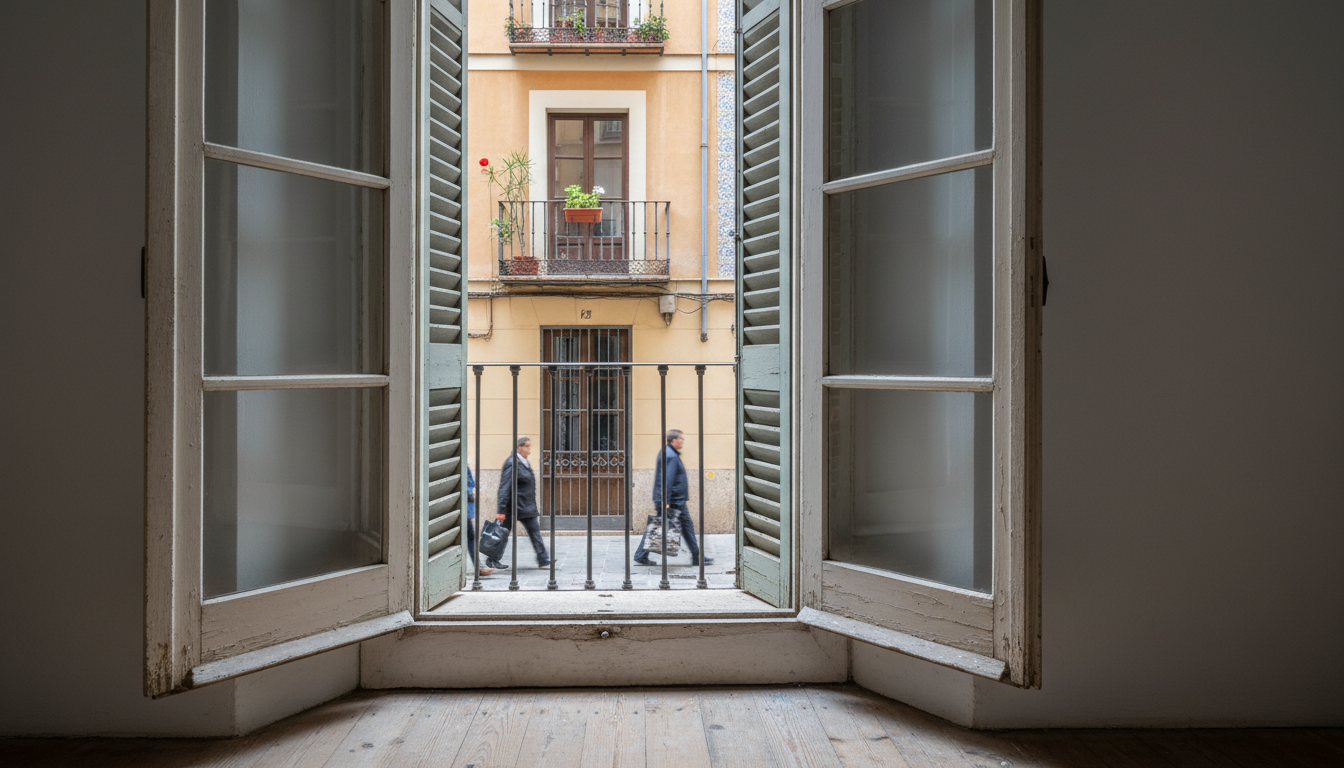 Morning light filtering through traditional wooden shutters in a Ruzafa apartment, with a small balc
I've done home exchanges in 25 countries over seven years. Valencia keeps pulling me back. Not because it's flashy—it's not Barcelona, and it doesn't try to be. It's because Valencia rewards the slow traveler. The one who wants to shop where locals shop, eat when locals eat (fair warning: dinner at 10 PM), and discover that the real magic happens in places no guidebook mentions.
This is everything I've learned about experiencing Valencia authentically through home swapping. The neighborhoods that work best. The cultural rhythms you'll want to sync with. The small moments that turn a trip into a memory.
Why Home Swapping Creates Deeper Cultural Immersion in Valencia
Here's the thing about hotels: they insulate you. That's their job, really—creating a consistent, comfortable bubble. But that bubble keeps you at arm's length from the city you came to experience.
Home swapping flips the script entirely.
When you stay in someone's apartment in El Carmen, you're not a tourist. You're the person who buys tomatoes at the same stall every morning. You're the one who figures out which bakery has the best ensaïmada (it's Horno San Bartolomé, by the way—been there since 1886). You learn that Valencians really do take their afternoon siesta seriously. Try finding anything open between 2 and 5 PM and you'll understand.
My host in Ruzafa, Elena, had left her apartment stocked with local recommendations that would have taken me months to discover on my own. Not just restaurants—though those were gold—but things like which metro exit to use at Colón to avoid the crowds. Which beach chiringuito has the freshest sardines. That Thursday is the best day for the Mercado de Ruzafa because that's when the mushroom vendor from Teruel shows up.
This kind of insider knowledge doesn't come from hotel concierges.
The financial aspect matters too, and I won't pretend it doesn't. Valencia hotels in decent areas run €120-180/night ($130-195 USD). Over two weeks, that's €1,680-2,520 ($1,820-2,730 USD) just for accommodation. With SwappaHome's credit system—earn 1 credit per night hosting, spend 1 credit per night staying—that money stays in your pocket for experiences instead. More paella dinners. More day trips to Albufera. More flamenco shows in El Cabanyal.
But honestly? The money saved is secondary to what you gain. You gain a neighborhood. A routine. The feeling of belonging somewhere, even temporarily.
Best Valencia Neighborhoods for Authentic Home Exchange Experiences
Not all neighborhoods offer the same immersion potential. After multiple stays across the city, here's where I'd point you—and where I'd gently steer you away from.
Ruzafa: The Sweet Spot for First-Time Valencia Home Swappers
Ruzafa is my favorite. This former working-class neighborhood has transformed into Valencia's creative heart without losing its soul. Third-generation butchers next to specialty coffee shops. Century-old bodegas beside natural wine bars.
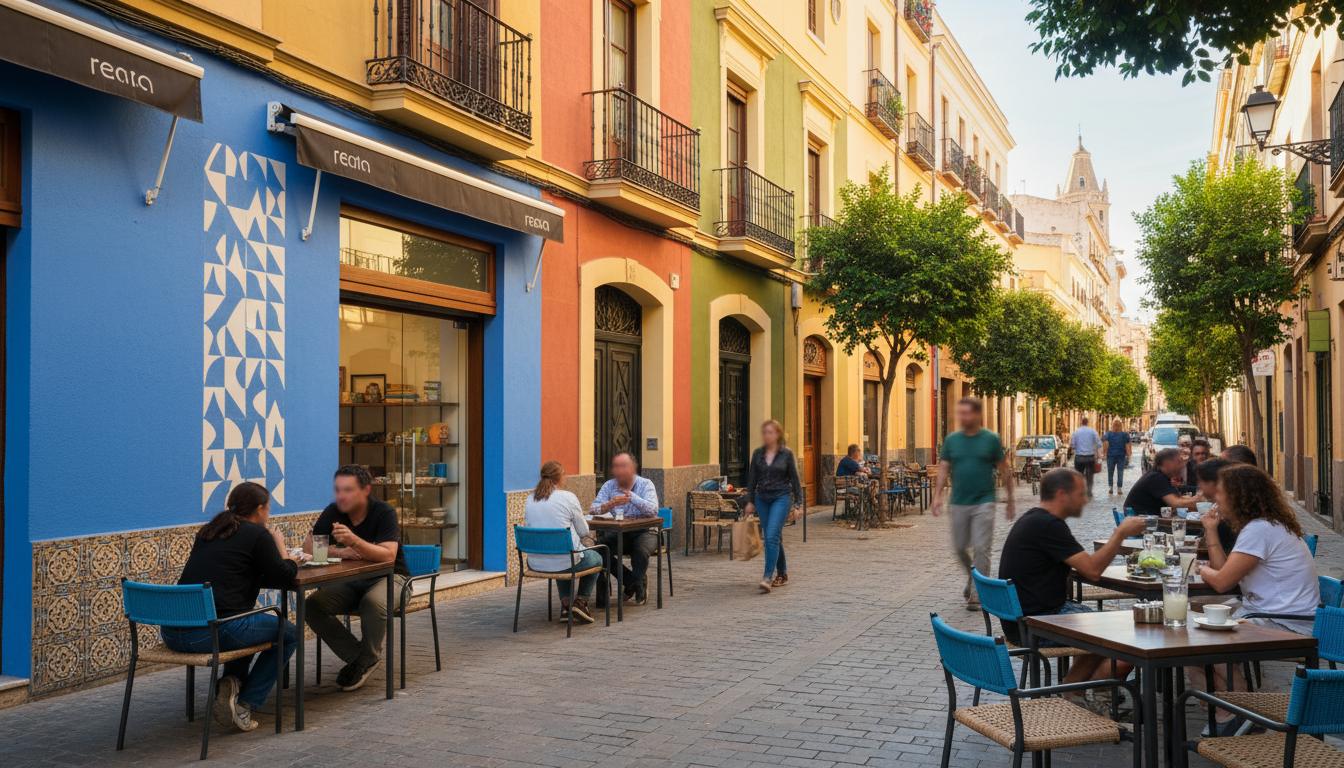 Bustling Ruzafa street scene with colorful building facades, outdoor caf tables, and locals chatting
The Mercado de Ruzafa is your anchor here. Unlike the tourist-heavy Mercado Central, this one serves locals. Go around 10 AM on a weekday and you'll be the only non-Spaniard there. The jamón ibérico at the corner stall costs about €3.50 ($3.80 USD) for 100 grams—roughly half what you'd pay near the main sights.
Home swap apartments in Ruzafa tend to be in renovated early-20th-century buildings. High ceilings. Hydraulic tile floors. Those gorgeous wooden shutters. Many have small balconies overlooking the street—perfect for morning coffee while watching the neighborhood wake up.
You're 15 minutes on foot from the old town, 20 minutes from the beach, and right in the middle of the city's best dining scene.
El Carmen: History Soaked Into Every Stone
If you want medieval Valencia, El Carmen delivers. The old town, with narrow streets that predate cars. Buildings standing since the 1400s. It's atmospheric in a way that feels almost theatrical—except it's real.
Home exchanges here come with quirks. Apartments are often in converted historic buildings, which means character but also means stairs (lots of them), compact layouts, and the occasional temperamental plumbing. I stayed in one where the bathroom was clearly added in the 1970s and squeezed into what used to be a closet. Worth it for the location, but know what you're getting into.
The advantage? You're steps from the Cathedral, the Silk Exchange (a UNESCO World Heritage site), and the Central Market. Church bells mark the hours. You'll stumble onto hidden plazas where old men play dominoes in the afternoon shade.
The disadvantage? Tourist density is higher, and some streets get rowdy on weekend nights. Light sleeper? Ask your host about noise levels.
El Cabanyal: The Underrated Coastal Gem
This is where I'd send someone on their second or third Valencia trip. El Cabanyal is the old fishermen's quarter—a 20-minute tram ride from the center but a world apart in atmosphere.
The architecture here is unlike anywhere else in Valencia. Colorful tiled facades. Low-rise buildings. Streets that feel more like a village than a city. It nearly got demolished in the early 2000s for a highway extension, but residents fought back and won. That fighting spirit still defines the neighborhood.
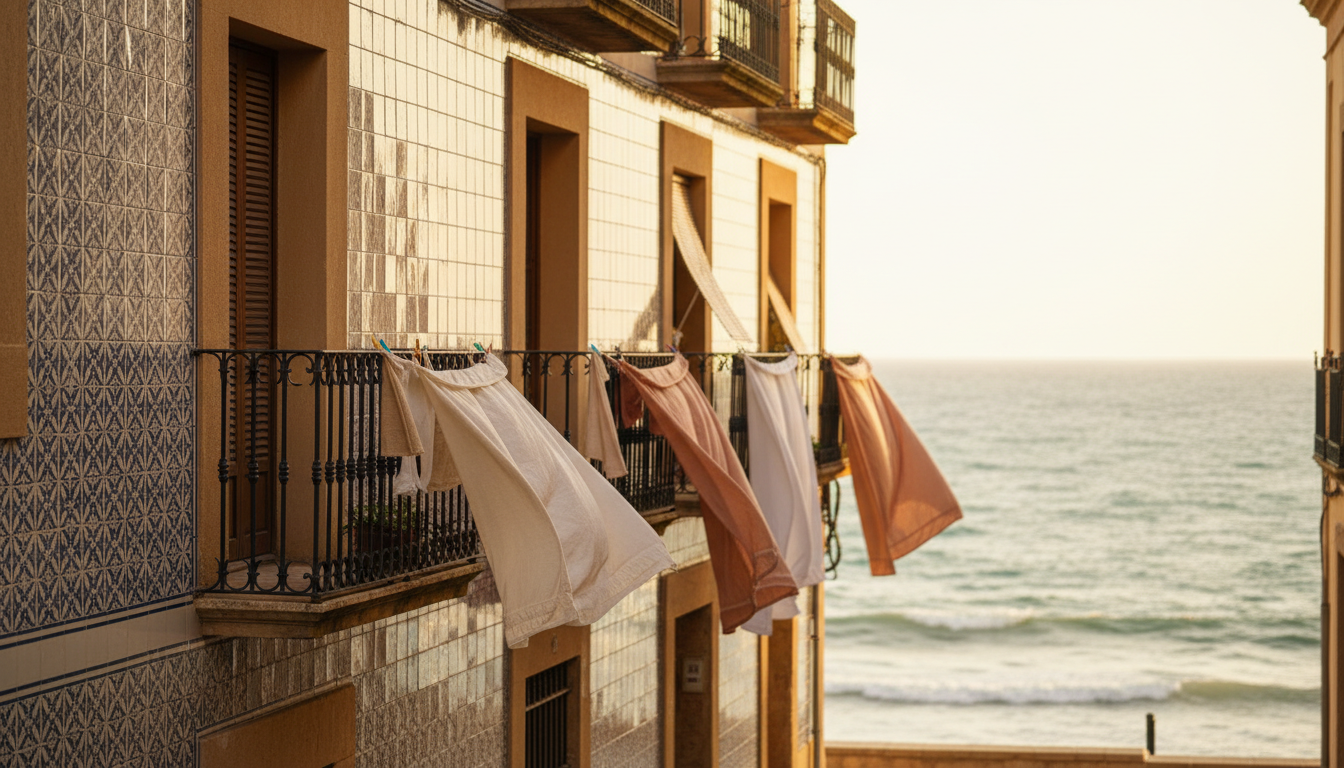 Traditional tiled building facade in El Cabanyal with distinctive blue and white ceramic patterns, l
Home swaps here put you five minutes from Playa de la Malvarrosa and right in the middle of Valencia's most authentic seafood scene. Casa Montaña, a bodega operating since 1836, serves some of the best clóchinas (local mussels) you'll ever eat. Around €8 ($8.70 USD) for a generous portion.
The tradeoff: you're farther from the main sights, and the neighborhood is still rough around some edges. It's gentrifying, but slowly. That rawness is part of its charm if you're open to it.
Benimaclet: Student Energy Meets Village Vibes
Benimaclet used to be its own village before Valencia absorbed it. That village identity persists—a central plaza, a weekly market, neighbors who've known each other for decades.
It's also a university neighborhood. Affordable restaurants. Live music venues. An energy that skews younger. Home exchanges here tend to be in more modern buildings, often with features like elevators and proper kitchens—practical if you're traveling with kids or have mobility concerns.
The Saturday market is one of the best in the city for organic produce. Farmers drive in from the huerta (Valencia's agricultural belt) with tomatoes that taste like tomatoes actually should.
Syncing With Valencia's Cultural Rhythms Through Home Exchange
The hardest adjustment for most visitors isn't the language or the food—it's the schedule. Valencia runs on a clock that will feel genuinely foreign if you're used to North American or Northern European timing.
Lunch happens between 2 and 4 PM. Dinner rarely starts before 9 PM, often closer to 10. Shops close for siesta. Sundays, entire neighborhoods shut down.
When you're home swapping, you adapt or you struggle. No hotel restaurant serving breakfast at 7 AM. No room service at 6 PM when you're hungry but nothing's open yet.
This forced adaptation is actually the point.
Within three days of my first Valencia home swap, I'd shifted my entire rhythm. Morning coffee around 9, a light breakfast. Work or sightseeing until 2, then a proper lunch—the menú del día at neighborhood restaurants runs €12-15 ($13-16 USD) for three courses plus wine. A rest during the hot afternoon hours. An evening paseo (stroll) around 7 when the city comes back to life. Tapas at 9, dinner at 10.
 Sunset scene at Valencias Turia Gardens with locals jogging, families walking, and couples sitting o
It sounds exhausting written out. But it's actually more relaxed than my normal life. The late dinner means long evenings with nowhere to rush. The siesta isn't laziness—it's survival strategy when summer temperatures hit 35°C (95°F).
Your home swap host can be invaluable here. Ask them: Where do you actually eat lunch? What time do you go to the market? When's the best time to visit the beach? Their answers will be different from what any guidebook tells you. And they'll be right.
Food Markets and Cooking: The Heart of Valencia Home Swap Culture
If you're not cooking at least a few meals during your Valencia home exchange, you're missing half the experience.
I don't say this as a food snob. I say it as someone who's discovered that Valencia's markets are destinations in themselves. And having a kitchen means you can actually use them.
Mercado Central: Go Early, Buy Strategically
Yes, it's famous. Yes, there are tourists. But Mercado Central is also a working market where Valencians have shopped for over a century. The trick is timing.
Go before 10 AM on a weekday. The tourist buses haven't arrived yet, and you'll see the market as it's meant to function—vendors shouting prices, regulars picking up their weekly orders, the controlled chaos of a space that feeds a city.
What to buy: Valencian oranges (obviously), but also local almonds, saffron from La Mancha, and whatever fish looks freshest that morning. The seafood vendors will clean and prep your purchase for free. What to skip: anything in the stalls closest to the main entrance. Those are priced for tourists.
Mercado de Ruzafa: Your Daily Stop
Smaller, calmer, and entirely local. This is where you'll do your actual grocery shopping during a home swap.
I developed a routine during my last two-week stay: morning coffee at Bluebell Coffee (excellent flat whites, €3.20/$3.50 USD), then a loop through the market for whatever looked good. The vegetable vendors started recognizing me by day three. By day ten, they were setting aside the best tomatoes.
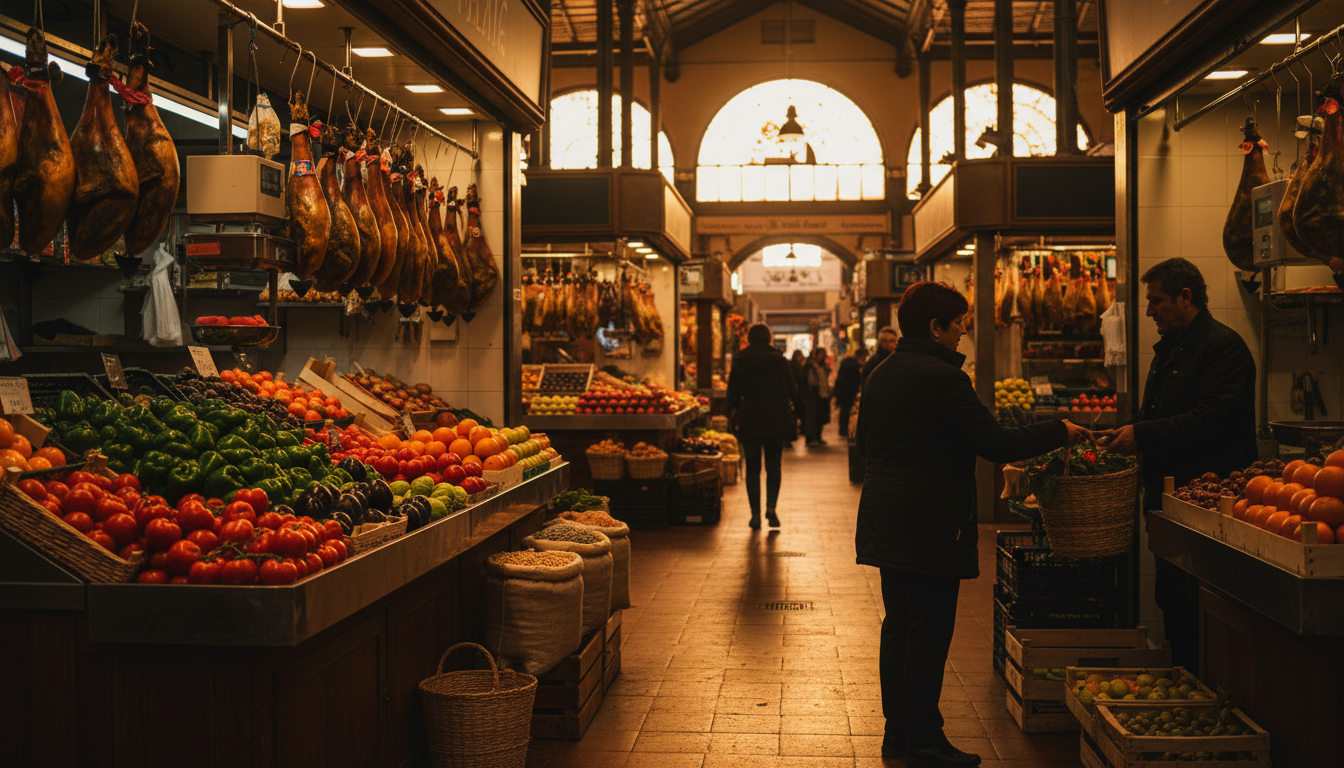 Interior of Mercado de Ruzafa showing colorful produce stalls, hanging jamn legs, and a vendor handi
That kind of micro-relationship is what cultural immersion actually feels like. Not a monument or a museum. The vegetable guy giving you a free pepper because you've become a regular.
Cooking Paella: A Home Swap Rite of Passage
You cannot visit Valencia and not attempt paella. Doing it in someone's home kitchen, with ingredients from local markets, is infinitely more meaningful than ordering it at a restaurant.
A few things I learned the hard way: Valencian paella is NOT seafood paella. The original is made with rabbit, chicken, and snails. Seafood paella is a coastal adaptation that Valencians consider slightly inferior (though they'll eat it at the beach without complaint). The rice matters enormously—look for bomba or calasparra varieties at the market. The socarrat (the crispy bottom layer) is the mark of a well-made paella. And never, ever stir it once the rice goes in.
Many home swap hosts leave paella pans in their kitchens. If yours doesn't, you can buy a decent one at the kitchen supply stores near Mercado Central for around €15-25 ($16-27 USD). It makes a great souvenir that you'll actually use.
Beyond the Obvious: Cultural Experiences Your Host Can Unlock
The best moments of my Valencia home swaps weren't things I found in guidebooks. They came from host recommendations, neighborhood discoveries, and the simple act of living somewhere instead of visiting it.
Las Fallas: If You're Lucky Enough to Time It Right
Valencia's biggest festival happens in March, culminating on the 19th with the burning of massive satirical sculptures throughout the city. Loud. Chaotic. Absolutely unforgettable.
Home swaps during Fallas book up months in advance—this is when you want to use those SwappaHome credits early. But if you can secure one, you'll experience the festival like a local. Watching the mascletà (daily firecracker displays) from your balcony. Eating buñuelos from neighborhood stands. Staying up until dawn because the entire city does.
I missed Fallas my first trip but caught it on my third. Staying in a Ruzafa apartment meant I could retreat from the crowds when I needed to, then dive back in refreshed. Hotel guests don't have that luxury.
The Huerta: Valencia's Agricultural Soul
The huerta is the fertile agricultural plain surrounding Valencia, crisscrossed with ancient irrigation canals dating back to Moorish times. It's where the city's famous oranges grow, along with tiger nuts (used to make horchata), artichokes, and the rice for paella.
Most tourists never see it. But with a home base and a rented bike (about €12/$13 USD per day), you can spend a morning cycling through orange groves and rice paddies, stopping at farmhouse restaurants for lunch.
Ask your host about Alboraya—a small town on the huerta's edge famous for its horchata. The drink tastes completely different when made fresh, and the horchatería Daniel has been doing it since 1949.
Neighbourhood Fiestas: The Hyperlocal Celebrations
Every Valencia neighborhood has its own annual fiesta, usually in summer. Block-party-scale events with live music, outdoor dining, and a community atmosphere that's impossible to fake.
Ruzafa's fiesta happens in late August. El Cabanyal celebrates in July. These aren't on tourist radars, but your home swap host will know about them—and if you're staying during one, you'll have a front-row seat to Valencia at its most authentically joyful.
Practical Tips for Your Valencia Home Exchange
Seven years of home swapping has taught me that preparation matters. Here's what I wish someone had told me before my first Valencia exchange.
Communication With Your Host
Valencians are warm but not effusive. Don't mistake brief messages for coldness—it's a cultural communication style. Be clear about your arrival time. Ask specific questions about the apartment (how does the hot water work? where's the nearest pharmacy?). Leave a detailed guide for them in return if they're doing a simultaneous swap.
The messaging system on SwappaHome keeps everything organized and documented. Use it rather than switching to WhatsApp or email—it's easier to reference later.
What to Bring
Most Valencia apartments don't have dryers—clothes dry on the balcony or a rack. Pack quick-dry fabrics if you're staying more than a week. Power adapters (Spain uses Type C/F plugs). A small bag for market shopping. Comfortable walking shoes because the old town is cobblestoned.
Getting Around
Valencia is incredibly walkable, but the metro and tram system is excellent for longer distances. A 10-trip metro card costs €7.90 ($8.60 USD) and covers most of the city. The Valenbisi bike-share system runs €13.30 ($14.40 USD) for a week—worth it if you're staying in Ruzafa or El Carmen.
From the airport, the metro runs directly to the center for €5.80 ($6.30 USD). Taxis cost €20-25 ($22-27 USD) to most neighborhoods.
Language Considerations
Spanish is essential in Valencia; English is less widely spoken than in Barcelona or Madrid. Learn a few phrases—"una mesa para dos" (a table for two), "la cuenta, por favor" (the check, please), "¿dónde está...?" (where is...?). Valencians also speak Valencian (similar to Catalan), so don't be surprised by bilingual signage.
Google Translate's camera function is genuinely useful for menus and market signs.
Building Trust: How SwappaHome's Community Makes Valencia Exchanges Work
I'll be honest: the first time I handed my apartment keys to a stranger, I was nervous. That's normal. Home swapping requires trust, and trust requires systems.
SwappaHome's review system is the foundation. After every exchange, both parties leave feedback. Over time, active members build reputations—you can see how many successful exchanges someone has completed, read detailed reviews from past hosts and guests, and make informed decisions.
The verification features help too. Members can verify their identity, adding another layer of confidence. When I'm browsing potential swaps in Valencia, I filter for verified members with multiple positive reviews. It narrows the options but increases the quality.
One thing SwappaHome doesn't do—and this is important to understand—is provide insurance or damage coverage. The platform connects members, but responsibility for your home and belongings stays with you. I always recommend getting your own travel insurance that covers home exchange stays. Some members choose additional home insurance for when they're hosting. Worth the peace of mind.
The credit system keeps things fair and flexible. You don't need to find someone in Valencia who wants to visit your city at the exact same time. Host guests from anywhere, earn credits, then use those credits in Valencia whenever it works for you. New members start with 7 free credits—enough for a solid week-plus stay to test the waters.
The Moments That Stay With You
I could give you more practical tips. More neighborhood breakdowns. More restaurant recommendations.
But what I really want to leave you with is this: cultural immersion in Valencia through home swapping isn't about checking boxes or optimizing itineraries. It's about the moments that happen when you stop being a tourist and start being a temporary resident.
The morning you walk to the market without consulting Google Maps because you've learned the route. The evening you end up at a neighborhood bar because you heard music from your balcony and followed it. The afternoon you spend reading on someone else's couch, in someone else's city, feeling completely at home.
Valencia rewards this kind of travel. It's not trying to impress you with flashy attractions (though the City of Arts and Sciences is genuinely spectacular). It's inviting you to slow down, eat well, and discover what Spanish life actually feels like when you're living it instead of observing it.
Home swapping makes that invitation possible. SwappaHome makes it practical. The rest—the markets, the meals, the midnight conversations in plazas—that's up to you.
I'll be back in Valencia this fall, staying in a Benimaclet apartment I found through a host I met during my last exchange. She's coming to San Francisco in October; I'm taking her place in November. No money changes hands. Just homes, traded across an ocean, and the understanding that travel is better when it feels like belonging.
That's what cultural immersion actually means. And Valencia, more than almost anywhere I've been, delivers it.
Frequently Asked Questions
Is home swapping in Valencia safe for first-time exchangers?
Yes—home swapping in Valencia is safe when you use established platforms with review systems. SwappaHome's member verification and detailed reviews help you choose trustworthy hosts. Start with highly-reviewed members, communicate clearly before your exchange, and consider getting travel insurance for added peace of mind. Valencia itself is one of Spain's safest major cities.
How much money can I save with home exchange in Valencia versus hotels?
A two-week Valencia home swap saves approximately €1,500-2,200 ($1,625-2,400 USD) compared to mid-range hotels. Decent Valencia hotels cost €120-180 per night, while home exchanges through SwappaHome's credit system cost nothing beyond your membership. Having a kitchen saves another €30-50 daily on meals.
What's the best neighborhood in Valencia for a home swap?
Ruzafa is the best Valencia neighborhood for home swapping, especially for first-timers. It offers the ideal balance of local authenticity, excellent restaurants, a daily market, and proximity to both the old town (15 minutes walking) and the beach (20 minutes). El Carmen suits history lovers, while El Cabanyal is perfect for beach access.
When is the best time to do a home exchange in Valencia?
Spring (April-May) and fall (September-October) offer the best weather for Valencia home swaps—warm but not scorching, with fewer tourists. March is ideal if you want to experience Las Fallas festival, though you'll need to book months ahead. Summer works for beach lovers willing to handle 35°C heat and adjusted Spanish schedules.
Do I need to speak Spanish for a Valencia home swap?
Basic Spanish significantly improves your Valencia home exchange experience, as English is less common than in Barcelona or Madrid. Learn essential phrases for markets, restaurants, and directions. Your host's written guide and Google Translate help bridge gaps. Valencians appreciate any effort to speak Spanish and are patient with learners.

Published by
SwappaHome
SwappaHome Editorial Team
Home Exchange & Slow Travel Editorial
The SwappaHome Editorial Team brings together travel research, home-exchange community insights, and platform data to produce practical guides for first-time and experienced home swappers. Every article cites real platforms, current market rates, and verifiable city-level facts so readers can make informed decisions without guessing.
Ready to try home swapping?
Join SwappaHome and start traveling by exchanging homes. Get 7 free credits when you sign up!
Related articles

Bachelor and Bachelorette Parties in Singapore: The Complete Home Swap Group Guide for 2026
Planning a bachelor or bachelorette party in Singapore? Discover how home swapping lets groups of 6-12 stay together in luxury condos, saving thousands while partying in Marina Bay.
Cycling in Lisbon: 7 Home Swap Bike Tour Itineraries for Every Rider
Discover the best cycling routes in Lisbon with these home swap bike tour itineraries—from waterfront paths to hilltop adventures, all starting from your borrowed home.
Graduation Trip to Barcelona: How Home Swapping Gives New Graduates the Ultimate Celebration
Planning a graduation trip to Barcelona? Discover how home swapping lets new graduates explore Spain's most vibrant city without the hostel crowds or hotel costs.