Denver Home Swap Guide: Your Complete Blueprint for Mile High Adventures

SwappaHome Editorial Team
Home Exchange & Slow Travel Editorial
Everything you need to know about Denver home swaps—from the best neighborhoods to insider tips that'll make your Mile High City stay unforgettable.
The altitude hit me before I even left the airport. That thin, dry air that makes you feel slightly drunk for the first 24 hours—it's real, and nobody warned me before my first Denver home swap three years ago. I spent day one chugging water and wondering why my lungs felt like they'd shrunk two sizes.
But here's the thing about Denver: once you adjust, this city becomes absolutely magnetic. And doing it through a home swap? That's when you stop being a tourist and start living like a local—waking up to mountain views from someone's Wash Park bungalow, brewing coffee in a RiNo loft while the morning light hits all that street art outside your window.
This guide covers everything I wish I'd known before that first trip, plus insights from the three subsequent swaps I've done here. Because Denver isn't just a layover city or a ski trip pit stop anymore. It's become one of my favorite places to actually stay.
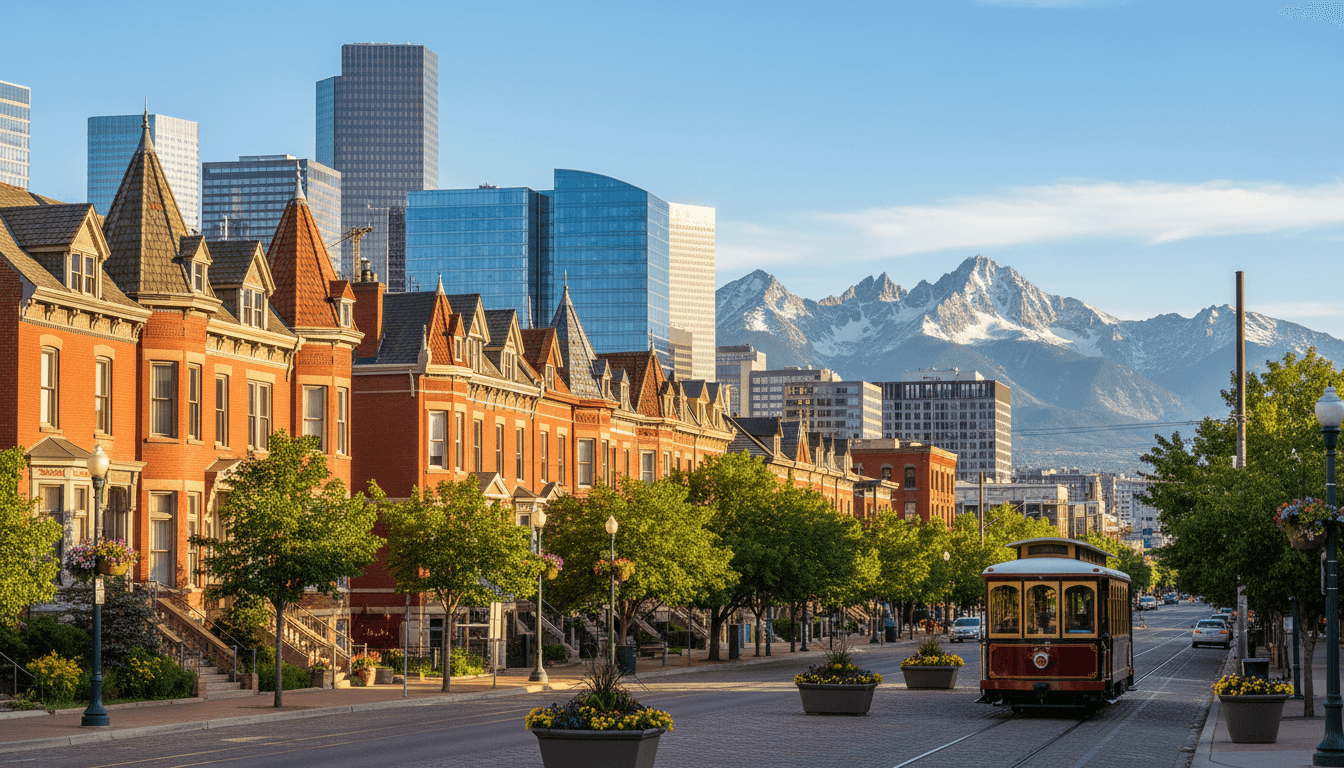
 panoramic view of Denver skyline at golden hour with the Rocky Mountains snow-capped in the backgrou
Why Denver Home Swaps Make More Sense Than Hotels
Let me throw some numbers at you that still blow my mind.
The average hotel room in downtown Denver runs $180-$250 per night. During ski season or when there's a Broncos game? Easily $300+. A week-long stay in a decent hotel will set you back $1,200-$1,800 before you've even bought a single craft beer.
Now consider this: with SwappaHome's credit system, you're spending 1 credit per night regardless of the property. That converted Victorian in Capitol Hill? One credit. The modern condo with mountain views in LoDo? Same thing—one credit. You earn those credits by hosting travelers in your own home, which means your Denver accommodation can essentially cost you nothing out of pocket.
But the money isn't even the best part.
Denver home swaps give you something hotels physically cannot: space. Real kitchens where you can meal prep for hiking days. Patios for those perfect 300-days-of-sunshine afternoons. Neighborhoods where you'll actually meet people instead of shuffling through a lobby.
My second Denver swap was in a basement apartment in Berkeley—not glamorous on paper, but it had a full kitchen, a backyard with a fire pit, and the host left me a handwritten list of her favorite breakfast spots. I still go to Rosenberg's Bagels every time I'm in town because of that note.
Best Denver Neighborhoods for Home Exchange Properties
Denver's neighborhoods each have their own personality, and where you swap matters more than you might think. Here's my honest breakdown after spending significant time in most of these areas.
Capitol Hill: The Sweet Spot for First-Timers
Cap Hill is where I always recommend first-time Denver visitors land. It's walkable, central, and has that perfect mix of historic architecture and modern energy. The Victorian homes and brick apartments here make for some of the most characterful swap properties in the city.
You're steps from Cheesman Park (morning runs with mountain views), surrounded by restaurants and bars on Colfax, and can walk to downtown in 20 minutes. The swap properties here tend to be older buildings with actual personality—crown molding, built-in bookshelves, that kind of thing.
Expect studios to 2-bedrooms, lots of walkups, street parking that can be tricky, and vibrant nightlife energy.
RiNo (River North Art District): For the Culture Seekers
RiNo has transformed from industrial wasteland to Denver's creative heartbeat in about a decade. The swap properties here are often converted warehouses and modern lofts—lots of exposed brick, concrete floors, and floor-to-ceiling windows.
 colorful street art mural covering an entire building wall in RiNo, with people walking past outdoor
This is where you want to be if breweries, art galleries, and weekend markets are your thing. The Denver Central Market is here (grab the tacos from Comida), and you can walk to most of the city's best craft breweries. The downside? It can feel a bit too trendy, and the loft-style properties often have noise issues.
Expect modern construction, open floor plans, rooftop access, higher-end finishes, and weekend crowds.
Washington Park: Suburban Vibes, Central Location
Wash Park is where Denver families and young professionals settle down. The swap properties here are often actual houses—bungalows with yards, Tudors with finished basements, that kind of thing. If you're traveling with kids or want more space, this is your neighborhood.
The park itself is gorgeous—a 165-acre green space with lakes, running paths, and that classic Denver outdoor lifestyle on full display. You're a quick Uber to downtown but far enough to feel like you're in a real neighborhood.
My Wash Park swap had a front porch where I'd drink coffee every morning and wave at the same joggers. That's the vibe here.
Expect houses over apartments, parking included, quieter evenings, and a 10-15 minute drive to downtown.
LoDo (Lower Downtown): Urban Energy Central
LoDo is Denver's historic downtown core—Union Station, Coors Field, the 16th Street Mall. The swap properties here are mostly condos and lofts in converted warehouses or newer high-rises.
This is where you want to be if you're here for a specific event, want to walk everywhere, or just love that urban energy. The downside is it can feel touristy, and the properties often come with HOA restrictions that might affect your swap experience.
Expect condos with amenities like gyms and rooftop pools, walkability to transit, game-day crowds, and higher density.
Highlands and LoHi: The Goldilocks Zone
If I had to pick one neighborhood for the "perfect" Denver home swap experience, it might be the Highlands. You get the walkability and restaurant scene of trendier areas without the industrial edge of RiNo or the tourist density of LoDo.
The swap properties here range from cute bungalows on tree-lined streets to modern townhomes with rooftop decks. Tennyson Street has become one of Denver's best food corridors, and you're close enough to downtown without being in the thick of it.
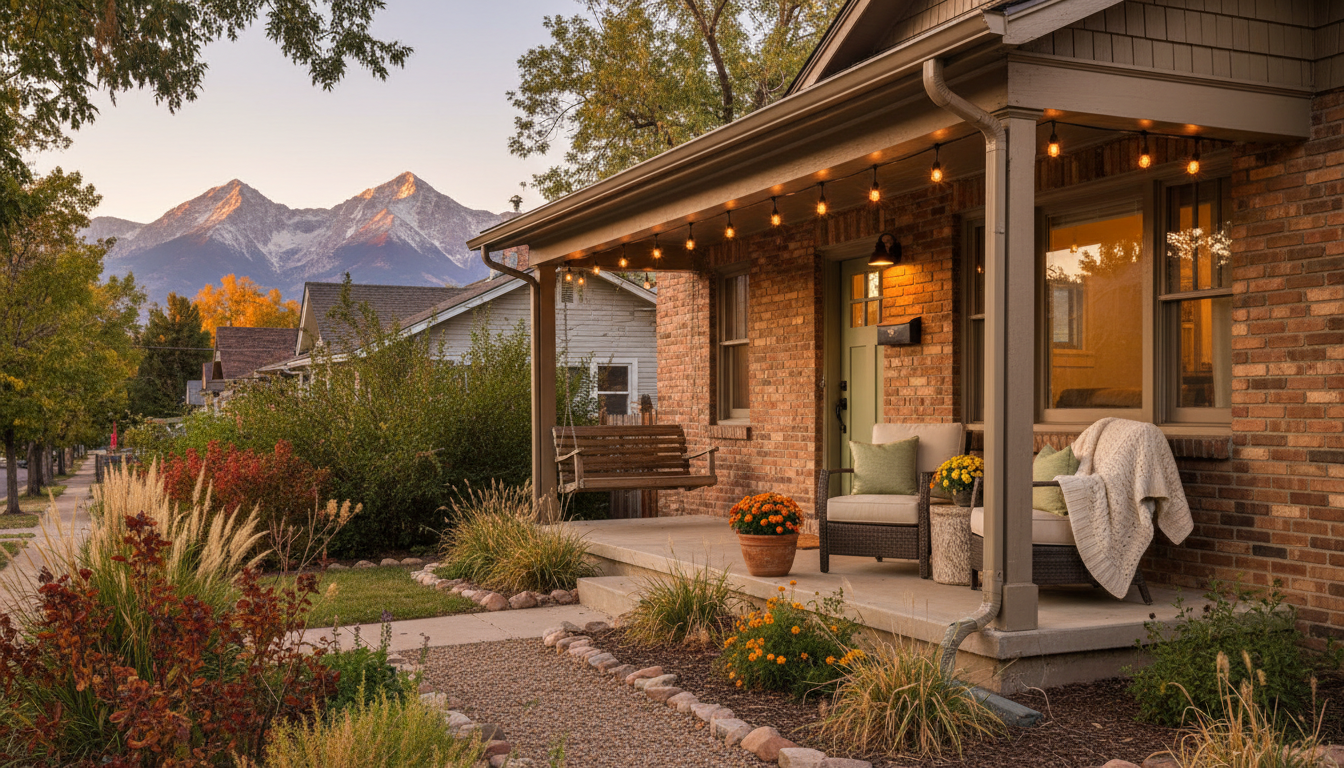 charming bungalow-style home in the Highlands with a small front yard, string lights on the porch, m
Expect a mix of old and new construction, good restaurant walkability, residential feel, and slightly higher demand for swaps.
How to Find the Perfect Denver Home Swap
Alright, let's get practical. Finding a Denver home exchange that matches what you're actually looking for takes some strategy.
Timing matters more than you'd think. Denver's high seasons are ski season (December through March), summer (June through August), and any weekend with a major event—Broncos games, concerts at Red Rocks, the Great American Beer Festival in October. During these times, swap properties get snapped up fast, and hosts are pickier about who they accept.
I've found the sweet spot is shoulder seasons: late April through May, and September through early November. The weather's still great (seriously, Denver's fall is underrated), prices for everything else are lower, and hosts are more flexible.
When you're browsing properties on SwappaHome, here's what I actually look for beyond the obvious photos:
Parking situation. Denver is not a city where you want to rely solely on street parking, especially in older neighborhoods. If the listing doesn't mention parking, ask directly. A garage or dedicated spot is worth prioritizing.
Altitude prep notes. Good Denver hosts mention the altitude adjustment in their listing or welcome materials. If they don't, ask what they recommend. This small detail tells you a lot about how thoughtful a host is.
Outdoor space. This is Colorado. You want a patio, a balcony, a yard—something. Denver's weather is too good to be stuck inside, and the best swap properties understand this.
Kitchen situation. If you're planning hiking days or ski trips, you'll want to meal prep. Look for listings that specifically mention full kitchens versus kitchenettes.
Once you've found properties that interest you, the messaging stage is where you seal the deal. I always introduce myself, explain why I'm visiting Denver specifically, and mention something specific about their property that caught my eye. Generic copy-paste requests get ignored.
What to Expect from Your Denver Host
Denver hosts, in my experience, tend to be outdoorsy, friendly, and genuinely excited to share their city. The swap culture here feels less transactional than in some major cities—people actually want you to have a good time.
Most Denver hosts I've worked with have left some version of a local guide. The best one I received was a Google Doc with sections for "If You Have One Day," "Hidden Gems," and "Skip These Tourist Traps." That host told me to avoid Casa Bonita (the famous South Park restaurant) unless I was going ironically, and to hit up Biker Jim's for elk sausages instead.
 cozy living room interior with large windows showing mountain views, comfortable couch with blankets
Communication style varies, but most Denver hosts are responsive and helpful. I've had hosts offer to pick me up from the airport, leave their bikes for me to use, and even stock the fridge with local beers. The community aspect of home swapping really shines here.
One thing to be prepared for: Denver homes often have quirks related to the climate. Humidifiers are common (the air is incredibly dry), and you might encounter swamp coolers instead of AC in older properties. These work great in Denver's low humidity but take some getting used to if you've never seen one.
Preparing Your Own Home for the Exchange
If you're new to home swapping, the idea of strangers staying in your place can feel weird. I get it—I spent my first swap anxiously checking my security camera every hour. But here's what I've learned: good preparation eliminates 90% of the anxiety.
Start with the basics. Clean thoroughly (or hire someone), clear out personal items you're not comfortable sharing, and make space in closets and drawers for your guest's belongings. I have a designated "swap shelf" in my closet where I stash anything private before guests arrive.
Create a simple house manual. Mine covers wifi password, thermostat instructions, trash day, parking rules, and emergency contacts. I also include a list of my favorite neighborhood spots—the coffee shop where the baristas know me, the Thai place that delivers, the park where I walk in the mornings.
The review system on SwappaHome means both parties have incentive to be respectful. In seven years and 40+ swaps, I've had exactly one minor issue (a broken wine glass, which the guest replaced before I even got home). The community self-regulates remarkably well.
If you're still nervous, consider getting your own renter's or homeowner's insurance to cover any potential issues. SwappaHome connects members but doesn't provide damage coverage—that's on you to arrange if you want it. Personally, I've never needed it, but some people sleep better knowing they have it.
Making the Most of Your Denver Home Swap Experience
Here's where I get to share the stuff that makes Denver special—the things you won't find in a hotel concierge's recommendations.
The Altitude Is Real (Plan for It)
Denver sits at 5,280 feet—exactly one mile high. That might not sound dramatic, but your body notices. Drink way more water than you think you need (I aim for a gallon a day for the first few days). Go easy on alcohol the first night or two—it hits harder up here. And if you're planning to hit the mountains immediately, reconsider. Give yourself at least 24-48 hours to adjust before gaining more elevation.
I made the mistake of hiking a 14er on day two of my first Denver trip. I bonked hard at 12,000 feet and had to turn back. Lesson learned.
The Weather Is Weird (Pack Layers)
Denver's weather can swing 40 degrees in a single day. I've worn shorts and a down jacket in the same afternoon. The sun is also significantly more intense at altitude—you'll burn faster than you expect, even on cloudy days.
Pack layers, always have sunscreen, and don't trust the morning weather to predict the afternoon. That said, the "300 days of sunshine" thing is real. Even when it snows, it often melts by afternoon.
 person sitting on a sunny patio with coffee, wearing layers including a light jacket, blue sky above
Transportation Realities
Denver's public transit (RTD) is decent for getting downtown from the airport and moving around central areas, but you'll probably want a car for day trips. The A Line from DEN to Union Station is $10.50 and takes about 37 minutes—way better than the $60+ Uber during peak times.
For day trips to the mountains, renting a car is almost essential. The ski resorts, Rocky Mountain National Park, and most hiking trailheads require driving. Just be prepared for I-70 traffic on weekend mornings—it's legendary for a reason.
The Food and Drink Scene
Denver's food scene has exploded in the past decade. A few spots I return to every trip:
Breakfast: Snooze (multiple locations, get the pineapple upside-down pancakes), Rosenberg's Bagels (Berkeley, legit New York-style), The Universal (Cap Hill, cash only, no-frills perfect).
Lunch/Dinner: Hop Alley (RiNo, Sichuan that'll make you sweat), Mercantile (Union Station, farm-to-table done right), Biker Jim's (multiple locations, weird game sausages that somehow work).
Drinks: Ratio Beerworks (RiNo, excellent sours), Williams & Graham (LoHi, speakeasy vibes, reservations recommended), Death & Co (RiNo, if you're into craft cocktails).
Coffee: Huckleberry Roasters (multiple locations), Little Owl (Cap Hill), Thump (multiple locations, good for working).
Day Trip Must-Dos
The mountains are right there. Like, right there. You can see them from most of the city, and they're calling you.
Red Rocks Amphitheatre (30 minutes from downtown): Even if there's no concert, the venue is free to visit during the day. The hiking trails around it are gorgeous, and watching sunrise from the top of the amphitheater is a Denver bucket list item.
Rocky Mountain National Park (90 minutes): Trail Ridge Road is one of the most scenic drives in America. Go early to avoid crowds, and check if you need a timed entry reservation (required during peak season).
Boulder (45 minutes): Pearl Street Mall, Chautauqua Park for hiking, and a completely different vibe from Denver. Worth a day trip, especially if you're into the outdoorsy-hippie-college-town aesthetic.
Golden (25 minutes): Coors Brewery tour (free beer at the end), Clear Creek hiking, and a cute downtown that feels like a mountain town without the drive.
Common Denver Home Swap Mistakes to Avoid
After four Denver swaps and countless conversations with other home exchangers, I've collected a mental list of mistakes people make. Here's how to avoid them.
Underestimating distances. Denver sprawls. What looks close on a map might be a 25-minute drive. The mountains that seem right there? They're 60-90 minutes away. Build more travel time into your plans than you think you need.
Ignoring the altitude. I mentioned this already, but it bears repeating. The altitude affects everything—your energy, your alcohol tolerance, your skin (bring moisturizer), and your sleep. Respect it.
Not asking about parking. Seriously. Street parking in popular neighborhoods like Cap Hill and RiNo is a nightmare. Confirm the parking situation before you commit to a swap.
Booking during events without knowing. Denver hosts major events that can transform the city—Broncos games, concerts at Red Rocks, conventions. Check what's happening during your dates. It might be awesome (hello, Great American Beer Festival) or it might mean traffic nightmares and inflated prices for everything.
Skipping the local recommendations. Your host knows things Google doesn't. If they leave you a list of recommendations, use it. Some of my best Denver memories came from host suggestions I never would have found otherwise.
Setting Up Your SwappaHome Profile for Denver Success
If you're new to SwappaHome and Denver is your target, here's how to position yourself for success.
Your profile matters. Denver hosts get plenty of swap requests, especially during peak seasons. A complete profile with verified identity, clear photos of your own home, and a genuine bio will get you responses. Generic profiles get ignored.
When you message Denver hosts, be specific about your dates and flexible if possible. Mention why you're visiting (skiing, hiking, visiting family, remote work stint) and what drew you to their specific property. Ask thoughtful questions about the neighborhood or their recommendations.
Remember the credit system: you're earning credits by hosting guests at your place, then spending those credits on your Denver stay. New members start with 7 free credits, which is enough for a solid week-plus in Denver. The math works in your favor—especially compared to $200/night hotels.
The Intangible Magic of Denver Home Swaps
I want to end with something that's hard to quantify but matters more than any practical tip.
When you stay in someone's Denver home, you absorb something about how people actually live here. The hiking boots by the door. The collection of local brewery glasses. The dog-eared trail guides on the bookshelf. The way the morning light hits the kitchen just right.
My last Denver swap was in a small house in the Highlands. The host had lived there for 15 years and raised her kids in that space. She left me a note about watching the sunset from her backyard and how she'd done it thousands of times but it never got old.
I sat out there my first evening with a beer from a local brewery, watched the sky turn pink over the mountains, and understood exactly what she meant. That's not something a hotel can give you.
Denver is a city that rewards people who slow down enough to notice it. Home swapping forces that slowdown. You're not rushing between tourist attractions—you're living somewhere, even if just for a week.
And honestly? That's the whole point.
Frequently Asked Questions
Is a Denver home swap safe for first-time home exchangers?
Denver has an active and welcoming home swap community with generally trustworthy hosts. The review system on SwappaHome helps you vet potential exchanges, and most Denver hosts are experienced with swaps. Start by choosing hosts with multiple positive reviews, communicate clearly about expectations, and consider your own travel insurance for peace of mind.
How much can I save with a Denver home swap compared to hotels?
The average Denver hotel costs $180-$250 per night, meaning a week-long stay runs $1,200-$1,750 or more. With SwappaHome's credit system (1 credit per night regardless of property), your accommodation cost is essentially the value of hosting guests at your own home. Most swappers save $1,000-$2,000 per week compared to traditional lodging.
What's the best time of year for a Denver home swap?
Shoulder seasons—late April through May and September through early November—offer the best combination of good weather, lower demand, and more flexible hosts. Ski season (December-March) and summer (June-August) are popular but competitive. Avoid major event weekends unless that's specifically why you're visiting.
Do I need a car for a Denver home swap stay?
For exploring central Denver neighborhoods, you can manage without a car using RTD transit, rideshares, and bikes. However, for day trips to the mountains, Rocky Mountain National Park, or ski resorts, a rental car is almost essential. Consider your itinerary when choosing a swap property—downtown locations offer better transit access.
How far in advance should I book a Denver home swap?
For peak seasons (ski season, summer, major events), start looking 2-3 months ahead. For shoulder seasons, 4-6 weeks is usually sufficient. Popular neighborhoods like the Highlands and Capitol Hill book faster than outer areas. Being flexible with your exact dates increases your chances of landing a great property.

Published by
SwappaHome
SwappaHome Editorial Team
Home Exchange & Slow Travel Editorial
The SwappaHome Editorial Team brings together travel research, home-exchange community insights, and platform data to produce practical guides for first-time and experienced home swappers. Every article cites real platforms, current market rates, and verifiable city-level facts so readers can make informed decisions without guessing.
Ready to try home swapping?
Join SwappaHome and start traveling by exchanging homes. Get 7 free credits when you sign up!
Related articles

Bachelor and Bachelorette Parties in Singapore: The Complete Home Swap Group Guide for 2026
Planning a bachelor or bachelorette party in Singapore? Discover how home swapping lets groups of 6-12 stay together in luxury condos, saving thousands while partying in Marina Bay.

Cycling in Lisbon: 7 Home Swap Bike Tour Itineraries for Every Rider
Discover the best cycling routes in Lisbon with these home swap bike tour itineraries—from waterfront paths to hilltop adventures, all starting from your borrowed home.

Graduation Trip to Barcelona: How Home Swapping Gives New Graduates the Ultimate Celebration
Planning a graduation trip to Barcelona? Discover how home swapping lets new graduates explore Spain's most vibrant city without the hostel crowds or hotel costs.