
Digital nomad visa Malta: The complete guide to the Nomad Residence Permit

SwappaHome Editorial Team
Home Exchange & Slow Travel Editorial
Key Takeaways The island of Malta has become a primary hub for remote professionals looking to combine productivity with a Mediterranean lifestyle.…
Key Takeaways
The island of Malta has become a primary hub for remote professionals looking to combine productivity with a Mediterranean lifestyle. Understanding the administrative path is essential for a smooth transition into this vibrant community.
- The permit is specifically designed for third-country nationals earning a foreign income.
- Applicants must demonstrate their ability to work remotely using telecommunications technologies.
- A minimum monthly gross income threshold of €3,500 is currently enforced.
- Health insurance and property rental agreements are mandatory components of your submission.
- The legal status allows for a stay of up to one year with potential annual renewal opportunities.
Eligibility requirements for the Nomad Residence Permit
Malta offers a unique environment for professionals who prioritize flexibility and lifestyle. By securing legal residency, you gain the stability needed to focus on your career while enjoying the island's culture. Ensuring you meet the criteria early helps prevent administrative holdups during your transition.
Understanding the target audience for the program
The program is aimed at third-country nationals who work location-independently. If you already hold EU or EEA citizenship, you likely do not require this specific permit to live or work in Malta, as those rights are granted through other channels. The Nomad Residence Permit specifically targets those who provide services or work for companies based entirely outside of Maltese borders.
Qualifying remote employment and income criteria
To qualify, you must prove that your work is not tied to a brick-and-mortar location. This means showing proof of employment with a company registered abroad, working as a freelancer with international clients, or acting as a partner in a company based outside of the island. You must be able to perform these duties using modern telecommunications technology.
Distinguishing the Nomad Residence Permit from standard worker visas
Unlike traditional work visas, this permit does not require a local employer to sponsor your stay. You remain employed by your current foreign entity, which provides the autonomy needed to maintain your existing professional arrangements throughout your stay. This distinction is key for those who wish to travel while continuing their current career trajectory.
Essential documentation for your application
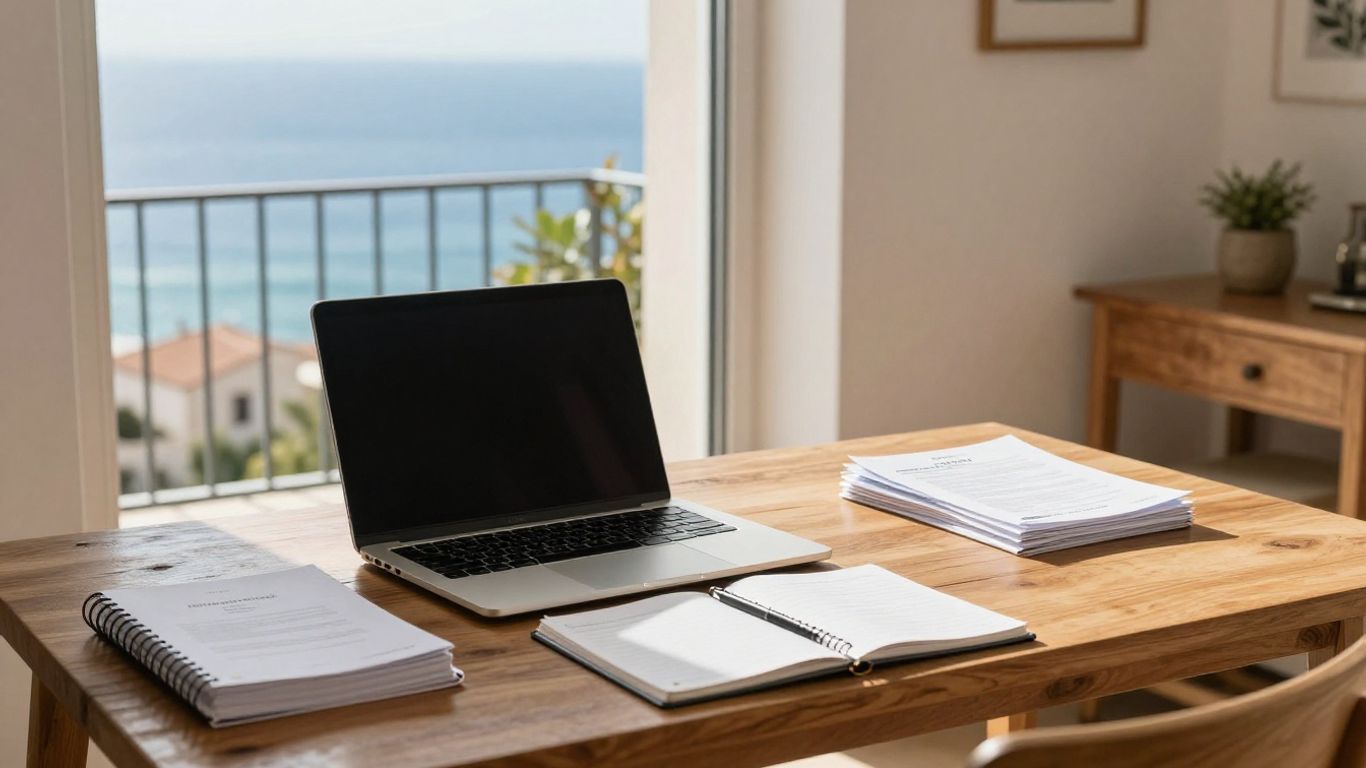 Documentation for your Maltese remote work permit
Preparing your paperwork requires careful attention to detail. Having your documents organized before you begin the online application process will help you avoid unnecessary delays. Many professionals find that working with service providers can help streamline this stage, though the primary responsibility for collecting evidence rests with the applicant.
Verifying your remote work status and employment contract
Your application must include a comprehensive work contract that clearly highlights your position and terms of employment. You should be prepared to provide:
- A valid employment contract or service agreement from a foreign entity.
- Evidence of your professional role, such as a company registration certificate.
- Bank statements showing a consistent history of income.
- A clear written intent explaining your remote-work nature.
meeting the minimum monthly income threshold
You must prove that you earn a stable, recurring gross monthly income of at least €3,500. This amount is calculated before tax and must be verified during the review process. Authorities look for consistency, so ensure your financial records are clean and easy to interpret for the agency officials.
Required health insurance and medical coverage standards
Applicants are required to hold a health insurance policy that covers all potential risks during their time in Malta. This policy must at least meet the standard coverage requirements set by Maltese healthcare regulations. Ensuring continuous coverage prevents any liability issues while living on the island.
Compiling legal documentation and background checks
Security is a top priority for immigration services, so you will need to clear standard international background screenings. Be prepared to submit your passport, travel history, and any required police certificates. Start these requests early, as they often involve external processing times outside of your control.
The application process and submission steps
Navigating the bureaucratic path is the final stage before your arrival. While the process is standardized, staying proactive ensures your application moves through the review cycles as quickly as possible.
Preparing your application forms via the Residency Malta Agency
You will interact primarily with the Residency Malta Agency, which oversees the submission and review of your file. Creating an account on their digital portal is the first step toward getting your digital nomad visa malta application underway.
Coordinating with the authorities for document authentication
Some authorities require specific documents to be authenticated or apostilled before they are accepted. Ensure your official certificates match the naming conventions and document requirements mandated by the local government to avoid potential rejections or requests for further verification.
Navigating application fees and processing timelines
There are fixed application fees associated with the administrative handling of your residency file. Once submitted, wait times can vary depending on the volume of current applications. It is common to follow up if your file has been pending for an extended period, though consistency in your original documentation usually leads to faster approval.
Tax implications and financial obligations
 Tax documentation for remote workers in Malta
Relocating to a new country often involves significant shifts in your financial responsibilities. Understanding your home country's exit requirements alongside Maltese tax laws is essential to avoid surprises.
Understanding tax residency status for permit holders
Most permit holders are categorized as residents for tax purposes but may have specific exemptions depending on their income source. Always consult a professional to review your personal obligations. The following table provides a general summary of how different residency statuses are managed on the island.
| Residency Type | General Tax Scope | Obligation Type |
|---|---|---|
| Standard Tax Resident | Worldwide Income | Full Disclosure |
| Nomad Permit Holder | Foreign-Derived Income | Specific Reporting |
| Non-Resident Visitor | Local Income Only | Minimal Reporting |
Properly categorizing your status prevents accidental tax disputes.
Overview of double taxation agreements and exemptions
Malta has established numerous double taxation agreements that aim to prevent you from paying the same tax in two different jurisdictions. Reviewing whether your home country shares a treaty with Malta is a prudent step for any remote worker.
Managing income reporting and social security contributions
Even if your income is derived from abroad, you must maintain transparent reporting of your earnings. Some residents may find that social security contributions are required depending on the length of their stay and their home country's reciprocal agreements with the Maltese social security office.
Living and working in Malta as a digital nomad
Living in a new culture brings both freedom and a need for local connections. Many professionals find that using SwappaHome is a great way to find local housing that actually suits their remote work needs, rather than relying on generic, short-term tourist rentals.
Finding housing and co-working office solutions
The rental market is competitive, particularly in popular areas like Sliema or St. Julian's. Secure your housing early, focusing on spaces that offer desks and reliable environments. Engaging with local community boards can help you secure better rates for long-term lets.
Evaluating internet reliability and connectivity infrastructure
Most urban regions offer robust fiber-optic connectivity suitable for high-bandwidth tasks. If you are choosing a more remote residence, verify the building's specific connection speeds beforehand, as infrastructure density can vary significantly across the Maltese archipelago.
Navigating daily life, healthcare, and expat resources
Daily life is remarkably comfortable, especially because English is an official language. The healthcare system is highly regarded, and you will find plenty of expat support networks that can guide you through everything from finding the right gym to sourcing local produce.
Renewals and long-term stay considerations
The initial permit is only the beginning of your stay. Keeping your paperwork in order throughout your time in the country makes extending your residency much more straightforward when your expiration date approaches.
Procedures for annual permit renewals
If you intend to stay beyond your first year, start your renewal application several months before your current permit expires. You will need to demonstrate that you still meet the initial eligibility requirements, including proof of ongoing remote income and current health coverage.
Maintaining compliance during your stay in Malta
Compliance involves more than just taxes; it also includes observing local regulations surrounding your housing and community interactions. Staying in good standing with the local authorities ensures that future applications or transitions to other statuses are granted without friction.
Exploring transitions to other residency programs
For those who decide they want to stay on the island permanently, there are other residency paths available. After establishing your life in Malta, you may eventually look into permanent residency programs, provided you meet the long-term investment or stay criteria established by the government.
Conclusion
Becoming a digital nomad in Malta offers an exceptional balance between professional growth and Mediterranean living, provided you navigate the administrative steps with care. By adhering to the income thresholds, maintaining valid insurance, and keeping your documentation accurate, you can build a stable foundation for your remote career on the island.
Frequently Asked Questions
Is the Nomad Residence Permit valid for the entire country of Malta?
The permit grants legal residency across the entire nation, allowing you to live and work from any island or municipality within the Maltese archipelago.
Can I bring my family with me on this permit?
Dependents, including a spouse and certain minor children, may be eligible to join you if you satisfy the specific financial conditions required by the agency.
How long does it usually take to receive an approval?
Processing times can fluctuate; however, provided your documentation is complete and accurate, applications typically go through a multi-week review cycle.
Do I need to pay income tax on my foreign salary in Malta?
Your tax liability depends on your individual residency status and any relevant double taxation treaties between your home country and Malta, which you should confirm with a specialist.
Can I switch to a different visa type while in Malta?
Yes, there are pathways to transition to other residency programs depending on your future plans, such as long-term investment residency, provided you meet those specific criteria.
What happens if my remote job changes during my residency?
You must continue to meet the eligibility criteria, meaning any new role should also be location-independent and satisfy the income requirements set by the permit.
Is there a limit to how many times I can renew the permit?
The permit is renewable on a yearly basis as long as you maintain compliance with the eligibility requirements and continue to meet the residency conditions set forth by the authorities.

Published by
SwappaHome
SwappaHome Editorial Team
Home Exchange & Slow Travel Editorial
The SwappaHome Editorial Team brings together travel research, home-exchange community insights, and platform data to produce practical guides for first-time and experienced home swappers. Every article cites real platforms, current market rates, and verifiable city-level facts so readers can make informed decisions without guessing.
Ready to try home swapping?
Join SwappaHome and start traveling by exchanging homes. Get 7 free credits when you sign up!