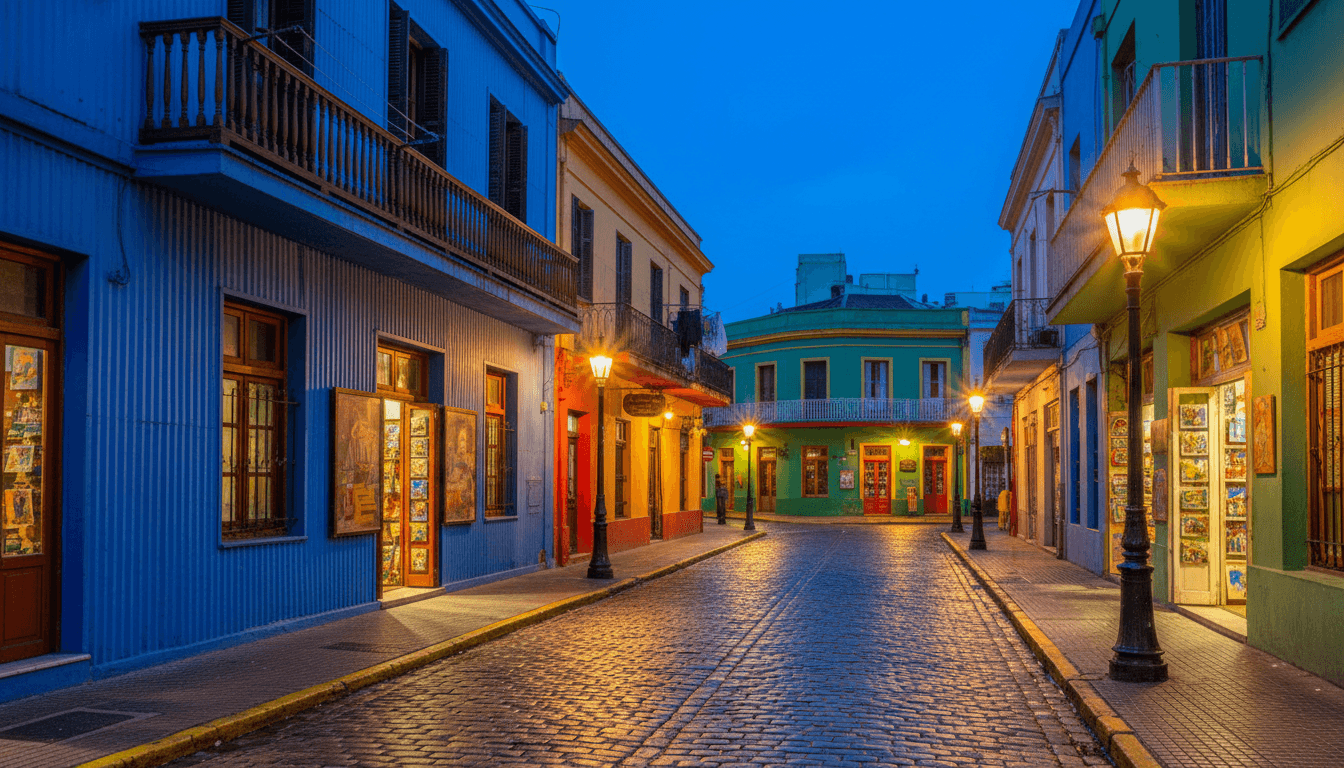
Family Home Swap in Buenos Aires: The Complete Kid-Friendly Guide for 2024

SwappaHome Editorial Team
Home Exchange & Slow Travel Editorial
Planning a family home swap in Buenos Aires? Discover kid-friendly neighborhoods, safety tips, and insider advice from a mom who's done it three times.
My daughter was four the first time we landed in Buenos Aires. She'd slept through the overnight flight from San Francisco, and when she woke up to the chaos of Ezeiza Airport—the rapid-fire Spanish, the crowds, the unfamiliar signs—she looked at me with those big brown eyes and asked, "Mommy, are we on another planet?"
In a way, we were.
A family home swap in Buenos Aires is unlike anything you'll experience in Europe or North America. The rhythm here is just... different. Dinner starts at 9 PM (yes, even for kids). Parks fill with families at 10 PM on summer nights. Ice cream shops—heladerías—are everywhere, and nobody bats an eye when your toddler is still up past midnight.
It's a city that genuinely loves children. And after three separate home exchanges here over the past five years, I can tell you: Buenos Aires might be the most underrated family destination in the world.
But here's the thing—doing a family home swap in Buenos Aires requires some specific planning. You're not just thinking about yourself anymore. You need to consider school schedules, nap logistics, playground access, and whether that gorgeous apartment actually has space for a travel crib. So let me walk you through everything I've learned, the hard way and the easy way.
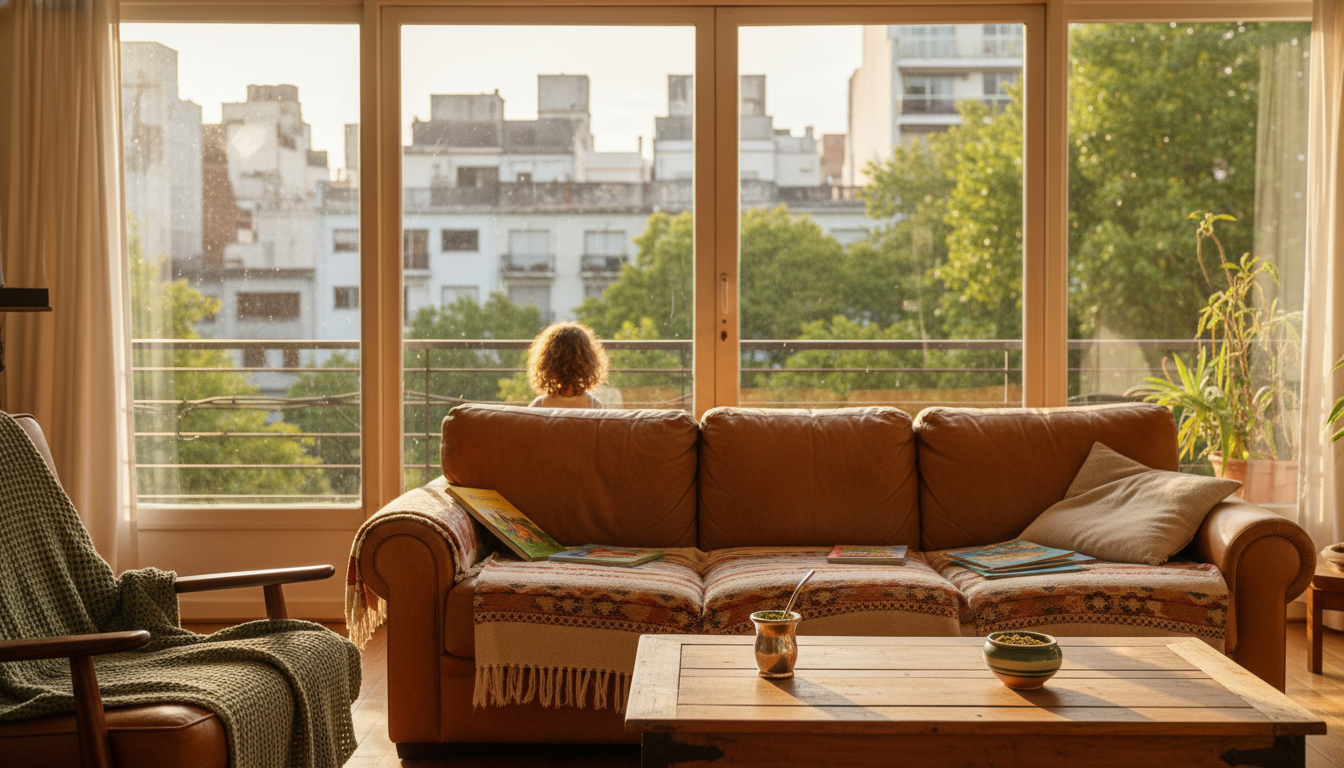 A sun-filled Buenos Aires apartment living room with floor-to-ceiling windows overlooking leafy Pale
Why Buenos Aires is Perfect for a Family Home Exchange
Something surprised me on our first trip: Argentines don't just tolerate children. They actively celebrate them.
Waiters will pick up your crying baby to give you five minutes to eat. Strangers on the street will stop to coo over your kids and offer unsolicited (but usually helpful) parenting advice. It's a culture where children are genuinely welcomed everywhere—restaurants, museums, even fancy wine bars.
This matters for home swapping because it extends to how hosts treat visiting families. Every Argentine family we've exchanged with has gone above and beyond to make our kids feel at home. We've arrived to find coloring books on the table, local snacks in the pantry, and detailed notes about the nearest playground. One host even left her daughter's bicycle for my son to use.
The economics make sense too. Buenos Aires remains incredibly affordable for Americans and Europeans—we're talking $15 USD for a family dinner at a solid neighborhood parrilla, $3 for artisanal gelato, and free admission to most parks and many museums. Combine that with zero accommodation costs through SwappaHome's credit system (1 credit per night, no matter the home), and a two-week family trip becomes genuinely accessible.
And the practical stuff? Buenos Aires is a modern, walkable city with excellent public transportation, reliable WiFi, and supermarkets stocked with familiar brands alongside local options. You're not roughing it here.
Best Neighborhoods for Family Home Swaps in Buenos Aires
Not all Buenos Aires neighborhoods are created equal when you're traveling with kids. Here's my honest breakdown after staying in four different barrios:
Palermo: The Family-Friendly Sweet Spot
Palermo is where most families end up, and for good reason. It's actually divided into sub-neighborhoods—Palermo Soho, Palermo Hollywood, Palermo Chico—each with its own personality.
For families, I'd specifically recommend Palermo Soho or the quieter edges of Palermo Hollywood. You'll find tree-lined streets, excellent playgrounds (Plaza Armenia is my kids' favorite), and an abundance of casual restaurants with outdoor seating where nobody minds if your toddler throws pasta on the ground.
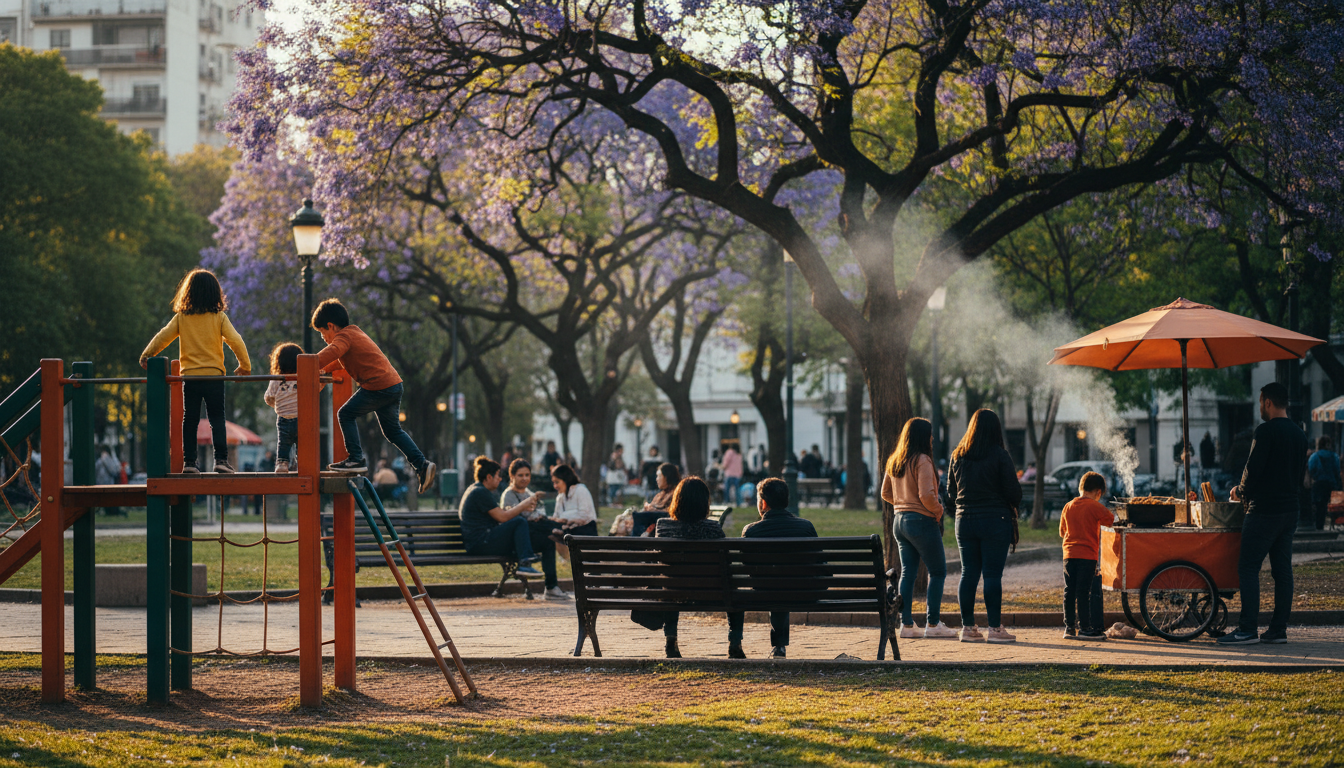 Families gathered at Plaza Armenia in Palermo at golden hour, children playing on climbing structure
The home swap options in Palermo tend to be apartments in converted older buildings—high ceilings, wooden floors, and often a small balcony. Expect 2-3 bedrooms in a typical family listing.
One thing to check: many Palermo buildings are walk-ups. If you're traveling with a stroller, confirm elevator access.
Average home swap availability: High (this is where most SwappaHome members in BA list their homes)
Belgrano: Suburban Feel, Maximum Space
If you need more room—maybe you're traveling with multiple kids or grandparents—Belgrano is worth considering. It's further from the tourist center but feels more like a residential neighborhood where actual families live.
The Chinatown section (Barrio Chino) is a hit with kids who love exploring the markets and trying unfamiliar snacks. There's also a great science museum, Museo Participativo de Ciencias, that's entirely hands-on.
Homes here tend to be larger, sometimes actual houses with small gardens rather than apartments. The trade-off is you'll need taxis or the subway (Subte) to reach most attractions.
Recoleta: Elegant but Practical
Recoleta has a reputation for being fancy and formal, but don't write it off for families. The neighborhood centers around a massive park complex with playgrounds, a weekend artisan market, and the famous Recoleta Cemetery (which, surprisingly, fascinates kids—all those elaborate tombs and statues feel like exploring a miniature city).
The apartments here tend to be in grand old buildings with doormen—useful for package deliveries and general security peace of mind. You're also walking distance to the zoo and botanical gardens.
One caveat: Recoleta restaurants skew fancier and pricier. You'll want to venture to Palermo or nearby Las Cañitas for more casual family dining.
San Telmo: Charming but Consider Carefully
San Telmo is gorgeous—cobblestone streets, antique shops, incredible Sunday market. But I'd only recommend it for families with older kids (8+) who can handle more walking and don't need constant playground access. The streets are less stroller-friendly, and the neighborhood gets crowded and chaotic on weekends.
How to Find the Right Family Home Swap in Buenos Aires
Here's where I'll get specific, because finding a kid-friendly home exchange requires different filters than a couple's trip.
When searching on SwappaHome, look for these signals in listings:
Explicit family mentions: Hosts who have kids themselves almost always mention it. Their homes will have the infrastructure you need—highchairs, baby gates, kid-proofed outlets.
Bedroom configuration: You need to think about sleep logistics. A "2-bedroom apartment" might mean one master and one tiny office with a daybed. Look for photos of actual beds and ask directly about sleeping arrangements.
Building amenities: A rooftop terrace or shared garden can be a lifesaver when kids need to burn energy without a full park excursion.
Neighborhood context in photos: Hosts who show street views and nearby parks are thinking about what visitors actually need.
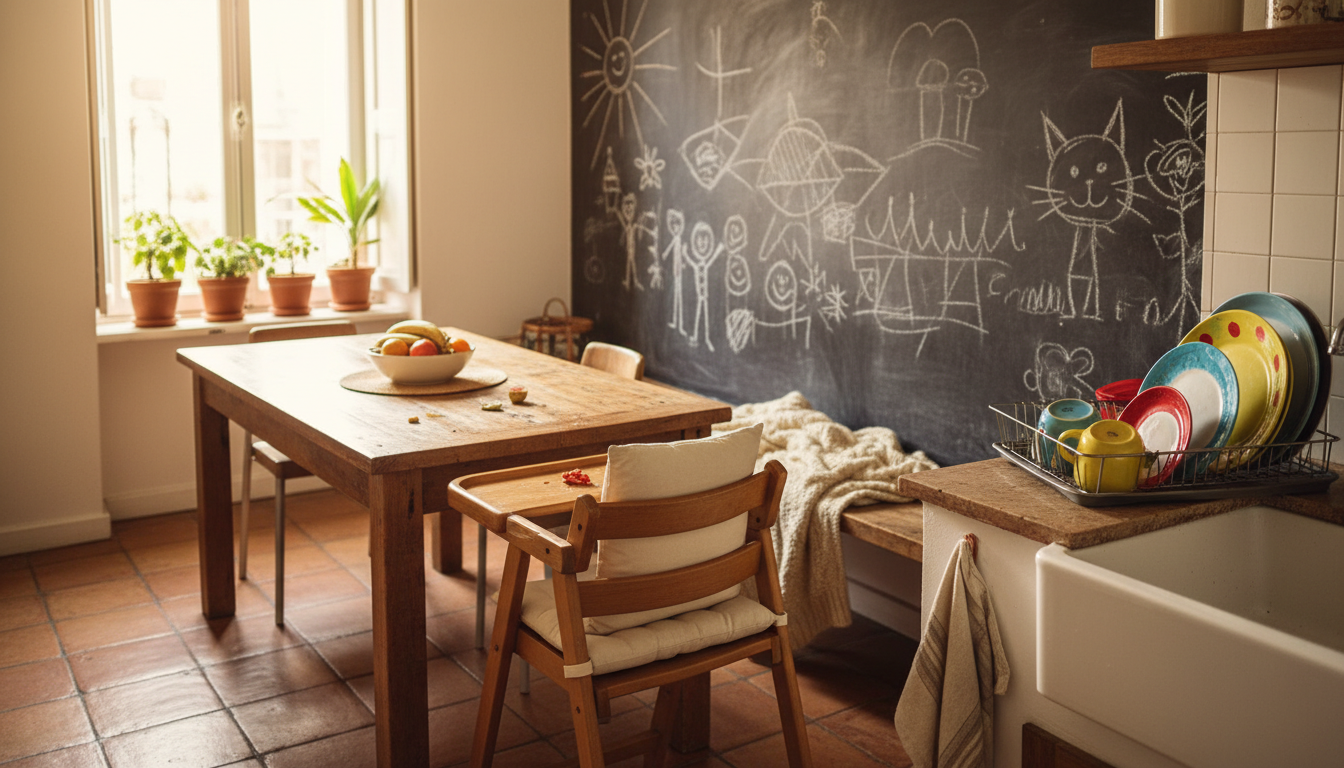 A bright Buenos Aires apartment kitchen with a wooden high chair, colorful kids plates drying by the
I always message potential hosts before confirming, even if the listing looks perfect. My standard questions:
- "We're traveling with a 4-year-old and 7-year-old. Is there anything about the space or neighborhood we should know?"
- "Is there a playground within walking distance? How far?"
- "Are there any safety concerns we should be aware of (busy street, unfenced balcony, etc.)?"
- "Do you have a pack-n-play or crib we could use, or should we plan to bring our own?"
Good hosts respond with detailed, helpful answers. If someone seems annoyed by kid-related questions? That's useful information.
Practical Tips for Your Buenos Aires Family Home Swap
Timing Your Trip
Buenos Aires has reversed seasons from North America and Europe. Their summer (December-February) means school holidays, crowded parks, and intense heat. Their winter (June-August) is mild—think San Francisco weather—but some outdoor activities close.
My favorite time for families: March-May (their autumn) or September-November (their spring). Pleasant weather, fewer crowds, and the jacaranda trees bloom in spectacular purple throughout the city in November.
Handling the Time Zone
Buenos Aires is only one hour ahead of New York (same time zone as São Paulo). This is a massive advantage for families—no brutal jet lag adjustment. My kids were on local time within a day.
Food and Groceries
Argentine kids eat what adults eat, just smaller portions. This is liberating—no separate kids' menu needed at restaurants.
That said, if your children are picky eaters, here's what's readily available: Pasta and pizza are everywhere (Argentina has strong Italian influence). Milanesas—breaded cutlets, chicken or beef—are basically kid crack. Empanadas are handheld, portable, available with mild fillings. Dulce de leche is on everything, and your kids will become addicted. Facturas—sweet pastries—are perfect for breakfast.
For groceries, Carrefour and Disco are the main supermarket chains. You'll find familiar basics plus local options. Pro tip: the "leche larga vida" (shelf-stable milk) is what most families use, and it's fine.
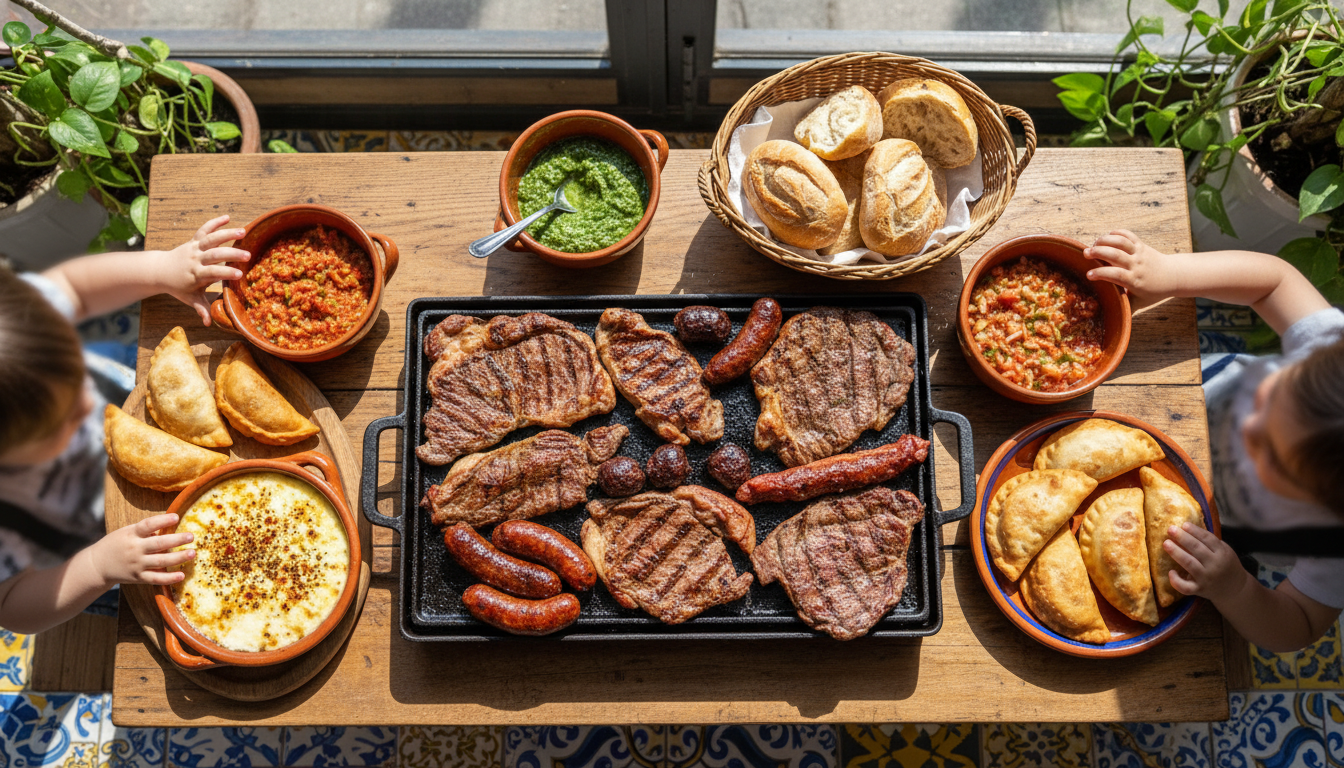 An overhead shot of a Buenos Aires parrilla table covered with grilled meats, provoleta cheese, chim
Getting Around with Kids
The Subte (subway) is clean, safe, and efficient—but not stroller-friendly. Most stations lack elevators, and rush hour is genuinely packed. If you have a stroller-age child, you'll rely more on walking (Palermo and Recoleta are very walkable), taxis (cheap by US standards, around $5-10 USD for most trips), or Uber/Cabify (both work well, though technically Uber operates in a legal gray area).
For day trips—Tigre delta, estancias, Colonia del Sacramento in Uruguay—I recommend booking through a local tour company that provides car seats. Trying to install your own in a random taxi is a nightmare.
Safety Considerations
I'll be direct: Buenos Aires is a major city with typical urban safety concerns. Petty theft happens, especially in tourist areas. But I've never felt unsafe with my kids, and violent crime against tourists is rare.
Common-sense rules apply: don't flash expensive phones or cameras, use a crossbody bag, stick to well-lit populated areas at night, keep an eye on your belongings in crowded markets.
For home security, SwappaHome's verification system helps establish trust between members, and the review system means you can see how previous guests experienced the home. I also always recommend getting your own travel insurance that covers personal belongings—the platform connects you with hosts, but it doesn't cover damages or theft, so that peace of mind is on you to arrange.
Kid-Friendly Activities You Can't Miss
Alright, let's talk about what you'll actually do with your days.
Parks and Playgrounds
Bosques de Palermo: The city's Central Park equivalent. Rent paddleboats on the lake, visit the rose garden (Rosedal), let kids run wild on the massive lawns. Free.
Parque Centenario: Local favorite with a lake, playground, and weekend feria (market) with food stalls. Great for a lazy Sunday.
Reserva Ecológica: A nature reserve right downtown, next to Puerto Madero. Trails, bird watching, and the surreal experience of wild nature against a skyline backdrop. Free.
Museums Worth the Effort
Museo de los Niños (Children's Museum): Located in Abasto Shopping, this is essentially a mini city where kids can play doctor, firefighter, TV presenter. Worth the $8 USD admission for ages 2-10.
Centro Cultural Recoleta: Free, rotating exhibits, and a great café. The building itself—a former convent—is interesting to explore.
MALBA (Latin American Art Museum): Not specifically for kids, but the building is gorgeous and they often have family programming on weekends. Check their schedule.
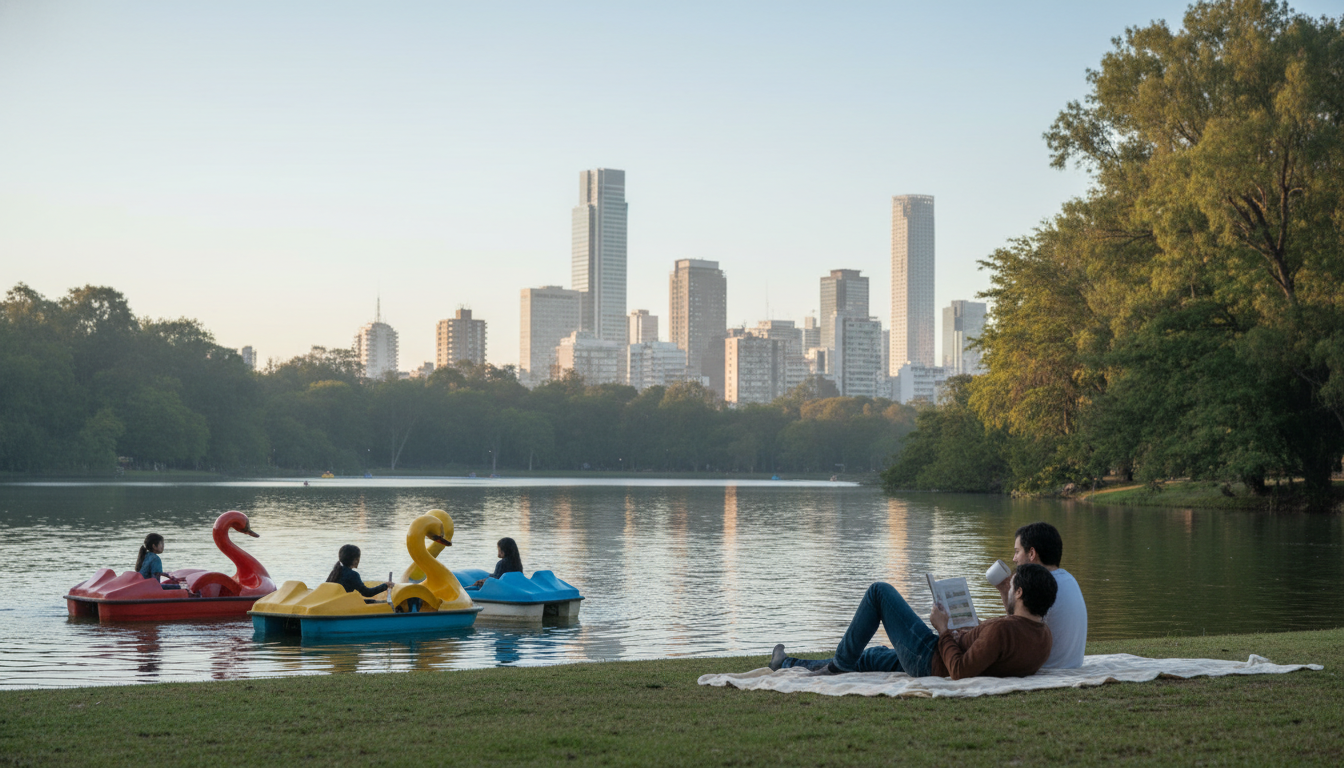 Children playing in the paddleboats on the lake in Bosques de Palermo, city skyline visible through
Experiences That Create Memories
Feria de San Telmo (Sunday Market): Go early (before 11 AM) to avoid crowds. Street performers, antiques, food stalls. My kids still talk about the tango dancers we watched here.
A Football Match: If your kids are 6+, taking them to see Boca Juniors or River Plate is unforgettable. Buy tickets through official channels or a reputable tour—don't try to navigate La Bombonera on your own.
Ice Cream Tour: Buenos Aires has world-class heladerías. Our family tradition: try a new one every day and rank them. Current leader: Volta in Palermo (the pistachio is life-changing).
Day Trip to Tigre: The delta town north of the city is accessible by train (fun for kids) and offers boat rides through the waterways, a fruit market, and a theme park (Parque de la Costa). Perfect day trip.
What to Expect from Your Buenos Aires Host
Argentine hosts tend to be incredibly warm and communicative. Expect detailed instructions about everything—how to work the temperamental hot water heater, which bakery has the best medialunas, the doorman's name and habits.
Don't be surprised if they offer to meet you in person, even if it's not necessary for key exchange. This is hospitality, not suspicion.
And if they invite you to their family's Sunday asado? Say yes. That's a genuine honor.
One cultural note: Argentines communicate directly and aren't offended by direct questions. If something in the home doesn't work or you need something, just ask. They'd rather know than have you suffer in silence.
Making the Exchange Work Both Ways
Remember, home swapping is reciprocal. You're not just staying in someone's home—you're offering yours in return (or hosting guests at another time through SwappaHome's credit system).
When you're the guest, treat the home like you'd want yours treated. This is especially important with kids involved. A few things I always do: replace anything we break or use up (including kids' accidents—they happen), leave the home cleaner than we found it, write a detailed honest review, and send a thank-you message with a few photos of our family enjoying the space.
This builds the trust that makes the whole community work. The review system is what keeps everyone accountable, and I've found that families who home swap tend to be especially conscientious—we all know what it's like to worry about our homes.
Budget Breakdown: What a Two-Week Family Trip Actually Costs
Let me get real about numbers, because this is where home swapping shines.
Traditional Hotel Route (2 weeks, family of 4):
- Mid-range hotel in Palermo: $150/night × 14 = $2,100
- Restaurant meals (no kitchen): $80/day × 14 = $1,120
- Total accommodation + food: ~$3,220
Home Swap Route (2 weeks, family of 4):
- SwappaHome credits: 14 credits (which you've earned by hosting)
- Mix of home-cooked + restaurant meals: $40/day × 14 = $560
- Total accommodation + food: ~$560
That's a difference of over $2,600. Enough for flights, activities, and a weekend trip to Mendoza wine country.
The real savings come from having a kitchen. Breakfast at home (facturas from the corner bakery, scrambled eggs, fresh juice) costs maybe $10 for a family. The same breakfast at a hotel café? $40+.
Common Mistakes to Avoid
After three family home swaps in Buenos Aires, I've made most of the mistakes so you don't have to:
Mistake #1: Underestimating distances. Buenos Aires is huge. That "nearby" playground might be a 30-minute walk. Always check Google Maps walking times before committing to a location.
Mistake #2: Overscheduling. Argentine culture is relaxed. Build in plenty of downtime, late mornings, and spontaneous gelato stops. Your kids will thank you.
Mistake #3: Ignoring the siesta. Many shops close 1-4 PM. This is actually perfect for family nap time or quiet apartment hours. Embrace it.
Mistake #4: Not bringing power adapters. Argentina uses Type C and Type I plugs. Bring adapters for everyone's devices.
Mistake #5: Assuming credit cards work everywhere. Many smaller shops and restaurants are cash-only. Withdraw pesos from ATMs (Banelco network is most reliable).
Frequently Asked Questions
Is a family home swap in Buenos Aires safe for children?
Buenos Aires is generally safe for families, comparable to major European cities. Stick to well-traveled neighborhoods like Palermo, Belgrano, and Recoleta. Use common-sense precautions against petty theft, and you'll find Argentines are exceptionally welcoming to children. The home swap community adds another layer of trust through verified profiles and reviews.
How much can families save with a Buenos Aires home exchange vs hotels?
A two-week family home swap in Buenos Aires typically saves $2,000-3,000 compared to hotels. You'll pay zero accommodation costs through SwappaHome's credit system (1 credit per night), and having a kitchen cuts food expenses by 50-60%. Buenos Aires is already affordable—home swapping makes it remarkably budget-friendly.
What's the best neighborhood for a family home swap in Buenos Aires?
Palermo is the top choice for most families doing a home swap in Buenos Aires. It offers excellent playgrounds, family-friendly restaurants, tree-lined streets, and the highest concentration of available home exchange listings. Belgrano works well for families needing more space, while Recoleta suits those wanting cultural attractions within walking distance.
What age kids are best suited for a Buenos Aires home exchange trip?
Buenos Aires works well for all ages, but families with kids ages 4-12 often have the best experience. Toddlers adapt easily to the relaxed schedule, while older kids appreciate the activities and independence. The late-night culture (dinners at 9 PM) can challenge strict sleep schedules, so flexibility helps.
Do I need to speak Spanish for a family home swap in Buenos Aires?
Basic Spanish helps but isn't required. Most SwappaHome hosts in Buenos Aires speak some English and provide detailed instructions. Download Google Translate, learn essential phrases, and you'll manage fine. Kids often pick up Spanish faster than parents—our daughter was ordering her own helado by day three.
That first morning in Buenos Aires, after my daughter asked if we were on another planet, we walked to the corner café. The owner immediately crouched down to her level, asked her name in careful English, and brought her a tiny medialunas with dulce de leche "for the little princess."
She looked at me with wonder. "Mommy, I like this planet."
Seven years and three Buenos Aires home swaps later? I still agree.
There's something about this city—the warmth, the chaos, the way kids are woven into every part of daily life—that makes it feel like coming home. Even when you're staying in someone else's.
If you're considering a family home swap in Buenos Aires, stop considering and start planning. Your kids will eat incredible food, stay up too late, learn a few Spanish words, and experience a culture that genuinely celebrates their existence. And you'll save enough money to do it all over again next year.
That's the magic of home exchange. It's not just about free accommodation—it's about living somewhere instead of visiting. And Buenos Aires? It's a city that rewards living in it.
Find your family's Buenos Aires home on SwappaHome and start earning credits for your next adventure. The jacarandas will be blooming before you know it.

Published by
SwappaHome
SwappaHome Editorial Team
Home Exchange & Slow Travel Editorial
The SwappaHome Editorial Team brings together travel research, home-exchange community insights, and platform data to produce practical guides for first-time and experienced home swappers. Every article cites real platforms, current market rates, and verifiable city-level facts so readers can make informed decisions without guessing.
Ready to try home swapping?
Join SwappaHome and start traveling by exchanging homes. Get 7 free credits when you sign up!
Related articles
How to Extend or Modify a Home Swap Mid-Stay: The Complete Flexibility Guide
Need to extend your home swap or change dates mid-trip? Here's exactly how to negotiate changes, handle credits, and keep both parties happy.
How to Visit Bali for Free with Home Exchange: The Complete 2026 Guide
Skip the $150/night villas. Home exchange in Bali lets you stay in Ubud rice field houses and Seminyak beach pads for zero accommodation cost. Here's exactly how.
How to Vet Home Swap Guests: 12 Red Flags Every Host Should Know
Learn how to vet home swap guests before handing over your keys. Spot the 12 red flags experienced hosts watch for—and protect your home with confidence.