
Family Home Swap in Nairobi: The Complete Kid-Friendly Guide for 2024

SwappaHome Editorial Team
Home Exchange & Slow Travel Editorial
Planning a family home swap in Nairobi? Discover kid-friendly neighborhoods, safety tips, and insider advice from a mom who's done it twice with her own kids.
My daughter was five when she first saw a giraffe walk past her bedroom window.
We were three days into a family home swap in Nairobi, staying in a stunning Karen home that backed onto a wildlife conservancy. She'd been grumpy about leaving San Francisco, skeptical about this whole "living in someone else's house" thing—until that moment. Now she asks me every few months when we're going back to "the giraffe house."
That trip changed how I think about traveling with kids. Hotels in Nairobi can run you $200-400 per night for anything decent with enough space for a family. We stayed for two weeks in a four-bedroom house with a garden, a housekeeper who taught my kids to make chapati, and yes—those giraffes—for zero accommodation cost through SwappaHome's credit system.
 Golden morning light streaming through floor-to-ceiling windows of a spacious Karen home, with a gir
Here's the thing about planning a family home swap in Nairobi, though: it requires more thought than your typical European city swap. The infrastructure is different. The neighborhoods vary wildly. And traveling with kids adds layers of consideration that solo travelers never think about.
I've done this twice now—once with my daughter at five, again when she was seven with her little brother in tow. I've made mistakes, learned lessons, and collected enough insider knowledge to write the guide I wish I'd had before that first trip.
Why Nairobi Works Brilliantly for Family Home Exchanges
Let me address the elephant in the room (pun fully intended): a lot of parents get nervous about taking kids to East Africa. I was one of them. My mom literally sent me articles about safety concerns before our first trip.
But Nairobi's expat community is enormous—which means there's a robust network of families who've already figured out how to raise kids safely and happily here. Many of those families travel frequently, making them ideal home swap partners.
The homes available tend to be significantly larger than what you'd find in European cities. We're talking proper houses with gardens, staff quarters (more on this later), and often swimming pools. For families used to cramming into hotel rooms or tiny Airbnbs, this space is transformative.
Cost-wise, the math is compelling. A family-friendly hotel in Nairobi with enough space for four people runs about $250-350 per night. Safari lodges? $400-800 per person per night, including kids over certain ages. A two-week family trip with a mix of city and safari can easily hit $15,000-20,000 in accommodation alone.
Through SwappaHome, you'd spend credits—typically 1 credit per night regardless of the home's size or luxury level. New members start with 7 free credits, which means you could potentially do a 10-night stay immediately after signing up.
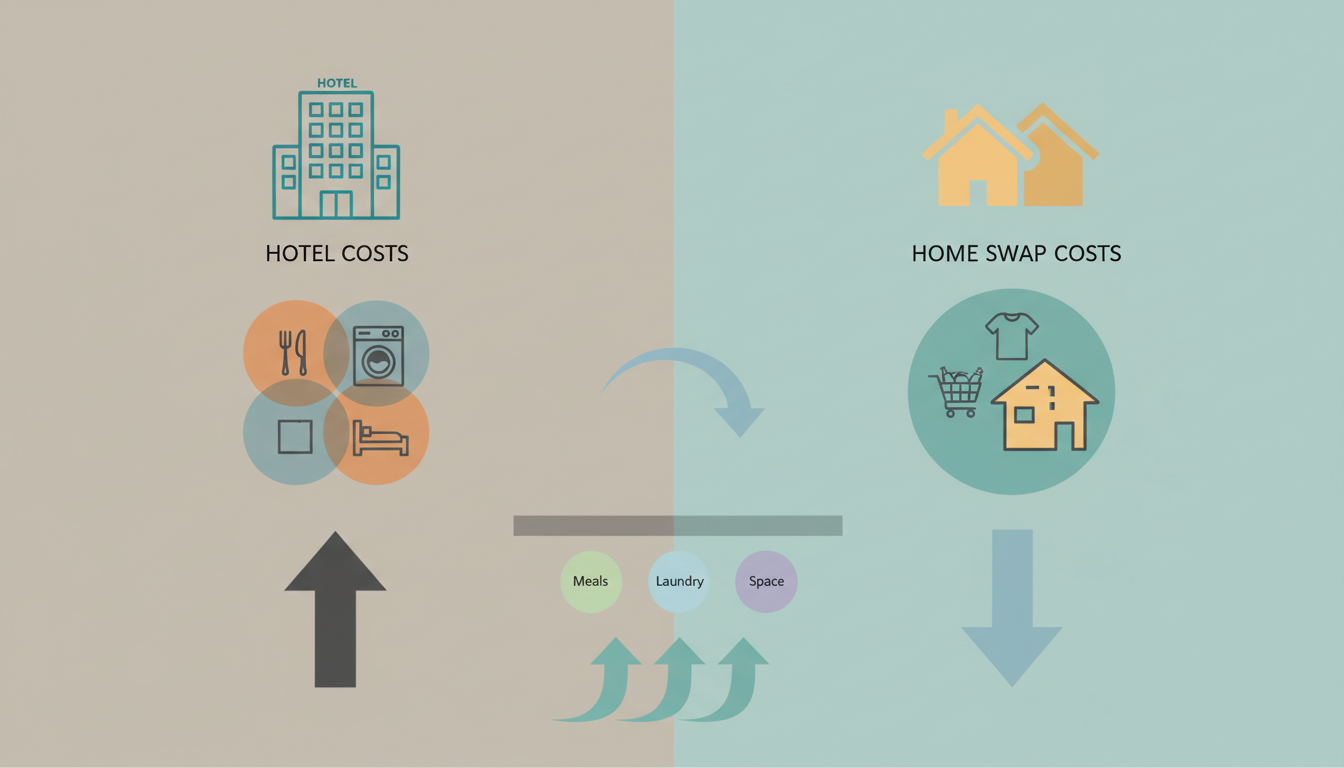 Split-screen comparison infographic showing hotel costs versus home swap costs for a 14-night family
Best Nairobi Neighborhoods for Family Home Swaps
Neighborhood choice matters more in Nairobi than almost any city I've swapped in. The right area can make your trip magical; the wrong one can make daily logistics exhausting.
Karen: The Gold Standard for Families
Karen is where we stayed both times, and I'm obviously biased—but there's a reason so many expat families settle here. Named after Karen Blixen (yes, Out of Africa Karen), this leafy suburb sits about 25 minutes from the city center in good traffic.
The homes here are large. Colonial-era houses with expansive gardens, newer builds with modern amenities, and everything in between. Many properties back onto conservancies or have their own small wildlife populations. The Karen Country Club has a pool and playground that welcomes guests. The shopping centers—Karen Crossroads, The Hub Karen—have excellent supermarkets, pharmacies, and kid-friendly restaurants.
Prices for Karen homes on the regular rental market run $3,000-8,000 per month, which gives you a sense of what you're accessing through a home swap.
The downside? You'll need reliable transportation. Karen isn't walkable in the way urban neighborhoods are, and you'll be driving (or being driven) everywhere.
Lavington: Central and Convenient
If you want to be closer to the action, Lavington offers a nice middle ground. It's more central than Karen, with easier access to museums, restaurants, and attractions. The Lavington Green shopping center has a great playground, and you're only about 15 minutes from the Nairobi National Museum.
Homes here tend to be slightly smaller than Karen but still spacious by international standards. Many have pools and gardens. The neighborhood is popular with diplomatic families, so the infrastructure for kids—schools, pediatricians, activities—is solid.
Gigiri: Near the UN and International Schools
Gigiri is Nairobi's diplomatic quarter, home to the UN complex and numerous embassies. The Village Market mall here is one of the best in the city, with a food court, cinema, and activities for kids.
Homes in Gigiri tend to be in secure compounds with shared amenities—pools, tennis courts, playgrounds. This can be ideal for families who want built-in social opportunities for their kids. We met a Swedish family during our second trip whose children played with ours at the compound pool for hours.
Muthaiga: Old Money, Beautiful Gardens
Muthaiga is one of Nairobi's oldest and most prestigious neighborhoods. The homes here are stunning—think sprawling estates with mature gardens and old-growth trees. The Muthaiga Country Club is legendary.
It's quieter than Karen and less family-oriented in terms of amenities, but if you find a home swap here, you'll be staying in genuine luxury.
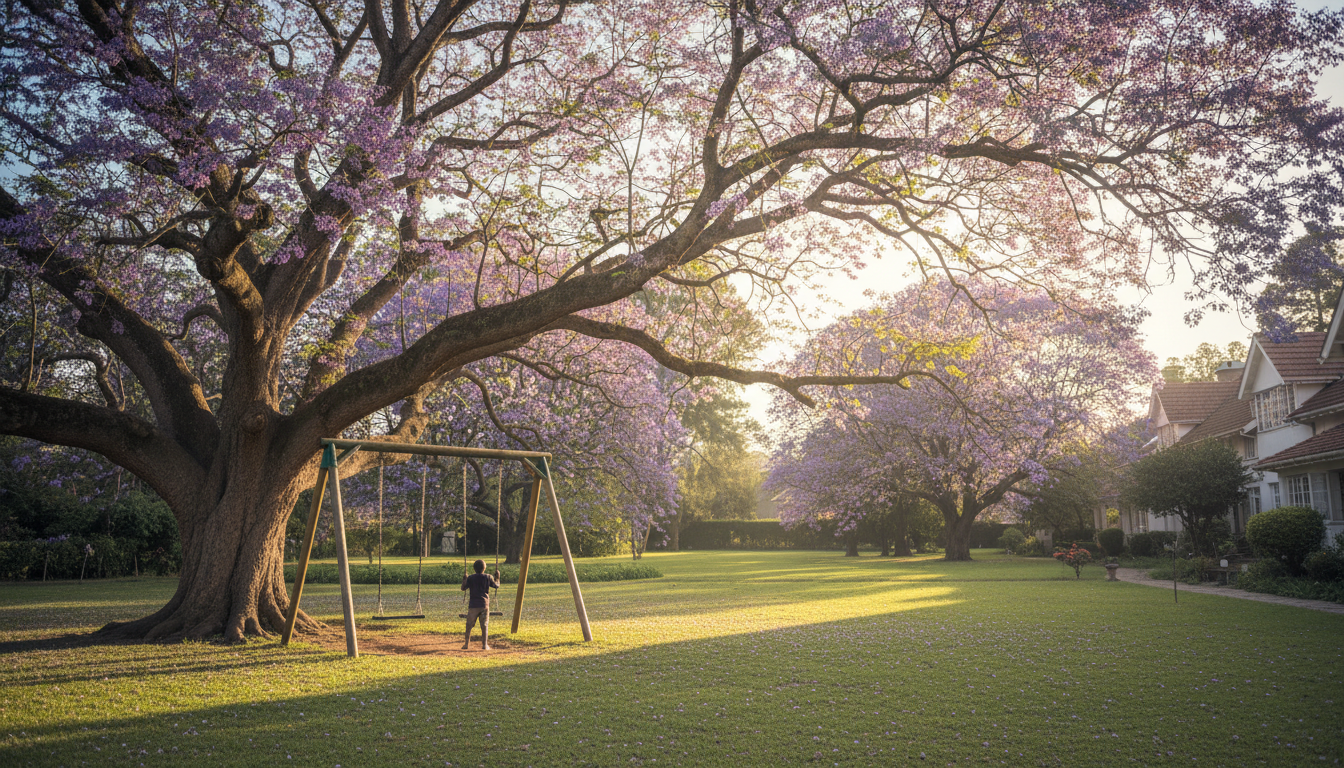 Lush garden of a Muthaiga estate home with jacaranda trees in purple bloom, childrens swing set visi
How to Find the Perfect Family Home Swap in Nairobi
Searching for a family-friendly home swap requires different criteria than searching for yourself. Here's my actual process.
First, I filter for homes with gardens or outdoor space. Kids need room to run, especially after long flights. A pool is a bonus but not essential—though I'll admit, having one during our second trip made afternoon downtime much easier.
Second, I look carefully at the bedroom situation. Ideally, you want kids in a separate room from parents (everyone sleeps better), but the rooms should be close enough that little ones feel secure. I always message hosts to ask about the specific layout.
Third—and this is crucial—I ask about household staff. Many Nairobi homes come with housekeepers, gardeners, and sometimes guards who work regular schedules. Understanding this arrangement before you arrive prevents awkwardness.
When I found our Karen home on SwappaHome, I spent probably two hours messaging back and forth with the host family before requesting the swap. They had kids similar in age to mine, which meant the house was already set up with everything we needed—high chair, stroller, even a baby monitor.
The Household Staff Question (Read This Carefully)
This is the part of Nairobi home swapping that feels most unfamiliar to Western families. I want to address it directly because I was completely unprepared on my first trip.
Many middle-class and wealthy Nairobi homes employ domestic staff: housekeepers, cooks, gardeners, askaris (security guards). These aren't luxury extras—they're standard parts of how households function here. When you do a home swap, you're often stepping into an arrangement where staff continue working during your stay.
This can feel uncomfortable if you're not used to it. I grew up doing my own dishes and making my own bed, and suddenly having someone offer to do these things for me felt... weird. But here's what I learned: this is employment. These jobs support families. Refusing the help or acting uncomfortable can actually create awkwardness and potentially threaten someone's livelihood.
The key is communication with your swap host before arrival. Ask specific questions: Who will be working during our stay? What are their regular duties and hours? What's the appropriate way to handle compensation for anything extra?
Typically, the host family continues paying their staff during the swap (it's their home, their employees). But it's customary to tip at the end of your stay—usually around $50-100 per week per staff member, depending on their role and how much they've helped you.
Our housekeeper during that first trip, Rose, became like family. She taught my daughter to make mandazi (Kenyan doughnuts), knew exactly how to get stains out of safari-dusty clothes, and gave us restaurant recommendations that no guidebook would ever include. She's one of the reasons we went back.
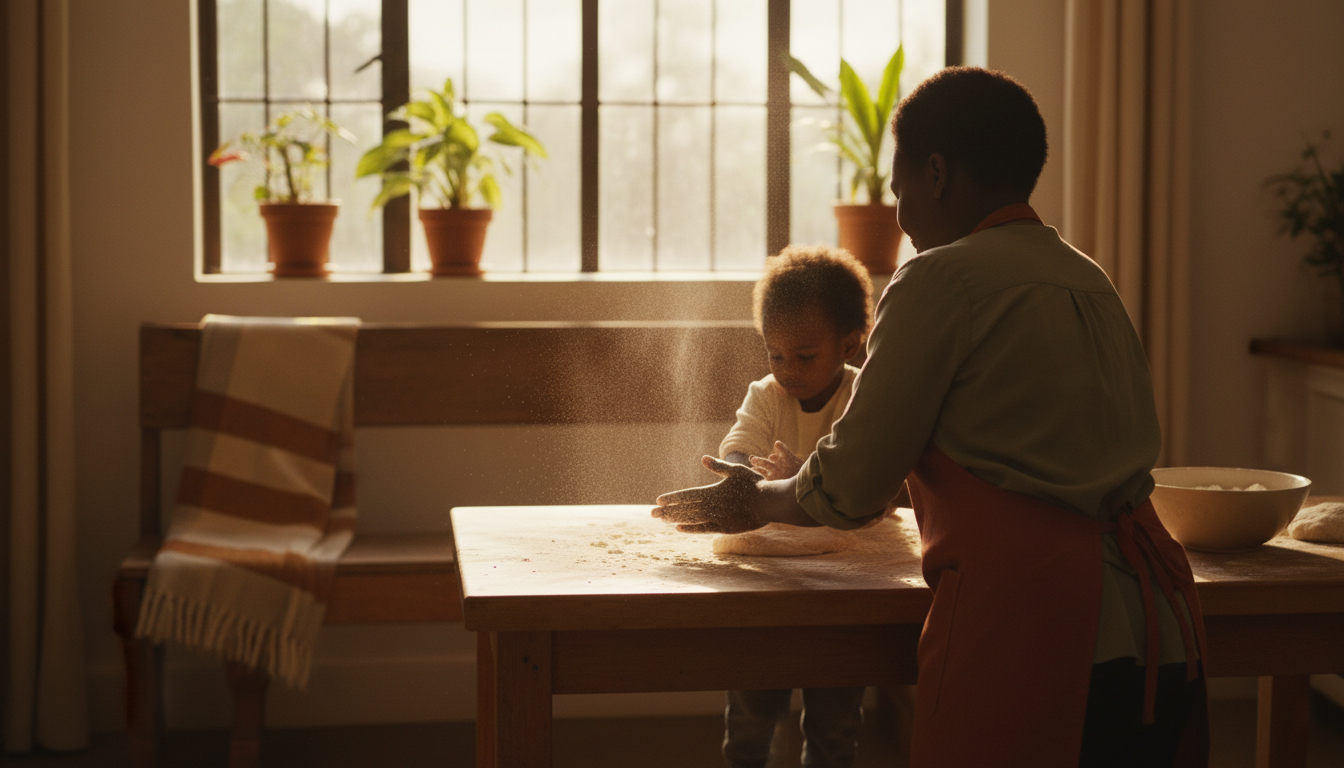 Warm kitchen scene with Kenyan housekeeper and young child making chapati together, flour-dusted han
Kid-Friendly Activities for Your Nairobi Home Swap
One of the biggest advantages of a home swap over a hotel is having a base for day trips rather than packing up and moving constantly. Nairobi is perfectly positioned for this.
Within Nairobi
The David Sheldrick Wildlife Trust should be your first stop. Every day at 11 AM, they open for public visits to see orphaned baby elephants being fed. The visit is about an hour, costs $15 per adult (kids under 3 free), and is genuinely one of the most magical experiences I've ever had with my children. You can even adopt an elephant and receive updates about their progress.
The Giraffe Centre in Langata lets kids feed Rothschild giraffes from an elevated platform. At around $15 per adult and $5 per child, it's affordable and unforgettable. Go early to avoid crowds.
Nairobi National Park is the only national park in the world within a capital city. You can do a morning game drive (starting around 6 AM) and be back for lunch. Lions, rhinos, giraffes, zebras—all with the Nairobi skyline in the background. A half-day safari with a guide runs about $150-200 for a family.
For rainy days or when kids need air conditioning, the Nairobi National Museum has excellent natural history exhibits, and the attached snake park is a hit with older kids.
Day Trips from Nairobi
Lake Naivasha is about 90 minutes from Nairobi and makes a perfect day trip. You can take a boat ride to see hippos and fish eagles, visit Crescent Island for a walking safari among zebras and giraffes, and have lunch at one of the lakeside restaurants. Budget around $100-150 for the day including transportation.
Hell's Gate National Park, near Lake Naivasha, is one of the few parks where you can walk or cycle among wildlife. The dramatic gorge inspired the landscapes in The Lion King. Older kids love it; I'd skip it with toddlers.
For a longer day trip or overnight, the Masai Mara is about 5-6 hours by road (or you can fly in about 45 minutes). If you're doing a home swap of two weeks or more, building in a few nights at a Mara camp is absolutely worth it. Budget $300-500 per person per night for mid-range camps, all-inclusive.
Practical Tips for Family Home Swaps in Nairobi
Transportation
You'll need a car. Public transportation isn't practical for tourists with kids, and walking between areas isn't really done.
Options: renting a car (from about $50-80 per day for a decent SUV), hiring a driver for your stay (around $50-80 per day plus fuel), or using Uber/Bolt (available and reliable in Nairobi).
I recommend hiring a driver, at least for the first few days. Nairobi traffic is intense, the driving style takes getting used to, and having someone who knows the city is invaluable. Many home swap hosts can recommend their regular driver.
Health and Safety
Nairobi is at altitude (about 1,795 meters), so malaria risk is low within the city. However, if you're doing safari trips to lower-altitude areas like the Masai Mara, you'll need malaria prophylaxis for the whole family. Consult a travel medicine clinic at least 4-6 weeks before departure.
The tap water isn't safe to drink—stick to bottled or filtered water. Most homes have water filtration systems; ask your host.
Sun protection is essential. Nairobi is near the equator, and the UV is intense even on cloudy days. Bring reef-safe sunscreen (it's expensive locally), hats, and UV-protective clothing for kids.
What to Pack for Kids
Bring any specific medications or formulas you need—they may not be available locally, or the brands will be different. Diapers and basic baby supplies are available at major supermarkets (Carrefour, Naivas) but can be pricey.
Safari-appropriate clothing means neutral colors (no white, no bright blue which attracts tsetse flies), layers for cool mornings and warm afternoons, and closed-toe shoes for walking safaris.
Don't forget binoculars sized for small hands. Our daughter's kid-friendly pair was the best $30 we spent.
 Excited child looking through binoculars on safari vehicle, golden savanna in background, elephant h
Food and Dining
One of the best parts of a home swap is having a kitchen. Nairobi's supermarkets are well-stocked with both local and imported goods. Carrefour at The Hub Karen has an excellent selection, including familiar brands for picky eaters.
For dining out, Nairobi has a surprisingly sophisticated food scene. Talisman in Karen is our family favorite—gorgeous garden setting, excellent food, and genuinely welcoming to kids. The Carnivore is famous for its all-you-can-eat game meat experience (crocodile, ostrich, etc.)—older kids find it thrilling, though it might be too much for sensitive little ones.
Local food is generally safe at established restaurants. Nyama choma (grilled meat) is a Kenyan staple that kids usually love. Ugali (maize porridge) is mild and filling. And the fresh tropical fruits? Incredible. Mangoes, passion fruit, tree tomatoes—my kids were in heaven.
Safety Considerations for Family Home Swaps
I want to be honest about this because pretending Nairobi is just like any Western city would be doing you a disservice.
Nairobi has real security considerations. Petty crime exists. Carjacking, while less common than it used to be, still happens. The neighborhoods I've recommended are all relatively secure, but you'll notice that most homes have walls, gates, and often security guards.
This sounds scary written down. But in practice? We felt completely safe during both our trips. We followed basic precautions: didn't walk around at night, kept valuables out of sight in the car, stayed in secure areas. The homes we swapped had excellent security systems and staff.
When evaluating potential home swaps, I look for secure compounds or gated properties, mention of security systems or askari, good reviews from other families, and hosts who seem responsive and communicative.
SwappaHome's review system helps here—you can see what other members have said about their stays. I always filter for hosts with multiple positive reviews and read the comments carefully for any red flags.
One important note: SwappaHome connects members but doesn't provide insurance or damage coverage. I always get comprehensive travel insurance that covers medical emergencies, trip interruption, and personal liability. For home swaps specifically, I also make sure my homeowner's insurance covers guests in my home while I'm away. Worth a quick call to your insurance company before any swap.
Making the Most of Your Family Home Swap Experience
The magic of home swapping with kids isn't just the cost savings—though those are real. It's the way staying in a real home transforms the entire travel experience.
My daughter still talks about the books she found in the Karen house's playroom, left by the host family's children. She remembers the specific tree in the garden where she liked to read them. She remembers Rose teaching her to count in Swahili.
These aren't hotel memories. They're life memories.
A few final tips from someone who's been through it:
Bring small gifts from your home city for any staff you'll interact with. It doesn't have to be expensive—local chocolates, nice tea, something your city is known for. It's a gesture that's appreciated and sets a warm tone.
Leave the house better than you found it. With kids, this requires extra effort, but it matters for your reviews and for the home swap community generally.
Take photos of the house when you arrive, especially any existing damage or wear. Protects both you and your hosts.
Write a detailed, honest review after your stay. The home swap community runs on trust and information sharing. Your review helps the next family.
And finally—be flexible. Things in Nairobi don't always run on time. Traffic can be unpredictable. Plans change. Embracing this rather than fighting it will make your trip infinitely more enjoyable.
Getting Started with Your Nairobi Family Home Swap
If you're reading this and feeling excited but overwhelmed, here's my honest advice: just start.
Create your SwappaHome profile. List your home with detailed, honest descriptions and good photos. Start browsing Nairobi listings to get a sense of what's available. Send a few inquiry messages to hosts who seem like good fits.
The first swap is always the scariest. But I promise you—watching your kid feed a giraffe, seeing their face when an elephant walks past, giving them the gift of a real home in a place so different from their own—it's worth every moment of planning.
That converted barn in Tuscany is still my favorite swap overall. But Nairobi? Nairobi is where my kids learned that the world is bigger and more wonderful than they ever imagined. And honestly, that's worth more than any hotel could ever offer.
Frequently Asked Questions
Is a family home swap in Nairobi safe for children?
Yes, family home swaps in Nairobi are safe when you choose secure neighborhoods like Karen, Lavington, or Gigiri. These areas have gated properties, security systems, and established expat communities. Follow standard precautions—don't walk alone at night, use reliable transportation—and you'll have a safe, memorable experience.
How much can families save with a Nairobi home swap versus hotels?
Families typically save $3,000-7,000 on a two-week trip by doing a home swap in Nairobi instead of staying in hotels. Family-friendly hotels cost $250-350 per night, while home swaps cost only SwappaHome credits (1 credit per night). You'll also save on meals by having a full kitchen.
What neighborhoods are best for family home swaps in Nairobi?
Karen is the top choice for families doing home swaps in Nairobi, offering large homes, gardens, wildlife proximity, and excellent family amenities. Lavington provides a more central location with good playgrounds and restaurants. Gigiri, near the UN complex, offers secure compounds with shared pools and playgrounds.
Do I need a car for a family home swap in Nairobi?
Yes, you'll need transportation for a family home swap in Nairobi. Options include renting a car ($50-80/day), hiring a driver ($50-80/day plus fuel), or using Uber/Bolt. I recommend hiring a driver initially—they know the city, handle traffic confidently, and can recommend family-friendly spots.
What should I pack for kids on a Nairobi home swap trip?
Pack neutral-colored safari clothing, layers for temperature changes, closed-toe shoes, high-SPF sunscreen, any specific medications or formulas, and kid-sized binoculars for game drives. Diapers and basic supplies are available locally but may be expensive or different brands than you're used to.

Published by
SwappaHome
SwappaHome Editorial Team
Home Exchange & Slow Travel Editorial
The SwappaHome Editorial Team brings together travel research, home-exchange community insights, and platform data to produce practical guides for first-time and experienced home swappers. Every article cites real platforms, current market rates, and verifiable city-level facts so readers can make informed decisions without guessing.
Ready to try home swapping?
Join SwappaHome and start traveling by exchanging homes. Get 7 free credits when you sign up!
Related articles
How to Extend or Modify a Home Swap Mid-Stay: The Complete Flexibility Guide
Need to extend your home swap or change dates mid-trip? Here's exactly how to negotiate changes, handle credits, and keep both parties happy.

How to Visit Bali for Free with Home Exchange: The Complete 2026 Guide
Skip the $150/night villas. Home exchange in Bali lets you stay in Ubud rice field houses and Seminyak beach pads for zero accommodation cost. Here's exactly how.
How to Vet Home Swap Guests: 12 Red Flags Every Host Should Know
Learn how to vet home swap guests before handing over your keys. Spot the 12 red flags experienced hosts watch for—and protect your home with confidence.