Free Activities in Cartagena: Your Ultimate Guide to Budget-Friendly Adventures During a Home Exchange

SwappaHome Editorial Team
Home Exchange & Slow Travel Editorial
Discover the best free activities in Cartagena that let you experience Colombia's Caribbean gem without spending a peso. Perfect for home exchange travelers.
The humidity hit me like a warm, damp blanket the moment I stepped out of my host's colonial apartment in Getsemaní. It was 7 AM, and already the street vendors were setting up their fruit carts, the smell of fresh mango mixing with diesel fumes and something floral I couldn't quite place. I had exactly zero pesos in my pocket—my card had been declined at the ATM the night before—and an entire day stretching ahead of me. What I discovered over the next 12 hours completely changed how I think about free activities in Cartagena.
Turns out, this city doesn't ask for your credit card to show you a good time.
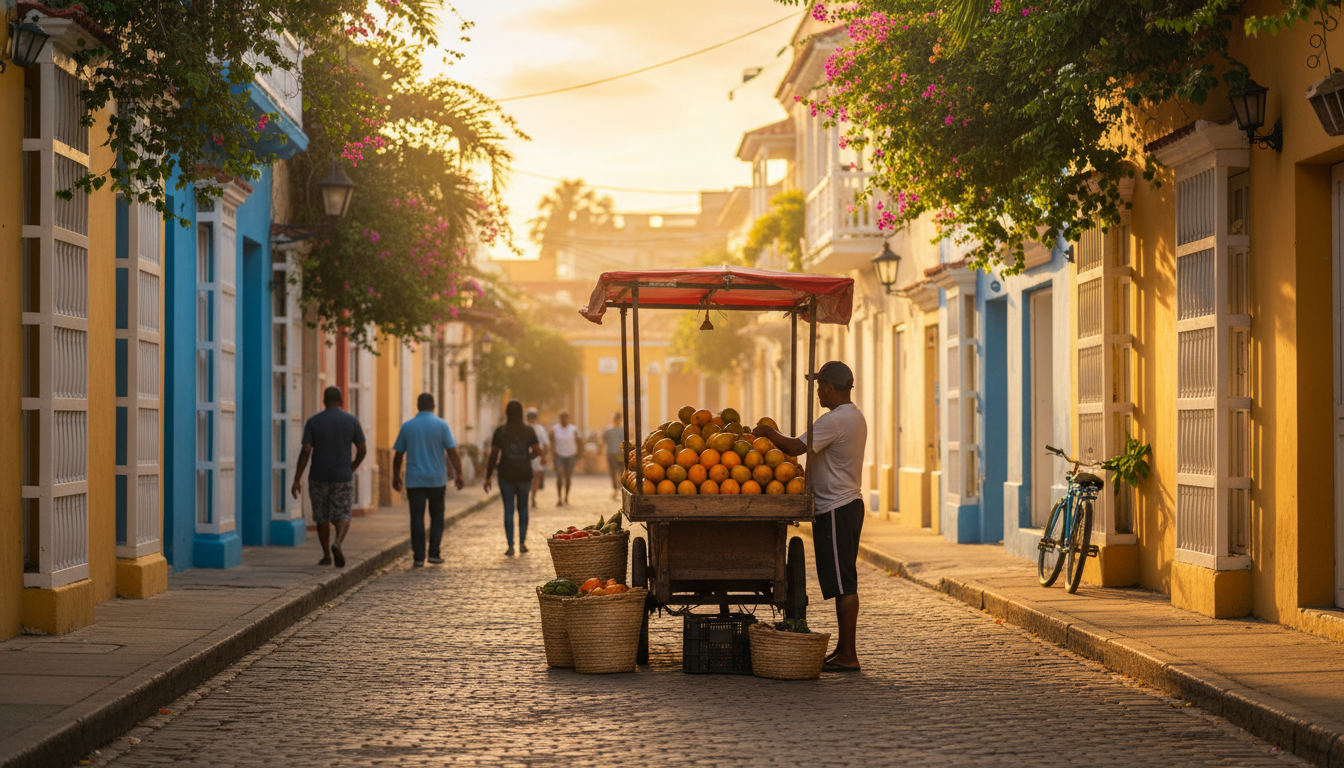 Early morning street scene in Getseman neighborhood with colorful colonial buildings, a fruit vendor
I've done home exchanges in 25 countries now, and Cartagena stands out as one of those rare places where having a local base—rather than a hotel—completely transforms the experience. When you're staying in someone's actual apartment, you're not just a tourist passing through. You're temporarily part of a neighborhood. That changes everything.
So here's what I learned during my cash-free day in Cartagena, plus everything I've picked up from three subsequent visits.
Why Free Activities in Cartagena Are Actually the Best Ones
Here's something I keep coming back to after years of travel writing: the most memorable experiences rarely have a price tag. That sunset you watched from a rooftop? Free. The conversation with the grandmother selling empanadas? Free. Getting hopelessly lost in a maze of colonial streets and stumbling upon a hidden plaza? Absolutely free—and probably the highlight of your trip.
Cartagena seems designed for wandering. The UNESCO World Heritage old town is compact enough to explore on foot but dense enough that you'll keep discovering new corners for days. During my home exchange stays here, I've found that the rhythm of the city rewards those who slow down and pay attention.
The other thing? Cartagena can be expensive by Colombian standards. Hotels in the walled city run $150-300 USD per night during high season. Restaurants in touristy areas charge nearly Miami prices. But the free stuff is world-class—museum-quality architecture just everywhere, beaches you can access without paying a resort fee, street art that rivals any gallery. When you're doing a home exchange through SwappaHome, you've already eliminated your biggest expense. Now let's make sure the rest of your trip doesn't chip away at those savings.
Exploring the Walled City: Free Activities in Cartagena's Historic Heart
The Ciudad Amurallada—the walled city—is essentially an open-air museum that charges no admission. I know that sounds like travel writer hyperbole, but walk through those stone gates and tell me I'm wrong.
The Walls Themselves
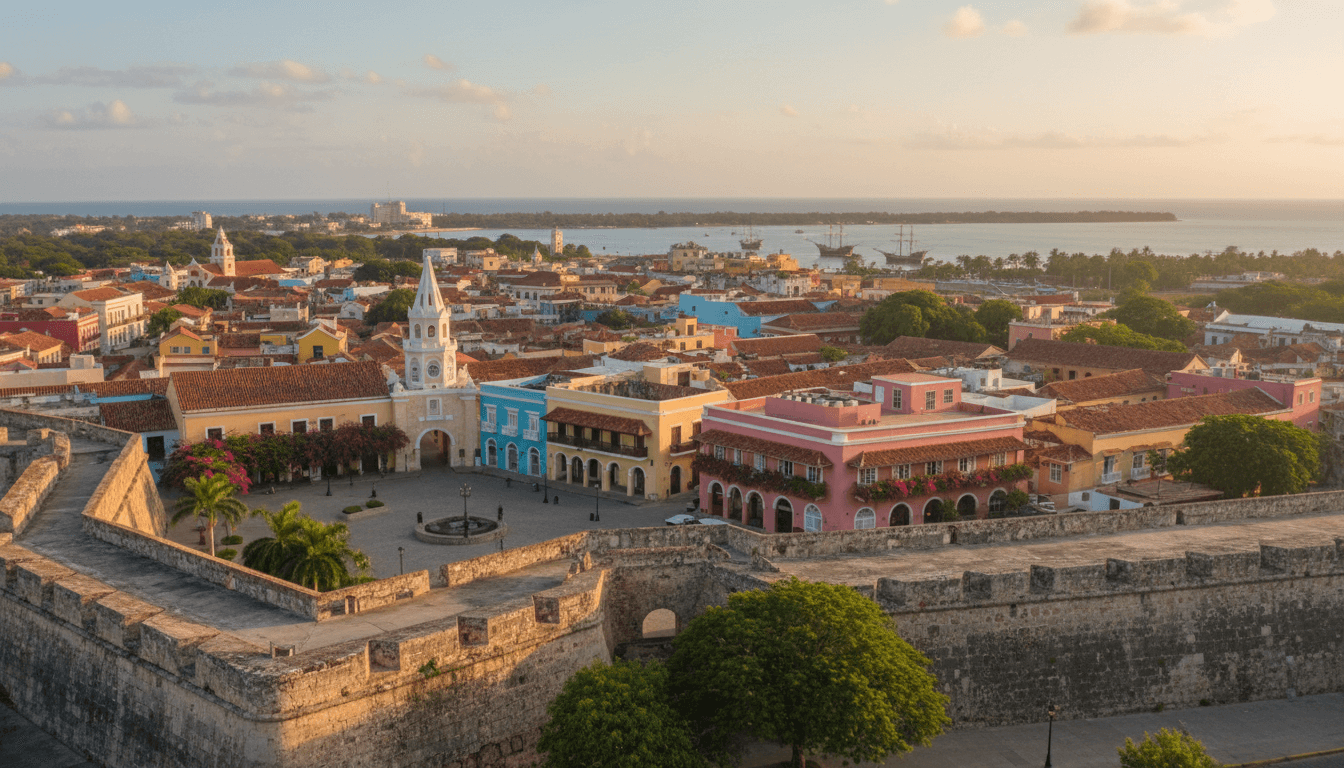
Start with the murallas, the 400-year-old walls that once protected the city from pirates and invaders. You can walk along the top for free, and honestly, it's the best way to understand Cartagena's geography. The stretch between the Baluarte de Santo Domingo and the Clock Tower takes about 20 minutes at a leisurely pace—Caribbean views on one side, terracotta rooftops on the other.
Best time? Late afternoon, around 4:30 PM. The light goes golden, the heat becomes bearable, and you'll catch locals gathering for the sunset. I once spent two hours on the walls near Café del Mar, watching the sky turn pink and orange, chatting with a Colombian couple who insisted I try their homemade cocadas. They wouldn't let me pay.
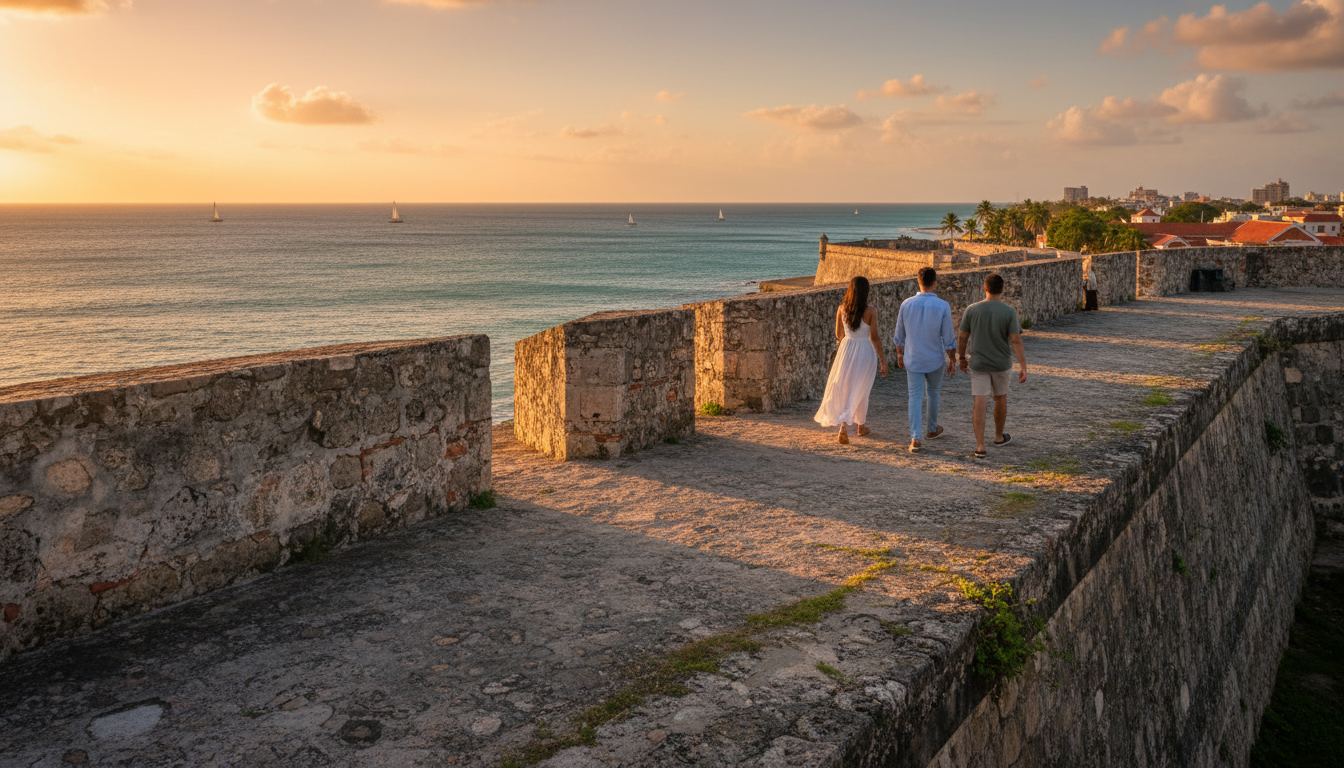 People walking along Cartagenas ancient stone walls at golden hour, Caribbean Sea visible in backgro
Plaza Santo Domingo and the Botero Sculpture
Every guidebook mentions the Botero sculpture in Plaza Santo Domingo, and for once, the guidebooks are right. "La Gorda Gertrudis" is a bronze sculpture by Colombia's most famous artist, Fernando Botero, and she's become something of a city mascot. Rubbing her... generous proportions is supposed to bring good luck.
But here's what the guidebooks don't tell you: the plaza itself is prime people-watching territory. Grab a spot on the church steps—free seating!—and watch the parade of humanity. Street performers, families with kids chasing pigeons, couples on first dates, old men playing chess. I've spent entire afternoons here, nursing a single bottle of water from a nearby tienda ($0.50 USD) and feeling like I was watching a play.
The Cathedral and Churches
Cartagena has something like 23 churches within the walled city, and most are free to enter during non-service hours. The Catedral de Santa Catalina de Alejandría is the main attraction—look up at that ceiling and try to imagine the craftsmen who painted it in the 1600s. The Iglesia de San Pedro Claver is dedicated to the "slave of the slaves," a Jesuit priest who ministered to enslaved Africans. Heavy history, but important.
A tip: church interiors are blissfully air-conditioned. When the afternoon heat becomes unbearable (and it will), duck into a church. You'll cool down, see some beautiful architecture, and maybe have a moment of unexpected quiet in an otherwise chaotic city.
Getsemaní: Street Art and Neighborhood Vibes Without the Price Tag
If the walled city is Cartagena's polished face, Getsemaní is its creative soul. This neighborhood, just outside the walls, was once considered rough. Now it's the epicenter of the city's arts scene—and still refreshingly un-gentrified in the best ways.
The Street Art Walking Tour (Self-Guided)
You could pay $30-50 USD for a guided street art tour, or you could just... walk around with your eyes open. The murals here are impossible to miss. Start at Plaza de la Trinidad and wander the surrounding streets—Calle de la Sierpe, Calle del Pozo, Calle del Guerrero. You'll see everything from political commentary to abstract explosions of color to photorealistic portraits of local legends.
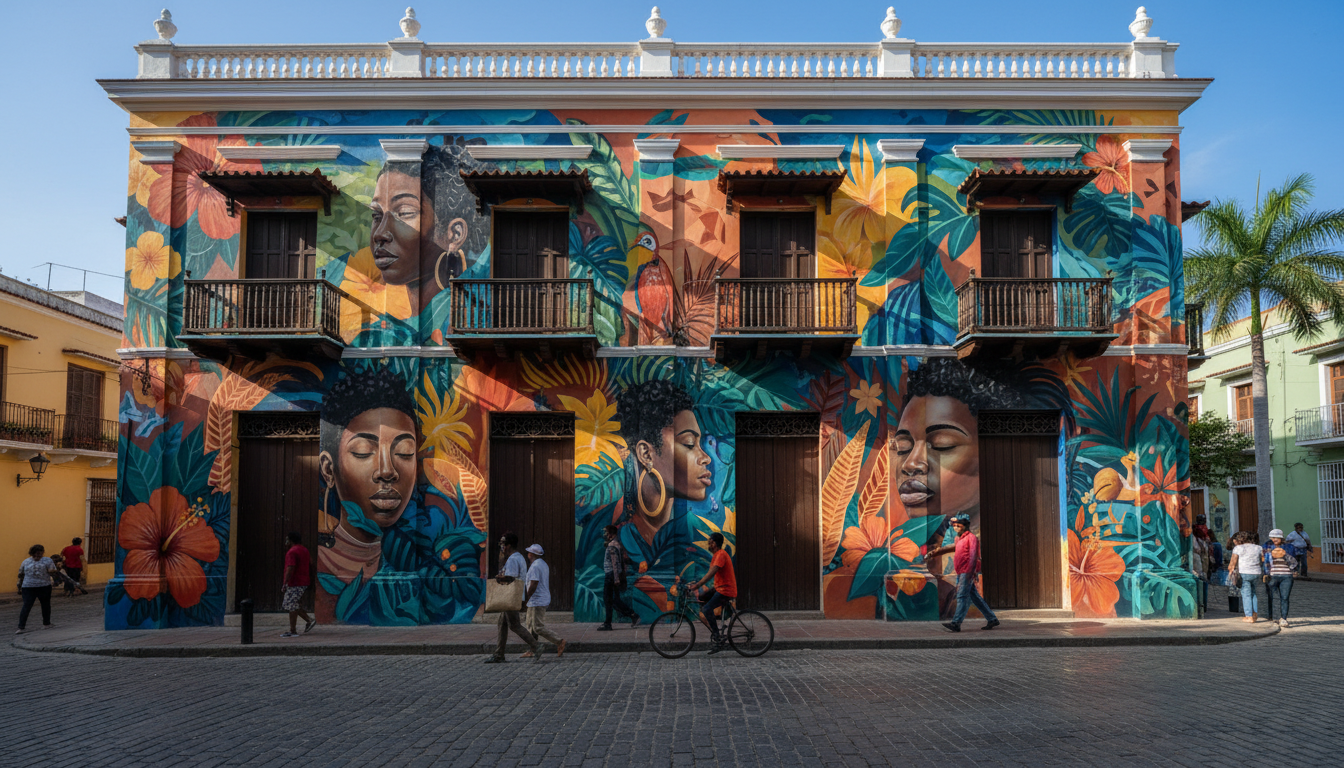 Vibrant street art mural covering an entire building facade in Getseman, featuring Afro-Colombian fa
My favorite mural is on Calle del Espíritu Santo—a massive piece depicting an Afro-Colombian woman with a fruit basket on her head, her expression somewhere between pride and defiance. Every time I visit, I notice new details.
The best part about doing this self-guided? You can stop whenever you want. Duck into a doorway when it rains (and it will rain, suddenly and dramatically, almost every afternoon). Chat with the artists if you happen to catch them working. Take photos without a tour group breathing down your neck.
Plaza de la Trinidad at Night
This plaza transforms after sunset. Families come out, kids kick soccer balls, vendors sell beer and snacks from coolers. It's the closest thing to a free nightlife experience in Cartagena.
Find a spot on the church steps—yes, the church steps are basically public seating here—and soak it in. On weekends, there's often live music: champeta, salsa, reggaeton. People dance. It's chaotic and loud and absolutely wonderful. I've spent entire evenings here spending nothing more than 5,000 pesos ($1.25 USD) on a cold Águila beer from a street vendor.
Free Beach Days: Cartagena's Caribbean Coast Without the Club Fees
Let's talk beaches. Cartagena has them, but the situation is... complicated.
Bocagrande Beach (Free, But Crowded)
The main city beach is Bocagrande, and it's free to access. Here's the honest truth: it's not the Caribbean paradise you're imagining. The water is murky, the sand is packed with beach chairs you'll be pressured to rent ($5-10 USD), and vendors will approach you approximately every 90 seconds.
That said, there's something endearing about Bocagrande. It's where Cartageneros actually go. Families set up elaborate picnic spreads. Teenagers flirt. Grandmothers wade into the water in their regular clothes. If you want to experience local beach culture rather than resort beach culture, it's worth a visit. Just set your expectations accordingly.
La Boquilla (Free + Authentic)
This is where I send people who want a real beach experience without paying for a day trip. La Boquilla is a fishing village about 20 minutes north of the walled city by bus (3,000 pesos / $0.75 USD each way—okay, not technically free, but close). The beach is cleaner than Bocagrande, the vibe is more relaxed, and you can watch fishermen bring in their catch.
There's no entrance fee. Just show up, find a spot, and swim. If you want to rent a chair or buy food from one of the beachfront restaurants, you can, but you don't have to. I've spent entire days here with just a towel, a book, and a packed lunch from my home exchange kitchen.
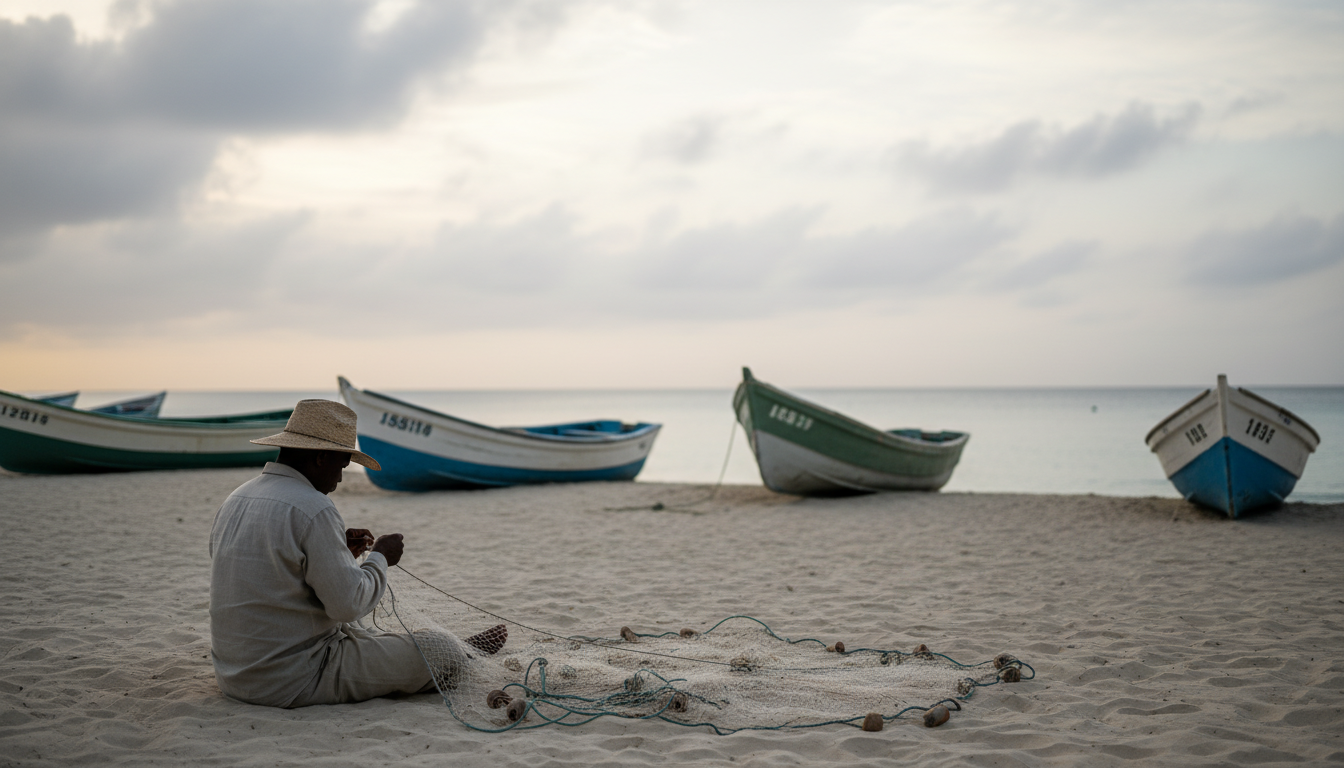 La Boquilla beach with fishing boats pulled up on sand, calm Caribbean waters, local fisherman mendi
Castillogrande (The Local Secret)
Most tourists don't make it to Castillogrande, which is exactly why you should. It's a residential peninsula south of Bocagrande with a small public beach that locals actually use. Take any bus heading to Castillogrande from the Centro ($0.75 USD) and walk to the waterfront. The beach is narrow but clean, and you'll likely be the only foreigner there.
Free Cultural Experiences That Feel Like Splurges
Cartagena's cultural scene extends far beyond its architecture. Here's how to access it without opening your wallet.
Museo de Arte Moderno (Free on Sundays)
The Museum of Modern Art in the San Pedro neighborhood charges 14,000 pesos ($3.50 USD) normally, but Sundays are free. The collection isn't huge, but it's well-curated—mostly Colombian artists, with a focus on Caribbean themes. The building itself, a converted colonial warehouse, is worth seeing.
Naval Museum (Free for Foreigners on Certain Days)
The Museo Naval del Caribe occasionally offers free admission for international visitors—check their website or just ask at the door. Even if you're not a naval history buff, the exhibits on piracy and colonial maritime trade are genuinely interesting. Plus, air conditioning.
Live Music at Donde Fidel
This legendary salsa bar in the walled city doesn't charge a cover. You can walk in, order nothing, and watch some of the best dancers in the city move to live salsa music. Obviously, it's polite to buy a drink if you're staying awhile (beers run about 8,000 pesos / $2 USD), but technically? Free entertainment.
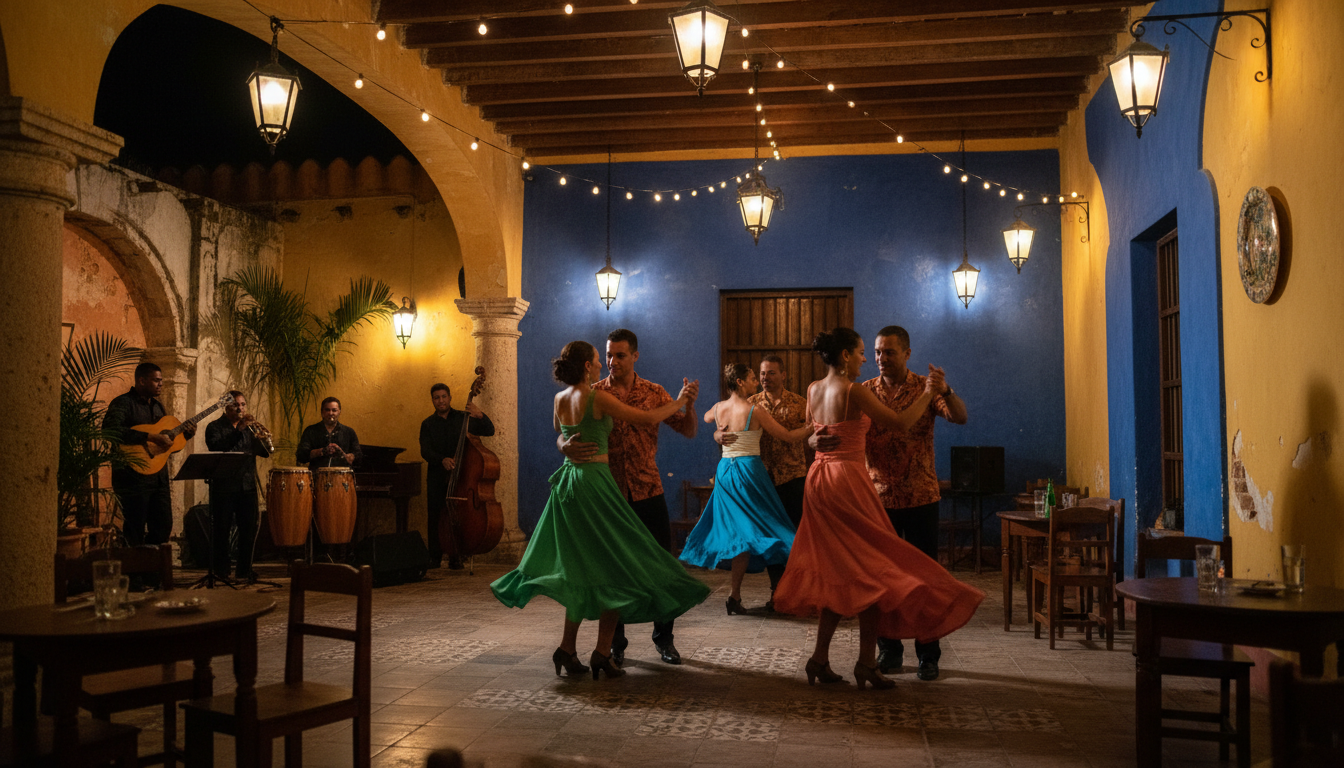 Interior of a traditional Cartagena salsa bar with couples dancing, live band playing in corner, war
Sunset at Café del Mar (Without Buying Anything)
Café del Mar, perched on the city walls, is famous for its sunset views and infamous for its prices. A cocktail runs $15-20 USD. But here's the thing: the walls are public property. You can watch the exact same sunset from the wall directly adjacent to the café, for free. Bring your own beer (bought from a nearby tienda for $1) and enjoy.
Is it a little cheeky? Maybe. But I've seen locals do it dozens of times. The café doesn't own the sunset.
Making the Most of Your Home Exchange Base
Here's where staying through SwappaHome really pays off for free activities in Cartagena.
Kitchen Access = Massive Savings
Restaurant meals in touristy areas run $15-30 USD. But the Bazurto Market—Cartagena's massive, chaotic, absolutely overwhelming central market—sells fresh seafood, tropical fruits, and vegetables for almost nothing. During my last home exchange, I bought enough red snapper, plantains, and avocados to make three dinners for about $8 USD total.
The market itself is a free experience. It's loud, it's crowded, it smells like fish and fruit and diesel, and it's one of the most authentic things you can do in Cartagena. Go in the morning, go with an empty bag, and go with an open mind.
Neighborhood Integration
When you're staying in someone's actual home, you start to notice things. The bakery where locals buy their morning pan de bono (cheese bread, about $0.25 each). The corner store that sells cold water for half the tourist price. The plaza where kids play soccer after school.
My Getsemaní host left me a list of her favorite spots—none of them in any guidebook. The best arepa lady (corner of Calle Larga and Calle del Pozo, mornings only). The church that does free organ concerts on Thursday evenings. The rooftop of her building, where you could watch the sunset over the old city without paying for a fancy bar.
This is the stuff you can't get from a hotel. And it's all free.
The "Ask Your Host" Advantage
Before my first Cartagena home exchange, I messaged my host through SwappaHome's platform asking for recommendations. She sent me a voice note—an actual voice note!—walking me through her favorite free things to do. The hidden viewpoint in San Diego neighborhood. The free salsa lessons in Plaza de la Trinidad on Tuesday nights. The stretch of wall where you could sometimes see dolphins at dawn.
Hosts want you to love their city. They'll tell you things Google doesn't know.
Day Trips and Excursions: Free or Nearly Free Options
Most Cartagena day trips cost money—boat trips to the Rosario Islands run $30-60 USD, and the famous Totumo mud volcano is about $25 USD with transport. But there are alternatives.
Tierra Bomba Island (Almost Free)
This island is visible from Cartagena's shore, and getting there costs almost nothing. Boats leave from the Muelle de la Bodeguita in the walled city and charge about 8,000 pesos ($2 USD) round trip. The island has several beaches; Playa Punta Arena is the most accessible. There's no entrance fee.
Pack a lunch, bring water, and you've got yourself a beach day for under $5 USD total. Fair warning: the island is still developing, facilities are basic, and you'll want to bring everything you need. But the water is cleaner than the city beaches, and you'll feel like you've actually escaped.
Convento de la Popa (Free Views, Paid Entrance)
The convent itself charges 15,000 pesos ($3.75 USD) to enter, but here's a local secret: the road up to the convent has several viewpoints that are completely free. Take a taxi to "La Popa" (about 15,000 pesos from the walled city, split with other travelers if possible) and ask to be dropped at the mirador. The panoramic view of the city is spectacular, and you don't need to enter the convent to see it.
Manga Neighborhood Walk
Manga is a peninsula neighborhood that most tourists skip entirely. It's full of early 20th-century mansions—think Caribbean Art Deco meets colonial grandeur—and walking around is completely free. The architecture is different from the walled city, more eclectic and less preserved, which is part of the charm. Take the pedestrian bridge from Getsemaní and wander.
Practical Tips for Free Activities in Cartagena
After multiple visits, here's what I've learned about maximizing free experiences:
Timing matters. The heat between 11 AM and 3 PM is brutal. Plan your walking and exploring for early morning or late afternoon. Use the hot hours for beach time, museum visits (air conditioning!), or siesta.
Carry small bills. While many activities are free, you'll want cash for water, snacks, and occasional tips. Break large bills at grocery stores or pharmacies before heading out.
Learn basic Spanish phrases. Free experiences often involve interacting with locals who don't speak English. Even terrible Spanish opens doors. "¿Dónde está la playa?" and "¿Cuánto cuesta?" will get you far.
Download offline maps. Google Maps works offline if you download the Cartagena area in advance. Essential for wandering without data charges.
Dress appropriately. Churches require covered shoulders and knees. Beaches require swimwear you can change into. Comfortable walking shoes are non-negotiable—those cobblestones are unforgiving.
The Real Value of Free Travel
I want to end with something that might sound counterintuitive. The best free activities in Cartagena aren't really about saving money. They're about experiencing the city the way locals do.
When you're not rushing from paid attraction to paid attraction, you notice things. The way the light changes on the colonial facades throughout the day. The rhythm of the neighborhood—quiet mornings, bustling afternoons, magical evenings. The small interactions that become the stories you tell later.
My cash-free day in Cartagena—the one that started with a declined ATM card—ended up being one of my favorite travel days ever. I walked the walls at sunset. I watched a pickup soccer game in Plaza de la Trinidad. I had a long conversation with a street artist who showed me his studio (a converted garage, rent-free because his uncle owned the building). I ate fruit from a cart and bread from a bakery and felt, for a few hours, like I actually lived there.
That's what home exchange travel does. It removes the tourist infrastructure and replaces it with something more real. And real, it turns out, is often free.
If you're planning a Cartagena trip, consider listing your place on SwappaHome and finding a local home to exchange. You'll save hundreds on accommodation, yes. But more importantly, you'll have a base that lets you experience the city's free pleasures the way they're meant to be experienced—slowly, deeply, and without watching the meter run.
The best things in Cartagena don't cost anything. They just require you to show up, pay attention, and let the city do its thing.
Frequently Asked Questions
What are the best free activities in Cartagena for families?
The walled city offers endless free exploration for families—kids love walking the ancient walls, watching street performers in Plaza Santo Domingo, and chasing pigeons in the plazas. La Boquilla beach is calm and shallow, perfect for children. Plaza de la Trinidad in Getsemaní has a playground and gets especially lively on weekend evenings when local families gather.
Is it safe to walk around Cartagena for free sightseeing?
The walled city, Getsemaní, and Bocagrande are generally safe for walking during daylight hours. Standard precautions apply: don't flash expensive jewelry, keep phones secure, stay aware of your surroundings. Evening walks in well-lit areas are fine. Avoid wandering into unfamiliar neighborhoods after dark, and use registered taxis or apps like InDriver for longer distances.
How much money do I need per day for free activities in Cartagena?
If you're doing a home exchange and cooking your own meals, you can easily spend under $10-15 USD per day on incidentals—water, occasional snacks, bus fare to beaches. Budget $20-25 USD if you want to include a couple of cheap local meals or beers. The activities themselves cost nothing; it's just about food, drinks, and transportation.
When is the best time to visit Cartagena for free outdoor activities?
December through April offers the driest weather, ideal for walking tours and beach days. This is also peak tourist season with higher accommodation costs (another reason home exchange makes sense). May-June and November have fewer crowds, occasional rain showers, but still plenty of sunny days for free exploration. Avoid September-October when rainfall peaks.
Can I visit Cartagena's beaches for free?
Yes—all beaches in Cartagena are public and free to access. Bocagrande, La Boquilla, and Castillogrande require no entrance fees. You may be approached to rent chairs or umbrellas ($5-10 USD), but bringing your own towel and sitting on the sand is completely free. Pack water and snacks to avoid overpriced beach vendors.

Published by
SwappaHome
SwappaHome Editorial Team
Home Exchange & Slow Travel Editorial
The SwappaHome Editorial Team brings together travel research, home-exchange community insights, and platform data to produce practical guides for first-time and experienced home swappers. Every article cites real platforms, current market rates, and verifiable city-level facts so readers can make informed decisions without guessing.
Ready to try home swapping?
Join SwappaHome and start traveling by exchanging homes. Get 7 free credits when you sign up!
Related articles

Bachelor and Bachelorette Parties in Singapore: The Complete Home Swap Group Guide for 2026
Planning a bachelor or bachelorette party in Singapore? Discover how home swapping lets groups of 6-12 stay together in luxury condos, saving thousands while partying in Marina Bay.
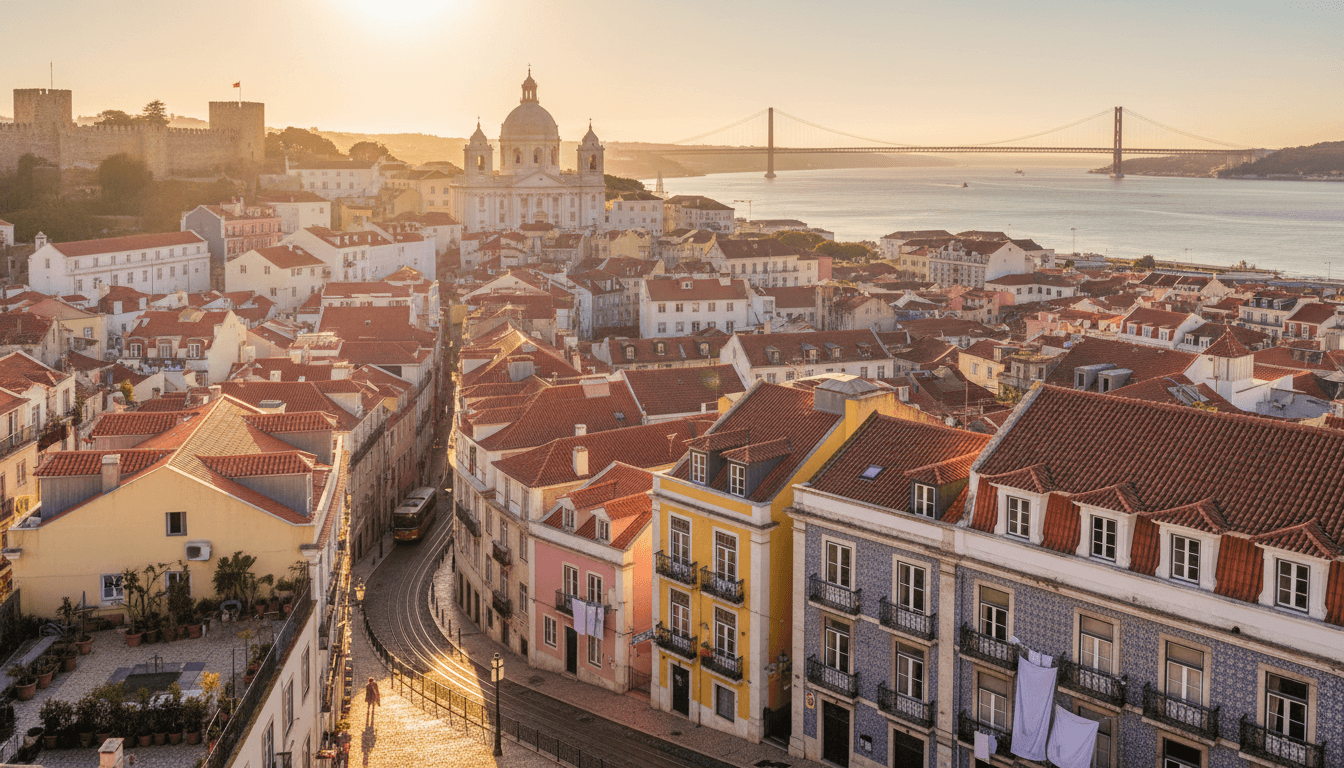
Cycling in Lisbon: 7 Home Swap Bike Tour Itineraries for Every Rider
Discover the best cycling routes in Lisbon with these home swap bike tour itineraries—from waterfront paths to hilltop adventures, all starting from your borrowed home.
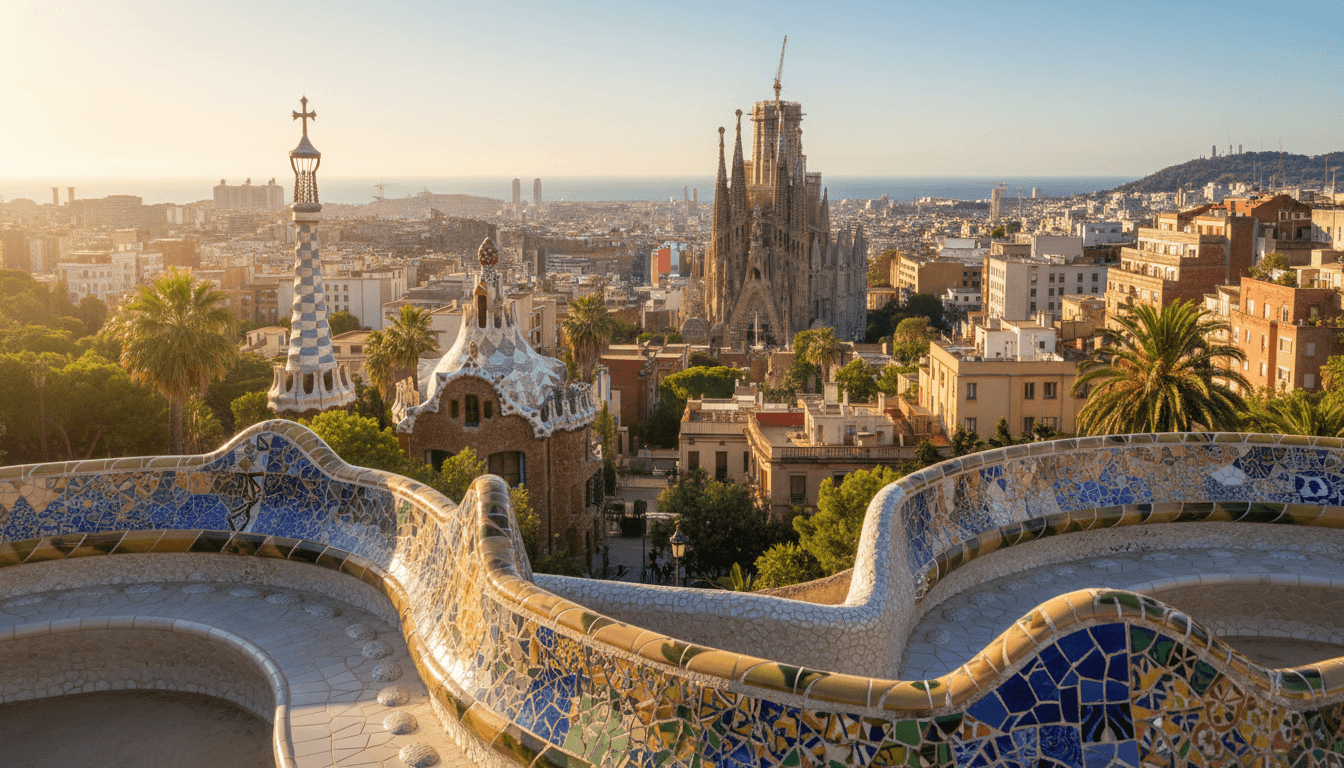
Graduation Trip to Barcelona: How Home Swapping Gives New Graduates the Ultimate Celebration
Planning a graduation trip to Barcelona? Discover how home swapping lets new graduates explore Spain's most vibrant city without the hostel crowds or hotel costs.