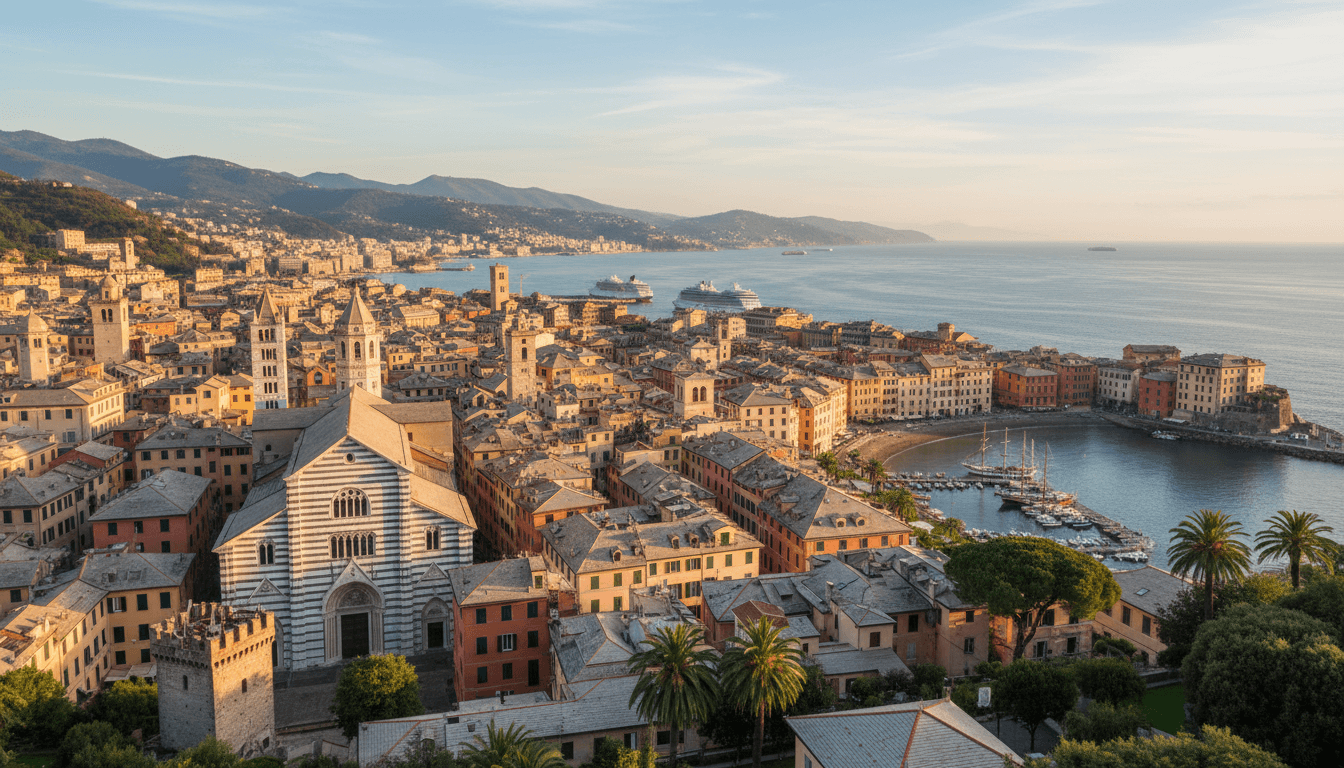
Genoa Home Exchange: Your Complete Guide to Italy's Best-Kept Secret

SwappaHome Editorial Team
Home Exchange & Slow Travel Editorial
Discover why Genoa home exchange is exploding in popularity. Insider tips on neighborhoods, timing, and how to score the best swaps in this underrated Italian gem.
I almost skipped Genoa entirely.
There I was, planning yet another Italian trip, scrolling through the usual suspects—Florence, Rome, the Amalfi Coast—when a fellow home exchanger mentioned she'd just spent three weeks in a palazzo apartment overlooking Genoa's old port. "Maya, the pesto alone is worth the trip," she said. "And nobody's there."
That last part? That's what got me. After seven years of home swapping and 40+ exchanges across 25 countries, I've learned that the best experiences happen where the crowds aren't. And Genoa home exchange opportunities are genuinely one of the most exciting trends I've seen in the European swap market.
So let me tell you what I discovered—and why this gritty, gorgeous port city should absolutely be on your radar.
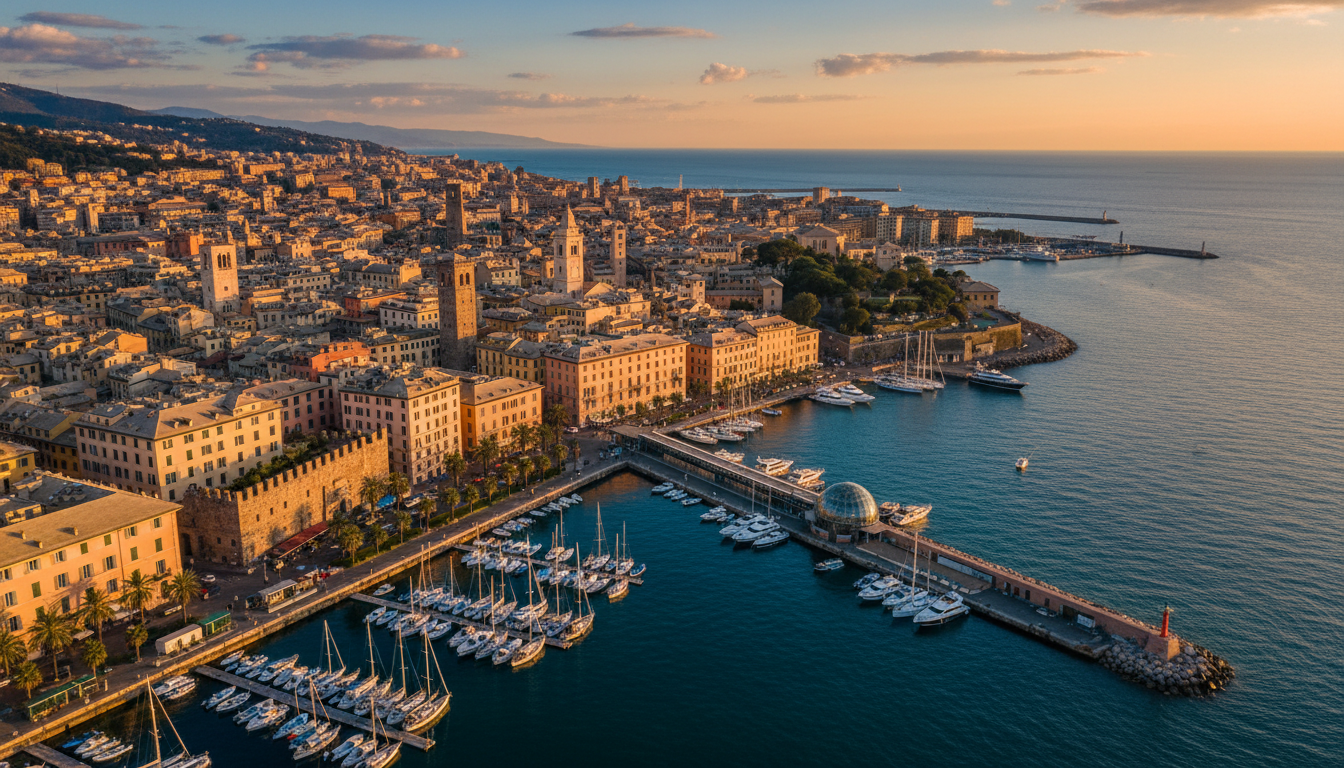 aerial view of Genoas colorful historic center with the old port Porto Antico in the foreground, med
Why Genoa Home Exchange Is Suddenly Booming
Genoa's been hiding in plain sight.
Italy's sixth-largest city. Birthplace of Christopher Columbus. Home to Europe's largest medieval old town. And yet—until recently—most tourists treated it as a ferry stop on the way to Cinque Terre or Sardinia.
That's changing fast.
I've been tracking SwappaHome listings in Genoa for the past two years, and the growth is remarkable. Properties have roughly doubled, but here's what's more interesting: the quality of listings has exploded. We're talking converted caruggi apartments (those narrow medieval alleyways), renovated palazzi with frescoed ceilings, seaside flats in neighborhoods that weren't even on the tourist map five years ago.
So why now? A few things are converging.
The Cinque Terre overflow effect. Those five villages are drowning in tourists. Savvy travelers figured out that Genoa offers the same Ligurian coast experience—minus the crowds—at a fraction of the cost. You can day-trip to all five towns in under an hour by train.
Remote work migration. Genoa attracted a wave of digital nomads during 2020-2022, many of whom bought or rented apartments and are now listing them on exchange platforms. These aren't tourist-optimized Airbnbs—they're actual homes with fast WiFi, proper kitchens, and that lived-in quality that makes swapping so much better than hotels.
The foodie renaissance. Genoa's culinary scene has been "discovered" by international food media. When a city starts appearing in Bon Appétit and Eater, the travelers follow. And these aren't package tourists—they're exactly the kind of curious, culturally-engaged people who gravitate toward home exchange.
The result? A home exchange market that's still affordable and accessible. But it won't stay that way forever.
Best Neighborhoods for Home Exchange in Genoa
Not all Genoa neighborhoods are created equal for home swapping. After my own exchanges and countless conversations with local hosts, here's my honest breakdown.
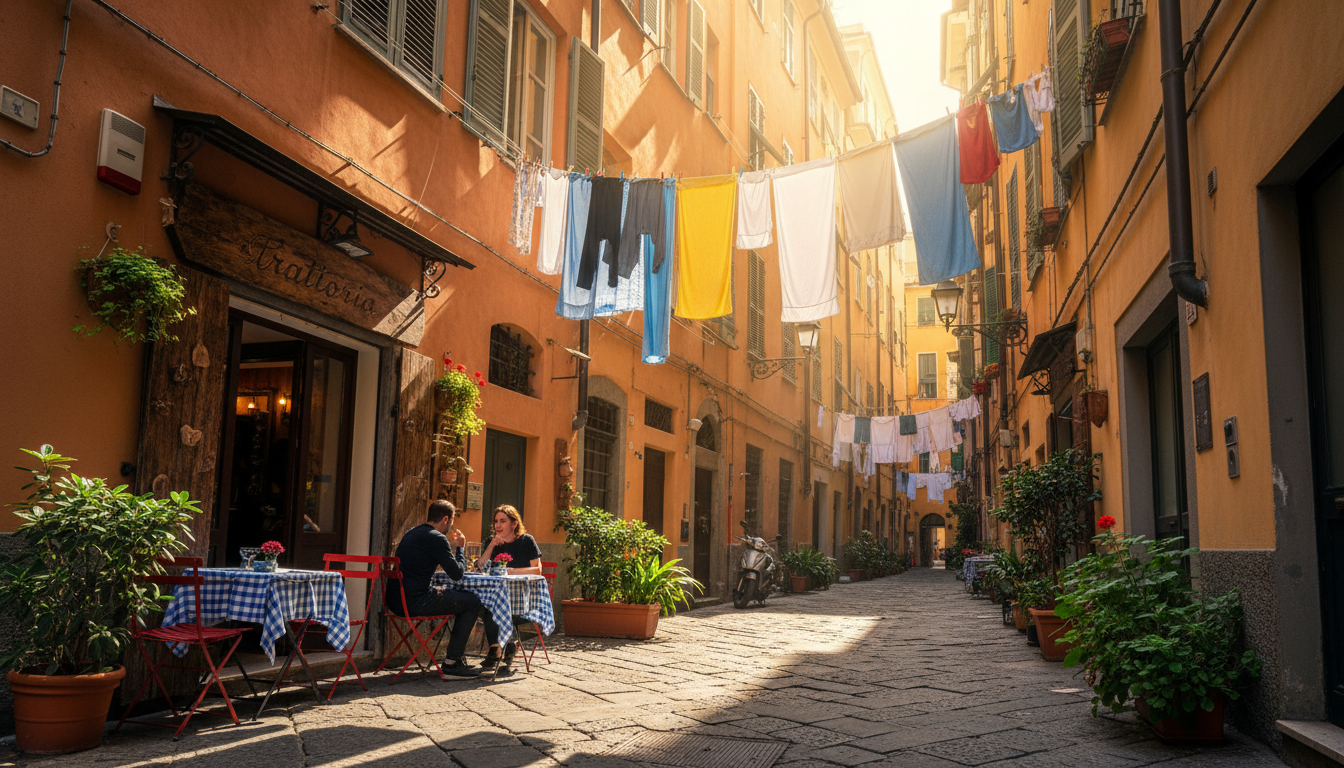 narrow caruggi alleyway in Genoas Centro Storico with laundry hanging between buildings, a small tra
Centro Storico: The Medieval Heart
Genoa's historic center is a UNESCO-worthy labyrinth of caruggi—medieval alleyways so narrow you can touch both walls with outstretched arms. It's atmospheric. Intense. And absolutely not for everyone.
I stayed in a third-floor apartment near Piazza delle Erbe during my first Genoa exchange. The building was 400 years old. The stairs were uneven stone. The ceiling had original frescoes that were casually peeling. And every morning, I'd buy focaccia from a bakery that had been operating since 1885.
Home exchange availability here is high—there are lots of apartments—but condition varies wildly. Some have been beautifully restored; others are, let's say, "authentically weathered." Always ask for recent photos and be specific about your needs (elevator access, natural light, noise levels).
Expect to find: Character-filled apartments, often small, in buildings with serious history. Prices if you were renting would run €70-120/night; with home exchange, you're spending 1 credit per night regardless.
Best for: History buffs, photographers, solo travelers, couples without mobility concerns.
Castelletto: The Elegant Hillside
Take the historic funicular up from Piazza Portello, and you'll emerge in Castelletto—Genoa's answer to San Francisco's Pacific Heights. This is where the city's 19th-century merchants built their villas, and the views are genuinely stunning.
The home exchange scene here skews toward larger apartments and actual houses, often with terraces or small gardens. It's quieter, more residential, and you'll need to embrace the funicular or some serious stair-climbing.
I know a couple who did a three-week exchange in Castelletto last fall. Their host's apartment had a terrace overlooking the entire old port. They'd drink coffee every morning watching cruise ships come and go. "We felt like we were in a movie," they told me. "An Italian movie where nothing bad happens."
Expect to find: Spacious apartments with views, family-friendly options, more modern amenities.
Best for: Families, longer stays, anyone who wants peace without sacrificing access to the center.
Boccadasse: The Fishing Village That Isn't
Technically, Boccadasse is part of Genoa. Emotionally, it's a tiny fishing village that somehow survived being absorbed by a major city. Pastel houses cluster around a small beach. Old men repair nets. Gelato shops do brisk business year-round.
Home exchange listings here are rare and competitive. When they appear, they get snapped up fast. If you see one? Don't hesitate—send that request immediately.
Expect to find: Small apartments with sea views, limited availability, high demand.
Best for: Romantic getaways, off-season visits, anyone willing to plan ahead.
Nervi: The Seaside Escape
About 20 minutes east by train, Nervi feels like a separate town—because it was, until 1926. It's got a famous seaside promenade (the Passeggiata Anita Garibaldi), lush parks, and a distinctly different vibe from central Genoa.
The home exchange market here is interesting: you'll find more villas and standalone houses than anywhere else in the Genoa area. It's popular with Italian families during summer, which means local hosts are often looking to escape the heat and swap their beach-adjacent homes for cooler destinations.
Expect to find: Houses with gardens, family-oriented properties, summer availability.
Best for: Families with kids, beach lovers, anyone wanting a more relaxed pace.
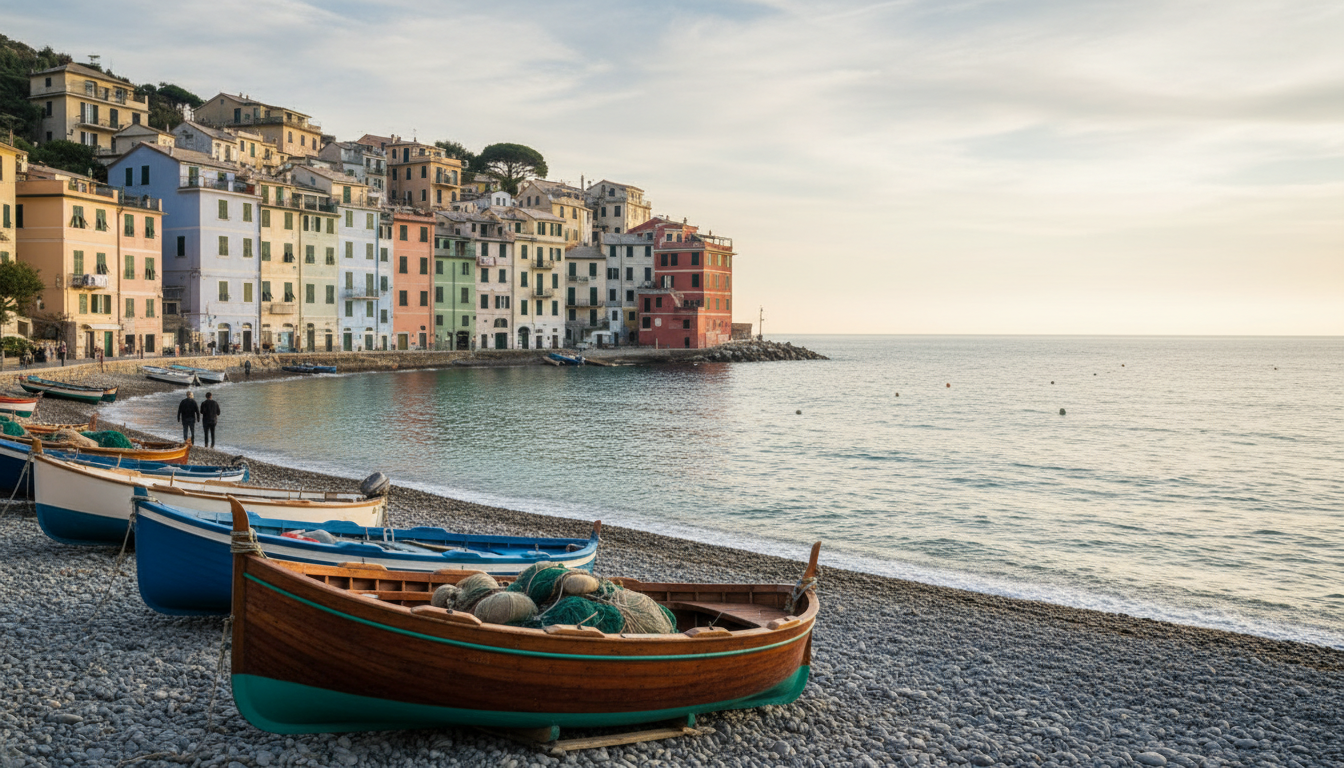 Boccadasses colorful waterfront houses clustered around the small pebble beach, with fishing boats p
Timing Your Genoa Home Exchange: When to Go
This is where strategy matters.
Peak Season (June-August)
Genoa gets hot—really hot—and humid. The centro storico becomes a steam bath. But the coast is glorious, the outdoor dining scene peaks, and the city has a festive energy.
Home exchange competition is highest during these months, especially for properties with air conditioning or sea access. Start your search 3-4 months ahead. Seriously.
Shoulder Season (April-May, September-October)
Honestly? This is when I'd go.
The weather is perfect—warm enough for outdoor dining, cool enough for comfortable walking. Cruise ship traffic drops significantly. And home exchange availability opens up because you're not competing with every family in Europe for summer dates.
September is particularly magical. The sea is still warm from summer, but the crowds have evaporated. I did my Tuscan barn exchange in September years ago, and I've been a shoulder-season convert ever since.
Off-Season (November-March)
Genoa doesn't really close for winter the way some Italian cities do. It's a working port, a university town, a place where actual life happens year-round.
Exchange availability is excellent—many hosts are eager to escape the gray Ligurian winter for sunnier destinations. You'll have your pick of properties. The trade-off: some seaside restaurants close, and the weather can be rainy and raw.
But here's a secret: Genoa's covered markets and indoor food scene shine in winter. The Mercato Orientale is heated. The focaccia tastes even better when it's cold outside.
How to Find the Perfect Genoa Home Exchange
Alright, let's get practical.
Crafting Your Request
I've sent hundreds of exchange requests over the years, and I've learned what works. For Genoa specifically, mention:
- Your connection to Italian culture (even if it's just "I've been dreaming of learning to make proper pesto")
- Your specific dates and flexibility (Italians appreciate directness)
- Why you chose Genoa over the obvious destinations (this signals you're a thoughtful traveler)
- What you're offering in return (your home's appeal, your neighborhood's attractions)
Genoan hosts—like most Italians—respond well to enthusiasm that feels genuine rather than generic. Don't just say you love Italy; say you've been watching videos of the Lanterna lighthouse for months.
The Photo Factor
Before you reach out to hosts, make sure your own listing is impeccable. I cannot stress this enough.
Genoa has enough exchange options now that hosts can be selective. They're going to look at your profile, your reviews, and especially your photos. If your listing shows a dimly-lit bedroom and a cluttered kitchen, you're competing at a disadvantage against travelers with professional-looking listings.
You don't need a photographer. You need natural light, clean spaces, and wide angles. Shoot during the day. Remove clutter. Show the view from your window, even if it's just a nice tree.
Understanding the Credit System
On SwappaHome, everything runs on credits. You earn 1 credit for each night you host someone—doesn't matter if your home is a studio in Kansas City or a penthouse in Manhattan. You spend 1 credit for each night you stay somewhere else—doesn't matter if it's that Kansas studio or a palazzo in Genoa.
New members start with 7 free credits. That's 7 nights anywhere in the world, including Genoa.
The beauty of this system is that you don't need to find a direct swap. Host a family from Japan, use those credits in Italy. The flexibility is what makes home exchange actually work for people with normal lives and specific travel dates.
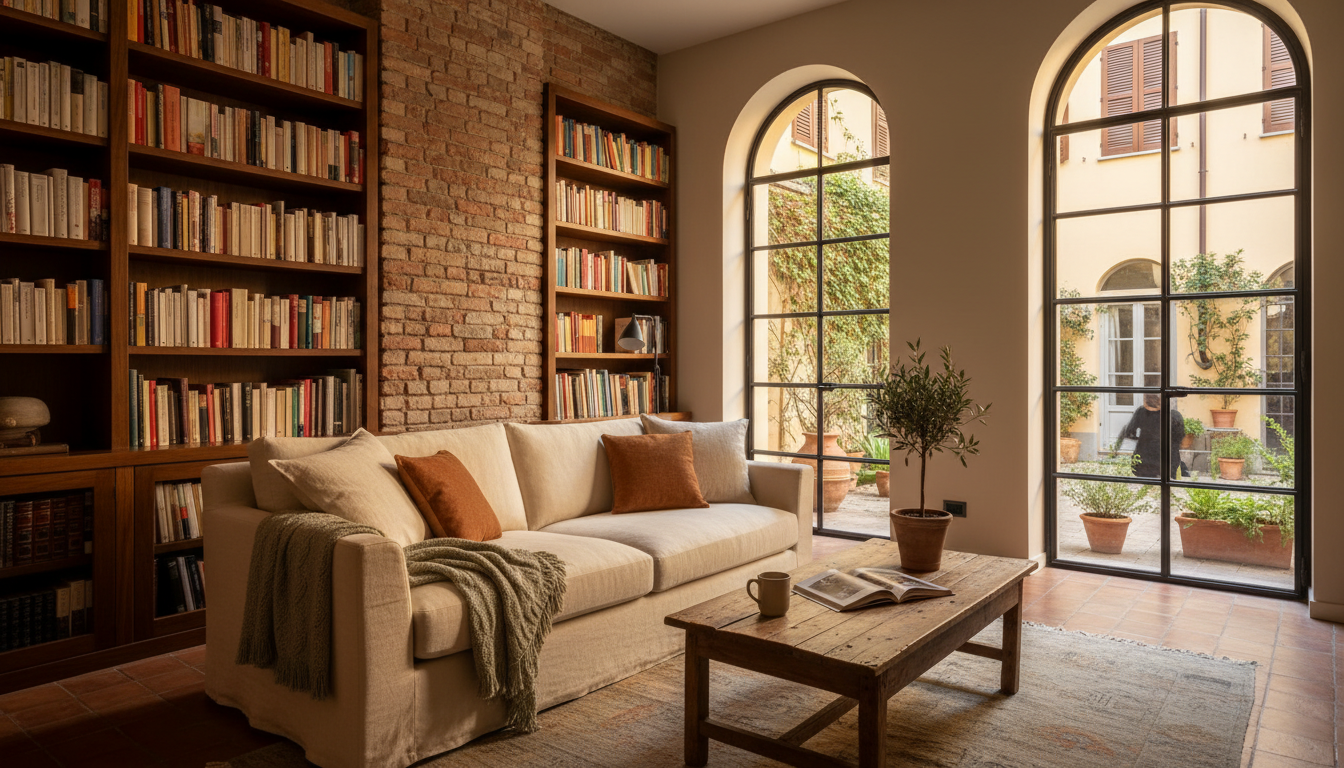 cozy living room in a renovated Genoa apartment with exposed brick, built-in bookshelves filled with
What to Actually Do During Your Genoa Home Exchange
You've got the apartment. Now what?
The Pesto Pilgrimage
Genoa invented pesto. Not "claims to have invented" or "is famous for"—actually invented it. And the local version, made with tiny Prà basil leaves, Ligurian olive oil, and aged Parmigiano, tastes nothing like the stuff in jars back home.
Take a cooking class. Every neighborhood has someone offering them, usually in their home kitchen. Expect to pay around €60-80 ($65-87 USD) per person for a 3-hour session including lunch. Worth every cent.
Or just eat it everywhere. Trofie al pesto at a basic trattoria will run you €10-12 ($11-13 USD) and might be the best pasta of your life.
The Caruggi Wander
Don't plan this. Just do it.
Get deliberately lost in the centro storico. Duck into churches (Genoa has over 100). Find the tiny piazzas that don't appear on Google Maps. Watch nonnas argue with fishmongers at the market.
The caruggi can feel sketchy—there are some rough edges—but during daylight hours, it's generally fine. Use normal city awareness. Don't flash expensive cameras. And embrace the chaos.
The Day Trip Circuit
This is where Genoa's location really shines:
- Cinque Terre: 1-1.5 hours by train. Go early, come back late, skip the overnight crowds.
- Portofino: 40 minutes by ferry from the old port. Yes, it's touristy. Yes, it's still gorgeous.
- Camogli: 30 minutes by train. A fishing village that hasn't been completely gentrified yet.
- Santa Margherita Ligure: 35 minutes by train. Like Portofino but more affordable and livable.
Having an apartment to return to—instead of a hotel checkout deadline—changes how you experience day trips. You can leave early, come back for a nap, and go out again for evening aperitivo. This is the home exchange advantage.
The Aperitivo Ritual
Italians don't do happy hour. They do aperitivo—pre-dinner drinks with snacks, usually between 6-8 PM.
In Genoa, the scene centers around Piazza delle Erbe and the streets near the old port. A spritz runs €5-7 ($5.50-7.60 USD) and typically comes with olives, chips, and sometimes small sandwiches.
My favorite spot? I'm not going to name it—because part of the joy is finding your own. But I'll say this: look for places where locals outnumber tourists, where the spritz comes in a proper glass (not plastic), and where someone's grandmother is definitely judging your outfit.
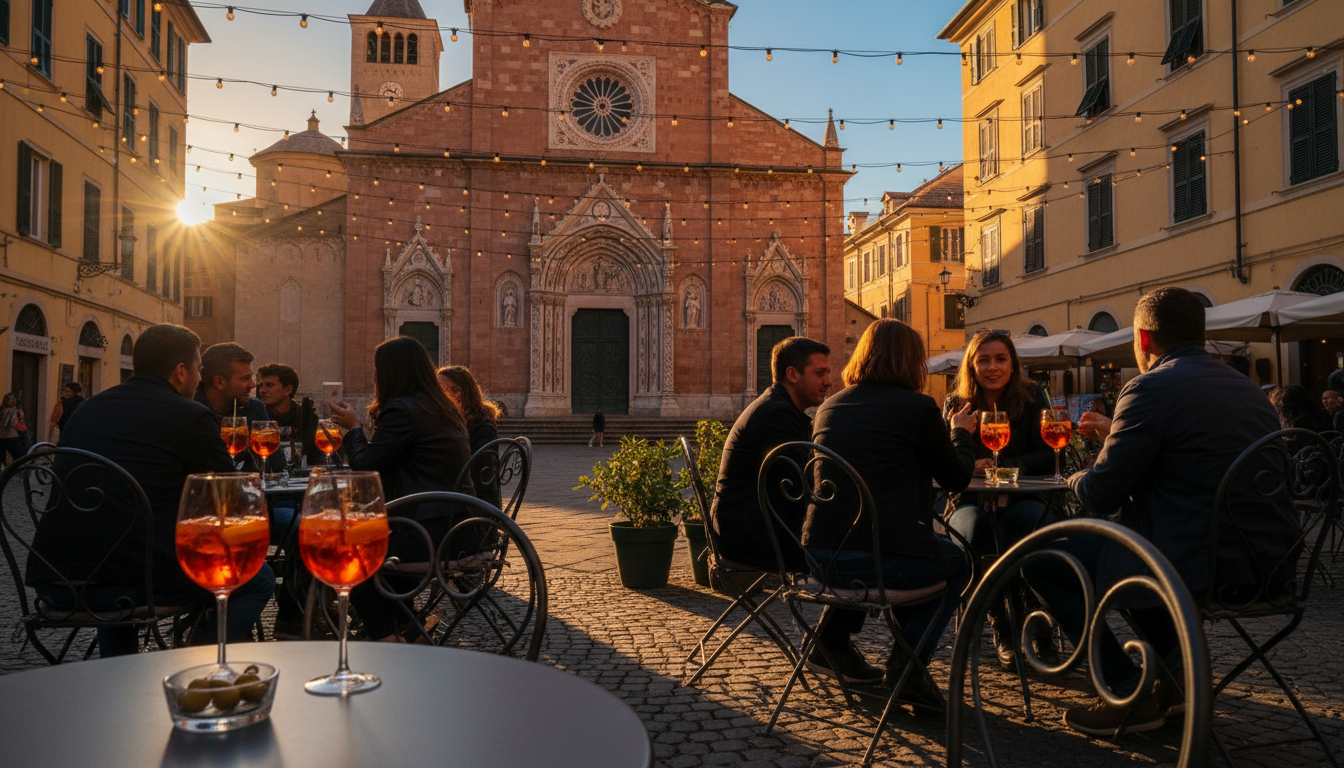 evening aperitivo scene at a small piazza in Genoa, with locals gathered at outdoor tables, warm str
Genoa Home Exchange: Common Concerns Addressed
"Is Genoa Safe?"
I get this question constantly, usually from people who've read outdated travel guides.
Genoa has a reputation—partly deserved, partly exaggerated—for petty crime in certain areas of the centro storico. The caruggi near the port were rough in the 1990s. Some still are.
But here's the reality in 2024: most of the historic center has gentrified significantly. The areas around Via Garibaldi, Piazza De Ferrari, and the renovated port are completely fine. Use normal urban awareness (don't leave bags unattended, be alert at night in quiet alleys), and you'll be fine.
The home exchange community helps here too. Your host can tell you exactly which streets to avoid after dark—local knowledge that no guidebook can match.
"Will I Need a Car?"
No. Emphatically no.
Genoa's historic center is largely pedestrianized. Parking is a nightmare. The public transit—buses, metro, funiculars, and the commuter train—covers everything you'd want to reach.
If you're planning extensive Riviera exploration, you could rent a car for a day or two. But for a typical week-long exchange? Leave the car at home.
"What About the Language Barrier?"
Genoa is less English-friendly than Rome or Florence. Many older residents speak only Italian and Genoese dialect.
This is actually wonderful.
You'll need to learn basic Italian phrases. You'll use hand gestures. You'll occasionally point at menu items and hope for the best. And you'll have more authentic interactions than you would in a tourist-polished city where everyone switches to English the moment they hear your accent.
Download Google Translate. Learn "buongiorno," "grazie," and "posso avere..." (can I have...). You'll be fine.
The Future of Genoa Home Exchange
Here's my honest prediction: Genoa is about 3-5 years away from being "discovered" in the way Lisbon was discovered a decade ago.
The ingredients are all there. Incredible food. Affordable prices (for now). Rich history. A gritty authenticity that Instagram-era travelers crave. And a location that makes it a perfect base for exploring the entire Ligurian coast.
The home exchange market will grow. Prices will eventually rise. The caruggi will get more polished, more tourist-friendly, more... safe, in that sanitized way that makes cities lose their edge.
I'm not saying this to be pessimistic. I'm saying it because if Genoa is on your list, the time to go is now. The exchange options are excellent. The competition is manageable. And you'll experience the city before it becomes another item on everyone's bucket list.
Sign up on SwappaHome, list your home with great photos, and start browsing Genoa listings. Your palazzo apartment—or caruggi hideaway, or Boccadasse beach flat—is waiting.
And when you're there, eating trofie al pesto on some tiny piazza you discovered by accident, think of me. I'll probably be planning my next exchange, wondering why I ever considered skipping this city.
Frequently Asked Questions
Is home exchange in Genoa safe for solo travelers?
Genoa is generally safe for solo travelers using normal urban precautions. The home exchange community adds an extra layer of security—you're staying in a verified member's home, often with neighbors who know you're expected. Stick to well-lit areas at night, and your host can advise on specific streets to avoid. Solo female travelers regularly do Genoa exchanges without issues.
How much can I save with Genoa home exchange versus hotels?
A mid-range hotel in Genoa's centro storico costs €100-150 ($109-163 USD) per night. A comparable Airbnb runs €80-120 ($87-130 USD). With home exchange on SwappaHome, you spend 1 credit per night regardless of the property. For a two-week stay, you're looking at savings of €1,400-2,100 ($1,526-2,289 USD) compared to hotels—money you can spend on cooking classes, day trips, and all that pesto.
When should I book my Genoa home exchange?
For summer visits (June-August), start searching 3-4 months ahead—competition is fierce for air-conditioned properties and coastal locations. Shoulder season (April-May, September-October) offers more flexibility; 6-8 weeks ahead is usually sufficient. Winter exchanges can often be arranged with just 2-4 weeks notice, as availability is excellent and hosts are eager to escape the gray Ligurian weather.
Do I need to speak Italian for home exchange in Genoa?
Basic Italian helps significantly—Genoa is less English-friendly than major tourist cities. Learn essential phrases (greetings, ordering food, asking for directions) and download a translation app. Most home exchange hosts speak some English and can communicate about logistics. The language challenge is actually part of the authentic experience, pushing you into genuine local interactions.
What's included in a typical Genoa home exchange?
Most Genoa exchanges include full kitchen access, WiFi, linens, and towels—essentially everything you'd have in your own home. Hosts typically leave local recommendations, transit information, and often small welcome gifts like coffee or wine. Unlike hotels, you'll have laundry facilities, a proper refrigerator for market finds, and space to spread out. Always confirm specific amenities in your messaging before booking.

Published by
SwappaHome
SwappaHome Editorial Team
Home Exchange & Slow Travel Editorial
The SwappaHome Editorial Team brings together travel research, home-exchange community insights, and platform data to produce practical guides for first-time and experienced home swappers. Every article cites real platforms, current market rates, and verifiable city-level facts so readers can make informed decisions without guessing.
Ready to try home swapping?
Join SwappaHome and start traveling by exchanging homes. Get 7 free credits when you sign up!
Related articles

Bachelor and Bachelorette Parties in Singapore: The Complete Home Swap Group Guide for 2026
Planning a bachelor or bachelorette party in Singapore? Discover how home swapping lets groups of 6-12 stay together in luxury condos, saving thousands while partying in Marina Bay.
Cycling in Lisbon: 7 Home Swap Bike Tour Itineraries for Every Rider
Discover the best cycling routes in Lisbon with these home swap bike tour itineraries—from waterfront paths to hilltop adventures, all starting from your borrowed home.

Graduation Trip to Barcelona: How Home Swapping Gives New Graduates the Ultimate Celebration
Planning a graduation trip to Barcelona? Discover how home swapping lets new graduates explore Spain's most vibrant city without the hostel crowds or hotel costs.