Getting Around Palermo: The Complete Transport Guide for Your Home Swap

SwappaHome Editorial Team
Home Exchange & Slow Travel Editorial
Master Palermo transport like a local during your home swap. From buses and trams to walking routes and day trip logistics, here's everything you need to know.
The first morning of my Palermo home swap, I made a classic rookie mistake. I tried to catch a bus to the Vucciria market using the schedule posted at the stop. Twenty minutes later, still waiting, an elderly woman selling artichokes from a cart caught my eye and laughed. "Tesoro," she said, "that schedule is a suggestion, not a promise."
Getting around Palermo during your home swap requires a complete mental reset from whatever transport logic you're used to. This isn't Rome with its metro lines or Milan with its efficient trams. Palermo operates on its own rhythm—chaotic, charming, occasionally frustrating, and ultimately navigable once you crack the code.
I've done three home swaps in Palermo over the past four years, staying in neighborhoods from Kalsa to Borgo Vecchio. What I'm sharing here isn't the sanitized advice from tourism boards. It's the real stuff—like why you should never try to drive in the centro storico, which bus lines actually show up, and why your feet will become your most trusted transport method.
Why Palermo Transport Feels Different (And Why That's Okay)
Here's the thing about getting around Palermo: the city wasn't designed for modern transport. We're talking about a place where Norman, Arab, and Byzantine influences created a labyrinthine historic center that predates the concept of traffic flow by about a thousand years. Streets that look like they should connect don't. One-way systems seem designed by someone with a personal vendetta against logic.
But this chaos? It's also Palermo's magic.
The fact that you can't efficiently zip from point A to point B means you'll stumble into hidden piazzas, discover neighborhood bakeries tucked into crumbling doorways, and actually experience the city rather than just moving through it.
During my first swap—a gorgeous apartment near Teatro Massimo—I spent the first two days fighting the transport system. By day three, I surrendered. Started walking everywhere, hopping on random buses when my feet screamed for mercy, treating the journey as part of the adventure. That's when Palermo opened up.
Walking: Your Primary Mode of Getting Around
Let me be direct: if you're doing a home swap in Palermo's historic center, walking will be how you get around 70% of the time. The centro storico is remarkably compact—you can cross from the Quattro Canti to the waterfront in about fifteen minutes.
The Walkability Factor by Neighborhood
Kalsa is my favorite neighborhood for a home swap specifically because of its walkability. You're steps from the Botanical Gardens, a quick stroll to the Foro Italico waterfront promenade, and the street food of Piazza Caracciolo is practically in your backyard. I stayed in a converted palazzo here during my second Palermo swap. Barely used any transport for a week.
Vucciria and Capo put you in the market heart of the city. Expect to walk through the chaos daily—fishmongers shouting, produce stacked impossibly high, the smell of swordfish and lemons competing for your attention. These neighborhoods are intense but incredibly convenient if you love food and don't mind sensory overload.
Politeama and Libertà sit just north of the old center, slightly more residential, with wider streets and actual sidewalks (a luxury in Palermo, honestly). You'll walk into the centro storico in 10-15 minutes, but the vibe here is calmer. More neighborhood-y. Good for longer home swaps when you want a break from tourist energy.
Walking Tips That Actually Matter
Palermo sidewalks are... creative. Uneven cobblestones, random steps, cars parked halfway across pedestrian areas—bring shoes you can actually walk in. I watched a woman in stilettos navigate Via Maqueda once and I still don't understand the physics involved.
Crossing streets requires confidence. Pedestrian crossings exist, but drivers treat them as decorative suggestions. Make eye contact, step out decisively, and trust that they'll stop. Hesitation is more dangerous than commitment.
Summer walking requires strategy. Between noon and 4 PM in July and August, the heat is genuinely oppressive. Plan your walking for mornings and evenings, or duck into churches (they're everywhere and always cool) for breaks.
Palermo's Bus System: Chaotic But Useful
AMAT runs Palermo's bus network, and once you accept its quirks, it becomes genuinely useful for getting around during your home swap.
How the Bus System Actually Works
Buses run from roughly 6 AM to 11 PM, with reduced service on Sundays. The official schedules exist, but real-time adherence is... flexible. I've had buses arrive early, late, and occasionally not at all. The key is building buffer time into any bus-dependent plans.
Tickets cost €1.40 ($1.50) for a 90-minute ride, or you can get a daily pass for €3.50 ($3.80). Buy tickets at tabacchi shops (look for the big "T" sign) or newsstands—you can't buy them on the bus. Validate your ticket in the machine when you board, or face a €50 fine if inspectors check.
Bus Lines Worth Knowing
Line 101/102 forms a circular route hitting major tourist sites—Palazzo dei Normanni, Teatro Massimo, the train station. It's the closest thing Palermo has to a hop-on-hop-off tourist bus, but at local prices.
Line 806 runs to Mondello beach, which you'll definitely want to visit during a summer home swap. Takes about 30 minutes from Politeama and costs the standard €1.40. Pro tip: go early on weekends or the bus becomes a sardine can.
Line 389 connects the airport to the city center for €6.30 ($6.80). Slower than the train but drops you closer to the historic center.
The Google Maps Caveat
Google Maps shows Palermo bus routes, but the real-time tracking is unreliable. I've stood at stops watching Google insist a bus was "2 minutes away" for twenty minutes. Use it for route planning, but don't trust the arrival times. The Moovit app is slightly better for real-time updates, though still imperfect.
Trams: Limited But Reliable
Palermo has a small tram network—just four lines—that's actually more reliable than the buses. The trams are newer, air-conditioned (crucial in summer), and run on fixed tracks, which means they can't get stuck in traffic.
When Trams Make Sense
The tram system primarily serves the modern city rather than the historic center. If your home swap is in the northern neighborhoods or you need to reach the Notarbartolo area, trams are your friend.
Line 1 runs from the central station through Piazza Croci to Roccella, useful for reaching the modern shopping areas. Lines 2, 3, and 4 serve various suburban routes—less relevant for most home swappers unless you're staying outside the center.
Tickets are the same price as buses (€1.40) and can be used interchangeably within the 90-minute window.
Taxis and Rideshare
Taxis in Palermo are expensive compared to other transport options, but sometimes they're the right call—late nights, heavy luggage, or when you just can't face another bus mystery.
Taxi Realities
Official taxis are white with a "TAXI" sign. The meter should always run—if a driver quotes a flat rate, that's a red flag unless it's a set fare to the airport (around €45 from the center, or $49).
Within the city center, most rides run €8-15 ($9-16). There's a €2 surcharge for luggage and higher rates on Sundays and at night.
Finding taxis on the street is hit-or-miss. Taxi stands exist at major piazzas (Politeama, Verdi, the train station), or you can call Radio Taxi at +39 091 513311. The wait is usually 5-10 minutes.
Rideshare Options
Uber exists in Palermo but operates weirdly—it's essentially a taxi-calling service rather than private rideshare. Prices are similar to regular taxis, sometimes slightly higher. The app is useful for avoiding the language barrier when calling for a cab, but don't expect San Francisco-style convenience.
Free Now (formerly MyTaxi) is more widely used locally and connects you to licensed taxis through an app.
Renting a Car or Scooter
I need to be honest with you: driving in central Palermo is an experience I recommend only if you enjoy stress, creative parking interpretations, and the constant fear of sideswiping a Vespa.
When a Car Makes Sense
If your home swap is outside the historic center, or if you're planning extensive day trips to places like Cefalù, Erice, or the Valley of the Temples, a car becomes valuable. The key is using it for out-of-city adventures, not daily Palermo navigation.
Rental costs run €25-40 ($27-43) per day for a small car. Book the smallest vehicle available—you'll thank me when you're squeezing through medieval streets. Stick shift is standard; automatic costs extra.
Parking Nightmares and Solutions
Street parking in the centro storico ranges from difficult to impossible. Blue-lined spaces are paid parking (€1-2 per hour), white lines are free (and always full), yellow is resident-only.
Many home swap hosts in central Palermo don't have parking—ask before you book if this matters to you. Some apartments have arrangements with nearby garages, which run €15-25 ($16-27) per day.
Scooter Rentals
Scooters are how locals navigate Palermo's chaos, and renting one is an option if you're comfortable on two wheels. Daily rentals start around €30 ($32) for a 50cc scooter.
But here's my honest take: unless you have significant scooter experience, Palermo traffic will eat you alive. The driving style here is aggressive, lanes are suggestions, and tourists on scooters are easy to spot (and exploit). I've ridden scooters in Bali and Vietnam and still felt nervous in Palermo.
Day Trip Transport from Palermo
One of the best things about a Palermo home swap is using the city as a base for exploring Sicily. The transport options for day trips are actually quite good.
Train Travel
Palermo Centrale station connects you to major Sicilian destinations via Trenitalia. The trains are affordable, reasonably punctual, and let you avoid highway traffic.
Cefalù: 1 hour, €6.50 ($7) each way. The coastal views on this route are spectacular—sit on the right side heading out.
Agrigento (for Valley of the Temples): 2 hours, €9.50 ($10) each way. The station is a 15-minute walk from the archaeological park.
Catania: 2.5-3 hours, €14 ($15) each way. Useful if you want to explore eastern Sicily or visit Mount Etna.
Book tickets at trenitalia.com or at the station. For regional trains, you can usually just show up and buy tickets, but check schedules online first—some routes have limited daily departures.
Bus Day Trips
For destinations not well-served by trains, buses fill the gap.
Monreale: Take bus 389 from Piazza Indipendenza, 30 minutes, €1.40. The Norman cathedral here is absolutely worth the trip—go early before tour groups arrive.
Segesta: SAIS buses from the main bus station, about 1.5 hours, €9 ($10) each way. The Greek temple here is hauntingly beautiful.
Erice: AST buses, about 2 hours, €10 ($11) each way. This medieval hilltop town is magical but gets crowded midday.
Organized Tours vs. Independent Transport
For some day trips—particularly Mount Etna or the Valley of the Temples—organized tours can actually make sense. Not because independent travel is hard, but because the logistics of reaching certain sites without a car are genuinely complicated.
I'm generally a DIY traveler, but I took a small-group tour to Etna during my last Palermo swap and don't regret it. The cost (around €65/$70) included transport, guide, and lunch, and I didn't have to figure out the multiple bus connections.
Navigating Airport Transport
Falcone-Borsellino Airport sits about 35 km (22 miles) from central Palermo. Getting between the airport and your home swap is straightforward.
The Trinacria Express Train
This is my preferred option. Trains run every 30 minutes from the airport to Palermo Centrale station, taking about 45 minutes. Cost is €6.30 ($6.80) one way.
The station is a short walk from the arrivals hall—follow signs for "Stazione." Buy tickets at the machine or ticket window before boarding.
Airport Bus Options
Prestia e Comandè buses run to Palermo city center, stopping at Politeama and the train station. Cost is €6.30 ($6.80), and the journey takes 45-50 minutes depending on traffic.
Buses depart every 30 minutes from outside arrivals. Tickets can be bought from the driver or at the booth near the bus stop.
Taxi and Transfer Services
Taxis charge a fixed €45 ($49) to central Palermo. This makes sense if you're arriving late when trains aren't running, or if you have heavy luggage and your home swap is far from the train station.
Private transfers can be arranged in advance for similar prices—useful if you want someone holding a sign with your name, or if you're arriving at an odd hour.
Accessibility Considerations
I want to be real about this: Palermo is challenging for travelers with mobility issues. The historic center has cobblestone streets, random steps, and minimal curb cuts. Buses have low-floor options but aren't universal. Many historic buildings lack elevators.
If accessibility is a concern, look for home swaps in the newer parts of the city (Politeama, Libertà) where streets are flatter and infrastructure is more modern. Communicate with your swap host about the specific building and neighborhood conditions.
The trams are the most accessible public transport option, with level boarding and designated spaces. Some newer buses also have ramps, but reliability varies.
Money-Saving Transport Tips
Since you're already saving significantly on accommodation through your home swap, here's how to keep transport costs low too.
Buy a weekly transit pass (€12.50/$13.50) if you're staying more than a few days and plan to use buses and trams regularly. It pays for itself after about nine rides.
Walk whenever possible. Seriously. The centro storico is small, and walking is often faster than waiting for buses, especially during peak hours when traffic grinds to a halt.
Share taxis with other travelers for airport runs or day trips. The flat airport fare is per taxi, not per person, so splitting with others makes it comparable to bus prices.
Avoid taxis for short trips. That €8 minimum fare adds up quickly for distances you could walk in fifteen minutes.
Making Peace with Palermo's Transport Chaos
By the end of my first Palermo home swap, I'd completely recalibrated my expectations. The bus that was supposed to come at 10:15 might show up at 10:30, or 10:05, or maybe not at all—and somehow that stopped bothering me.
Getting around Palermo during your home swap isn't about efficiency. It's about surrendering to the city's rhythm, building extra time into your plans, and treating unexpected delays as opportunities rather than problems. That bus that never came? It's why I discovered my favorite granita spot, ducking into a random bar to escape the heat while I waited.
Your home swap gives you something most tourists don't have: time. You're not cramming Palermo into a three-day hotel stay. You're living here, temporarily, with the luxury of flexibility. Use it. Miss a bus, find a piazza, order an espresso, and catch the next one.
If you're planning a Palermo home swap, ask your host about their transport tips. Locals always know the shortcuts—which bus stops actually get service, which routes to avoid, where to find that one taxi driver who speaks English and won't take you the long way.
Palermo rewards patience. Its transport system might test yours, but the city that unfolds when you stop fighting the chaos is absolutely worth the occasional missed connection.
Frequently Asked Questions
Is public transport in Palermo safe for tourists?
Yes, Palermo's buses and trams are generally safe. Standard precautions apply—watch your belongings on crowded buses, especially on routes to tourist sites. Avoid empty buses late at night in unfamiliar areas, but daytime travel is perfectly fine. Most Palermitani are helpful if you look lost.
How much does transport cost per day in Palermo?
Budget €5-10 ($5.50-11) daily if using public options. Walking is free and covers most centro storico needs. A single bus or tram ride costs €1.40, daily passes €3.50. Taxis run €8-15 for city trips. Weekly transit passes (€12.50) offer best value for longer home swaps.
Can you get around Palermo without a car?
Absolutely. Central Palermo is best explored without a car—parking is nightmarish and the historic center is compact and walkable. Buses, trams, and taxis handle everything else. You only need a car for day trips to remote areas or if your home swap is in the suburbs.
What's the best way to get from Palermo airport to the city center?
The Trinacria Express train offers the best combination of price (€6.30) and reliability, taking 45 minutes to Palermo Centrale station. Buses cost the same but are subject to traffic delays. Taxis charge a fixed €45, worthwhile for late arrivals or heavy luggage when trains aren't running.
Is Uber available in Palermo?
Uber operates in Palermo but functions as a taxi-calling service rather than traditional rideshare. Prices are similar to regular taxis, sometimes higher. The Free Now app is more commonly used locally for booking licensed taxis. Both apps help avoid language barriers when you need a ride.

Published by
SwappaHome
SwappaHome Editorial Team
Home Exchange & Slow Travel Editorial
The SwappaHome Editorial Team brings together travel research, home-exchange community insights, and platform data to produce practical guides for first-time and experienced home swappers. Every article cites real platforms, current market rates, and verifiable city-level facts so readers can make informed decisions without guessing.
Ready to try home swapping?
Join SwappaHome and start traveling by exchanging homes. Get 7 free credits when you sign up!
Related articles
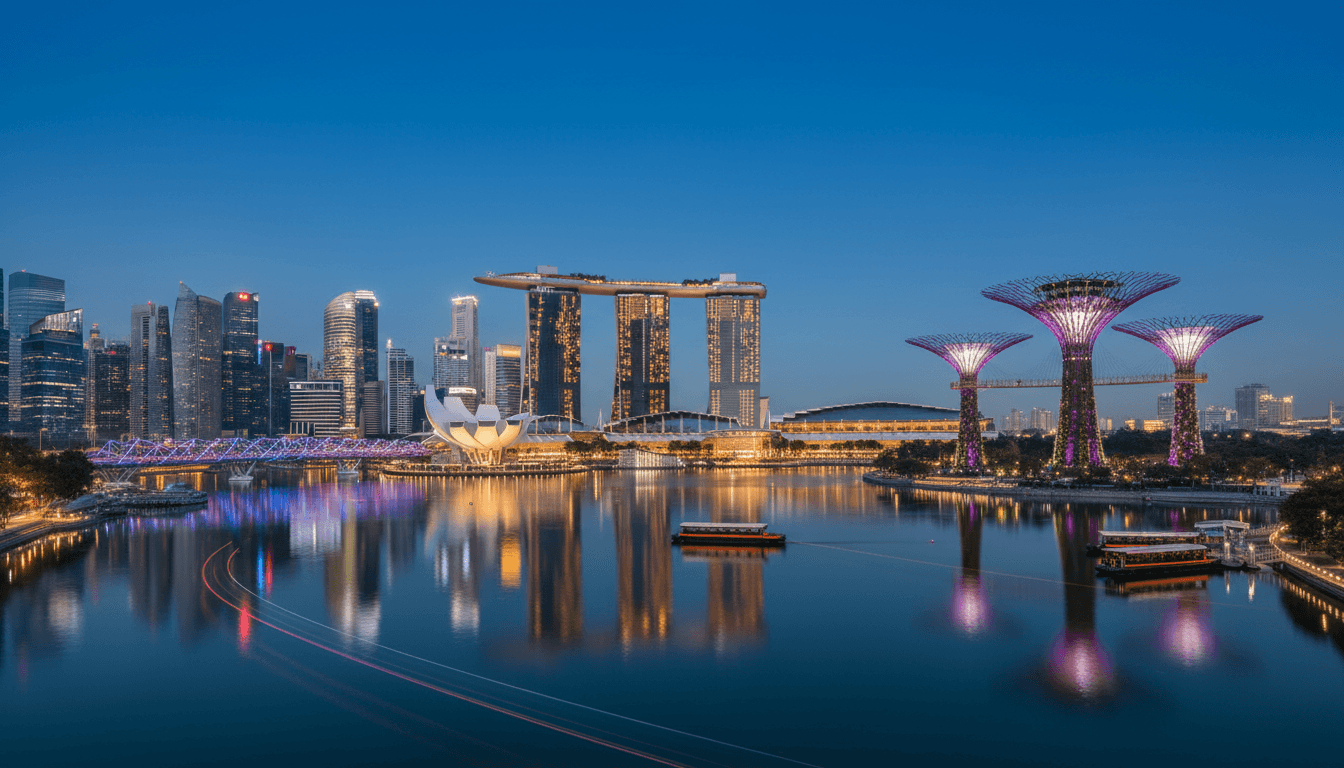
Bachelor and Bachelorette Parties in Singapore: The Complete Home Swap Group Guide for 2026
Planning a bachelor or bachelorette party in Singapore? Discover how home swapping lets groups of 6-12 stay together in luxury condos, saving thousands while partying in Marina Bay.
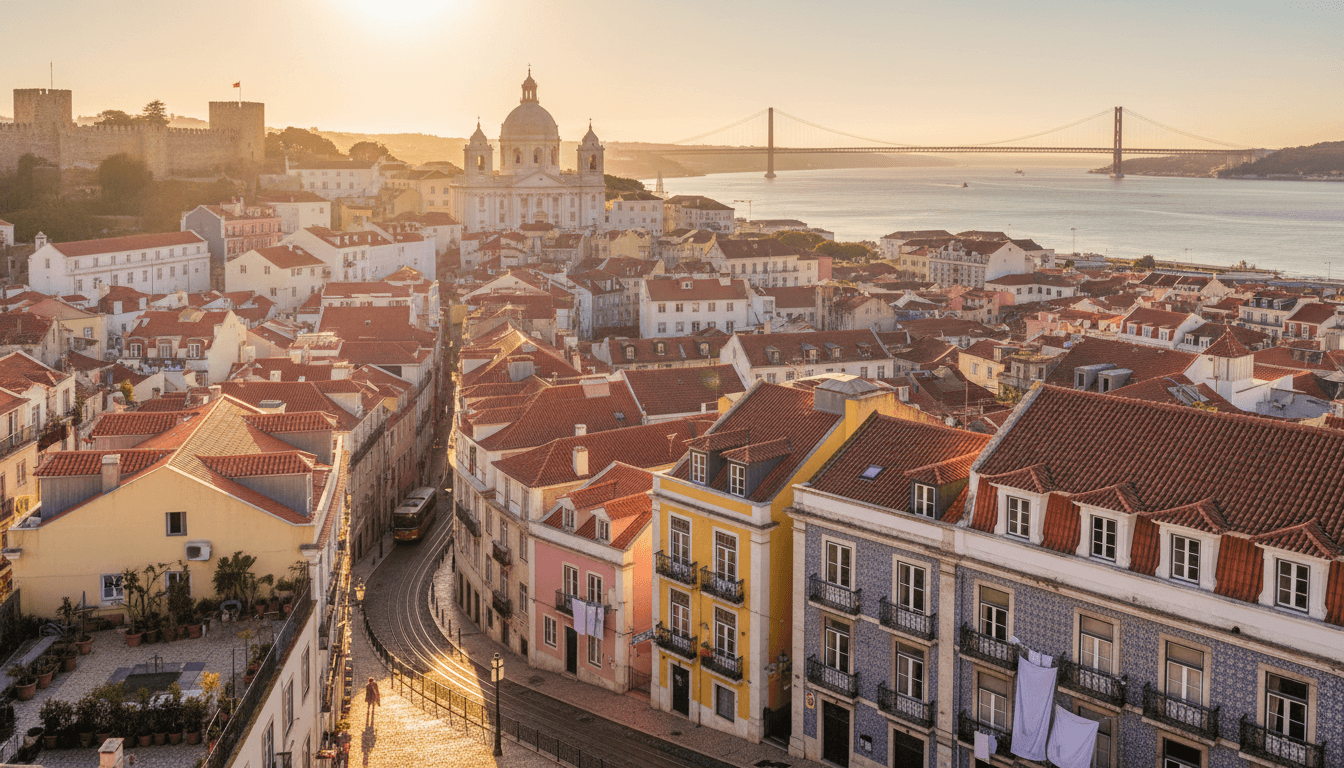
Cycling in Lisbon: 7 Home Swap Bike Tour Itineraries for Every Rider
Discover the best cycling routes in Lisbon with these home swap bike tour itineraries—from waterfront paths to hilltop adventures, all starting from your borrowed home.
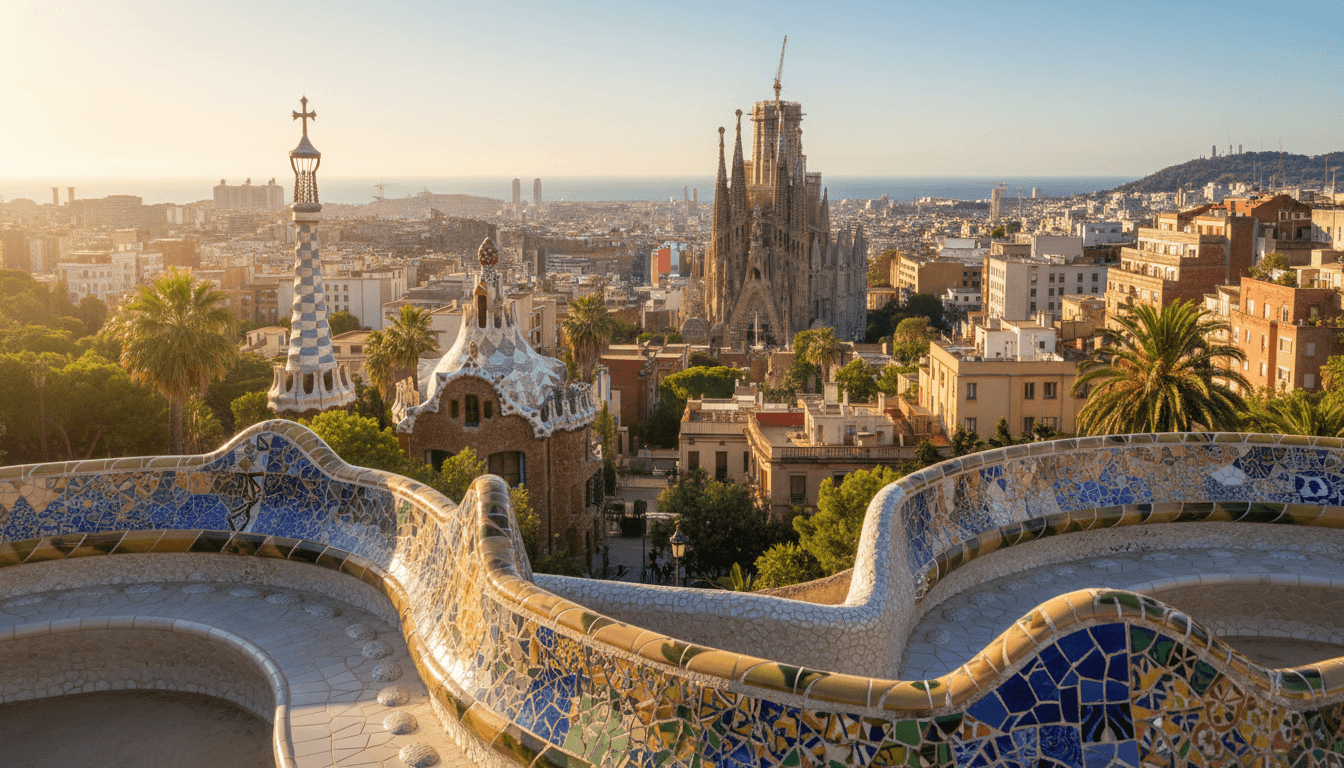
Graduation Trip to Barcelona: How Home Swapping Gives New Graduates the Ultimate Celebration
Planning a graduation trip to Barcelona? Discover how home swapping lets new graduates explore Spain's most vibrant city without the hostel crowds or hotel costs.