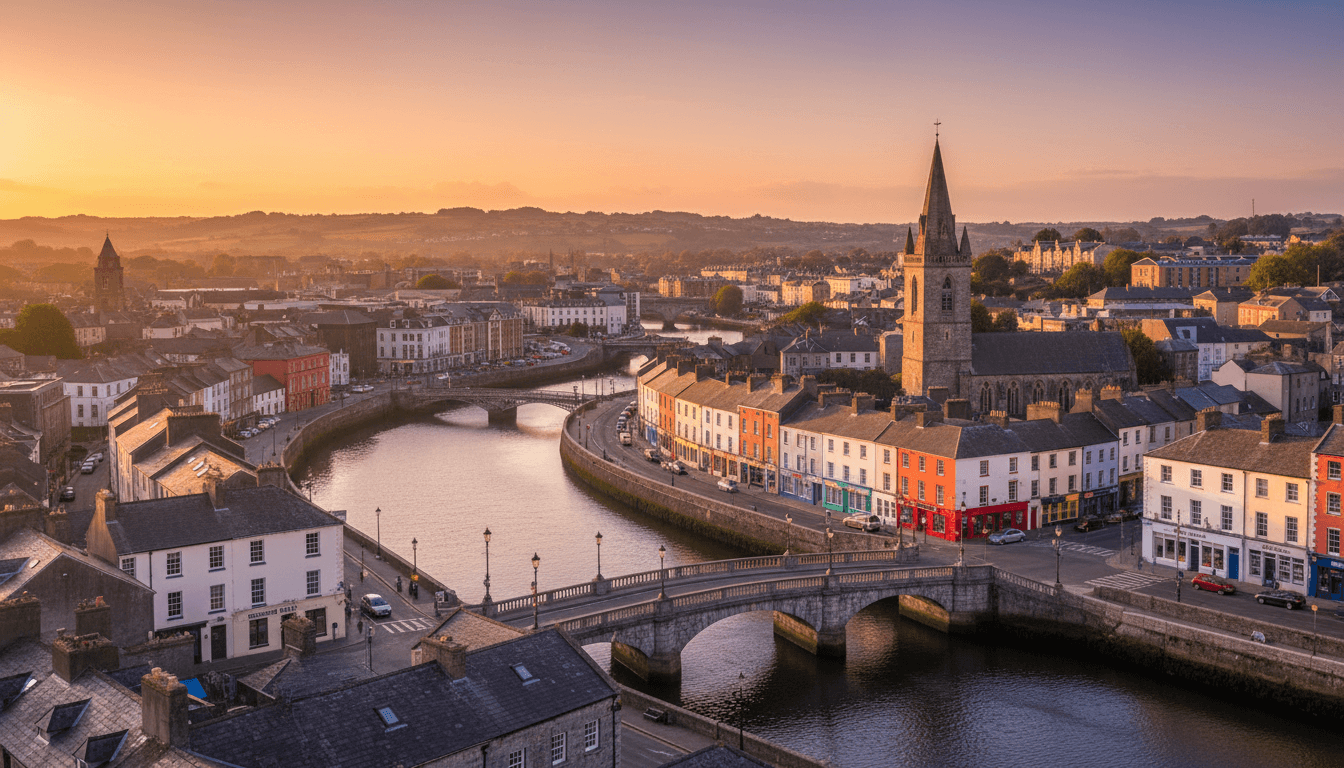
Home Exchange in Cork: The Complete First-Timer's Guide to Ireland's Rebel City

SwappaHome Editorial Team
Home Exchange & Slow Travel Editorial
Discover how home exchange in Cork opens doors to authentic Irish experiences—from Victorian townhouses to harbor-view apartments. Your insider guide starts here.
The first time I walked down Patrick Street in Cork, I was supposed to be heading to the English Market. Instead, I ended up following the sound of a fiddle into a tiny pub, where I spent three hours learning about the 1920 Burning of Cork from a retired history teacher named Séamus. That's the thing about home exchange in Cork—you don't just visit the city, you accidentally become part of it.
I'd swapped my San Francisco apartment for a Georgian townhouse in the Shandon neighborhood, and within 48 hours, I understood why Cork people call themselves "rebels." There's a fierce pride here, a refusal to be Dublin's little sibling, and a warmth toward visitors that feels genuinely Irish rather than tourist-polished. If you're considering a home exchange in Cork for your first visit, you're about to discover one of Europe's most underrated cities—and save a small fortune while doing it.
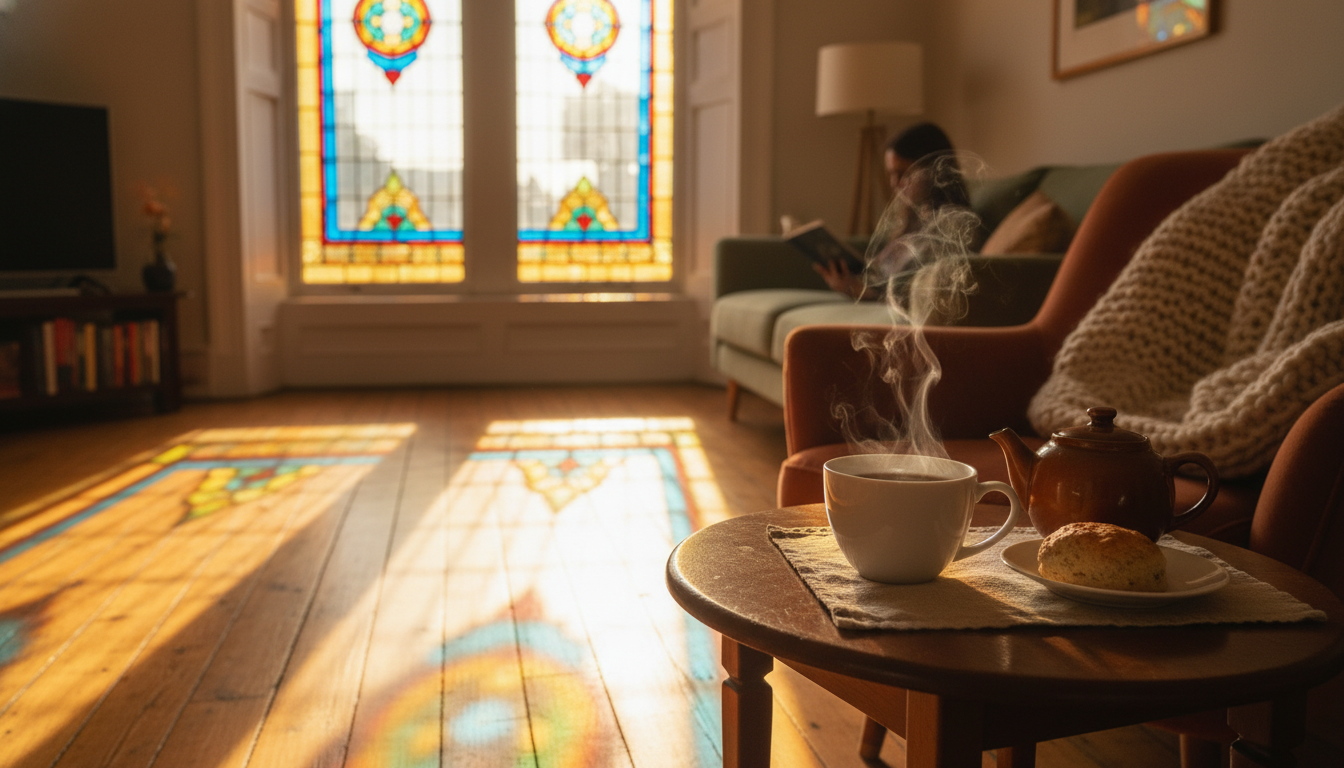 Morning light streaming through the stained glass window of a Victorian Cork townhouse, casting colo
Why Home Exchange in Cork Makes Perfect Sense
So here's the thing nobody tells you about Cork: it's expensive. Like, surprisingly expensive for a city that isn't Dublin. A mid-range hotel in the city center runs €150-200 ($165-220 USD) per night, and even budget options hover around €100 ($110 USD). Do the math for a week-long stay—you're looking at $770-1,540 just for somewhere to sleep.
With home exchange, that cost drops to zero.
Well, technically you're using credits on SwappaHome—one credit per night, regardless of whether you're staying in a cozy studio or a sprawling Victorian house. New members start with 7 free credits, which covers a full week of accommodation. But honestly? The money is almost secondary to what you actually get.
Staying in a local's home means waking up in a real neighborhood. My Shandon townhouse came with a handwritten note recommending the butcher on Blarney Street ("ask for the white pudding, not the tourist stuff") and a warning about the church bells ("they play at 8 AM, you'll either love it or hate it"). I loved it. The Shandon Bells have been ringing since 1752, and hearing them from my bedroom window made me feel like I'd time-traveled.
The Cork Neighborhoods Where Home Swappers Actually Live
Cork's geography takes some getting used to. The city center sits on an island in the River Lee, with the river splitting and rejoining around it. Most tourists stick to this island, but the best home exchange properties? They're often just outside it.
Shandon sits north of the river, climbing uphill toward the famous church. It's working-class Cork—colorful terraced houses and corner shops that haven't changed since the 1970s. Home swaps here tend to be traditional townhouses: narrow, tall, with steep stairs and original fireplaces. Expect a 10-15 minute walk to the city center, mostly downhill going and uphill returning. Your calves will thank you. Eventually.
Douglas, to the south, is where Cork's families live. Suburban, yes, but in the European sense—good public transport, local cafés, a village feel. Properties here are often larger, with gardens and parking. Traveling with kids or want space to spread out? Douglas delivers. The 206 bus runs every 10-15 minutes into the city center (€2.20, about $2.40 USD).
The Victorian Quarter—locals don't actually call it this, but real estate agents do—stretches along Wellington Road and Summerhill. These are Cork's grand old houses. Bay windows, original plasterwork, the works. Home exchanges here feel like staying in a period drama, complete with creaky floors and gardens that back onto the River Lee.
Cobh deserves special mention. Technically a separate town 25 minutes away by train, it's where the Titanic made its last stop. The colorful houses climbing up from the harbor make it Instagram-famous, but living there—even briefly—shows you a different side. The €5.50 ($6 USD) train ride into Cork takes you through stunning harbor views.
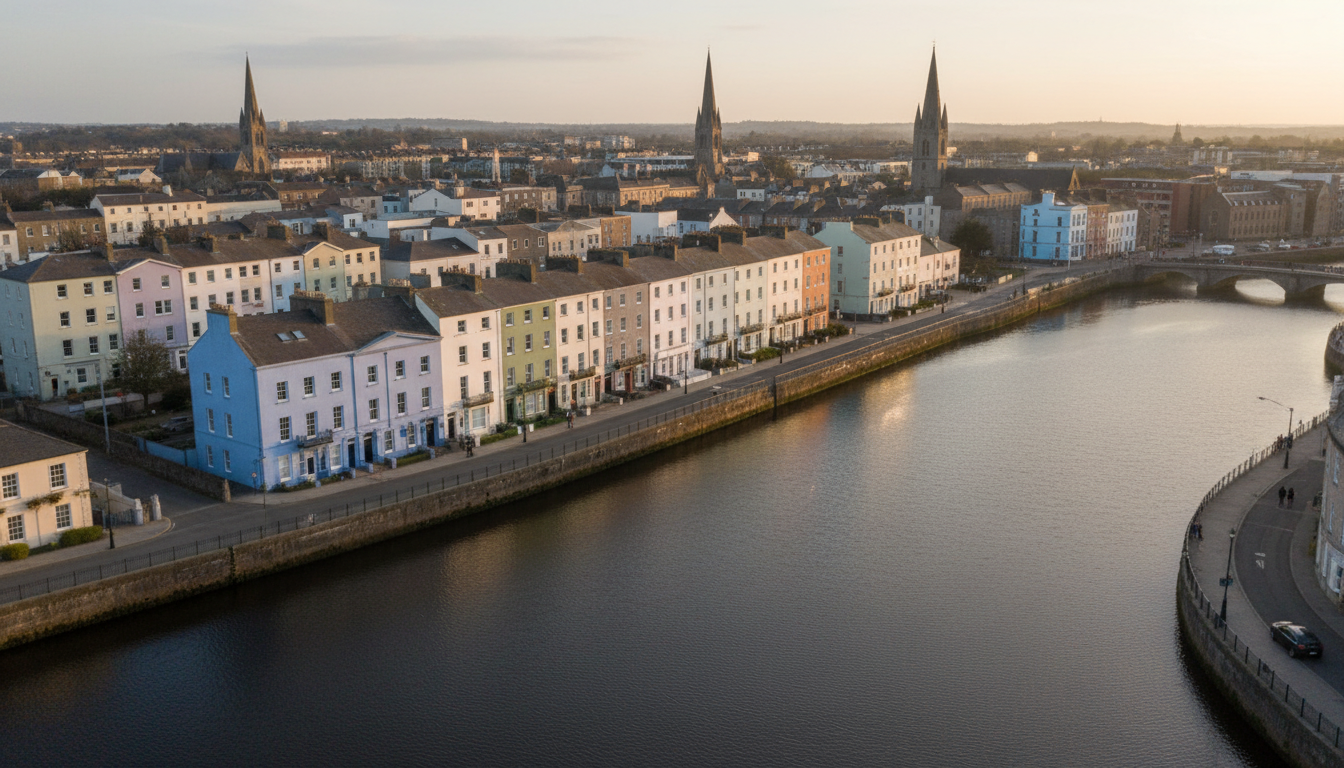 Aerial view of Corks Victorian Quarter at golden hour, showing rows of colorful Georgian townhouses
How to Find Your Perfect Cork Home Exchange
I'll be honest: Cork isn't Paris. You won't find 500 listings to choose from. But that's actually an advantage—the home exchange community here is tight-knit, and the people who list their Cork homes tend to be genuinely enthusiastic about hosting.
When searching on SwappaHome, filter for Cork City first, then expand to County Cork if you're open to driving. The county includes incredible coastal villages like Kinsale (foodie heaven) and Bantry (remote and wild), but you'll need a car.
For city stays, here's what to look for in listings:
Heating details. Cork is mild but damp. A home with good central heating or a working fireplace makes a massive difference, especially from October to April. If the listing doesn't mention heating, ask directly—this isn't a small detail.
Parking situation. Cork's city center is largely pedestrianized, and street parking is a nightmare. Renting a car? Confirm the property has off-street parking or is near a long-term lot.
Neighborhood context. Some listings say "Cork City" but are actually in suburbs 30 minutes out. Check the exact address on Google Maps before committing.
The host's responsiveness. This matters more than the property photos, honestly. A host who answers questions quickly and thoroughly will likely leave you detailed local recommendations too.
When you reach out to potential hosts, mention specifics about why you want to visit Cork. "We're interested in home exchange in Cork because my grandmother emigrated from Cobh in 1952" gets a warmer response than "We want to visit Ireland." Cork people love a good story.
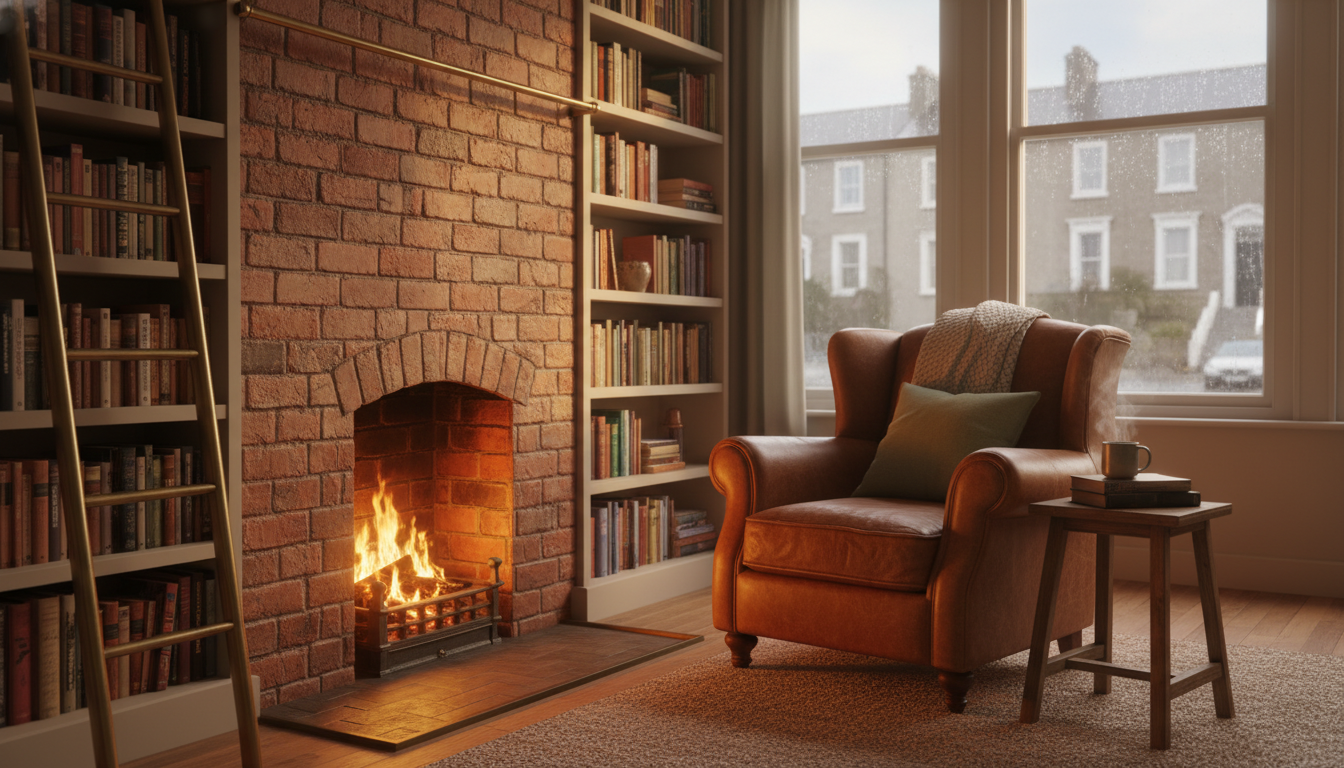 Cozy living room in a Cork townhouse with exposed brick fireplace, floor-to-ceiling bookshelves, wor
What First-Time Visitors Need to Know About Cork
Cork operates on its own rhythm. Fighting it will only frustrate you.
The Pace Is Slower (Embrace It)
Shops close at 6 PM. Many restaurants don't open for dinner until 5:30 or 6 PM. Pubs get lively around 9 PM and stay that way until 11:30 PM—earlier on weeknights. Sunday is genuinely quiet. Some businesses don't open at all.
This isn't a bug; it's a feature.
Cork rewards lingering. That two-hour lunch at Café Paradiso where you end up chatting with the couple at the next table? That's the experience.
The Weather Is... Wet
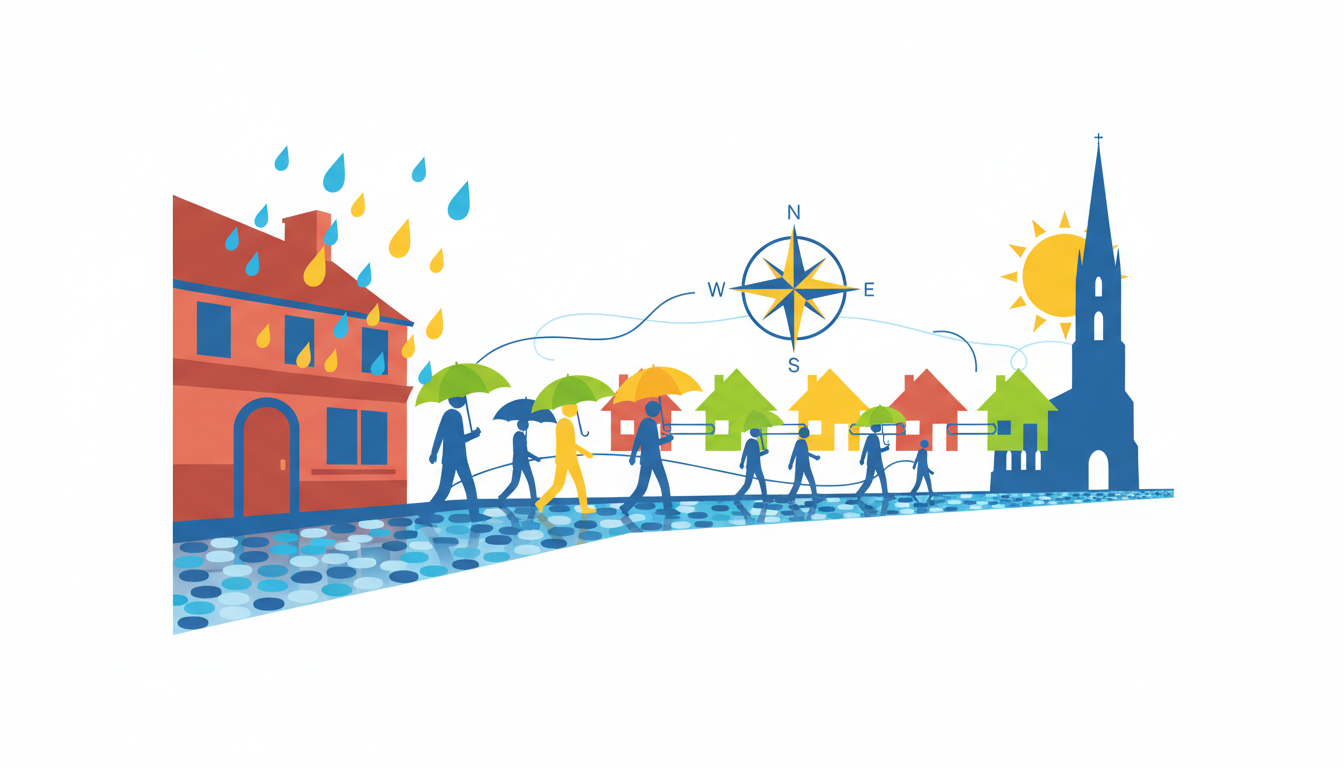
Let me be real with you: it will rain during your visit. Cork averages 150 rainy days per year. The locals have a saying—"If you can see the mountains, it's going to rain. If you can't see the mountains, it's already raining."
But Cork rain is usually light and passing. Pack layers, bring a waterproof jacket (not an umbrella—the wind renders them useless), and accept that getting slightly damp is part of the charm. The upside? When the sun breaks through, the light is extraordinary. Photographers call it "Irish gold."
The Accent Takes Adjustment
Cork English is... distinctive. Even other Irish people joke about not understanding it. The rhythm is sing-song, the slang is unique ("like" appears in every sentence, "boy" is a term of endearment), and words get swallowed. Don't be embarrassed to ask people to repeat themselves—they're used to it and genuinely want to be understood.
Getting Around Without a Car
Cork's city center is entirely walkable. The bus system (operated by Bus Éireann) covers the suburbs reliably if not frequently. Taxis are expensive—expect €15-20 ($16-22 USD) from the train station to Douglas.
For day trips, Irish Rail connects Cork to Cobh, Midleton, and Fota Wildlife Park. Longer journeys to Killarney, Blarney, or the coast require either a rental car or organized tours.
Renting a car makes sense if you're staying more than a few days and want to explore West Cork. Budget €40-60 ($44-66 USD) per day, and remember: they drive on the left, roads are narrow, and roundabouts are everywhere.
 Narrow Cork street after rain, cobblestones gleaming, with a red-doored pub on the corner and locals
The Essential Cork Experiences (That Aren't Blarney Castle)
Yes, Blarney Castle is 8 kilometers away. Yes, you can kiss the stone. But honestly? The €18 ($20 USD) entry fee and the crowds make it feel more like a theme park than a castle. If you must go, arrive at 9 AM when it opens.
Here's what I'd do instead.
The English Market
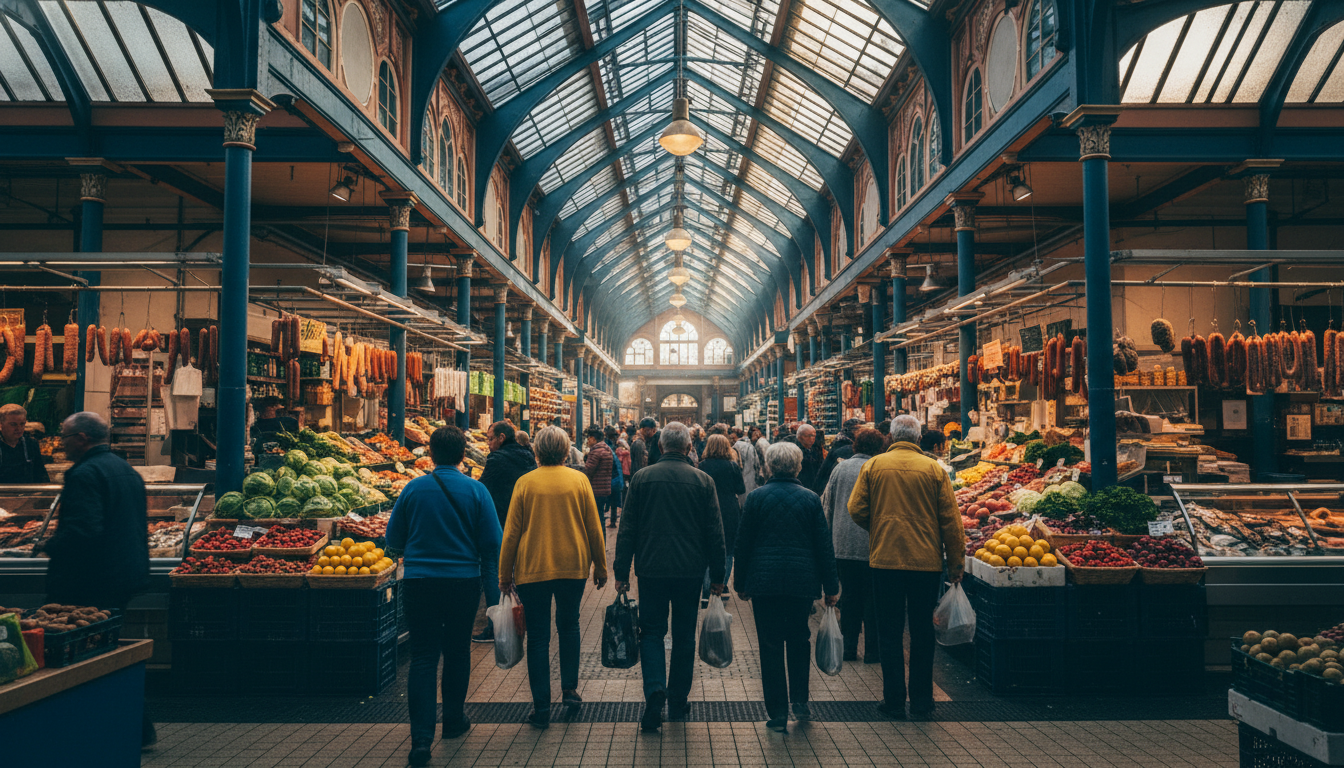
This covered market has operated since 1788, and stepping inside feels like entering a cathedral of food. The vendors here are third and fourth generation—the same families selling tripe, drisheen (blood sausage), and spiced beef for over a century.
Go hungry. Start with coffee at the Farmgate Café on the upper level, overlooking the stalls below. Then work your way through: fresh oysters at Kay O'Connell's (€12 for six, about $13 USD), artisan cheese from On The Pig's Back, brown bread from the Alternative Bread Company. The market closes at 6 PM and isn't open Sundays.
The Crawford Art Gallery
Free admission, world-class collection, and almost never crowded. The gallery holds works by Jack B. Yeats, Harry Clarke's stained glass, and rotating contemporary exhibitions. The café serves excellent lunch.
A Walk Along the Lee
The River Lee walkway runs from University College Cork through the city center and out toward the harbor. On a clear evening, the light reflecting off the water turns the whole city golden. Start at the Shakey Bridge (officially Daly's Bridge, but nobody calls it that) and walk east.
Spike Island
A 15-minute ferry from Cobh takes you to this former prison island, which held everyone from 19th-century convicts to IRA prisoners during the Irish Civil War. The €22 ($24 USD) ticket includes the ferry and a guided tour. Haunting and fascinating.
Traditional Music Sessions
Cork's trad scene is less famous than Galway's but arguably more authentic. Sin É on Coburg Street hosts sessions most nights—no cover, no tourists, just locals playing for the love of it. The Crane Lane Theatre and Coughlan's also have regular sessions. Arrive by 9 PM to get a seat.
 Interior of the English Market in Cork, showing Victorian iron architecture, colorful produce stalls
Home Exchange Etiquette: Cork-Specific Tips
Cork people are generous hosts, but there are unspoken expectations.
Leave the Place Better Than You Found It
This is universal home exchange advice, but Cork hosts particularly appreciate it. Strip the beds before you leave, run the dishwasher, take out the bins. A small gift—local food from wherever you're from, or a nice bottle of wine—goes a long way.
Respect the Neighbors
In terraced housing (common in Shandon and the city center), sound travels. Keep noise reasonable after 10 PM. If you're parking on the street, don't block anyone's driveway—neighbors will notice and mention it to your host.
Ask Before You Explore
Some hosts are happy for you to use their garden shed, their bikes, their Netflix account. Others prefer you stick to the basics. When in doubt, message and ask. Cork people appreciate directness.
The Heating Question
Irish homes often have timed heating systems. Your host will explain how theirs works, but if you're cold and confused, message them rather than cranking every dial. Oil and gas heating is expensive, and running it 24/7 can cost €100+ per week.
Planning Your Cork Home Exchange: A Practical Timeline
3-4 months before: Start browsing SwappaHome for Cork listings. The best properties book up, especially for summer (June-August) and around St. Patrick's Day (March 17).
2-3 months before: Send personalized requests to 3-5 hosts. Explain your dates, who's traveling, and why Cork appeals to you. Be flexible on exact dates if possible.
1-2 months before: Once confirmed, exchange detailed information with your host. Ask about heating, parking, local recommendations. Share your own home's quirks with them.
1 week before: Confirm arrival time and key handoff details. Some hosts do in-person welcomes; others leave keys with neighbors or use lockboxes.
During your stay: Send a quick message after the first night confirming everything's working. If issues arise, contact your host directly—they want to help.
After departure: Leave an honest review on SwappaHome. Mention specifics: the neighborhood, the host's communication, the home's condition. Future travelers will thank you.
The Cost Breakdown: Home Exchange vs. Traditional Accommodation
Let's do the math for a one-week Cork visit:
Hotel (mid-range city center): €175/night × 7 = €1,225 ($1,347 USD)
Airbnb (1-bedroom apartment): €120/night × 7 = €840 ($924 USD), plus cleaning fees (~€75)
Home exchange via SwappaHome: 7 credits (you earn these by hosting others, or use your 10 free starter credits)
Even if you never host anyone—just use your free credits—you're saving over $900 on a week's accommodation. If you do host, you're building credits for future trips while meeting interesting travelers.
The savings compound for longer stays. A month in Cork via home exchange? Zero accommodation cost. A month in a hotel? You'd need a second mortgage.
When to Visit Cork
May-June: The sweet spot. Longer days (sunset after 9 PM in June), moderate crowds, gardens in full bloom. Weather is unpredictable but generally mild.
July-August: Peak tourist season. Cork Jazz Festival (late October) and Cork Midsummer Festival (June) draw crowds. Book home exchanges 4+ months ahead.
September-October: Shoulder season gold. Fewer tourists, autumn colors, and the Cork Film Festival in November. Weather turns wetter but remains mild.
November-March: Off-season. Shorter days, more rain, but genuine local atmosphere. Christmas markets in December add charm. Home exchanges are easier to secure.
St. Patrick's Day (March 17): Cork's parade is smaller than Dublin's but more authentic. The city fills with locals celebrating rather than tourists observing. Book accommodation months ahead.
The Honest Challenges of Home Exchange in Cork
I'd be doing you a disservice if I only painted the pretty picture.
Limited inventory: Cork has fewer home exchange listings than Dublin or Galway. You might not find your perfect property on the first search. Flexibility on dates and neighborhoods helps.
Older housing stock: Many Cork homes are Victorian or Georgian—stunning but sometimes drafty, with steep stairs and small bathrooms. If accessibility is a concern, ask hosts directly about layout.
Distance from other attractions: Cork is in Ireland's southwest corner. Day trips to Dublin aren't practical (3+ hours by train). Plan to explore Cork and the surrounding county rather than using it as a base for all of Ireland.
The "real Ireland" adjustment: Cork isn't manicured for tourists. You'll encounter rough edges—graffiti, litter in some areas, the occasional closed business. This is authentic city life, not a postcard.
None of these are dealbreakers. They're just realities worth knowing.
Your First Cork Morning: A Scene to Look Forward To
Imagine this: You wake up in a terraced house on a Shandon side street. The Shandon Bells are playing something that might be "Danny Boy"—the tune is slightly off, which is part of the charm. Rain taps against the window, then stops.
You make tea in your host's kitchen (they've left Barry's Tea, the only acceptable brand in Cork). The fridge has butter and milk; a note suggests the bakery two streets over for fresh scones.
By 9 AM, you're walking downhill toward the English Market, passing neighbors who nod hello. You don't look like a tourist—you look like someone who lives here, temporarily. Because with home exchange, you do.
That's the difference. Hotels give you a room. Home exchange gives you a life, borrowed for a week or a month, in a city that rewards those who slow down long enough to notice it.
Cork isn't trying to impress you. It's just being itself—rebellious, warm, slightly damp, and utterly unforgettable. Your home exchange is waiting.
Frequently Asked Questions
Is home exchange in Cork safe for first-time swappers?
Absolutely. Cork's home exchange community is small but established, meaning hosts tend to be experienced and communicative. SwappaHome's review system lets you check previous guest experiences, and identity verification adds another layer of trust. Most Cork hosts are eager to share their city with visitors and take pride in providing welcoming spaces. Consider getting your own travel insurance for extra peace of mind.
How far in advance should I book a home exchange in Cork?
For summer visits (June-August) or around major events like St. Patrick's Day, book 3-4 months ahead. Cork has fewer listings than larger cities, and the best properties fill quickly. For off-season travel (November-March), 4-6 weeks is usually sufficient. Flexibility on exact dates significantly improves your chances of securing your preferred neighborhood.
Can I do a home exchange in Cork without a car?
Yes, easily. Cork's city center is compact and walkable, and buses connect to suburbs like Douglas and Ballincollig. Irish Rail serves Cobh and Midleton for day trips. You'll only need a car if you want to explore West Cork's coastal villages or the Ring of Kerry. Many home exchange hosts in central neighborhoods don't even have parking available.
What's the best Cork neighborhood for a home exchange with families?
Douglas offers the best combination of space, safety, and family-friendly amenities. Properties here tend to be larger houses with gardens, and the neighborhood has parks, cafés, and good schools nearby. The 206 bus connects to the city center in 15-20 minutes. Alternatively, Ballincollig has newer housing stock and is close to regional parks, though it's slightly further from central Cork.
How much can I realistically save with home exchange in Cork versus hotels?
For a week-long stay, expect to save €800-1,200 ($880-1,320 USD) compared to mid-range hotels, or €500-700 ($550-770 USD) compared to Airbnb. A month-long home exchange saves €3,000+ ($3,300+ USD) easily. Beyond accommodation costs, having a kitchen lets you cook some meals, saving another €200-400 ($220-440 USD) weekly on restaurant expenses. The savings make extended Cork stays genuinely affordable.

Published by
SwappaHome
SwappaHome Editorial Team
Home Exchange & Slow Travel Editorial
The SwappaHome Editorial Team brings together travel research, home-exchange community insights, and platform data to produce practical guides for first-time and experienced home swappers. Every article cites real platforms, current market rates, and verifiable city-level facts so readers can make informed decisions without guessing.
Ready to try home swapping?
Join SwappaHome and start traveling by exchanging homes. Get 7 free credits when you sign up!
Related articles

Bachelor and Bachelorette Parties in Singapore: The Complete Home Swap Group Guide for 2026
Planning a bachelor or bachelorette party in Singapore? Discover how home swapping lets groups of 6-12 stay together in luxury condos, saving thousands while partying in Marina Bay.
Cycling in Lisbon: 7 Home Swap Bike Tour Itineraries for Every Rider
Discover the best cycling routes in Lisbon with these home swap bike tour itineraries—from waterfront paths to hilltop adventures, all starting from your borrowed home.
Graduation Trip to Barcelona: How Home Swapping Gives New Graduates the Ultimate Celebration
Planning a graduation trip to Barcelona? Discover how home swapping lets new graduates explore Spain's most vibrant city without the hostel crowds or hotel costs.