Home Exchange in Granada: 7 Underrated Neighborhoods Where Locals Actually Live

SwappaHome Editorial Team
Home Exchange & Slow Travel Editorial
Skip the Albaicín tourist crowds. Discover Granada's secret neighborhoods for authentic home swaps—from flamenco-filled Realejo to the artistic Sacromonte caves.
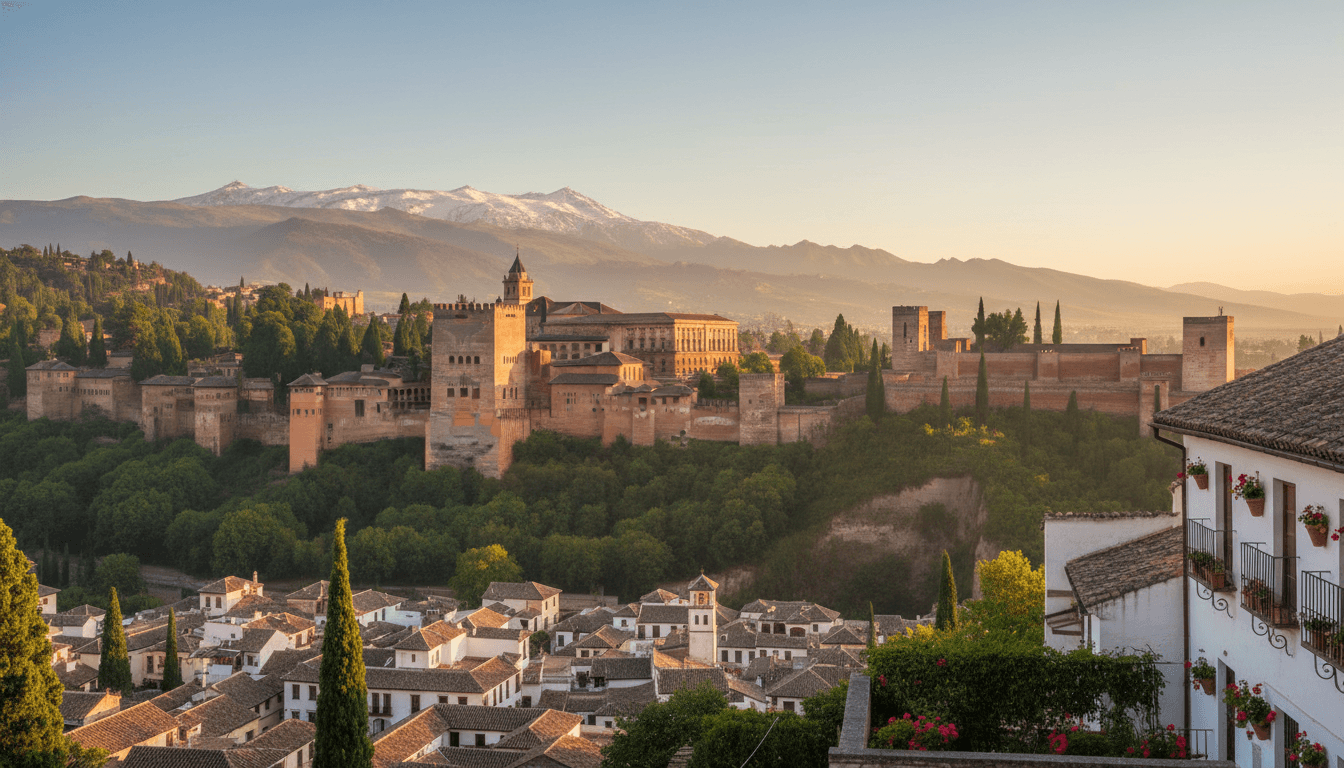
The first time I visited Granada, I made the classic mistake. I booked a rental in the Albaicín because every travel blog told me to, and I spent a week dodging selfie sticks and paying €4 for a café con leche. Don't get me wrong—the views of the Alhambra at sunset were spectacular. But I never once felt like I was actually in Granada. I was in Granada: The Tourist Experience™.
Three years later, I came back for a home exchange in Granada's Realejo neighborhood. My host, Carmen, left me a handwritten list of her favorite tapas bars—none of which appeared on TripAdvisor. Her neighbor invited me to a rooftop terracilla for homemade tinto de verano. I watched actual Granadinos argue passionately about football at the corner bar. That was Granada.
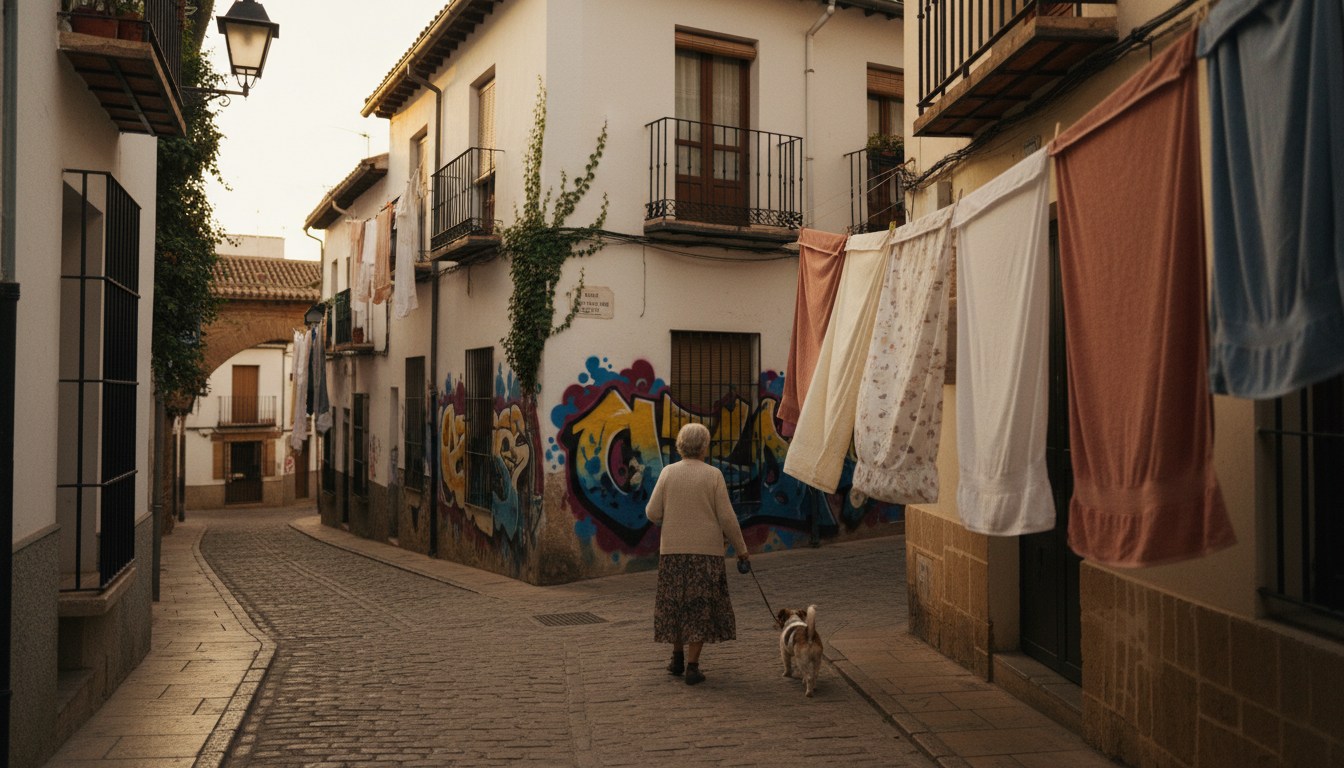 narrow cobblestone street in Realejo at golden hour, laundry hanging between balconies, elderly woma
If you're considering a home exchange in Granada, you're already thinking smarter than most travelers. But here's the thing—where you swap matters just as much as the swap itself. The neighborhoods I'm about to share aren't the ones plastered across Instagram. They're where teachers, artists, and third-generation granadinos live. Places where your morning coffee costs €1.20 and the bartender remembers your order by day two.
Why Granada's Underrated Areas Beat the Tourist Zones for Home Exchange
Most travel guides won't tell you this: Granada's famous neighborhoods have become victims of their own success. The Albaicín, gorgeous as it is, now has more Airbnbs than permanent residents on some streets. Sacromonte's cave houses—once home to Granada's Roma community—increasingly sit empty except for flamenco shows.
But venture ten minutes in any direction? You'll find neighborhoods that feel like stepping back in time. Or forward, depending on how you look at it. These are places where home exchange in Granada actually makes sense—where you're not just borrowing someone's apartment, you're borrowing their life.
The practical benefits stack up fast. A home swap in Realejo or Zaidín means grocery stores with normal prices, neighbors who'll tell you when the best fruit vendor comes through, and bars that still give free tapas with every drink (a Granada tradition that's dying in tourist areas). You get actual parking if you're road-tripping through Andalusia, plus homes with full kitchens, washing machines, and real living spaces.
And honestly? Granada is small enough that "off the beaten path" still means a 15-minute walk to the Alhambra. You're not sacrificing convenience—you're gaining authenticity.
Realejo: The Former Jewish Quarter That Artists Reclaimed
Realejo is where I fell in love with Granada home exchange. This neighborhood sprawls below the Alhambra's towers, a maze of streets that were once the city's Jewish quarter before 1492. Now it's where Granada's creative class has quietly set up shop.
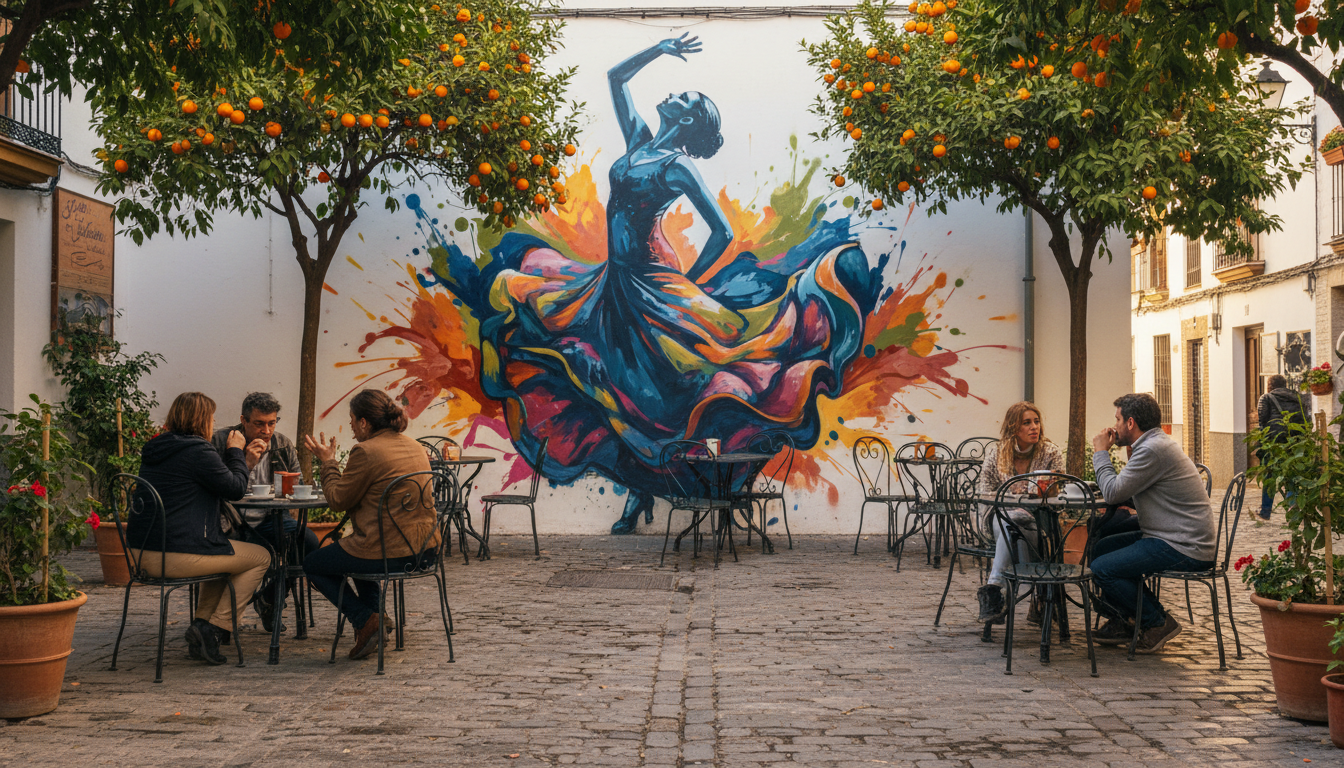 colorful street art mural of flamenco dancer on whitewashed wall, small plaza with orange trees, loc
The street art here deserves its own walking tour. El Niño de las Pinturas, Granada's most famous street artist, has transformed entire building facades into surrealist dreamscapes. You'll turn a corner and find a three-story mural of a woman emerging from flowers. Then another corner, a philosophical quote painted in careful script. It's like the neighborhood itself is showing off.
My home exchange apartment was on Calle Molinos, above a tiny shop selling handmade leather goods. The owner, Paco, had been there forty years. He'd wave at me each morning as I headed out for coffee at Bar Los Diamantes—not the famous one near Plaza Nueva, but the original location where locals actually go.
What makes Realejo perfect for home swaps:
The housing stock here is genuinely livable. Renovated apartments in historic buildings, many with interior patios or small terraces. Expect thick walls, high ceilings, and that particular Spanish combination of ancient bones with modern updates. Most SwappaHome listings I've seen in Realejo range from cozy one-bedrooms to family-sized flats with multiple rooms.
Realejo sits at the base of the Alhambra hill, so you're looking at a 20-minute uphill walk to the palace entrance—or a €6 taxi. The Campo del Príncipe plaza anchors the neighborhood, with outdoor terraces perfect for afternoon vermouth. Thursday evenings, there's often live music.
Local tip: The tiny bar Taberna La Tana on Calle Rosario serves natural wines and some of the most creative tapas in the city. Go early—it's standing room only by 9 PM.
Zaidín: Where Granada's Families Actually Live
I'll be honest—Zaidín won't win any beauty contests. It's a working-class neighborhood south of the center, built mostly in the 1960s and 70s when Granada expanded rapidly. The architecture is functional. The streets are wide. It looks, frankly, like a normal Spanish neighborhood.
And that's exactly why it's brilliant for home exchange in Granada.
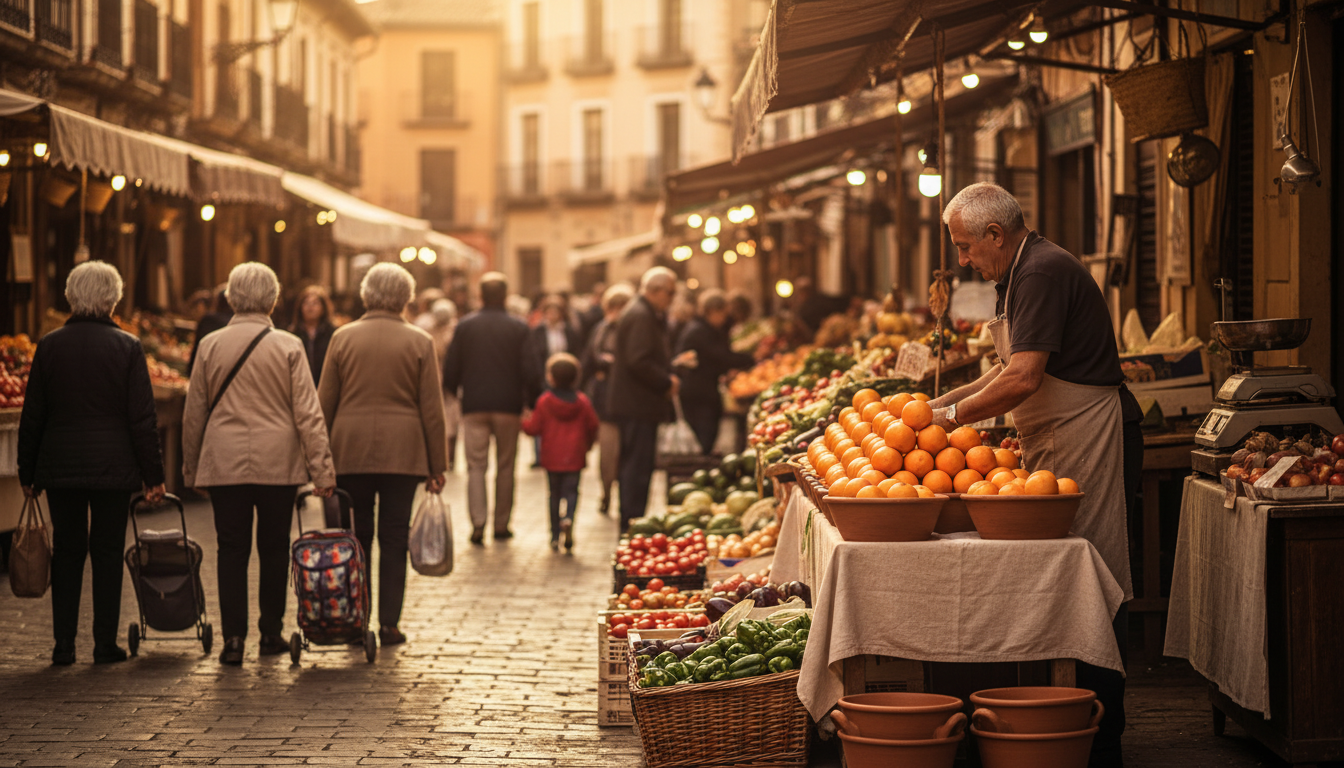 bustling morning market scene with produce stalls, elderly shoppers with wheeled carts, vendor arran
Zaidín is where Granada's teachers, nurses, and shop owners live. The rents are reasonable, the apartments are spacious, and the neighborhood has everything you need for daily life. When I stayed with a SwappaHome member here last October, I spent my mornings at the Mercado de Zaidín—a covered market where vendors have known their customers for decades.
The señora at the cheese stall gave me samples of manchego aged three different ways. The fish guy insisted I try his wife's recipe for sardinas al espeto. By my fourth morning, they'd stopped treating me like a tourist and started treating me like a neighbor who happened to speak Spanish with a weird accent.
What makes Zaidín ideal for longer stays:
If you're planning a home exchange in Granada for more than a week—maybe working remotely, or using the city as a base for exploring Andalusia—Zaidín delivers. The apartments tend to be larger than in historic neighborhoods, often with proper home offices or spare rooms. Parking is actually possible. And you'll save significantly on daily expenses.
A coffee at a Zaidín café runs about €1.20 (compared to €2.50+ in the Albaicín). Lunch menú del día specials cost €10-12 for three courses with wine. The Mercadona supermarket on Avenida de Dílar has everything you need.
Getting around: The LAC bus line connects Zaidín to the center in about 15 minutes. Or rent a bike—the terrain is flat, and bike lanes connect to the city's riverside paths.
La Chana: The Neighborhood Nobody Talks About
I stumbled onto La Chana by accident. I was meeting a friend who'd moved to Granada, and she lived in this northwestern neighborhood I'd never heard of. "It's not fancy," she warned me, "but it's real."
She was right on both counts.
La Chana developed in the mid-20th century as Granada's industrial workers needed housing. Today it's evolved into a diverse, multigenerational neighborhood where Spanish families live alongside immigrants from Morocco, Latin America, and Eastern Europe. The result is a cultural mix you won't find anywhere else in the city.
Why La Chana works for home exchange:
The apartments here offer space that's almost impossible to find in Granada's historic center—three bedrooms, full-sized kitchens, balconies overlooking quiet streets. For families doing a home exchange in Granada, La Chana means kids have room to play, and you're not tiptoeing around a tiny flat.
The neighborhood also has something increasingly rare: a genuine community feel. The local association organizes festivals, the parks fill with families on weekend afternoons, and the bars serve tapas the way they've always been served—free, generous, and without pretension.
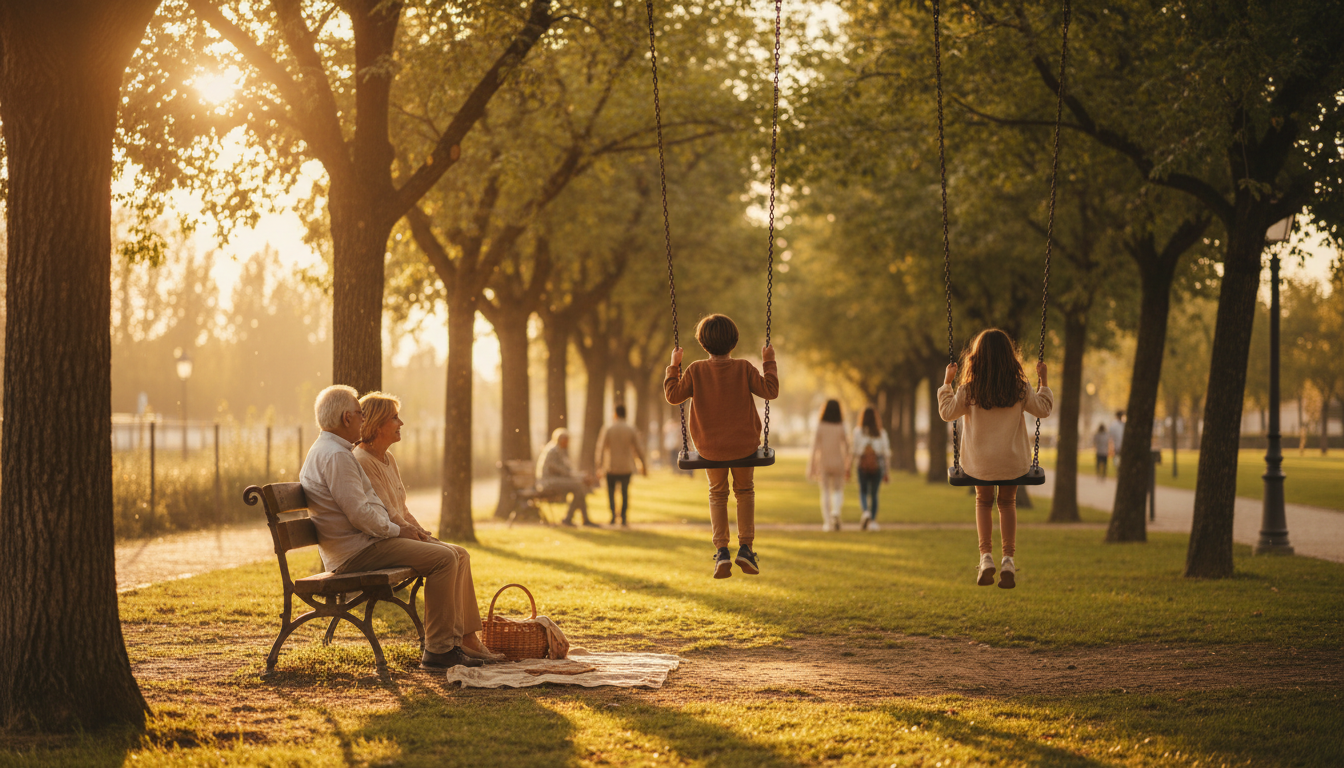 families in a tree-lined park, children on swings, grandparents on benches, afternoon light filterin
Don't miss: Bar Casa Julio on Calle Poeta Manuel de Góngora. Order anything—the tapas that come with your €2 beer will be better than most restaurants.
Sacromonte (The Residential Parts): Beyond the Flamenco Caves
Now, I know I said to avoid the tourist neighborhoods. But Sacromonte deserves a nuanced take. The famous cave houses along Camino del Sacromonte, where flamenco shows happen nightly? Skip those for home exchange—they're performance spaces now, not homes.
But climb higher up the hill, past the tourist zone, and you'll find residential Sacromonte. This is where Granada's Roma community has lived for centuries, where cave houses are still actual homes carved into the hillside, and where the views of the Alhambra will stop you mid-sentence.
The reality of Sacromonte home exchange:
Living in a cave house is an experience. The temperature stays constant year-round—cool in summer, warm in winter—because you're literally inside a mountain. The acoustics are strange and wonderful. The whitewashed walls curve organically. It's unlike any accommodation you've ever had.
But it's also not for everyone. The streets are steep—we're talking serious inclines that'll test your calves. Some cave houses have limited natural light. And you'll need to be comfortable with a certain rustic charm (though many have been beautifully renovated with modern amenities).
I did a three-night home swap in upper Sacromonte, and I'm still dreaming about watching sunrise from the terrace, the Alhambra glowing pink across the valley. Just know what you're signing up for.
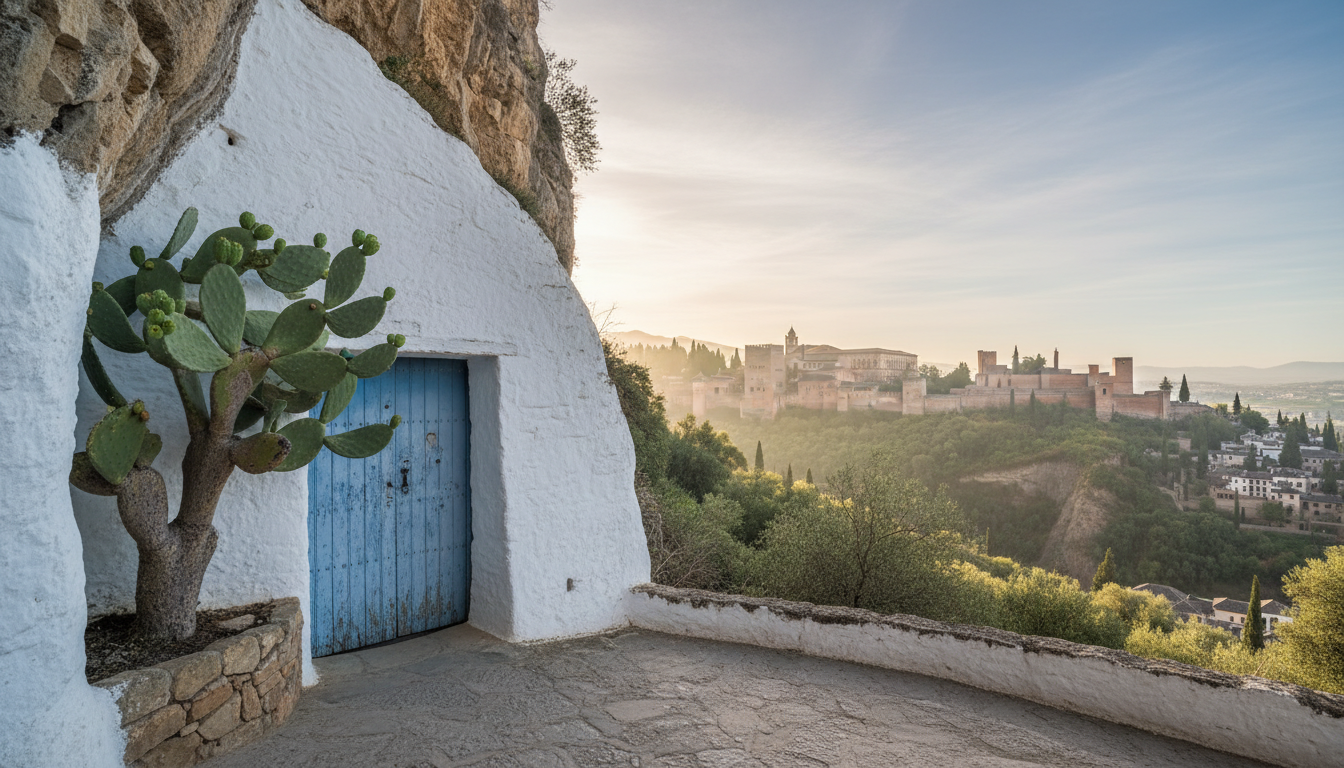 whitewashed cave house entrance with blue door, prickly pear cactus growing beside it, dramatic view
Practical note: If you're considering a Sacromonte home exchange, ask your swap partner about parking and accessibility. Some houses require a 10-minute walk from the nearest road.
Beiro: The Student Quarter's Quieter Neighbor
Granada is a university city, and the student energy pulses through certain neighborhoods. The area around the university itself can be loud, chaotic, and—let's be honest—not ideal for a relaxing home exchange.
Beiro sits just north of the student zone. Close enough to benefit from the youthful energy but far enough to actually sleep at night.
This neighborhood developed in the 1980s and 90s, so you'll find more modern apartment buildings with elevators, underground parking, and proper insulation (a bigger deal than you'd think in Granada's hot summers). Young professionals, small families, and yes, some graduate students call Beiro home.
Why Beiro works for digital nomads:
If you're doing a home exchange in Granada while working remotely, Beiro hits a sweet spot. The apartments tend to have reliable internet, dedicated workspaces, and enough separation from tourist chaos to actually focus. Plus, you're a 20-minute walk from the center—or a quick bus ride—when you want to explore.
The neighborhood has its own rhythm. Morning coffee at the corner café. Afternoon walks along the Beiro stream (yes, there's a stream—it's lovely). Evening tapas at one of several unpretentious bars where your €2.50 caña comes with a plate of albondigas or croquetas.
Centro-Sagrario: Historic Without the Hype
Most tourists who visit Granada's center stick to a predictable path: Plaza Nueva, Calle Elvira, maybe the Cathedral. But Centro-Sagrario—the area around the Sagrario church, just behind the Cathedral—remains surprisingly residential.
This is old Granada. Like, really old. Some buildings date to the 16th century. The streets twist in ways that suggest medieval origins. And yet, somehow, the tourists walk right past.
A home exchange in Centro-Sagrario puts you in the geographic heart of the city while feeling surprisingly local. You'll share the narrow streets with elderly granadinos who've lived there for decades, young couples who scored a rent-controlled apartment, and the occasional confused tourist who took a wrong turn.
The trade-offs:
Historic center living comes with historic center realities. Apartments can be small. Noise from nearby bars carries through ancient walls. Parking is essentially impossible. But if you want to walk everywhere and soak in Granada's history just by stepping outside, Centro-Sagrario delivers.
My favorite spot: Café Fútbol on Plaza de Mariana Pineda, a five-minute walk from Centro-Sagrario. It's been serving churros con chocolate since 1922. Go for breakfast and watch the city wake up.
Cartuja: The University District's Hidden Residential Pockets
The Cartuja campus of the University of Granada sprawls across the northern part of the city, and the surrounding neighborhood has developed to serve it. During the academic year, it buzzes with students. During summer, it empties out—which creates interesting home exchange opportunities.
Summer home swaps in Cartuja:
Professors and university staff who live in Cartuja often travel during July and August, making their apartments available for exchange. These tend to be comfortable, well-appointed homes with good internet, full kitchens, and the kind of book collections that make you want to stay inside and read.
The neighborhood itself is quieter in summer, but that's not necessarily bad. You'll have the parks to yourself, the cafés are peaceful, and you're still just a 15-minute bus ride from the center.
Year-round appeal: The Cartuja Monastery (now part of the university) is one of Granada's most stunning buildings—baroque excess at its finest—and you can visit without the crowds that pack the Alhambra.
How to Find Home Exchange Partners in Granada's Hidden Neighborhoods
So you're convinced. You want a home exchange in Granada's real neighborhoods, not the tourist zones. How do you actually find swap partners there?
On SwappaHome, I've noticed that listings in these neighborhoods often come from Spanish professionals who travel frequently for work, university faculty with sabbaticals or conference travel, retirees who want to explore while their grandkids visit their home, and young families looking to stretch their travel budget.
When you're browsing listings, look beyond the neighborhood name. Check the photos for context clues—do you see a local market in the street view? A neighborhood bar? Signs in Spanish rather than English? These details tell you more than any description.
My approach: I always message potential swap partners with specific questions about their neighborhood. "What's your favorite place for morning coffee?" "Where do you buy groceries?" "What do you love about living there?" Their answers reveal whether they're in a tourist zone or a genuine neighborhood.
The credit system on SwappaHome makes this flexibility possible. You earn 1 credit for each night you host, spend 1 credit for each night you stay somewhere else. So even if your Granada swap partner can't visit your city, you can still make it work. Host someone from Berlin in your home, use those credits for Granada. The math is simple, and it opens up possibilities that direct swaps can't match.
What to Expect from Granada Home Exchange (The Honest Version)
I've done enough home swaps to know that expectations matter. Here's what Granada specifically brings to the table—good and challenging.
The good:
Granadinos are warm hosts. The culture here emphasizes hospitality, and your swap partner will likely leave you detailed notes, local recommendations, and possibly a bottle of wine. The tapas tradition—free food with every drink—means your food budget stretches further than almost anywhere else in Europe. And the Alhambra, despite my earlier grumbling about tourist crowds, really is one of the world's most beautiful places.
The challenges:
Granada gets hot in summer. Like, 40°C (104°F) hot. If your swap apartment doesn't have air conditioning, July and August can be brutal. Ask before you commit. The city also has a particular rhythm—everything closes from 2-5 PM, and dinner doesn't start until 9 PM. If you're not used to Spanish schedules, it takes adjustment.
Granada is also hillier than it looks on maps. The Albaicín and Sacromonte involve serious climbing. If mobility is a concern, stick to flatter neighborhoods like Zaidín or Beiro.
Making Your Granada Home Exchange Work
After multiple swaps in this city, here's what I've learned:
Book Alhambra tickets immediately. Like, the moment you confirm your swap. They sell out weeks in advance, and no amount of neighborhood authenticity compensates for missing the Alhambra.
Learn basic Spanish. In tourist zones, English works fine. In Realejo, Zaidín, or La Chana? Your experience improves dramatically with even broken Spanish. Download a translation app as backup.
Embrace the schedule. Don't fight the siesta. Use those afternoon hours for a nap, some reading, or a long lunch. Then stay out until midnight like everyone else.
Ask your host about garbage collection. This sounds mundane, but Granada has specific days and times for trash pickup in each neighborhood. Getting it wrong means bags sitting in the hallway. Your host will appreciate you asking.
Leave the neighborhood. As much as I love Granada's hidden areas, the city's magic also lives in the Sierra Nevada mountains (45 minutes away), the Alpujarras villages (an hour), and the Costa Tropical beaches (also an hour). A home exchange gives you the flexibility and kitchen to make day trips easy.
Frequently Asked Questions
Is home exchange in Granada safe for solo travelers?
Granada is one of Spain's safest cities, and home exchange adds another layer of security. You're staying in residential neighborhoods where locals look out for each other, and the SwappaHome review system means you're connecting with verified, trusted members. I've done solo swaps here twice without any concerns—just use the same common sense you would anywhere.
How much can I save with home exchange in Granada versus hotels?
A mid-range Granada hotel runs €80-120 per night, while a decent Airbnb costs €60-90. With home exchange, your accommodation is essentially free—you're just exchanging hospitality. For a two-week stay, that's €840-1,680 in savings. Add in kitchen access (reducing restaurant costs by roughly €30-50 daily), and the math becomes compelling quickly.
What's the best time of year for a Granada home exchange?
Spring (April-May) and fall (September-October) offer ideal weather—warm days, cool evenings, and manageable Alhambra crowds. Summer brings extreme heat but also cultural festivals and longer daylight. Winter is mild but can be rainy, though you'll have the city more to yourself. For home exchange availability, summer often has more listings as locals travel during vacation season.
Do I need a car for Granada's residential neighborhoods?
Not really. Granada is walkable, and the bus system connects all neighborhoods efficiently. A single ride costs €1.40, or you can get a rechargeable card for €0.80 per trip. That said, if you're planning day trips to the Alpujarras or Sierra Nevada, a car helps. Most residential neighborhoods like Zaidín and Beiro have reasonable street parking—unlike the historic center, where it's nearly impossible.
How do I find home exchange listings in specific Granada neighborhoods?
On SwappaHome, use the map view to zoom into specific areas rather than just searching "Granada." Look for listings that mention neighborhood names in their descriptions, and check photos for local context. When you find potential matches, message hosts directly and ask about their neighborhood—genuine residents love sharing what makes their area special.
Granada changed how I think about travel. Not the Alhambra—though that helped—but the morning I sat in Carmen's kitchen in Realejo, drinking coffee she'd left for me, reading her notes about which bakery had the best magdalenas. That's when I understood what home exchange actually offers. Not just free accommodation. A life, borrowed temporarily. A neighborhood that becomes yours for a week or a month.
The tourist zones have their place. But if you want Granada—real Granada, the one that's been here for a thousand years and will be here for a thousand more—look to the neighborhoods where people actually live. Realejo's street art. Zaidín's markets. La Chana's family parks. Sacromonte's cave houses, the ones without flamenco shows.
That's where the city waits for you.

Published by
SwappaHome
SwappaHome Editorial Team
Home Exchange & Slow Travel Editorial
The SwappaHome Editorial Team brings together travel research, home-exchange community insights, and platform data to produce practical guides for first-time and experienced home swappers. Every article cites real platforms, current market rates, and verifiable city-level facts so readers can make informed decisions without guessing.
Ready to try home swapping?
Join SwappaHome and start traveling by exchanging homes. Get 7 free credits when you sign up!
Related articles

Bachelor and Bachelorette Parties in Singapore: The Complete Home Swap Group Guide for 2026
Planning a bachelor or bachelorette party in Singapore? Discover how home swapping lets groups of 6-12 stay together in luxury condos, saving thousands while partying in Marina Bay.
Cycling in Lisbon: 7 Home Swap Bike Tour Itineraries for Every Rider
Discover the best cycling routes in Lisbon with these home swap bike tour itineraries—from waterfront paths to hilltop adventures, all starting from your borrowed home.
Graduation Trip to Barcelona: How Home Swapping Gives New Graduates the Ultimate Celebration
Planning a graduation trip to Barcelona? Discover how home swapping lets new graduates explore Spain's most vibrant city without the hostel crowds or hotel costs.