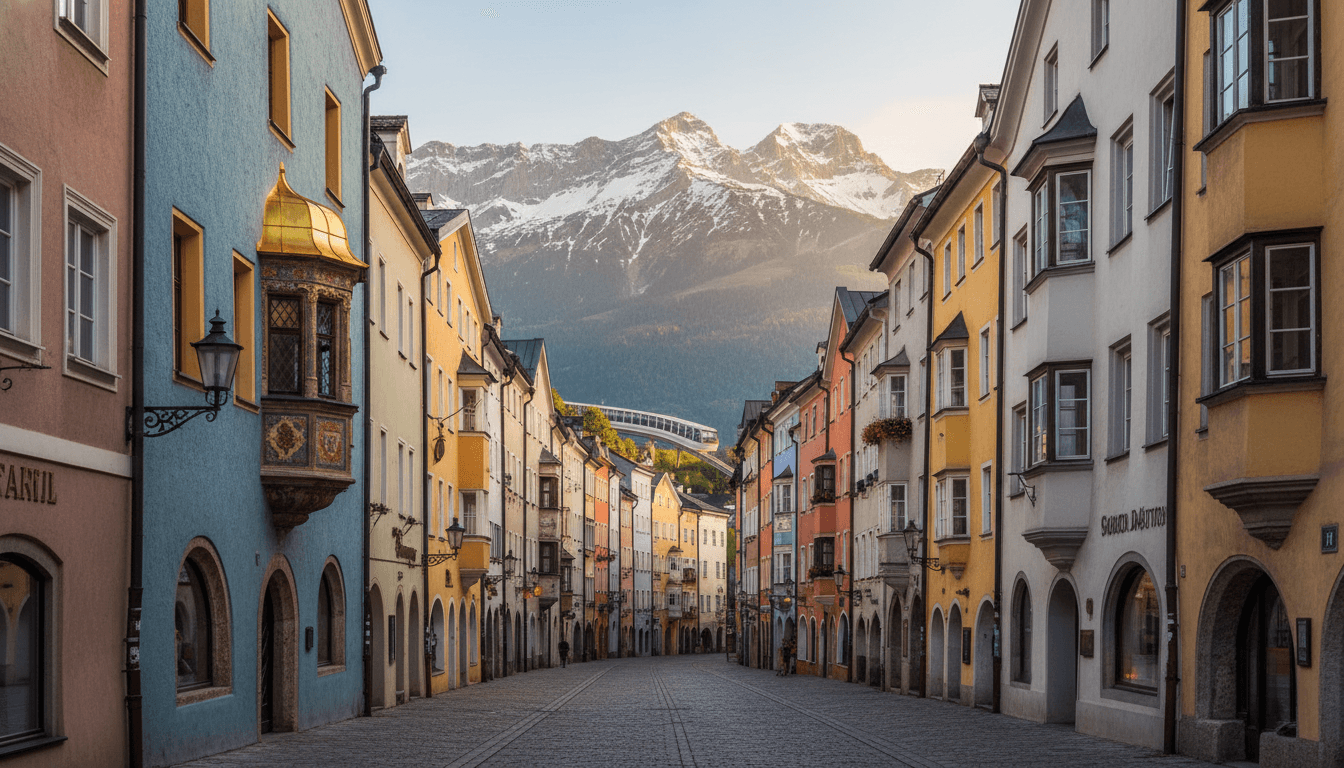
Home Exchange in Innsbruck: Top 5 Areas for Families and Couples in 2024

SwappaHome Editorial Team
Home Exchange & Slow Travel Editorial
Discover the best Innsbruck neighborhoods for home exchange—from family-friendly Wilten to romantic Altstadt. Local tips, prices, and insider secrets included.
The first time I saw Innsbruck, I was pressed against a bus window at 6 AM, jet-lagged and clutching a lukewarm coffee. The sun was just hitting the Nordkette mountain range, turning the snow peaks this impossible shade of rose gold, and I remember thinking: I need to come back here. Not for a weekend. For real.
That was four years ago. Since then, I've done three home exchanges in Innsbruck—twice as a solo traveler, once with my partner—and I've become borderline obsessed with helping other people discover this underrated Alpine gem. Because here's the thing about home exchange in Innsbruck: it's not just a way to save money (though you absolutely will). It's how you actually live in a place that most tourists only glimpse from a cable car.
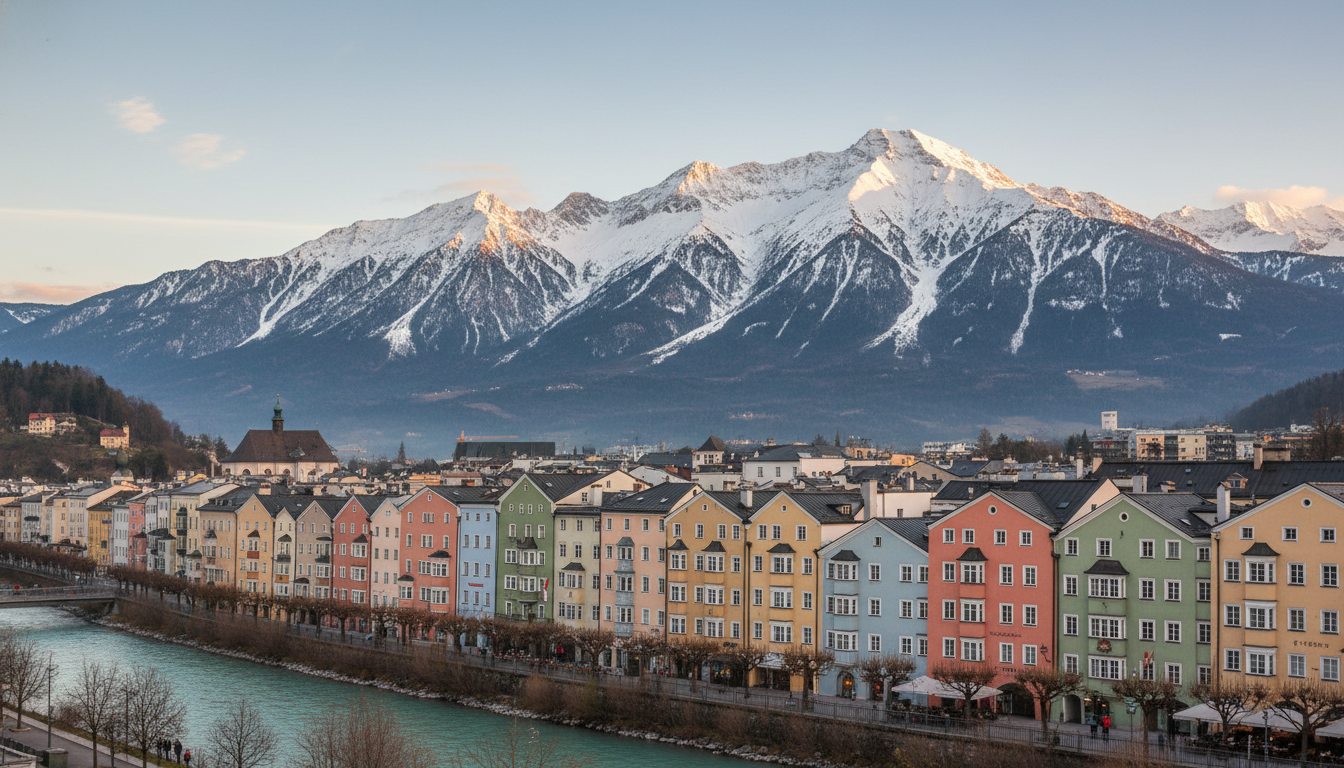 Early morning view of Innsbrucks colorful old town buildings with the snow-capped Nordkette mountain
Innsbruck sits in a valley so dramatically beautiful it almost feels fake—like someone Photoshopped the Alps directly behind a medieval city. With about 130,000 residents, it's small enough to feel intimate but large enough to have distinct neighborhoods, each with its own personality. And that's exactly what makes choosing where to stay so important.
Whether you're traveling with kids who need playgrounds and space to run, or you're a couple seeking wine bars and mountain sunsets, the neighborhood you pick will shape your entire experience. I've spent way too many hours wandering these streets, talking to locals, and figuring out which areas actually deliver on their promises.
So let me save you the research spiral. Here are the five best areas for home exchange in Innsbruck—with honest takes on who should stay where, what you'll pay in credits, and the spots only locals know about.
Why Home Exchange Works So Well in Innsbruck
Before I get into neighborhoods, let me explain why Innsbruck is practically made for home swapping.
The hotel situation here is... frustrating. A decent hotel room in central Innsbruck runs €150-220 ($165-240 USD) per night, and during ski season or the Christmas markets? You're looking at €300+ ($330 USD) for anything that isn't a hostel bunk. For families needing two rooms, the math gets painful fast.
Home exchange in Innsbruck flips that equation entirely. On SwappaHome, you're spending 1 credit per night regardless of whether you're booking a studio apartment or a four-bedroom chalet. That's it. No surge pricing, no "premium location" fees, no surprise resort taxes.
But beyond the savings—and I know this sounds cheesy, but it's true—staying in someone's actual home here changes the trip. My first Innsbruck swap was in a tiny apartment in Wilten, and my host had left me a handwritten list of her favorite spots: which bakery had the best Kaiserschmarrn, which hiking trail was least crowded, which wine bar stayed open late on Tuesdays. I still have that list. I've added to it over the years.
That's the kind of experience you can't book on Expedia.
Altstadt: The Romantic Heart of Innsbruck for Couples
Let's start with the obvious choice—and honestly, it's obvious for good reason.
Altstadt (literally "Old Town") is the postcard. The famous Golden Roof with its 2,657 fire-gilded copper tiles. The pastel-colored medieval buildings lining Maria-Theresien-Straße. The narrow cobblestone lanes where you can hear church bells echoing off 600-year-old walls.
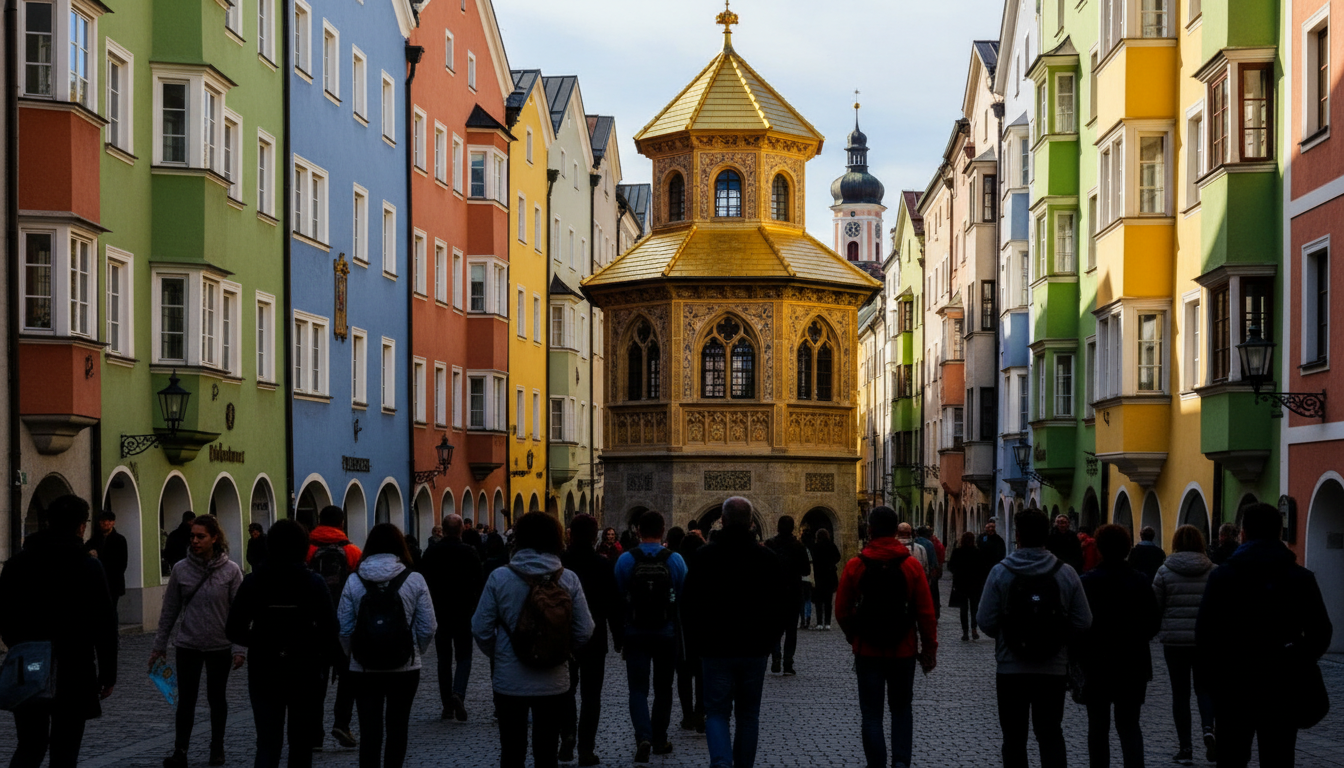 The iconic Golden Roof Goldenes Dachl with its ornate Gothic balcony, tourists walking below, colorf
For couples doing a home exchange in Innsbruck's Altstadt, this is pure romance. You're steps from candlelit restaurants, cozy wine bars, and the kind of atmosphere that makes you want to hold hands and walk slowly. The Hofburg Imperial Palace is right there. So is the Dom St. Jakob cathedral with its stunning Baroque interior.
I stayed in Altstadt during my second swap—a one-bedroom apartment above a café on Herzog-Friedrich-Straße. Every morning, the smell of fresh bread woke me up before my alarm. The apartment was small (maybe 45 square meters) but beautifully maintained, with original wooden beams and a tiny balcony overlooking the pedestrian zone.
The reality check: Altstadt is compact. Really compact. Most apartments here are historic, which means character but also quirks—steep stairs, no elevator, smaller kitchens. If you're traveling with kids or need space to spread out, this probably isn't your spot. It gets loud during festivals and the December Christmas markets too. Like, thousands-of-people-outside-your-window loud.
Best for: Couples seeking romance, history buffs, anyone who prioritizes walkability over space.
Dining tip: Skip the tourist traps directly on Maria-Theresien-Straße. Instead, duck into Stiftskeller, a 500-year-old cellar restaurant where locals actually eat. The Tiroler Gröstl (a hearty potato-meat hash) is €14 ($15 USD) and absolutely worth it.
Home exchange availability: Moderate. Altstadt properties are highly sought-after, so I'd recommend messaging hosts 2-3 months ahead, especially for summer or December stays.
Wilten: The Best-Kept Secret for Families
Okay, here's where I get a little evangelical.
Wilten is where I'd tell any family to look first for home exchange in Innsbruck. It's residential, genuinely local, and has this perfect balance of convenience and calm that's surprisingly hard to find in Alpine cities.
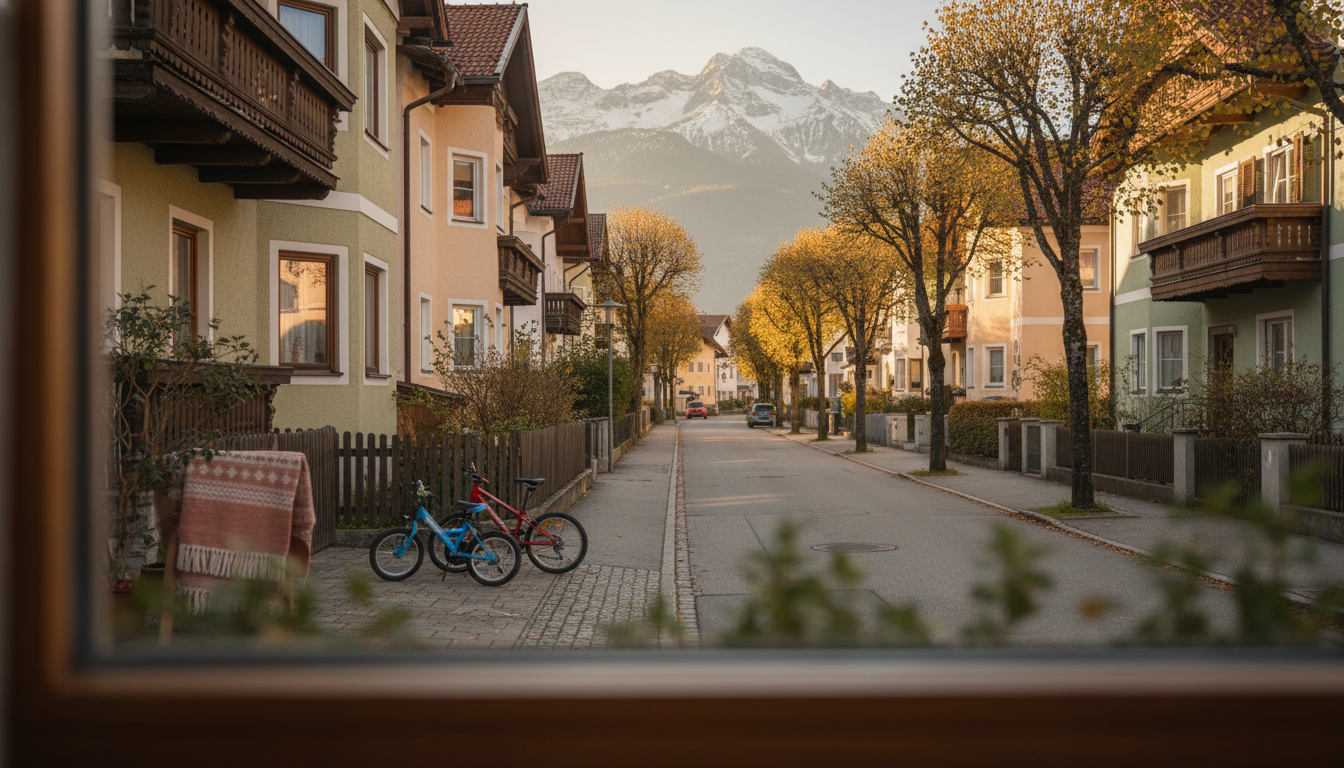 A tree-lined residential street in Wilten with traditional Austrian houses, childrens bicycles parke
The neighborhood sits just south of the old town—maybe a 15-minute walk or a quick tram ride. But it feels like a different world. Families pushing strollers. Neighbors chatting outside the bakery. Kids playing in Rapoldipark, which has this fantastic playground with climbing structures and plenty of green space for running around.
My first Innsbruck home exchange was here, in a two-bedroom apartment that belonged to a university professor and her family. They were spending August in California; I got their place with a full kitchen, a washing machine (underrated luxury when traveling), and a balcony where I ate breakfast every morning watching the mountains.
What I loved most: the Wiltener Platzl, this little neighborhood square with a weekly farmers market on Saturdays. Fresh Alpine cheese, local honey, vegetables from nearby farms. I spent maybe €30 ($33 USD) and had ingredients for a week of cooking.
For families specifically: Wilten has what you actually need. Supermarkets (there's a SPAR and a MPREIS within walking distance of most streets). Pharmacies. A pediatric clinic if—knock on wood—you need one. The tram stops are frequent, and you can reach the Alpenzoo (kids go absolutely wild for the Alpine animals) in under 10 minutes.
The reality check: Wilten isn't glamorous. It's not where you'll find trendy cocktail bars or Instagram-famous restaurants. It's where people live. If you want nightlife, you'll need to head into Altstadt.
Best for: Families with young children, longer stays (2+ weeks), anyone who wants to cook and live like a local.
Local secret: The Basilika Wilten is one of the most beautiful Rococo churches in Austria, and almost no tourists visit. The interior is jaw-dropping—all gold and pink and dramatic frescoes. Free entry. Usually empty.
Hötting: Where Mountain Lovers Should Stay
Now we're getting into terrain that most guidebooks skip entirely.
Hötting is on the north side of the Inn River, climbing up toward the Nordkette mountains. It's where Innsbruck starts to feel less like a city and more like a mountain village that happens to have tram service.
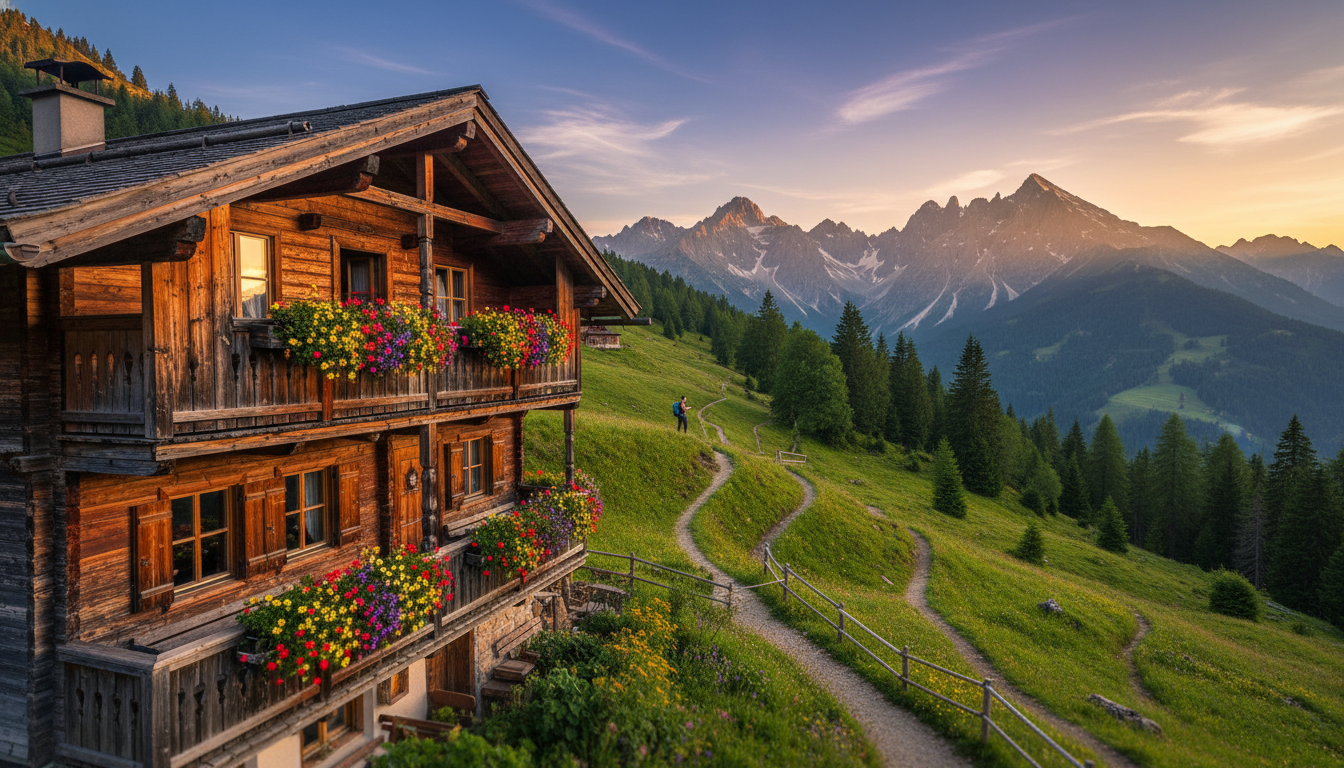 A traditional Tyrolean wooden chalet in Htting with flower boxes on the balcony, hiking trails visib
For couples who prioritize hiking over museums, or families with older kids who want adventure, home exchange in Innsbruck's Hötting area is ideal. You're literally at the trailhead. The Höttinger Alm hike starts right from the neighborhood—a moderate 2-hour walk that rewards you with panoramic views and a traditional mountain hut serving Kaiserschmarrn and cold beer.
I stayed in Hötting last summer with my partner, in a ground-floor apartment of a traditional Tyrolean house. The owners had a garden we could use, and there was this ancient apple tree that dropped fruit onto the lawn every morning. We'd grab a few apples, pack sandwiches, and be on the trail by 9 AM.
The Nordkettenbahn cable car station (Hungerburg) is accessible from Hötting, meaning you can ride up to 2,300 meters for high-alpine hiking without any serious climbing. Round-trip tickets are €39 ($43 USD) for adults, though the Innsbruck Card (€53/$58 for 24 hours) covers it plus museum entries and public transport.
The reality check: Hötting means hills. Serious hills. If you have mobility concerns or very young children in strollers, the steep streets can be challenging. You'll need to factor in tram time to reach the old town too—it's about 20-25 minutes door to door.
Best for: Hikers, nature lovers, couples seeking tranquility, families with adventure-ready kids (ages 8+).
Don't miss: The Alpenzoo is technically in Hötting, perched on the mountainside. It's the highest-altitude zoo in Europe and focuses entirely on Alpine species—ibex, wolves, brown bears, golden eagles. Kids (and honestly, adults) love it. Entry is €13 ($14 USD) for adults, €6.50 ($7 USD) for children.
Pradl: Authentic Innsbruck for Budget-Conscious Travelers
Pradl is where Innsbruck gets real.
This working-class neighborhood east of the city center won't win any beauty contests. The architecture is mostly postwar apartment blocks, and the streets have a grittier, more urban feel than the polished old town. But here's what Pradl has: space, affordability, and authenticity that's increasingly rare in tourist-heavy Alpine cities.
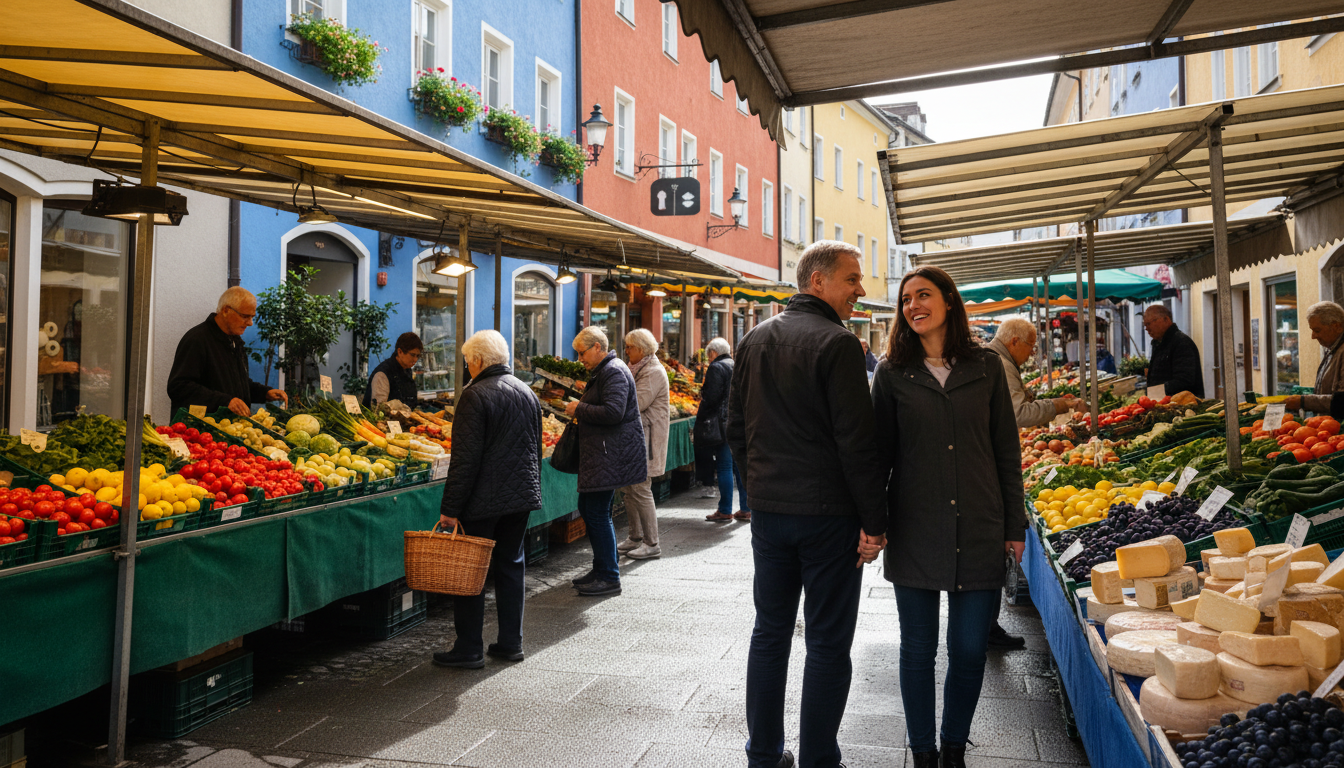 A bustling local market scene in Pradl with vendors selling fresh produce, elderly residents shoppin
For home exchange in Innsbruck on a budget—or for families who need larger apartments—Pradl delivers. The properties here tend to be more spacious than Altstadt's historic buildings, often with multiple bedrooms and modern amenities. You're also more likely to find homes with parking, which matters if you're planning day trips to the surrounding Tyrolean villages.
The neighborhood has a strong immigrant community, which means excellent international food. Turkish bakeries, Vietnamese pho spots, Italian delis. The Pradler Markt (Pradl Market) happens every Friday and Saturday, and it's where locals actually shop—none of the tourist markup you'll find closer to the Golden Roof.
The reality check: Pradl isn't pretty. I'll be honest about that. If you're dreaming of waking up to mountain views from your window, this probably isn't it. The tram to Altstadt takes about 15 minutes, so you're not exactly isolated, but you're definitely not in the heart of things.
Best for: Budget-conscious travelers, families needing space, anyone staying longer than a week, travelers with cars.
Hidden gem: Bäckerei Ruetz on Pradler Straße makes some of the best bread in Innsbruck. Their Vinschgauer (dark rye bread with caraway and fennel) is €3.50 ($4 USD) for a loaf and absolutely incredible toasted with butter and local cheese.
Saggen: The Elegant Choice for Couples Seeking Quiet Luxury
If Altstadt is the romantic heart and Hötting is the adventurous soul, Saggen is the refined, understated elegance that doesn't need to shout about itself.
This neighborhood sits just northeast of the old town, developed primarily in the late 19th and early 20th centuries. The architecture here is stunning—Art Nouveau villas, grand apartment buildings with original details, tree-lined boulevards that feel almost Parisian.
For couples seeking home exchange in Innsbruck with a touch of luxury, Saggen offers character and space that Altstadt often can't match. The apartments tend to be larger, with high ceilings, original parquet floors, and those gorgeous old Austrian tile stoves (Kachelöfen) that make everything feel cozy.
I've never stayed in Saggen myself, but I walked through extensively during my last trip, scoping it out for future swaps. The neighborhood has this peaceful, residential quality—morning joggers along the Inn River, elderly couples walking small dogs, the occasional student cycling to the university.
The Hofgarten (Imperial Garden) is right on Saggen's edge, a beautiful park where you can wander among centuries-old trees and watch locals playing chess at the outdoor tables. From here, you're a 10-minute walk to Altstadt but completely removed from the tourist bustle.
The reality check: Saggen is quiet. Really quiet. If you want nightlife or late-night dining options, you'll need to walk into the center. The neighborhood also skews older and more affluent, so it lacks some of the youthful energy you'll find in student areas.
Best for: Couples seeking refined atmosphere, architecture lovers, anyone who wants proximity to the center without the crowds.
Evening ritual: Walk along the Inn River promenade at sunset. The water reflects the mountains, the light goes golden, and you'll understand why people fall in love with this city.
Practical Tips for Home Exchange in Innsbruck
Alright, let's get tactical.
Timing matters. Innsbruck has two peak seasons: winter (December through March for skiing and Christmas markets) and summer (July through August for hiking). Shoulder seasons—May/June and September/October—offer the best combination of good weather, fewer crowds, and easier home exchange availability. I've found hosts are more flexible with dates during these months too.
The Innsbruck Card is worth it. For €53 ($58 USD) per 24 hours, you get unlimited public transport, one ride on each of the major cable cars, and free entry to most museums and attractions. If you're doing any sightseeing beyond walking, it pays for itself quickly.
Learn basic German phrases. Innsbruck isn't as English-saturated as Vienna or Salzburg. A simple "Grüß Gott" (hello) and "Danke" (thank you) go a long way. Locals genuinely appreciate the effort.
On SwappaHome specifically: When browsing Innsbruck listings, pay attention to which floor the apartment is on. Many historic buildings don't have elevators, and carrying luggage up four flights of narrow stairs is... an experience. Ask hosts about parking if you're renting a car too—street parking in central areas is limited and expensive.
Weather prep: Even in summer, Innsbruck evenings get cool. Pack layers. And if you're coming for hiking, bring proper shoes—the trails here aren't gentle walking paths. They're actual mountains.
Making the Most of Your Innsbruck Home Exchange
Here's my honest advice after multiple stays: don't try to do too much.
Innsbruck rewards slowness. Yes, you could cram in the Swarovski Crystal Worlds day trip, the Nordkette cable car, the old town walking tour, the Ambras Castle visit, and a dozen other attractions. But you'd miss what makes this place special.
Some of my best Innsbruck memories are aggressively mundane. Drinking coffee on a balcony while the church bells rang. Getting lost in Wilten and stumbling onto a neighborhood festival I never would have found otherwise. Cooking dinner with farmers market ingredients while rain streaked the windows.
That's the magic of home exchange. You're not a tourist passing through. You're a temporary local, with a key to your own front door and a neighborhood that becomes yours for a week or two.
Innsbruck is the kind of city that reveals itself slowly. The more time you give it, the more it gives back.
Getting Started with Your Innsbruck Home Exchange
If you're new to home swapping, Innsbruck is actually an excellent place to start. The SwappaHome community here is active, hosts tend to be responsive and welcoming, and the city is safe and easy to navigate.
A few final thoughts:
Start browsing 3-4 months before your intended travel dates, especially for peak seasons. Innsbruck properties get snapped up quickly by experienced swappers who know how special this city is.
Be specific in your messages to hosts. Mention why you're interested in their neighborhood, what you're hoping to do in Innsbruck, and a bit about yourself. The best exchanges I've had started with genuine connection, not just transactional requests.
And remember: every night is just 1 credit on SwappaHome, whether you're booking a studio in Pradl or a three-bedroom apartment in Saggen. That's the beauty of the system. The cost is the same; the experience is entirely up to you.
Innsbruck changed how I think about travel. Not because it's the most famous destination or the easiest to reach, but because it showed me what's possible when you stop being a tourist and start being a temporary resident.
The Alps will still be there, magnificent and eternal. The old town will still glow in the evening light. But the experience of waking up in your own Innsbruck apartment, brewing coffee in someone's kitchen, and stepping out into a neighborhood that feels like home—that's something you can only get through home exchange.
I hope you'll try it. And when you do, send me a message. I want to hear about your favorite bakery, your best hiking trail, the neighborhood secret you discovered that I somehow missed.
That's how this community works. We share what we love, and everyone's travels get a little bit richer.
Frequently Asked Questions
Is home exchange in Innsbruck safe for families?
Absolutely. Innsbruck consistently ranks among Europe's safest cities, with low crime rates and family-friendly infrastructure. The SwappaHome review system helps you choose verified hosts with positive track records. For extra peace of mind, consider getting your own travel insurance that covers home stays—it's not required but gives some families added confidence.
How much can I save with home exchange in Innsbruck versus hotels?
Significant savings. A mid-range Innsbruck hotel costs €150-220 ($165-240 USD) per night, while home exchange costs just 1 SwappaHome credit per night regardless of property size or location. For a two-week family stay, you could save €2,000-3,000 ($2,200-3,300 USD) compared to booking two hotel rooms.
What's the best neighborhood in Innsbruck for first-time home exchangers?
Wilten offers the ideal balance for newcomers—residential calm, excellent amenities, easy tram access to attractions, and typically larger apartments than the historic center. It's forgiving for families still figuring out the home exchange rhythm while keeping you connected to everything Innsbruck offers.
When should I book my Innsbruck home exchange?
Start browsing 3-4 months ahead for peak seasons (December-March for skiing, July-August for hiking). Shoulder seasons like May-June or September-October offer easier availability and more flexible hosts. Message potential hosts early—popular Innsbruck properties get booked quickly by experienced SwappaHome members.
Do I need a car for home exchange in Innsbruck?
Not for exploring the city itself. Innsbruck's tram and bus system is excellent, and most neighborhoods are walkable. A car is valuable for day trips to surrounding Tyrolean villages, mountain passes, and attractions like Swarovski Crystal Worlds though. If you're staying in Pradl or Hötting, ask your host about parking availability before booking.

Published by
SwappaHome
SwappaHome Editorial Team
Home Exchange & Slow Travel Editorial
The SwappaHome Editorial Team brings together travel research, home-exchange community insights, and platform data to produce practical guides for first-time and experienced home swappers. Every article cites real platforms, current market rates, and verifiable city-level facts so readers can make informed decisions without guessing.
Ready to try home swapping?
Join SwappaHome and start traveling by exchanging homes. Get 7 free credits when you sign up!
Related articles
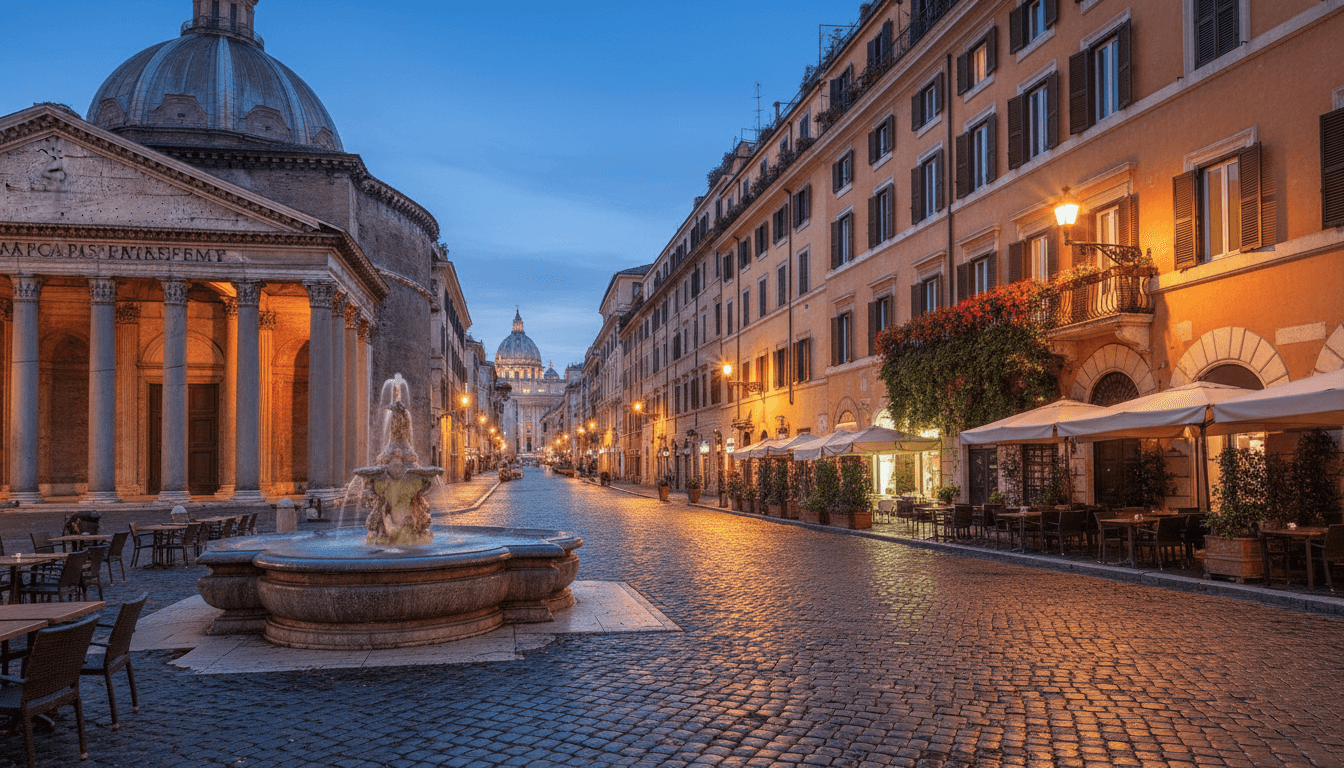
Home Swap in Rome: Where to Find the Best Properties for Your Italian Exchange
Discover where to find the best home swap properties in Rome—from Trastevere's cobblestone charm to Testaccio's local authenticity. Real neighborhoods, real advice.
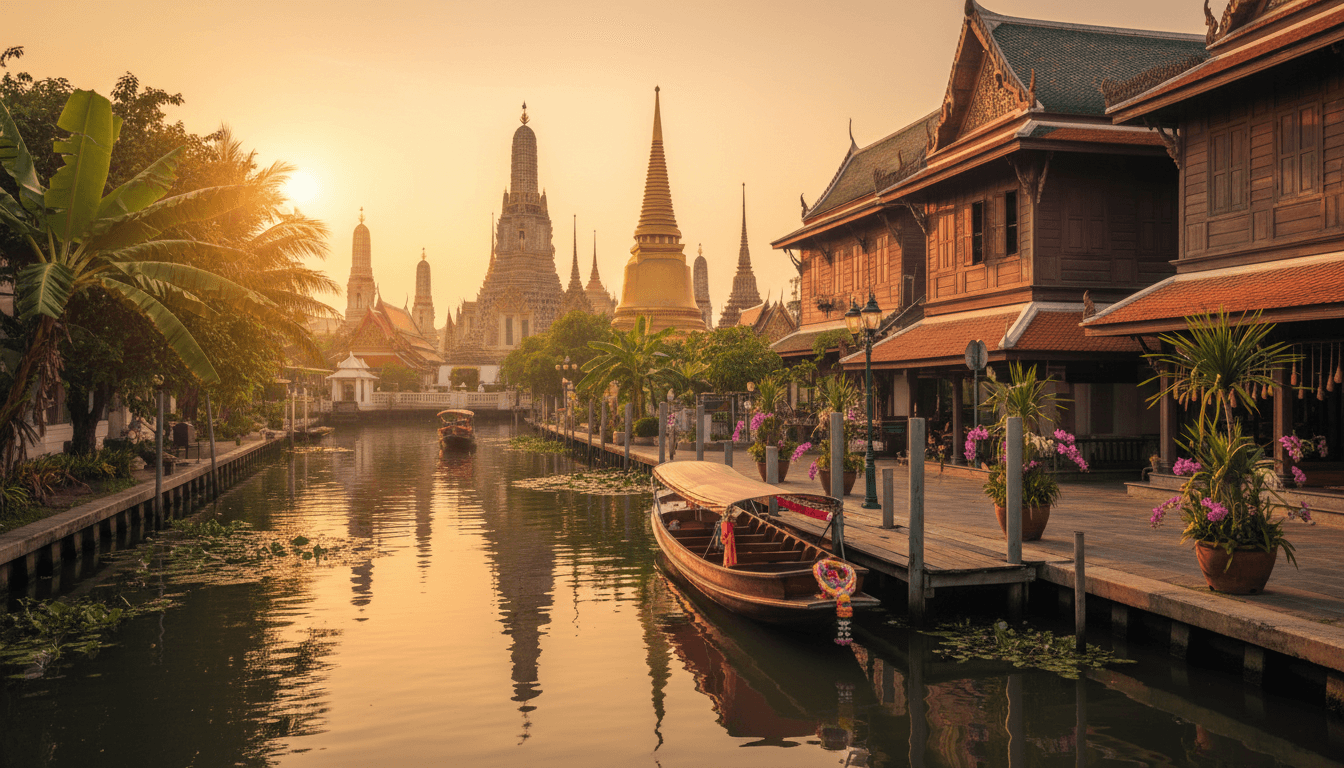
Home Swap in Bangkok: Where to Find the Best Properties for Free Stays
Discover where to find the best home swap properties in Bangkok—from riverside condos in Charoen Krung to family homes in Ari. Real neighborhoods, real savings.
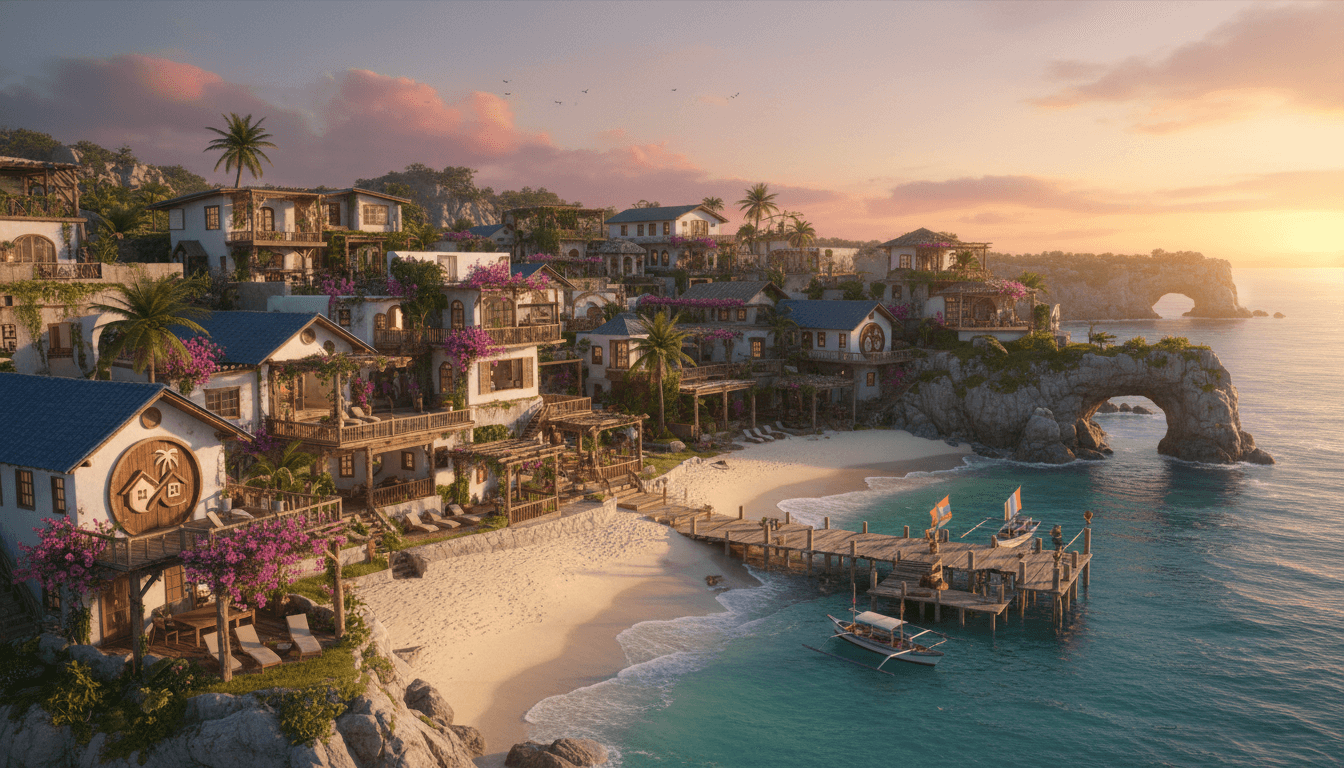
Home Swap for Beach Lovers: 12 Coastal Destinations Ranked for 2026
Discover the best coastal destinations for home swapping in 2026. From Portugal's Algarve to Australia's Gold Coast, find your perfect beach exchange.