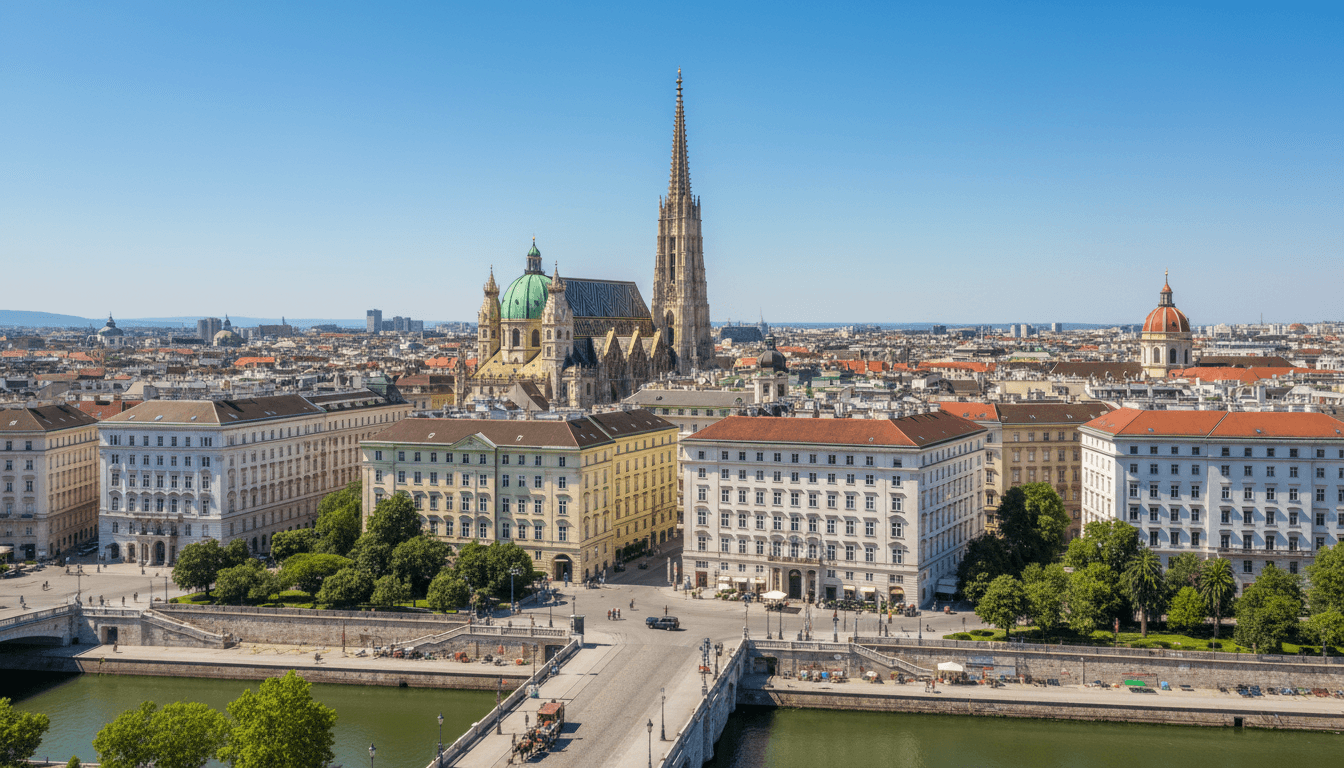
Home Exchange in Vienna: The Complete First-Timer's Guide to Free Accommodation in Austria's Imperial Capital

SwappaHome Editorial Team
Home Exchange & Slow Travel Editorial
Discover how to experience Vienna like a local through home exchange. Insider tips on neighborhoods, timing, and making your first Austrian swap unforgettable.
The first time I walked into my Vienna home exchange apartment, I genuinely thought I'd made a mistake. The ceilings were impossibly high—we're talking 12 feet of ornate plasterwork—and there was an actual grand piano in the corner. The owner, a retired opera singer named Margit, had left me handwritten notes about her favorite Würstelstand and which tram to take to the Naschmarkt. I stood there with my suitcase, jet-lagged and slightly overwhelmed, thinking: this is what home exchange in Vienna can look like.
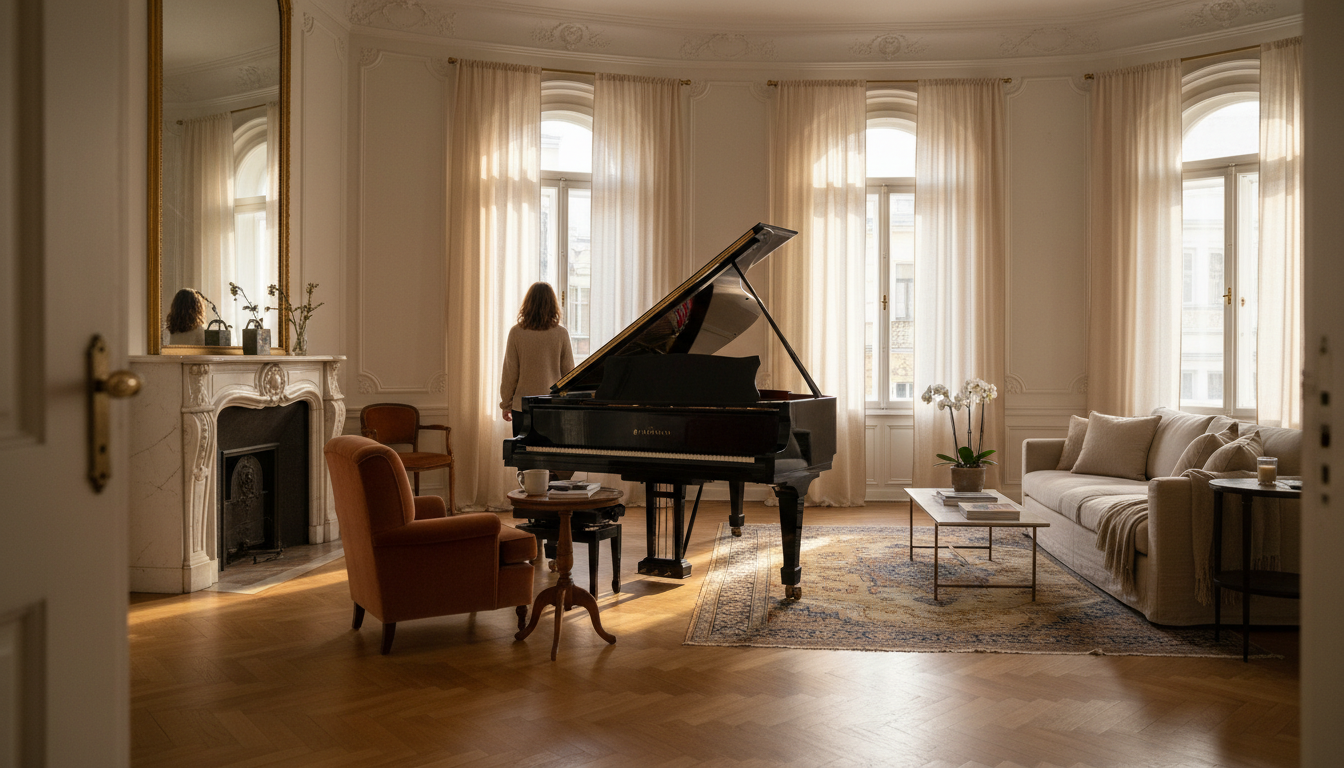 Grand Viennese apartment interior with high ceilings, herringbone parquet floors, tall windows with
That was four years ago. Since then, I've done three more home exchanges in Vienna, each in a completely different neighborhood, each revealing a side of the city that hotels simply can't access. And here's the thing—Vienna might be one of the most underrated cities in Europe for home swapping. The Viennese take serious pride in their homes. These aren't crash pads. They're curated living spaces with history, personality, and usually a very well-stocked coffee setup.
So if you're planning your first home exchange in Vienna, this is everything I wish I'd known before that initial swap. The best neighborhoods for different travel styles, the quirks of Viennese apartment life, timing your exchange for maximum magic, and all the practical stuff that'll make your stay seamless.
Why Vienna Works So Well for Home Exchange
I'll be honest—not every city is great for home swapping. Some places have limited inventory. Others have hosts who aren't particularly engaged. Vienna? Vienna is different.
The city has a robust home exchange culture, partly because Austrians travel extensively (they get five to six weeks of vacation annually—yes, really) and partly because Viennese apartments are genuinely special. Those Altbau buildings—the pre-1918 constructions with soaring ceilings and parquet floors—are everywhere. Many have been in families for generations.
What does this mean for you? When you do a home exchange in Vienna, you're often staying in apartments that would cost €300-400 per night ($325-435 USD) as vacation rentals. Instead, you're using credits you earned by hosting travelers in your own home. On SwappaHome, that's one credit per night, regardless of how fancy the place is.
The other thing that makes Vienna exceptional for first-time home exchangers? The Viennese are meticulous. I've never arrived at a Vienna swap without detailed instructions, fresh flowers on the table, and at least one bottle of Austrian wine waiting. It's cultural. They'd be mortified to have a guest arrive to anything less than perfect.
Best Vienna Neighborhoods for Home Exchange Stays
Vienna is divided into 23 districts (Bezirke), numbered in a spiral pattern from the center. The Innere Stadt (1st district) is the historic core, and generally, the lower the district number, the more central you are. But "central" isn't always what you want.
The 1st District (Innere Stadt): For History Buffs and First-Time Visitors
Yes, it's touristy. Yes, you'll hear more English than German. But staying inside the Ringstrasse—the grand boulevard circling the old city—puts you walking distance from the Stephansdom, the Hofburg, and some of the best coffee houses on earth.
Home exchange options here tend to be smaller (space is at a premium) but dripping with character. These apartments would run €200-250/night ($215-270 USD) as rentals.
My tip: Look for listings near Schwedenplatz or Stubentor. Slightly less hectic than Stephansplatz but still completely central.
The 7th District (Neubau): For Creatives and Coffee Obsessives
This is where I'd live if I moved to Vienna tomorrow.
Neubau is the city's creative heart—independent boutiques, third-wave coffee roasters, vintage shops, and some of the best brunch spots in Central Europe. The Spittelberg area, with its narrow cobblestone streets, feels almost village-like.
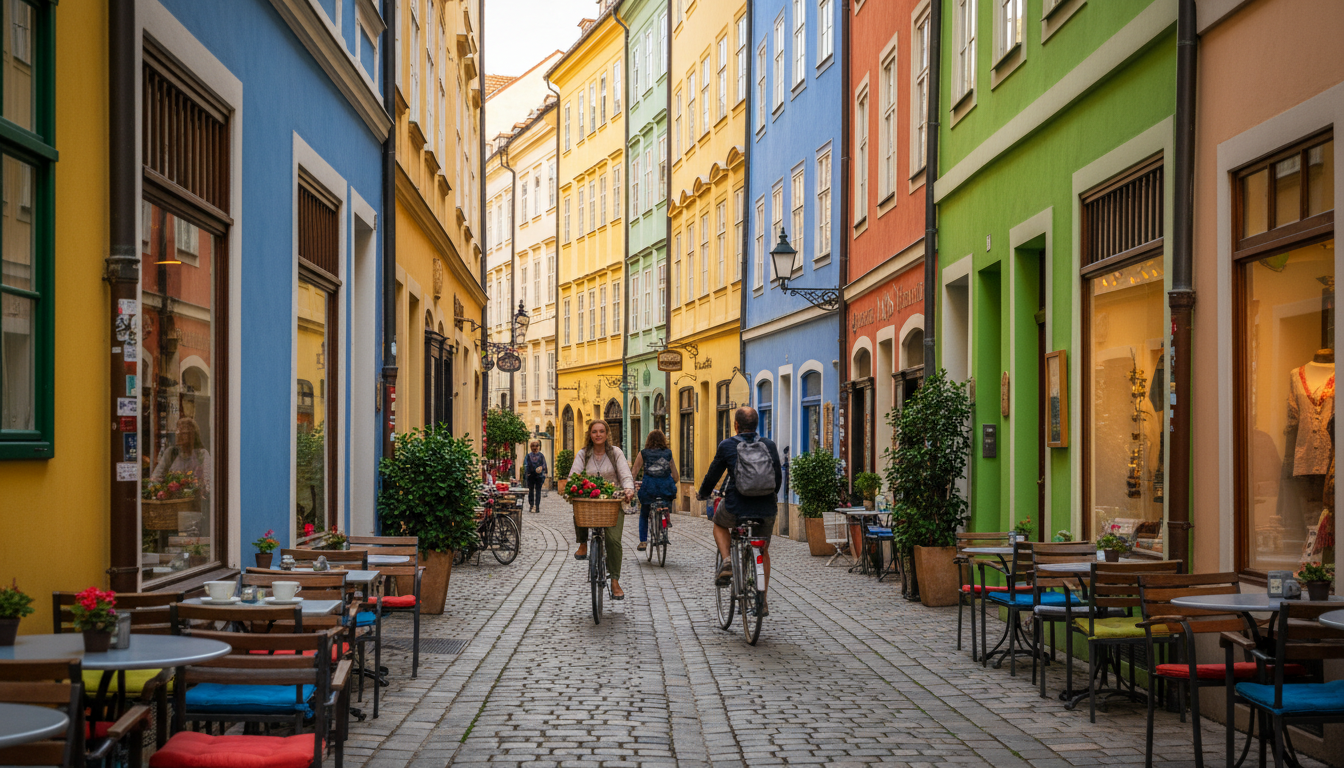 Narrow cobblestone street in Spittelberg with colorful Biedermeier buildings, outdoor caf seating, a
Home exchanges here often come with the bonus of being near the MuseumsQuartier, one of the world's largest cultural complexes. My last 7th district swap was in a converted workshop with exposed brick and a courtyard garden—the kind of place you'd never find on Booking.com.
The 4th District (Wieden): The Sweet Spot
Wieden doesn't get the hype of trendier neighborhoods. That's exactly why I love it.
It's residential, elegant, and positioned perfectly between the center and the beloved Naschmarkt. The apartments here tend to be larger than in the 1st district, often with those classic Viennese layouts: rooms arranged in a row (called "enfilade"), connecting doors, and windows overlooking quiet inner courtyards. If you're traveling with family or want space to spread out, prioritize the 4th.
The 9th District (Alsergrund): For the Freud-and-Medicine Curious
Alsergrund is Vienna's university and hospital district, which sounds less glamorous than it is. It's where Freud lived and worked, where Beethoven composed, and where you'll find some of the city's most authentic neighborhood Beisln (traditional taverns).
I did a two-week home exchange here while working remotely, and it was ideal. Quiet residential streets, excellent public transit connections, and locals who actually seemed surprised to see a tourist. The Servitenviertel area has an almost Parisian feel.
The 2nd District (Leopoldstadt): The Emerging Favorite
Leopoldstadt is having a moment.
Once overlooked, it's now where young Viennese families and creative types are settling. The Karmelitermarkt is a smaller, more local alternative to the Naschmarkt, and the Prater park—with its famous Ferris wheel—is right here. Home exchanges in the 2nd district often offer more space for your credit, and you're still just a short tram ride from the center. The vibe is distinctly less polished than the inner districts, which I mean as a compliment.
Timing Your Vienna Home Exchange
When you visit Vienna matters enormously—both for what you'll experience and for how easy it'll be to find a home exchange.
Peak Season (June-August, December)
Summer brings outdoor concerts, open-air cinema in the Rathausplatz, and the ability to actually sit in all those gorgeous park chairs without freezing. December means Christkindlmärkte (Christmas markets) everywhere, mulled wine in ceramic cups, and a genuinely magical atmosphere.
The catch? These are also when Viennese residents most want to travel themselves. Competition for home exchanges can be fierce. I'd recommend starting your search on SwappaHome at least 3-4 months ahead for summer dates, and even earlier for Christmas market season (late November through December 23rd).
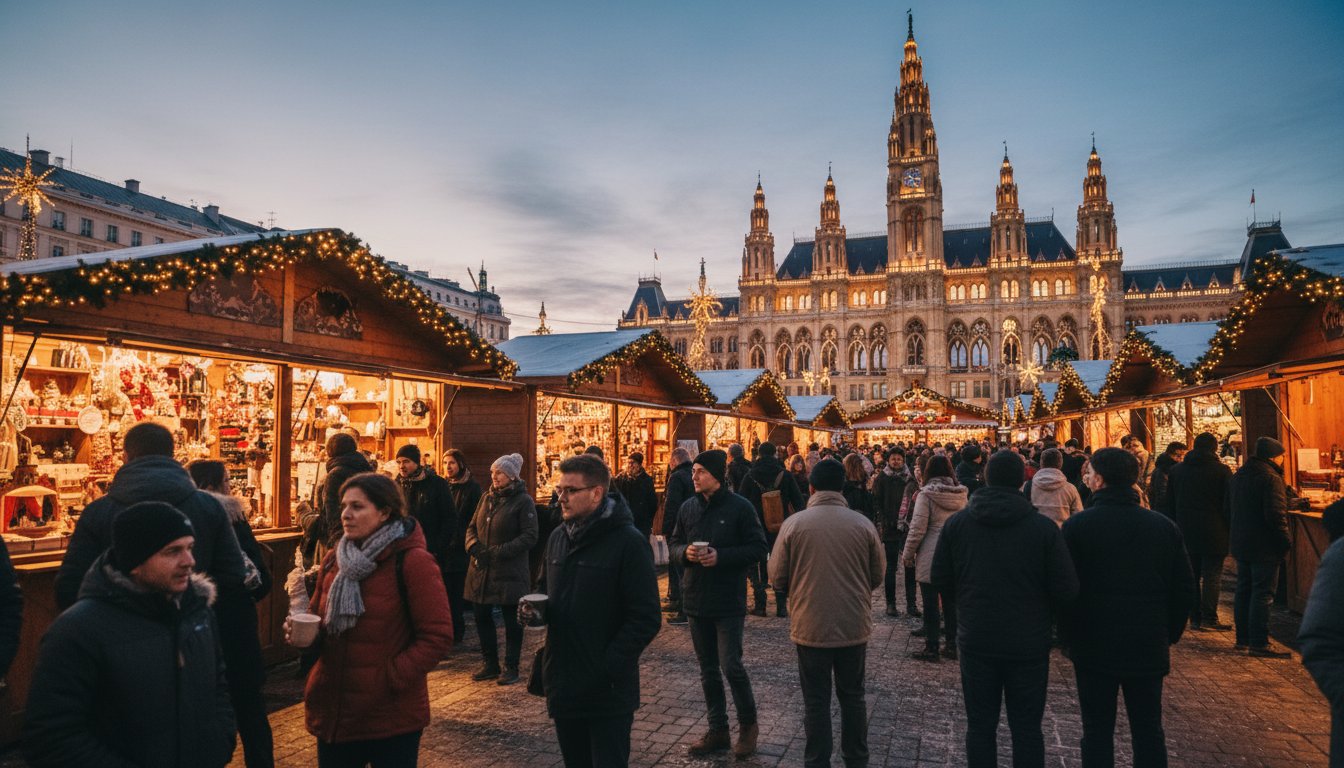 Vienna Rathausplatz Christmas market at dusk with twinkling lights, wooden stalls, crowds in winter
Shoulder Season (April-May, September-October)
Honestly? This is when I'd tell you to go.
Spring brings the city's parks into bloom—the Volksgarten rose garden is staggering in May—while fall offers golden light, grape harvest festivals, and Sturm (fresh, still-fermenting wine) at every Heuriger. Home exchange availability is strong during these months, and you'll find hosts more flexible about dates. The weather is mild (expect 15-22°C / 59-72°F), perfect for walking the city's endless architectural treasures.
Off-Season (January-March)
Vienna in winter is cold—below freezing, grey skies, early darkness.
But. The museums are empty. The coffee houses are at their coziest. Opera and concert tickets are actually obtainable. And home exchange hosts are often eager for guests during these quieter months.
If you're a culture vulture who doesn't mind bundling up, January or February can be extraordinary. I spent a February in a 3rd district apartment, basically living a coffee house-to-concert hall-to-cozy dinner rotation, and it remains one of my favorite travel memories.
What to Expect from Viennese Apartments
Every city has its quirks. Here's what might surprise you about your home exchange accommodation:
The Heating Situation. Many older Viennese apartments still use individual room heaters—either gas-powered or the beautiful ceramic Kachelofen (tile stoves) that look like something from a fairy tale. Your host will explain how these work, but don't panic if you don't see a central thermostat.
Keys and Entry. Viennese apartment buildings typically have multiple locks: the street door, possibly a courtyard door, and your apartment door. You might be handed three or four keys. Some buildings have a Hausmeister (building superintendent) who keeps an eye on things—this is normal and actually adds security.
The Kitchen Reality. Austrians tend to eat their main meal at lunch and have lighter dinners, so kitchens in older apartments can be smaller than Americans expect. That said, they're usually well-equipped for basics. Most hosts will leave coffee (often good coffee—Viennese take this seriously) and basic staples.
Recycling and Waste. Vienna has an elaborate recycling system. Your host will likely leave instructions, but expect to sort: paper, glass (by color), plastic, metal, and organic waste. The Viennese are serious about this, and honestly, it's refreshing.
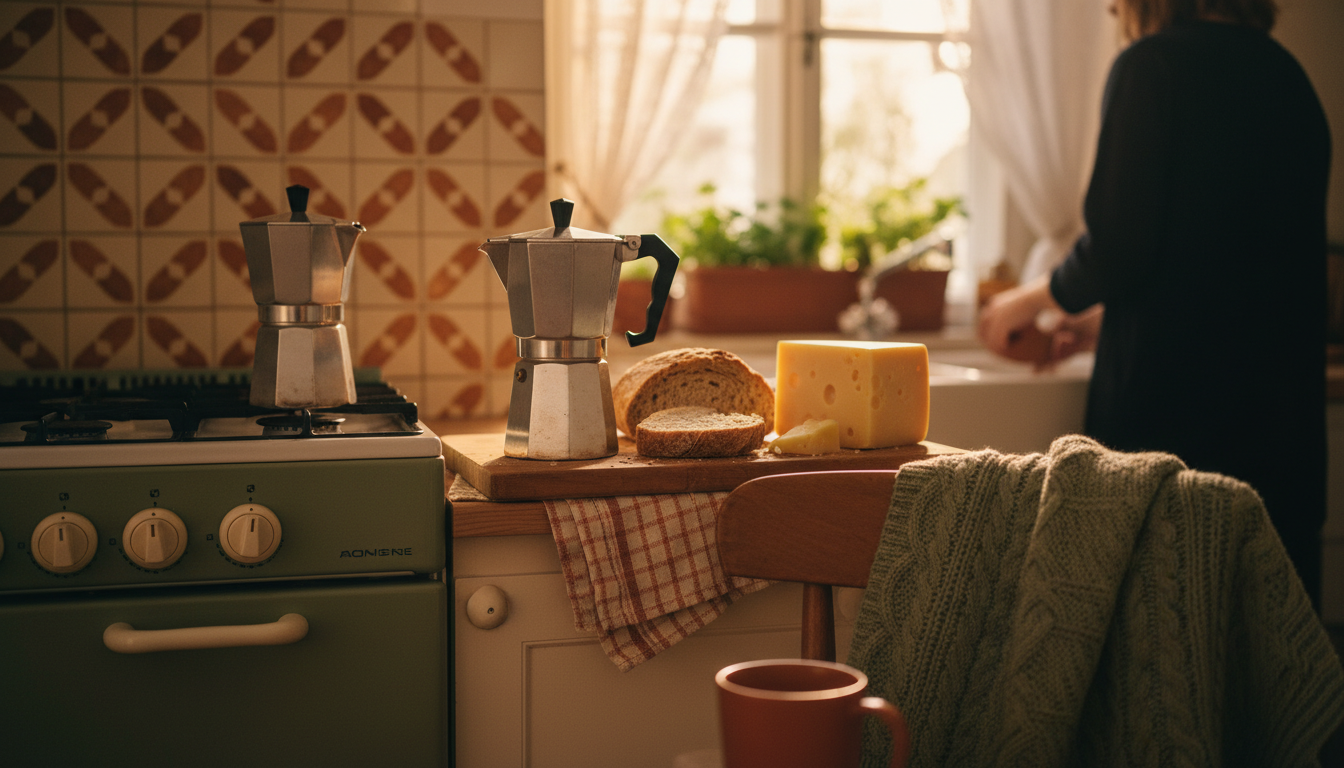 Typical Viennese kitchen with vintage tile backsplash, a Moka pot on the stove, fresh bread and chee
Making Your Vienna Home Exchange Request Stand Out
Here's something I've learned from being on both sides of home exchange: hosts receive a lot of generic requests. "Hi, we'd love to stay at your place" doesn't cut it.
When you're reaching out through SwappaHome for a Vienna exchange, personalize your message. Mention something specific about their listing—the piano, the neighborhood, the view. Explain why you're visiting Vienna. Anniversary trip? Attending a concert? Always dreamed of it? And be clear about your dates and flexibility.
I always include a bit about my own home and what makes it special. Even though SwappaHome uses a credit system and you don't need to do a direct swap, hosts like knowing they're exchanging with someone who also takes pride in their space.
The Profile Factor
Before you start requesting stays, make sure your SwappaHome profile is complete. Upload good photos of your home—not just the guest room, but the living spaces, the neighborhood, maybe your favorite coffee spot nearby. Write a genuine bio. Get verified if you haven't already.
Viennese hosts, in my experience, are discerning. They want to know who's staying in their beloved apartment. A thin profile with one blurry photo is an instant pass for most.
Getting Around Vienna During Your Home Exchange
One of the joys of staying in a real Vienna apartment—versus a hotel in the tourist center—is that you'll actually need to navigate the city like a local.
Public Transit is Your Best Friend
Vienna's public transportation system is exceptional. The U-Bahn (metro), trams, and buses run frequently, reliably, and late into the night. A weekly pass (Wochenkarte) costs €17.10 ($18.50 USD) and covers unlimited travel. Given that a single taxi ride from the airport costs €36-40 ($39-43 USD), this is absurdly good value.
Download the "WienMobil" app for real-time schedules and route planning. It's in English and genuinely useful.
The Walking City
Vienna is remarkably walkable. The entire Innere Stadt can be crossed in about 20 minutes, and most of the major sights are clustered together. Don't over-plan your days. Leave room to wander, duck into courtyards, discover hidden churches.
Biking (Yes, Really)
Vienna has an extensive bike lane network and a city bike-sharing system called WienMobil Rad. The first 30 minutes of each ride are free with registration. If your home exchange is in a flatter district (most of them are—Vienna isn't hilly), biking is a fantastic way to cover ground.
Eating Like a Viennese During Your Stay
One of the greatest advantages of home exchange? A kitchen. And in Vienna, that kitchen becomes your gateway to the city's incredible food markets.
The Naschmarkt
You'll hear about it everywhere, and yes, it lives up to the hype. This 1.5-kilometer market has been operating since the 16th century and sells everything: cheese, olives, spices, bread, meat, fish, produce, and prepared foods from dozens of cuisines. Go on a Saturday morning when the flea market extends it even further.
But here's my insider tip: don't eat at the sit-down restaurants lining the market. They're overpriced and touristy. Instead, buy ingredients and eat at home, or grab a quick bite from the stand-up counters.
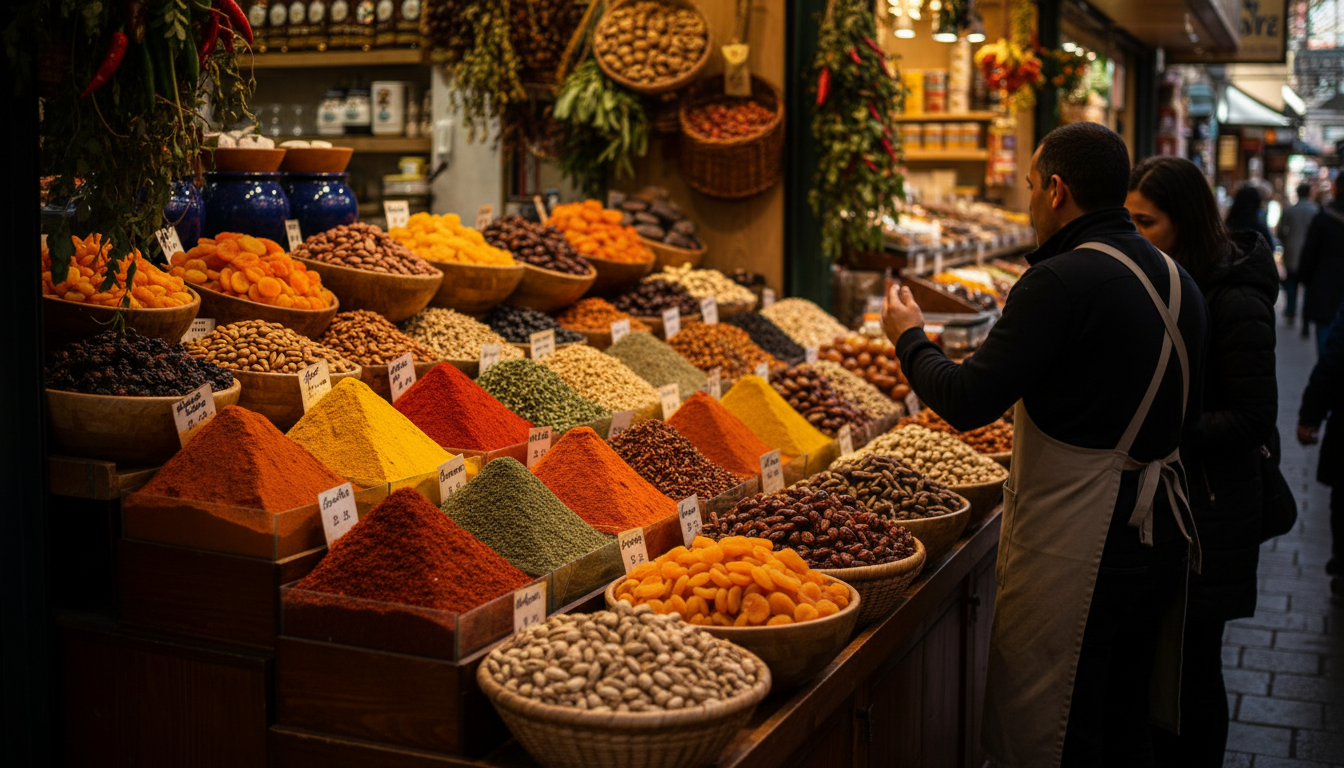 Naschmarkt stall overflowing with colorful spices in wooden bins, dried fruits, and nuts, with a ven
The Neighborhood Markets
Every district has its own market, and these are where you'll find the real local life. The Karmelitermarkt (2nd district), Brunnenmarkt (16th district), and Kutschkermarkt (18th district) are all excellent and far less crowded than the Naschmarkt.
Coffee House Culture
You cannot do Vienna without spending serious time in coffee houses.
This isn't grab-and-go culture. You sit. You order a Melange (Vienna's answer to a cappuccino) or a Verlängerter (like an Americano). You read newspapers on wooden sticks. And you stay as long as you want.
My favorites: Café Sperl (6th district) for old-world atmosphere, Café Prückel (1st district) for the mid-century interior, and Phil (6th district) for a more modern, bookshop-café hybrid vibe.
The Beisl Experience
A Beisl is a traditional Viennese tavern—dark wood, checked tablecloths, hearty Austrian food. Wiener Schnitzel (always veal, never pork, in a proper Beisl), Tafelspitz (boiled beef), Gulasch. These are the places where your home exchange host's recommendations become gold.
Expect to spend €15-25 ($16-27 USD) for a main course at a good Beisl. Skip the tourist-trap versions on Stephansplatz.
Cultural Experiences to Prioritize
Vienna offers more cultural riches than you can possibly absorb in one trip. Here's how I'd prioritize if you're staying a week or two:
The Non-Negotiables
The Kunsthistorisches Museum is one of the world's great art museums—give it at least half a day. The Belvedere has Klimt's "The Kiss" and a stunning palace setting. St. Stephen's Cathedral (Stephansdom) is free to enter and genuinely awe-inspiring.
The "If You Have Time" Tier
The Albertina for its graphic arts collection and rotating exhibitions. Schönbrunn Palace if you've never done a Habsburg palace tour (it's enormous—budget 3-4 hours). The Leopold Museum in the MuseumsQuartier for Schiele and Klimt.
The "Locals Love It" Secrets
The Zentralfriedhof (Central Cemetery) sounds morbid but is actually a beautiful park where Beethoven, Brahms, Schubert, and Strauss are all buried. The Hundertwasserhaus is a bizarre, colorful apartment building that looks like it was designed by Dr. Seuss. The Third Man Museum, if you love film noir.
Practical Tips for Your Vienna Home Exchange
A few things I've learned the hard way:
Money Matters. Austria uses the Euro. Credit cards are accepted most places, but Vienna is more cash-friendly than some European capitals. Always have some cash for smaller cafés, market vendors, and the occasional "cash only" Beisl. ATMs are everywhere.
Language. German is the official language, but English is widely spoken, especially in the center. That said, learning a few phrases goes a long way. "Grüß Gott" (hello, literally "greet God") is the standard greeting. "Danke" (thank you) and "Bitte" (please/you're welcome) cover most situations.
Tipping Culture. Round up or add 5-10% at restaurants. At coffee houses, round up to the nearest Euro. No need to tip at self-service places or markets.
Sunday Closures. This catches visitors off guard: almost everything is closed on Sundays. Supermarkets, shops, many restaurants. Plan accordingly. Stock up on Saturday, or embrace the Viennese Sunday rhythm of long brunches and park walks.
The Quiet Hours. Vienna has strict quiet hours (Ruhezeit): typically 10 PM to 6 AM, and all day Sunday. This isn't just courtesy—it's legally enforced. No loud music, no vacuuming, no parties. Your home exchange host will appreciate you respecting this.
Building Trust and Leaving a Great Impression
Home exchange works because of mutual trust and respect. Here's how to be the kind of guest that hosts rave about:
Leave the apartment cleaner than you found it. Seriously. Do the dishes, take out the trash, strip the beds (unless told otherwise). Leave a small gift—I always bring something from my home city that's not available in Austria.
Write a detailed, positive review on SwappaHome after your stay. This helps your host attract future guests and builds your own reputation for future exchanges.
If anything goes wrong—a broken glass, a stain, a confusion about how something works—communicate immediately and honestly. The home exchange community is built on good faith. Most issues are easily resolved when addressed directly.
Planning Your First Vienna Home Exchange: A Timeline
Here's how I'd approach it:
4-6 months before: Start browsing Vienna listings on SwappaHome. Get a sense of what's available in different neighborhoods. Make sure your own profile is complete and compelling.
3-4 months before: Begin reaching out to hosts whose places appeal to you. Be specific about your dates (or date range if flexible). Personalize every message.
2-3 months before: Confirm your exchange and start communicating with your host. Ask about their recommendations, any quirks of the apartment, and what they'd like you to know.
2 weeks before: Finalize logistics. Confirm arrival time, key pickup, and any last questions. Share your contact information.
During your stay: Send a quick message letting your host know you've arrived safely. Respect their space. Enjoy Vienna.
After: Write that review. Send a thank-you message. Consider staying in touch—some of my best travel friendships started as home exchanges.
Vienna surprised me. I expected imperial grandeur and got that, sure. But I also got Margit's handwritten notes, a neighbor who brought me Apfelstrudel "just because," and the profound pleasure of waking up in a real home instead of a hotel room.
That's what home exchange in Vienna offers: not just free accommodation (though saving $200+ per night certainly doesn't hurt), but entry into a way of life. You shop at the market because you have a kitchen. You learn the tram lines because you're not staying in the tourist center. You start to feel, even briefly, like you belong.
If you're considering your first home exchange, Vienna is an exceptional place to start. The hosts are welcoming, the apartments are beautiful, and the city itself rewards exactly the kind of slow, immersive travel that home swapping enables.
Start browsing Vienna listings on SwappaHome. Your Altbau apartment with the impossibly high ceilings is waiting.
Frequently Asked Questions
Is home exchange in Vienna safe for first-time swappers?
Vienna consistently ranks among Europe's safest cities, and the home exchange community adds another layer of security through member reviews and verification. On SwappaHome, you can see a host's history and ratings before committing. I always recommend reading reviews carefully and communicating thoroughly with your host beforehand. Many members also choose to get their own travel insurance for additional peace of mind.
How much money can I save with home exchange in Vienna compared to hotels?
A decent hotel in central Vienna costs €150-250 per night ($160-270 USD), while comparable Airbnbs run €120-200 ($130-215 USD). With home exchange, you're spending credits you earned hosting—no cash for accommodation. For a two-week stay, that's roughly $2,000-3,500 in savings. Plus, having a kitchen means you'll spend less on restaurant meals.
What's the best neighborhood in Vienna for a home exchange with kids?
The 2nd district (Leopoldstadt) is ideal for families—it's home to the Prater park with its playgrounds, Ferris wheel, and green spaces. The 4th district (Wieden) also works well, with larger apartments and proximity to the Belvedere gardens. Both neighborhoods offer more space than the cramped 1st district and have a relaxed, residential feel that's easier with children.
How far in advance should I book a Vienna home exchange?
For peak season (June-August and December), start searching 4-6 months ahead. Shoulder season (April-May, September-October) requires 2-3 months notice. Off-season stays can sometimes be arranged just weeks in advance. Popular neighborhoods like the 1st and 7th districts book faster than outer areas, so flexibility on location helps.
Do I need to speak German for a home exchange in Vienna?
Not at all. Most Viennese speak excellent English, especially in central districts. Your home exchange host will likely communicate in English, and all tourist-facing businesses accommodate English speakers. That said, learning basic phrases like "Grüß Gott" (hello) and "Danke" (thank you) shows respect and often delights locals.

Published by
SwappaHome
SwappaHome Editorial Team
Home Exchange & Slow Travel Editorial
The SwappaHome Editorial Team brings together travel research, home-exchange community insights, and platform data to produce practical guides for first-time and experienced home swappers. Every article cites real platforms, current market rates, and verifiable city-level facts so readers can make informed decisions without guessing.
Ready to try home swapping?
Join SwappaHome and start traveling by exchanging homes. Get 7 free credits when you sign up!
Related articles

Bachelor and Bachelorette Parties in Singapore: The Complete Home Swap Group Guide for 2026
Planning a bachelor or bachelorette party in Singapore? Discover how home swapping lets groups of 6-12 stay together in luxury condos, saving thousands while partying in Marina Bay.
Cycling in Lisbon: 7 Home Swap Bike Tour Itineraries for Every Rider
Discover the best cycling routes in Lisbon with these home swap bike tour itineraries—from waterfront paths to hilltop adventures, all starting from your borrowed home.
Graduation Trip to Barcelona: How Home Swapping Gives New Graduates the Ultimate Celebration
Planning a graduation trip to Barcelona? Discover how home swapping lets new graduates explore Spain's most vibrant city without the hostel crowds or hotel costs.