Home Swap in Osaka: The Food Lover's Complete Guide to Eating Like a Local

SwappaHome Editorial Team
Home Exchange & Slow Travel Editorial
Discover how a home swap in Osaka unlocks Japan's kitchen—from dawn market runs to midnight ramen hunts. Your guide to eating authentically for less.
I bit into my first takoyaki in a cramped Shinsekai alley and actually laughed out loud. Not because anything was funny—my brain just couldn't process how ridiculously good it was. Steam rising from the paper boat in my hands, neon reflecting off wet pavement, and this thought lodging itself permanently in my head: why does anyone eat takoyaki anywhere else?
That was four years ago, during my first home swap in Osaka. I'd traded my San Francisco apartment for a tiny machiya in Nakazakicho, and within 48 hours I understood why Japanese people call this place "tenka no daidokoro"—the nation's kitchen.
Here's the thing about swapping homes in Osaka. It's not just free accommodation. It's waking up in a real neighborhood. Shopping where actual residents shop. Fumbling around a Japanese kitchen with ingredients you've never seen before and somehow making it work.
Three more Osaka swaps later, I'm convinced there's no better way to experience this food-obsessed city. Let me tell you everything I've figured out.
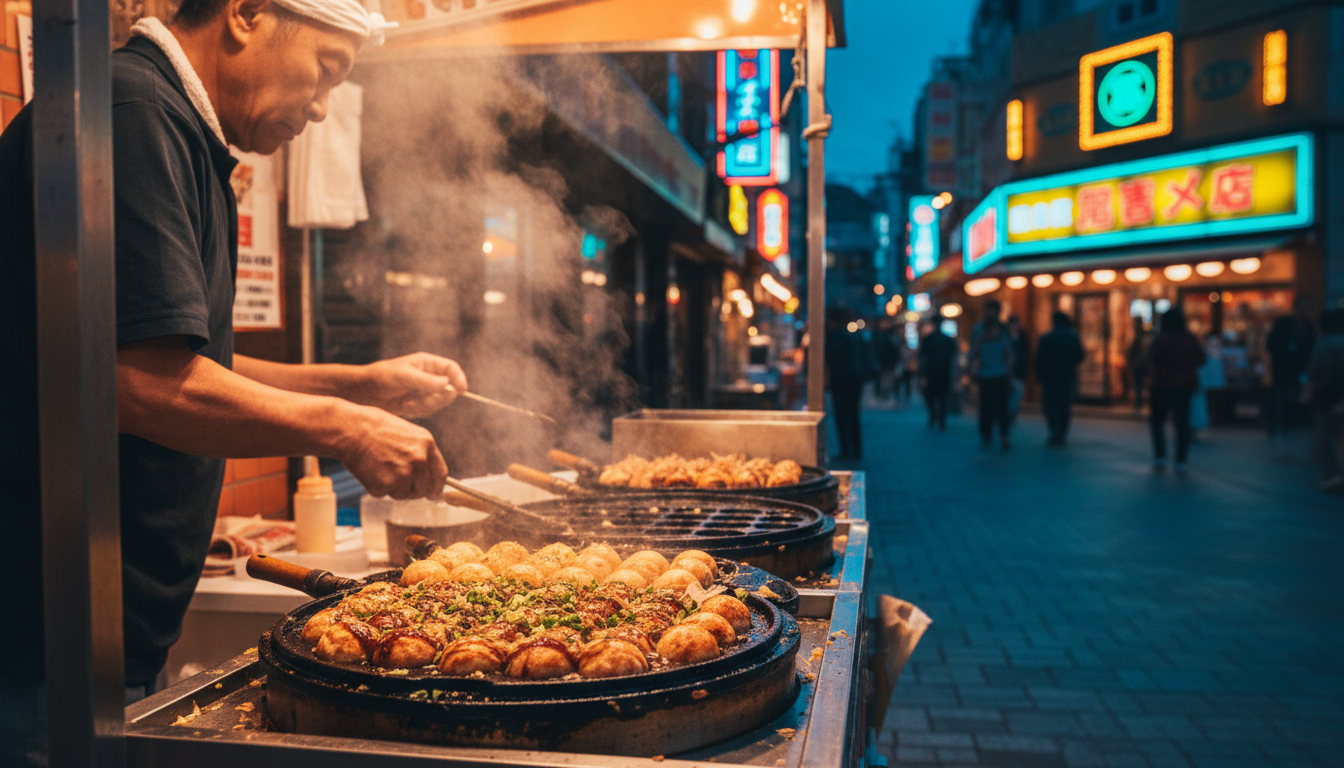 steam rising from a takoyaki stand in Shinsekai at dusk, golden octopus balls glistening with sauce,
Why a Home Swap in Osaka Changes Everything for Food Lovers
Look, you can visit Osaka, stay in a hotel, eat at restaurants, and have an incredible time. The food is that good. But you'll miss something essential—the rhythm of how this city actually eats.
My second swap was an apartment in Fukushima (the neighborhood, not the prefecture—confusing, I know). My host Yuki had left a handwritten note about her morning routine: walk to the covered shopping street, buy fresh tofu from the same shop her grandmother used, pick up seasonal vegetables, come home and make miso soup. She'd left dashi packets in the cupboard. Instructions for the rice cooker.
That first morning, following her routine, something shifted. I wasn't a tourist consuming Osaka anymore. I was—briefly, imperfectly—living there.
So what does a home swap actually give you that hotels can't?
A real kitchen. Japanese home kitchens are compact but brilliantly designed. You get a rice cooker (genuinely life-changing), a fish grill built right into the stove, and access to neighborhood supermarkets where a stunning bento costs ¥400. My Nakazakicho host had a tiny balcony where she grew shiso—I put it in everything that week.
Local shopping access. Osaka's shotengai—those covered shopping arcades—are where the magic happens. Not tourist markets. Places where your neighbors buy dinner. Fair prices, exceptional quality, vendors who'll help you figure out what to do with that weird vegetable you just impulse-bought.
Neighborhood knowledge. Every Osaka neighborhood has its spots. The ramen shop only locals know about. The standing bar with ¥100 skewers. The bakery that sells out of curry bread by 9 AM. Your host knows these places. Ask them. Most SwappaHome members I've connected with have been thrilled to share their food secrets.
Budget freedom. When you're not hemorrhaging $200 a night on hotels, you can splurge on kaiseki without guilt. Or eat like a local for almost nothing. A home swap through SwappaHome's credit system—1 credit per night, regardless of property—means accommodation is essentially free. Your entire food budget stays intact.
Best Neighborhoods for a Food-Focused Home Swap in Osaka
Osaka is huge. Where you stay shapes your eating experience dramatically. After four swaps, here's my honest breakdown:
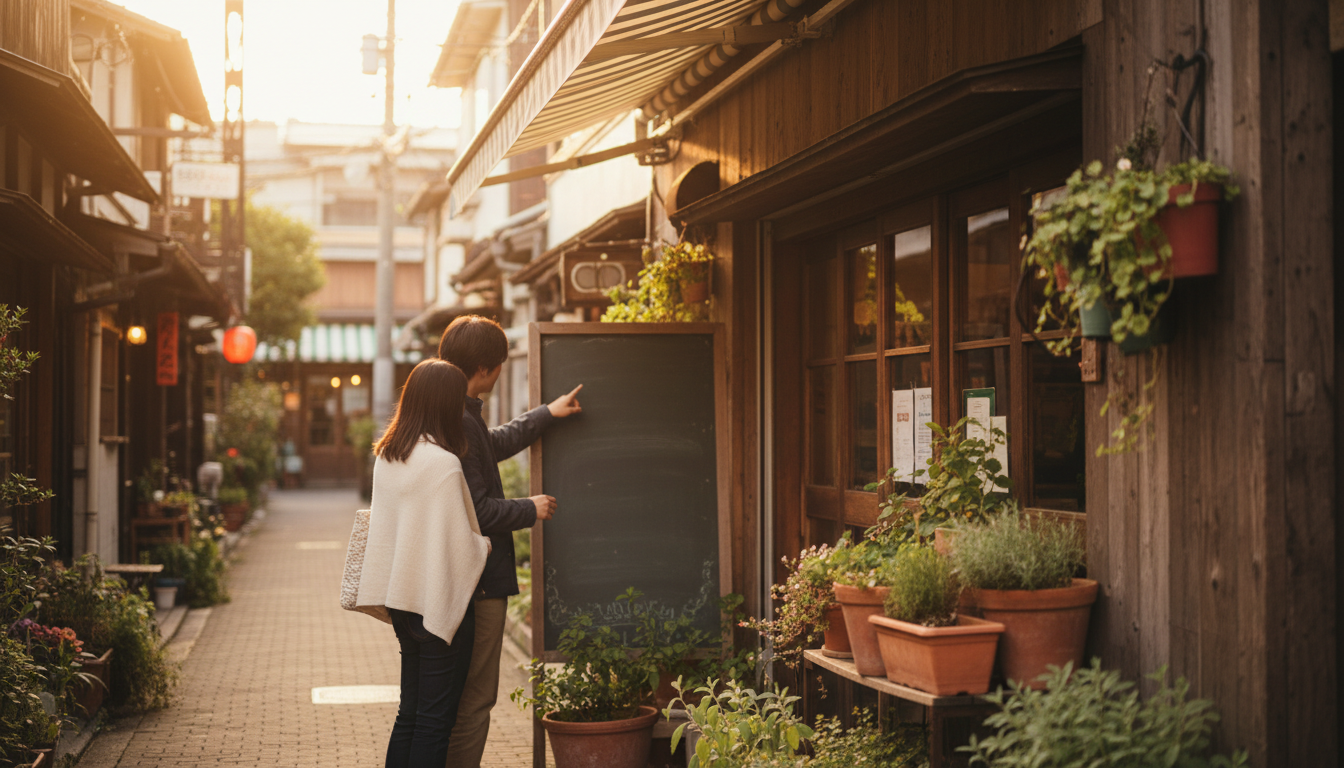 narrow pedestrian street in Nakazakicho with vintage cafes, potted plants outside wooden storefronts
Namba/Dotonbori Area: Tourist Central (But Don't Write It Off)
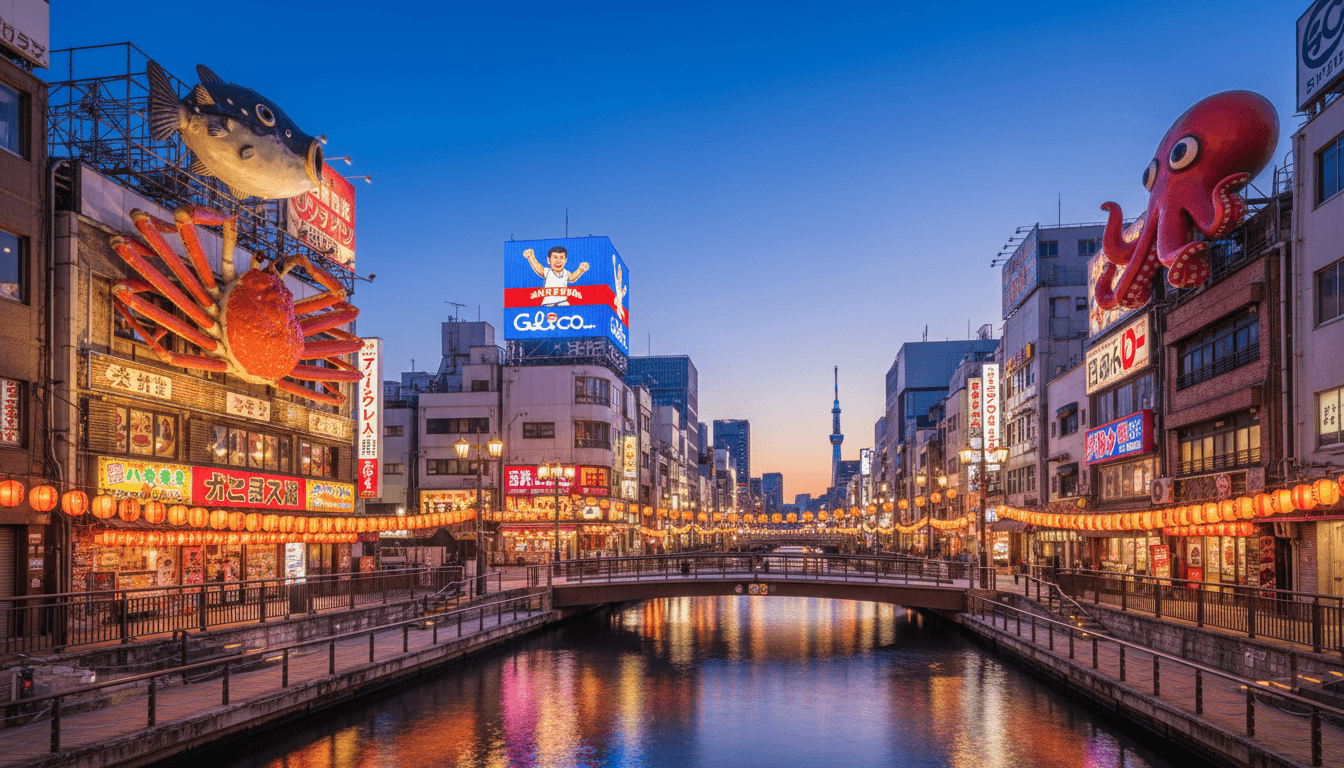
Yes, Dotonbori is crowded. Yes, the famous Glico running man sign will be swarmed with selfie sticks. But staying near here—not on the main drag—puts you stumbling distance from some legendary spots.
Look for swaps in the backstreets around Namba or adjacent Shinsaibashi. You're close to Kuromon Market, the late-night izakaya scene, and Hozenji Yokocho—this tiny atmospheric alley with stone lanterns and a moss-covered Buddha where you can eat sublime oden.
Pros: Central, endless eating options, easy transport Cons: Hectic, less residential Best for: First-timers wanting maximum food access
Shinsekai: Gritty, Authentic, Unforgettable
Shinsekai is Osaka's old entertainment district, built in 1912 to look like a combination of Paris and New York. (Really.) Today it's gloriously retro—neon signs, pachinko parlors, and the best kushikatsu in the city.
Haven't done a swap here yet, but I've spent countless evenings wandering these streets. The neighborhood has a rough reputation that's mostly outdated. It's safe, just unpretentious. If you find a swap here, you're in for character.
Pros: Iconic atmosphere, incredible street food, affordable local restaurants Cons: Fewer residential listings, touristy during peak hours Best for: Adventurous eaters wanting old-school vibes
Fukushima: The Local Foodie Secret
This is where I'd point most food-focused travelers. Fukushima sits 10 minutes on foot from Umeda—the main business and shopping hub—but feels like a village. The shotengai here is perfect. Fishmongers, pickle shops, a tofu maker, multiple excellent bakeries.
The restaurant scene? Incredible. Almost entirely local. There's a stretch near Fukushima Station with maybe 30 tiny eateries—yakitori, sushi, Korean, Italian—where you'll rarely see another tourist. Prices stay reasonable because they're serving regulars, not visitors.
Pros: Authentic neighborhood feel, fantastic dining, easy transport Cons: Fewer tourist attractions (you'll travel for temples and sights) Best for: Repeat visitors, serious food lovers, anyone wanting local immersion
Nakazakicho: Hipster Haven with Heart
My first Osaka swap was here. I'm biased—I love this neighborhood. Nakazakicho is a maze of narrow streets filled with vintage shops, third-wave coffee roasters, tiny galleries, and some of the most creative small restaurants in the city.
It's north of Umeda, technically in Kita-ku, with a distinctly artistic vibe. The food scene leans trendy—natural wines, craft beer, fusion izakaya—but old-school spots exist too. The morning market at nearby Tenjinbashisuji (Japan's longest shopping street) is a must.
Pros: Unique atmosphere, great cafes, walkable to Umeda Cons: Slightly pricier dining, less traditional Osaka food Best for: Design lovers, coffee obsessives, creative types
Tennoji/Abeno: The Underrated Choice
South of central Osaka, this area doesn't get much tourist attention. Exactly why it's great for home swaps. You're near Tennoji Park, the excellent Abeno Harukas department store (with a food hall rivaling anything in Tokyo), and some genuinely local neighborhoods.
Eating here is unpretentious and affordable. Family-run spots, good Korean food (there's a historical Korean community), easy access to Shinsekai.
Pros: Affordable, authentic, great transport Cons: Less charming architecture, fewer trendy spots Best for: Budget-conscious travelers, families, those wanting space
The Osaka Food Experiences You Can't Miss
Let's talk about what you're actually going to eat. Osaka's food identity is built on a few iconic dishes, and experiencing them properly means knowing where to go and what to expect.
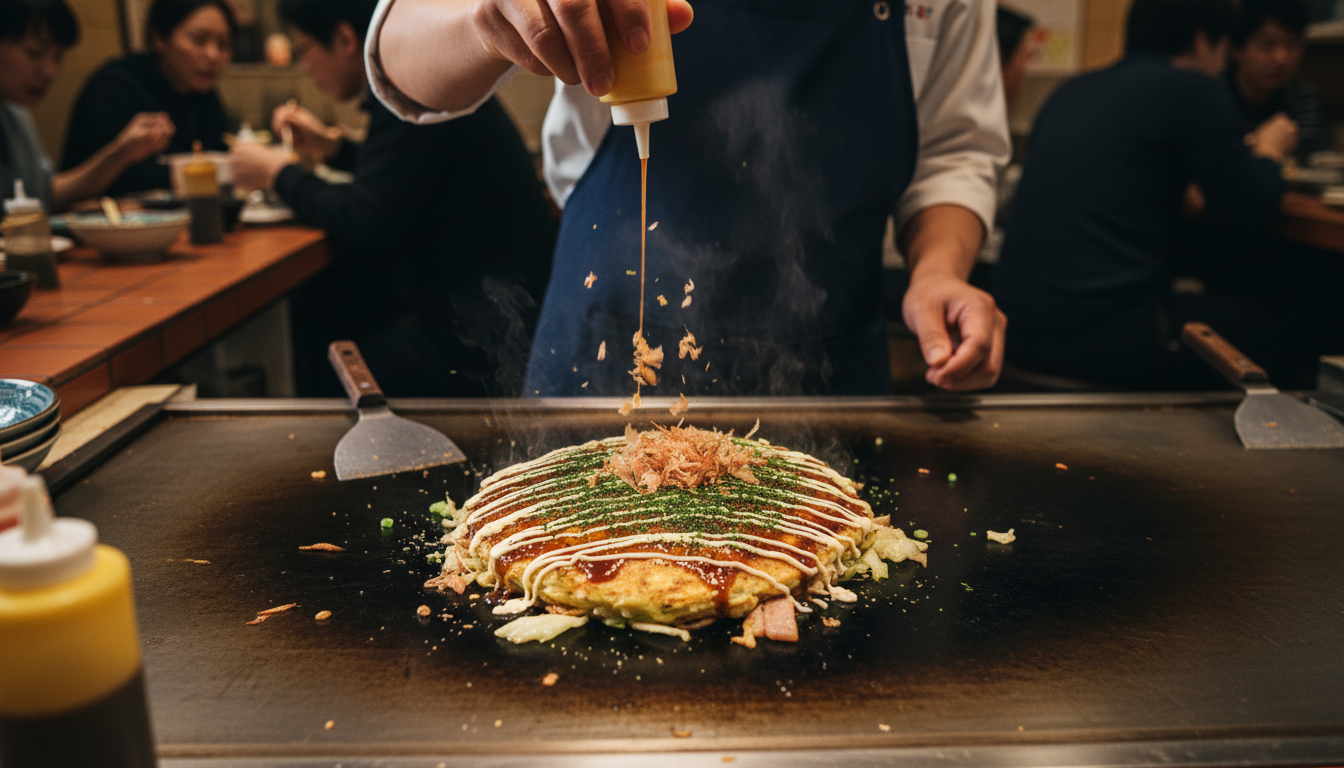 overhead shot of an okonomiyaki on a hot griddle, toppings being added by chefs hands, steam and siz
Okonomiyaki: The Soul of Osaka
Savory pancakes loaded with cabbage, meat or seafood, various toppings—this is Osaka's signature dish. The name means "grilled as you like it," and there are two styles:
Osaka-style: Everything mixed into the batter, cooked as one thick pancake Hiroshima-style: Layered with noodles, more like a savory crepe stack
In Osaka, you want Osaka-style. Obviously. The experience matters as much as the food—you sit at a counter around a hot teppan grill, either cooking it yourself or watching the chef work.
Mizuno in Namba is my favorite (expect a line—worth it). For something more local, ask your swap host for their neighborhood spot. Every Osakan has one.
Budget: ¥900-1,500 per okonomiyaki Real talk: Don't press down on the pancake while it cooks. Osaka people will judge you.
Takoyaki: Street Food Perfection
Those crispy-outside, molten-inside octopus balls you've seen everywhere? Invented here. Eating takoyaki in Osaka is non-negotiable.
The best takoyaki is almost too hot to eat. Slight crunch giving way to creamy, savory interior with tender octopus at the center. Topped with takoyaki sauce, mayo, dancing bonito flakes, and aonori seaweed powder.
Wanaka near Namba station is consistently excellent. Aizuya in Shinsekai claims to have invented takoyaki (disputed, but their version is great). For something different, Takoyaki Doraku Wanaka in Amerikamura offers creative toppings.
Budget: ¥400-600 for 6-8 pieces Real talk: Eat them immediately. Takoyaki that's sat for even five minutes is sad takoyaki.
Kushikatsu: Deep-Fried Everything
Skewers of meat, seafood, and vegetables coated in panko and deep-fried—Shinsekai's gift to the world. The ritual matters: dip once in the communal sauce, eat, never double-dip. Signs everywhere will remind you.
The variety is staggering. Pork, beef, shrimp, lotus root, quail eggs, cheese, asparagus wrapped in bacon, mochi, even whole garlic cloves. Order piece by piece. The bill adds up based on empty skewers.
Daruma is the most famous chain (look for the angry cartoon man). For something more refined, try Kushikatsu Tanaka or Yaekatsu in Shinsekai. Honestly, most Shinsekai places are good—hard to go wrong.
Budget: ¥100-300 per skewer; expect ¥1,500-3,000 total Real talk: The sauce is for everyone. Seriously. Don't double-dip.
Beyond the Big Three: What Locals Actually Eat
Here's what I wish someone had told me before my first trip. Osaka's food identity goes way beyond okonomiyaki, takoyaki, and kushikatsu. Pay attention to these:
Kitsune Udon: Osaka-style udon with sweet fried tofu. The broth is lighter than Tokyo's—more dashi-forward, less soy. Imai in Dotonbori has been serving it since 1946.
Horumon: Grilled offal, particularly intestines. Sounds intimidating. Tastes incredible when done right. The Tsuruhashi area (Osaka's Koreatown) is famous for this.
Pressed Sushi (Oshizushi): Unlike Tokyo's hand-formed nigiri, Osaka's traditional sushi is pressed in wooden molds. Yoshino Sushi near Awaza has been making it for over 180 years.
Negiyaki: Like okonomiyaki's lighter cousin—a thin pancake loaded with green onions. Perfect late-night food.
Tecchiri: Hot pot with fugu (pufferfish). Yes, the potentially deadly one. Osaka has more fugu restaurants than anywhere else in Japan. Expensive—¥8,000-15,000 per person—but unforgettable.
How to Eat Like a Local During Your Osaka Home Swap
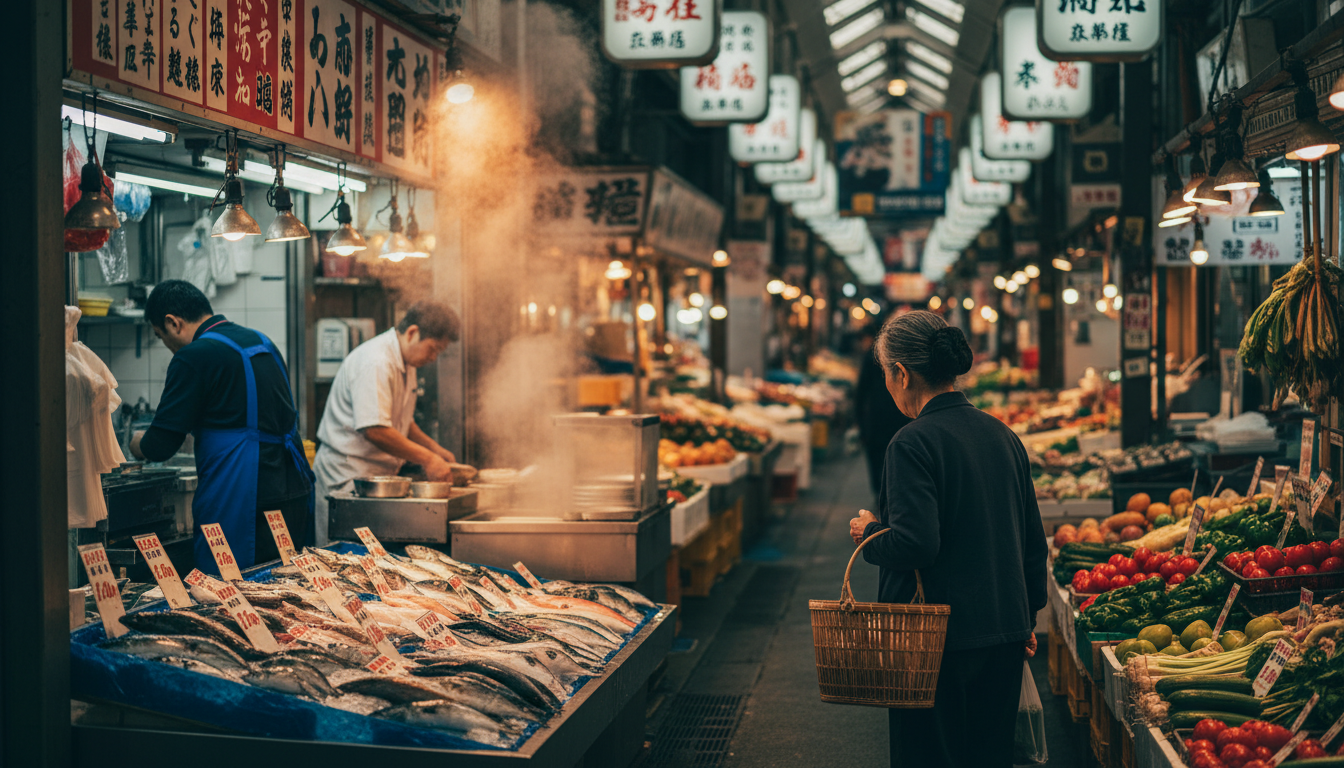 early morning at Kuromon Market, vendor arranging fresh fish on ice, steam rising from nearby food s
Master the Morning Routine
Osaka mornings are special. Here's how to do them right:
Option 1: The Market Run Kuromon Market opens around 8 AM. The first few hours are when locals shop—it gets tourist-heavy by 11. Walk through, grab a few things for breakfast: tamago, fresh fruit, maybe grilled fish on a stick. Eat as you go. Pick up ingredients for dinner while you're there.
Option 2: The Kissaten Experience Osaka has incredible old-school coffee shops that serve "morning sets"—coffee with toast, a hard-boiled egg, usually a small salad. It's a ritual. Find one in your neighborhood and become a regular.
Option 3: The Konbini Breakfast Don't sleep on convenience stores. Japanese 7-Elevens, Lawsons, and Family Marts have onigiri, fresh sandwiches, and surprisingly good coffee. Breakfast for under ¥500. Eat in a park.
Navigate the Supermarket Like a Pro
Your home swap kitchen deserves good ingredients. Osaka supermarkets are a wonderland once you know what to look for.
For cooking: Pre-made dashi packs (just steep like tea), miso paste, good soy sauce, mirin. These transform simple ingredients.
Ready to eat: The prepared food section is incredible. Tonkatsu, croquettes, simmered vegetables, salads—all made that day, all delicious, all cheap.
Timing hack: Go after 7 PM for discounts. Supermarkets slash prices on prepared foods and sashimi as closing approaches. Those 30-50% off stickers are your friend.
My favorites: Life Supermarket is solid and widespread. Ikari is more upscale with excellent prepared foods. For a treat, hit the basement food halls at department stores like Hankyu or Takashimaya—expensive but extraordinary.
The Late-Night Eating Scene
Osaka doesn't sleep early. Neither should you (at least some nights). The late-night food culture here is legendary.
Standing bars (tachinomi): No-frills spots serving cheap drinks and snacks. You stand, drink, eat skewers or small plates, leave. Look for red lanterns and salary workers unwinding.
Ramen: Osaka's ramen scene is underrated compared to Tokyo or Fukuoka, but gems exist. Kinryu Ramen in Dotonbori is open 24 hours and perfect at 2 AM. For something special, seek out Menya Joroku in Fukushima.
Izakaya: These pub-restaurants are where Osaka truly shines after dark. Order drinks, share plates of grilled fish, pickles, fried chicken. Bills stay reasonable—¥3,000-5,000 per person including drinks.
Heads up: Many restaurants close between 3-5 PM for a break. Lunch ends around 2 PM, dinner starts around 5-6 PM. Plan accordingly.
Setting Up Your Food-Focused Osaka Home Swap
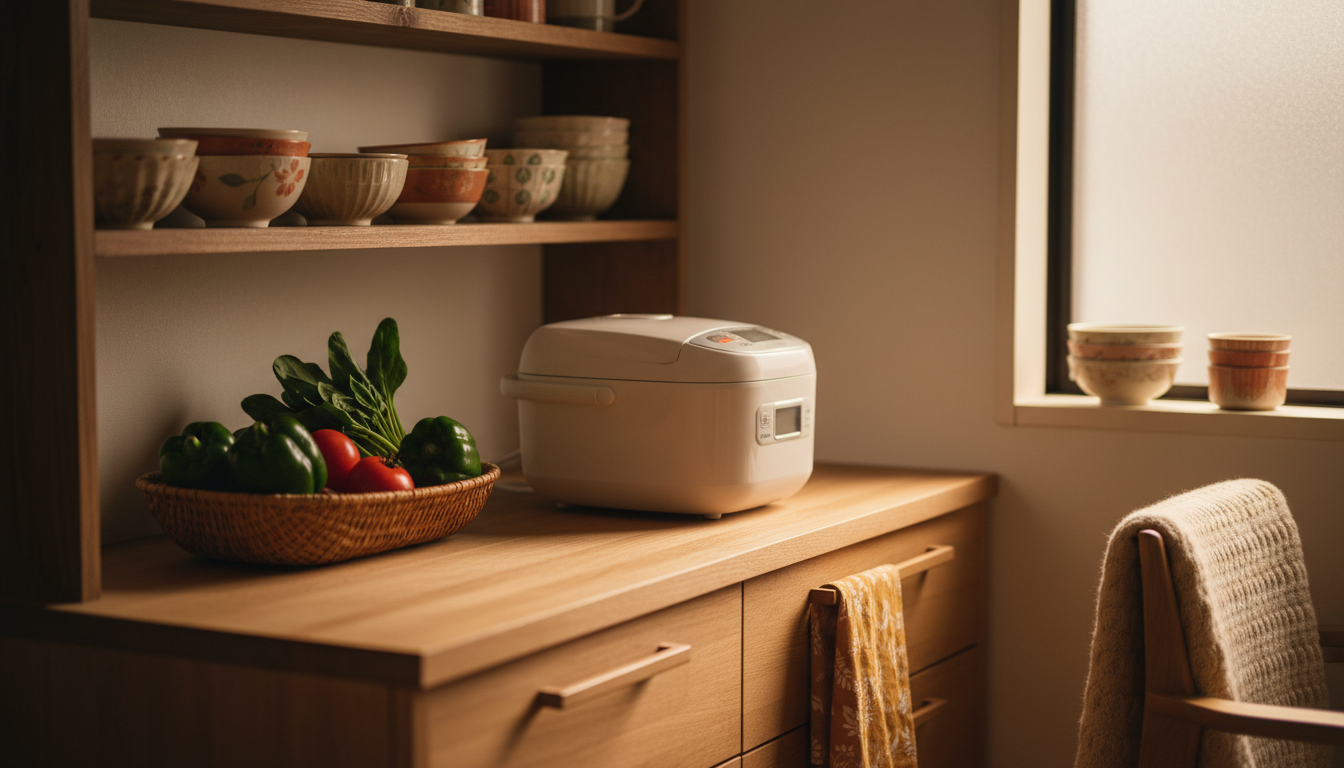 cozy Japanese apartment kitchen with rice cooker on counter, small window with morning light, tradit
Ready to make this happen? Here's how to find the right swap:
What to Look for in a Listing
When browsing SwappaHome for Osaka properties, prioritize:
Kitchen equipment: Look for mentions of a rice cooker (essential), gas stove with fish grill, basic cookware. Most Japanese homes have these, but confirm.
Neighborhood description: Good hosts describe their area's food scene. If they mention specific restaurants or markets, that's a great sign.
Proximity to shotengai: A covered shopping arcade within walking distance makes daily food shopping a pleasure.
Local tips: The best listings include recommendations. If a host has written about their favorite breakfast spot or best late-night ramen, you've found a food lover.
Questions to Ask Your Host
Before confirming, message your potential host through SwappaHome:
- What's your favorite neighborhood restaurant?
- Where do you buy groceries?
- Any food spots I absolutely shouldn't miss?
- Are there ingredients in the kitchen I can use?
- What's the best food experience within walking distance?
Every Osakan I've swapped with has been enthusiastic about sharing food knowledge. It's a point of pride here.
Timing Your Osaka Food Trip
Osaka works year-round, but consider:
Spring (March-May): Cherry blossom season means crowds but also special seasonal foods. Sakura mochi, hanami bento boxes, spring vegetables.
Summer (June-August): Hot and humid, but this is when you eat cold noodles, shaved ice, and grilled eel for stamina. Tenjin Matsuri in July is one of Japan's biggest festivals.
Fall (September-November): Perfect weather, autumn foods—matsutake mushrooms, sweet potatoes, sanma fish. My favorite time to visit.
Winter (December-February): Crab season, hot pot weather, fewer tourists. January can be tricky as many places close for New Year.
Making the Most of Your Swap Credits
Here's something I love about SwappaHome for food-focused travel. The credit system—1 credit equals 1 night, always—means you're not paying premium prices for premium locations.
A swap in central Osaka costs the same credits as anywhere else. That perfectly located Namba apartment? Same as a suburban spot. This frees up actual money for what matters—eating.
My last Osaka swap (10 nights) cost roughly:
- Accommodation: 10 credits (free in dollar terms)
- Food: ¥85,000 including two splurge meals
- Transport: ¥8,000 with a regional rail pass
Compare that to a hotel stay where accommodation alone runs $150-250 per night. The math is obvious.
A Sample Food Day in Osaka
Let me walk you through what a perfect eating day might look like:
7:30 AM: Wake up. Walk to your neighborhood shotengai. Buy fresh tofu, vegetables, pickles. Stop at the corner kissaten for coffee and toast.
8:30 AM: Back home. Make miso soup with the tofu, steam rice, arrange pickles. Eat breakfast at the kitchen counter, watching the neighborhood wake up.
11:00 AM: Head to Kuromon Market. Graze—sashimi here, grilled scallop there, fresh fruit for later. Pick up fish for dinner.
1:00 PM: Lunch at a local udon shop. Kitsune udon with extra green onions. ¥650.
3:00 PM: Coffee break in Nakazakicho. Find a tiny roaster. Sit at the counter. Watch them pour.
6:00 PM: Back home. Cook dinner—the fish from Kuromon, simply grilled, with rice and a quick vegetable side. Open a local craft beer.
9:00 PM: Head out for round two. Standing bar in Fukushima. Few drinks and skewers. Chat with regulars using broken Japanese and hand gestures.
11:00 PM: Late-night ramen. Collapse into bed, already planning tomorrow's eating.
This is the rhythm a home swap makes possible. Not rushing between tourist spots, but living—and eating—like you belong.
What I Wish I'd Known Before My First Osaka Food Trip
A few final thoughts from someone who's made the mistakes:
Cash is still king. Many small restaurants, market stalls, and old-school spots are cash-only. Carry yen. ATMs at 7-Eleven accept foreign cards.
Learn a few phrases. "Oishii" (delicious), "okaikei" (check please), "osusume wa?" (what do you recommend?). Osaka people appreciate the effort.
Lunch is often the best deal. Many restaurants offer lunch sets at half the dinner price for essentially the same food. Take advantage.
Don't over-plan. Leave room for spontaneity. Some of my best Osaka meals have been random discoveries—a place with a good smell, a line of locals, a chef who waved me in.
Your host is your best resource. SwappaHome's messaging system lets you connect before your trip. Ask questions. Most hosts love sharing their food city.
Osaka changed how I think about travel and food. It's a city that takes eating seriously without being pretentious about it. The best meal might be a ¥500 bowl of udon or a ¥15,000 kaiseki dinner—both are valid, both are Osaka.
A home swap gives you time and context to understand this. You're not passing through. You're living there, cooking there, eating there.
And in Osaka, that's everything.
See you in the nation's kitchen.
Frequently Asked Questions
Is a home swap in Osaka safe for solo travelers?
Absolutely. Osaka is one of the safest major cities in the world, and home swapping through platforms like SwappaHome adds accountability through the review system. Solo travelers thrive here—the food culture is built around counter seating and small portions, perfect for one. I've done two Osaka swaps solo and felt completely comfortable exploring neighborhoods at all hours.
How much should I budget for food during an Osaka home swap?
With a kitchen for breakfast and some meals, budget ¥5,000-8,000 daily for comfortable eating including one restaurant meal. You can go lower—¥3,000 is doable with konbini meals and cooking. For food-focused trips with splurges, budget ¥10,000-15,000 daily. Free accommodation through home swapping means more budget for eating.
What's the best neighborhood in Osaka for food lovers doing a home swap?
Fukushima offers the ideal balance: authentic neighborhood feel, excellent local restaurants, easy transport to central Osaka, great shotengai for daily shopping. First-timers wanting maximum variety do well near Namba. Nakazakicho suits those preferring trendy cafes and creative dining over traditional spots.
Do I need to speak Japanese to enjoy Osaka's food scene?
No, but basic phrases help enormously. Many restaurants have picture menus or plastic food displays. Point, smile, say "kore kudasai." Google Translate's camera function reads menus. Osaka people are famously friendly and will work to communicate. Markets and tourist areas often have some English.
When is the best time to visit Osaka for food?
Autumn (October-November) offers perfect weather and seasonal specialties like matsutake mushrooms and sanma fish. Spring brings cherry blossom foods and pleasant temperatures. Winter means crab season and hot pot weather with fewer tourists. Summer is hot but features festivals and seasonal treats like kakigori. Each season has distinct culinary highlights.

Published by
SwappaHome
SwappaHome Editorial Team
Home Exchange & Slow Travel Editorial
The SwappaHome Editorial Team brings together travel research, home-exchange community insights, and platform data to produce practical guides for first-time and experienced home swappers. Every article cites real platforms, current market rates, and verifiable city-level facts so readers can make informed decisions without guessing.
Ready to try home swapping?
Join SwappaHome and start traveling by exchanging homes. Get 7 free credits when you sign up!
Related articles
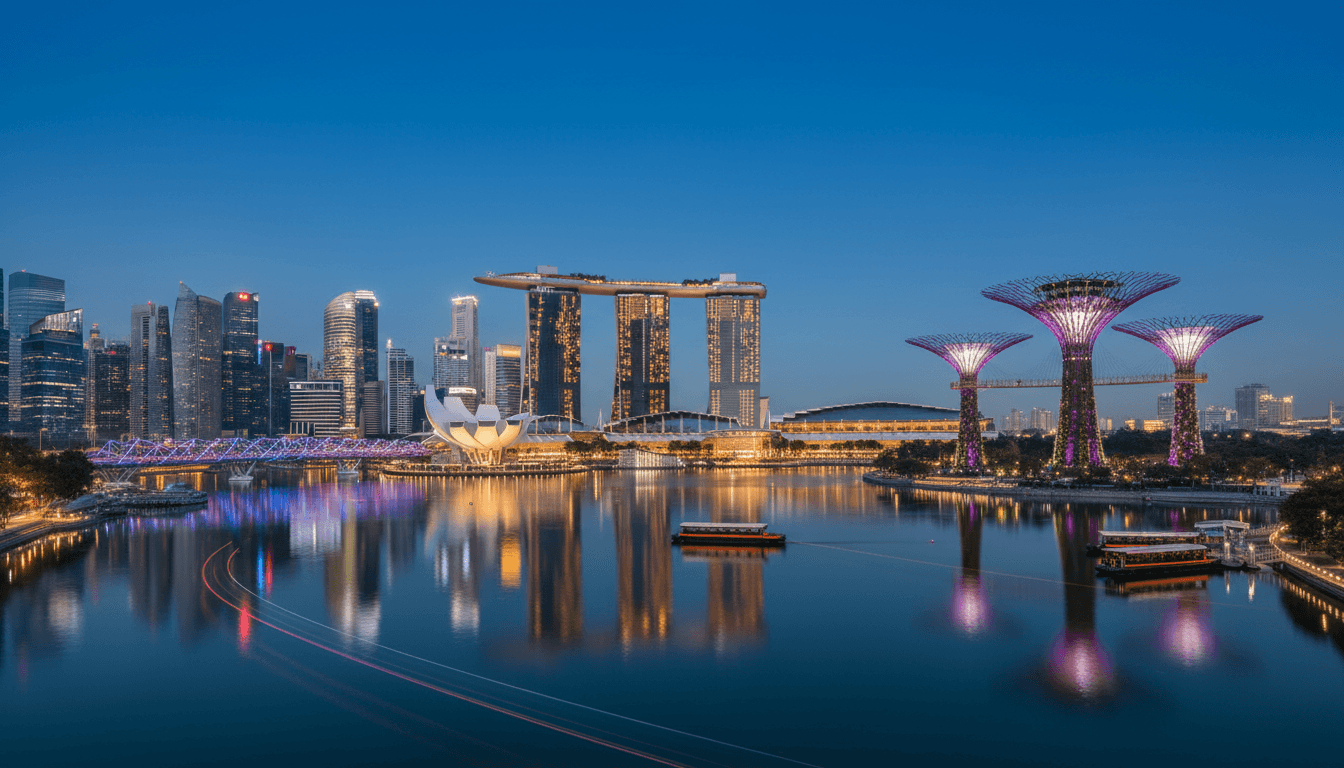
Bachelor and Bachelorette Parties in Singapore: The Complete Home Swap Group Guide for 2026
Planning a bachelor or bachelorette party in Singapore? Discover how home swapping lets groups of 6-12 stay together in luxury condos, saving thousands while partying in Marina Bay.
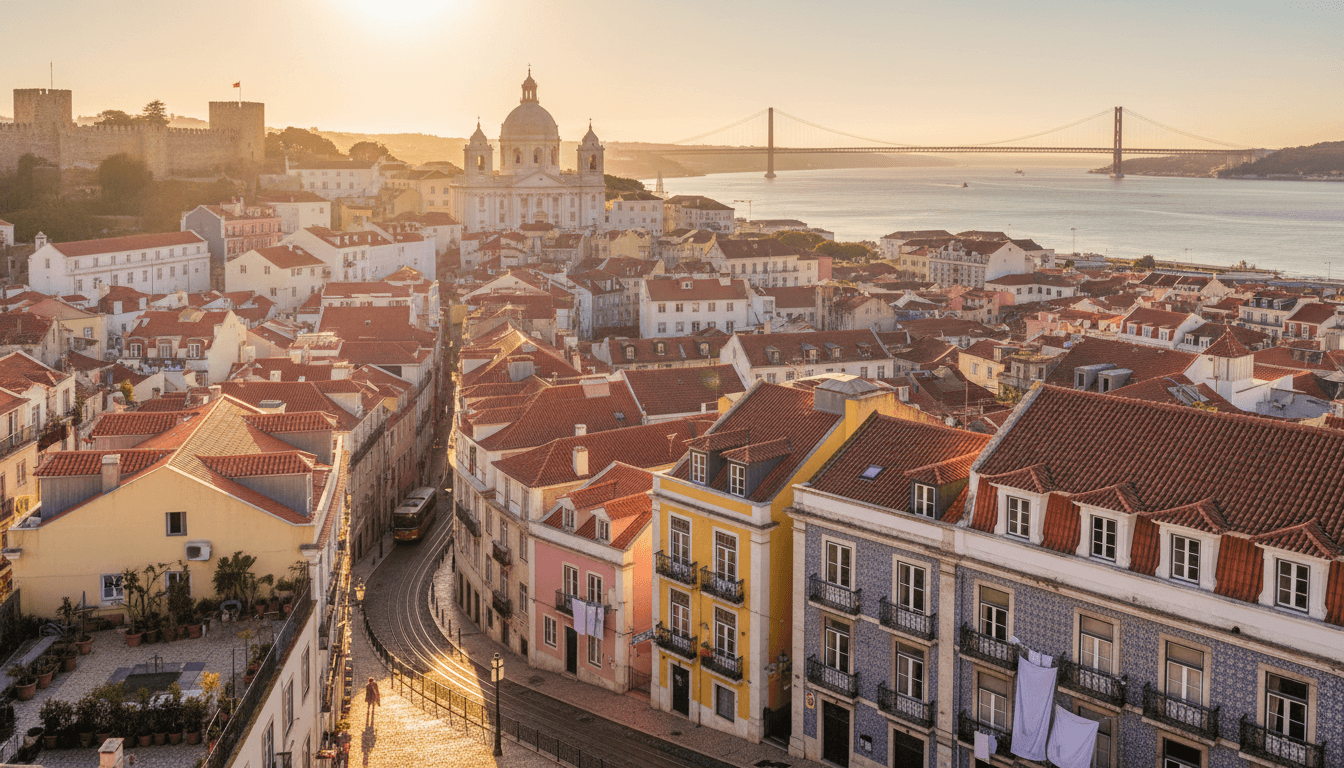
Cycling in Lisbon: 7 Home Swap Bike Tour Itineraries for Every Rider
Discover the best cycling routes in Lisbon with these home swap bike tour itineraries—from waterfront paths to hilltop adventures, all starting from your borrowed home.

Graduation Trip to Barcelona: How Home Swapping Gives New Graduates the Ultimate Celebration
Planning a graduation trip to Barcelona? Discover how home swapping lets new graduates explore Spain's most vibrant city without the hostel crowds or hotel costs.