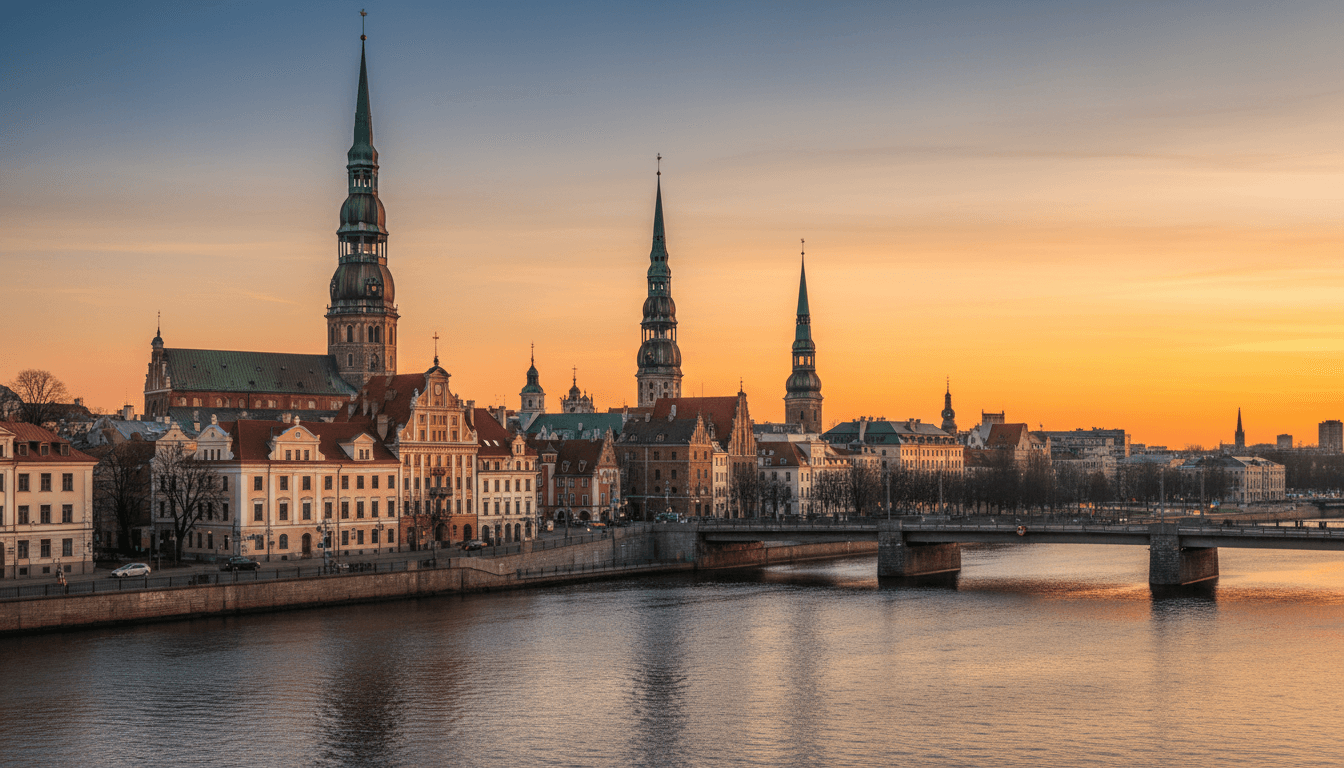
Home Swap in Riga: Your Guide to Authentic Latvian Cultural Immersion

SwappaHome Editorial Team
Home Exchange & Slow Travel Editorial
Discover how home swapping in Riga unlocks authentic Latvian culture—from Art Nouveau neighborhoods to secret saunas and grandmother-approved recipes.
I was standing in a stranger's kitchen in Riga at 6 AM, trying to figure out how to use a Soviet-era coffee grinder, when it hit me—I'd finally cracked the code to actually experiencing a place instead of just visiting it.
A home swap in Riga changed everything I thought I knew about travel in the Baltics. Not because Latvia's capital is some hidden gem waiting to be discovered—honestly, it's been on the radar for years now. But because waking up in a local's apartment in the Quiet Centre, with handwritten notes about which bakery has the freshest rye bread and which tram to take to the Central Market, transported me into a life that no hotel concierge could ever replicate.
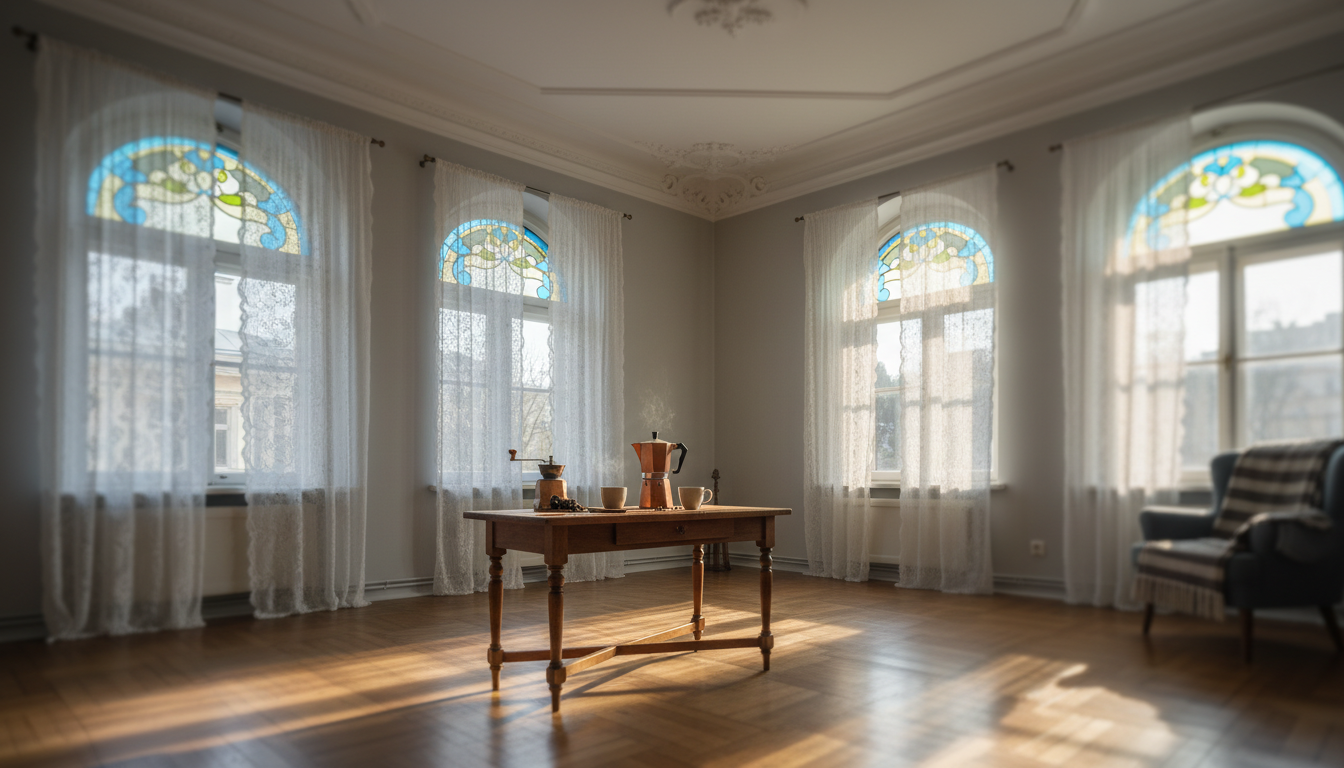 Morning light streaming through Art Nouveau windows in a Riga apartment, with a vintage coffee setup
Here's what three separate home exchange trips to Riga taught me: cultural immersion isn't something you can buy. You can't grab it in a museum gift shop or order it off a restaurant menu. It happens in the in-between moments—borrowing your host's umbrella because they warned you about the Baltic drizzle, or discovering a jar of homemade birch sap in the fridge with a note saying "try this, it's from my grandmother's village."
Why Riga is Perfect for Home Swap Cultural Immersion
Riga has this quality that's hard to put into words until you've felt it yourself. The city is simultaneously grand and intimate. Old Town has UNESCO World Heritage status and architecture that makes your jaw drop, but step two blocks in any direction and you're in residential neighborhoods where people are just... living. Hanging laundry on balconies. Walking their dogs past Art Nouveau facades that would be roped off as museums anywhere else.
This is exactly why home swapping works so brilliantly here.
Hotels cluster in the tourist zones—fine for a weekend of sightseeing, but they create this invisible barrier between you and actual Latvian life. When you're staying in someone's apartment in Āgenskalns or Mežaparks, that barrier dissolves.
The cost difference is staggering too. A decent hotel in Riga's center runs €80-120 ($87-130 USD) per night. Through SwappaHome's credit system, you're spending 1 credit per night regardless of the property—credits you've earned by hosting travelers in your own home. Over a two-week stay, that's potentially $1,200-1,800 in savings that you can redirect toward experiences: cooking classes, day trips to Sigulda, or that fancy dinner at Vincents that everyone talks about.
But honestly? The money isn't even the main thing. It's the access.
Best Riga Neighborhoods for Home Exchange Stays
Not all neighborhoods offer the same cultural immersion experience. After multiple swaps and extensive wandering, here's my honest breakdown:
The Quiet Centre (Klusais Centrs): Art Nouveau Heaven
This is where I'd point any first-timer doing a home swap in Riga. The Quiet Centre earned its name—it's residential, leafy, and absolutely stuffed with the most extraordinary Art Nouveau architecture outside of Brussels or Vienna. We're talking buildings with screaming faces, mythological creatures, and geometric patterns that feel almost psychedelic.
Streets to look for: Alberta iela, Elizabetes iela, Strēlnieku iela.
The vibe here is professional, cultured, slightly bohemian. Lots of young families, architects, creative types. Apartments tend to have high ceilings, original details, and that particular Baltic light that photographers obsess over.
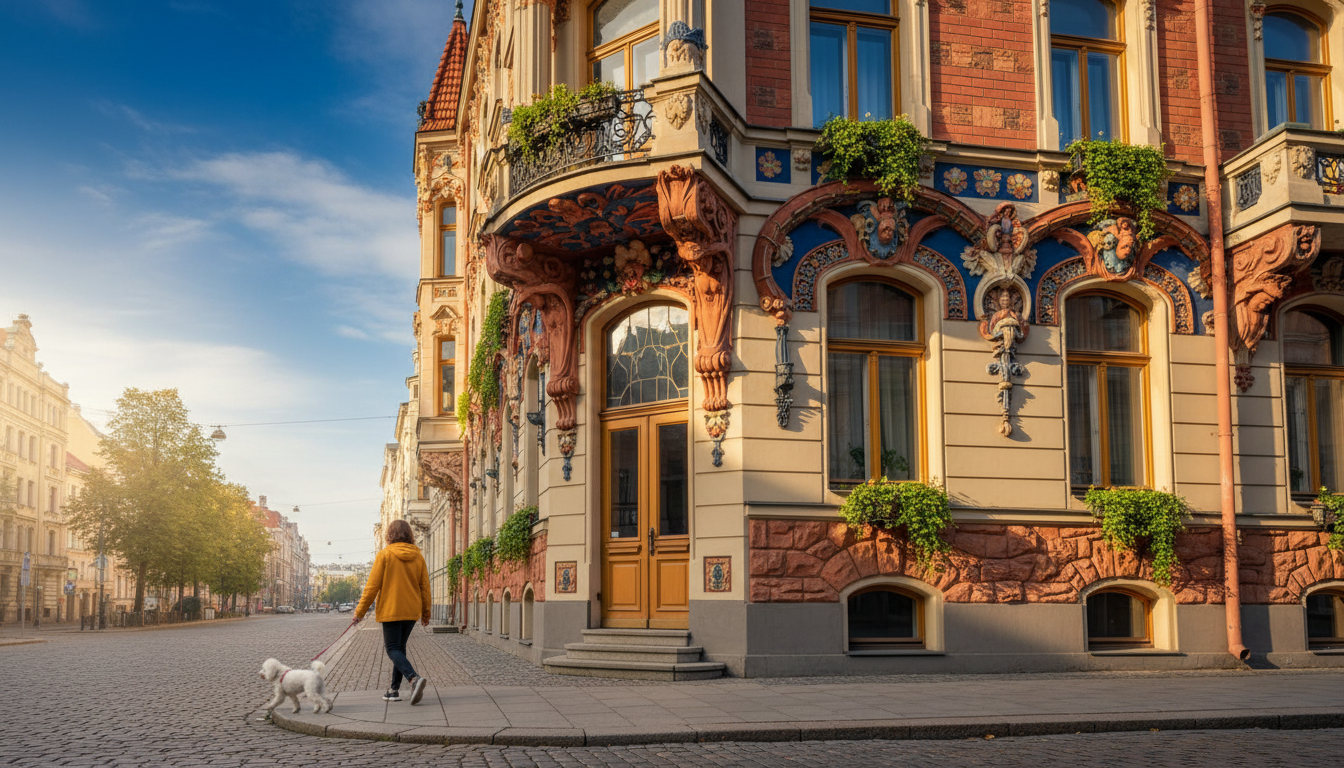 Ornate Art Nouveau building facade on Alberta Street with elaborate sculptural details, morning shad
My first Riga swap was in a third-floor apartment on Antonijas iela. The host had left me a hand-drawn map of her favorite spots—not the tourist stuff, but where she actually went. A tiny wine bar called Garage that's literally in a garage. The specific stall at the Central Market where she bought her fish. The bench in Vērmanes Garden where she read on summer evenings. That map is still in my travel journal.
Āgenskalns: The Authentic Local Experience
Cross the Daugava River and you're in a completely different Riga. Āgenskalns is working-class, unpretentious, and exactly zero percent touristy. Wooden houses painted in faded pastels sit next to Soviet-era apartment blocks. The market here (Āgenskalns tirgus) is where actual Rigans shop, and prices are about 30% lower than the Central Market.
This neighborhood requires more adventurousness. Fewer people speak English. The restaurants are cantina-style rather than Instagram-ready. But if cultural immersion through home swapping is your goal, Āgenskalns delivers something raw and real.
I spent four nights here during my second trip, in a compact but cozy apartment belonging to a retired music teacher. She'd left sheet music on the piano with a note: "Play if you like. The neighbors don't mind." That kind of trust, that invitation into someone's actual life—you can't manufacture it.
Mežaparks: Nature Meets Culture
Traveling with kids or just need green space to decompress? Mežaparks is the answer. It's essentially a garden suburb built in the early 1900s, with wooden villas, pine forests, and the massive Mežaparks park that hosts the Latvian Song and Dance Festival every five years.
The cultural angle here is different—less urban grit, more connection to Latvia's deep relationship with nature and folk traditions. Many homes have saunas (more on that later), and the neighborhood has an almost Scandinavian quality.
Swap options in Mežaparks tend toward family homes rather than apartments. Expect gardens, quiet streets, and a 20-minute tram ride to the center.
How to Find the Perfect Riga Home Swap
Let me be real with you: finding a great swap takes effort. It's not like booking a hotel where you just pick dates and pay. You're entering into a relationship, even if it's brief.
On SwappaHome, I start by searching Riga and then filtering by neighborhood if I have a preference. But here's my actual process:
Read the descriptions carefully. Hosts who write detailed, personal descriptions tend to leave detailed, personal notes. If the listing feels generic, the experience probably will too.
Look at the photos. Not for luxury—for personality. Books on shelves. Art on walls. A kitchen that looks used. These signal a home that someone actually lives in, not a sterile investment property.
Check the reviews. SwappaHome's review system is gold. Previous guests will mention things like "host left incredible restaurant recommendations" or "apartment was exactly as described." Red flags show up too.
Message before booking. I always send a note introducing myself and asking a question about the neighborhood. Hosts who respond thoughtfully are hosts who'll make your stay special.
Be a great guest yourself. This is a community. Your reviews and reputation matter. Treat the home like you'd want yours treated.
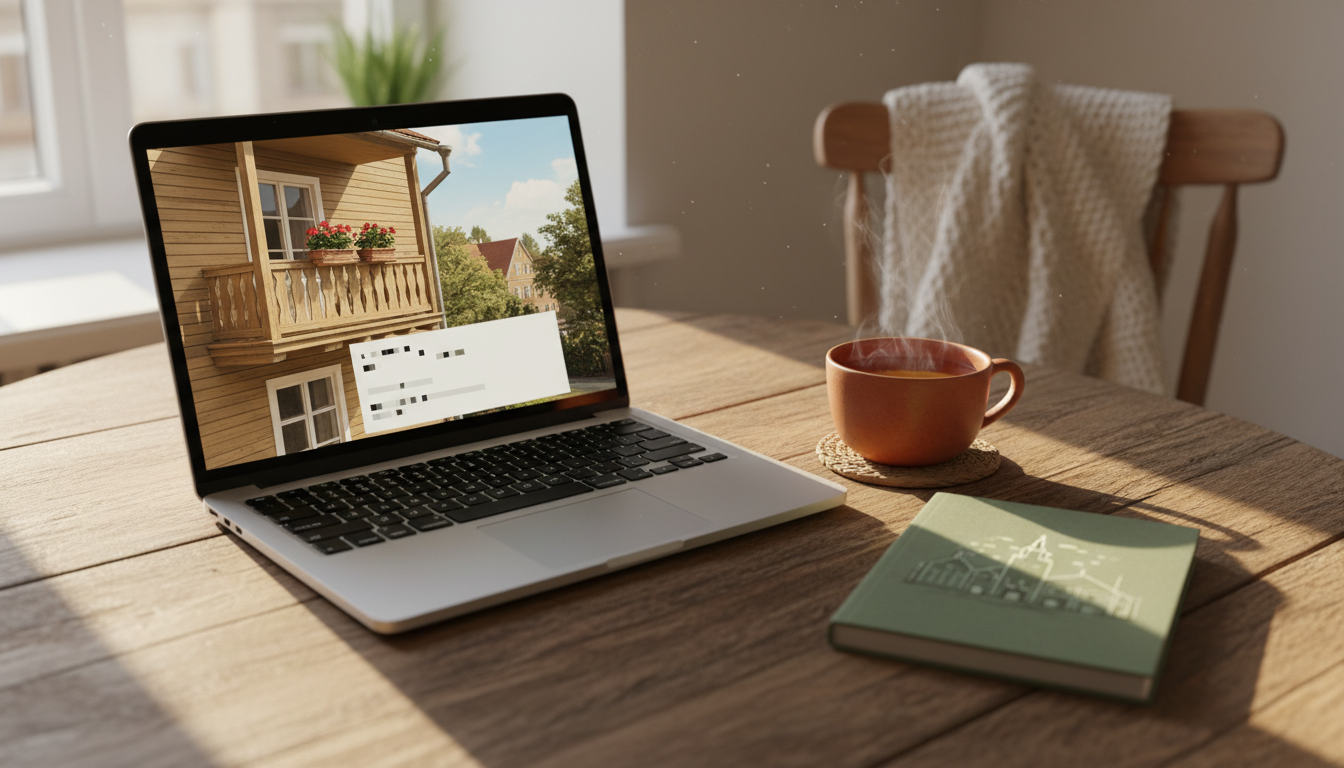 Laptop open on a wooden table showing a home swap listing, with a cup of tea and a Riga guidebook ne
One thing I love about the credit system: there's no negotiation or awkwardness about value. Whether you're offering a studio in Brooklyn or a farmhouse in Vermont, you earn 1 credit per night when you host. Whether you're staying in a penthouse or a modest flat in Riga, you spend 1 credit per night. It removes the transactional feeling entirely.
Cultural Immersion Experiences Only Home Swapping Unlocks
Here's where staying in someone's home transforms your trip from tourism to something deeper.
The Sauna Ritual
Latvians take saunas seriously. Not spa-day seriously—spiritually seriously. The tradition involves birch branches (called "pirts slota"), specific rituals, and often ends with jumping into cold water or rolling in snow.
Most hotels don't have saunas. Most Latvian homes? Different story.
My Mežaparks host had a wood-fired sauna in the backyard and left instructions on how to heat it properly. "Start the fire at 4 PM if you want to use it at 7," the note said. "The birch branches are in the shed. Hit yourself gently—it improves circulation."
That evening, alone in a stranger's sauna in a foreign country, following rituals that Latvians have practiced for centuries—that's cultural immersion you cannot buy.
Kitchen Culture
 Traditional Latvian ingredients spread on a wooden cutting boarddark rye bread, smoked fish, pickled
Latvian food is underrated and deeply tied to seasons, forests, and preservation traditions. Rye bread is almost sacred. Mushroom foraging is a national pastime. Smoked fish, pickled everything, caraway seeds in dishes you wouldn't expect.
When you're staying in a local's kitchen, you often inherit their pantry. My Quiet Centre host left me her grandmother's recipe for skābeņu zupa (sorrel soup) along with a jar of homemade sorrel from her garden. "The sour cream is in the fridge," the note said. "Don't be shy with it."
I made that soup. Badly, probably. But I understood something about Latvian cuisine that no restaurant could teach—the patience of it, the connection to land and seasons.
Neighborhood Integration
After a few days in the same neighborhood, something shifts. The woman at the corner shop starts nodding at you. You develop a coffee routine. You notice which apartment has the barking dog, which balcony always has laundry drying.
This sounds small, but it's the essence of cultural immersion in Riga through home swapping. You stop being a tourist and start being—temporarily—a resident. You have a key. You take out the recycling. You learn which door sticks and needs a hip check to open.
Practical Tips for Your Riga Home Exchange
Timing Your Trip
Riga transforms dramatically by season. Summer (June-August) brings white nights, outdoor cafes, and the Midsummer festival (Jāņi) around June 23-24—a huge deal culturally, with bonfires, flower crowns, and all-night celebrations. If you can time your swap around Jāņi, do it.
Winter is harsh but magical. Christmas markets, snow on Art Nouveau facades, and the cozy "hygge" culture that Latvians share with their Scandinavian neighbors. Fewer tourists, more authentic local rhythm.
Shoulder seasons (May, September) offer the best balance: decent weather, lower prices, locals still in town rather than at their countryside dachas.
Getting Around
Riga has excellent public transport—trams, buses, and trolleybuses. A single ticket costs €1.15 ($1.25 USD) from the driver or €0.80 ($0.87 USD) with a Rīgas Satiksme e-ticket. Your host will probably have tips on which lines to use.
The Old Town is entirely walkable. So is the Quiet Centre. Āgenskalns and Mežaparks require trams but are straightforward. Renting a bike is excellent in summer—the city is flat and has decent cycling infrastructure.
Money Matters
Latvia uses the Euro. Credit cards are widely accepted, but smaller markets and some cafes prefer cash. ATMs are everywhere.
Budget for food: €15-25 ($16-27 USD) per day if you're cooking some meals at home (which you should—it's part of the experience). Restaurant meals range from €8-12 ($9-13 USD) for lunch at a casual spot to €40-60 ($43-65 USD) for a fancy dinner.
Language
Latvian is the official language, and it's... challenging. Part of the Baltic language family, unrelated to Russian or Germanic languages. That said, English is widely spoken in the center, especially by younger people.
Learn a few phrases: "Paldies" (thank you), "Lūdzu" (please/you're welcome), "Labdien" (good day). Latvians appreciate the effort enormously.
Russian is also widely spoken—about 25% of Riga's population is ethnically Russian. This is a sensitive topic historically, so follow your host's lead on language use.
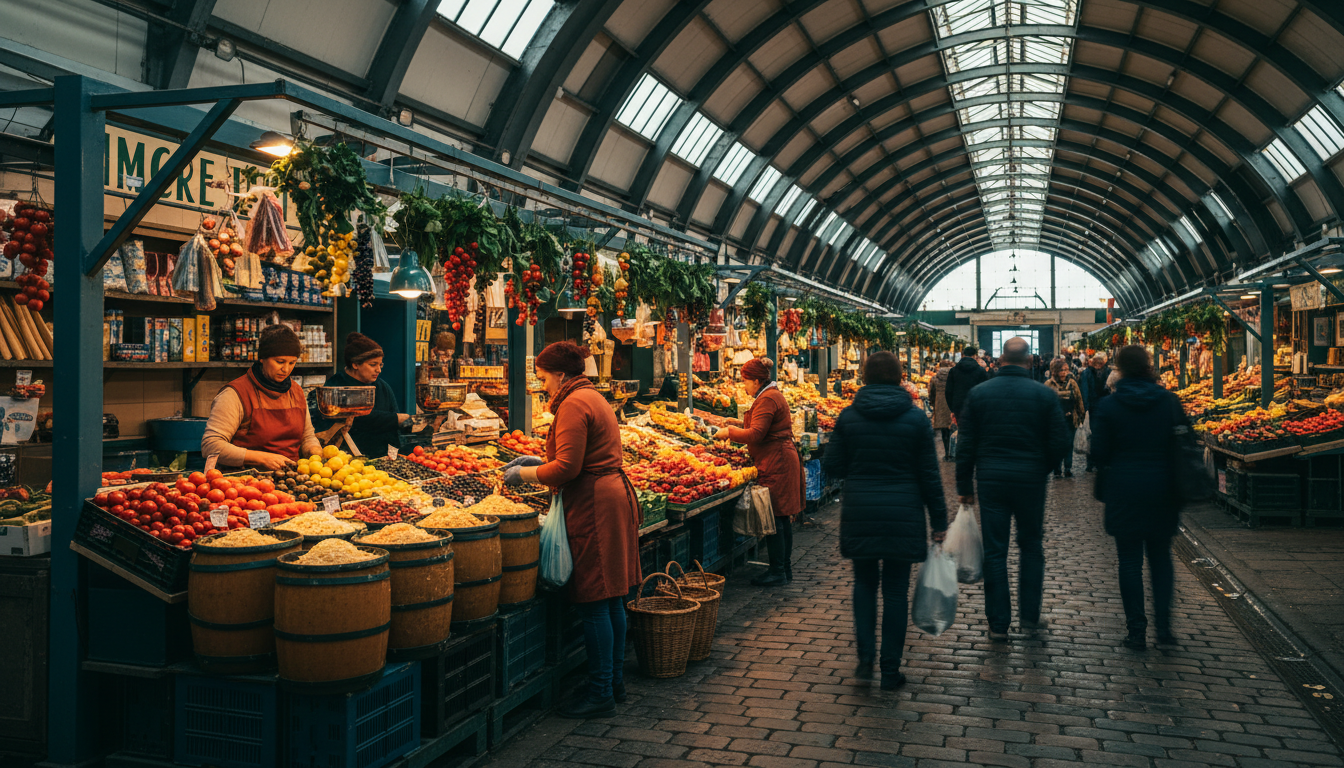 Riga Central Market interior showing colorful produce stalls, vendors, and shoppers, with the distin
Making the Most of Your Cultural Immersion
Follow Your Host's Recommendations
Seriously. Whatever notes they leave, whatever places they suggest—prioritize those over TripAdvisor. Your host knows which café has the best pīrāgi (bacon buns), which park is peaceful on Sunday mornings, which museum is actually worth the entrance fee.
My Āgenskalns host recommended a place called Fazenda for coffee. It wasn't on any tourist list. It was perfect—a converted industrial space with excellent espresso and a crowd of local creatives working on laptops. I went back three times.
Embrace the Mundane
Grocery shopping at Rimi. Waiting for the tram. Sitting in a park watching pigeons. These "boring" moments are when cultural immersion actually happens. You notice how people dress, how they interact, what they buy, how they move through their city.
Home swapping forces this in the best way. You need to buy milk. You need to figure out the recycling system. You become, briefly, a functioning member of Riga society.
Connect with Your Host
If your host is open to it (and many are), ask questions. About their neighborhood, their traditions, their recommendations. Some of my best travel memories are email exchanges with hosts before and after trips—recipe clarifications, book recommendations, updates on that café they loved that sadly closed.
The SwappaHome messaging system makes this easy. And the community aspect means people genuinely want to help each other have great experiences.
What to Expect from Latvian Hospitality
Latvians have a reputation for being reserved, and... it's not wrong. They're not going to chat you up on the street or invite you to dinner after five minutes of conversation. The culture values privacy, personal space, and not imposing on others.
But this reserve masks genuine warmth.
Once you're welcomed—into someone's home, into their recommendations, into their trust—the generosity is remarkable. Those detailed notes about the best bakery? That's Latvian hospitality. The jar of homemade preserves in the fridge? That's love, Baltic style.
Don't mistake quietness for coldness. And don't expect effusive thank-yous for your thank-yous. A simple nod, a small smile—that's acknowledgment, Latvian-style.
Beyond Riga: Day Trips from Your Home Base
One advantage of a home swap over a hotel: you have a base. Somewhere to return to, to decompress, to cook a meal after a day of exploring. This makes day trips more appealing because you're not lugging luggage or checking out.
From Riga, consider:
Sigulda (1 hour by train, €3-5/$3.25-5.40 USD): The "Switzerland of Latvia," with castles, caves, and the stunning Gauja River valley. Cable car across the valley, bobsled track, medieval ruins.
Jūrmala (30 minutes by train, €2.40/$2.60 USD): Beach resort town with wooden Art Nouveau villas and a long sandy beach. Touristy but pretty.
Rundāle Palace (1.5 hours by bus): Latvia's Versailles, a baroque masterpiece with incredible gardens. Go on a weekday to avoid crowds.
Cēsis (1.5 hours by train): Medieval old town, castle ruins, excellent craft beer at Cēsu Alus brewery.
A Note on Safety and Trust
I get asked about this a lot. Isn't it weird staying in a stranger's home? What if something goes wrong?
Here's my honest take: home swapping requires trust, and that trust is built through community. SwappaHome's review system means members have reputations to maintain. The verification system adds a layer of accountability. And the mutual nature of the exchange—you're trusting them with your home too—creates a powerful incentive for everyone to behave well.
That said, I always recommend getting your own travel insurance that covers accommodation issues. SwappaHome connects members but doesn't provide insurance or damage coverage. You're responsible for your own arrangements. For most swaps, this is totally fine—the community self-regulates effectively. But having your own coverage gives peace of mind.
In seven years and 40+ swaps, I've had exactly one minor issue (a broken coffee maker that I replaced). The trust economy works.
The Deeper Value of Home Swap Travel
I want to leave you with something that's hard to quantify but feels important.
When you do a home swap in Riga—or anywhere—you're participating in something countercultural. In a world of hotels optimized for efficiency and Airbnbs increasingly run by investment companies, home swapping is stubbornly human. It's people opening their actual lives to strangers based on nothing but mutual trust and a shared love of travel.
That Riga morning with the Soviet coffee grinder? I eventually figured it out. Made terrible coffee. Sat on the balcony watching the neighborhood wake up. Read the notes my host had left about her favorite spots. Felt, for a moment, like I belonged somewhere I'd never been before.
That's what cultural immersion actually means. Not ticking off attractions or collecting passport stamps. Just... being somewhere. Living there, even briefly. Borrowing someone's life and, in exchange, offering yours.
If you're considering a home swap in Riga, I'd say go for it. The city rewards slow travel. The neighborhoods have stories to tell. And somewhere out there, a Latvian host is writing notes about the best rye bread, hoping the next guest will appreciate them as much as I did.
Ready to experience Riga like a local? SwappaHome connects you with hosts worldwide. New members start with 7 free credits—enough for a full week of cultural immersion in Latvia's captivating capital.
Frequently Asked Questions
Is home swapping in Riga safe for solo travelers?
Yes, home swapping in Riga is generally very safe for solo travelers. Latvia has low crime rates, and the SwappaHome community uses reviews and verification to build trust. I've done solo swaps in Riga twice without issues. Always read host reviews, communicate clearly before booking, and consider getting personal travel insurance for extra peace of mind.
How much money can I save with a home swap in Riga compared to hotels?
A typical Riga hotel costs €80-120 ($87-130 USD) per night. With SwappaHome, you spend 1 credit per night—credits earned by hosting others in your home. Over a two-week stay, that's potentially €1,120-1,680 ($1,218-1,820 USD) in savings. You also save on food costs by cooking in a full kitchen instead of eating every meal out.
What's the best neighborhood in Riga for a home exchange stay?
The Quiet Centre (Klusais Centrs) is ideal for first-time visitors seeking cultural immersion in Riga. It offers stunning Art Nouveau architecture, a residential atmosphere, and walkable access to major attractions. For a more local, off-the-beaten-path experience, try Āgenskalns across the river. Families might prefer leafy Mežaparks with its parks and larger homes.
Do I need to speak Latvian for a home swap in Riga?
No, English is widely spoken in Riga, especially in central neighborhoods and among younger residents. However, learning basic phrases like "Paldies" (thank you) and "Labdien" (good day) is appreciated. Your host's notes will typically be in English, and SwappaHome's messaging system makes communication easy before and during your stay.
When is the best time to do a home swap in Riga for cultural immersion?
Midsummer (around June 23-24) offers the most culturally immersive experience with the Jāņi festival featuring bonfires and traditional celebrations. Summer generally (June-August) brings white nights and outdoor culture. Winter offers Christmas markets and cozy indoor traditions. Shoulder seasons (May, September) provide good weather, fewer tourists, and more authentic local rhythms.

Published by
SwappaHome
SwappaHome Editorial Team
Home Exchange & Slow Travel Editorial
The SwappaHome Editorial Team brings together travel research, home-exchange community insights, and platform data to produce practical guides for first-time and experienced home swappers. Every article cites real platforms, current market rates, and verifiable city-level facts so readers can make informed decisions without guessing.
Ready to try home swapping?
Join SwappaHome and start traveling by exchanging homes. Get 7 free credits when you sign up!
Related articles

Bachelor and Bachelorette Parties in Singapore: The Complete Home Swap Group Guide for 2026
Planning a bachelor or bachelorette party in Singapore? Discover how home swapping lets groups of 6-12 stay together in luxury condos, saving thousands while partying in Marina Bay.
Cycling in Lisbon: 7 Home Swap Bike Tour Itineraries for Every Rider
Discover the best cycling routes in Lisbon with these home swap bike tour itineraries—from waterfront paths to hilltop adventures, all starting from your borrowed home.

Graduation Trip to Barcelona: How Home Swapping Gives New Graduates the Ultimate Celebration
Planning a graduation trip to Barcelona? Discover how home swapping lets new graduates explore Spain's most vibrant city without the hostel crowds or hotel costs.