Home Swapping in Riga: The Complete Insider's Guide to Latvia's Hidden Gem

SwappaHome Editorial Team
Home Exchange & Slow Travel Editorial
Discover how home swapping in Riga lets you experience Latvia's stunning capital like a local—from Art Nouveau streets to secret markets, all without hotel costs.
The first time I walked through Riga's Old Town, I got completely lost. Not the frustrating kind of lost—the kind where you turn a corner and suddenly you're standing in front of a building that looks like it belongs in a fairy tale, all turrets and carved wooden details, and you forget you were even trying to find your way somewhere.
That was three years ago, during my first home swap in Riga. I'd traded my San Francisco apartment for a cozy two-bedroom in the Quiet Centre neighborhood, and by day three, I understood why Latvians call their capital the "Paris of the North." Honestly? In some ways, it's better.
Home swapping in Riga remains one of travel's best-kept secrets. While tourists flood Prague and Barcelona, this Baltic capital offers the same architectural grandeur, the same café culture, the same soul-stirring beauty—at a fraction of the cost and crowds. And when you're staying in a local's apartment instead of a generic hotel room? You actually live the city rather than just visiting it.
Here's everything I've learned about making Riga home swap work brilliantly.
Why Home Swapping in Riga Makes Perfect Sense
Let me throw some numbers at you that changed how I think about Baltic travel.
A decent hotel in Riga's center runs about $90-120 USD per night. Nothing outrageous by European standards. But here's the thing—a two-week trip suddenly costs $1,260-1,680 just for accommodation. Add meals at restaurants (because hotel rooms don't have kitchens), and you're bleeding money.
My Riga home swap cost me exactly zero dollars for accommodation. The apartment had a full kitchen where I made breakfast every morning—fresh bread from the Centraltirgus market (€0.80 for a gorgeous sourdough loaf), local butter, and those tiny wild strawberries that taste like summer distilled. My entire two-week food budget came in under $200.
But the money isn't even the main thing.
Staying in Marta's apartment in Quiet Centre meant I had her handwritten list of recommendations: the bakery where she buys rye bread, the hidden courtyard café where artists gather on Thursday evenings, the specific bench in Kronvalda Park where you can watch the sunset paint the canal gold. No guidebook contains this information. No hotel concierge knows it.
That's the real currency of home swapping in Riga—access to a city's secret life.
Best Riga Neighborhoods for Home Exchange
Riga isn't huge, but its neighborhoods have distinct personalities. Where you base yourself shapes your entire experience.
Vecrīga (Old Town): History at Your Doorstep
The medieval heart of Riga, all cobblestones and church spires and buildings that have stood since the 13th century. If you want to wake up, open your shutters, and see the Dome Cathedral, this is your spot.
Real talk: Old Town apartments tend to be smaller and older (we're talking Soviet-era plumbing in some cases). They're also noisier—Riga's nightlife concentrates here, especially along Kaļķu iela. I'd recommend Old Town for shorter stays or travelers who prioritize location over space. Expect compact apartments, 400-600 square feet typical, lots of stairs, few elevators, but walking distance to everything historic.
Centrs (City Centre): The Art Nouveau Paradise
This is where I stayed, and I'm biased, but Centrs is magical. Riga has the world's highest concentration of Art Nouveau architecture—over 800 buildings—and most of them cluster here. Walking to breakfast becomes an architectural tour.
The Quiet Centre (Klusais centrs) sub-neighborhood is particularly perfect for home swaps. Residential, tree-lined streets, beautiful pre-war apartments with high ceilings and those gorgeous tile stoves that Latvians call "krāsnis." Marta's place had one in the living room—decorative now, but it made the whole apartment feel like stepping back in time. You're looking at larger apartments here, often 700-1000 square feet, elevator buildings are common, and it's just a 10-15 minute walk to Old Town with excellent local restaurants and cafés nearby.
Āgenskalns: The Emerging Cool Kid
Across the Daugava River, Āgenskalns is where young Rigans are moving. Think Brooklyn in 2005—wooden houses being renovated, craft breweries opening, a covered market (Āgenskalns tirgus) that rivals the famous Central Market but without tourists.
I haven't done a home swap here yet, but I've scoped it out. The vibe is distinctly local. You'll hear more Latvian than English. The apartments tend to be in wooden buildings, which means character but also older infrastructure. It's about a 20-minute tram ride to center—excellent for travelers who want authentic neighborhood life.
Mežaparks: Nature Lovers' Dream
Riga's green lung. This forested neighborhood surrounds a massive park, a lake, and the Riga Zoo. Apartments here feel suburban—you're trading urban energy for morning jogs through pine forests and peaceful evenings. Larger homes, sometimes standalone houses. You'll need a car or good tram connections. Perfect for families or anyone craving nature.
How to Find the Perfect Riga Home Swap on SwappaHome
Alright, practical stuff. Finding a great Riga exchange takes some strategy.
Timing matters enormously. Riga's peak season runs June through August—long days (we're talking sunset at 10:30 PM in June), warm weather, outdoor everything. This is when Latvians themselves want to travel, which means more locals listing their homes and actively looking for swaps.
Shoulder seasons—May and September—offer the sweet spot. Fewer tourists, still pleasant weather, and motivated hosts who might have flexible dates.
Winter? Look, I'll be honest. Riga in December is dark (sunrise at 9 AM, sunset at 4 PM) and cold. But it's also atmospheric as hell—Christmas markets, the opera season in full swing, and you'll have the Art Nouveau streets practically to yourself. Home swaps are easier to arrange because fewer people are traveling to the Baltics.
When browsing SwappaHome listings, I look for specific neighborhood mentions ("5 minutes from Alberta Street in Quiet Centre" tells me exactly what I'm getting, while "Central Riga" is too vague). Kitchen photos matter—sounds weird, but a well-stocked kitchen suggests a host who actually lives in and loves their space. Plus, cooking in Riga is half the experience. Local tips in the description are gold. Hosts who mention their favorite coffee shop or the park where they walk their dog? They're going to leave you a goldmine of recommendations. And check for recent activity—someone who's done swaps in the last six months is engaged with the platform and responsive.
When you reach out, be specific about why Riga. Latvians are proud of their city and love travelers who've done their homework. Mentioning that you're excited to see the Art Nouveau district or try šašliks at the Central Market shows genuine interest.
What to Expect from Your Riga Home Exchange
Latvian hospitality has a particular character—warm but not effusive. Your host probably won't write you a 10-page welcome guide, but they'll leave you everything you need and be genuinely helpful when asked.
Marta left me a simple folder: Wi-Fi password, heating instructions (important—those old buildings can be tricky), garbage sorting rules (Latvians take recycling seriously), and a hand-drawn map marking her essentials. That map became my bible.
A few things to know. Shoes off inside—this is non-negotiable in Latvian homes. Every apartment has a shoe area by the door. Bring slippers or expect to pad around in socks. Heating varies wildly in older buildings, often controlled by the building rather than individual apartments. In shoulder seasons, it might not be on yet, so ask your host about this. Tap water is excellent—Riga's water comes from underground sources and tastes great, no need to buy bottled. Quiet hours matter; Latvians respect quiet time, especially in apartment buildings. Keep noise down after 10 PM. And the washing machine will confuse you. European washing machines are their own breed. Ask your host for a quick tutorial or at least which settings they use.
Living Like a Local: Your Riga Home Swap Itinerary
Forget the tour bus schedule. Here's how I spent my days when home swapping in Riga—a rhythm that felt natural rather than tourist-frantic.
Morning Rituals
I'd wake up around 8, make coffee in Marta's kitchen (she had a proper moka pot, bless her), and walk to Laima Clock—a Riga landmark where locals have been meeting since 1924. From there, I'd wander to Rigensis for the best coffee in the city. Not the most famous, but the best. A cortado runs about €3.50.
Twice a week, I'd hit the Central Market early. This place deserves its own section, honestly.
The Central Market Experience
Five enormous pavilions—former zeppelin hangars from WWI—housing the largest market in Europe. Each pavilion specializes: meat, dairy, fish, vegetables, and a chaotic mix of everything else.
Here's what to buy. Rye bread (rupjmaize)—dark, dense, slightly sour. The stuff sold in plastic bags is fine; the stuff from the old ladies with hand-wrapped loaves is transcendent, €1-2 per loaf. Smoked fish from the fish pavilion, which smells incredible—get smoked sprats (šprotes) or eel if you're feeling fancy, €3-8 depending on type. Kvass, that fermented bread drink sold from barrels outside—sounds weird, tastes like slightly fizzy, malty heaven, €0.50 for a cup. Wild mushrooms in season—Latvians are obsessed with mushroom foraging, and in autumn the market overflows with chanterelles and porcini, €5-10 per kilo. And biezpiens, fresh curd cheese often sold with herbs or garlic mixed in—spread it on that rye bread, €2-3.
Afternoon Wandering
Riga rewards aimless walking more than most cities. My favorite route: start at the Freedom Monument, walk up Brīvības iela, turn onto Elizabetes, and just... look up. The Art Nouveau facades here are insane. Screaming faces, intertwined serpents, peacocks, mythological creatures—all carved in stone and plaster, watching over the street.
The Riga Art Nouveau Museum (€9 entry) is worth an hour. It's inside an actual Art Nouveau apartment, preserved exactly as it would have looked in 1903. The spiral staircase alone is worth the price.
For a break, Rocket Bean Roastery in Miera iela has excellent coffee and a creative crowd. Or KKC (Kaņepes Kultūras Centrs) if you want something more alternative—it's a cultural center with a café, garden, and regular events.
Evening Unwind
Rigans eat dinner late by American standards—8 or 9 PM is normal. If you're cooking at home (which you should, at least a few nights), the supermarkets Rimi and Maxima have everything you need at reasonable prices.
For eating out, my recommendations: 3 Pavāru Restorāns (Three Chefs Restaurant) does modern Latvian cuisine beautifully—not cheap at €40-60 per person with wine, but worth it for a special night. Folkklubs Ala Pagrabs is a basement restaurant with live folk music, traditional food, and excellent local beer—totally touristy, completely fun anyway, €15-25 per person. Milda is unpretentious, delicious, and where actual Latvians eat—the pork with sauerkraut and potatoes is €8 and perfect. Fazenda is absurdly cheap and genuinely good, cafeteria-style Latvian food at €4-6 for a full meal.
Day Trips Worth Taking from Your Riga Base
One of the best parts of home swapping in Riga is having a home base for exploring Latvia. The country is tiny—you can reach almost anywhere in a few hours.
Jūrmala (30 minutes by train, €2.40) is Latvia's beach town. A string of resort communities along the Baltic Sea, famous for wooden Art Nouveau villas and a surprisingly swimmable beach (in summer, anyway—the water's cold but refreshing). The train runs every 30 minutes from Riga Central Station.
Sigulda (1 hour by train, €3.20) gets called the "Switzerland of Latvia"—which is generous, but the Gauja River valley is genuinely beautiful. Medieval castle ruins, hiking trails through forest, and in autumn, the foliage rivals New England. The Turaida Castle complex is the main attraction, but I preferred just walking the trails.
Rundāle Palace (1 hour by car) is Latvia's Versailles, built for a Russian duke in the 18th century. Baroque excess in the middle of farmland. The gardens are stunning in summer. This one's harder without a car—buses run but infrequently. Consider renting a car for a day (€30-40) and combining with countryside exploration.
Kuldīga (2.5 hours by bus, €8) is a tiny town with Europe's widest waterfall (okay, it's only 2 meters tall, but it's 275 meters wide—more impressive than it sounds). The old town is preserved perfectly, all red-roofed houses and cobblestones. Worth an overnight if you have time.
Practical Tips for Your Riga Home Swap
Money Matters
Latvia uses the euro. Card payments are accepted almost everywhere—I used cash maybe three times in two weeks, all at the market. ATMs are plentiful; avoid the ones in tourist areas that offer "dynamic currency conversion" (it's a scam that gives you a worse rate).
Budget breakdown for a day in Riga: coffee and pastry €5-7, lunch (casual) €8-12, dinner (mid-range) €15-25, public transport day pass €5, museum entry €5-12, drinks at a bar €4-8 per drink. With a home swap covering accommodation, you can live very well on €50-70/day. Try doing that in Paris.
Getting Around
Riga's center is extremely walkable—you won't need transport most days. When you do, trams and buses are efficient and cheap. Buy a Rīgas Satiksme e-ticket (available at kiosks and the app) for €1.15 per ride or €5 for a day pass. The airport is 25 minutes from center by Bus 22 (€2). Taxis cost about €15-20—use Bolt (the local Uber equivalent) for fair pricing.
Language
Latvian is the official language, and it's... not easy. Completely unrelated to Russian or German despite the history. The good news: English is widely spoken, especially by anyone under 40. Russian is also common, a legacy of Soviet times.
A few Latvian phrases go a long way: Paldies (PAHL-dee-ess) means thank you, Lūdzu (LOO-dzoo) means please or you're welcome, Sveiki (SVAY-kee) is hello, and Čau (chow) is an informal bye.
Weather Prep
Riga weather is... unpredictable. Summer can be gorgeous (25°C/77°F and sunny) or gray and rainy. Always pack layers. In winter, temperatures drop to -10°C (14°F) or lower, and you'll need serious cold-weather gear. The shoulder seasons are my favorite—May brings lilacs blooming everywhere, September has golden light and harvest foods at the market.
Safety
Riga is remarkably safe. Normal city precautions apply—watch your bag in crowded areas, don't flash expensive stuff—but violent crime against tourists is essentially unheard of. The biggest "danger" is cobblestones destroying your ankles if you wear the wrong shoes.
Making the Most of the SwappaHome Credit System in Riga
Here's something I love about how SwappaHome works for Riga specifically: the credit system is beautifully simple. You earn 1 credit for every night you host someone at your place. You spend 1 credit for every night you stay somewhere else. That's it.
So if you've hosted guests for 14 nights throughout the year—maybe a few different travelers, a night here, a weekend there—you've got 14 credits to spend. That's two full weeks in Riga, staying in a local's apartment, for the cost of... being a good host at home.
New to SwappaHome? You start with 7 free credits. That's 7 nights in Riga to test out home swapping. Enough for a solid trip.
The beauty for Riga specifically: Latvians are increasingly travel-hungry. After decades of Soviet isolation, there's a real appetite to explore the world. Many Riga hosts are actively looking for swaps to Western Europe and North America. If you're offering a place in a desirable location, you'll find enthusiastic matches.
What I Wish I'd Known Before My First Riga Home Swap
A few things that would have helped.
The city is quieter than you expect. Riga isn't a party capital. By 11 PM on weekdays, the streets are pretty empty. This is lovely if you want peace; adjust expectations if you want nightlife.
Sundays are genuinely slow. Many shops close or have limited hours. The Central Market is open but less bustling. Plan accordingly.
The locals take time to warm up. Latvians aren't cold, exactly, but they're reserved. Don't mistake quietness for unfriendliness. Once you break through, they're incredibly warm and generous.
The Art Nouveau is even better than photos suggest. I'd seen pictures, but walking those streets in person hit differently. Budget more time than you think for just... looking at buildings.
You'll want to come back. I've done 40+ home swaps across 25 countries. Riga is one of maybe five places where I've immediately started planning a return trip. There's something about this city that gets under your skin.
The Bottom Line on Home Swapping in Riga
Riga isn't trying to be anyone's next big thing. It's not positioning itself as the new Barcelona or the next Lisbon. It's just quietly being one of Europe's most beautiful, affordable, and genuinely interesting cities—waiting for travelers curious enough to discover it.
Home swapping makes that discovery richer. You're not observing Riga from a hotel window; you're living in it. Shopping where locals shop. Walking streets that tourists never find. Waking up in an Art Nouveau apartment that feels like a movie set.
If you're considering your first home swap, or your fiftieth, Riga deserves a spot on your list. The city has a way of surprising you—around every corner, there's another facade worth photographing, another café worth settling into, another local happy to share their favorite hidden spot.
Marta's apartment is probably listed on SwappaHome right now. Or someone else's cozy place in Quiet Centre, or a wooden house in Āgenskalns, or a modern flat overlooking the Daugava. Your Riga home swap is waiting.
You just have to reach out and claim it.
Frequently Asked Questions
Is home swapping in Riga safe for solo travelers?
Absolutely. Riga consistently ranks among Europe's safest capitals, and home swapping adds an extra layer of security through SwappaHome's review system and member verification. Solo travelers benefit from staying in residential neighborhoods where locals look out for each other. I've done two solo home swaps in Riga without any concerns.
How much can I save with a Riga home swap compared to hotels?
For a two-week stay, you'll save approximately $1,200-1,700 USD on accommodation alone. Add savings from cooking in your swap apartment's kitchen versus eating every meal out, and total savings easily reach $1,500-2,000. The SwappaHome credit system means your only cost is hosting guests at your own home.
What's the best time of year for a home swap in Riga?
June through August offers the best weather and longest days, with sunset as late as 10:30 PM. That said, May and September provide the sweet spot—pleasant weather, fewer tourists, and more available home swaps as Latvians are eager to travel during shoulder season. Winter swaps suit travelers who enjoy Christmas markets and cultural activities.
Do I need to speak Latvian for a home swap in Riga?
No. English is widely spoken throughout Riga, especially in the center and among younger Latvians. Your home swap host will communicate in English, and you'll have no trouble at restaurants, shops, or attractions. Learning a few basic Latvian phrases like "paldies" (thank you) is appreciated but not necessary.
How do I find a home swap in Riga on SwappaHome?
Browse SwappaHome's Riga listings and filter by neighborhood (Quiet Centre and Old Town are most popular). Look for hosts with recent activity, detailed descriptions, and kitchen photos. When messaging potential hosts, mention specific reasons you're excited about Riga—Latvians appreciate travelers who've researched their city. New members receive 7 free credits to start their first exchange.

Published by
SwappaHome
SwappaHome Editorial Team
Home Exchange & Slow Travel Editorial
The SwappaHome Editorial Team brings together travel research, home-exchange community insights, and platform data to produce practical guides for first-time and experienced home swappers. Every article cites real platforms, current market rates, and verifiable city-level facts so readers can make informed decisions without guessing.
Ready to try home swapping?
Join SwappaHome and start traveling by exchanging homes. Get 7 free credits when you sign up!
Related articles

Bachelor and Bachelorette Parties in Singapore: The Complete Home Swap Group Guide for 2026
Planning a bachelor or bachelorette party in Singapore? Discover how home swapping lets groups of 6-12 stay together in luxury condos, saving thousands while partying in Marina Bay.
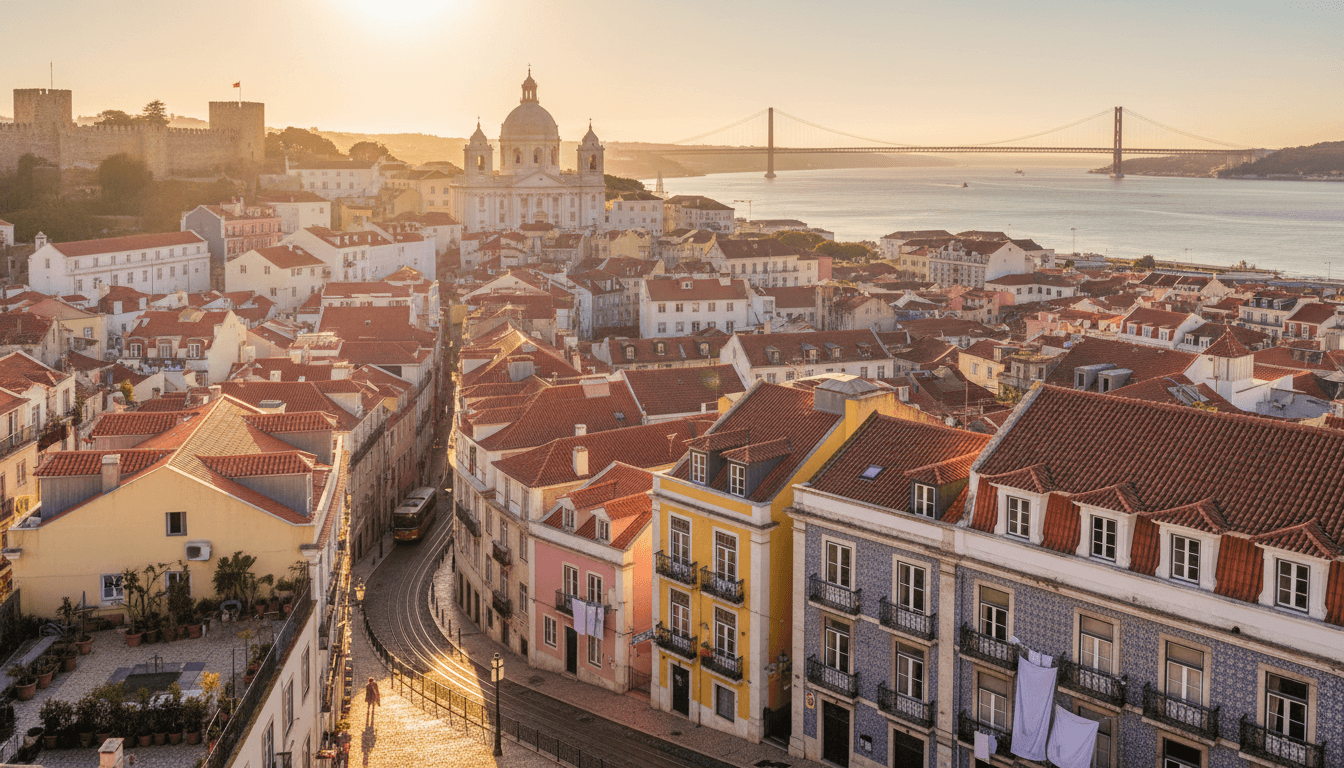
Cycling in Lisbon: 7 Home Swap Bike Tour Itineraries for Every Rider
Discover the best cycling routes in Lisbon with these home swap bike tour itineraries—from waterfront paths to hilltop adventures, all starting from your borrowed home.

Graduation Trip to Barcelona: How Home Swapping Gives New Graduates the Ultimate Celebration
Planning a graduation trip to Barcelona? Discover how home swapping lets new graduates explore Spain's most vibrant city without the hostel crowds or hotel costs.