Home Swap in Spain: The Complete Guide from Barcelona to Andalusia

SwappaHome Editorial Team
Home Exchange & Slow Travel Editorial
Discover how to home swap in Spain—from Barcelona's Gothic Quarter to Seville's whitewashed patios. Real costs, best neighborhoods, and insider tips for 2026.
Home Swap in Spain: Your Guide to Living Like a Local
You wake up to light that feels different here. It slants through wooden shutters in thick golden bands, falls across terracotta tiles worn smooth by generations of footsteps, and somehow transforms even mediocre coffee into something worth savoring. This is what gets lost when travelers default to hotel rooms with blackout curtains and minibars nobody touches.
A home swap in Spain delivers what hotels structurally cannot: the chance to actually live in one of Europe's most culturally layered countries. You find yourself in a real neighborhood. You shop at the corner frutería where the owner greets you like you belong. You wrestle with an ancient coffee machine, mutter at it, then feel absurdly triumphant when espresso finally emerges.
Spain consistently lands among the top five destinations for home exchange worldwide—and the reasons run deeper than the obvious draws of beaches, tapas, and flamenco. The country's geographic diversity means you could spend a week in a modernist Barcelona apartment, then use your credits for a whitewashed village house in Andalusia, then finish in a Basque Country farmhouse. All without the €150-300/night hotel bills that make extended Spanish travel financially punishing.
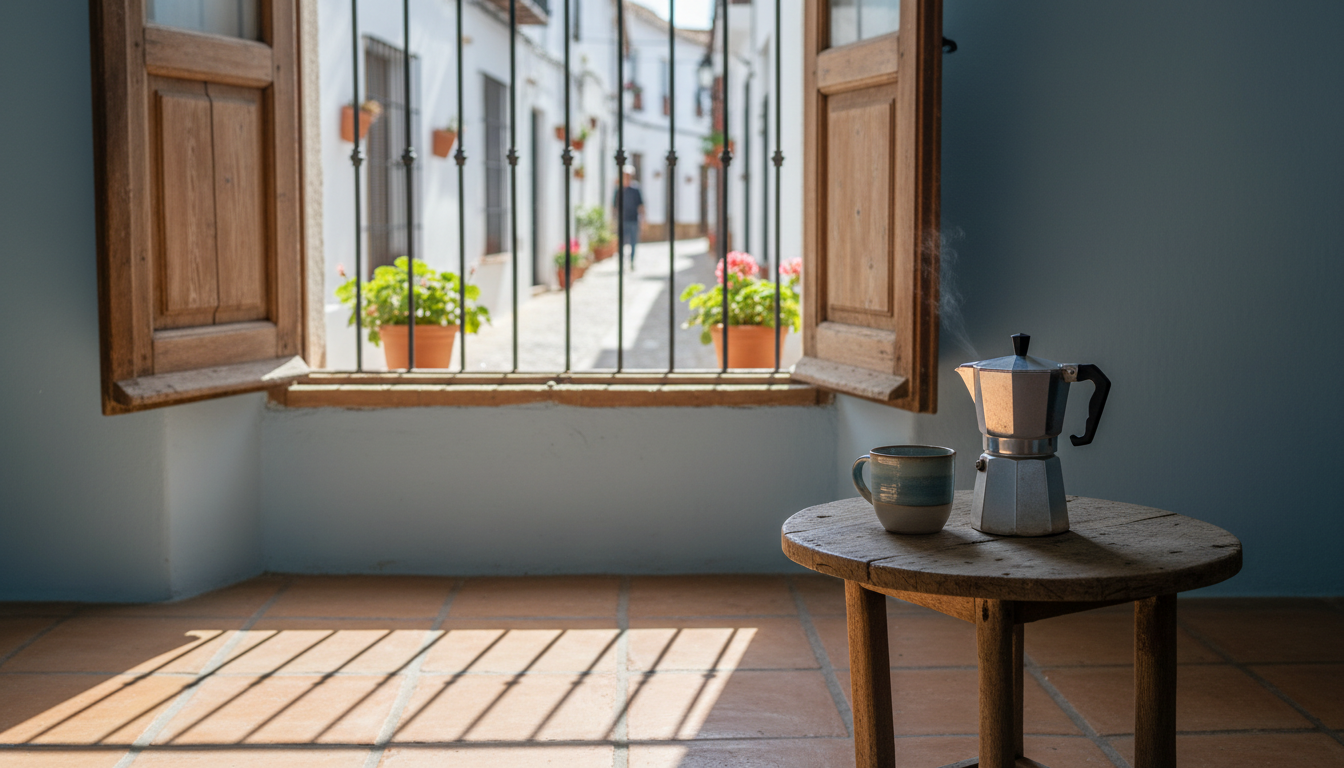 Morning sunlight streaming through traditional wooden shutters onto terracotta floor tiles, with a s
Why Spain Dominates the Home Exchange Scene
The numbers paint a clear picture. Spain welcomes over 85 million international visitors annually, yet only a fraction discover what it actually feels like to live there—even temporarily. Home swapping changes that equation entirely.
SwappaHome members in Spain tend to be particularly engaged. The country's deep-rooted hospitality culture (that famous Spanish warmth isn't marketing—it's genuinely how people operate) translates naturally to home exchange. Spanish hosts frequently leave detailed neighborhood guides, stock the fridge with local essentials, and sometimes share their contact information for genuine emergencies or restaurant tips.
The economic case is blunt. A mid-range hotel in central Barcelona runs €120-200/night during shoulder season, climbing past €250 when things get busy. Madrid's decent options hover around €100-180/night. Seville, Granada, Valencia—same pattern. A two-week Spanish trip for a couple easily burns through €2,000-4,000 in accommodation alone.
With home exchange, that entire cost converts to credits. Members commonly report saving 70-90% on accommodation, which transforms Spain from a bucket-list splurge into somewhere you can actually explore properly. You can return to different regions. Stay long enough to find your favorite neighborhood café. Learn which bakery makes the best tortilla.
Barcelona: Beyond the Tourist Crush
Barcelona earns its reputation. But the city most visitors experience—the Ramblas-Sagrada Familia-beach triangle—represents maybe 15% of what makes this place extraordinary. A home swap in Barcelona unlocks the other 85%.
Gràcia: The Neighborhood That Feels Like a Village
Gràcia operated as an independent town until 1897, and it never quite let go of that identity. The neighborhood runs on its own clock: small plazas like Plaça del Sol and Plaça de la Virreina fill with locals drinking vermut at 1 PM on random Tuesdays. Not because anything special is happening—just because that's what people do here.
Home swaps in Gràcia typically feature the classic Barcelona layout: high ceilings, interior-facing windows onto light wells, small balconies perfect for morning coffee. The architecture skews 19th-century, which means character trumps modern amenities. Expect original tile floors and the occasional temperamental pipe.
Gràcia works brilliantly if you want to feel like a resident rather than a visitor. The commercial streets—Carrer de Verdi, Gran de Gràcia—offer everything from organic markets to vintage shops. You're 20 minutes from the Gothic Quarter by metro but psychologically worlds away from the cruise-ship crowds.
El Born: History Meets Hipster
El Born (officially Sant Pere, Santa Caterina i la Ribera, though nobody actually calls it that) packs medieval architecture, the Picasso Museum, and Barcelona's best cocktail bars into a compact, walkable grid. The neighborhood draws a younger, design-conscious crowd, and home swaps here often feature that particular Barcelona aesthetic: exposed brick, industrial lighting, carefully curated bookshelves.
The trade-off? El Born gets loud. Really loud. Streets that feel charmingly bustling at 7 PM become genuinely rowdy at 2 AM, especially on weekends. Light sleepers should ask specifically about apartment orientation and street noise before confirming anything.
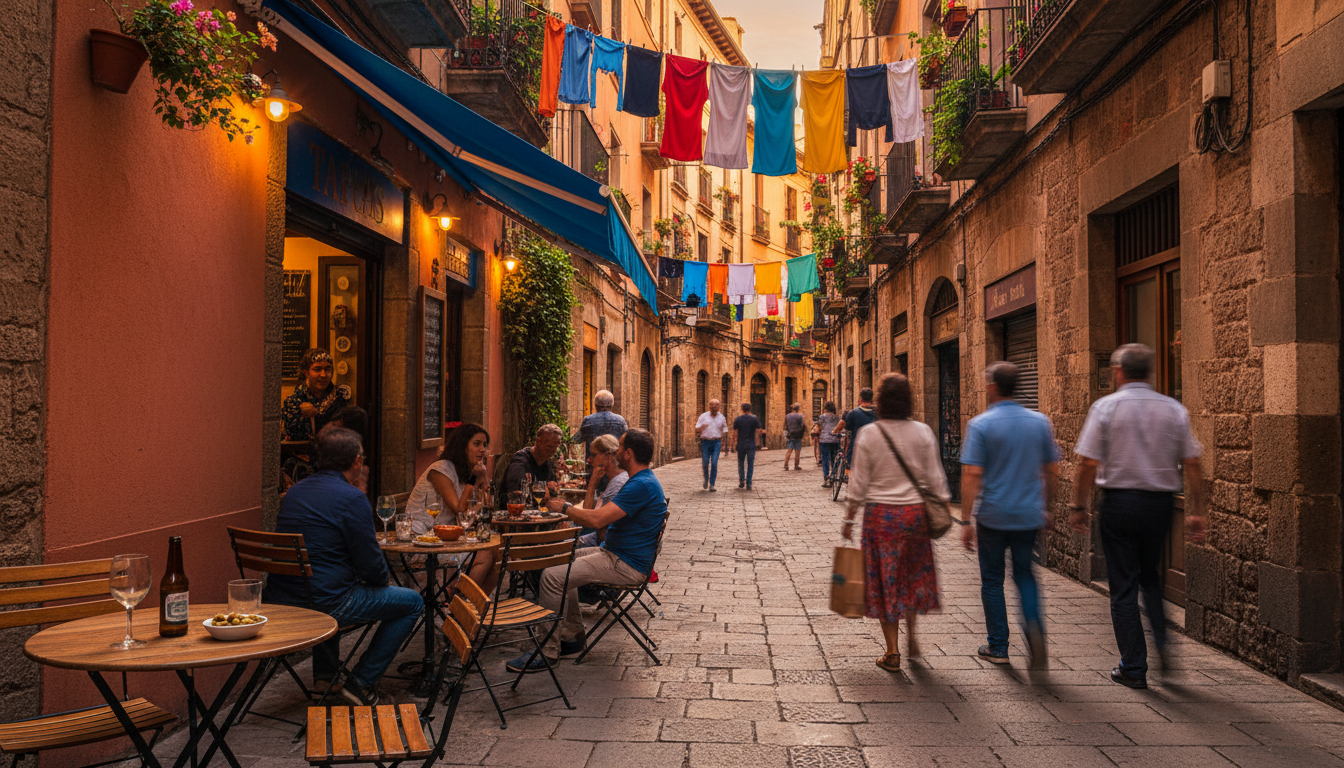 Narrow medieval street in El Born with laundry hanging between buildings, small tapas bar with outdo
Poblenou: Barcelona's Creative Reinvention
Former industrial district. Current tech hub and artist enclave. Poblenou represents Barcelona's future while holding onto traces of its working-class past—old factories converted to galleries, warehouses turned into co-working spaces, and a genuine beach (Bogatell, Mar Bella) that locals actually use.
Home swaps in Poblenou often offer more space than central neighborhoods at equivalent credit values. Loft-style apartments, rooftop terraces, the kind of natural light photographers obsess over. The neighborhood suits travelers who prioritize morning runs, beach access, and a slightly quieter rhythm over being steps from major attractions.
Madrid: The Capital's Hidden Residential Gems
Madrid doesn't try as hard as Barcelona to impress visitors—and that's precisely its appeal. The city assumes you'll figure out what's good eventually. The taberna with the best croquetas. The plaza where everyone gathers at sunset. The museum (Reina Sofía, obviously) that deserves three visits minimum.
Malasaña: Creative Chaos Done Right
Malasaña was ground zero for La Movida Madrileña, the explosive cultural movement that followed Franco's death. That rebellious DNA persists: vintage shops, independent record stores, bars that haven't updated their décor since 1985 (intentionally), and a population that skews young, artistic, and nocturnal.
Home swaps here mean character-filled apartments in 19th-century buildings. Wrought-iron balconies. Interior courtyards. Neighbors who nod hello on the stairs. The neighborhood's central location—walkable to Gran Vía, Sol, the Royal Palace—combined with its residential feel makes it ideal if you want both access and authenticity.
Fair warning: Malasaña parties. Thursday through Sunday, the streets stay lively until 3-4 AM. Wonderful if you're joining in. Less wonderful if you're trying to sleep.
Lavapiés: Madrid's Most Multicultural Corner
Lavapiés challenges the postcard version of Spain. The neighborhood is genuinely diverse—North African, South Asian, Chinese, Latin American communities have established deep roots here, creating a culinary and cultural landscape unlike anywhere else in the country.
Home swaps in Lavapiés offer excellent value and an experience that feels more "real city" than "tourist destination." You'll shop at halal butchers and Indian grocery stores, eat Senegalese thieboudienne alongside traditional cocido madrileño, and witness Madrid's multicultural present in action.
The neighborhood has gentrified significantly over the past decade but retains an edge. Some travelers love this. Others prefer something more polished. Know your comfort level before booking.
Chamberí: Elegant and Overlooked
Chamberí rarely appears in guidebooks—which is exactly why it deserves consideration. This residential neighborhood north of the center offers tree-lined streets, beautiful early-20th-century architecture, and a pace of life that feels distinctly local.
Home swaps here tend toward larger apartments. Chamberí attracted bourgeois families a century ago, and the generous floor plans remain. The neighborhood suits travelers who prioritize space, quiet, and the pleasure of discovering their own café rather than following someone else's recommendations.
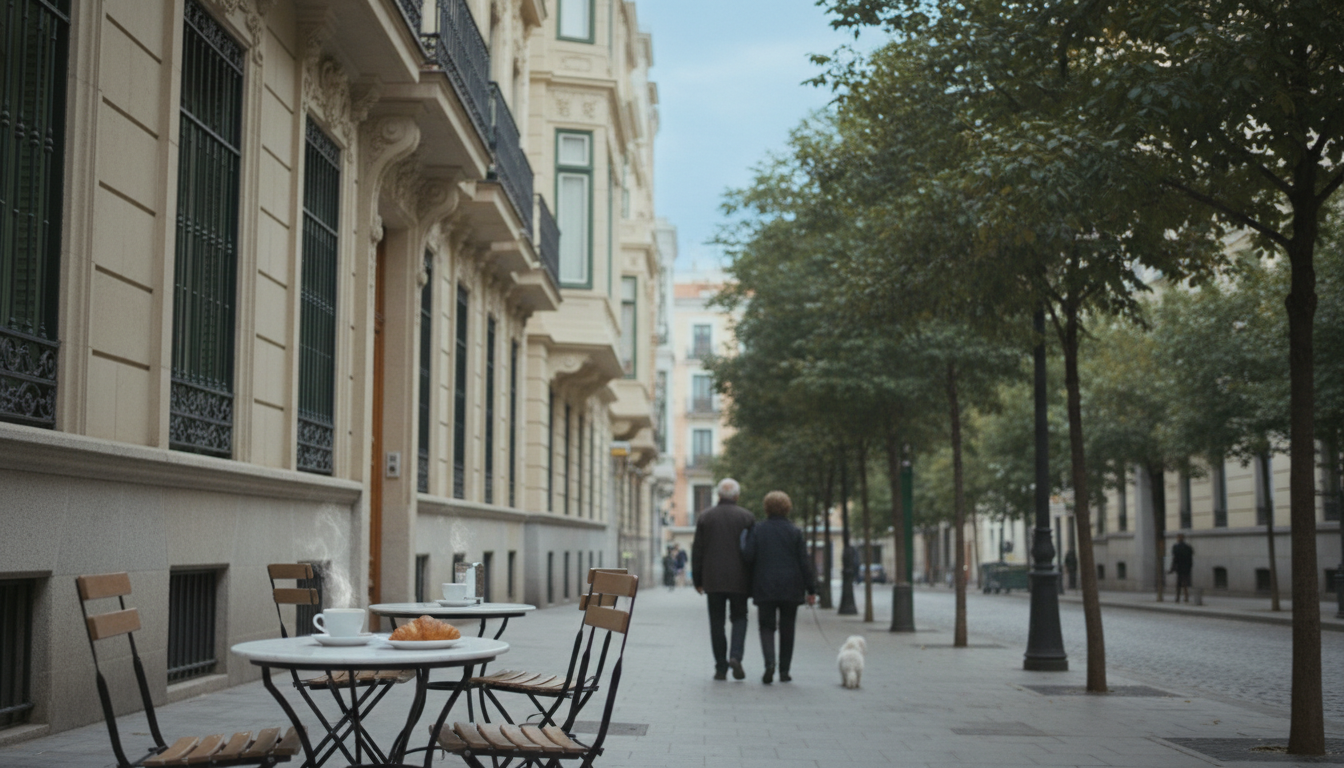 Tree-lined street in Chamber with ornate early 20th-century building facades, small caf with marble
Andalusia: Where Home Swapping Gets Magical
Andalusia is where Spain becomes unmistakably itself. The flamenco. The whitewashed villages. The Moorish architecture. The particular quality of light that painters have chased for centuries. It's also where home swapping delivers experiences that money literally cannot buy.
Seville: Patios, Plazas, and Perfect Evenings
Seville's traditional houses are built around interior patios—private outdoor spaces invisible from the street, often featuring fountains, potted plants, and the kind of shade that makes 40°C afternoons survivable. Hotels offer rooms. Home swaps offer patios.
The Santa Cruz neighborhood (the former Jewish quarter) features the most iconic architecture: narrow winding streets, flower-draped balconies, and proximity to the Cathedral and Alcázar. Home swaps here command premium attention, so booking well in advance is essential—especially for spring, when Semana Santa and Feria de Abril transform the city into something extraordinary.
Triana, across the river, offers a more local experience. This historically working-class neighborhood was home to Seville's Roma community and remains the city's flamenco heartland. Home swaps in Triana mean ceramic-tiled kitchens, rooftop terraces with Cathedral views, and bars where you might stumble into an impromptu performance.
The Alameda de Hércules area has emerged as Seville's creative hub—younger, more alternative, with excellent restaurants and a genuine neighborhood feel. Home swaps here suit travelers who want Seville's magic without the tourist density of Santa Cruz.
Granada: Living in the Shadow of the Alhambra
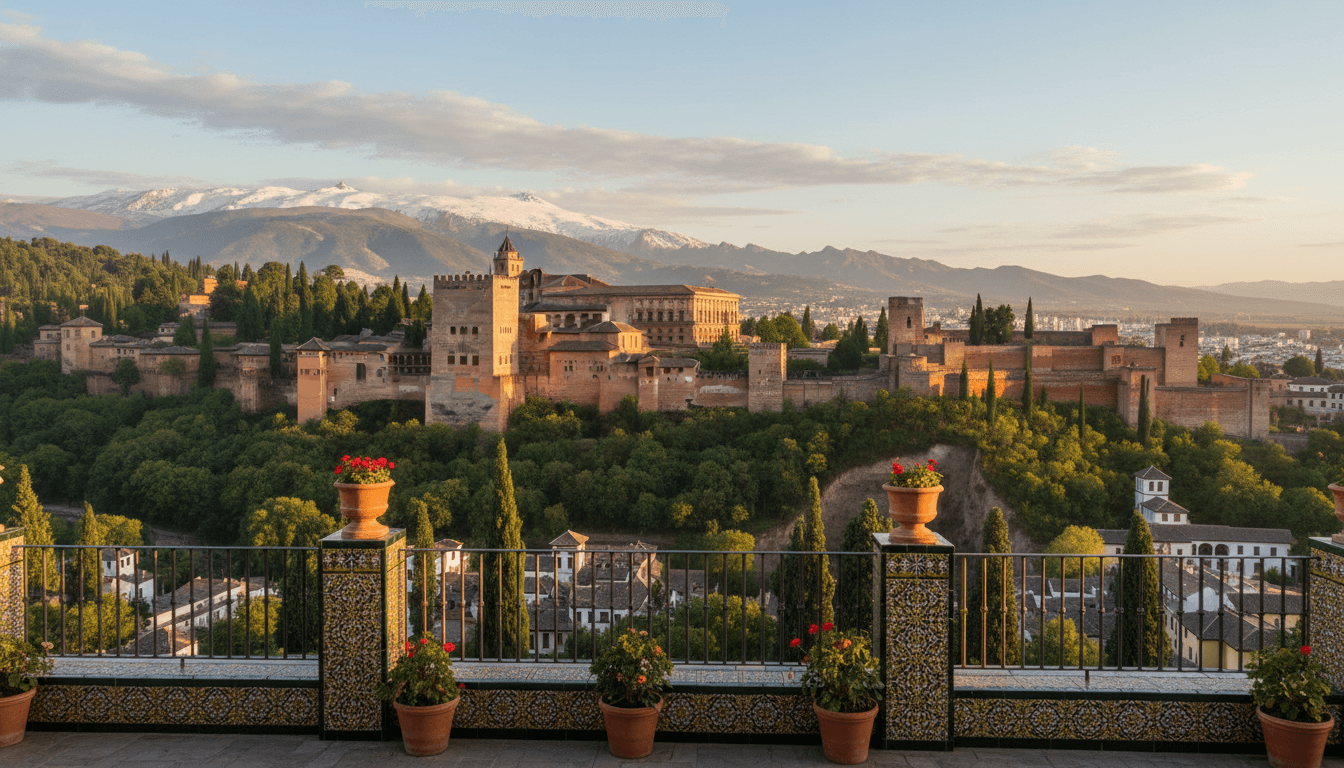
Granada does something to people. The city's dramatic setting—the Alhambra palace complex above, the snow-capped Sierra Nevada behind, the ancient Albaicín neighborhood cascading down the hillside—creates an atmosphere that borders on overwhelming.
Home swaps in the Albaicín offer the most immersive experience. This UNESCO-listed neighborhood of narrow streets and carmenes (traditional houses with walled gardens) predates the Christian conquest. You'll navigate cobblestones, get lost repeatedly, and eventually find your rhythm. The views from Albaicín terraces—the Alhambra glowing pink at sunset—justify every moment of confusion.
The Realejo neighborhood, the former Jewish quarter, offers similar character with slightly easier navigation. Home swaps here feature traditional architecture, proximity to the Cathedral and city center, and a residential feel that the Albaicín sometimes lacks.
Centro (the modern city center) suits travelers who prioritize convenience over atmosphere. Home swaps here mean easier access to restaurants, shops, and transport—though you'll miss the particular magic of waking up in a neighborhood that hasn't fundamentally changed in 500 years.
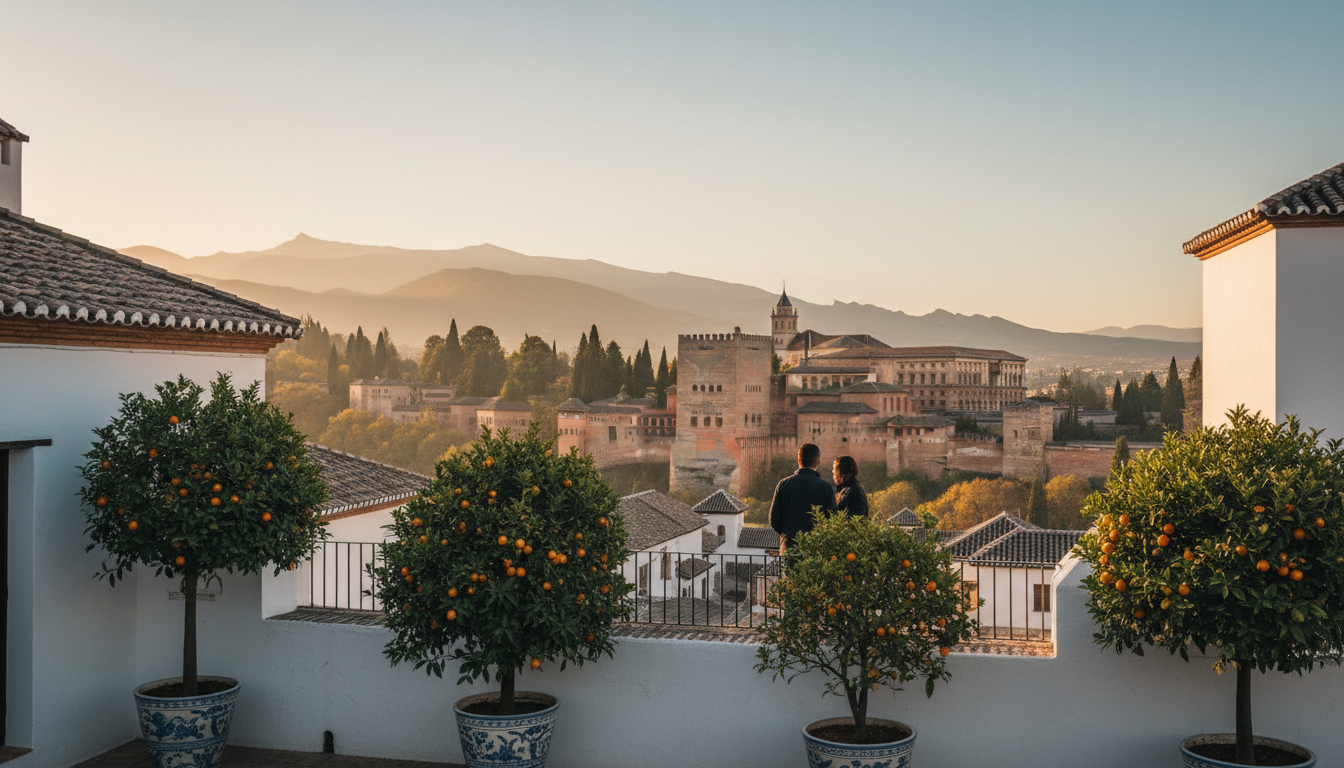 View of the Alhambra at sunset from an Albaicn terrace, traditional whitewashed walls with blue cera
Málaga: The Costa del Sol's Surprising Capital
Málaga spent decades as the airport you flew into before heading to beach resorts. That's changed dramatically. The city has reinvented itself as a genuine cultural destination—the Picasso Museum, the Centre Pompidou outpost, the Carmen Thyssen collection—while maintaining its essential Andalusian character.
The Centro Histórico offers walkable access to museums, restaurants, and the waterfront. Home swaps here feature renovated apartments in historic buildings, often with rooftop terraces or interior patios. The neighborhood gets lively at night but maintains a more sophisticated vibe than the coast's party towns.
El Perchel and Soho (the arts district) suit travelers seeking value and authenticity over central location. These neighborhoods sit a 10-15 minute walk from the center and offer larger spaces with a more local atmosphere.
Pedregalejo, the old fishing village now absorbed into the city, provides beach access and a distinct neighborhood identity. Home swaps here mean proximity to chiringuitos (beach restaurants) serving the freshest fish, morning swims, and a pace of life that feels more village than city.
Valencia: The Underrated Third City
Valencia operates in Barcelona and Madrid's shadow—which works entirely to visitors' advantage. The city offers world-class architecture (the Ciudad de las Artes y las Ciencias), genuine beach life, Spain's most celebrated food scene (paella originated here, and locals take it extremely seriously), and significantly lower costs than its more famous siblings.
Ruzafa: Valencia's Coolest Neighborhood
Ruzafa has traced the classic arc: working-class neighborhood becomes affordable artist enclave becomes trendy destination while somehow maintaining its original character. The streets mix traditional markets with craft cocktail bars, century-old cafés with contemporary galleries.
Home swaps in Ruzafa offer excellent value and a neighborhood that genuinely functions for residents. You'll shop at the Mercado de Ruzafa, discover your regular coffee spot, and feel like you've found something the guidebooks haven't quite caught up to yet.
El Carmen: Medieval Meets Modern
El Carmen, within the old city walls, features Valencia's most dramatic architecture—Gothic churches, medieval towers, and street art that's gained international recognition. The neighborhood attracts a younger crowd and stays lively well into the night.
Home swaps here mean historic buildings with the charm and quirks that implies. Narrow staircases. Irregular room shapes. The particular pleasure of living inside centuries of history.
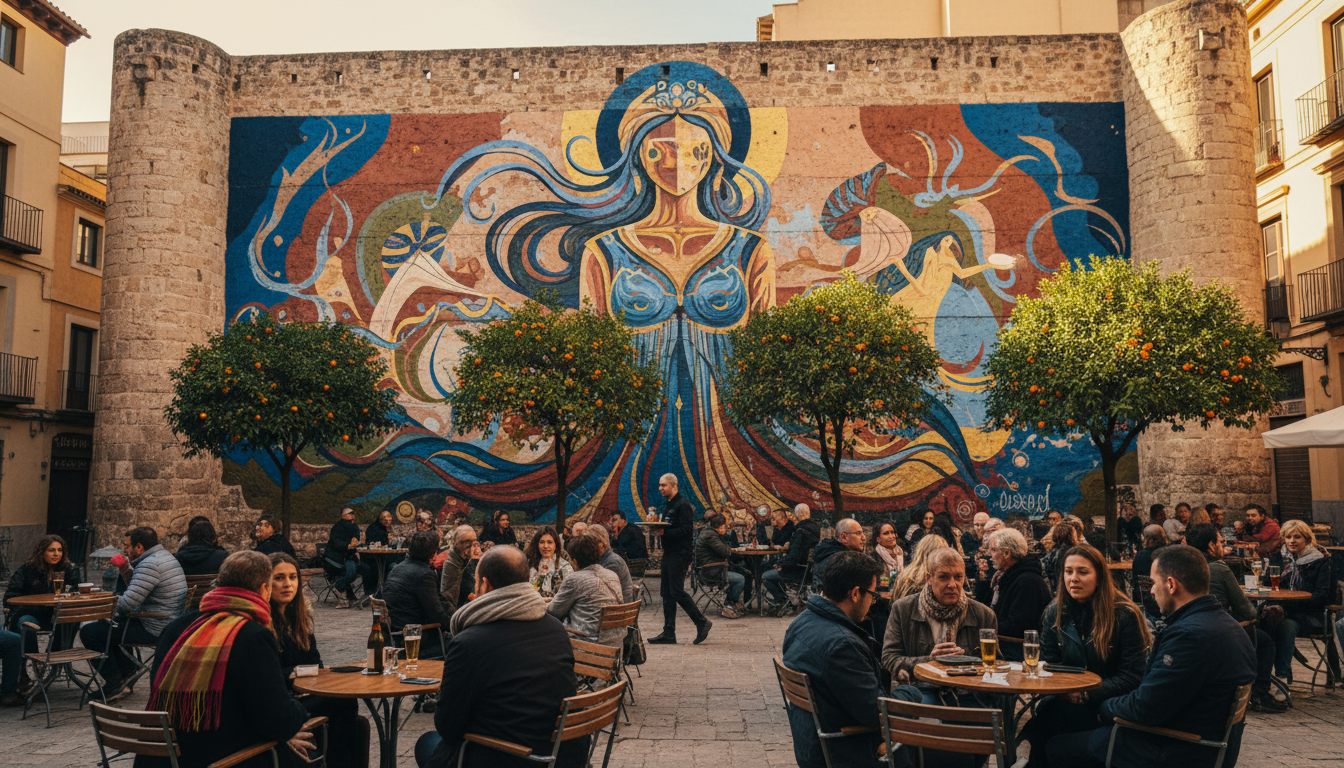 Street art mural on medieval stone wall in El Carmen, small plaza with orange trees, people sitting
The Basque Country: Spain's Gastronomic Paradise
The Basque Country doesn't feel quite like the rest of Spain. The language is different (Euskara, unrelated to any other language on Earth). The weather is different (green and rainy, more Ireland than Iberia). And the food is different—arguably the best in Europe, with more Michelin stars per capita than anywhere else.
San Sebastián: Where Food Becomes Religion
San Sebastián exists primarily to eat. The city's pintxos bars—where you stand at counters selecting small plates of extraordinary food—represent a culinary tradition that's influenced restaurants worldwide. A home swap here means you can eat pintxos for dinner every night without destroying your budget.
The Parte Vieja (Old Town) offers the highest concentration of pintxos bars and the most atmospheric home swaps. Narrow streets, traditional buildings, proximity to La Concha beach. The Centro and Gros neighborhoods provide slightly more space and a more residential feel while remaining walkable to everything.
Bilbao: Beyond the Guggenheim
Bilbao's Guggenheim Museum transformed the city's international profile. But the real pleasure lies in the Casco Viejo (Old Town)—seven streets of traditional pintxos bars, shops, and neighborhood life that predates the titanium-clad museum by several centuries.
Home swaps in the Casco Viejo offer immersion in Basque urban culture. The neighborhood functions as a genuine community, not a tourist attraction. You'll quickly find your regular spots for morning coffee, afternoon pintxos, and evening txakoli (the local slightly sparkling white wine).
Practical Realities: Making Your Spain Home Swap Work
Timing Your Exchange
Spain's tourism patterns create clear high and low seasons. August, when Spanish families take their own holidays, empties cities and fills coastal areas. July and August in Andalusia mean temperatures that can exceed 45°C—survivable with air conditioning, miserable without it.
The sweet spots: April-June and September-October. Weather is excellent nearly everywhere, crowds are manageable, and Spanish hosts are more available for exchanges since they're not on their own vacations.
Semana Santa (Holy Week, the week before Easter) transforms Andalusian cities into something extraordinary—processions, music, raw emotion—but accommodation becomes scarce. Plan home swaps 3-6 months ahead for this period.
What Spanish Homes Actually Include
Spanish apartments typically come equipped with basics that vary by region:
Kitchens are usually well-equipped. Spaniards cook at home regularly, so you'll find proper pots, pans, and often a moka pot for coffee. Ovens are less universal than in Northern Europe.
Laundry means washing machines are standard. Dryers are rare—Spain uses clotheslines and drying racks. Honestly, things dry fast in that climate anyway.
Air conditioning is common in Andalusia and Valencia, less universal in Barcelona and Madrid (where summers are hot but shorter), and rare in the Basque Country where it's unnecessary. Ask specifically if visiting during summer.
Heating is often minimal. Spanish buildings rely on thick walls and mild winters. If visiting November-February, confirm heating availability, especially in older buildings.
Communication Patterns
Spanish hosts tend toward warmth and flexibility. The SwappaHome community finds that Spanish members often provide extensive local recommendations, sometimes leave small welcome gifts (a bottle of local wine, regional snacks), and generally treat home exchange as an opportunity for cultural connection rather than a transaction.
That said, communication styles vary. Some hosts prefer detailed advance planning; others operate more spontaneously. Clarify expectations about arrival times, key handoff, and emergency contacts before confirming.
Language Considerations
Spanish proficiency isn't required but dramatically enriches the experience. In major cities, you'll manage fine with English in tourist-facing contexts. In residential neighborhoods—where home swaps place you—basic Spanish helps enormously. Learn greetings, numbers, food vocabulary, and "lo siento, no hablo español bien" (sorry, I don't speak Spanish well). Spaniards universally appreciate the effort.
In Catalonia, you'll hear Catalan as the primary language in many contexts. In the Basque Country, Euskara signs and conversations are common. Don't worry—everyone also speaks Spanish, and most younger people speak some English.
Building Your Spain Home Swap Strategy
The most successful Spain home swappers think regionally rather than city-by-city. A two-week trip might combine:
Five nights in Barcelona (city, culture, architecture), then four nights in a Costa Brava village (beach, relaxation), then five nights in a Pyrenees mountain town (hiking, nature).
Or: Four nights in Madrid (museums, food, nightlife), three nights in Toledo or Segovia (day-trip distance, medieval atmosphere), five nights in Seville (Andalusian immersion), three nights in Granada (Alhambra, Albaicín).
The credit system makes this kind of multi-stop itinerary financially viable in ways hotels simply don't. Each night costs the same one credit whether you're in a Barcelona penthouse or a village house in rural Extremadura.
Finding the Right Matches
Spain's popularity means competition for prime listings, especially in Barcelona's Gràcia, Seville's Santa Cruz, and San Sebastián's Parte Vieja. Here's what works:
Book early for peak periods. Semana Santa, August beach areas, and major festivals (La Mercè in Barcelona, Feria de Abril in Seville) require 3-6 month advance planning.
Consider secondary neighborhoods. Poblenou instead of Gràcia. Triana instead of Santa Cruz. Often better value, frequently more authentic, and hosts appreciate guests who see beyond the obvious.
Be flexible on dates. Shifting your trip by a few days can dramatically increase options. Spanish hosts often have specific blackout dates; flexibility helps you work around them.
Write compelling requests. Spanish hosts respond to genuine enthusiasm. Mention specific reasons you're interested in their neighborhood. Ask thoughtful questions about local recommendations. Share a bit about your own home and hosting style.
What Home Swapping in Spain Actually Feels Like
The experience differs fundamentally from hotel stays in ways that compound over time. Day one, you're figuring out the coffee machine and locating the nearest supermarket. Day three, you've established a morning routine—that café on the corner, the walk through the plaza, the particular bench with the best people-watching.
By day five, something shifts. You stop thinking of yourself as a tourist and start feeling like a temporary resident. The neighborhood becomes familiar. You nod at the same people on morning walks. You develop opinions about which bakery makes the better croissant.
This is what hotels cannot provide: the texture of daily life in a place. The small pleasures of cooking dinner with ingredients from the local market. The satisfaction of navigating a neighborhood without Google Maps. The particular quiet of a Spanish apartment at siesta time, when the whole city seems to pause.
Common Mistakes to Avoid
Underestimating Spanish distances. Spain is larger than it appears on maps. Barcelona to Seville is 1,000 km—roughly Paris to Munich. Don't try to see everything in one trip.
Ignoring siesta culture. Many shops, especially outside major cities, close 2-5 PM. Plan your day accordingly, or you'll find yourself hungry and frustrated at 3 PM with nothing open.
Over-scheduling. Spanish life rewards slowness. Build in unstructured time for wandering, sitting in plazas, and following whatever catches your attention.
Forgetting about late dining. Spaniards eat dinner at 9-10 PM, sometimes later. Restaurants often don't open until 8:30 PM. Adjust your expectations or resign yourself to eating with other tourists at 7 PM.
Skipping smaller cities. Córdoba, Cádiz, Salamanca, Girona—Spain's secondary cities offer extraordinary experiences with fewer crowds and often better home swap availability.
The Bottom Line on Home Swapping in Spain
Spain rewards depth over breadth. The country reveals itself slowly, in the rhythm of daily life rather than the checklist of attractions. Home swapping aligns perfectly with this reality—it pushes you to slow down, to engage with neighborhoods rather than highlights, to experience Spain as residents do rather than as tourists must.
The financial math obviously works in your favor. But the real value lies elsewhere: in the morning light through those wooden shutters, in the neighbor who explains the best day to visit the market, in the feeling of returning to your temporary apartment after a long day of exploration.
Spain has been welcoming travelers for centuries. Home swapping simply offers a more honest way to accept that welcome.
Frequently Asked Questions
Is home swapping in Spain safe for first-time exchangers?
Spain consistently ranks among the safest countries for home exchange. The SwappaHome community reports overwhelmingly positive experiences, with Spanish hosts known for warmth and clear communication. Standard precautions apply: verify member profiles, communicate thoroughly before confirming, and consider your own travel insurance for peace of mind. The review system helps identify reliable hosts.
How far in advance should I book a home swap in Spain?
For popular destinations (Barcelona, Seville, San Sebastián) during peak seasons, book 3-6 months ahead. Shoulder season (April-June, September-October) requires 6-8 weeks advance planning. Off-season and secondary cities offer more flexibility—sometimes just 2-3 weeks notice works. Major events like Semana Santa or La Mercè require maximum advance booking.
What's the average savings compared to hotels in Spain?
SwappaHome members typically report saving €100-200 per night compared to equivalent hotel accommodation. A two-week Spain trip that might cost €2,000-3,500 in hotels converts to credit exchanges only. The savings increase dramatically in expensive cities (Barcelona, San Sebastián) and during peak seasons when hotel rates spike.
Can I do a home swap in rural Spain or just major cities?
Rural and small-town Spain offers excellent home swap opportunities, often with more availability than major cities. Villages in Andalusia, Catalonia's Costa Brava, the Basque countryside, and Extremadura all have active SwappaHome members. These exchanges often provide larger spaces, gardens, and experiences impossible to find in cities—though you'll typically need a car.
Do I need to speak Spanish for a successful home swap?
Basic Spanish significantly enhances the experience but isn't required. In major cities and tourist areas, English suffices for essential communication. In residential neighborhoods and smaller towns, even limited Spanish (greetings, numbers, simple phrases) improves interactions dramatically. Spanish hosts appreciate any effort, and translation apps handle complex communication when needed.

Published by
SwappaHome
SwappaHome Editorial Team
Home Exchange & Slow Travel Editorial
The SwappaHome Editorial Team brings together travel research, home-exchange community insights, and platform data to produce practical guides for first-time and experienced home swappers. Every article cites real platforms, current market rates, and verifiable city-level facts so readers can make informed decisions without guessing.
Ready to try home swapping?
Join SwappaHome and start traveling by exchanging homes. Get 7 free credits when you sign up!
Related articles
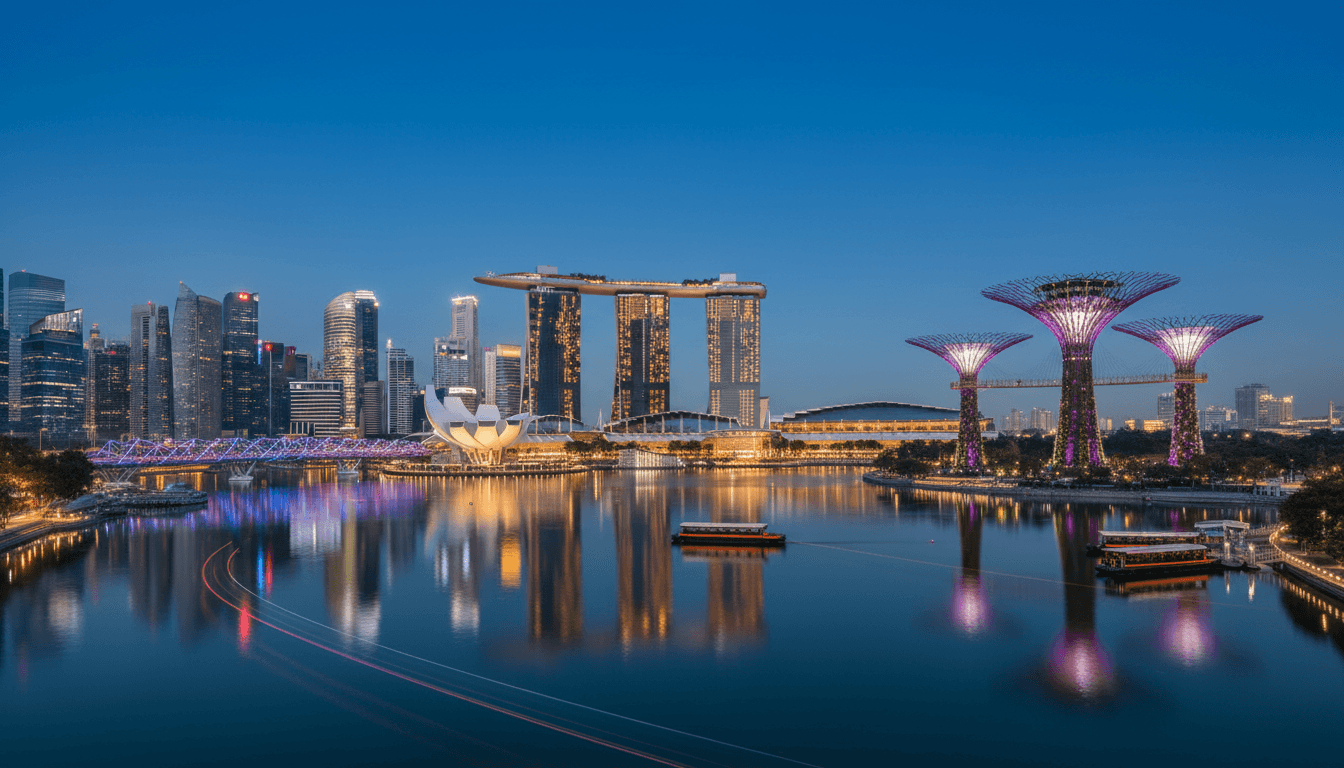
Bachelor and Bachelorette Parties in Singapore: The Complete Home Swap Group Guide for 2026
Planning a bachelor or bachelorette party in Singapore? Discover how home swapping lets groups of 6-12 stay together in luxury condos, saving thousands while partying in Marina Bay.
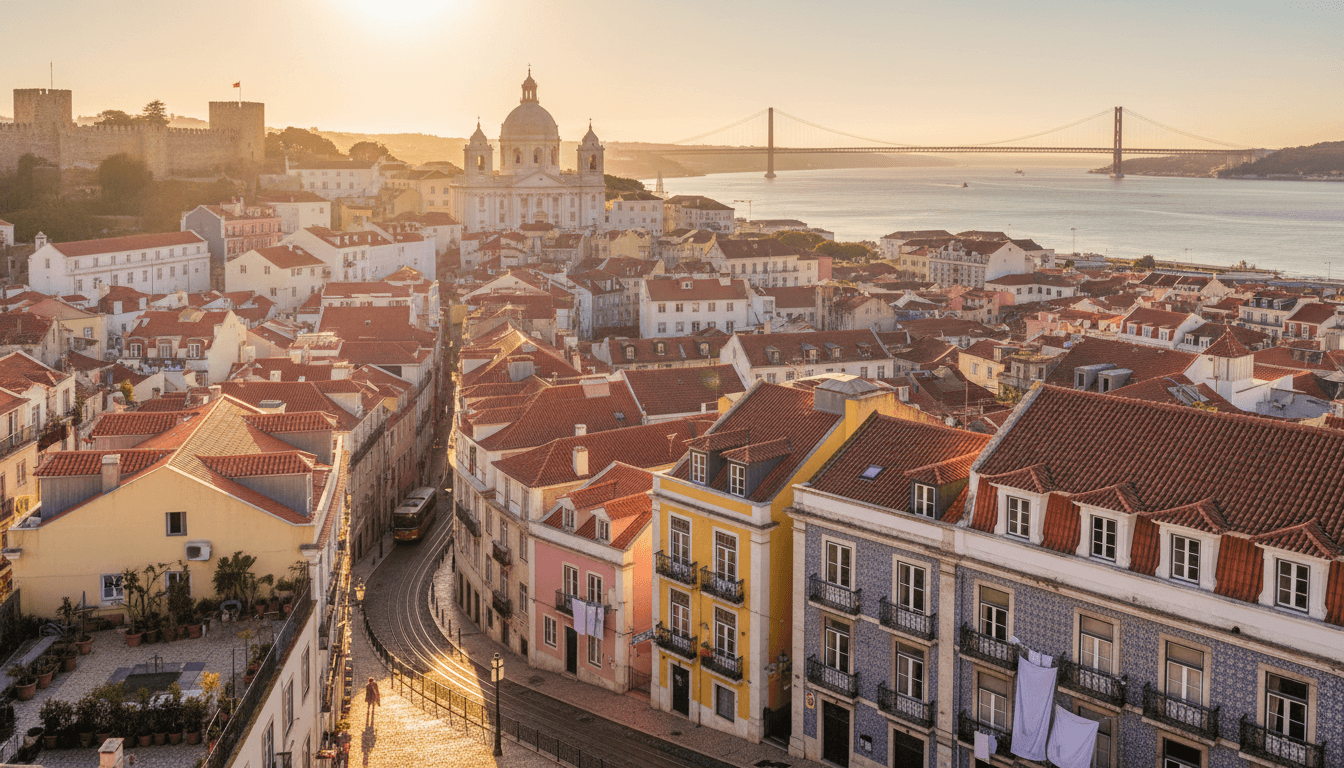
Cycling in Lisbon: 7 Home Swap Bike Tour Itineraries for Every Rider
Discover the best cycling routes in Lisbon with these home swap bike tour itineraries—from waterfront paths to hilltop adventures, all starting from your borrowed home.
Graduation Trip to Barcelona: How Home Swapping Gives New Graduates the Ultimate Celebration
Planning a graduation trip to Barcelona? Discover how home swapping lets new graduates explore Spain's most vibrant city without the hostel crowds or hotel costs.