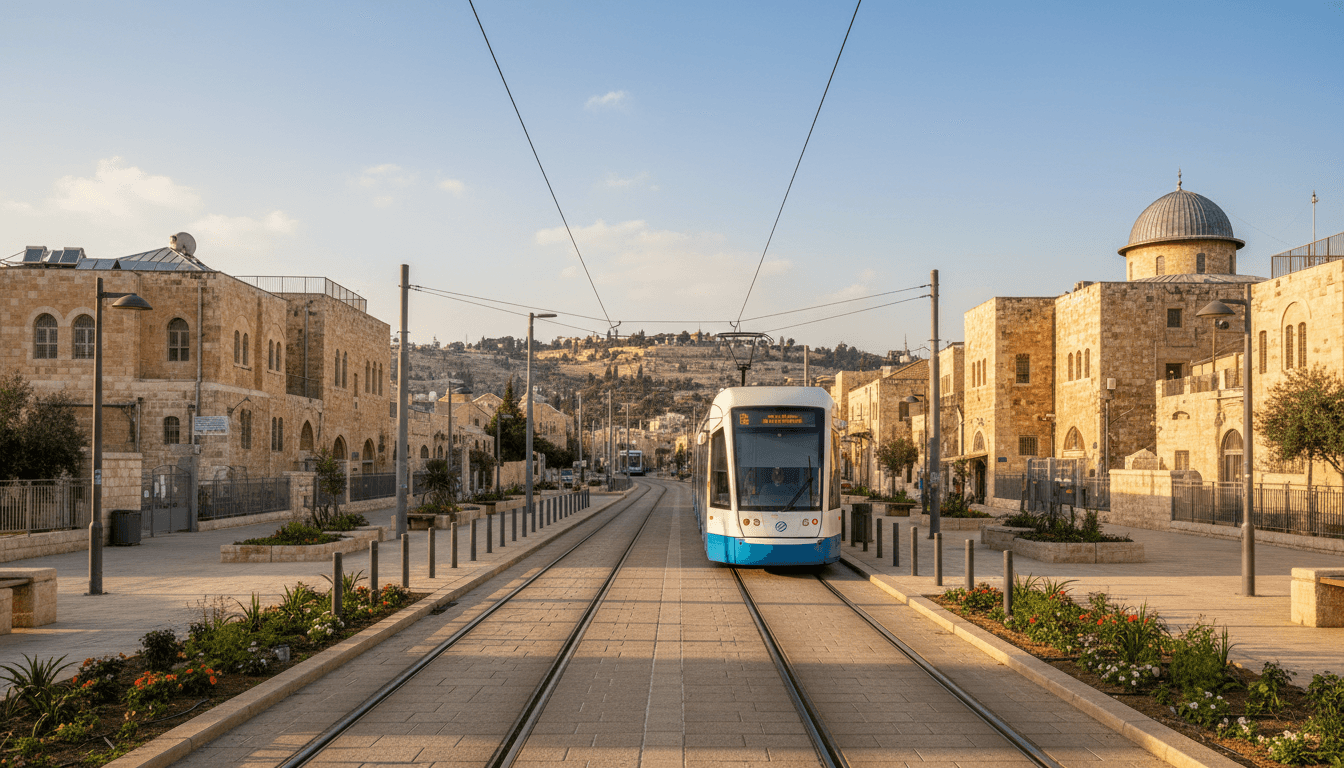
Jerusalem Transport Guide: How to Get Around During Your Home Swap

SwappaHome Editorial Team
Home Exchange & Slow Travel Editorial
Master Jerusalem transport like a local during your home swap. From light rail secrets to sherut tips, here's everything you need to navigate the Holy City.
The first time I stepped off the light rail at Damascus Gate, I nearly got swept into a crowd of pilgrims, street vendors, and a guy carrying what I can only describe as an impossibly tall stack of bread on his head. That's Jerusalem transport for you—chaotic, fascinating, and honestly? Pretty straightforward once you crack the code.
I spent three weeks in a gorgeous stone apartment in Nachlaot during my home swap last October. Getting around Jerusalem became one of the unexpected highlights of my trip. Not because it's fancy or high-tech (it's definitely not), but because the transport system here tells the story of the city itself. Ancient pathways meet modern light rail. Shared taxis follow routes that haven't changed in decades. And yes, you'll probably get lost at least once in the Old City's labyrinthine alleys—but that's half the adventure.
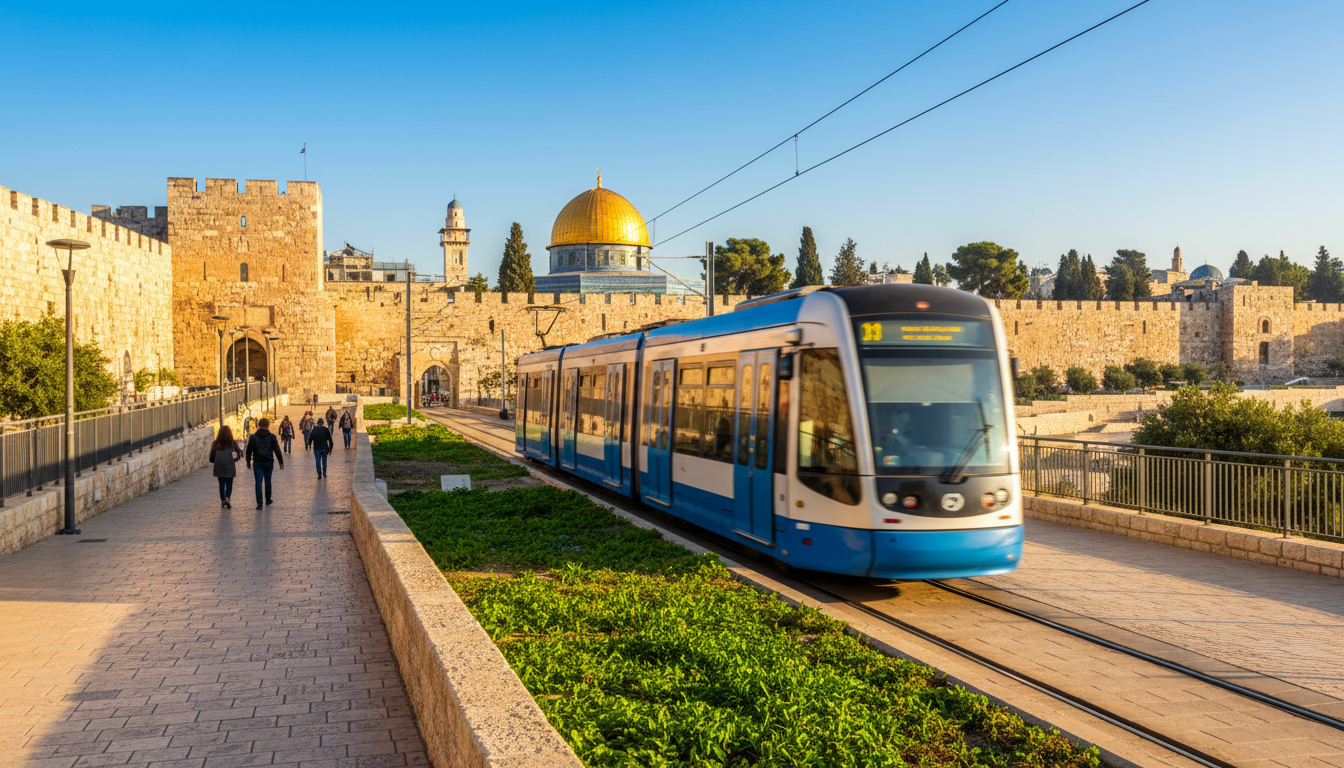 Morning light illuminating Jerusalems light rail as it passes the Old City walls near Jaffa Gate, wi
So here's everything I learned about making the most of your home exchange stay, from someone who's made every rookie mistake so you don't have to.
Understanding Jerusalem's Transport Network: The Basics
Jerusalem isn't a sprawling metropolis, which works in your favor. The city center is surprisingly walkable, and most tourist areas cluster within a few kilometers of each other. But when your legs give out after climbing the millionth stone staircase? You'll want to know your options.
The main modes break down like this: the light rail (one main line, beautifully simple), Egged buses (the backbone of the system), sheruts (shared taxis that are basically a cultural experience), regular taxis, and your own two feet. There's no metro or subway—the archaeology beneath the surface is too precious to dig through.
What surprised me most? How affordable everything is. A single light rail or bus ride costs 5.90 ILS (about $1.60 USD), and you can transfer for free within 90 minutes. Compare that to the $15+ I'd spend on a short Uber ride back home in San Francisco, and suddenly Jerusalem feels like a budget traveler's dream.
The key to mastering transport during your home swap is getting a Rav-Kav card immediately. This rechargeable transit card works on all public transportation and saves you from fumbling with cash every time you board. Pick one up at any light rail station or central bus station for about 5 ILS ($1.35 USD), then load it with either single rides or a daily pass.
The Light Rail: Jerusalem's Most Tourist-Friendly Option
I'm going to be honest with you—I fell a little in love with the Jerusalem light rail. There's something almost meditative about gliding past 3,000-year-old walls in a sleek, modern tram.
The Red Line runs from Pisgat Ze'ev in the north through the city center and down to Mount Herzl in the southwest. For most home swap stays, you'll use the central stations repeatedly: Damascus Gate (for the Old City's Muslim Quarter), City Hall (for the Mamilla area and Jaffa Gate), Mahane Yehuda (the famous market), and Central Station (for connections to everywhere else).
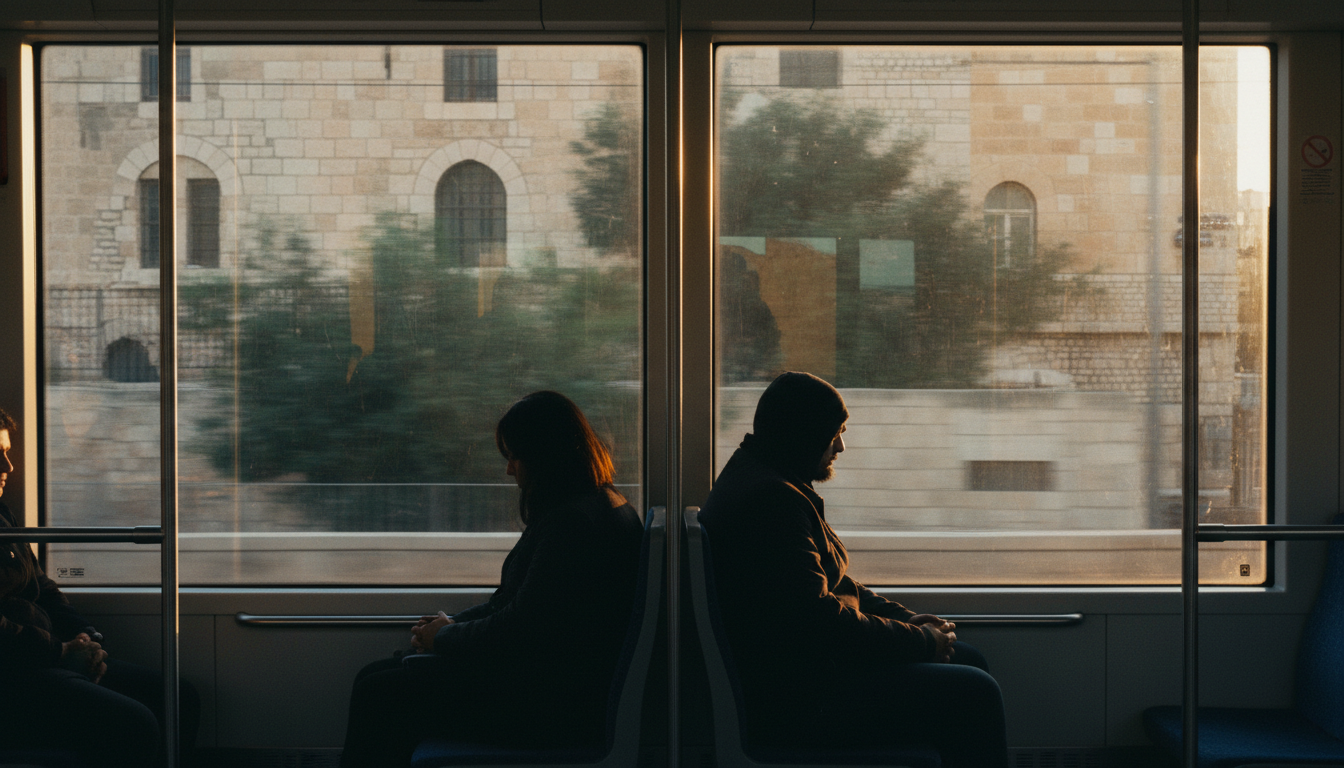 Inside a Jerusalem light rail car during golden hour, passengers silhouetted against windows showing
Here's what the guidebooks don't tell you: the light rail gets PACKED during rush hours. Like, sardine-level packed. We're talking roughly 7:30-9 AM and 4:30-6:30 PM. If you're heading to the Old City, try to go mid-morning or early afternoon. Your shoulders will thank you.
Trams run every 5-8 minutes during peak times and every 12-15 minutes in off-peak hours. Service starts around 5:30 AM Sunday through Thursday, and here's the crucial part—it stops running Friday afternoon before Shabbat begins and doesn't resume until Saturday night. I learned this the hard way when I found myself stranded in German Colony on a Friday evening, watching the last tram pull away.
My Nachlaot neighbor gave me the best tip: download the Moovit app. It's the unofficial Jerusalem transport bible, showing real-time arrivals and route planning that actually works. Google Maps is decent but Moovit knows the quirks of the local system better.
Jerusalem Buses: Comprehensive but Chaotic
Egged buses go everywhere. And I mean everywhere—from the Dead Sea to tiny neighborhoods you've never heard of. The network is extensive, reliable, and completely overwhelming if you're not prepared.
For getting around Jerusalem during your home swap, you'll mostly use buses for reaching areas the light rail doesn't cover: the Mount of Olives, Ein Karem, Yad Vashem (though the light rail reaches Mount Herzl nearby), and various residential neighborhoods where you might be staying.
Bus numbers in the single digits and teens generally stick to central routes. The 1, 2, and 3 lines are workhorses connecting major hubs. Bus 99 is the tourist circuit, making a loop past most major attractions—honestly not a bad option for your first day of orientation.
The central bus station on Jaffa Road is a concrete behemoth that looks intimidating but functions reasonably well. This is where you'll catch intercity buses to Tel Aviv (about 50 ILS/$13.50 USD, one hour), Bethlehem (requires changing to Palestinian buses at the checkpoint), and other destinations outside Jerusalem.
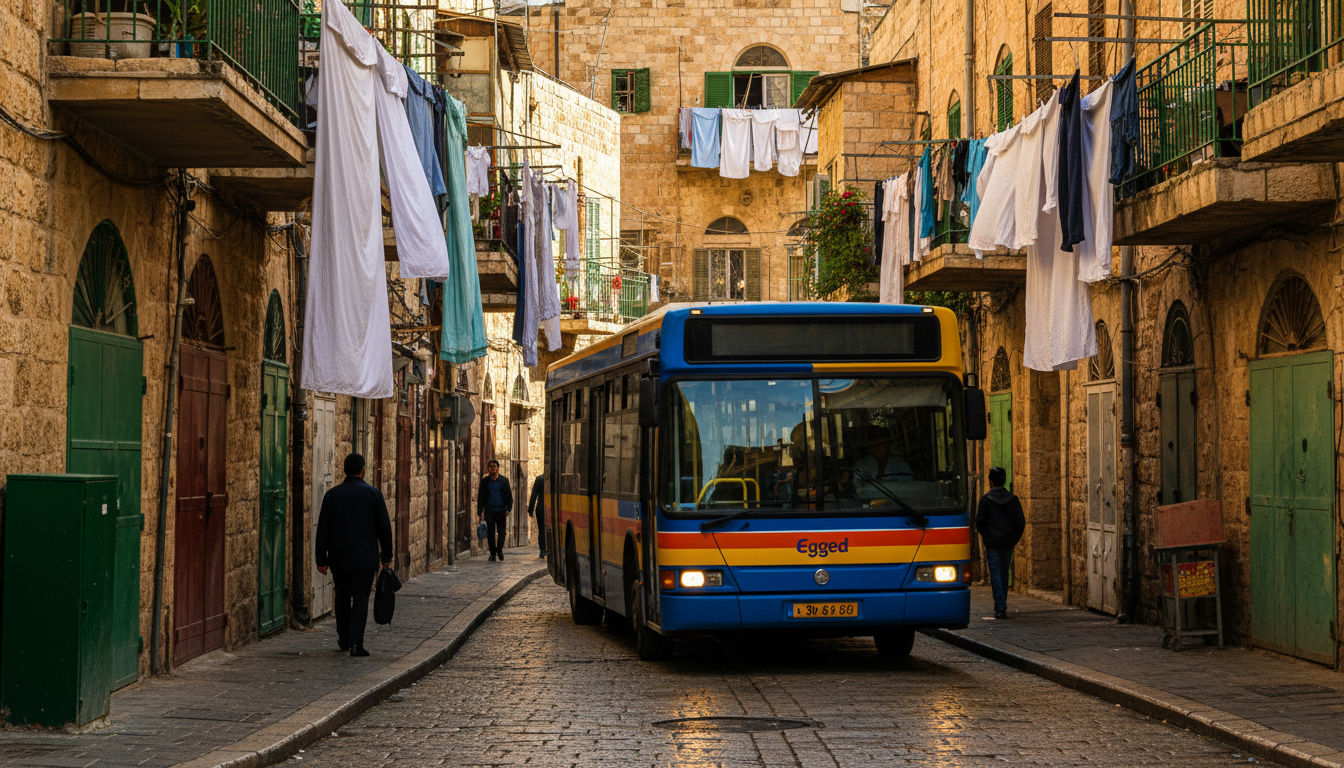 Colorful Egged bus navigating a narrow Jerusalem street in the Mea Shearim neighborhood, with laundr
One thing that consistently tripped me up: bus drivers don't always announce stops. If you're not familiar with the route, keep your phone's GPS running and watch carefully. Or do what I eventually started doing—ask the driver to let you know when your stop is coming. Most are helpful, if occasionally gruff.
The bus system also shuts down for Shabbat, from Friday afternoon until Saturday night. Plan accordingly, especially if your home swap is in a neighborhood far from the center.
Sheruts: The Quintessential Jerusalem Transport Experience
Sheruts deserve their own section because they're genuinely unique—and incredibly useful once you understand them.
Sherut literally means "service" in Hebrew. These shared taxis run fixed routes, picking up and dropping off passengers along the way. They look like large vans or minibuses, usually white, often with their route number displayed in the windshield. Think of them as a hybrid between a bus and a taxi.
Why bother with sheruts when buses exist? Two reasons. First, they're often faster because they make fewer stops. Second—and this is the big one—sheruts run on Shabbat when everything else stops.
The most useful sherut routes for tourists include the 1 and 2 lines along Jaffa Road, and the sheruts to Tel Aviv that leave from near the central bus station. Shabbat sheruts to Tel Aviv cost around 25-30 ILS ($6.75-8 USD) and run throughout Saturday, which is genuinely lifesaving if you need to catch a flight or have plans outside the city.
Hailing a sherut is simple: stand at a bus stop along their route and wave them down. They'll stop if they have room. To get off, just call out "Orega!" (stop!) or knock on the window. Payment is cash to the driver—no Rav-Kav cards accepted.
My first sherut experience was mildly terrifying. The driver was having an animated phone conversation while weaving through traffic, and I had no idea where we were going. But by my third week, I was hopping on sheruts like a local, chatting with the regulars who took the same route daily.
Taxis and Ride-Sharing in Jerusalem
Sometimes you just need a door-to-door ride. Maybe you're coming back from a late dinner in the German Colony. Maybe you're hauling groceries from Mahane Yehuda. Maybe it's Shabbat and the sheruts aren't running your route.
Regular taxis in Jerusalem are plentiful and reasonably priced by Western standards. The base fare is about 12 ILS ($3.25 USD), with roughly 5 ILS ($1.35 USD) per kilometer after that. A ride from the Old City to Rehavia might run 35-45 ILS ($9.50-12 USD).
CRITICAL: Always insist the driver use the meter. I can't stress this enough. Some drivers, especially around tourist areas, will try to negotiate a flat rate that's inevitably higher. The phrase you need is "Moneh, bevakasha" (meter, please). If they refuse, get out and find another cab.
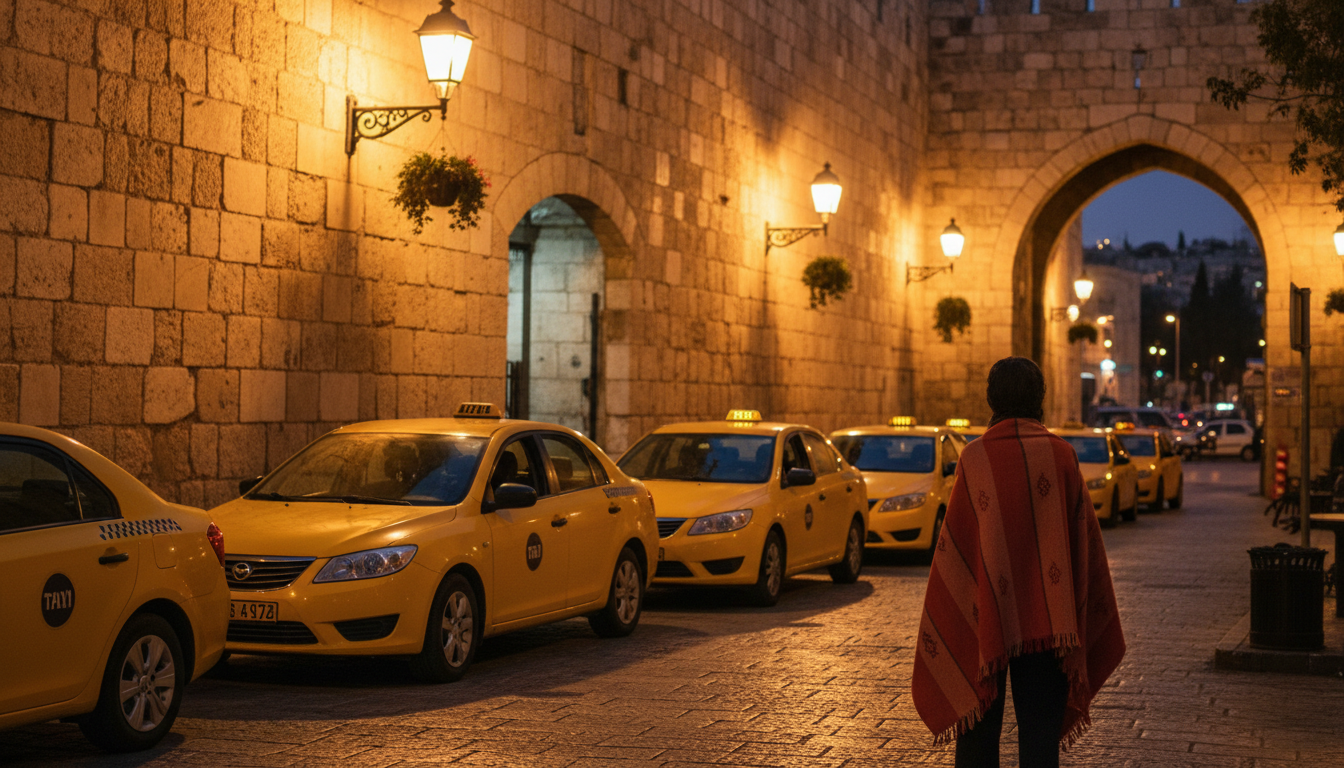 Jerusalem taxi stand at twilight near Jaffa Gate, with stone walls illuminated by warm streetlights
Gett (formerly GetTaxi) is the main ride-hailing app in Israel. It works like Uber—you request a ride, see the price upfront, and pay through the app. This eliminates the meter hassle entirely. Uber itself doesn't operate in Jerusalem, so don't waste time looking for it.
One quirk: during Shabbat, taxi prices increase by about 25%. It's legal and standard, but worth knowing so you're not caught off guard.
Walking Jerusalem: The Best Transport of All
Here's something I didn't expect when I arrived for my home swap: I walked more in Jerusalem than in any other city I've visited. And I loved it.
The Old City is essentially car-free, so walking is your only option within those ancient walls. But even in the modern city, distances between major areas are surprisingly manageable. From the Mamilla Mall to Mahane Yehuda Market? Twenty minutes on foot through some of the most interesting streets you'll ever see. From Nachlaot to the Old City? Maybe fifteen minutes, past hidden synagogues and street art and cats lounging on every surface.
The terrain is the challenge. Jerusalem is built on hills—serious hills—and the Old City in particular involves endless stairs and uneven stone surfaces. Bring good walking shoes. I destroyed a pair of sandals in my first week and had to buy proper hiking-style shoes at a shop on Ben Yehuda Street.
 Narrow stone alleyway in Jerusalems Old City with morning light streaming through arched passages, a
My favorite walking route during my home swap started at my apartment in Nachlaot, wound through the Mahane Yehuda Market (grabbing a fresh pomegranate juice along the way), continued down Jaffa Road past street musicians, and ended at the Jaffa Gate entrance to the Old City. The whole thing took maybe 45 minutes, and I never got tired of it.
For the Old City specifically, get a paper map from any tourist office. GPS is unreliable within those walls—the narrow passages and thick stone mess with signals. Plus, getting a little lost is part of the experience. Just keep walking downhill and you'll eventually hit a gate.
Jerusalem Transport Tips for Home Swap Guests
Staying in someone's home gives you an advantage regular tourists don't have: local knowledge. Before you arrive, ask your SwappaHome host about their neighborhood's transport options. Which bus stops are closest? Is there a sherut route nearby? Where do they keep their bikes if they have any?
Speaking of bikes—Jerusalem has a bike-share system called Jerusalem Bikes, but I wouldn't recommend it for most visitors. The hills are brutal, the bike lanes are limited, and drivers aren't particularly bike-aware. If you're an experienced urban cyclist, go for it. Otherwise, stick to other options.
One thing I wish I'd known earlier: the transport system basically operates on two different schedules. Sunday through Thursday is normal. Friday is half-day, with services winding down by early afternoon. Saturday (Shabbat) is minimal service—only sheruts and taxis. If you're planning day trips or activities, this weekly rhythm shapes everything.
For day trips from Jerusalem during your home swap:
- Tel Aviv: Egged bus 405 from central station, 1 hour, 16 ILS ($4.30 USD)
- Dead Sea: Egged bus 486, 90 minutes, about 40 ILS ($10.80 USD)
- Bethlehem: Arab bus 231 from Damascus Gate (Palestinian territory, so bring your passport)
- Masada: Bus 486 to Ein Gedi junction, then 444 south
Always check schedules the day before, especially around Jewish holidays when everything changes.
Navigating Transport Around Shabbat
I keep mentioning Shabbat because it genuinely transforms how Jerusalem transport works—or doesn't work. From Friday afternoon (roughly 3-4 PM in winter, 6-7 PM in summer) until Saturday night (about an hour after sunset), public transportation stops.
This isn't just an inconvenience to plan around. It's actually a fascinating window into Jerusalem's character. The city goes quiet. Streets that were jammed with buses are suddenly empty. Families walk to synagogue. The pace completely shifts.
For your home swap stay, here's how to handle it:
Friday afternoon: Do your grocery shopping early. Get back to your neighborhood before services stop. If you want to go out Friday evening, plan to walk or take a taxi.
Saturday: Embrace the walking. Many neighborhoods come alive with pedestrians. Restaurants in non-religious areas (German Colony, Emek Refaim, parts of downtown) stay open and are reachable on foot from central areas. Sheruts to Tel Aviv operate if you need to get out of the city.
Saturday night: Services resume about an hour after Shabbat ends. The light rail and buses slowly come back online, and the city returns to its normal rhythm.
After the initial adjustment, I came to appreciate Shabbat weekends. It forced me to slow down, explore my neighborhood on foot, and discover things I'd have missed if I'd been rushing around on public transport.
Making the Most of Your Home Exchange Location
Where you're staying shapes your entire Jerusalem transport experience. Here's a quick breakdown of popular home swap neighborhoods:
Nachlaot/Mahane Yehuda area: Walking distance to the Old City and light rail. Best located for getting around without wheels. This is where I stayed and I'd do it again in a heartbeat.
German Colony/Baka: Lovely residential feel, but requires buses or the light rail (Emek station) to reach the Old City. Great walking streets within the neighborhood itself.
Rehavia/Talbieh: Central, upscale, walking distance to many attractions. Light rail at King George or City Hall stations.
Ein Karem: Beautiful village on the outskirts, but you'll need buses (28 or 28א) to get anywhere. Worth it for the atmosphere if you don't mind the commute.
Old City (if you're lucky enough to find a swap): You won't need transport within the walls, but getting in and out requires light rail to Damascus Gate or Jaffa Gate area.
When you're browsing home swaps on SwappaHome, pay attention to the location description. A listing that mentions "5 minutes from the light rail" is gold. One that says "quiet neighborhood" might mean a 20-minute bus ride to anything interesting.
Final Thoughts on Getting Around Jerusalem
After three weeks of navigating Jerusalem transport during my home swap, I left with strong opinions. The light rail is underrated. The buses are better than their reputation. Sheruts are a must-try experience. And walking remains the best way to actually see the city.
The infrastructure isn't perfect—the single light rail line is overloaded, Shabbat closures take adjustment, and some bus routes feel like they were designed by someone who's never actually tried to get from point A to point B. But it works. And more importantly, the journey itself becomes part of your Jerusalem experience.
That crowded light rail car? You might end up chatting with an Armenian priest heading to his monastery. The sherut to Tel Aviv? A perfect opportunity to practice your Hebrew with the driver. The long walk from Jaffa Gate to your home swap apartment? A chance to watch the city shift from ancient to modern, stone by stone.
If you're planning a Jerusalem home swap through SwappaHome, don't stress too much about transport. Get a Rav-Kav card, download Moovit, pack comfortable shoes, and embrace the adventure. The city has been welcoming travelers for thousands of years. It knows what it's doing.
Frequently Asked Questions
How do I get from Ben Gurion Airport to Jerusalem?
The most affordable option is the Egged bus 485, running every 30-60 minutes for about 16 ILS ($4.30 USD) to Jerusalem's central bus station. The journey takes approximately one hour. Sheruts (shared taxis) cost around 65 ILS ($17.50 USD) per person and drop you closer to your destination. Private taxis run 250-350 ILS ($67-95 USD) depending on traffic and time of day.
Does public transport run on Shabbat in Jerusalem?
No, Jerusalem's light rail and buses stop operating from Friday afternoon until Saturday night after sunset. During this time, only sheruts (shared taxis) and regular taxis operate. Sheruts run limited routes, including service to Tel Aviv. Plan ahead by stocking up on supplies Friday morning and expect to walk or taxi during Shabbat hours.
What is the best transport app for Jerusalem?
Moovit is the most reliable app for Jerusalem transport, offering real-time bus and light rail arrivals, route planning, and service alerts. Google Maps works but sometimes misses local quirks. For taxis, download Gett (Israel's main ride-hailing app) since Uber doesn't operate in Jerusalem. Having both Moovit and Gett covers all your transport needs.
How much should I budget for Jerusalem transport per day?
Budget 20-40 ILS ($5.40-10.80 USD) daily for public transport if using buses and light rail regularly. A daily pass costs about 13.50 ILS ($3.65 USD) for unlimited rides. If you're staying centrally near the Old City, you might spend nothing on transport some days since most attractions are walkable. Taxis for occasional trips add 35-60 ILS ($9.50-16 USD) each.
Is it safe to use public transport in Jerusalem?
Yes, Jerusalem's public transport is generally safe for tourists. The light rail and buses are well-used by locals of all backgrounds. Security presence is visible at major stations. Standard travel precautions apply—watch your belongings in crowded spaces and stay aware of your surroundings. Millions of visitors use Jerusalem transport annually without incident.

Published by
SwappaHome
SwappaHome Editorial Team
Home Exchange & Slow Travel Editorial
The SwappaHome Editorial Team brings together travel research, home-exchange community insights, and platform data to produce practical guides for first-time and experienced home swappers. Every article cites real platforms, current market rates, and verifiable city-level facts so readers can make informed decisions without guessing.
Ready to try home swapping?
Join SwappaHome and start traveling by exchanging homes. Get 7 free credits when you sign up!
Related articles

Bachelor and Bachelorette Parties in Singapore: The Complete Home Swap Group Guide for 2026
Planning a bachelor or bachelorette party in Singapore? Discover how home swapping lets groups of 6-12 stay together in luxury condos, saving thousands while partying in Marina Bay.

Cycling in Lisbon: 7 Home Swap Bike Tour Itineraries for Every Rider
Discover the best cycling routes in Lisbon with these home swap bike tour itineraries—from waterfront paths to hilltop adventures, all starting from your borrowed home.

Graduation Trip to Barcelona: How Home Swapping Gives New Graduates the Ultimate Celebration
Planning a graduation trip to Barcelona? Discover how home swapping lets new graduates explore Spain's most vibrant city without the hostel crowds or hotel costs.