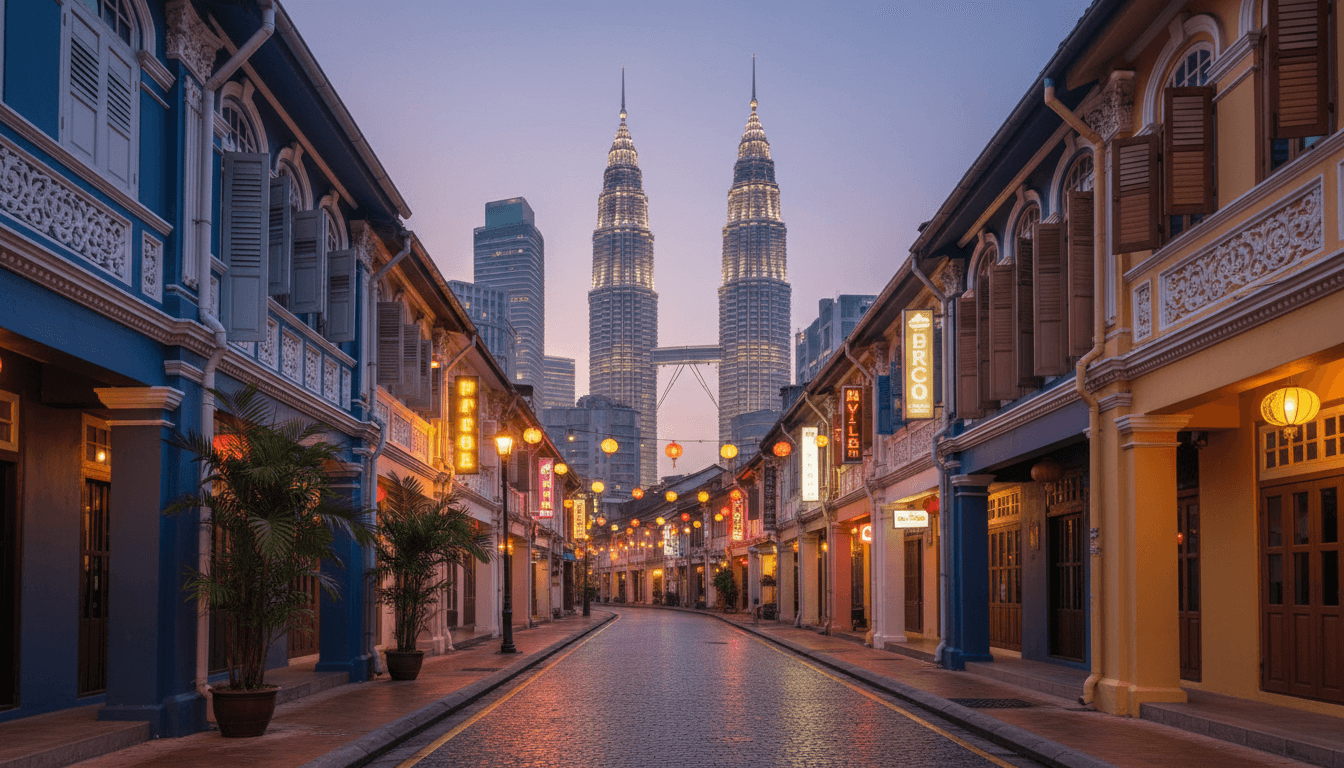
Kuala Lumpur Home Exchange: Your Complete Guide to Malaysia's Hottest Swap Market

SwappaHome Editorial Team
Home Exchange & Slow Travel Editorial
Discover why Kuala Lumpur home exchange is booming in 2024. Insider tips on neighborhoods, costs, and how to score amazing swaps in Malaysia's capital.
I wasn't supposed to fall in love with Kuala Lumpur. It was meant to be a two-week stopover between Bali and Vietnam—a place to do laundry, catch up on emails, and maybe see those famous twin towers everyone photographs. But here's what happened instead: I stayed for six weeks, learned to make nasi lemak from my host's grandmother, and completely rewired how I think about Southeast Asian travel. That Kuala Lumpur home exchange changed everything.
Apparently, I'm not the only one who's figured this out. The home exchange market in KL has absolutely exploded over the past three years, with listings on SwappaHome growing by over 180% since 2021. There's something happening here that most Western travelers haven't caught onto yet—and honestly? That's part of what makes it such a golden opportunity right now.
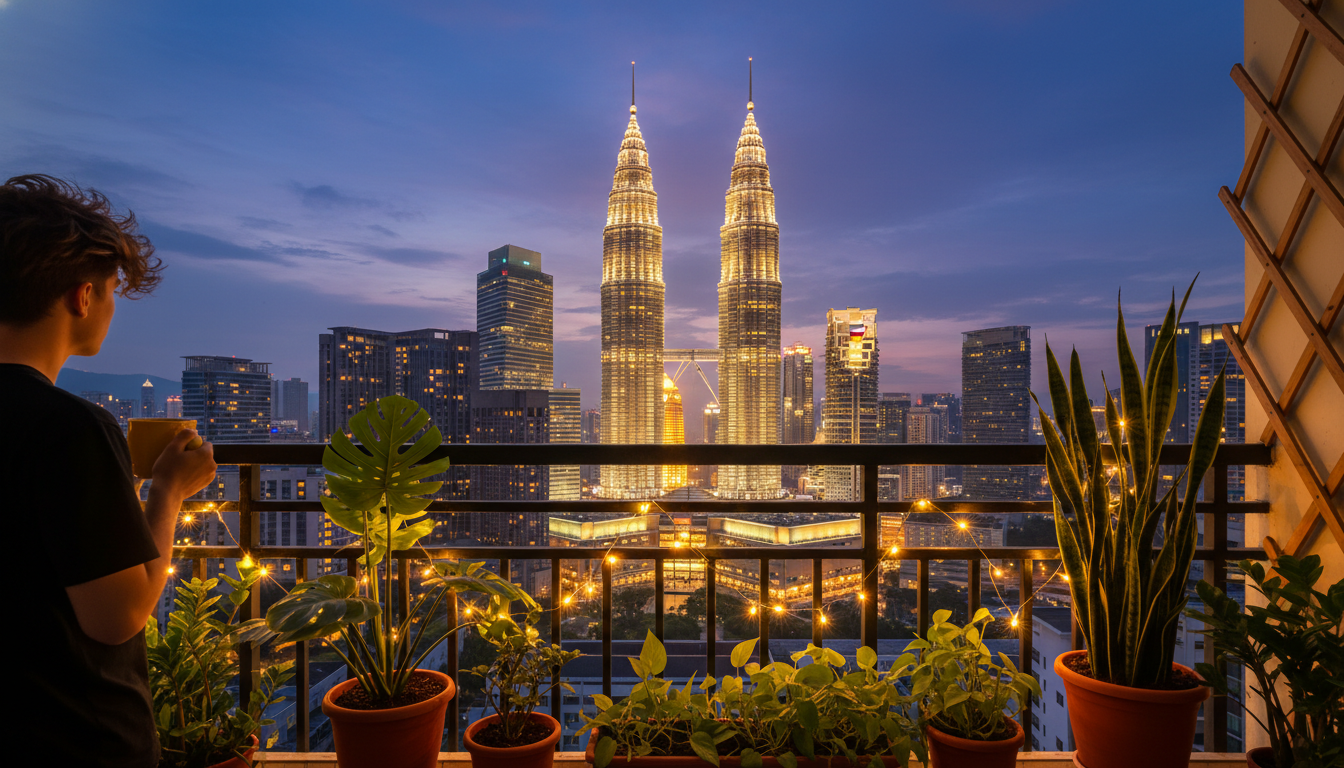 Kuala Lumpur skyline at dusk with Petronas Towers illuminated, shot from a residential balcony with
Why Kuala Lumpur Home Exchange Is Booming Right Now
Let me give you the real picture of what's driving this trend, because it's not just about cheap flights (though those help).
Kuala Lumpur sits in this fascinating sweet spot. It's genuinely cosmopolitan—we're talking world-class infrastructure, English widely spoken, and internet speeds that put most American cities to shame. But it's also maintained this incredible cultural texture that you lose in places like Singapore. The cost of living runs roughly 60-70% lower than major Western cities, which means the apartments locals live in are often stunning by our standards.
Here's what I mean: my first KL home exchange was a 1,200-square-foot condo in Mont Kiara with a rooftop infinity pool, a gym, and 24-hour security. The Malaysian family I swapped with was thrilled to stay in my modest San Francisco apartment—they wanted to experience "real American neighborhood life." Meanwhile, I was swimming laps every morning while watching the sun rise over the city. The equivalent hotel would have run me $200-250 USD per night.
The numbers tell the story. A mid-range hotel in central KL averages 350-500 MYR ($75-107 USD) per night. Airbnbs in decent areas hover around 250-400 MYR ($53-85 USD). But with home exchange? You're spending 1 credit per night on SwappaHome—credits you earned by hosting travelers at your own place. For a two-week stay, that's potentially $1,000-1,500 USD in savings.
But here's what the spreadsheet doesn't capture: you're not staying in a hotel. You're living in someone's actual home, in an actual neighborhood, with an actual coffee shop downstairs where the barista starts making your kopi before you even order because she's seen you every morning for a week.
Best Neighborhoods for Home Exchange in Kuala Lumpur
Not all KL neighborhoods are created equal for home swapping. I've learned this through trial, error, and one unfortunate experience near a construction site that started jackhammering at 6 AM. Let me save you the headache.
Bangsar: The Expat Favorite (For Good Reason)
Bangsar is where I'd point any first-time KL home exchanger. It's got this perfect balance—local enough to feel authentic, international enough that you won't struggle to find oat milk or a decent yoga class.
The home exchange inventory here tends toward well-maintained condos in the 800-1,500 square foot range. Many have been renovated with that Instagram-friendly aesthetic: white walls, rattan furniture, monstera plants. You'll find strong wifi (crucial for remote workers), modern kitchens, and usually access to building amenities.
Walking distance gets you to Bangsar Village (upscale mall with a great bookstore), Jalan Telawi's cafe scene, and some of the city's best street food. The famous Bangsar Sunday market is a sensory overload of tropical fruits, fresh roti, and aunties haggling over vegetables.
Typical swap profile: Young professionals, creative types, families with kids. Expect hosts who are well-traveled themselves and understand the home exchange ethos.
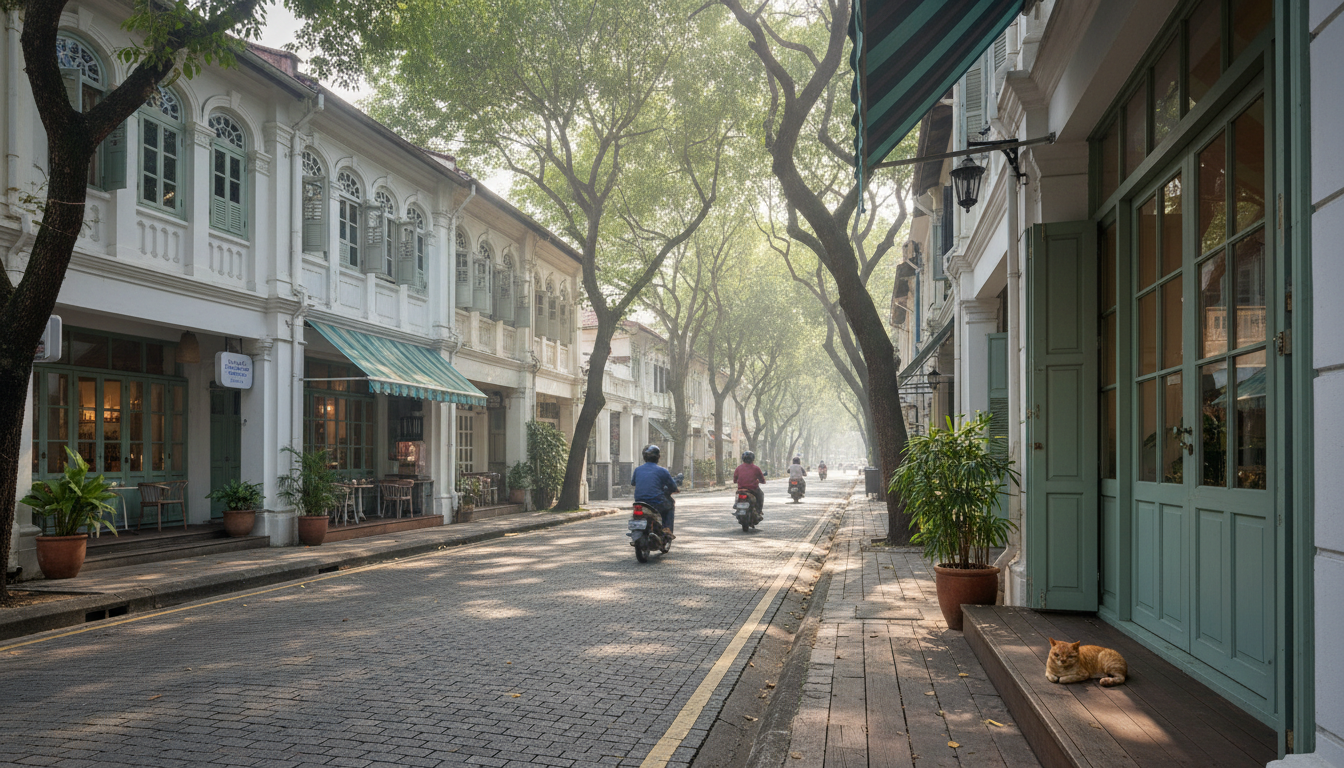 Tree-lined street in Bangsar with colonial-era shophouses converted to cafes, morning light filterin
Mont Kiara: Luxury Without the Price Tag
If Bangsar is the charming neighborhood cafe, Mont Kiara is the rooftop cocktail bar. This is KL's premier expat enclave, home to international schools, diplomatic residences, and some genuinely jaw-dropping condominiums.
I'm talking about places with tennis courts, multiple pools, putting greens, and those fancy gyms where everything is Technogym equipment. The apartments themselves tend to be spacious—1,500 to 3,000 square feet is common—with views that make you understand why people pay premium prices here.
The catch? It's a bit isolated. You'll need Grab (Malaysia's Uber) to get around, and the neighborhood itself is more functional than charming. But for families, remote workers who want resort-style amenities, or anyone who dreams of a month living like a minor celebrity, Mont Kiara delivers.
Home exchange opportunity here is particularly strong because many residents are expats on rotation—they travel frequently and appreciate having trusted guests care for their homes.
TTDI (Taman Tun Dr Ismail): The Local's Choice
This is where I'd live if I moved to KL permanently.
TTDI has that neighborhood-y feel that's increasingly rare in Asian megacities. Tree-lined streets, actual houses mixed with low-rise apartments, and a community vibe where people know each other. The famous TTDI wet market is one of the best in the city—a chaotic, wonderful maze of fresh seafood, tropical produce, and hawker stalls serving breakfast nasi lemak that costs about 6 MYR ($1.30 USD) and will ruin you for any other version.
Home exchange listings here tend toward townhouses and landed properties, which is rare in condo-dominated KL. You might get a garden. You might have a cat to feed. The hosts are often Malaysian families who've traveled enough to appreciate cultural exchange.
Downside: fewer luxury amenities, and you're a bit further from the city center. But honestly? The authenticity trade-off is worth it.
Bukit Bintang: For the Urban Energy Seekers
I'll be real with you—Bukit Bintang isn't my personal style. It's loud, crowded, and aggressively commercial. But I know plenty of travelers who love it, and I can see why.
This is KL's Times Square. Pavilion Mall, Jalan Alor's legendary street food strip, rooftop bars, and that pulsing urban energy that some people crave. If you want to walk out your door and immediately be in the action, this is your spot.
Home exchanges here are mostly in high-rise condos—think 30th-floor studios with city views. Smaller spaces, but the location premium is real. Perfect for solo travelers, couples who want nightlife access, or anyone doing a shorter swap who wants maximum convenience.
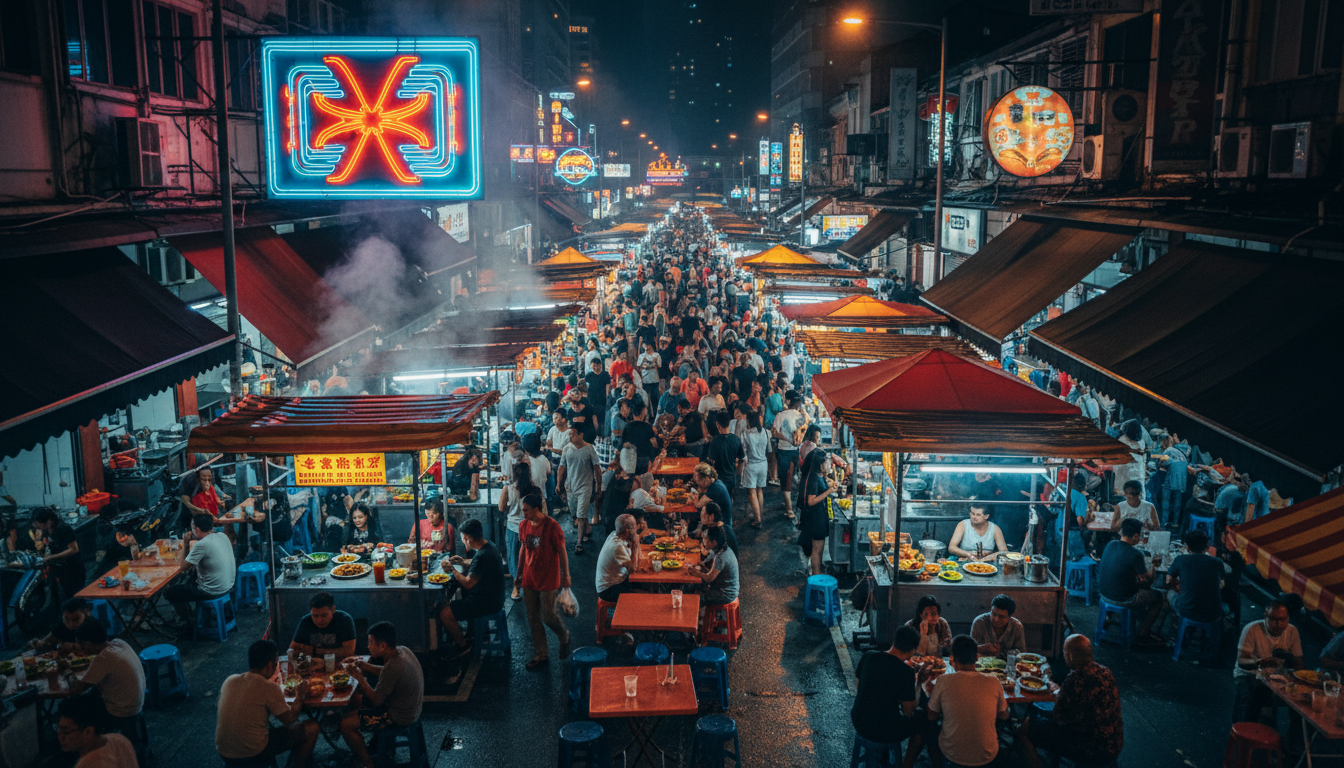 Aerial view of Jalan Alor food street at night, steam rising from hawker stalls, neon signs in Chine
How to Find the Perfect Kuala Lumpur Home Exchange
Alright, let's get practical. You're convinced KL is worth exploring, and you want to make a swap happen. Here's my actual process, refined over seven years of doing this.
Timing Your Search
KL has a few peak periods you should know about. Chinese New Year (late January/February) is massive—many Malaysian Chinese families travel, which means more homes available but also more competition from other swappers. Hari Raya (end of Ramadan, dates shift yearly) is similar for Malay families.
The sweet spot? March through May, or September through November. Shoulder season means fewer tourists, more availability, and hosts who aren't overwhelmed with requests.
Start your search 2-3 months ahead for popular neighborhoods. For Mont Kiara luxury spots, I'd go 4 months minimum.
Crafting Your Request
Malaysian hosts, in my experience, value personal connection more than some Western hosts might. Don't send a generic "I'd love to stay at your place" message. Actually read their listing. Notice the details.
Mention something specific: "I saw you have a collection of local art—I'd love to hear the stories behind them" or "Your recommendation for the roti canai place around the corner sounds amazing." Show you're interested in their life, not just their square footage.
Also—and this might sound obvious—be clear about who you are. Malaysians tend to be family-oriented, so mentioning your family situation (even if you're traveling solo) helps build trust. Something like "I'm a writer from San Francisco, traveling alone but my partner is holding down the fort at home with our two cats" gives them a picture of you as a real person.
What Malaysian Hosts Typically Want to Know
Based on my conversations with hosts I've swapped with, here's what matters to them:
Respect for their home: Malaysia has a strong culture of hospitality, and homes are treated with care. Mentioning that you'll treat their space like your own goes a long way.
Shoes off: This is non-negotiable in most Malaysian homes. Indoor slippers are usually provided, but bringing your own is a nice touch.
Kitchen use: Many Malaysian homes have well-stocked kitchens because home cooking is central to the culture. Ask if there are any dietary restrictions or cooking preferences—some Muslim households keep halal kitchens.
Building rules: Condo living in KL comes with regulations. Ask about guest policies, pool hours, and parking if you're renting a car.
What to Expect from Your KL Home Exchange Experience
Let me paint you a realistic picture, because I think expectations matter.
The Good Stuff
Malaysian hospitality is legendary, and it extends to home exchange. My hosts have left me handwritten guides to their neighborhoods, stocked the fridge with local fruits, and one memorable family left a whole folder of their grandmother's recipes with notes like "this one is tricky—call us if you need help."
The infrastructure is excellent. Fast internet (usually 100+ Mbps), reliable electricity, modern appliances. Air conditioning is standard and necessary—KL is hot and humid year-round, averaging 30-33°C (86-91°F).
You'll likely have access to amazing amenities. Even mid-range condos in KL typically have pools, gyms, and security. It's just the standard here.
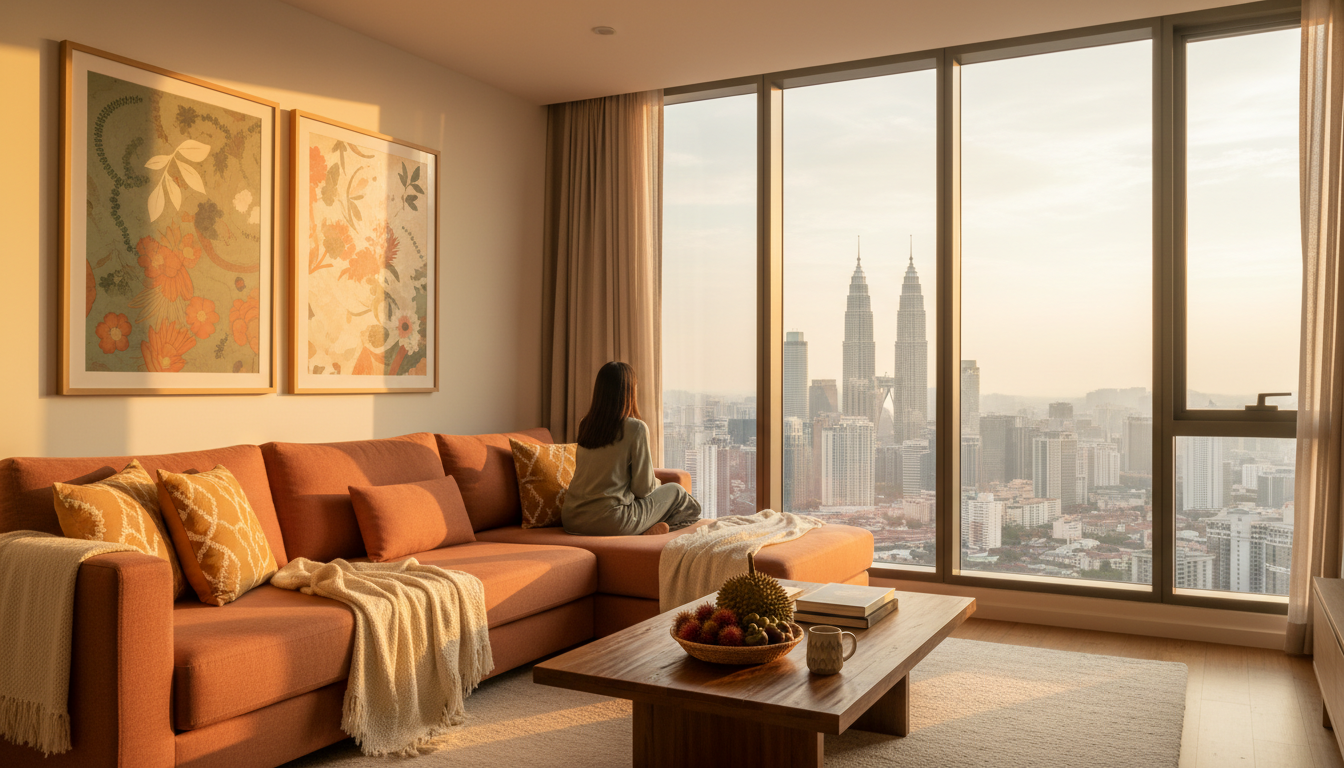 Modern Malaysian condo living room with floor-to-ceiling windows showing city view, comfortable sect
The Adjustment Curve
A few things might catch you off guard.
The call to prayer: If you're near a mosque (and you probably will be), you'll hear the azan five times daily, starting around 5:30 AM. I find it beautiful, but some travelers need a few days to adjust their sleep.
Traffic: KL traffic is genuinely terrible. The city is car-centric despite having a decent rail system. Plan accordingly, and use the MRT/LRT when possible.
Humidity: Your hair will do weird things. Your clothes will feel damp. Embrace it. The locals have perfected the art of air-conditioned refuge.
Food culture: Malaysians eat out constantly because street food is cheap and delicious. Your host's kitchen might be less stocked than you'd expect—they might genuinely eat most meals at the hawker center downstairs.
Building Trust Through the Platform
I want to be transparent about something: home exchange requires mutual trust, and that's built through the community, not through guarantees. On SwappaHome, the review system is your best friend. Look for hosts with multiple positive reviews. Read what previous guests say about communication, cleanliness, and accuracy of the listing.
When you're the guest, be the kind of person you'd want staying in your home. Leave the place cleaner than you found it. Replace anything you use up. Write a thoughtful review afterward.
If you want extra peace of mind, consider getting your own travel insurance that covers accommodation issues. Some travelers also arrange a security deposit directly with their host for high-value properties—this is between you and them, not something the platform handles.
Kuala Lumpur Home Exchange Trends to Watch
Having tracked this market for a few years now, I'm seeing some interesting patterns.
The Digital Nomad Surge
Malaysia's DE Rantau visa (launched 2022) lets remote workers stay for up to two years. This has brought a wave of location-independent professionals to KL, and many of them are home exchange enthusiasts. The result? More high-quality listings from people who understand what travelers need: good desks, ergonomic chairs, multiple monitors, fast internet.
If you're a remote worker yourself, look for listings that specifically mention "work from home setup." These hosts get it.
Suburban Expansion
The home exchange market is spreading beyond central KL into areas like Petaling Jaya, Subang Jaya, and Shah Alam. These suburban spots offer larger homes, often with gardens and parking, at the cost of being further from the action. For families or longer stays, they're worth considering.
Experience-Based Exchanges
I'm seeing more Malaysian hosts offering what I'd call "experience-enhanced" exchanges. One host I know includes a cooking class with her grandmother as part of the swap. Another offers guided tours of his favorite street food spots. This isn't a formal thing—it's just hosts going above and beyond because they're genuinely proud of their culture.
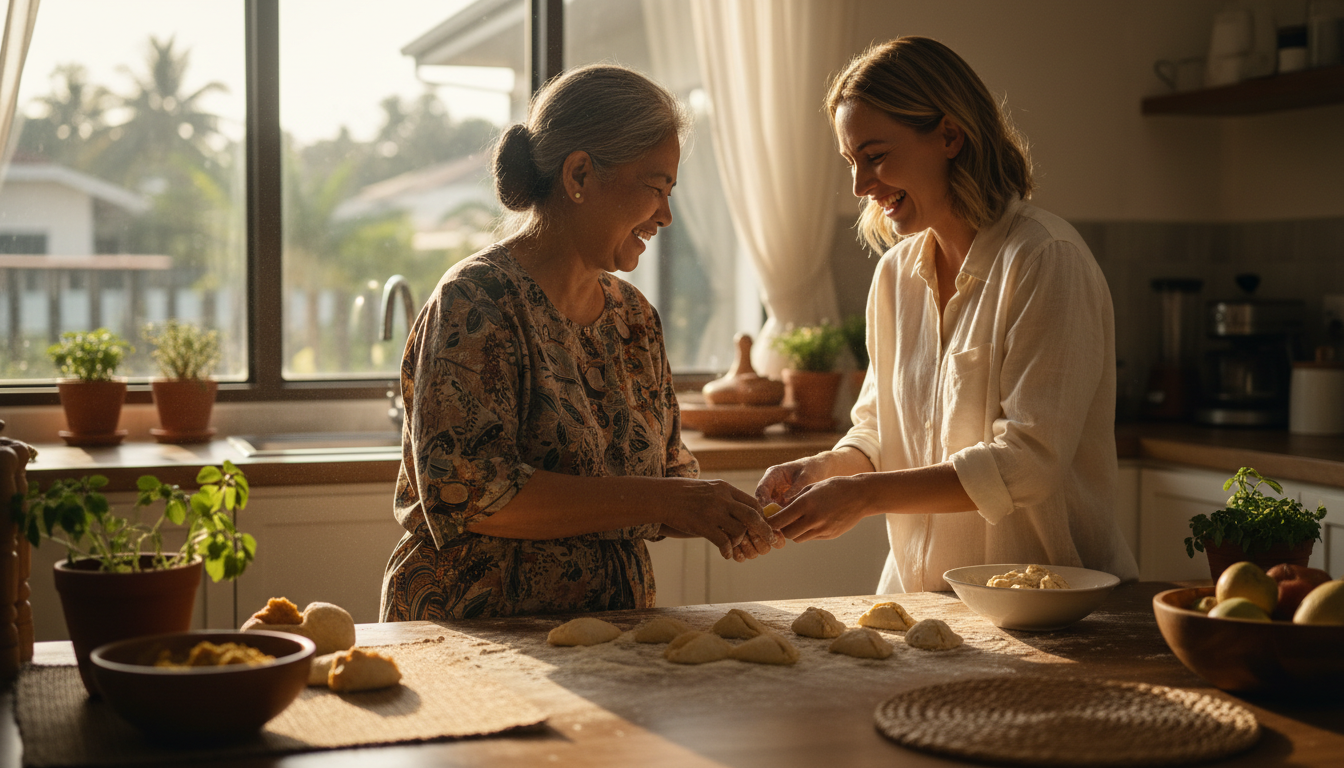 Malaysian grandmother teaching a Western woman to fold curry puffs in a home kitchen, flour-dusted c
Making the Most of Your KL Home Exchange
A few final tips from someone who's done this enough times to have opinions.
Learn a few Malay phrases: "Terima kasih" (thank you), "Selamat pagi" (good morning), and "Sedap!" (delicious!) will get you far. Malaysians light up when foreigners make the effort.
Download these apps: Grab (transportation and food delivery), FoodPanda (more food delivery), and Google Translate (the camera feature is magic for menus).
Bring gifts from home: This isn't required, but Malaysian hosts often leave welcome gifts, and reciprocating is appreciated. Local snacks, coffee from your city, or something representing your home culture goes over well.
Be flexible with communication styles: Malaysians sometimes communicate indirectly to avoid confrontation. If something seems off, ask gently and give them space to respond.
Embrace the food: Seriously. The diversity of Malaysian cuisine—Malay, Chinese, Indian, Nyonya—is staggering. Let your host recommend their favorites. The best meals I've had in KL were in places I never would have found on my own.
The Opportunity Window
Here's my honest take: Kuala Lumpur home exchange is in a golden period right now. The inventory is growing, the hosts are enthusiastic, and the city hasn't been "discovered" the way Lisbon or Mexico City have been. You can still have experiences that feel genuine rather than curated for tourists.
Will it stay this way forever? Probably not. Tourism is rebounding post-pandemic, and KL is increasingly on the radar. But right now, in this moment, there's an opportunity to experience one of Asia's most underrated cities in a way that most travelers never will.
My advice? Don't wait. Start browsing listings on SwappaHome, reach out to a few hosts, and see what clicks. The worst that happens is you discover a city that surprises you. The best? You end up in someone's grandmother's kitchen, learning to fold curry puffs, wondering why you ever thought a hotel was the way to travel.
Frequently Asked Questions
Is home exchange in Kuala Lumpur safe for solo travelers?
Kuala Lumpur is generally very safe, with low violent crime rates compared to Western cities. For home exchange specifically, stick to verified hosts with positive reviews, communicate clearly before arrival, and trust your instincts. Most KL condos have 24-hour security, which adds an extra layer of comfort. I've done multiple solo swaps here without any issues.
How much can I save with Kuala Lumpur home exchange versus hotels?
For a two-week stay, you're looking at savings of roughly $1,000-2,000 USD compared to mid-range hotels, or $500-1,000 USD compared to Airbnb. A decent KL hotel runs $75-150 USD per night, while home exchange costs only 1 credit per night on SwappaHome—credits you earn by hosting guests at your own home.
What's the best time of year for a KL home exchange?
March through May and September through November offer the best balance of availability and weather. Avoid Chinese New Year (late January/February) and Hari Raya periods unless you book 4+ months ahead. KL is hot year-round (30-33°C/86-91°F), so weather isn't a major differentiator—it's more about host availability and tourist crowds.
Do I need to speak Malay for home exchange in Kuala Lumpur?
No—English is widely spoken in KL, especially among the urban, educated population likely to participate in home exchange. Most listings and all communication can happen in English. That said, learning basic phrases like "terima kasih" (thank you) shows respect and delights locals.
What should I look for in a Kuala Lumpur home exchange listing?
Prioritize verified hosts with multiple positive reviews, clear photos of all rooms, and detailed descriptions of the neighborhood and amenities. Check for mentions of wifi speed (important for remote workers), air conditioning (essential in KL), and building facilities. Read reviews for mentions of accuracy—does the listing match reality?

Published by
SwappaHome
SwappaHome Editorial Team
Home Exchange & Slow Travel Editorial
The SwappaHome Editorial Team brings together travel research, home-exchange community insights, and platform data to produce practical guides for first-time and experienced home swappers. Every article cites real platforms, current market rates, and verifiable city-level facts so readers can make informed decisions without guessing.
Ready to try home swapping?
Join SwappaHome and start traveling by exchanging homes. Get 7 free credits when you sign up!
Related articles
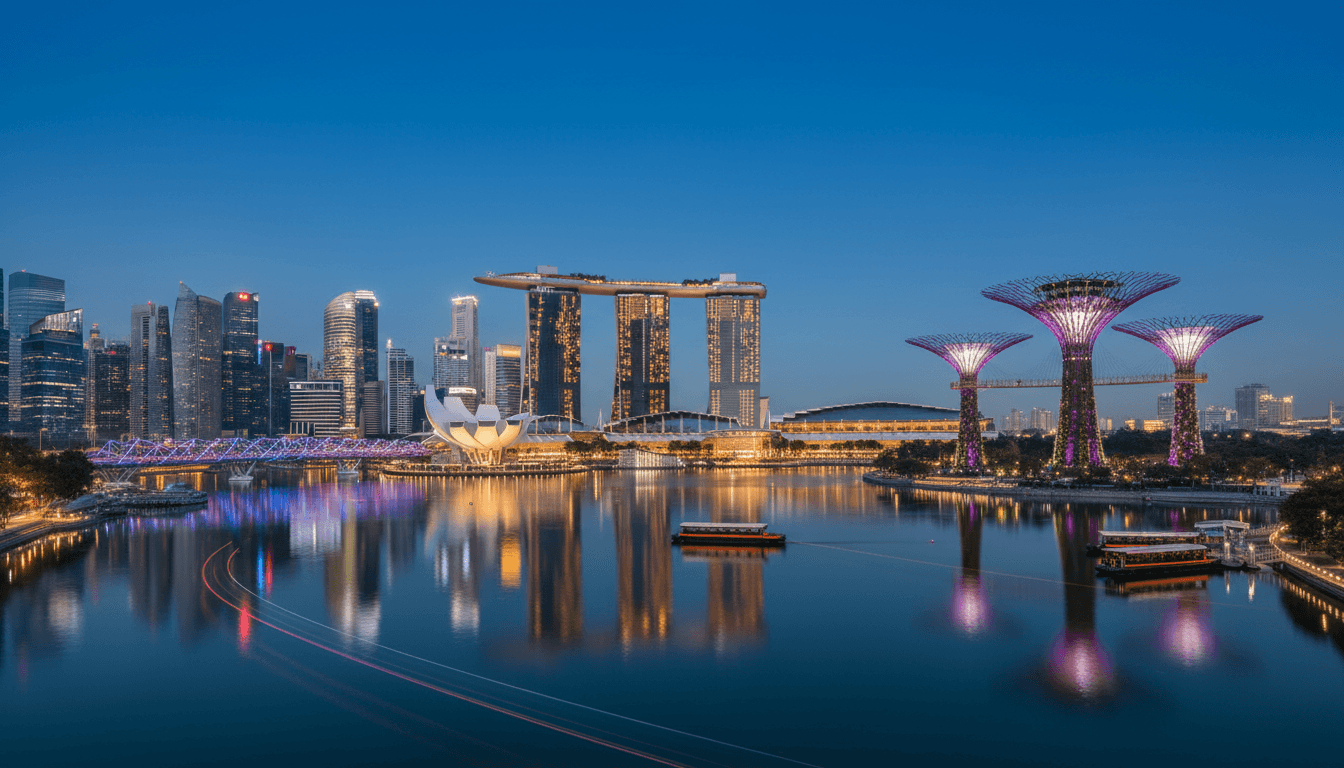
Bachelor and Bachelorette Parties in Singapore: The Complete Home Swap Group Guide for 2026
Planning a bachelor or bachelorette party in Singapore? Discover how home swapping lets groups of 6-12 stay together in luxury condos, saving thousands while partying in Marina Bay.
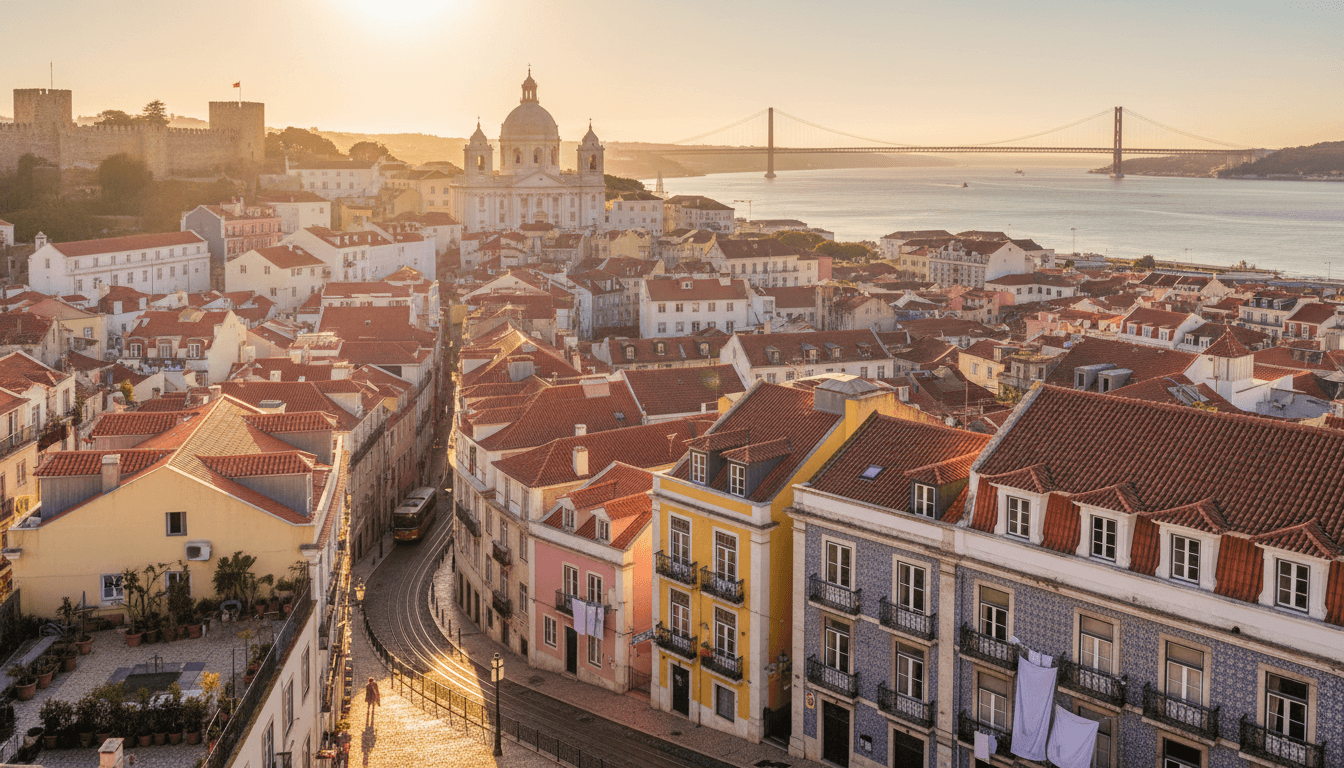
Cycling in Lisbon: 7 Home Swap Bike Tour Itineraries for Every Rider
Discover the best cycling routes in Lisbon with these home swap bike tour itineraries—from waterfront paths to hilltop adventures, all starting from your borrowed home.
Graduation Trip to Barcelona: How Home Swapping Gives New Graduates the Ultimate Celebration
Planning a graduation trip to Barcelona? Discover how home swapping lets new graduates explore Spain's most vibrant city without the hostel crowds or hotel costs.