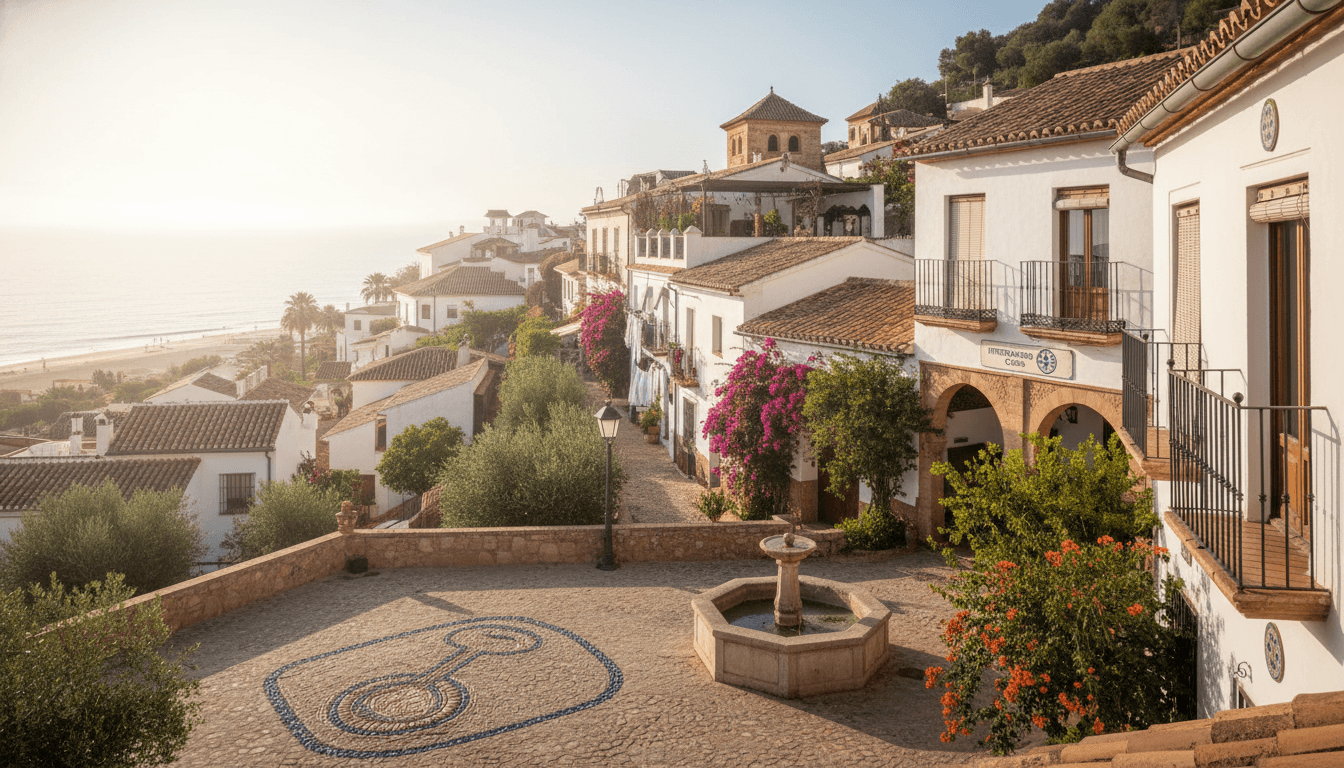
Home Exchange in Málaga: 7 Underrated Neighborhoods Locals Actually Love
Maya Chen
Travel Writer & Home Exchange Expert
Skip the tourist traps. These hidden Málaga neighborhoods offer authentic home exchange experiences, lower costs, and the Spain locals don't want you to find.
I almost missed Pedregalejo entirely.
My first home exchange in Málaga was in the historic center—gorgeous, sure, but I spent half my mornings dodging selfie sticks near the cathedral. It wasn't until my third swap, when a local host suggested I try "the fishing village that got swallowed by the city," that I understood what I'd been missing.
That swap changed everything I thought I knew about home exchange in Málaga.
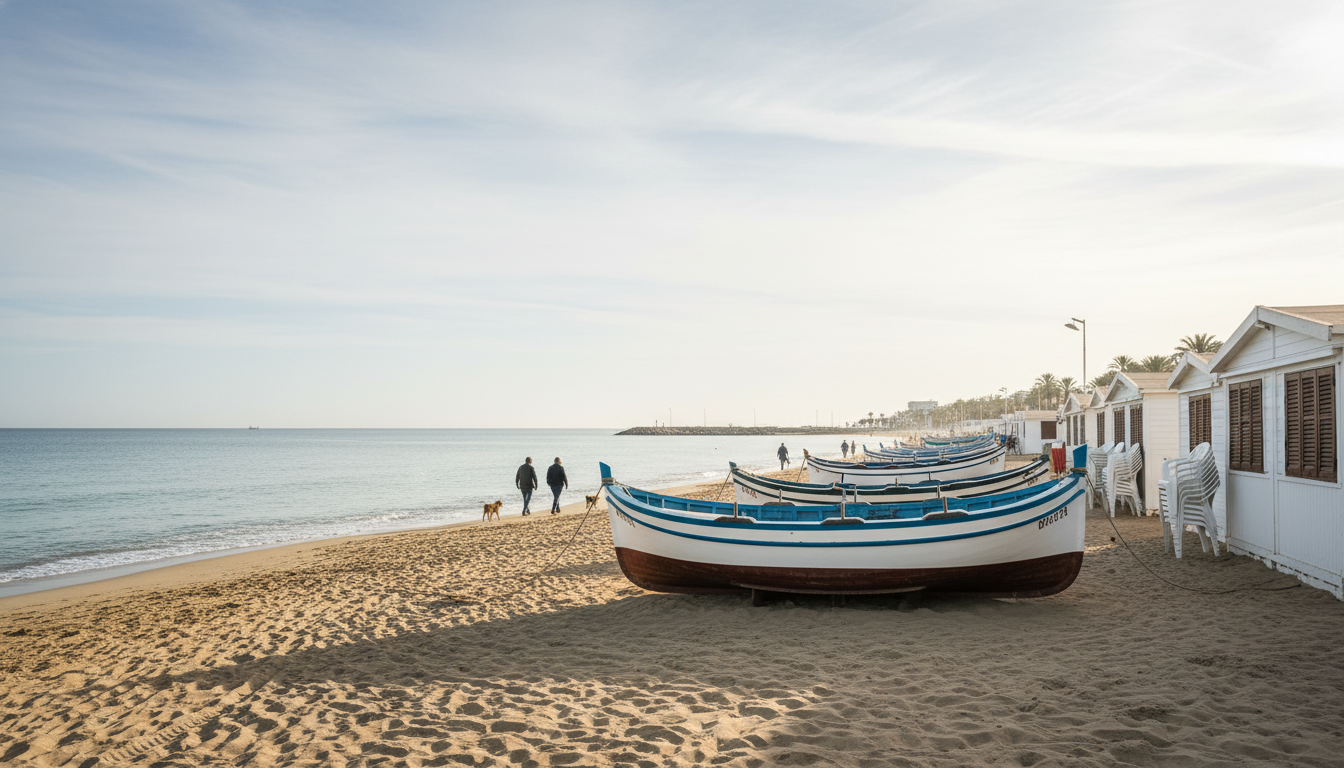 Early morning light on a quiet Pedregalejo beach with traditional fishing boats jbegas pulled up on
Here's the thing about Málaga: everyone talks about the Picasso Museum and Muelle Uno, but the city has been quietly transforming into one of Spain's most livable places. Tech workers are moving here. Artists are setting up studios. And the neighborhoods where this is happening? They're not in any guidebook I've seen.
For home exchange, this matters more than you'd think. The underrated areas in Málaga aren't just cheaper—they're where you'll actually live like a local. Where your neighbor might invite you for a copa de vino. Where the panadería owner remembers your coffee order by day three.
I've done four home swaps in Málaga over the past three years, and I've learned that the best neighborhoods for home exchange are the ones tourists haven't discovered yet. Let me show you where to look.
Why Underrated Málaga Neighborhoods Are Perfect for Home Exchange
Before I get into specific areas, let me explain why off-the-beaten-path matters so much for home swapping.
When you're doing a hotel stay, location is about convenience—proximity to sights, restaurants, transport. But home exchange flips that equation entirely. You're not visiting a place; you're temporarily living there. And the neighborhoods where actual Malagueños live? They're designed for daily life, not tourism.
This means better grocery stores (not overpriced "convenience" shops), actual neighborhood bars where a caña costs €1.50 instead of €4, and—crucially—homes that feel like homes rather than vacation rentals optimized for Instagram.
I did the math on my last Málaga swap. Staying in Pedregalejo versus the Centro Histórico, the difference was striking. Morning coffee and tostada ran me €2.80 instead of €5.50. Weekly groceries at the local market cost €45 versus €70 (tourist markup is real). Evening tapas for two came to €18 instead of €35. Even a gym day pass—yes, I work out on vacation, don't judge—was €8 versus €15. Over two weeks, that's roughly $280 USD in savings, and honestly? I had a better experience.
The other factor? Home exchange availability. The Centro Histórico has maybe 30-40 listings on SwappaHome at any given time. Everyone wants to list there. But neighborhoods like El Palo or Ciudad Jardín? Less competition, more responsive hosts, and often larger apartments because they're built for families, not tourists.
Pedregalejo: The Former Fishing Village That Stole My Heart
I need to start here because Pedregalejo is where I finally understood Málaga.
Technically, it's about 4 kilometers east of the city center, which sounds far until you realize there's a gorgeous beachfront promenade connecting them. I used to walk it every morning—45 minutes of Mediterranean views, palm trees, and locals doing their morning jog.
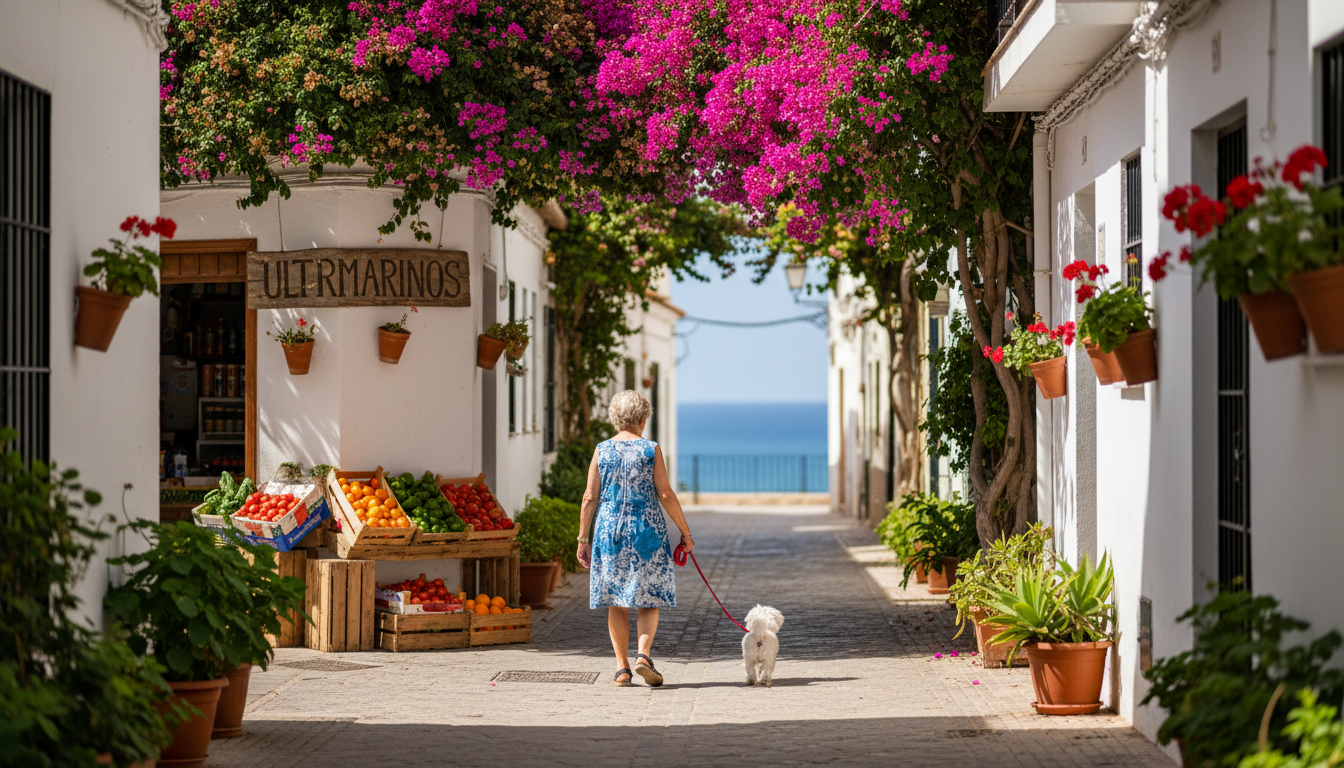 Narrow pedestrian street in Pedregalejo with bougainvillea cascading over white walls, a small corne
Pedregalejo was a fishing village until the 1960s when Málaga expanded and absorbed it. But it kept its character. The streets are narrow and confusing (I got lost constantly, happily). The beach is lined with chiringuitos—casual seafood restaurants where they grill sardines on boat-shaped barbecues right on the sand.
For home exchange in Málaga, Pedregalejo offers something rare: space. The apartments here tend to be larger, many with terraces or small gardens. My swap was a two-bedroom with a rooftop terrace where I'd drink wine and watch the sunset over the Mediterranean. Try finding that in the Centro Histórico for under €200/night.
What to expect: Quiet mornings, lively evenings (especially in summer), excellent seafood, and a 15-minute bus ride to the center. The 11 and 34 buses run constantly.
Best for: Beach lovers, food enthusiasts, anyone who wants to wake up to the sound of waves instead of tour groups.
Local tip: Skip the beachfront restaurants for dinner (tourist prices) and walk one block inland to Bar El Tintero. No menu—waiters walk around with plates of whatever's fresh, shouting out dishes. You point, they leave it. Chaotic, delicious, about €15 for more food than you can eat.
El Palo: Pedregalejo's Even Quieter Neighbor
If Pedregalejo is the fishing village tourists are starting to discover, El Palo is the one they haven't found yet.
It's just east of Pedregalejo, and honestly, the line between them is blurry. But El Palo feels more... real? More Spanish? There are fewer expats, more families who've lived here for generations, and a Saturday morning market that locals actually shop at (not just photograph).
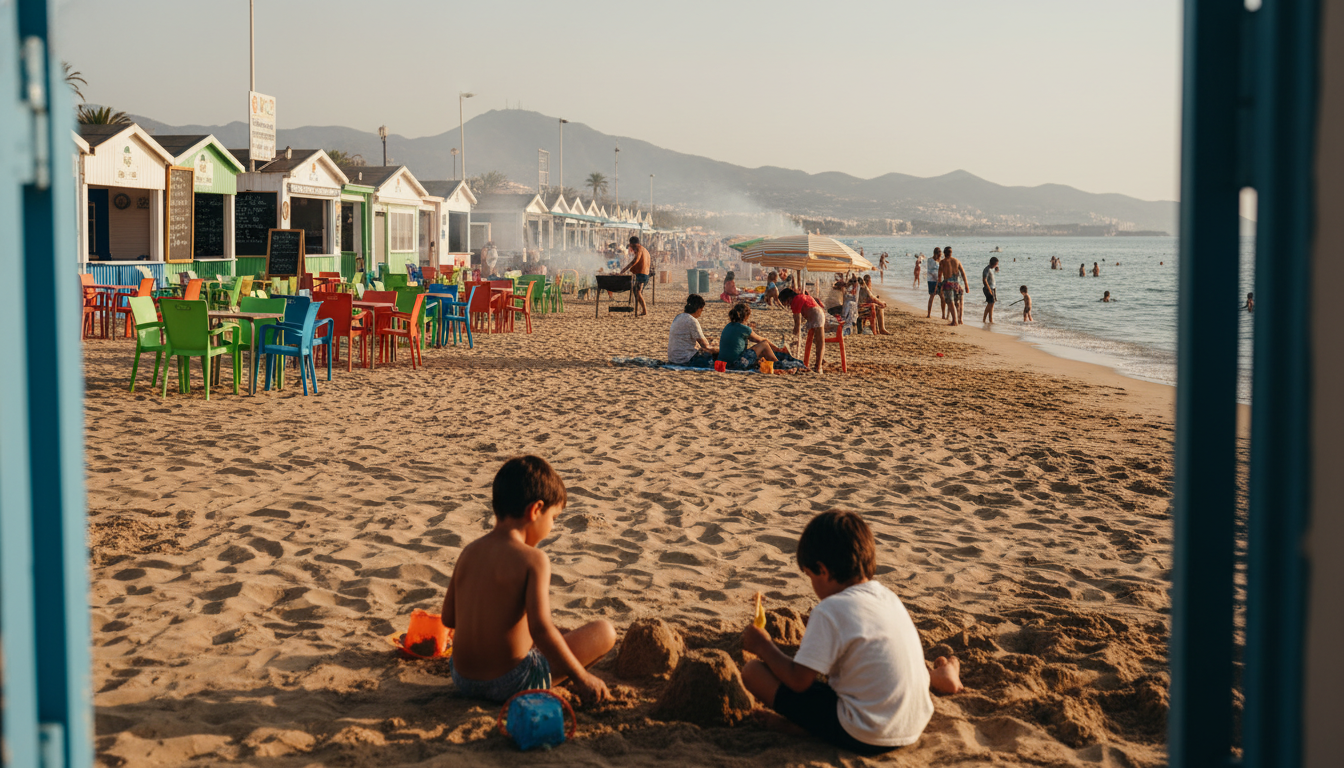 El Palos Playa de Pedregalejo-El Palo at midday with local families, children building sandcastles,
My friend Carla did a home exchange here last spring—a ground-floor apartment with a small patio, walking distance to the beach. She said the owner's neighbor brought her homemade gazpacho on her second day. Just showed up, handed her a jar, and said "bienvenida." That doesn't happen in the Centro Histórico.
El Palo has its own beach (Playa de El Palo), which is less crowded than Pedregalejo's. The chiringuitos here are more family-run, less polished, and significantly cheaper. Espetos de sardinas (grilled sardine skewers) run about €3-4 versus €6-7 in more touristy spots.
The trade-off? It's further from the center—about 25 minutes by bus. But if you're doing a longer home exchange (a week or more), that barely matters. You'll settle into a routine, find your coffee spot, and forget the tourist attractions exist.
What to expect: Very local atmosphere, excellent value, limited English spoken (brush up on your Spanish or embrace the pointing-and-smiling method).
Best for: Long-term swaps, Spanish speakers, anyone who wants to disappear into local life.
Local tip: The Mercado de El Palo on Saturday mornings is where you'll find the best produce. Get there by 10am before the good stuff sells out. The tomatoes in summer are unreal.
Ciudad Jardín: Where Malagueños Actually Live
Okay, Ciudad Jardín isn't going to win any Instagram contests. There's no beach. No historic architecture. No Michelin-starred restaurants.
But here's what it has: real life.
Ciudad Jardín ("Garden City") is a residential neighborhood northwest of the center, built in the early 20th century as a planned community for middle-class families. The streets are tree-lined, the apartments have actual space, and there's a sense of community that's hard to find in more transient areas.
I stayed here for a week last year while working remotely, and it was exactly what I needed. My swap was a three-bedroom apartment (the host family was visiting relatives in Argentina) with a full kitchen, a washing machine that actually worked, and—this was key—reliable, fast WiFi.
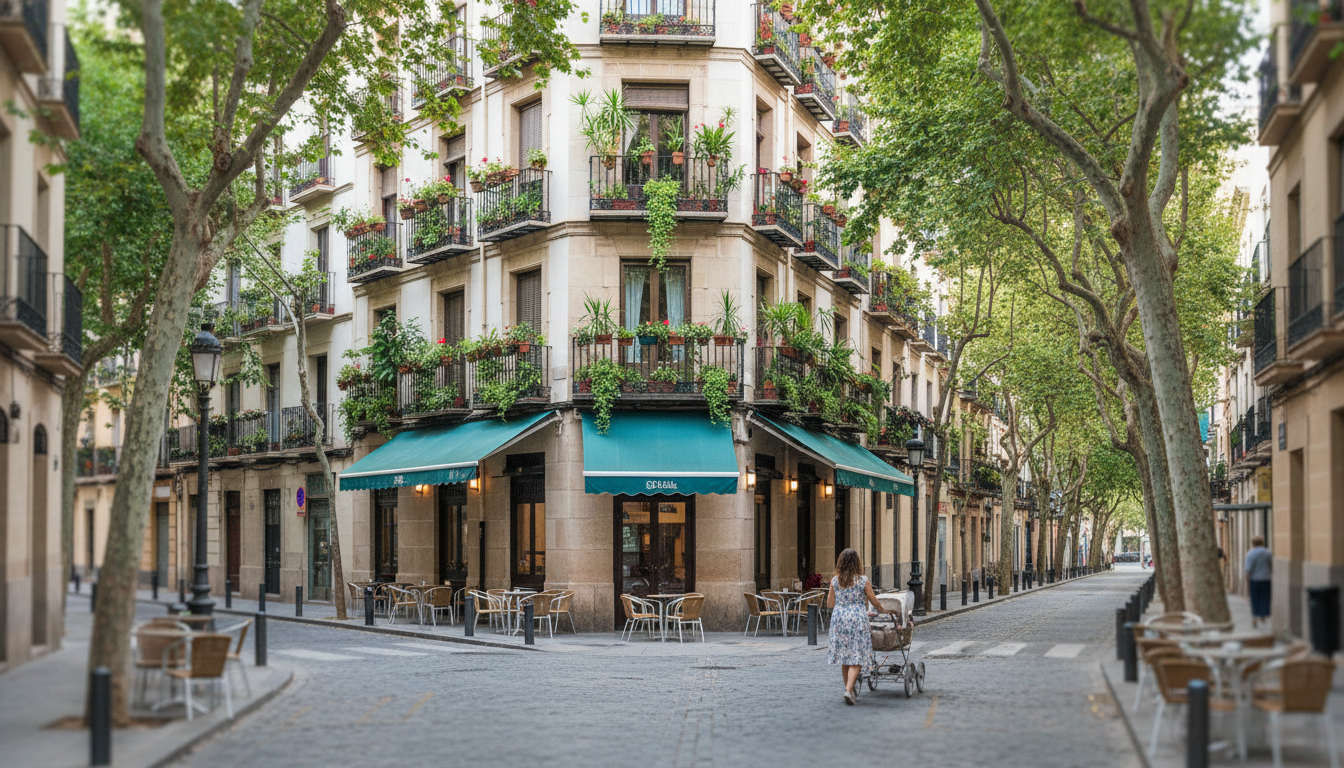 Tree-lined street in Ciudad Jardn with early 20th century apartment buildings, small balconies with
The neighborhood has everything you need for daily life: supermarkets (Mercadona and Lidl are both walkable), pharmacies, banks, a decent gym, and plenty of no-frills restaurants where a menú del día runs €10-12 for three courses including a drink.
For home exchange in Málaga, Ciudad Jardín is underrated because it's not "exciting." But exciting is exhausting. Sometimes you want a neighborhood where you can work in the morning, grab lunch at a local spot, and spend the afternoon exploring without feeling like you're in a theme park.
The center is about 15 minutes by bus (lines 1, 36, and N1 for late nights), or you can walk it in 35 minutes through the Parque de Málaga, which is actually a lovely route.
What to expect: Quiet, residential, family-oriented. Not much nightlife. Excellent for remote work.
Best for: Digital nomads, families with kids, anyone doing a longer swap who needs to actually get things done.
Local tip: Bar La Tranca on Calle Carretería (the edge of Ciudad Jardín nearest the center) is a classic Málaga tapas bar—standing room only, vermouth on tap, walls covered in old posters. Go for the atmosphere, stay for the €2 montaditos.
Huelin: The Working-Class Neighborhood Going Through Its Moment
Huelin is interesting.
Five years ago, it was solidly working-class—former industrial zone, nothing to see here. Now? It's got a new beach promenade, a contemporary art center (CAC Málaga, which is free and actually good), and a growing food scene.
But it hasn't gentrified yet. Not fully. Which makes it a sweet spot for home exchange.
The apartments here are affordable by Málaga standards, the hosts tend to be younger (lots of first-time home exchangers who are enthusiastic and responsive), and you're walking distance to the beach without the Pedregalejo prices.
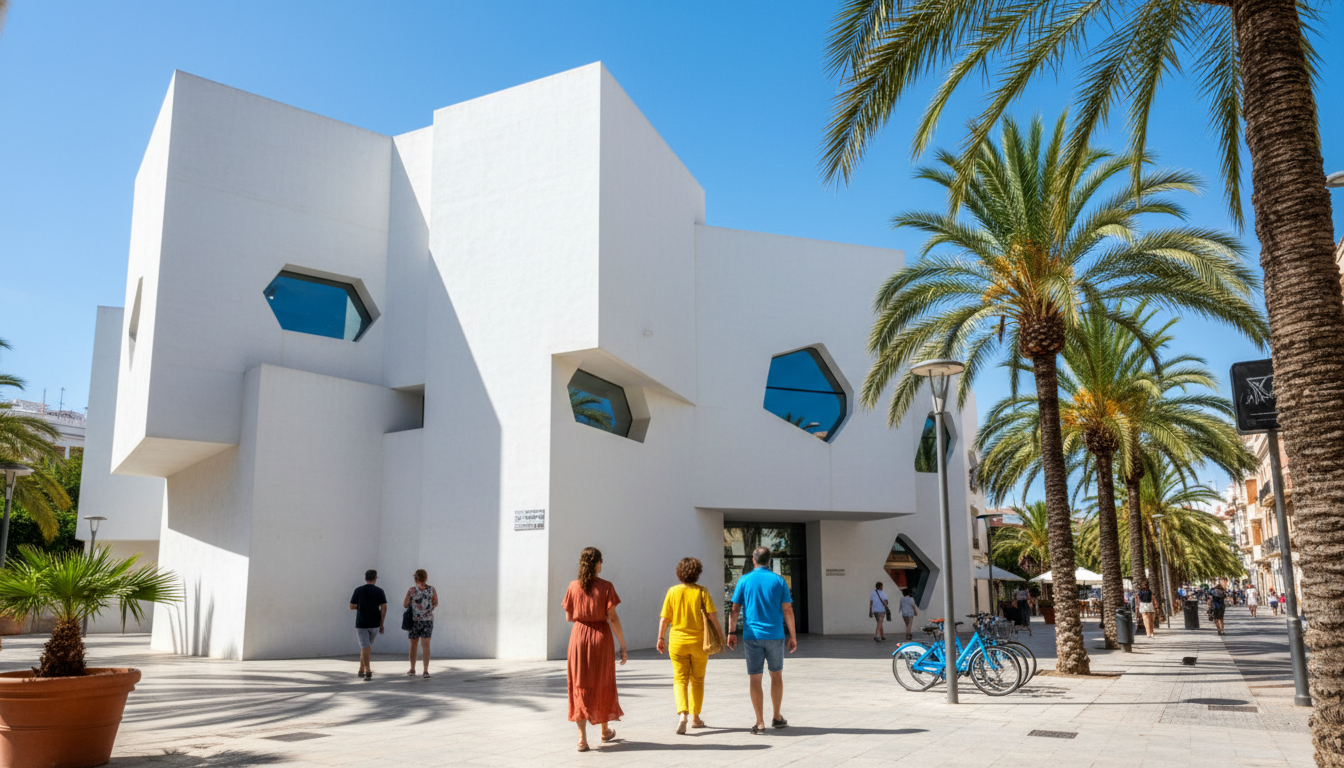 CAC Mlaga contemporary art center exterior with its distinctive white architecture, a few visitors w
I haven't done a full swap in Huelin, but I visited a friend who was staying there last summer. Her apartment was a 10-minute walk from the beach, 20 minutes from the center, and she paid—well, nothing, because home exchange, but the equivalent rental would have been about €70/night versus €120+ in the Centro.
The neighborhood still has rough edges. Some blocks are prettier than others. But that's part of the appeal—it feels like you're discovering something before everyone else does.
What to expect: Mixed character (some blocks very local, others more developed), good beach access, emerging food scene.
Best for: Art lovers, budget-conscious travelers, anyone who likes being slightly ahead of the curve.
Local tip: The Paseo Marítimo Antonio Banderas (yes, named after that Antonio Banderas—he's from Málaga) runs along Huelin's beachfront. Great for evening walks, and there are several chiringuitos where you can stop for a drink without tourist markup.
La Malagueta: Central But Surprisingly Livable
I'm including La Malagueta because it's technically underrated, even though it's close to the center.
Most tourists stay in the Centro Histórico proper or near Muelle Uno. La Malagueta is the neighborhood just east of the port, between the bullring and the beach. It's residential enough to feel like a neighborhood, but central enough to walk everywhere.
The beach here (Playa de la Malagueta) is the most accessible from the center, which means it gets crowded in summer. But the neighborhood itself? Surprisingly quiet. Lots of older residents, established families, and a few expats who figured out the location sweet spot.
For home exchange, La Malagueta offers the best of both worlds: you can walk to the Picasso Museum in 15 minutes, but you're also steps from the beach. The apartments tend to be in well-maintained older buildings with character—high ceilings, tile floors, those gorgeous Spanish balconies.
The downside? It's pricier than the eastern neighborhoods, and there are fewer listings available. But if you can find a swap here, take it.
What to expect: Central location, beach access, more polished than other neighborhoods on this list.
Best for: First-time Málaga visitors who want convenience but not chaos, couples, anyone who wants to walk everywhere.
Local tip: Skip the beachfront restaurants and walk up to Calle Maestranza for tapas. El Pimpi is touristy but legitimately good (and has a terrace with Alcazaba views). For something more local, try Uvedoble a few blocks away.
Teatinos: The University District That's Not Just for Students
Teatinos is Málaga's university neighborhood, which immediately makes people think "student housing, loud parties, not for me."
But here's the thing: Teatinos is also where a lot of young professionals and families live because it's modern, well-planned, and significantly cheaper than central neighborhoods.
The area was developed in the 1990s and 2000s around the University of Málaga campus. The buildings are newer (read: better insulation, modern kitchens, elevators that work), there are parks and green spaces, and the metro connects you to the center in about 15 minutes.
I know a couple who did a month-long home exchange in Teatinos while they were figuring out if they wanted to move to Málaga permanently. They loved it. Their swap was a modern two-bedroom with a pool, parking (rare in Málaga), and a balcony with mountain views. The host family was traveling through Asia and happy to have someone trustworthy in their home.
Teatinos isn't walkable to the beach or the historic center—that's the trade-off. But the metro (Line 1) is reliable, and if you have a car (or your swap includes one), you're well-positioned to explore the Costa del Sol and the mountain villages.
What to expect: Modern amenities, younger demographic, good value, requires transit to reach tourist areas.
Best for: Families, anyone wanting modern apartments, people with cars, long-term stays.
Local tip: The Centro Comercial Plaza Mayor is nearby and has everything—supermarket, cinema, restaurants. Not charming, but practical.
El Limonar: The Quiet Luxury Option
I'm ending with El Limonar because it's the most surprising neighborhood on this list.
El Limonar is one of Málaga's wealthiest residential areas—think villas with gardens, tree-lined streets, and a sense of calm that feels almost suburban. It's not where you'd expect to find home exchange opportunities.
But that's exactly why it's interesting.
Wealthy families travel too. And when they do, they often prefer home exchange over leaving their house empty (or trusting it to a stranger from a rental platform). The listings in El Limonar tend to be larger homes—three or four bedrooms, gardens, sometimes pools—offered by families who want responsible guests.
I haven't personally stayed in El Limonar, but I've browsed the listings out of curiosity. There are usually 5-10 available on SwappaHome at any given time, and they're stunning. The kind of places that would cost €300-400/night as vacation rentals.
The location is between the center and the eastern beaches, about 10 minutes by car to either. It's not walkable to much—you'd need transport—but if you're traveling with family or a group and want space, it's worth considering.
What to expect: Upscale residential, quiet, requires car or taxi for most activities.
Best for: Families wanting space, groups, anyone who prioritizes accommodation quality over location.
Local tip: The Jardín Botánico-Histórico La Concepción is nearby—one of the best botanical gardens in Spain. Worth a morning visit.
How to Find Home Exchange Listings in These Málaga Neighborhoods
Alright, practical stuff.
When you're searching for a home exchange in Málaga on SwappaHome, you can filter by neighborhood—but the specific areas I've mentioned might not all be listed as separate options. Here's how to find them:
Start by searching "Málaga, Spain" and switch to map view. Then zoom into the specific area you're interested in—Pedregalejo is east along the coast, Ciudad Jardín is northwest, and so on. Read the listing descriptions carefully since hosts usually mention their neighborhood and what's nearby. And definitely message hosts before requesting to ask about the specific location, nearby amenities, and transit options.
SwappaHome works on a credit system: you earn 1 credit for every night you host, and you spend 1 credit for every night you stay somewhere. New members get 10 free credits to start, which is enough for a solid week-plus in Málaga.
One more thing: the best listings go fast, especially for peak season (June-September) and Semana Santa (Easter week). If you're planning a Málaga home exchange, start looking 3-4 months ahead and be flexible on exact dates.
Making the Most of Your Málaga Home Exchange
A few final thoughts from someone who's done this a few times.
Embrace the schedule. Málaga runs on Spanish time. Lunch is 2-4pm, dinner is 9-11pm, and everything closes for siesta. Don't fight it—adapt. Your home exchange gives you a kitchen, so make a big lunch, rest in the afternoon, then go out for tapas when the city comes alive.
Learn the bus system. The EMT Málaga app shows real-time arrivals and routes. A single ride is €1.30, or you can get a rechargeable card for €0.82/ride. The buses are reliable and cover all the neighborhoods I've mentioned.
Stock up at the markets. Mercado de Atarazanas in the center is gorgeous (and touristy), but every neighborhood has its own smaller market. Ask your host where they shop.
Leave a good review. This is how the home exchange community works. Detailed, honest reviews help future travelers and build trust in the system. Mention specific things—the comfortable bed, the helpful neighborhood tips, the excellent coffee maker.
Málaga surprised me. I expected a beach city with good weather and decent tapas. What I found was a place with layers—neighborhoods that feel like different villages, each with its own rhythm and character.
The tourist areas are fine. They exist for a reason. But the real Málaga? It's in Pedregalejo at 8am, watching fishermen pull in their boats. It's in Ciudad Jardín on a Tuesday afternoon, when the streets are quiet and the café owner has time to chat. It's in El Palo on a Saturday morning, haggling over tomatoes at the market.
Home exchange lets you access that Málaga. Not as a visitor, but as a temporary resident. Someone with a key, a kitchen, and a neighbor who might just bring you gazpacho.
If you're considering a home exchange in Málaga, skip the Centro Histórico. Or at least, don't limit yourself to it. The underrated neighborhoods are where the real magic happens.
I'll be back in Pedregalejo this fall, actually. Same apartment, same terrace, same sunset views. Some places are worth returning to.
Frequently Asked Questions
Is home exchange in Málaga safe for first-time swappers?
Yes—Málaga is generally very safe for home exchange. The city has low crime rates compared to other European destinations, and the home exchange community here is well-established. Use SwappaHome's verification features, read reviews carefully, and communicate thoroughly with your host before confirming. Most experienced swappers recommend starting with hosts who have multiple positive reviews.
How much can I save with home exchange versus hotels in Málaga?
The savings can be substantial. A mid-range hotel in central Málaga costs €100-150/night, while beachfront areas run €150-200+. With home exchange, you pay nothing for accommodation (just SwappaHome credits). Over a two-week stay, that's €1,400-2,800 in savings, plus you'll spend less on food since you have a kitchen. Factor in neighborhood pricing differences, and total savings can reach $2,000-3,500 USD.
What's the best neighborhood in Málaga for families doing home exchange?
Pedregalejo and Teatinos are excellent choices for families. Pedregalejo offers beach access, safe streets, and a village atmosphere kids love. Teatinos has modern apartments (often with pools), parks, and family-friendly amenities. Both neighborhoods have larger homes than the Centro Histórico, giving families the space they need. Ciudad Jardín is another solid option for its quiet, residential character.
When is the best time for home exchange in Málaga?
Spring (April-May) and fall (September-October) offer the best balance of good weather, fewer tourists, and more available listings. Summer (June-August) is peak season—expect competition for listings and crowded beaches. Winter is mild (15-18°C) and very affordable, though some beach services close. Book 3-4 months ahead for peak season, 1-2 months for off-season.
Do I need a car for home exchange in Málaga's outer neighborhoods?
Not necessarily. Neighborhoods like Pedregalejo, El Palo, Huelin, and La Malagueta are well-served by buses (€1.30/ride). Teatinos has metro access. Only El Limonar really requires a car for convenience. That said, having a car opens up day trips to mountain villages, Ronda, and the Costa del Sol. Some home exchange listings include car use—always worth asking.
40+
Swaps
25
Countries
7
Years
About Maya Chen
Travel Writer & Home Exchange Expert
Maya is a travel writer with over 7 years of experience in the home swapping world. Originally from Vancouver and now based in San Francisco, she has completed more than 40 home exchanges across 25 countries. Her passion for "slow" and authentic travel led her to discover that true luxury lies in living like a local, not a tourist.
Ready to try home swapping?
Join SwappaHome and start traveling by exchanging homes. Get 10 free credits when you sign up!
Related articles

Lyon Home Exchange: Your Complete Guide to France's Hidden Gem for Home Swapping
Discover why Lyon home exchange is booming among savvy travelers. From Croix-Rousse to Presqu'île, find the best neighborhoods and insider tips for your swap.

Zurich Bucket List: 47 Unforgettable Experiences to Enjoy During Your Home Swap
Discover the ultimate Zurich bucket list for home swappers—from secret swimming spots to fondue rituals locals actually do. Save thousands while living like a true Zürcher.
Dublin Home Exchange Utilities Guide: WiFi, Heating & Everything Your Guests Need
Master Dublin home exchange utilities—from dodgy WiFi fixes to heating quirks. Practical tips from 7 years of swapping homes across Ireland.