
Number 1 vacation spot in the US: 10 reasons Maui stands out

SwappaHome Editorial Team
Home Exchange & Slow Travel Editorial
Key Takeaways Maui brings together dramatic landscapes, ocean adventures, memorable food, and an easygoing island rhythm. Beaches, mountains, waterfalls, and…
Key Takeaways
Maui brings together dramatic landscapes, ocean adventures, memorable food, and an easygoing island rhythm.
- Beaches, mountains, waterfalls, and volcanic terrain create remarkable variety.
- The Road to Hana rewards travelers who allow plenty of time for the journey.
- Haleakalā sunrise and seasonal whale watching offer unforgettable wildlife and landscape experiences.
- Maui has comfortable options for resorts, families, couples, and longer stays.
- Thoughtful planning helps balance popular attractions with unhurried time outdoors.
1. Maui combines beaches, mountains, and tropical scenery
Maui feels unusually varied for an island that is easy to explore in a single vacation. One morning can begin beside calm turquoise water, continue through a green valley, and end among high-elevation volcanic slopes. That contrast is a major reason the island is often considered a number 1 vacation spot in the us.
The coastline changes character as you move around the island. South Maui is known for sunny beaches and gentle swimming conditions, while West Maui brings resort beaches, dramatic cliffs, and views toward neighboring islands. Inland, the landscape becomes cooler and greener, with farms, forested hills, and winding roads.
This range makes it possible to build a trip around your own pace. Some days can be devoted to beach time, while others invite scenic drives, short hikes, or a slow lunch with a mountain view. Maui does not ask travelers to choose between scenery and comfort; the two are usually close together.
2. The Road to Hana offers an unforgettable scenic drive
The Road to Hana is less about reaching one destination than about giving the journey room to unfold. The route follows Maui’s northeastern coast through dense rainforest, narrow bridges, sea cliffs, and small roadside stands. Drivers who rush through it tend to miss the quiet details that make the trip special.
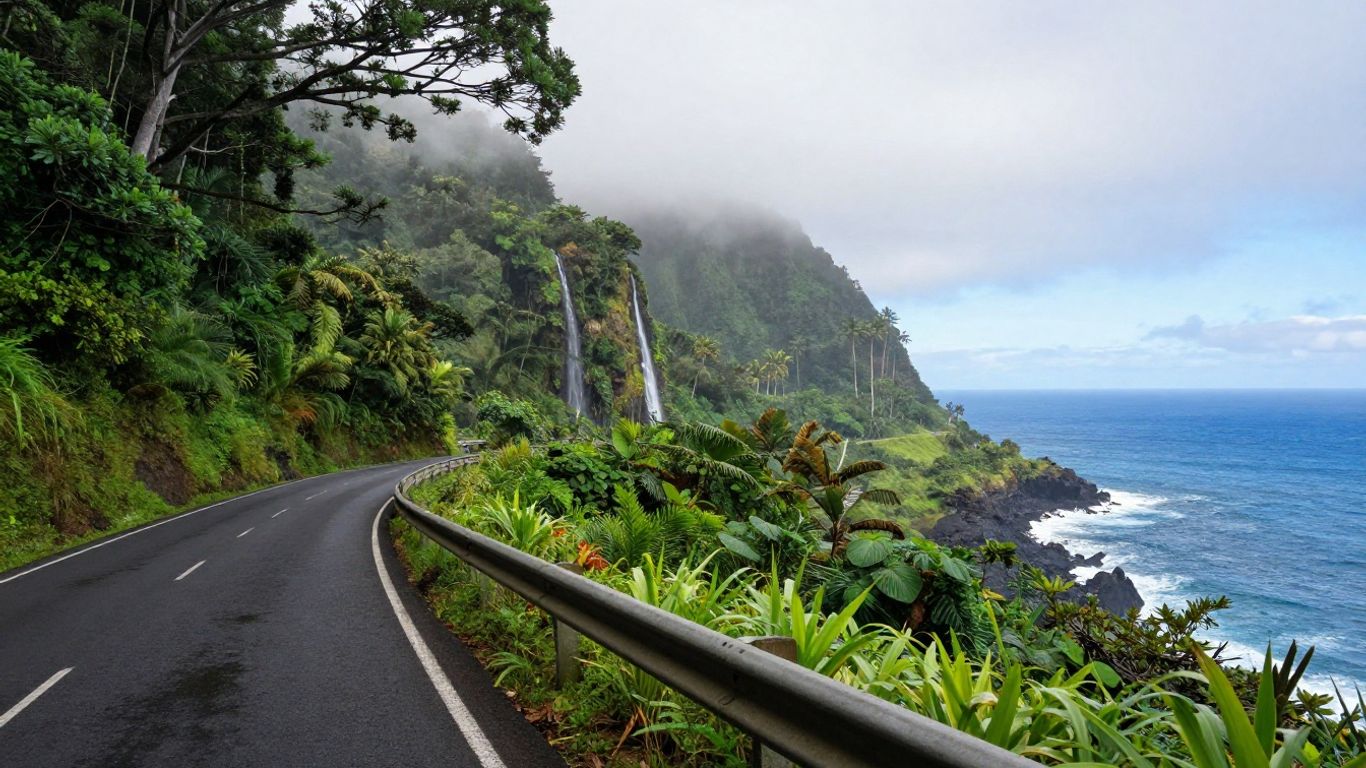 Rainforest road winding along Maui coast
Plan for a full day and accept that the route may move slowly. Waterfalls appear beside the road, overlooks open suddenly through the trees, and short walks lead to pools or coastal viewpoints. Conditions can change, so checking weather and road information before leaving is sensible.
The best experience comes from choosing a few stops rather than trying to collect every possible attraction. Bring water, snacks, and footwear suited to damp paths, then leave enough time to enjoy the return journey without watching the clock.
3. Haleakalā National Park delivers spectacular sunrise views
Haleakalā rises above the rest of Maui in both elevation and mood. At the summit, the broad volcanic crater stretches across the horizon in muted reds, browns, and charcoal tones. Clouds often gather below the viewpoint, making the mountain feel briefly detached from the island.
Sunrise is the park’s famous moment, but it is not the only worthwhile time to visit. Daylight reveals cinder cones, unusual plants, and hiking routes that descend into the crater. The landscape is stark compared with Maui’s beaches, and that difference gives the excursion its own character.
Temperatures at the summit can be surprisingly cold, especially before dawn. Reserve sunrise access when required, bring warm layers, and allow time for the drive. Even travelers who skip the early start can find beautiful light and quieter conditions later in the morning.
4. Maui is ideal for swimming, snorkeling, and water activities
Maui’s warm water and varied coastline create plenty of ways to spend time at sea. Sheltered bays are inviting for a relaxed swim, while clearer offshore areas can reveal colorful fish and coral. Conditions vary by beach and by day, so local guidance should shape your choice of activity.
For many visitors, snorkeling is the simplest way to see more of the island’s underwater life. Kayaking, paddleboarding, surfing lessons, and sailing offer different perspectives without requiring a full-day commitment. A calm morning on the water can be followed by an easy afternoon on the sand.
A few practical habits make water days more comfortable:
- Check surf, wind, and current conditions before entering the water.
- Use reef-safe sunscreen and avoid standing on coral.
- Choose guided outings when you are unfamiliar with the coastline.
- Carry drinking water, sun protection, and a dry change of clothes.
These small preparations leave more energy for the experience itself. A flexible water plan is especially useful because wind and surf can shift, turning one beach into a better choice than another.
5. Whale-watching season brings incredible wildlife encounters
During the winter months, humpback whales travel to the warm waters around Hawaii. Maui’s channels offer some of the most memorable opportunities to see them, often with mountains forming a dramatic backdrop. A breach, tail slap, or distant spout can turn an ordinary boat ride into the highlight of a vacation.
Whale watching is exciting partly because nothing is guaranteed. Captains may pause after spotting movement, but the animals decide whether to surface nearby or remain far away. That uncertainty encourages patience and makes every sighting feel earned rather than staged.
Choose an operator that explains responsible viewing practices and keeps an appropriate distance from the whales. Morning trips often have favorable conditions, though the best departure time depends on the day. Bring a light jacket, sun protection, and a camera, but remember to look up from it often.
6. The island offers resorts and stays for every travel style
Maui’s accommodations range from full-service beachfront resorts to smaller inns, vacation rentals, and homes suited to longer visits. South Maui and West Maui appeal to travelers who want easy access to beaches, dining, and organized activities. Other areas feel more residential or rural, with a slower rhythm and fewer resort conveniences.
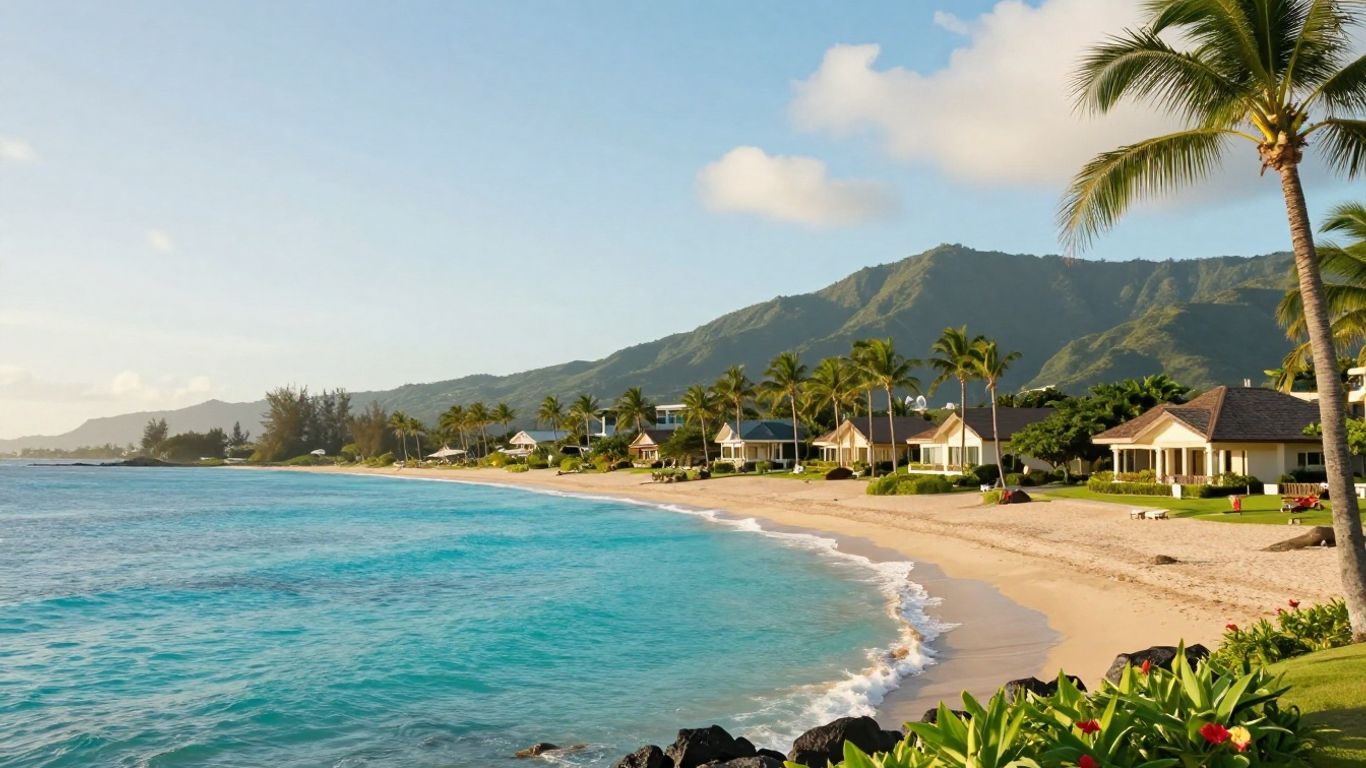 Maui beachfront resort beside tropical gardens
The right base depends on how you expect to spend your days. A resort can simplify pool time, housekeeping, and activity planning, while a home with a kitchen may make family meals and extended stays easier. Travelers who want to drive around the island may prefer a location that keeps them from crossing the same busy stretches every day.
For a more local-style stay, SwappaHome offers travel guidance and home exchange options connected with living in real homes rather than hotels. Its documented credit system uses one credit per night, with no bidding or price surges. That kind of arrangement can appeal to travelers who value space, routine, and a neighborhood setting.
7. Maui’s food scene showcases fresh local flavors
Maui’s food culture reflects the island’s farms, fishing traditions, and many communities. Fresh fruit, seafood, rice dishes, grilled meats, and local vegetables appear in settings that range from casual roadside counters to polished restaurants. The most satisfying meals are not always the most formal ones.
Farmers markets are a good way to taste what is growing locally and to assemble an easy picnic for the beach. Tropical fruit, baked goods, coffee, and prepared foods can turn a simple morning stop into part of the day’s itinerary. In coastal towns, seafood is often best enjoyed without much ceremony.
Leave space for unplanned discoveries. A small food truck, bakery, or plate lunch counter may become a favorite, especially when it fits naturally between outings. Eating well in Maui is less about following a strict list and more about noticing what is fresh, nearby, and popular with residents.
8. The island provides memorable experiences for couples and families
Maui works well for different kinds of travelers because many activities can be adjusted to suit the group. Couples may prefer a sunset sail, a scenic dinner, or a quiet morning walk, while families often appreciate beaches with gentle water, short trails, and flexible meal options. The island leaves room for both shared adventures and personal downtime.
Families can make the trip easier by choosing a comfortable home base and avoiding an overpacked schedule. Spacious accommodations, kitchens, laundry, and nearby groceries can matter just as much as a beautiful view. SwappaHome family-friendly home exchanges are described as offering spacious homes, full kitchens, and kid-welcoming neighborhoods, with listings prioritizing families of four or more and essential amenities.
Couples, meanwhile, do not need an elaborate plan to create memorable days. A quiet beach before breakfast, a drive through the uplands, or a meal eaten outdoors can feel more personal than a tightly timed tour. The strongest itineraries usually leave a little unclaimed time.
9. Maui makes it easy to enjoy both adventure and relaxation
A Maui vacation does not have to be built around constant activity. The island’s geography makes it possible to pair a demanding morning with a restful afternoon, whether that means hiking before lunch and swimming afterward or watching sunrise and spending the rest of the day near the pool. This balance is one of its quiet strengths.
Travelers can also vary the intensity from day to day. A scenic drive might be followed by an easy dinner, while a beach day can include only a short walk and a good book. These pauses prevent the trip from becoming a series of rushed departures and arrivals.
The most memorable vacations often include both planned highlights and ordinary moments. Sitting beneath a palm tree, browsing a small market, or watching clouds move across the mountains may not appear in a guidebook, but those experiences help Maui feel like a place rather than a checklist.
10. Practical planning tips can make a Maui vacation even better
Maui rewards preparation, particularly during busy travel periods. Reserve a rental car, popular excursions, and any sunrise access well in advance, then confirm details again shortly before the trip. It is also wise to check current conditions, closures, and local guidance because weather can affect roads, beaches, and trails.
A simple planning framework helps keep the itinerary realistic:
| Planning area | Useful approach | Why it helps |
|---|---|---|
| Transportation | Reserve early and allow extra drive time | Routes can be slower than they look |
| Activities | Book only the highest-priority experiences | The schedule stays flexible |
| Weather | Check conditions each morning | Plans can shift safely |
| Meals | Mix reservations with casual options | Dining remains varied and relaxed |
After making the essential bookings, keep open space around them. A beach day may need to move because of wind, or a long drive may take more time than expected. Flexible planning protects the relaxed feeling that brought many visitors to Maui in the first place.
For travelers considering a home exchange, SwappaHome documents verified members, secure communication, mutual reviews, and a credit system in which one credit equals one night. Its travel resources also cover practical destination planning, so it can be one option to research alongside more traditional lodging choices.
Conclusion
Maui stands out through the way its experiences fit together: tropical beaches, volcanic landscapes, winding roads, fresh food, and wildlife encounters can all belong to the same trip. With a thoughtful pace and a little preparation, travelers can enjoy the island’s famous sights without losing the unhurried feeling that makes a vacation there so restorative.
Frequently Asked Questions
Is Maui a good destination for a first Hawaii vacation?
Yes. Maui offers beaches, scenic drives, national park landscapes, water activities, restaurants, and a wide range of accommodations in a relatively manageable area.
How many days are ideal for visiting Maui?
A week allows time for major highlights such as the Road to Hana and Haleakalā while leaving several days for beaches, meals, and slower exploration. Shorter trips can work with a focused plan.
When is the best time to see whales in Maui?
Humpback whales are generally present during the winter months. Sightings are never guaranteed, but seasonal boat tours provide good opportunities to look for them responsibly.
Do you need a car in Maui?
A car is helpful for reaching different parts of the island, especially for scenic drives and Haleakalā. Travelers staying mostly near a resort area may need one less often.
Is the Road to Hana a difficult drive?
The road includes curves, narrow sections, bridges, and changing conditions. Drivers should move slowly, allow a full day, and choose stops that match their comfort level.
What should you pack for Haleakalā sunrise?
Bring warm layers, sturdy shoes, water, and sun protection. Summit temperatures can be much colder than conditions at sea level.
Can families enjoy Maui without a packed itinerary?
Absolutely. Families can combine a few planned activities with beach time, easy walks, relaxed meals, and rest. A convenient base and flexible schedule often make the trip more enjoyable.

Published by
SwappaHome
SwappaHome Editorial Team
Home Exchange & Slow Travel Editorial
The SwappaHome Editorial Team brings together travel research, home-exchange community insights, and platform data to produce practical guides for first-time and experienced home swappers. Every article cites real platforms, current market rates, and verifiable city-level facts so readers can make informed decisions without guessing.
Ready to try home swapping?
Join SwappaHome and start traveling by exchanging homes. Get 7 free credits when you sign up!