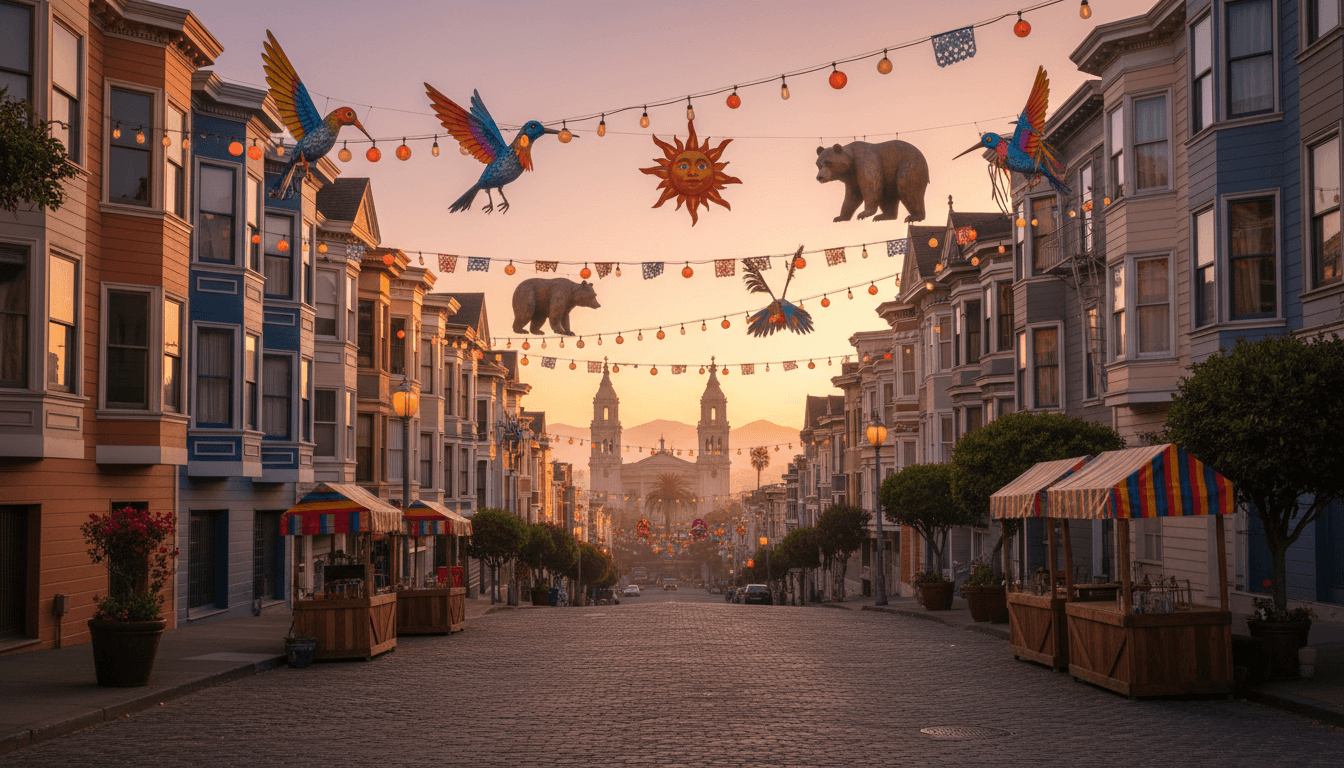
San Francisco Festivals and Events: Your Home Swap Planning Calendar for 2026

SwappaHome Editorial Team
Home Exchange & Slow Travel Editorial
Plan your San Francisco home swap around the city's best festivals and events. Month-by-month guide to Pride, Outside Lands, Chinese New Year, and more.
The fog hasn't lifted over the Golden Gate Bridge yet, and already you can hear the distant thump of bass from Golden Gate Park. It's Outside Lands weekend, and the Airbnb listings in the Sunset District have tripled their prices—again. Meanwhile, somewhere in Noe Valley, a traveler from Amsterdam is waking up in a Victorian flat, paying exactly zero dollars for accommodation while their hosts explore the canals back home.
San Francisco festivals draw millions of visitors annually, from the explosive Chinese New Year Parade through Chinatown to the rainbow-drenched celebration of Pride along Market Street. Planning a home swap around these events requires strategy, timing, and knowing which neighborhoods put you closest to the action without the soul-crushing hotel rates that can hit $500+ per night during peak festival weekends.
This month-by-month calendar breaks down every major San Francisco event worth planning a home swap around—plus the insider knowledge on when to book, where to stay, and how to avoid the crowds while still catching the magic.
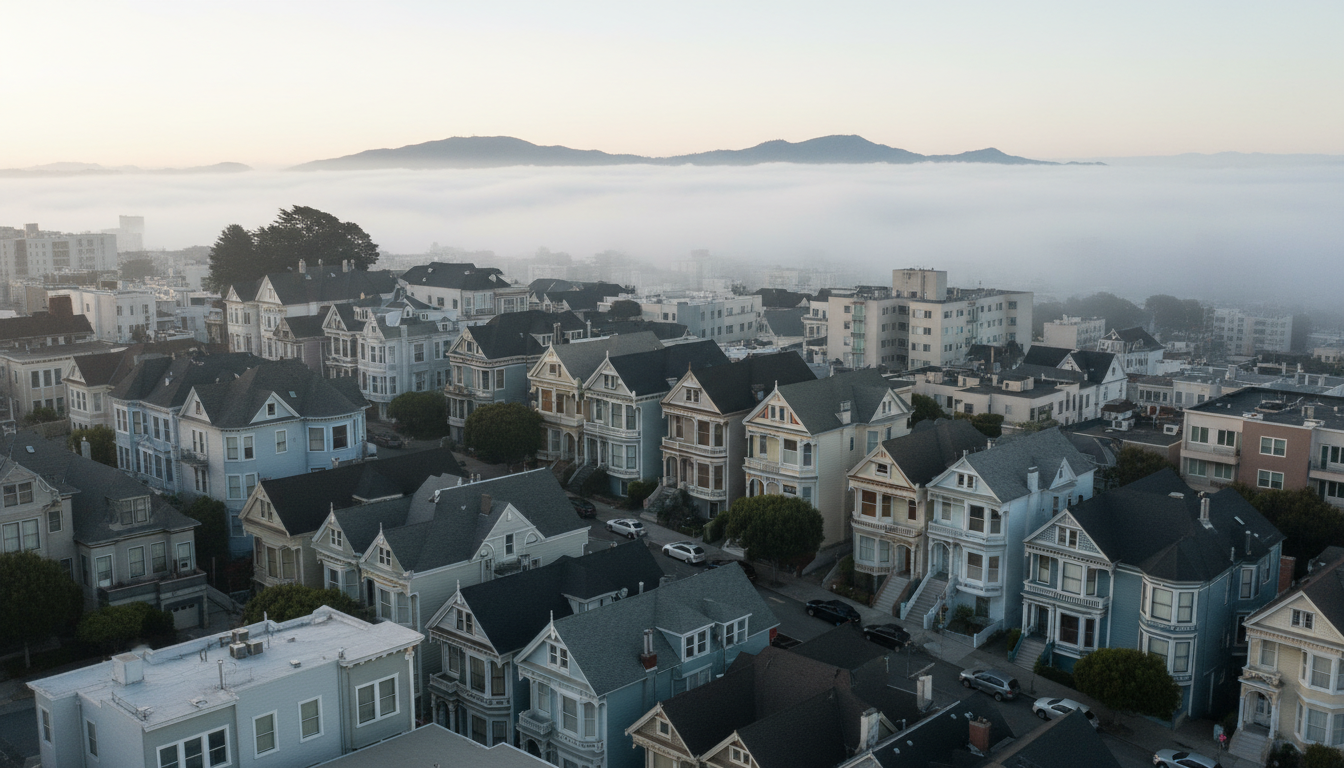 Aerial view of San Franciscos colorful Victorian houses in the Haight-Ashbury neighborhood with fog
Why San Francisco Festivals Make Home Swapping Essential
Here's the honest truth about San Francisco during major events: hotel prices become genuinely absurd. During Pride Week in late June, a basic room near the Castro can run $400-600 per night. Outside Lands weekend? The Richmond and Sunset districts—normally affordable by SF standards—see vacation rental prices spike to $350+ nightly.
The SwappaHome community frequently reports that San Francisco home swaps feel particularly valuable during festival season. The city's notoriously compact geography means a well-located swap puts you walking distance from major events while giving you the kitchen, laundry, and breathing room that no hotel can match.
Common feedback from members who've swapped during Fleet Week or Hardly Strictly Bluegrass: having a real home base transforms the experience. You can duck out of the crowds, make coffee, rest your feet, then head back out refreshed. Try doing that from a cramped Union Square hotel room.
January and February: Lunar New Year and the Slow Season Sweet Spot
Chinese New Year Parade and Festival
The San Francisco Chinese New Year Parade—the largest outside of Asia—typically falls in late January or early February, depending on the lunar calendar. In 2026, expect celebrations around late January. The parade route runs along Market Street to Kearny, then up to Columbus Avenue, putting Chinatown and North Beach at the center of the action.
For home swaps during Chinese New Year, the sweet spots are:
North Beach: Walking distance to the parade route, with Italian cafés on Columbus Avenue for post-parade espresso. Typical rental prices during the festival hit $200-280/night, making a credit-based swap particularly valuable.
Russian Hill: Slightly elevated from the crowds but still accessible via the cable car lines. The steep streets mean you'll get your cardio in, but the views of the parade from higher vantage points are worth it.
The Tenderloin: Controversial recommendation, but the neighborhood borders Chinatown and offers some of the city's most affordable swaps. Experienced travelers who know urban environments often find great value here—just understand the neighborhood's character before booking.
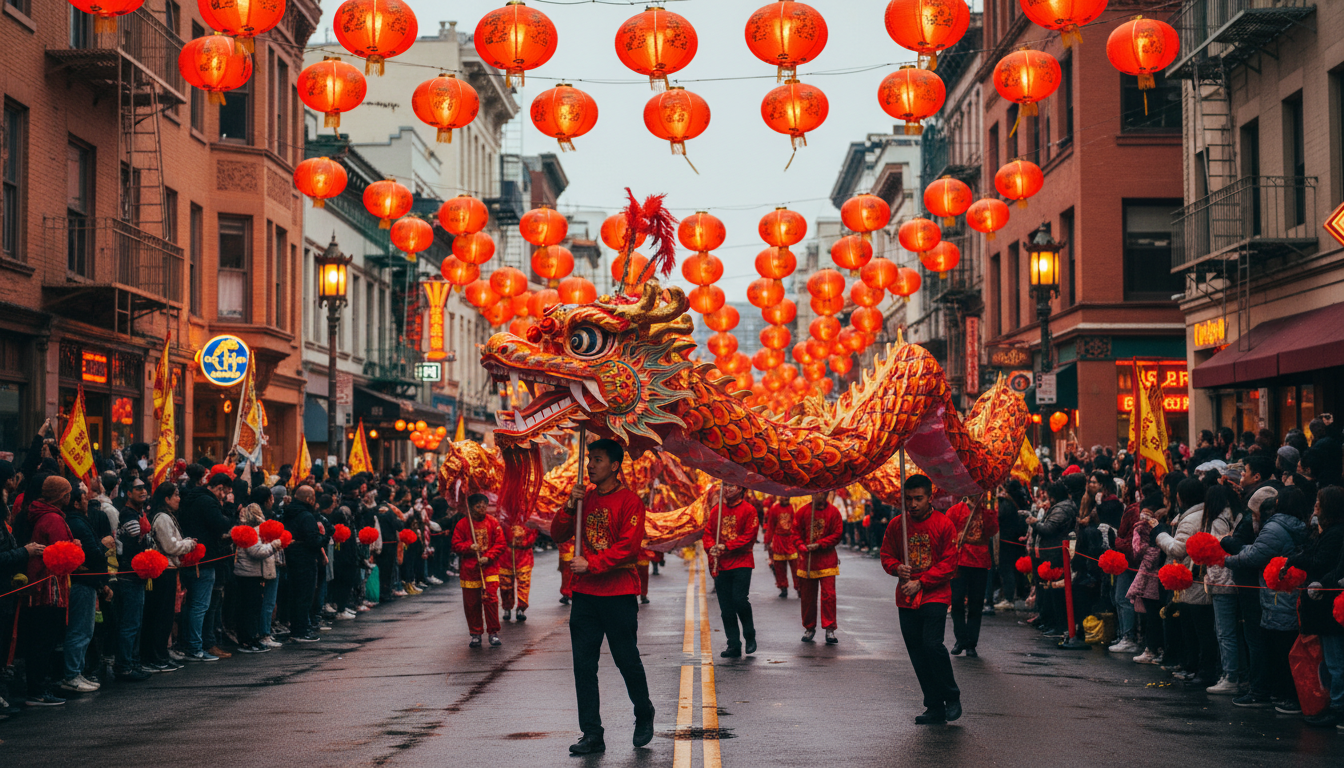 Dragon dancers performing during San Franciscos Chinese New Year Parade on Grant Avenue, with red la
SF Sketchfest (January)
Comedy nerds, take note: SF Sketchfest runs for three weeks in January, bringing stand-up, improv, and sketch comedy to venues across the city. It's not a single-location festival, which actually makes home swap location less critical—you'll be bouncing between the Castro Theatre, Cobb's Comedy Club in North Beach, and various smaller venues.
January is also San Francisco's rainy season, which keeps tourist crowds manageable and makes this an excellent time for a longer home swap. The city feels more local, more lived-in. Restaurants are easier to book, and you'll actually be able to walk across the Golden Gate Bridge without dodging selfie sticks.
March and April: St. Patrick's Day and Cherry Blossom Season
St. Patrick's Day Parade and Festival
San Francisco's St. Patrick's Day Parade—one of the oldest in the country, dating to 1852—marches down Market Street on the Saturday before March 17th. The celebration concentrates around Civic Center and the bars of the Marina District.
The Marina makes sense for home swaps during St. Patrick's festivities. You're near the parade route, walking distance to the waterfront, and surrounded by the Irish pubs along Chestnut Street where the real post-parade action happens. Expect rental prices around $180-250/night during this period—not the most expensive festival, but still meaningful savings with a home swap.
Northern California Cherry Blossom Festival (April)
Japantown hosts this two-weekend celebration in April, featuring the Grand Parade, taiko drumming, martial arts demonstrations, and enough mochi to fuel a marathon. The festival centers on the Japan Center and Peace Plaza at Post and Buchanan Streets.
For cherry blossom season, consider swaps in:
The Western Addition: Directly adjacent to Japantown, this historically significant neighborhood offers Victorian architecture and walkable access to the festival. It's also near Alamo Square—yes, the "Full House" Painted Ladies are here.
Pacific Heights: The wealthy residential neighborhood north of Japantown provides a quieter home base with stunning views. The walk to the festival is pleasant, mostly downhill going there (prepare for the return climb).
Worth noting: San Francisco's actual cherry blossoms peak in late March to early April, slightly before the festival. If you're specifically after the blooms, time your swap for the last week of March and catch both the natural display and the cultural celebration.
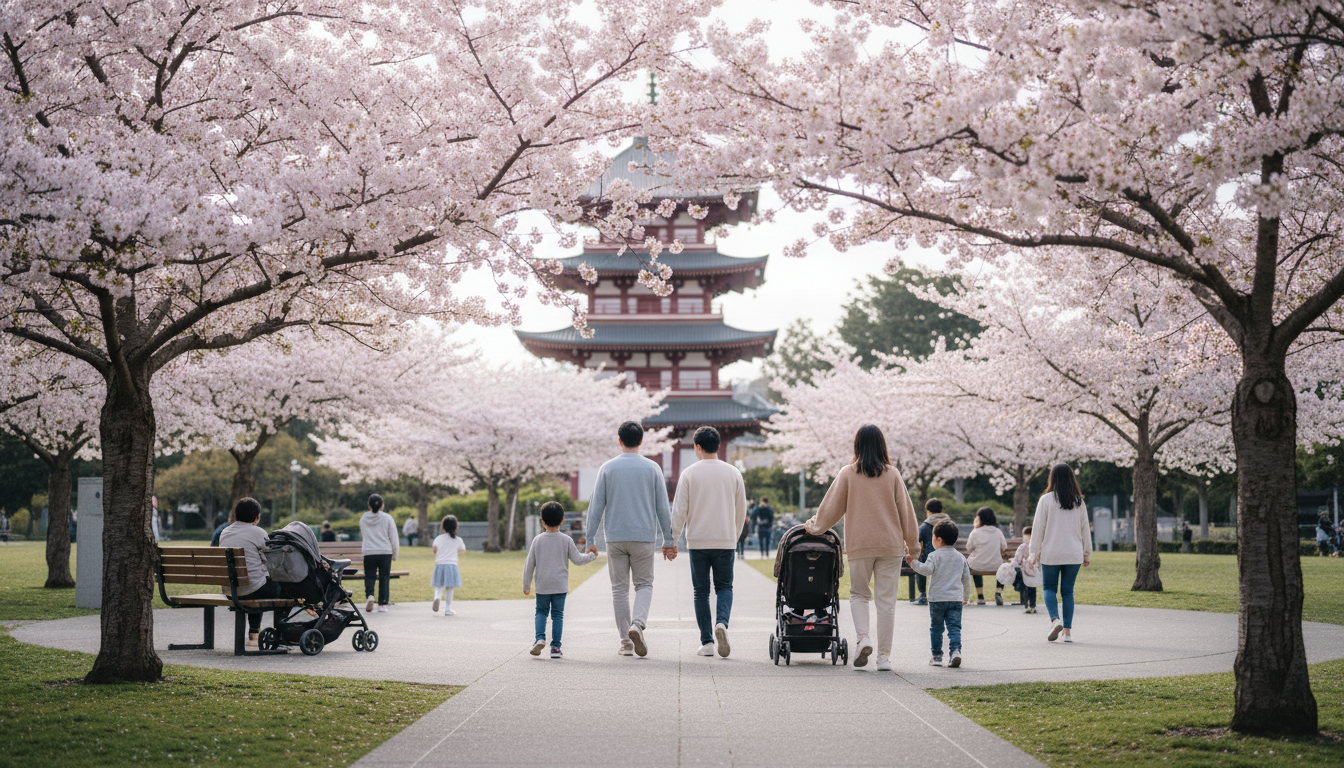 Cherry blossom trees in full bloom at San Franciscos Japantown Peace Plaza, with the distinctive Pea
May and June: Bay to Breakers Through Pride
Bay to Breakers (Third Sunday in May)
This 12K footrace from the Embarcadero to Ocean Beach has been running since 1912, and it's evolved into something between an athletic event and a citywide costume party. Expect salmon costumes running "upstream" against the race, elaborate group themes, and yes, the occasional nudist.
The race route cuts across the entire city, making home swap location a strategic decision:
The Panhandle/Haight-Ashbury: The race passes through the Panhandle around mile 8, and the Haight-Ashbury neighborhood turns into a massive party. If you want to be in the thick of the chaos, swap here. Expect noise until well after dark.
Ocean Beach/Outer Sunset: The finish line. Calmer than mid-route, with the added bonus of beach access. The Outer Sunset has excellent dim sum along Irving Street and some of the city's most affordable home swap options.
Embarcadero/SOMA: Near the start line for early-morning race watching, then you can escape the crowds by heading to the Ferry Building for brunch. The neighborhood empties out once runners depart.
San Francisco Pride (Last Weekend of June)
Pride is San Francisco's biggest event, period. The parade down Market Street draws over a million spectators, and the entire Castro District transforms into a week-long celebration. Hotel prices reach their annual peak—$400-700/night is standard for anything walkable to the festivities.
For home swaps during Pride, the Castro is the obvious choice but books up months in advance. Most experienced swappers suggest getting requests in by February for Pride weekend. Alternative neighborhoods that keep you close to the action:
The Mission: LGBTQ+ history runs deep here too, and Dolores Park hosts its own Pride celebrations. The neighborhood's taqueria scene (La Taqueria on 25th Street, El Farolito on Mission) means you'll eat well between events.
Noe Valley: Just over the hill from the Castro, Noe Valley offers a quieter residential feel with easy access via the 24th Street corridor. It's where many Castro residents actually live.
SOMA: South of Market hosts numerous Pride events, club nights, and the Folsom Street area's leather community celebrations. Industrial-chic lofts here make for interesting home swaps.
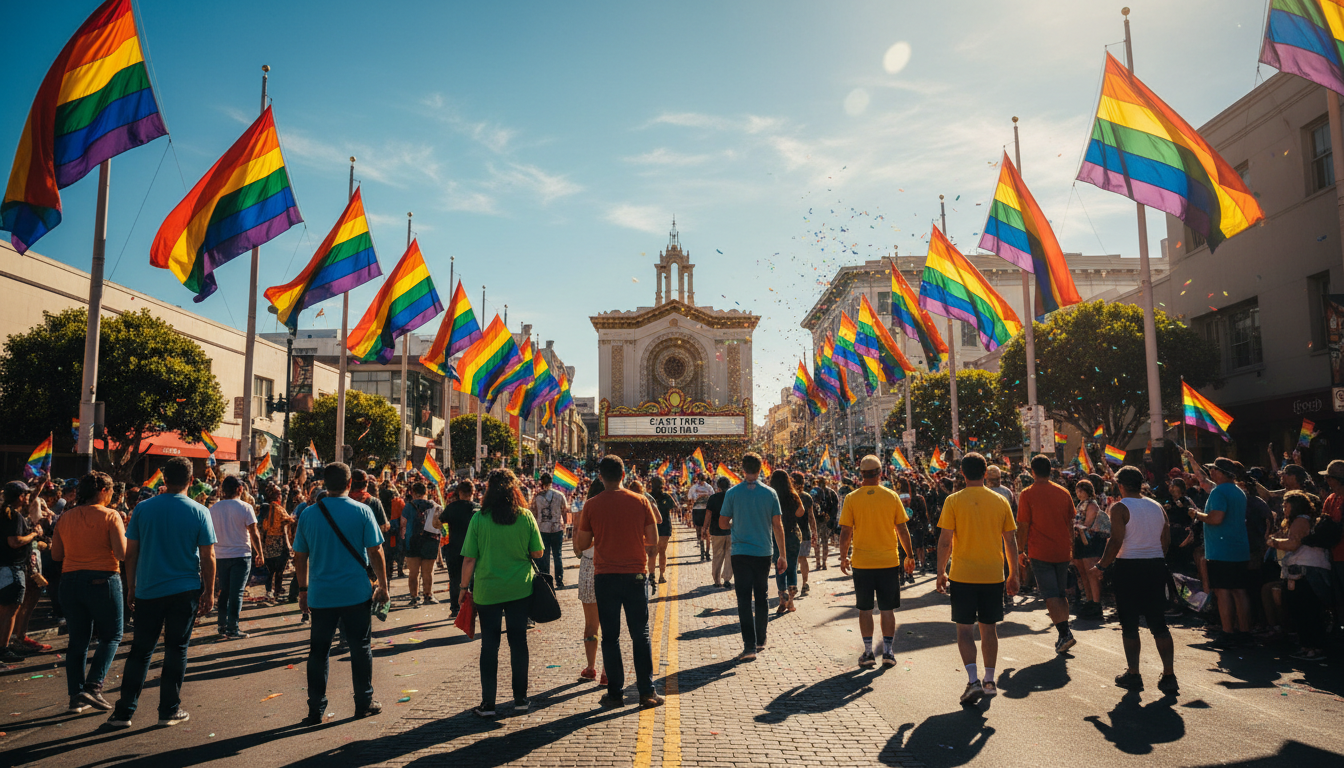 Rainbow flags lining Market Street during San Francisco Pride, with the historic Castro Theatre marq
July and August: Summer Festival Season
Fourth of July Fireworks
San Francisco's fireworks launch from the Municipal Pier near Fisherman's Wharf, with prime viewing along the northern waterfront. The fog—Karl, as locals call it—frequently obscures the display, making this one of the city's most unpredictable celebrations.
For Fourth of July home swaps:
North Beach/Telegraph Hill: Coit Tower and the Telegraph Hill steps offer elevated viewing positions that sometimes rise above the fog layer. Italian restaurants along Columbus make for excellent pre-fireworks dining.
Marina District: Waterfront access and relatively flat terrain for blanket-spreading. The Marina Green fills up early—arrive by 5 PM to claim a spot.
Treasure Island: The artificial island in the bay offers unobstructed views back toward the city. Limited home swap options here, but if you find one, the fireworks perspective is unmatched.
Outside Lands (August)
Golden Gate Park's three-day music festival brings 200,000+ attendees to the western half of the city. Headliners have included Radiohead, Kendrick Lamar, and Paul McCartney. General admission passes run $400-500, with VIP options exceeding $1,000.
The festival's location in Golden Gate Park makes the western neighborhoods prime home swap territory:
The Sunset District: Directly south of the park, the Sunset offers the city's foggiest weather but also its most residential, family-oriented vibe. Irving Street's restaurants and cafés provide sustenance, and you can walk to the festival gates in 15-20 minutes from the Inner Sunset.
The Richmond District: North of the park, the Richmond has excellent Cantonese restaurants along Clement Street and Russian bakeries scattered throughout. The Outer Richmond puts you near Ocean Beach for morning walks before the music starts.
Cole Valley/Inner Sunset: These neighborhoods at the eastern edge of the park offer the closest access to the festival grounds while maintaining walkable distance to the Haight and Castro for after-parties.
Hotel prices in these neighborhoods spike to $300-400/night during Outside Lands—areas that normally run $150-200. A home swap here represents genuine savings of $600-1,200 over a three-night festival stay.
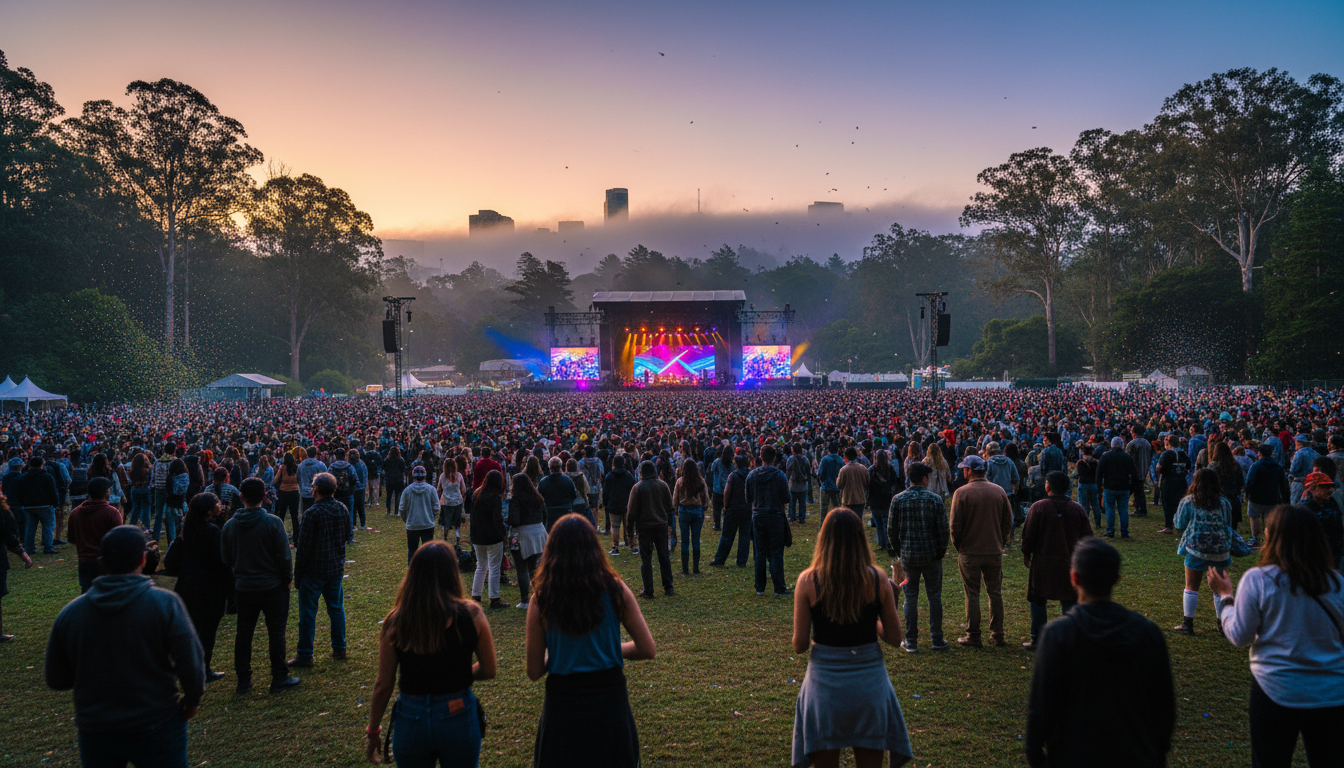 Crowds gathered at Outside Lands music festival in Golden Gate Park, with the main stage visible aga
September and October: Cultural Season Peaks
Folsom Street Fair (Last Sunday of September)
The world's largest leather and kink event takes over Folsom Street in SOMA, drawing 400,000 attendees. It's explicitly adult-oriented—be aware of what you're walking into. The fair runs along Folsom between 8th and 13th Streets.
For home swaps during Folsom:
SOMA: Ground zero. Expect noise and crowds, but you'll be steps from the action. Loft-style apartments in converted warehouses are common swap options here.
Potrero Hill: Just south of SOMA, this residential neighborhood offers views of the downtown skyline and a quieter home base. The walk to Folsom takes about 15 minutes.
Fleet Week (October)
The Blue Angels' aerial demonstrations over San Francisco Bay draw massive crowds to the waterfront. The jets practice Thursday and Friday, with the main show Saturday and Sunday. Viewing spots along the Embarcadero, Crissy Field, and Alcatraz Island fill up hours in advance.
Fleet Week home swap strategy:
Marina District/Cow Hollow: Crissy Field access for the best Blue Angels viewing. The grassy waterfront fills with families, blankets, and picnics. Arrive early—very early—for prime spots.
Embarcadero: Waterfront views from the Ferry Building to Fisherman's Wharf. Rooftop access from a home swap here can provide private viewing away from the crowds.
Sausalito (across the Golden Gate Bridge): A short ferry ride from San Francisco, Sausalito offers spectacular views of the air show with the city skyline as backdrop. Home swaps here tend to be pricier but include that million-dollar view.
Hardly Strictly Bluegrass (First Weekend of October)
This free three-day music festival in Golden Gate Park draws 750,000 attendees across multiple stages. The lineup spans bluegrass, folk, country, and Americana—recent years have featured Emmylou Harris, Steve Earle, and Mavis Staples.
The same neighborhoods that work for Outside Lands work here: Sunset, Richmond, Inner Sunset, Cole Valley. The key difference? Hardly Strictly is free, which changes the crowd dynamics entirely. More locals, more families, more picnic blankets and less festival-bro energy.
November and December: Holiday Season
Dia de los Muertos (November 2)
The Mission District's Día de los Muertos celebration centers on the procession from 24th and Bryant Streets to Garfield Park. Altars, face painting, and marigold-laden offerings transform the neighborhood into a vibrant tribute to departed loved ones.
The Mission is the only logical home swap choice for this event. The neighborhood's Latino cultural heritage makes it the authentic heart of the celebration. Expect to find pan dulce at La Victoria bakery, tacos at La Palma Mexicatessen, and genuine community connection that tourist-heavy areas can't match.
Tree Lighting and Holiday Events (Late November - December)
Union Square's tree lighting kicks off the holiday season, typically the Friday after Thanksgiving. The square hosts an ice skating rink through January, and the surrounding shopping district goes full holiday mode.
For holiday season home swaps:
Nob Hill: Cable car access to Union Square, with the historic Fairmont and Mark Hopkins hotels setting a festive atmosphere. Victorian architecture looks particularly charming with holiday decorations.
Hayes Valley: The boutique shopping district along Hayes Street offers an alternative to Union Square's crowds. Local shops, excellent restaurants (Rich Table, Souvla, Nightbird), and walkable streets make this neighborhood ideal for holiday exploring.
Booking Strategy: When to Request Your San Francisco Home Swap
Timing matters enormously for San Francisco festival home swaps. Here's what the SwappaHome community has established:
6+ months ahead: Pride, Outside Lands, Fleet Week. These are the city's biggest draws, and popular neighborhoods book up fast. Submit swap requests in January for June Pride, February for August Outside Lands.
3-4 months ahead: Chinese New Year, Hardly Strictly Bluegrass, Bay to Breakers. Still competitive, but more flexibility than the mega-events.
1-2 months ahead: Smaller festivals, cultural events, neighborhood celebrations. More availability, though prime locations still require advance planning.
Flexibility wins: If your dates can shift by a few days, mention that in your swap request. A member might have availability the Tuesday before Pride even if the weekend itself is booked.
San Francisco Neighborhoods: Quick Reference for Festival Planning
San Francisco's compact size makes almost any neighborhood workable—but some locations clearly optimize for specific events:
Castro/Noe Valley: Pride, Castro Street Fair, LGBTQ+ events Mission District: Día de los Muertos, Carnaval (May), local music scene Sunset/Richmond: Outside Lands, Hardly Strictly Bluegrass, beach access Marina/North Beach: Fleet Week, Fourth of July, Chinese New Year SOMA: Folsom Street Fair, tech conferences, nightlife Japantown/Western Addition: Cherry Blossom Festival, jazz scene Haight-Ashbury: Bay to Breakers, counterculture history, Golden Gate Park access
The city's MUNI metro and bus system connects most neighborhoods, though service can be unreliable during major events. Budget extra time for transit during festivals, or plan to walk—San Francisco rewards pedestrians despite the hills.
What to Expect from San Francisco Home Swaps
San Francisco's housing stock creates some unique home swap characteristics. Victorian and Edwardian homes dominate many neighborhoods, meaning charming architectural details but also quirks: steep internal stairs, radiator heating, windows that stick. Earthquake retrofitting is common—don't be alarmed by visible structural bracing in basements or garages.
Parking deserves special mention. Street parking in San Francisco requires navigating a complex web of permit zones, street cleaning schedules, and festival-specific restrictions. During major events like Pride or Outside Lands, expect road closures and tow-away zones. Many SwappaHome members in San Francisco don't own cars at all—the city's transit, bike lanes, and walkability make car-free living practical.
Common amenities in San Francisco home swaps include earthquake preparedness kits (water, flashlight, first aid), fog-appropriate layers and blankets, serious coffee equipment, reusable bags for grocery shopping (plastic bags are banned), and transit cards or instructions for MUNI/BART.
Most hosts leave detailed neighborhood guides—take advantage of these. San Francisco's microclimates mean the weather in the Mission can be 15 degrees warmer than the Sunset on the same afternoon. Local knowledge matters here more than most cities.
Making the Most of Your Festival Home Swap
The smart move is treating your San Francisco home swap as a home base, not just a place to sleep. Festival days are exhausting—having a real kitchen to make breakfast, a comfortable couch to rest on mid-afternoon, and a washer/dryer for post-festival laundry transforms the experience.
So should you attend every day of a multi-day festival? Most travelers who've done this say no. Outside Lands runs Friday through Sunday—consider doing Friday and Sunday, using Saturday to explore the city beyond the festival. Same with Pride: the parade is Sunday, but the neighborhood celebrations throughout the week offer more intimate experiences.
San Francisco's food scene deserves exploration beyond festival grounds. The Ferry Building farmers market (Saturdays) showcases Northern California's agricultural abundance. Tartine Bakery in the Mission still draws lines for its morning buns. Swan Oyster Depot in Nob Hill has served seafood at its counter since 1912—arrive before 10:30 AM or expect an hour wait.
Frequently Asked Questions
When should I book a San Francisco home swap for Pride?
Submit your home swap request at least 6 months before Pride weekend—ideally in January for late June dates. The Castro, Mission, and Noe Valley neighborhoods book up fastest. Flexibility on exact dates increases your chances significantly, as some hosts may have availability the week before or after the main parade weekend.
How much can I save with a home swap during Outside Lands?
Hotel and rental prices in the Sunset and Richmond districts typically spike to $300-400 per night during Outside Lands weekend, compared to normal rates of $150-200. A three-night home swap during the festival saves approximately $600-1,200 compared to traditional accommodation, while giving you kitchen access and more space.
Is it hard to find parking during San Francisco festivals?
Yes—parking during major San Francisco events is genuinely difficult. Street parking near Pride, Outside Lands, and Fleet Week involves road closures, tow-away zones, and permit restrictions. Many SwappaHome hosts in San Francisco don't include parking because they don't own cars. Plan to use MUNI, BART, or rideshare services during festival weekends.
What's the best neighborhood for a first-time San Francisco home swap?
The Mission District offers the best combination of central location, diverse food scene, and authentic San Francisco character for first-time visitors. It's walkable to downtown, has excellent BART access at 16th and 24th Street stations, and puts you in one of the city's most vibrant neighborhoods. Noe Valley provides a quieter alternative with similar accessibility.
Can I attend Hardly Strictly Bluegrass without tickets?
Yes—Hardly Strictly Bluegrass is completely free, which is part of what makes it special. The three-day festival in Golden Gate Park has no tickets, no fences, and no VIP sections. This also means crowds are substantial (750,000+ attendees), so arrive early for good positions near the stages. A home swap in the Sunset or Richmond districts puts you walking distance from the festival grounds.

Published by
SwappaHome
SwappaHome Editorial Team
Home Exchange & Slow Travel Editorial
The SwappaHome Editorial Team brings together travel research, home-exchange community insights, and platform data to produce practical guides for first-time and experienced home swappers. Every article cites real platforms, current market rates, and verifiable city-level facts so readers can make informed decisions without guessing.
Ready to try home swapping?
Join SwappaHome and start traveling by exchanging homes. Get 7 free credits when you sign up!
Related articles
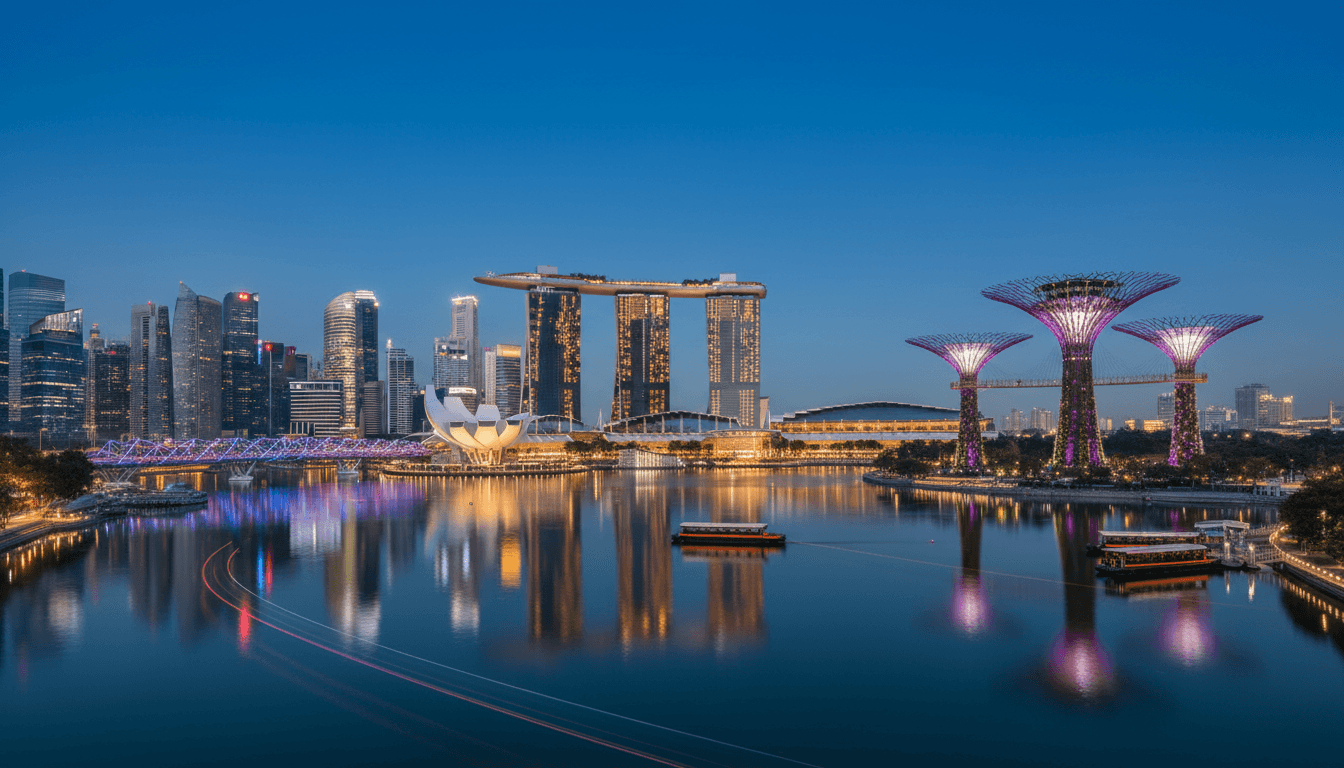
Bachelor and Bachelorette Parties in Singapore: The Complete Home Swap Group Guide for 2026
Planning a bachelor or bachelorette party in Singapore? Discover how home swapping lets groups of 6-12 stay together in luxury condos, saving thousands while partying in Marina Bay.
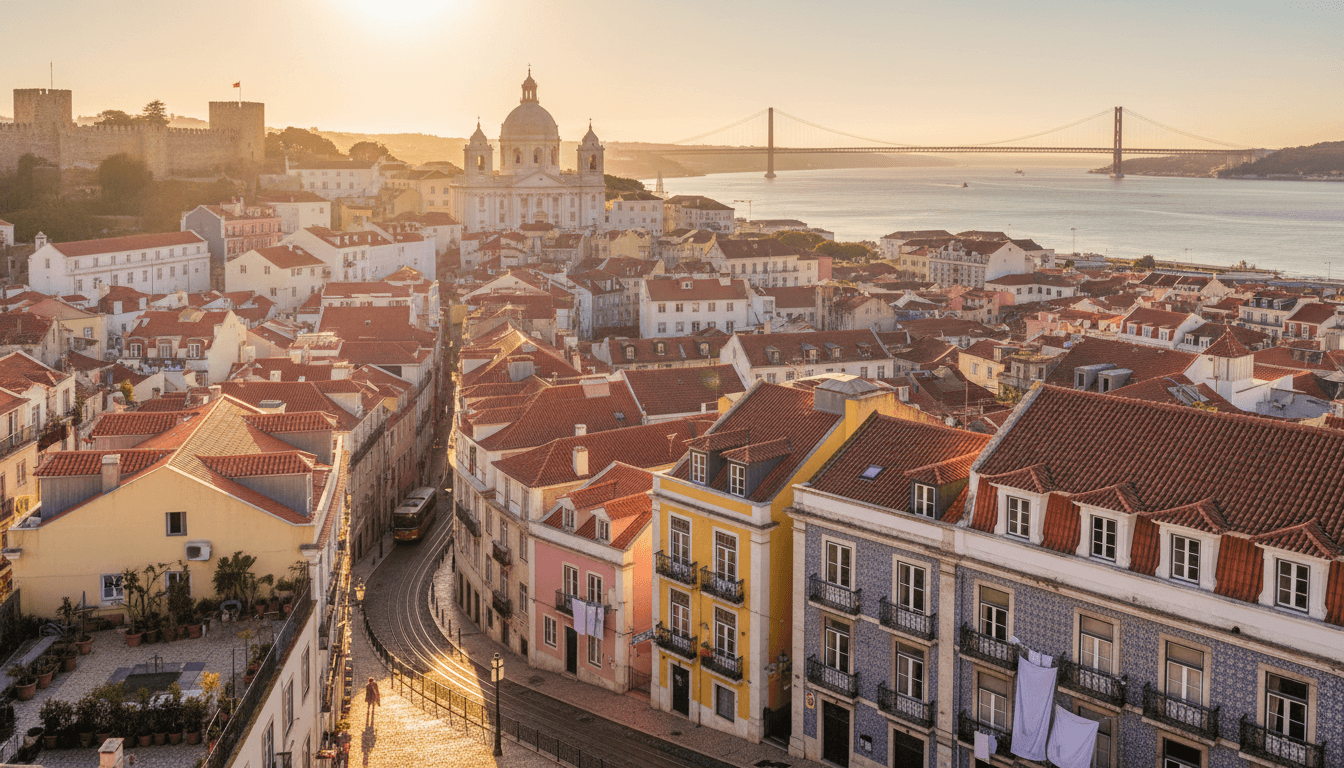
Cycling in Lisbon: 7 Home Swap Bike Tour Itineraries for Every Rider
Discover the best cycling routes in Lisbon with these home swap bike tour itineraries—from waterfront paths to hilltop adventures, all starting from your borrowed home.
Graduation Trip to Barcelona: How Home Swapping Gives New Graduates the Ultimate Celebration
Planning a graduation trip to Barcelona? Discover how home swapping lets new graduates explore Spain's most vibrant city without the hostel crowds or hotel costs.