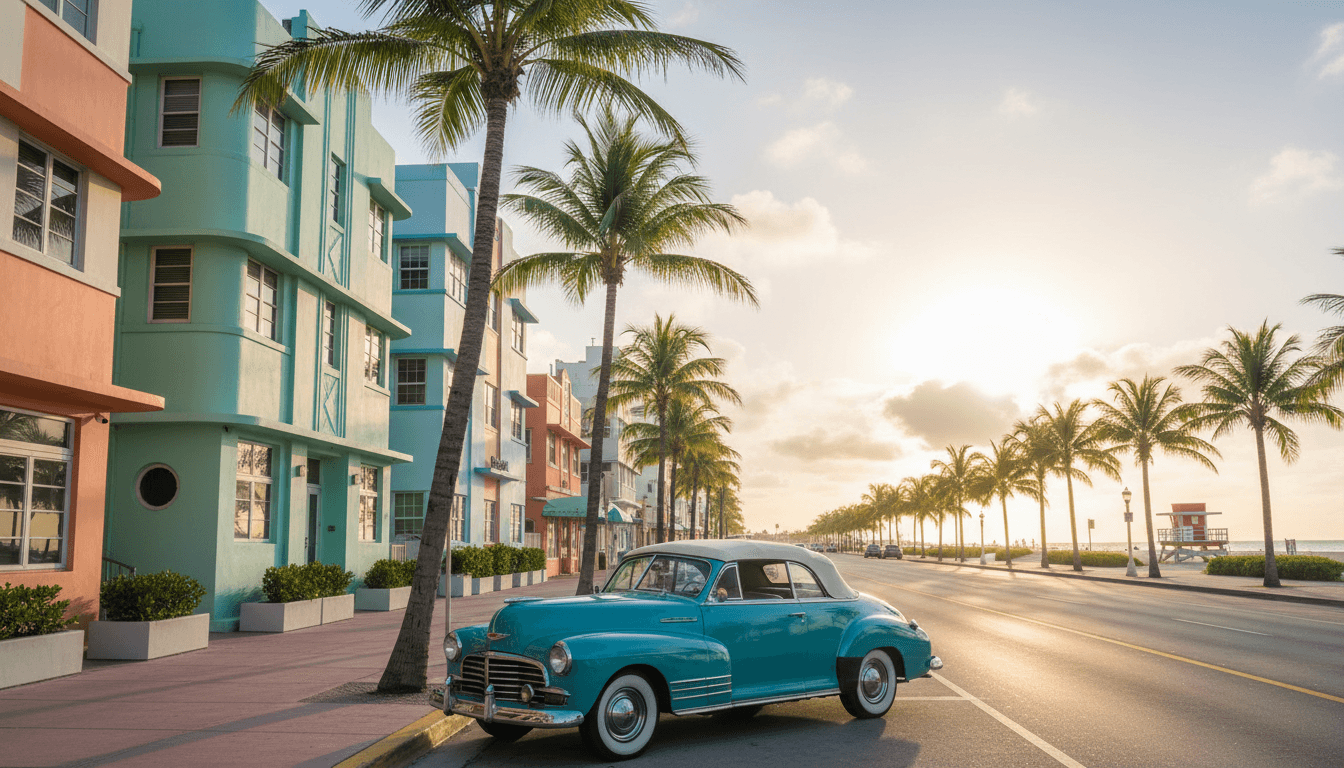
Senior-Friendly Home Swap in Miami: Your Complete Guide to Accessible, Comfortable Stays
Maya Chen
Travel Writer & Home Exchange Expert
Discover how to find the perfect senior-friendly home swap in Miami with accessibility features, single-story layouts, and comfortable amenities for mature travelers.
My mom called me last February with a request that caught me off guard. "Maya, I want to try one of those home swaps you're always talking about. But I need somewhere... easier."
She'd just turned 68, dealt with a knee replacement the year before, and the thought of navigating hotel lobbies with luggage, waiting for elevators, and sleeping on mattresses that felt like concrete slabs had officially lost its appeal. She wanted Miami—the warmth, the Art Deco architecture, the Cuban coffee—but she needed a senior-friendly home swap in Miami that wouldn't leave her exhausted or in pain.
I spent three weeks helping her find the perfect spot: a ground-floor condo in Coral Gables with a walk-in shower, a firm queen bed, and a screened lanai where she drank her morning café con leche. She came back tan, rested, and already planning her next swap.
That experience taught me something I hadn't fully appreciated in my seven years of home exchanging: accessibility isn't just about wheelchair ramps. It's about comfort, ease, and the freedom to enjoy a destination without your body fighting you every step of the way.
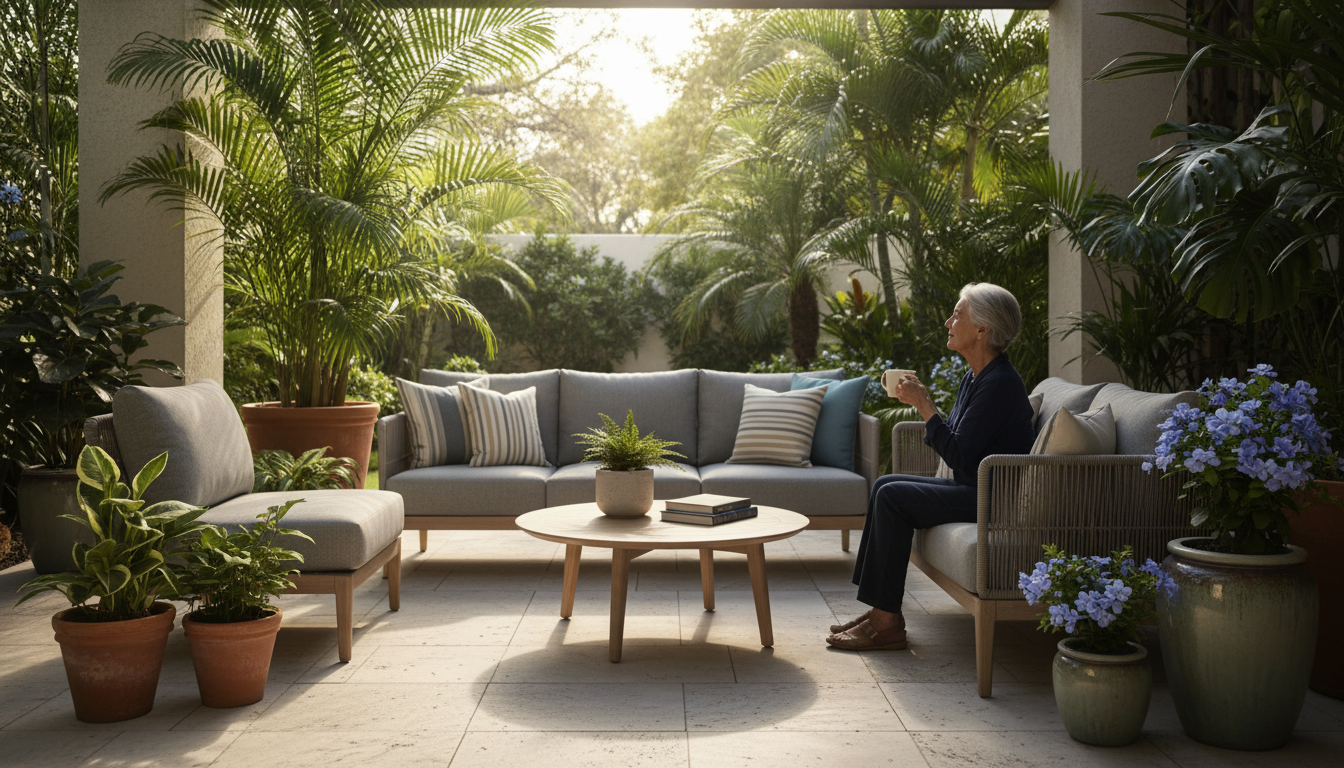 sun-drenched ground-floor condo patio in Coral Gables with comfortable outdoor furniture, tropical p
Why Miami Is Perfect for Senior Home Swappers
So here's the thing about Miami that doesn't get enough attention: it's genuinely built for people who want to slow down. Not in a retirement-community-shuffleboard way, but in a "the weather is perfect for walking, everything's on one level, and there's always a bench nearby" way.
The city sprawls horizontally. Unlike San Francisco's hills or New York's endless subway stairs, Miami stays flat. Most residential neighborhoods—especially the ones popular for home exchanges—feature single-story homes or low-rise condos with elevators. Wide sidewalks. Parking right at the door.
And the climate? From November through April, you're looking at 70-80°F days with low humidity. That's not just pleasant—it's therapeutic for aging joints.
I've talked to dozens of senior travelers who've done home swaps in Miami. They consistently mention the same things: they walk more than they expected, they sleep better than at home, and they don't feel rushed. The city's Latin influence means dinner at 8 PM is normal, not early-bird special territory. No pressure to cram in activities before sunset.
Finding Accessible Home Swap Properties in Miami
Let me be direct: not every home listed on SwappaHome will work for someone with mobility considerations. But Miami has a higher percentage of accessible properties than almost any other major U.S. destination I've researched. Here's why—and how to find them.
What "Senior-Friendly" Actually Means
When I helped my mom search, we created a checklist that went way beyond "ground floor." Senior-friendly home swap accommodations should include:
Entry and Layout
- No-step entry or ramp access
- Single-story living (or elevator building with unit on accessible floor)
- Wide doorways (32 inches minimum, 36 inches ideal)
- Open floor plan without tight corners
- Good lighting throughout—not just ambient mood lighting
Bathroom Essentials
- Walk-in shower OR tub with grab bars
- Non-slip flooring
- Toilet at comfort height (17-19 inches)
- Handheld showerhead option
- Adequate lighting near mirror
Bedroom Comfort
- Bed at accessible height (not too low platform beds)
- Firm-but-not-hard mattress
- Nightstand within easy reach
- Accessible closet (not just high shelves)
Kitchen Practicality
- Microwave at counter height (not above stove)
- Easy-to-use appliances
- Adequate counter space for meal prep
- Well-stocked with basics (you don't want to carry groceries far)
How to Search for These Features
On SwappaHome, you'll want to message potential hosts directly. The platform's search can filter by basics, but the real details come from conversation. Here's the message template I used for my mom (feel free to steal it):
"Hi [Name], I'm interested in your Miami property for [dates]. I'm traveling with mobility considerations and wanted to ask a few questions: Is the entry step-free? Does the bathroom have a walk-in shower or grab bars? Is the bed a standard height? Any stairs inside the home? Thanks so much for the details—your place looks wonderful."
Every host I've messaged has been incredibly helpful. Most will send additional photos of specific features. Some have even offered to install temporary grab bars or provide a shower chair.
The credit system on SwappaHome makes this easier than traditional exchanges—you earn 1 credit per night when you host guests, and spend 1 credit per night when you stay somewhere. New members get 10 free credits to start. So you're not locked into a simultaneous swap with someone who may not have what you need. You can take your time finding the right accessible property.
Best Miami Neighborhoods for Senior-Friendly Home Swaps
Location matters more when mobility is a factor. You don't want to end up in a beautiful home that's a 20-minute drive from anything interesting.
Coral Gables: The Gold Standard
This is where my mom stayed, and I'd recommend it to any senior traveler without hesitation.
Coral Gables feels like a Mediterranean village dropped into South Florida. Streets lined with banyan trees. Spanish Colonial Revival architecture. Everything moves at a gentler pace than Miami Beach. Most homes here are single-story, built in the 1920s-50s with those classic Florida layouts: terrazzo floors, jalousie windows, screened porches.
The Miracle Mile shopping district has wide sidewalks, plenty of benches, and restaurants with outdoor seating. Venetian Pool—if you're up for it—has accessible entry points. The Biltmore Hotel's grounds are free to walk and absolutely stunning.
Publix supermarket sits right on Miracle Mile with easy parking and a manageable layout. Multiple urgent care clinics within 10 minutes. Coral Gables Hospital is highly rated. Average home swap value runs $150-250/night equivalent in hotel costs. Uber and Lyft are readily available, and most drivers will help with doors.
Coconut Grove: Bohemian but Accessible
The Grove has a reputation as Miami's artsy neighborhood, but it's also surprisingly practical for seniors. The main village area—CocoWalk and the surrounding streets—is entirely walkable, with the kind of small-town feel that's rare in Miami.
Homes here tend to be a mix: some are older single-story cottages, others are newer townhouses or condo buildings. The newer constructions often have better accessibility features built in. Look for properties in the "North Grove" area near the shops, rather than the hillier sections closer to Biscayne Bay.
Seniors love the farmers market every Saturday—benches, shade, live music. Vizcaya Museum has wheelchair-accessible paths through the gardens. Kennedy Park is flat and gorgeous for morning walks. Excellent Cuban and seafood restaurants sit within walking distance.
Key Biscayne: Beach Access Done Right
If beach time is non-negotiable, Key Biscayne is your best bet for accessible sand and surf. The island is small, flat, and quiet—a world away from the chaos of South Beach.
Crandon Park Beach has beach wheelchairs available for free (first-come, first-served). The sand is firm enough in many spots for walkers or canes. Bill Baggs Cape Florida State Park at the southern tip has paved paths, accessible restrooms, and a historic lighthouse.
Most home swaps here are in condo buildings, many with elevators and accessible units. The trade-off: you'll need a car or rely on rideshares, as the island doesn't have walkable commercial areas beyond a small village center.
Where to Approach Carefully
South Beach: Gorgeous, but chaotic. Crowds, noise, uneven sidewalks, and most historic Art Deco buildings don't have elevators. The sensory overload alone can be exhausting.
Downtown/Brickell: High-rise living means elevators, but the streets are designed for cars, not pedestrians. Long walks between points of interest, limited shade, and a general feeling of rushing.
Little Havana: Culturally rich and absolutely worth visiting, but the residential areas have older housing stock that often lacks accessibility features. Great for a day trip; less ideal for a week-long stay.
Preparing Your Home for Senior Guests
If you're a senior homeowner considering joining SwappaHome, here's the flip side: your home might be exactly what another senior traveler is looking for.
When you list your property, be specific about accessibility features. Don't just say "ground floor"—mention the step-free entry, the grab bars you installed, the firm mattress, the well-lit bathroom. These details help the right guests find you.
Some low-cost additions that make a huge difference: nightlights in hallways and bathrooms run $10-15 for a pack. A non-slip bath mat costs $15-20. Handheld showerhead attachments go for $25-40. If your mattress is soft, a firm topper runs $80-150. Clear labeling on appliances and thermostats helps. Large-print instructions for WiFi, TV, and any smart home features are a thoughtful touch.
One host I know in Fort Lauderdale keeps a "senior guest kit" in her closet: a shower chair, a bed rail, and a magnifying glass. She doesn't advertise it, but when guests mention mobility needs, she offers these items. Her reviews are glowing.
Health and Safety Considerations for Senior Travelers
I'm not going to sugarcoat this: traveling at any age involves some risk, and those risks shift as we get older.
Medical Preparation
Before you go: Get a letter from your doctor listing medications and conditions—useful if you need care. Research hospitals near your swap location. I mentioned Coral Gables Hospital; Baptist Health South Florida and Mount Sinai Medical Center are also excellent. Bring a 2-week supply of medications, plus copies of prescriptions. Know your insurance coverage for out-of-network care.
Pharmacies in Miami: CVS and Walgreens are everywhere, and most have Spanish-speaking staff. Publix pharmacies are often less crowded. For specialty medications, Jackson Memorial Hospital's outpatient pharmacy can help.
Communication with Your Host
Be upfront about your needs. I know it can feel awkward to say "I have trouble with stairs" or "I need a firm mattress for my back," but hosts genuinely want to help. Most have parents or grandparents—they get it.
Ask about the nearest hospital and urgent care. Whether the neighborhood is safe for evening walks. Any uneven surfaces or steps you should know about. Local taxi services if rideshare apps feel unfamiliar.
SwappaHome's messaging system makes this easy—you can have these conversations before committing to a booking.
A Note on Insurance
SwappaHome connects travelers, but it doesn't provide insurance coverage for medical emergencies, trip cancellations, or property issues. This is standard for home exchange platforms.
I strongly recommend travel medical insurance that covers your age group—compare quotes at InsureMyTrip or Squaremouth. Trip cancellation insurance if you're booking flights. And confirming your existing health insurance covers you in Florida.
For homeowners hosting guests: check your homeowner's insurance policy about short-term guests. Some policies cover this automatically; others don't. A quick call to your agent can clarify.
Making the Most of Your Miami Senior Home Swap
Once you've found your perfect accessible property, here's how to actually enjoy Miami without overdoing it.
Pace Yourself (Seriously)
Miami rewards slow exploration. Instead of cramming in Wynwood, Little Havana, South Beach, and the Everglades in one week, pick two areas and really get to know them.
My mom's itinerary looked like this:
Day 1: Arrive, grocery shop at Publix, early dinner at a nearby restaurant, early bed. Day 2: Morning walk in the neighborhood, afternoon rest, sunset at Matheson Hammock Park. Day 3: Coral Gables exploration—Miracle Mile, lunch at Cafe Abracci ($18-25 entrees), Venetian Pool viewing. Day 4: Complete rest day. Reading on the lanai. Nap. Homemade dinner. Day 5: Day trip to Key Biscayne (beach wheelchair reserved in advance). Day 6: Little Havana visit—Calle Ocho, Domino Park, Versailles for Cuban food ($12-20 per person). Day 7: Pack slowly, final neighborhood walk, early flight home.
She came back energized, not depleted. That's the goal.
Senior-Friendly Miami Activities
Low-exertion, high-reward: Fairchild Tropical Botanic Garden offers paved paths and tram tours—stunning orchids for $25 admission. Pérez Art Museum Miami (PAMM) is fully accessible, air-conditioned, with waterfront views ($16 seniors). Vizcaya Museum and Gardens has wheelchair accessible main floor and gardens ($18 seniors). Deering Estate features nature trails with accessible options, historic homes, and kayak tours for the adventurous ($15 admission).
Food experiences: Versailles Restaurant is the quintessential Cuban experience—huge portions, always bustling, but staff is helpful. Joe's Stone Crab is worth the wait if you're splurging ($50-80 per person). Coral Gables Farmers Market on Saturdays is perfect for sitting, sampling, people-watching.
Beach options with accessibility: Crandon Park has beach wheelchairs, calmer water, and a family-friendly vibe. South Pointe Park offers paved paths, benches, views of cruise ships—no need to walk on sand. Matheson Hammock Park has a manmade atoll pool, gentler than open ocean.
Real Talk: Challenges and How to Handle Them
I'd be doing you a disservice if I pretended senior home swapping in Miami is all sunshine and smooth sidewalks.
The Heat (Even in "Winter")
Miami in January is lovely. Miami in August is brutal. If you have any heat sensitivity, cardiac concerns, or just hate sweating, stick to November-April. Even then, midday sun can be intense.
Plan outdoor activities for morning (before 10 AM) or late afternoon (after 4 PM). Always carry water. Embrace the afternoon siesta culture—rest during peak heat. Look for home swaps with good A/C and ceiling fans.
Language Barriers
Miami is genuinely bilingual. In some neighborhoods, Spanish is the primary language. This is part of the city's charm, but it can be disorienting.
Download Google Translate—it works offline. Most service workers in tourist areas speak English. Embrace basic Spanish phrases: "Buenos días," "Gracias," "La cuenta, por favor." Your host can recommend English-friendly spots if needed.
Driving Concerns
Miami drivers are... aggressive. If you're not comfortable driving in heavy traffic, don't force it.
Choose a walkable neighborhood like Coral Gables or Coconut Grove. Uber and Lyft are reliable and affordable ($15-25 for most in-city trips). Some hosts offer car use as part of the swap—ask about this. Consider not renting a car at all.
What If Something Goes Wrong?
Home swaps involve trust between strangers. SwappaHome's review system helps—you can see how previous guests rated a host and vice versa. But things can still go sideways.
If you arrive and the property isn't as described, or something breaks, or there's an issue: contact your host immediately through SwappaHome messaging. Document everything with photos. Be solution-oriented—most issues are fixable with communication. Have a backup plan (know nearby hotels, keep emergency funds accessible).
In seven years and 40+ swaps, I've had exactly two problems: a broken dishwasher (host sent someone to fix it within hours) and a neighbor's dog that barked all night (host apologized profusely and offered extra credits). Both were resolved because the hosts were responsive and cared about their reputation.
Getting Started with Your First Senior-Friendly Home Swap
If you've read this far, you're probably ready to try it.
Week 1: Set Up Your Profile. Join SwappaHome—you'll get 10 free credits immediately. Create a detailed listing of your home, emphasizing accessibility features. Add clear photos, including bathroom and bedroom. Complete identity verification for trust.
Week 2-3: Search and Connect. Search Miami properties, filtering by your dates. Message 5-10 hosts with your accessibility questions. Be patient—responses can take a few days. Compare options and read reviews carefully.
Week 4: Book and Prepare. Confirm your booking once you've found the right match. Arrange travel insurance. Start a packing list (medications, comfortable shoes, sun protection). Create a shared document with your host covering arrival details, house rules, local tips.
Before Departure: Confirm all details with your host. Share your itinerary with family. Download offline maps of Miami. Save emergency numbers in your phone.
The Bigger Picture
My mom's Miami trip changed something in her. Not in a dramatic, life-altering way—but in the quiet way that good travel does. She realized she wasn't too old for adventure. She just needed adventure that fit her body, her pace, her needs.
Senior-friendly home swapping isn't about limitations. It's about traveling smarter. It's about waking up in a real neighborhood, making coffee in a real kitchen, and having the space and comfort to actually enjoy where you are.
Miami, with its flat streets and warm winters and accessible beaches, is an ideal place to start. But the principles apply anywhere: ask the right questions, be honest about your needs, and trust that the right home—and the right host—is out there.
Mom's already planning her next swap. She's thinking Lisbon, actually. I told her about that month I spent there, years ago, in the apartment that started all of this.
She asked if there were elevators.
I told her we'd find out together.
Frequently Asked Questions
Is home swapping safe for senior travelers?
Home swapping through platforms like SwappaHome is generally safe for seniors, thanks to member verification, reviews, and secure messaging. The community-based reputation system means hosts are accountable for accurate listings. However, seniors should still arrange their own travel insurance, research the neighborhood, and communicate clearly with hosts about accessibility needs before booking.
How much can seniors save with home swap in Miami compared to hotels?
Seniors can save $150-300 per night by choosing home swap in Miami over comparable hotels. A week-long stay in an accessible Coral Gables condo might cost 7 credits on SwappaHome, versus $1,400-2,100 for a similar hotel room. Plus, having a kitchen reduces dining costs by $30-50 daily. Total savings for a week often exceed $1,500.
What accessibility features should I look for in a Miami home swap?
Prioritize step-free entry, single-story layout or elevator access, walk-in shower with grab bars, comfort-height toilet, firm mattress at accessible height, and good lighting throughout. Also check for wide doorways (32+ inches), non-slip bathroom flooring, and a microwave at counter height. Message hosts directly to confirm these features before booking.
Which Miami neighborhoods are best for senior-friendly home swaps?
Coral Gables is ideal for senior-friendly home swaps, offering single-story homes, walkable shopping on Miracle Mile, and excellent medical facilities. Coconut Grove provides a bohemian village atmosphere with flat terrain. Key Biscayne offers accessible beaches with free beach wheelchairs. Avoid South Beach and Downtown due to crowds, stairs, and less pedestrian-friendly layouts.
Do I need special insurance for a senior home swap in Miami?
Yes, seniors should arrange their own travel medical insurance covering their age group, as SwappaHome doesn't provide insurance coverage. Confirm your existing health insurance works in Florida, and consider trip cancellation insurance for flights. Homeowners hosting guests should verify their homeowner's policy covers short-term visitors. Compare quotes at InsureMyTrip or Squaremouth for comprehensive coverage.
40+
Swaps
25
Countries
7
Years
About Maya Chen
Travel Writer & Home Exchange Expert
Maya is a travel writer with over 7 years of experience in the home swapping world. Originally from Vancouver and now based in San Francisco, she has completed more than 40 home exchanges across 25 countries. Her passion for "slow" and authentic travel led her to discover that true luxury lies in living like a local, not a tourist.
Ready to try home swapping?
Join SwappaHome and start traveling by exchanging homes. Get 10 free credits when you sign up!
Related articles

Lyon Home Exchange: Your Complete Guide to France's Hidden Gem for Home Swapping
Discover why Lyon home exchange is booming among savvy travelers. From Croix-Rousse to Presqu'île, find the best neighborhoods and insider tips for your swap.

Zurich Bucket List: 47 Unforgettable Experiences to Enjoy During Your Home Swap
Discover the ultimate Zurich bucket list for home swappers—from secret swimming spots to fondue rituals locals actually do. Save thousands while living like a true Zürcher.
Dublin Home Exchange Utilities Guide: WiFi, Heating & Everything Your Guests Need
Master Dublin home exchange utilities—from dodgy WiFi fixes to heating quirks. Practical tips from 7 years of swapping homes across Ireland.