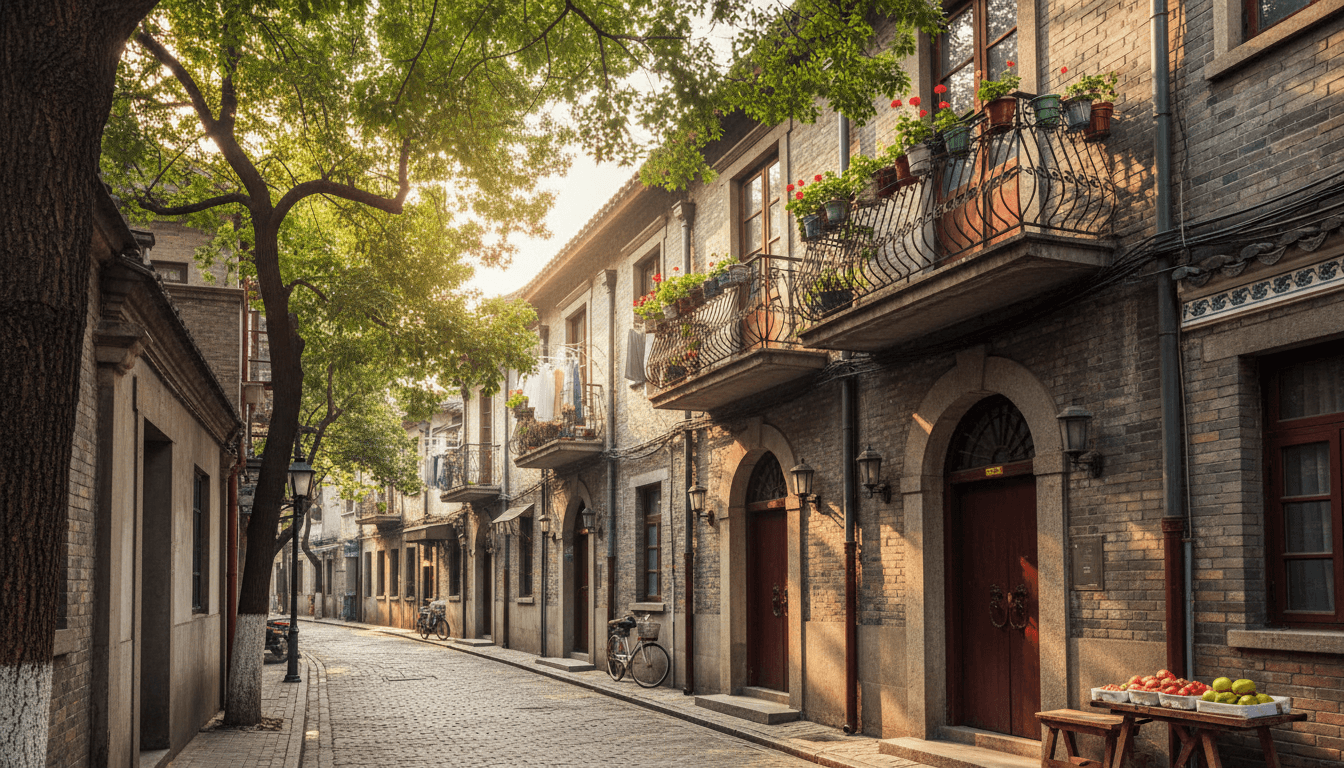
Shanghai Home Exchange: Your Complete Guide to Swapping in China's Most Dynamic City

SwappaHome Editorial Team
Home Exchange & Slow Travel Editorial
Discover why Shanghai home exchange is booming in 2024. From Jing'an penthouses to lane house gems, here's how to swap your way into China's electric metropolis.
The first time I stepped into a Shanghai home exchange, I genuinely thought I'd walked into the wrong apartment. Floor-to-ceiling windows overlooking the Huangpu River, a kitchen stocked with local teas, and a handwritten note from my host explaining how to order soup dumplings from the place downstairs that doesn't have an English menu. This wasn't a hotel experience—this was someone's actual life, and I was about to live it for three weeks.
Shanghai home exchange has exploded over the past two years. This city sits at this fascinating intersection of old and new, East and West, tradition and tech-forward innovation. It's the kind of place where you can practice tai chi in a 400-year-old garden at dawn and then grab cocktails at a rooftop bar overlooking a skyline that makes Manhattan look quaint. And increasingly, travelers are realizing that experiencing Shanghai from inside a local's home—rather than a sterile hotel room in Pudong—is the way to actually get this city.
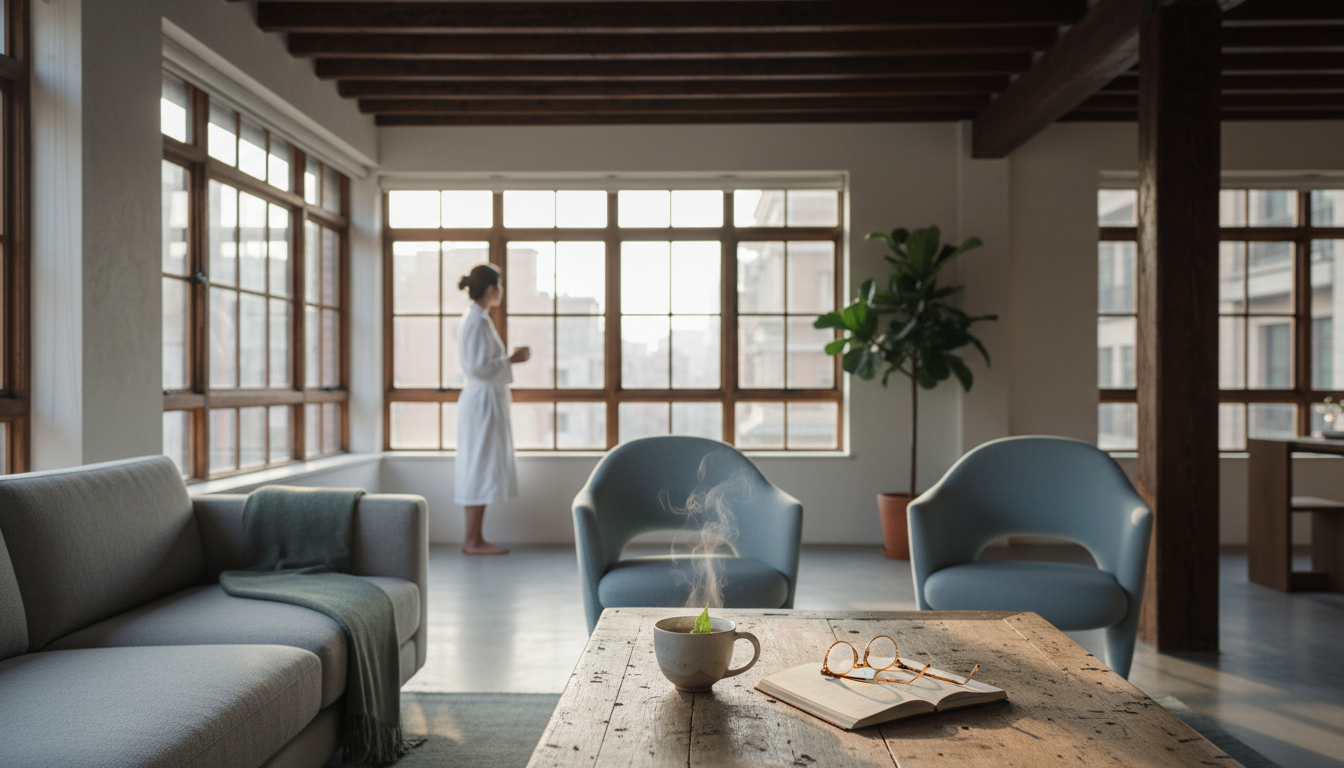 dawn light filtering through the windows of a renovated Shanghai lane house, showing original wooden
Why Shanghai Home Exchange Is Booming Right Now
So here's the thing—Shanghai has always been expensive. We're talking $300-400/night for a decent hotel in a central location, and that's before you factor in the soul-crushing experience of waking up in a room that could be anywhere in the world. But the real shift happened post-2022, when Chinese domestic travelers started embracing home exchange culture in a major way.
I've been tracking this through my own swap requests, and the numbers are wild. In 2021, I got maybe two or three inquiries from Shanghai-based hosts. Last year? Seventeen. These aren't just young backpacker types either—I'm seeing families, retirees, creative professionals, all wanting to experience life abroad while opening their Shanghai homes to international guests.
The Chinese government's push for "cultural exchange tourism" hasn't hurt either. There's a growing sense among urban Chinese that authentic travel means living like a local, not being shuffled through tourist checkpoints. Sound familiar? It's exactly what drove the home exchange movement in Europe a decade ago.
Best Shanghai Neighborhoods for Home Exchange
Not all Shanghai swaps are created equal. The neighborhood you choose will fundamentally shape your experience.
The Former French Concession: Where Everyone Wants to Be
Let's get the obvious one out of the way. The Former French Concession—locals just call it "FFC"—is the most requested area for Shanghai home exchange, and for good reason. Tree-lined streets, art deco architecture, hidden cafes, boutiques that feel more Paris than China.
I stayed in a lane house here during my second Shanghai swap, tucked behind a heavy wooden door on Wukang Road. My host, a graphic designer named Mei, had converted the second floor into this airy, light-filled space with exposed brick and plants everywhere. The rent she pays? Around 18,000 RMB/month (roughly $2,500 USD). Staying there through a swap saved me about $4,200 compared to three weeks at a nearby boutique hotel.
The catch: FFC properties get snapped up fast. If you're planning a Shanghai home exchange for peak seasons—October's Golden Week, Chinese New Year, or the spring months of April-May—start your search 4-6 months ahead.
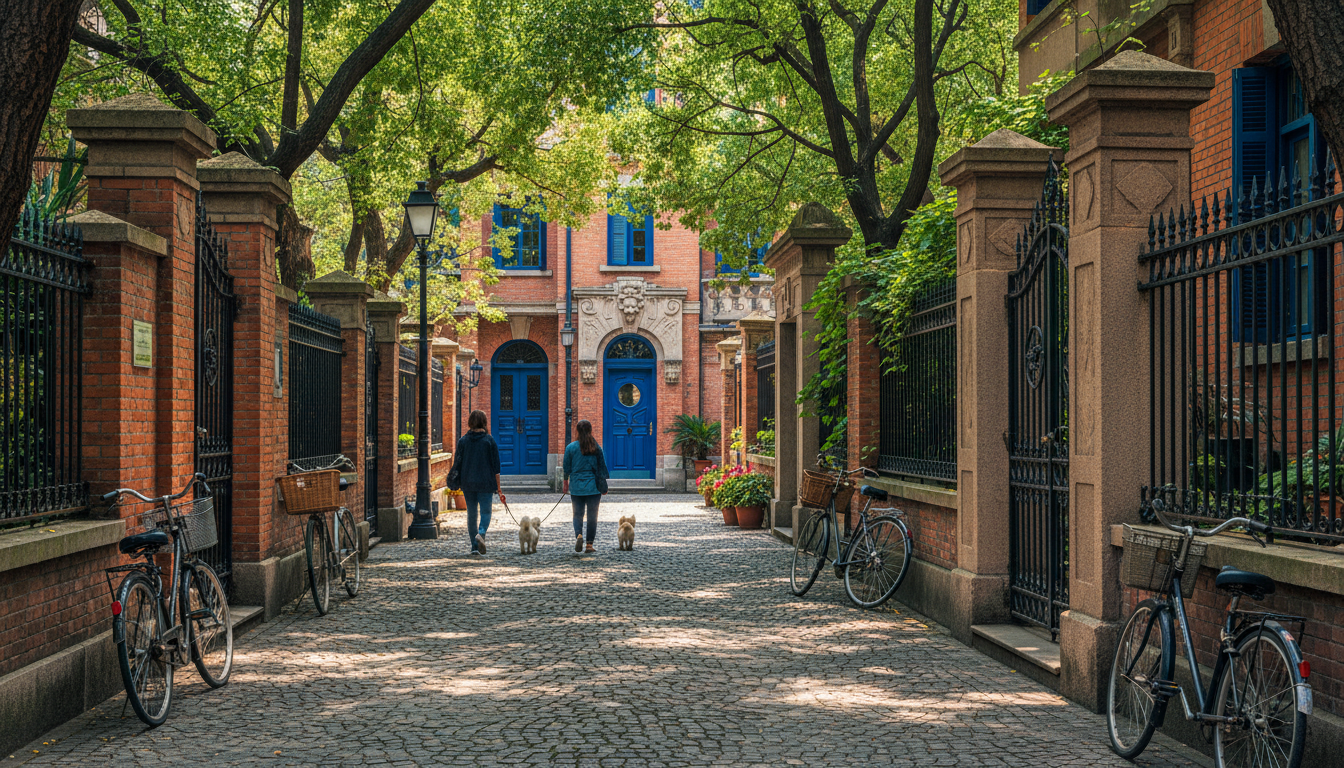 narrow lane in Shanghais Former French Concession, dappled sunlight through plane trees, vintage bic
Jing'an: For the Modern Luxury Seeker
Jing'an is where Shanghai's money lives, and the home exchange offerings here reflect that. We're talking high-rise apartments with skyline views, smart home systems, gyms in the building—the works. If your idea of a good swap involves a rain shower and a Nespresso machine, this is your zone.
The neighborhood centers around Jing'an Temple (worth a visit, even if you're not spiritual) and stretches into some of Shanghai's best shopping and dining. Prices for equivalent Airbnbs run $150-250/night here, so a swap represents serious savings.
One thing I love about Jing'an swaps: the hosts tend to be international professionals—expats or globally-minded Chinese—which means detailed house guides, English-friendly neighbors, and usually a solid collection of Western groceries already in the pantry.
Hongkou: The Underrated Gem
Okay, this is my personal favorite, and I'm almost hesitant to share it because it's still relatively under-the-radar. Hongkou sits north of Suzhou Creek, and it has this incredible layered history—Jewish refugees settled here in the 1930s, and you can still see the architectural remnants of that era mixed with traditional Shanghai lane houses and newer developments.
The swap I did in Hongkou was in a 1920s building that had been in my host's family for three generations. The bathroom was tiny, the stairs creaked, and the kitchen was basically a hot plate. But I woke up every morning to the sounds of the neighborhood: vendors selling breakfast, grandparents doing exercises in the courtyard, kids heading to school. That's the Shanghai you don't get in Pudong.
Properties here are more affordable—around 8,000-12,000 RMB/month ($1,100-1,650 USD)—which means hosts are often more flexible with dates and more enthusiastic about exchanges.
Pudong: Yes, Really
I know, I know. Pudong is the financial district, all glass towers and corporate vibes. But hear me out: if you're doing a Shanghai home exchange for business reasons, or if you want easy access to the airport and don't mind a more "international" feel, Pudong has some genuinely impressive swap options.
I'm talking apartments in the Lujiazui area with views of the Oriental Pearl Tower, modern complexes with pools and tennis courts, the kind of amenities that would cost you $500+/night at the Ritz-Carlton next door. For families with kids, the international school proximity and larger apartment sizes make Pudong swaps surprisingly practical.
 floor-to-ceiling window view from a high-rise Pudong apartment at dusk, Shanghai skyline glittering
How to Find the Perfect Shanghai Home Exchange
Alright, let's get practical. Finding a great swap in Shanghai requires a slightly different approach than European or American exchanges—I've learned some of this the hard way.
Timing Your Search
Chinese hosts tend to plan further ahead than Western ones. It's a cultural thing around scheduling and commitments. For peak season (October, April-May, Chinese New Year), start searching 5-6 months out. Summer—June through August—you can usually get away with 3-4 months since it's brutally hot and humid and demand drops. Winter months outside of Chinese New Year? Two to three months works, though pickings can be slim.
Crafting Your Request
This matters more than you might think. Chinese hosts—especially older ones or those newer to home exchange—appreciate formality and detail in initial messages. I always include a proper greeting and introduction of myself and anyone traveling with me, specific dates with some flexibility noted, why I'm interested in their home specifically (not a generic copy-paste), a brief description of my own home, and a question about their neighborhood to show genuine interest.
I've had hosts tell me they chose my request over others specifically because I asked about the best place for morning baozi near their apartment. Small details signal that you're a thoughtful guest.
The Credit System Advantage
One thing that makes SwappaHome particularly effective for Shanghai exchanges: the credit system removes the awkwardness of "is my home good enough?" that can plague direct swaps. You earn 1 credit per night when you host guests, and you spend 1 credit per night when you stay somewhere—regardless of whether it's a studio in Kansas or a penthouse in Pudong.
This means a Shanghai host can welcome you, earn credits, and then use those credits to stay in your city (or anywhere else) whenever it works for them. No complicated scheduling gymnastics trying to make dates align.
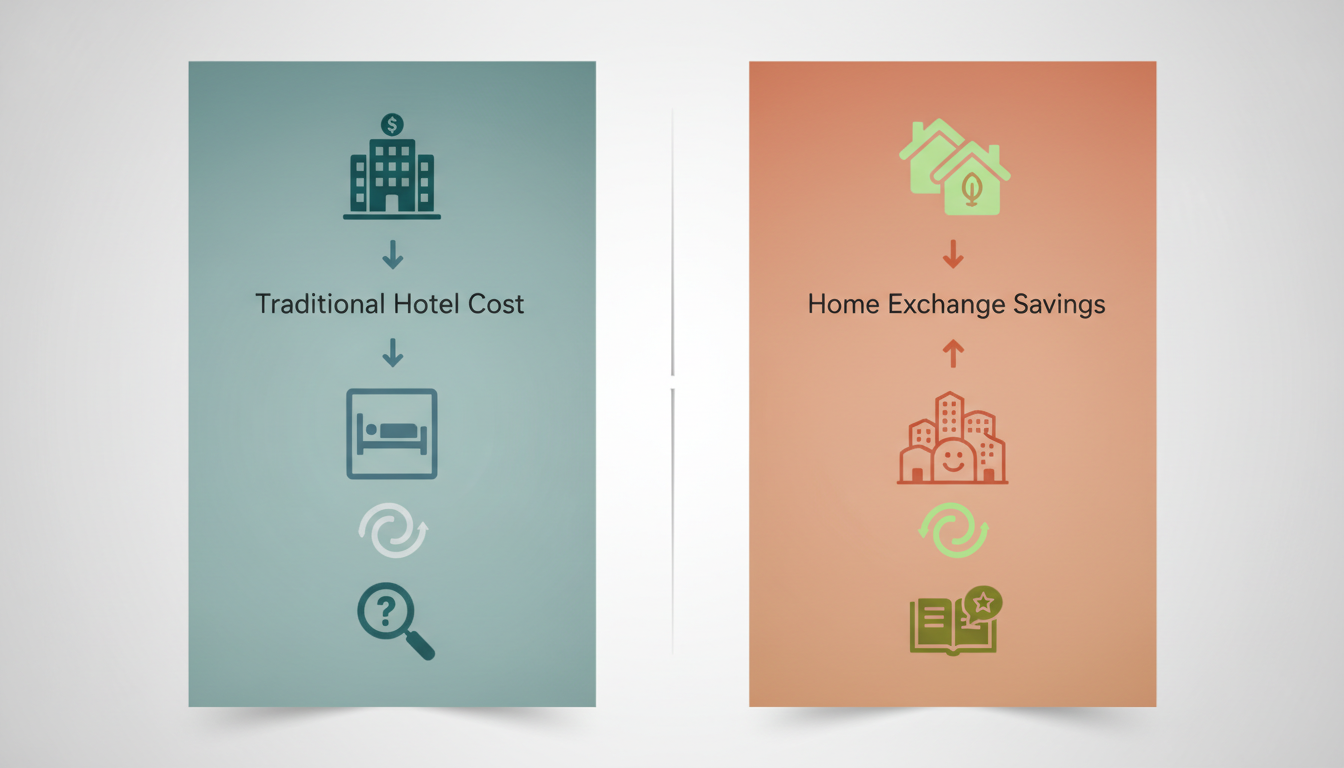 split-screen style comparison showing traditional hotel costs vs home exchange savings in Shanghai,
What Shanghai Hosts Expect from You
Real talk: Chinese hospitality culture has some nuances that'll make your swap smoother if you understand them upfront.
The Shoes Thing
I cannot stress this enough—remove your shoes at the door. Every single Shanghai home I've exchanged in has had house slippers waiting. Use them. This isn't optional or a "nice to do." It's deeply ingrained, and keeping your outdoor shoes on inside would be genuinely offensive to most hosts.
WeChat Is Non-Negotiable
Forget WhatsApp, forget email for day-to-day communication. If you're doing a Shanghai home exchange, download WeChat before you arrive. Your host will communicate with you through it, you'll need it to pay at most shops and restaurants (link an international card through WeChat Pay), and it's how you'll access building entry codes, local recommendations, and emergency contacts.
Mei sent me a custom WeChat sticker pack of her cat along with instructions for the washing machine. That's the level of communication you can expect.
Gift Giving
This isn't mandatory, but it's appreciated and culturally significant. Bring a small gift from your home country—nothing extravagant, maybe $20-30 USD value. Coffee from a local roaster, artisanal chocolate, a nice candle, something that represents where you're from. Leave it prominently displayed with a thank-you note when you depart.
Cleanliness Standards
Shanghai hosts tend to keep immaculate homes, and they expect the same in return. I'm not talking about casual tidying—I mean leave the place cleaner than you found it. Wipe down surfaces, organize the refrigerator, take out trash and recycling properly. Shanghai has strict sorting rules: wet waste, dry waste, recyclables, hazardous. Your host will notice, and your review will reflect it.
Navigating Shanghai as a Home Exchange Guest
Staying in a local's home means you get access to insider knowledge that no guidebook provides. But let me share some universal Shanghai tips that'll help regardless of which neighborhood you land in.
The Language Reality
Mandarin is essential for getting around, and English proficiency is lower than you might expect for a city this international. Before your Shanghai home exchange, learn basic phrases—hello (nǐ hǎo), thank you (xièxie), how much (duōshao qián), this one (zhège). Download a translation app with offline capability; Google Translate works, but Pleco is better for Chinese. And screenshot your host's address in Chinese characters—taxi drivers often can't read pinyin romanization.
That said, younger people in FFC and Jing'an usually speak decent English, and pointing at menus works everywhere.
Getting Around
Shanghai's metro system is genuinely world-class—clean, cheap (3-7 RMB per ride, roughly $0.40-1.00 USD), and extensive. Get a Shanghai Public Transportation Card at any metro station; it works on buses and taxis too.
For taxis and rideshares, you'll need DiDi (the Chinese Uber). It accepts international cards, and you can set it to English. Just know that during rush hour, surge pricing can triple normal fares.
Bikes are everywhere—shared bikes through apps like Hellobike cost almost nothing—but Shanghai traffic is aggressive. I'd only recommend cycling if you're comfortable with controlled chaos.
 early morning Shanghai metro station, commuters in business attire alongside elderly people carrying
Food: The Best Part
Honestly, this deserves its own article, but here's what I wish I'd known before my first Shanghai home exchange.
Your neighborhood will have a breakfast spot that's been there for decades. Look for the longest line of locals around 7-8am—that's where you want to be. Expect to pay 8-15 RMB ($1-2 USD) for a full meal: soy milk, fried dough sticks (youtiao), steamed buns, scallion pancakes.
For lunch, the set lunch at local restaurants is unbeatable value. Look for signs saying 午餐 (wǔcān) or just point at what other diners are eating. Budget 25-40 RMB ($3.50-5.50 USD).
Dinner is where Shanghai shines. Ask your host for their favorite neighborhood spot—not the fancy restaurant they'd take visitors to, but where they actually eat on a Tuesday night. My Hongkou host's recommendation led me to a hole-in-the-wall noodle shop that I still dream about.
And street food? Jianbing (savory crepes) from morning carts, grilled skewers from evening vendors, soup dumplings from literally anywhere. Budget 10-30 RMB ($1.40-4 USD) per snack.
Shanghai Home Exchange Trends to Watch in 2024-2025
I've been doing this long enough to spot patterns, and here's what I'm seeing in the Shanghai market.
Rise of the "Experience Exchange"
More Shanghai hosts are offering add-ons beyond just the home: cooking classes, tai chi sessions, calligraphy lessons, guided neighborhood walks. This isn't formalized yet, but I've had three hosts in the past year offer to spend a day showing me around their favorite spots. It's relationship-building, not a transaction, and it's beautiful.
Younger Demographics
The average age of Shanghai home exchange participants has dropped significantly. I'm seeing more hosts in their late 20s and early 30s—young professionals who've traveled abroad, experienced home exchange themselves, and want to pay it forward. These hosts tend to have excellent English, detailed digital guides, and apartments that look like they belong on a design blog.
Suburban Expansion
As Shanghai's center becomes increasingly expensive, more hosts are listing properties in areas like Minhang, Songjiang, and Qingpu. These aren't tourist neighborhoods, but they offer larger spaces, often with gardens or terraces, and metro access to central Shanghai within 30-45 minutes. For longer stays or families, these outer-district swaps are worth considering.
Sustainability Focus
Shanghai's strict recycling laws have made environmental consciousness mainstream, and I'm seeing this reflected in home exchange listings. Hosts highlight energy-efficient appliances, provide reusable shopping bags, and leave detailed instructions for waste sorting. If sustainability matters to you, you'll find kindred spirits in the Shanghai exchange community.
Making Your Shanghai Home Exchange Successful
After multiple swaps in this city, here's my distilled wisdom.
Before you go, get your visa sorted early—China requires tourist visas for most nationalities, and the process takes 2-4 weeks. Register on WeChat. Download offline maps. Exchange some cash; while mobile payment dominates, you'll occasionally need RMB for small vendors and older establishments.
During your stay, over-communicate with your host, especially in the first few days. Send photos showing you're taking care of their space. Ask questions about the neighborhood. Leave detailed notes about anything that needs attention—a dripping faucet, a tricky door lock.
After you leave, write a thoughtful review immediately. Send a thank-you message with a photo or two from your trip. Maintain the connection—I'm still in touch with several of my Shanghai hosts, and two have since stayed at my place in San Francisco.
The Shanghai home exchange community is still growing, still forming its culture and norms. The hosts who participate now are genuine enthusiasts, people who believe in the power of cultural exchange and opening their homes to strangers-who-become-friends. That energy is palpable, and it makes every swap feel like more than just free accommodation.
I'll be honest—Shanghai isn't the easiest city for a first-time home exchanger. The language barrier is real, the cultural differences are significant, and you'll have moments of confusion and frustration. But that's also what makes it rewarding. You're not just visiting Shanghai; you're living in it, navigating it, becoming part of its rhythm for a while.
My last morning in that Hongkou apartment, I sat in the courtyard with my host's neighbor—an 80-year-old woman who spoke zero English—drinking tea and watching the neighborhood wake up. We communicated through gestures and smiles and the universal language of shared morning rituals. That's the Shanghai home exchange experience at its best: not a transaction, but a connection.
If you're considering your first Shanghai swap, start browsing listings on SwappaHome. Look for hosts with detailed descriptions and responsive communication. Read reviews from previous guests. And then take the leap. Shanghai is waiting, and there's a local apartment with your name on it.
Frequently Asked Questions
Is home exchange in Shanghai safe for foreign travelers?
Shanghai is one of the safest major cities in the world, with very low crime rates and a strong police presence. Home exchange adds another layer of security through community verification and reviews—you're staying in a vetted member's home, not a random rental. I've never felt unsafe during any of my Shanghai swaps, and the local hosts I've met take guest safety seriously.
How much money can I save with Shanghai home exchange versus hotels?
A mid-range hotel in central Shanghai costs $200-350 USD per night. For a two-week trip, that's $2,800-4,900 on accommodation alone. With home exchange through SwappaHome's credit system, you're spending 1 credit per night regardless of the property's market value—potentially saving $3,000-5,000 on a longer stay while getting a more authentic experience.
Do I need to speak Mandarin for a Shanghai home exchange?
Basic Mandarin helps enormously, but it's not strictly necessary. Many Shanghai hosts—especially in expat-heavy neighborhoods like the Former French Concession and Jing'an—speak conversational English. Translation apps bridge most gaps. That said, learning key phrases and having your host's address written in Chinese characters will make daily life much smoother.
What's the best time of year for a Shanghai home exchange?
April-May and October-November offer the most pleasant weather and the best availability of quality listings. Avoid July-August (extreme heat and humidity) and Chinese New Year (late January/February) unless you specifically want to experience the holiday. Golden Week in early October sees high demand, so book 5-6 months ahead for prime properties.
Can I do a Shanghai home exchange if I've never swapped before?
Absolutely. SwappaHome gives new members 7 free credits to start, which covers a full week in Shanghai. Many Chinese hosts are enthusiastic about welcoming first-time exchangers—just be upfront about your experience level, ask questions, and communicate clearly about expectations. Your genuine interest in their city matters more than your swap history.

Published by
SwappaHome
SwappaHome Editorial Team
Home Exchange & Slow Travel Editorial
The SwappaHome Editorial Team brings together travel research, home-exchange community insights, and platform data to produce practical guides for first-time and experienced home swappers. Every article cites real platforms, current market rates, and verifiable city-level facts so readers can make informed decisions without guessing.
Ready to try home swapping?
Join SwappaHome and start traveling by exchanging homes. Get 7 free credits when you sign up!
Related articles
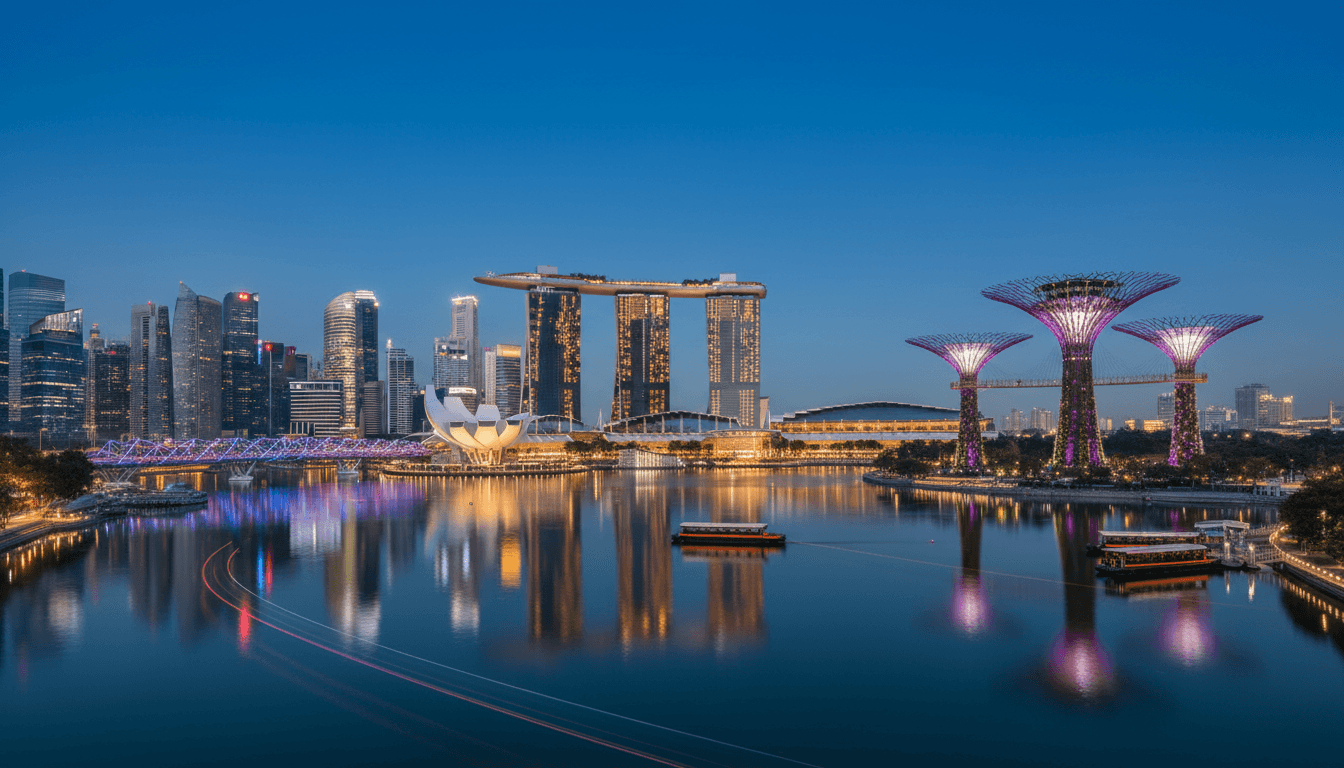
Bachelor and Bachelorette Parties in Singapore: The Complete Home Swap Group Guide for 2026
Planning a bachelor or bachelorette party in Singapore? Discover how home swapping lets groups of 6-12 stay together in luxury condos, saving thousands while partying in Marina Bay.

Cycling in Lisbon: 7 Home Swap Bike Tour Itineraries for Every Rider
Discover the best cycling routes in Lisbon with these home swap bike tour itineraries—from waterfront paths to hilltop adventures, all starting from your borrowed home.

Graduation Trip to Barcelona: How Home Swapping Gives New Graduates the Ultimate Celebration
Planning a graduation trip to Barcelona? Discover how home swapping lets new graduates explore Spain's most vibrant city without the hostel crowds or hotel costs.