
Solo Home Exchange in Santiago: Your Complete Guide to Meeting Locals and Making Friends
Maya Chen
Travel Writer & Home Exchange Expert
Discover how solo home exchange in Santiago opens doors to authentic Chilean friendships, local experiences, and a travel style that transforms strangers into lifelong connections.
I was standing in a stranger's kitchen in Providencia, trying to figure out how to work the espresso machine, when Maria—my host's neighbor—knocked on the door with a plate of homemade sopaipillas. "Rodrigo told me you'd be here alone," she said in careful English. "You eat dinner with my family tonight, yes?"
That was my introduction to solo home exchange in Santiago. And honestly? It ruined hotels for me forever.
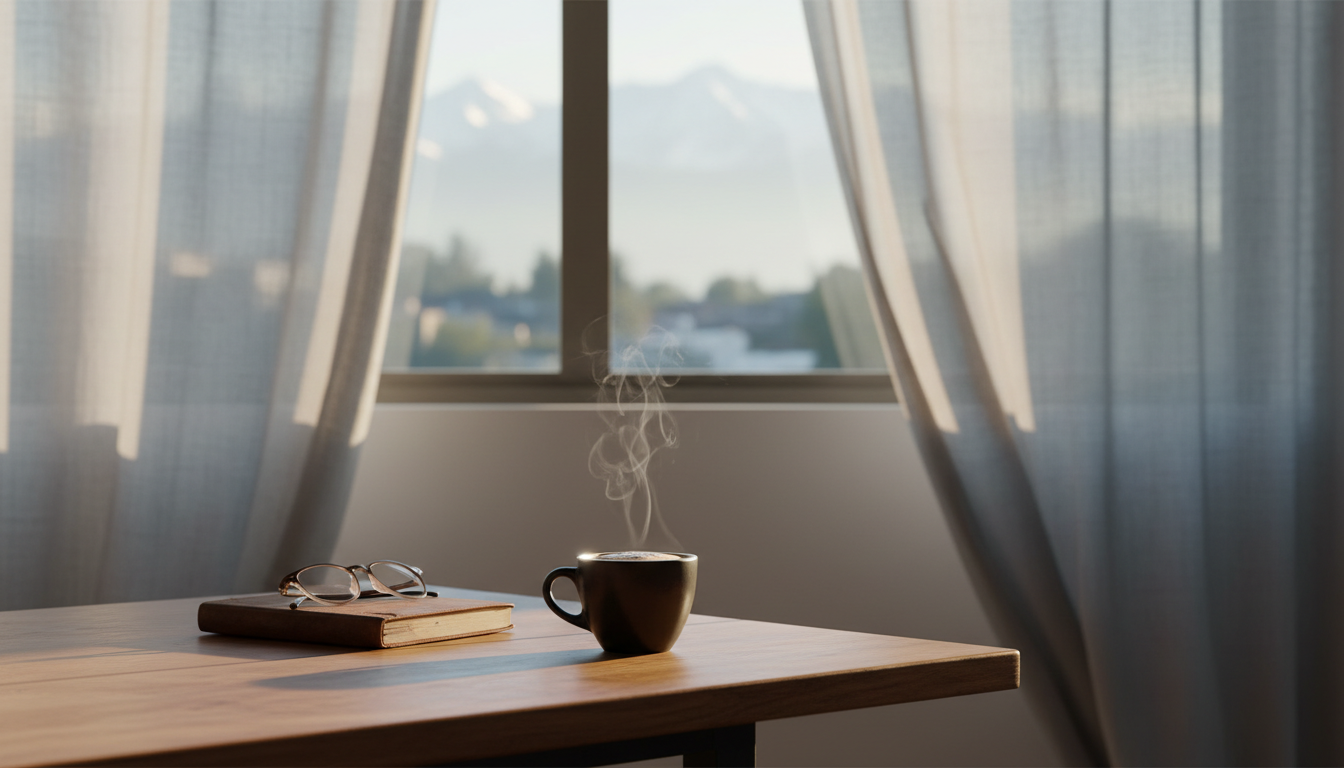 warm morning light streaming through a Santiago apartment window, espresso cup on a wooden table, vi
There's something about staying in someone's actual home—sleeping in their guest room, using their favorite coffee mug, following the handwritten notes they left about which bakery has the best marraqueta—that cracks open a city in ways no guidebook ever could. When you're traveling solo, that connection isn't just nice. It's everything.
Why Solo Home Exchange in Santiago Changes Everything
Here's what I've learned after seven years of swapping homes across 25 countries: solo travel can be lonely. There, I said it. The Instagram version is all sunset selfies and "finding yourself," but the reality often involves eating dinner alone while scrolling your phone, wondering if anyone would notice if you just... didn't talk for three days straight.
Solo home exchange in Santiago flips that script entirely.
When you stay in a Chilean family's home, you inherit their world. Their neighbors know you're coming. Their friends might drop by. The guy at the corner almacén asks if you're "Rodrigo's friend from California." You're not anonymous—you're vouched for, welcomed, expected.
My first solo home exchange in Santiago lasted two weeks. I left with three dinner invitations from neighbors, a standing offer to visit a family's beach house in Viña del Mar, a WhatsApp group called "Santiago Amigos" that's still active four years later, and the ability to make a decent pisco sour thanks to patient instruction from Maria's husband, Jorge.
I've stayed in Santiago hotels since then. Nice ones, even. They were fine. But fine isn't the same as being taught your host's grandmother's recipe for pastel de choclo while her actual grandmother supervised via video call from Valparaíso.
How Solo Home Exchange Works (The Practical Stuff)
If you're new to home exchange, here's the basic idea: you list your home on a platform like SwappaHome, and other members can request to stay there. When you host someone, you earn credits—one credit per night, always, regardless of whether your place is a studio apartment or a mansion. Then you use those credits to book stays in other members' homes around the world.
The beauty for solo travelers? No direct swap required. You don't need to find someone in Santiago who wants to visit your exact city at your exact dates. Host a couple from Berlin for a weekend, then use those credits to book two weeks in Chile. The math works out beautifully.
New members start with 10 free credits on SwappaHome, which means you could literally book 10 nights in Santiago without hosting anyone first. That's enough time to fall completely in love with the city—trust me.
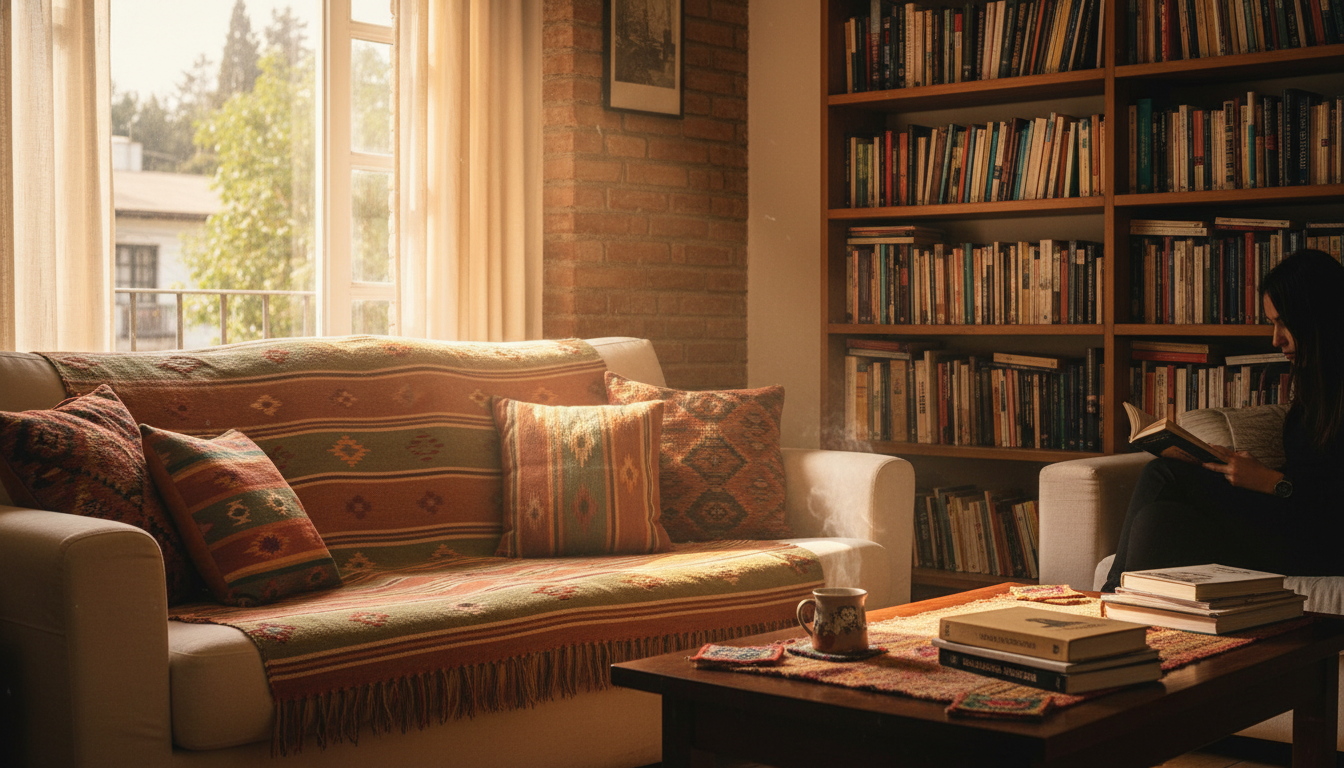 cozy living room in a Providencia apartment with exposed brick, colorful Chilean textiles on the cou
Best Santiago Neighborhoods for Solo Home Exchange
Not all neighborhoods are created equal when you're traveling alone and hoping to connect with locals. Here's my honest breakdown after multiple stays across the city.
Providencia: The Sweet Spot for Solo Travelers
This is where I always recommend first-timers stay, and it's where I keep returning myself. Providencia hits that perfect balance—safe enough to walk alone at night, residential enough to feel like a neighborhood rather than a tourist zone, but lively enough that you're never bored.
The homes available for exchange here tend to be apartments in mid-rise buildings. Think 1970s architecture with surprisingly spacious layouts, often with a portero (doorman) who'll become your first Santiago friend whether you like it or not. Mine, Don Carlos, insisted on teaching me Chilean slang every morning. "Cachai?" became my most-used word.
Expect home exchange stays in Providencia to save you roughly $80-120 USD per night compared to equivalent Airbnbs or hotels. Over two weeks, that's $1,120-1,680 back in your pocket. I spent mine on wine tours and too many empanadas.
Bellavista: For the Artsy, Social Solo Traveler
Bellavista is Santiago's bohemian heart—street art everywhere, Pablo Neruda's house (La Chascona) tucked into the hillside, and bars that don't really get going until midnight. If you're the type of solo traveler who wants to strike up conversations with strangers over natural wine, this is your spot.
The home exchange options here skew younger and more eclectic. I once stayed in a converted artist's studio where the host had left me a hand-drawn map of her favorite murals and a note that said, "My neighbor Pablo plays guitar on his balcony at sunset. Bring wine and he'll let you join."
She was right. Pablo and I are still friends.
Ñuñoa: Where Santiaguinos Actually Live
This neighborhood won't appear in most guidebooks, and that's exactly the point. Ñuñoa is where young Chilean families buy their first apartments, where the cafés are full of locals working on laptops, where the weekend ferias (markets) sell produce that actually costs normal prices.
For solo home exchange, Ñuñoa offers something precious: normalcy. You're not in a tourist bubble. You're living—actually living—in Santiago. The metro connects you to everywhere in 20 minutes, but you might find yourself not wanting to leave.
My friend Elena, who I met through a home exchange connection, lives in Ñuñoa. She once told me, "When tourists stay here, they become temporary neighbors. When they stay in hotels, they're just... tourists." That distinction matters.
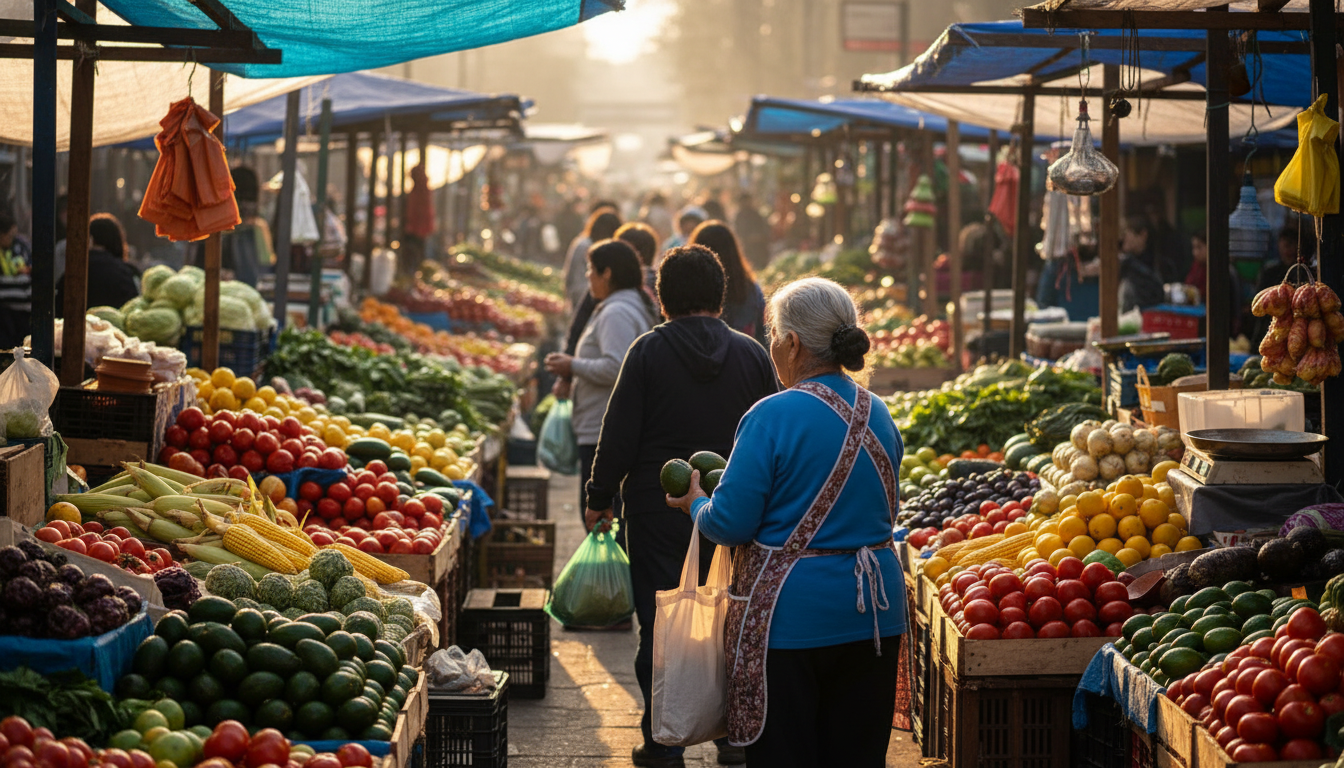 bustling weekend feria market in uoa, colorful produce stalls, elderly Chilean vendor handing avocad
Meeting Locals Through Solo Home Exchange: Real Strategies That Work
So you've booked your solo home exchange in Santiago. Your host has accepted your request, you've exchanged messages, and you're getting excited. Now how do you actually transform this stay into genuine local connections?
Strategy 1: Ask Your Host for Introductions (Seriously, Just Ask)
This feels awkward, I know. But here's what I've learned: most hosts are genuinely delighted when guests want to connect with their community. They've chosen home exchange partly because they value cultural connection—otherwise they'd just rent their place on Airbnb and never interact with anyone.
Before my last Santiago stay, I messaged my host something like: "I'm traveling solo and would love to meet some locals while I'm there. Would you be comfortable introducing me to any neighbors or friends who might be open to grabbing coffee or showing me around?"
Her response? She'd already told three people about me. One was her English-student friend who wanted conversation practice. One was her cousin who "loves meeting foreigners." One was the elderly woman next door who "will definitely bring you food whether you want it or not."
All three became highlights of my trip.
Strategy 2: Embrace the Neighborhood Rhythm
Solo home exchange in Santiago works best when you stop acting like a tourist. I mean this literally: wake up when locals wake up. Buy bread at the same bakery every morning. Sit in the same café and let the staff start to recognize you.
In Providencia, I discovered that the almacén on my block was actually a social hub. People didn't just buy things—they lingered, chatted, caught up on neighborhood gossip. After three days of buying my morning yogurt there, the owner started asking about my day. By day five, she was introducing me to other regulars.
"This is Maya, she's staying in Rodrigo's apartment. She's from California. She doesn't like completos." (I do like completos, actually—Chilean hot dogs loaded with avocado and mayo—but I'd made a face at one once and apparently that was now my identity.)
Strategy 3: Use Your Host's Recommendations as Conversation Starters
Most home exchange hosts leave notes about their favorite spots—restaurants, cafés, parks, hidden gems. These aren't just helpful tips; they're social currency.
When you walk into a café and say, "My friend Rodrigo told me this place has the best cortado in Providencia," something shifts. You're not a random tourist anymore. You're connected to someone the staff might know. You have context. You belong, even just a little.
I've started entire friendships with variations of "I'm staying in Maria's apartment and she said I absolutely had to try the kuchen here." People light up. They want to know about Maria. They want to tell you about their own favorite version of whatever you just ordered. Suddenly you're having a real conversation instead of a transaction.
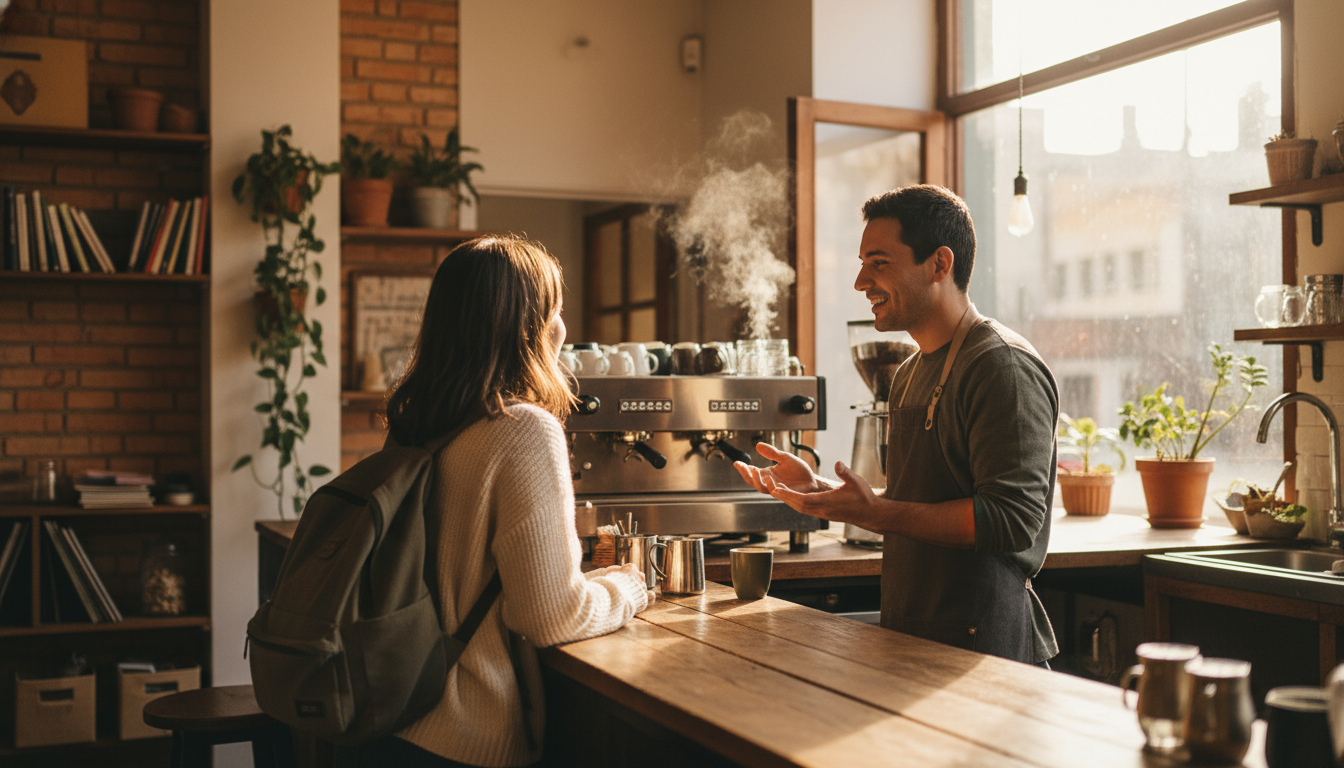 intimate caf scene in Providencia, solo traveler chatting with a local barista across a wooden count
The Social Realities of Solo Travel in Santiago
I want to be honest with you about something: Chile can feel socially reserved at first, especially compared to other Latin American countries. Chileans aren't unfriendly—not at all—but they're not the "instant best friends with every stranger" culture you might find in, say, Colombia or Mexico.
This is actually where solo home exchange in Santiago becomes your secret weapon.
The normal barriers that exist between tourists and locals—the suspicion, the transactional nature of interactions, the sense that you're just passing through—dissolve when you're staying in someone's home. You've been vetted. You're trusted. You're part of someone's network, even temporarily.
I've had Chileans tell me directly: "I wouldn't normally invite a tourist to my asado, but you're staying with Rodrigo, so you're not really a tourist." That distinction—tourist versus guest—opens doors that money simply cannot buy.
Language Matters (But Not How You Think)
Chilean Spanish is notoriously difficult. The accent is fast, the slang is extensive, and they drop so many letters that "está" becomes "tá" and "para" becomes "pa." Even fluent Spanish speakers from other countries struggle at first.
But here's the thing: attempting to communicate in Spanish, even badly, signals respect. And when you're staying in someone's home, you have a built-in language laboratory. The notes your host leaves, the neighbors who speak slowly because they know you're learning, the low-stakes daily interactions where mistakes don't matter.
I learned more Chilean Spanish in two weeks of home exchange than I had in months of Duolingo. Mostly because Maria's husband Jorge refused to let me order anything at restaurants until I could say it properly. "No, no, no. Again. 'Una empanada de pino.' Not 'pee-no.' 'Pino.' Like the tree but Spanish."
We spent an entire dinner practicing. His kids thought it was hilarious. I can now order empanadas with perfect pronunciation and zero shame.
Practical Tips for Your Solo Home Exchange in Santiago
Let me share some specific, actionable advice that took me multiple trips to figure out.
Money and Costs
Santiago is surprisingly affordable for a major capital city. Your home exchange eliminates accommodation costs entirely, and daily expenses break down roughly like this: coffee and pastry breakfast runs $3-5 USD (2,500-4,000 CLP), lunch at a local restaurant costs $8-12 USD (6,500-10,000 CLP), dinner with wine is $15-25 USD (12,000-20,000 CLP), a metro ride is about $1 USD (800 CLP), and museum entry is $3-8 USD though most are free on certain days.
Over two weeks, I typically spend $600-800 USD on everything except flights. Compare that to a hotel stay where accommodation alone would cost $1,500+.
Safety as a Solo Traveler
Santiago is generally safe, especially in the neighborhoods I've mentioned. Standard city precautions apply: don't flash expensive electronics, be aware of your surroundings at night, keep valuables secure.
The home exchange advantage? Your host will tell you exactly which streets to avoid after dark, which metro stations get sketchy late at night, and which areas are fine despite looking rough. This hyper-local knowledge is worth more than any guidebook's generic safety warnings.
My host Rodrigo's note included gems like: "The park behind the apartment is lovely during the day but avoid it after 10pm" and "If you're coming home late from Bellavista, take Uber instead of walking—not dangerous, just annoying drunk people."
The Best Times to Visit
September through November (Chilean spring) is ideal—jacaranda trees blooming purple across the city, warm but not hot, locals in good moods after winter. March through May works too, with autumn colors and harvest season in nearby wine regions.
December through February is summer, which means many Santiaguinos flee to the beach and the city empties out. This can actually be great for solo travelers—fewer crowds, easier reservations—but you'll have fewer locals around to befriend.
Avoid July if you want social connections. It's winter, cold, and everyone hibernates.
Building Lasting Friendships: Beyond the Exchange
The friendships I've made through solo home exchange in Santiago have outlasted the trips themselves. This isn't automatic—it requires intention—but it's absolutely possible.
Stay in Touch (Actually)
Before leaving, I always ask new friends if they'd like to connect on WhatsApp or Instagram. Not in a "let's stay in touch!" performative way, but genuinely: "I'd love to keep up with what's happening in your life."
Then—and this is the crucial part—I actually follow through. I send photos when I'm cooking something they taught me. I ask about their kids or their job or that thing they were worried about. I remember birthdays. I comment on their posts.
This sounds basic, but most travelers don't do it. The ones who do become real friends rather than pleasant memories.
Create Reasons to Return
Maria once told me, "You're always welcome to stay with us when you visit Santiago." I took her up on it two years later—not through home exchange, just as a friend staying with friends. We cooked together, she introduced me to more of her circle, and now I have an entire community waiting for me whenever I return.
Solo home exchange in Santiago isn't just about one trip. It's about building a network of connections that compounds over time. Each visit adds new relationships. Each relationship opens new doors.
Pay It Forward
The best way to honor the connections you've made? Become an amazing host yourself. When Chilean travelers stay in your home, treat them the way you were treated. Introduce them to your neighbors. Leave them notes about your favorite spots. Check in during their stay.
I've hosted three different Chileans in my San Francisco apartment now, all of them friends-of-friends from my Santiago network. The reciprocity feels right. The community grows.
What to Expect from Your Santiago Host
Home exchange hosts vary in their involvement, and that's okay. Some will meet you at the airport, spend hours showing you around, and text daily to check in. Others will leave keys with a neighbor and communicate entirely through the SwappaHome messaging system.
Both approaches can lead to incredible experiences—they just require different strategies.
For hands-on hosts, embrace their involvement. Accept dinner invitations. Ask questions. Let them guide you. These hosts often become friends directly.
For hands-off hosts, use their network instead. Ask specifically: "Would any of your neighbors be open to meeting me?" or "Is there a local café where regulars might welcome a conversation?" Even absent hosts can facilitate connections if you ask.
The SwappaHome review system helps here—you can read what previous guests say about hosts before booking. Look for mentions of "welcoming," "helpful," or "introduced us to friends" if social connection is your priority.
The Trust Factor: A Note on Safety and Respect
Some solo travelers worry about staying in strangers' homes. It's a valid concern, and I want to address it directly.
Home exchange communities work because of mutual accountability. On SwappaHome, members verify their identities, build reputations through reviews, and have real stakes in the system. Someone who mistreats a guest loses their ability to travel through the network. The incentives align toward good behavior.
That said, I always recommend solo travelers—especially women—take standard precautions. Read all reviews carefully before booking. Video chat with hosts beforehand if you want extra assurance. Share your itinerary with someone back home. Trust your instincts—if something feels off, it's okay to cancel. Consider getting your own travel insurance for peace of mind.
In seven years and 40+ exchanges, I've never had a safety issue. But I've also been thoughtful about who I stay with and where. The community self-selects for trustworthy people, but you should still exercise judgment.
Making It Happen: Your Next Steps
If you've read this far, you're probably already imagining yourself in a Santiago apartment, learning to make pisco sours from a neighbor named Jorge. Good. That instinct is worth following.
Here's how to start.
Create your SwappaHome profile. Be genuine, include good photos of your space, and write about yourself as a traveler—what you value, what you're looking for, why you're interested in home exchange. Hosts want to know who's staying in their home.
Start searching Santiago listings. Filter by neighborhood (Providencia, Bellavista, or Ñuñoa for best solo experiences). Read descriptions carefully—hosts often reveal their personality and involvement level in how they write.
Send thoughtful booking requests. Mention specific things from their listing. Explain that you're traveling solo and hoping to connect with locals. Ask if they'd be open to introducing you to neighbors or friends. This transparency helps hosts understand your goals and often makes them more invested in your experience.
Prepare for genuine connection. Learn basic Spanish phrases. Research Chilean culture and customs. Come ready to be a good guest—respectful of the home, appreciative of introductions, open to experiences that don't go according to plan.
The solo home exchange in Santiago that changed my travel life started with a simple booking request. Maria's neighbor showing up with sopaipillas wasn't magic—it was the natural result of a system designed to connect people.
You can have that too. You probably will, if you're willing to try.
Santiago is waiting. So are the neighbors who don't know yet that they're about to become your friends. So is the corner store owner who will definitely have opinions about your Spanish pronunciation. So is the city itself—complicated, beautiful, surprisingly welcoming once you find your way in.
I'll probably be back there next spring. Maybe I'll see you at Jorge and Maria's asado. Bring wine. And practice saying "pino" before you arrive.
Frequently Asked Questions
Is solo home exchange in Santiago safe for women travelers?
Solo home exchange in Santiago is generally very safe for women, especially in neighborhoods like Providencia and Ñuñoa. The SwappaHome verification and review system helps ensure trustworthy hosts, and staying in residential areas means you're surrounded by families and long-term residents rather than tourist-zone anonymity. I always recommend reading reviews carefully, video chatting with hosts beforehand, and trusting your instincts.
How much money can I save with home exchange versus hotels in Santiago?
Solo travelers typically save $80-120 USD per night with home exchange compared to equivalent hotels or Airbnbs in Santiago's desirable neighborhoods. Over a two-week stay, that's $1,120-1,680 in savings. Since SwappaHome uses a credit system (one credit per night, regardless of location), your only costs are daily expenses like food, transport, and activities—usually $40-60 USD per day.
Do I need to speak Spanish for solo home exchange in Santiago?
You don't need fluent Spanish, but basic phrases help enormously. Many hosts and their friends speak some English, especially in Providencia and Bellavista. Attempting Spanish—even imperfectly—signals respect and opens social doors. Home exchange actually accelerates language learning since you're immersed in a local environment with patient neighbors who want to help you improve.
How do I find hosts who will introduce me to locals in Santiago?
Look for hosts whose listings mention community, neighborhood connections, or social activities. In your booking request, be direct: explain you're traveling solo and hoping to meet locals. Ask specifically if they'd be comfortable introducing you to neighbors or friends. Most home exchange hosts chose this travel style because they value cultural connection—they're often delighted to facilitate introductions.
What's the best neighborhood in Santiago for solo home exchange?
Providencia is ideal for first-time solo home exchangers—safe for walking alone, residential but lively, excellent metro connections, and a strong sense of neighborhood community. Bellavista suits social, artsy travelers who want nightlife and creative scenes. Ñuñoa offers the most authentic local experience, perfect for longer stays when you want to live like a Santiaguino rather than visit like a tourist.
40+
Swaps
25
Countries
7
Years
About Maya Chen
Travel Writer & Home Exchange Expert
Maya is a travel writer with over 7 years of experience in the home swapping world. Originally from Vancouver and now based in San Francisco, she has completed more than 40 home exchanges across 25 countries. Her passion for "slow" and authentic travel led her to discover that true luxury lies in living like a local, not a tourist.
Ready to try home swapping?
Join SwappaHome and start traveling by exchanging homes. Get 10 free credits when you sign up!
Related articles

Lyon Home Exchange: Your Complete Guide to France's Hidden Gem for Home Swapping
Discover why Lyon home exchange is booming among savvy travelers. From Croix-Rousse to Presqu'île, find the best neighborhoods and insider tips for your swap.

Zurich Bucket List: 47 Unforgettable Experiences to Enjoy During Your Home Swap
Discover the ultimate Zurich bucket list for home swappers—from secret swimming spots to fondue rituals locals actually do. Save thousands while living like a true Zürcher.
Dublin Home Exchange Utilities Guide: WiFi, Heating & Everything Your Guests Need
Master Dublin home exchange utilities—from dodgy WiFi fixes to heating quirks. Practical tips from 7 years of swapping homes across Ireland.