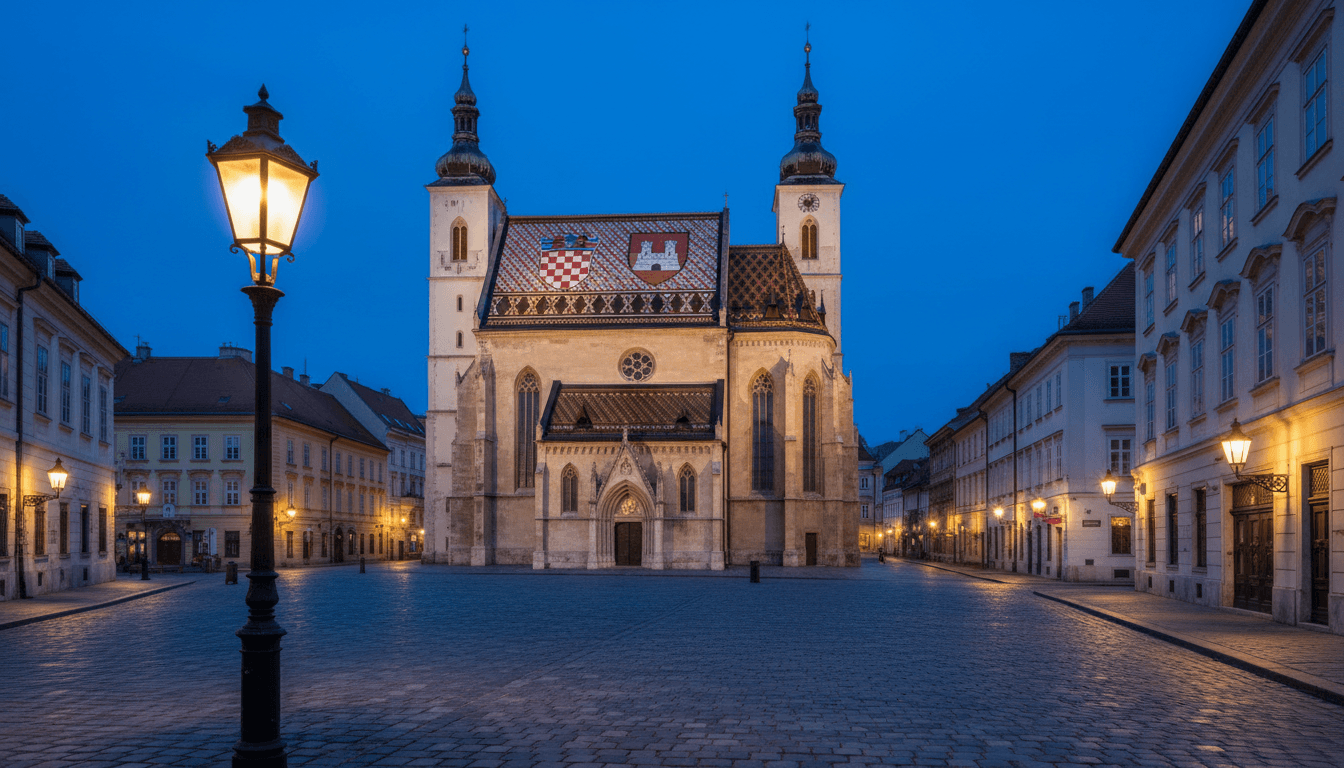
Solo Home Exchange in Zagreb: How I Made Lifelong Friends in Croatia's Hidden Capital
Maya Chen
Travel Writer & Home Exchange Expert
Discover how solo home exchange in Zagreb opens doors to authentic local connections, secret spots, and friendships that last long after you leave Croatia.
The message came through at 2 AM my time: "Maya, you absolutely MUST try my grandmother's recipe for štrukli before you leave. Come for dinner tomorrow?"
I'd been in Zagreb for exactly four days. Four days of solo home exchange, and I was already being invited into a Croatian grandmother's kitchen. This wasn't the plan. I'd imagined a quiet week wandering cobblestone streets, working from cafés, maybe reading in parks. Instead, I found myself learning to roll phyllo dough while three generations of women laughed at my technique—lovingly, but still—and kept topping off my glass of homemade walnut rakija.
That dinner—messy, loud, ending well past midnight—captures everything I love about solo travel through home exchange. You don't just visit a city. You fall into its rhythms. Its kitchens. Its stories.
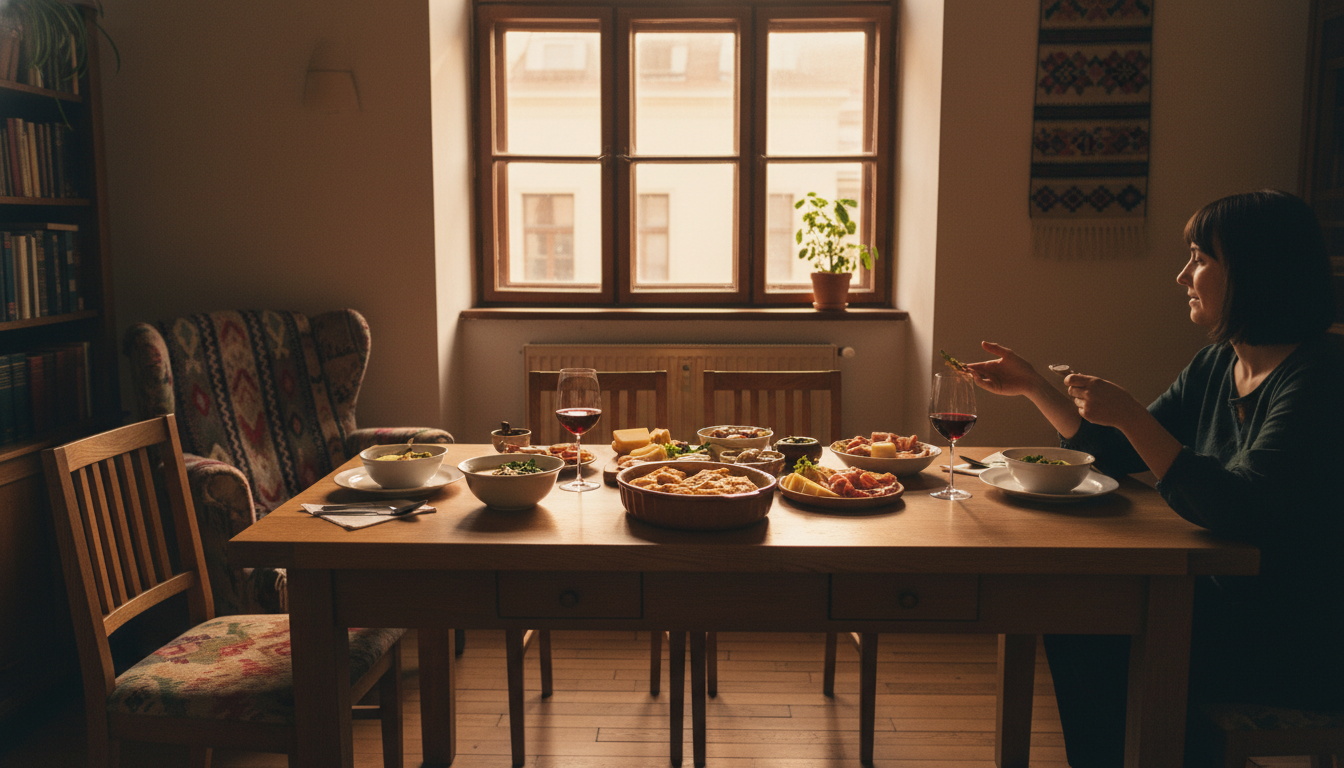 warm evening light streaming through a traditional Zagreb apartment window, a wooden table set with
Zagreb isn't on most solo travelers' radar. It doesn't have Barcelona's beaches or Paris's Instagram moments. But here's what it does have: a fiercely proud local culture, residents who genuinely want to share their city, and a cost of living that stretches your budget further than you'd believe. My solo home exchange here became one of the most socially rich trips I've ever taken—and I've done over 40 swaps across 25 countries.
So. Let me show you how to make it happen.
Why Zagreb Works So Well for Solo Home Exchange Travel
I'll be honest—I almost skipped Zagreb entirely. Croatia meant Dubrovnik and Split to me. The coastal hits. The places everyone posts about. But a fellow home exchanger mentioned she'd had her best swap experience ever in Croatia's capital, and something about the way she described it stuck with me.
Zagreb operates on a different frequency than tourist-heavy destinations. The city has this confident, unhurried energy. Locals aren't exhausted by visitors because there simply aren't that many of us. When you tell someone you're staying in their neighborhood—actually living there, not just passing through—their eyes light up. They want to help.
For solo travelers, this matters. A lot.
I've done solo trips where I went days without a real conversation. Zagreb was the opposite. The barista at my corner café (Eli's, on Tkalčićeva Street—go there) started recommending her favorite spots by day two. The guy at the fruit stand learned my name. My home exchange host's neighbor invited me to her book club—conducted entirely in Croatian, which I don't speak, but somehow it worked anyway.
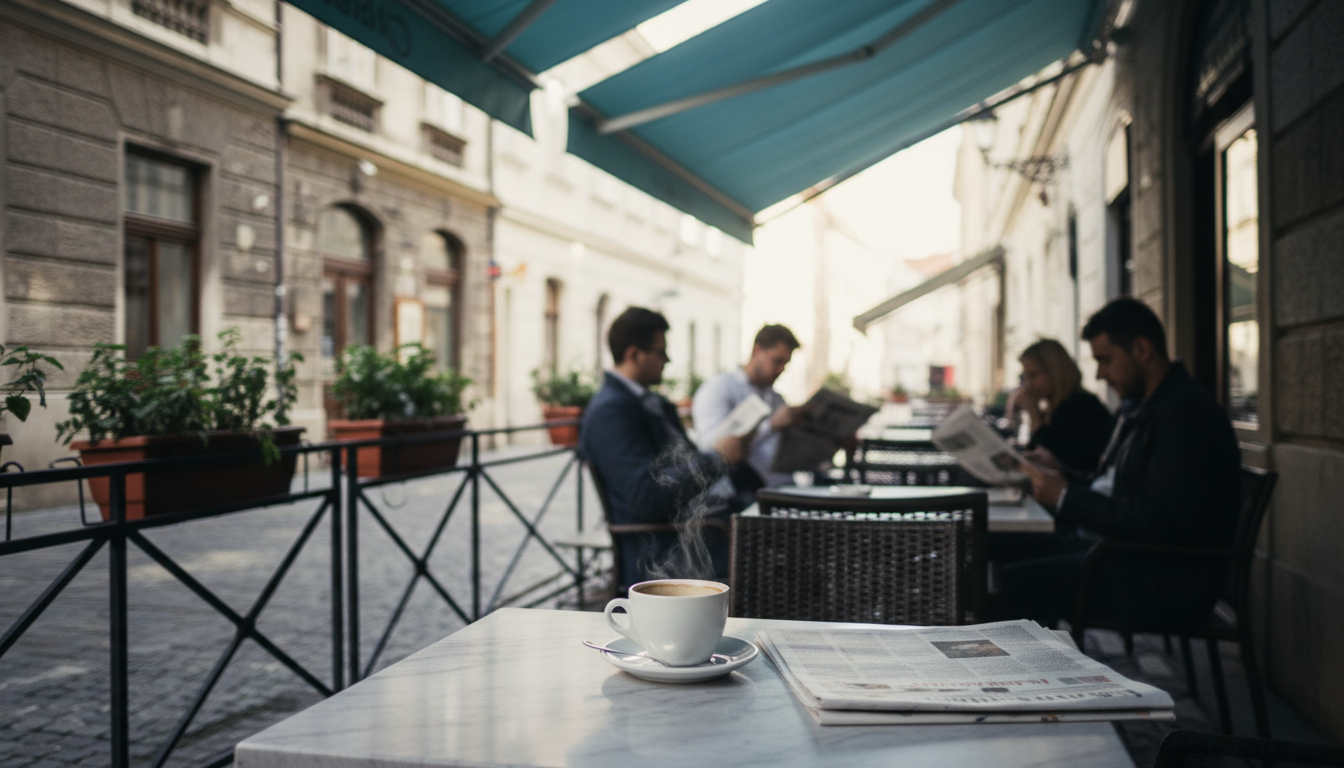 morning scene at a Zagreb caf terrace on Tkalieva Street, single coffee cup on a marble table, local
The practical benefits stack up too. A decent hotel in Zagreb's center runs $80-120 USD per night. Through SwappaHome's credit system, I spent zero. Those savings funded cooking classes, wine tastings, and a day trip to Plitvice Lakes that I'd have otherwise skipped.
But honestly? The money isn't even the main thing. It's the access. When you're staying in someone's actual home, you inherit their neighborhood. Their coffee shop. Their favorite bench in the park. You're not a tourist—you're a temporary local. And that shift changes everything about who you meet.
Finding the Right Zagreb Neighborhood for Your Solo Home Swap
Zagreb's neighborhoods each have distinct personalities, and choosing the right one shapes your entire experience. After my trip—and conversations with a dozen other solo exchangers who've stayed there—here's what I'd tell a friend:
Gornji Grad (Upper Town): History and Quiet Contemplation
If you want to write, think, or simply wander without agenda, the Upper Town delivers. Cobblestones. Gas lamps that still get lit by hand each evening. Views that make you stop mid-step. It's quieter here, more residential, and the tourists thin out dramatically after the funicular stops running.
I stayed in Gornji Grad and loved it for morning writing sessions. The catch? Fewer casual social opportunities. You'll need to descend to the Lower Town for nightlife and the café culture where connections happen naturally. The walk takes 15 minutes, or there's that adorable funicular (7 kuna, about $1 USD).
Tkalčićeva and Surrounding Streets: Social Butterfly Territory
This is where Zagreb comes alive. Tkalčićeva Street is basically one long outdoor living room—café after café, spilling onto the pedestrian street, full of locals who've been meeting friends at the same spots for decades. If you're solo and hoping to strike up conversations, plant yourself here.
The area can get lively (read: loud) on weekend nights. But for a solo traveler wanting to meet people? That's a feature, not a bug. Home exchanges in this zone get snapped up quickly—list your own place early if you're hoping to swap here.
Maksimir: Local Life, Park Access, Fewer Tourists
Near Zagreb's gorgeous Maksimir Park, this residential neighborhood feels genuinely Croatian. Fewer English menus. More curious glances when you walk in somewhere. Better prices. The tram connects you to the center in 15 minutes.
A solo exchanger I met, David from Melbourne, stayed in Maksimir and said it forced him to engage more. "Nobody assumed I spoke English," he told me. "So every interaction became this little adventure." He ended up befriending his host's elderly neighbor, who took him foraging for wild garlic in the park.
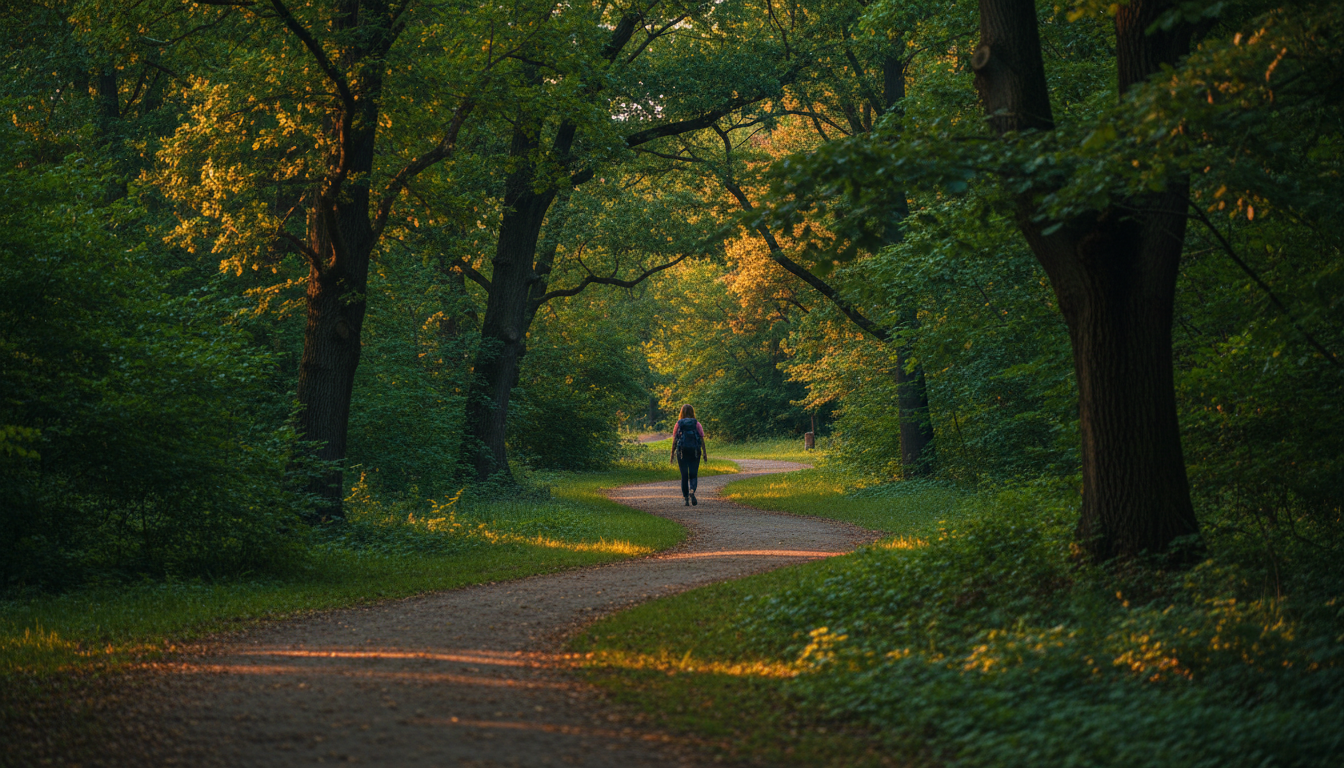 lush green pathways through Maksimir Park in Zagreb, dappled sunlight, a solo figure walking in the
Jarun: Young, Active, Lake Vibes
If you're into fitness, outdoor activities, or just want that summer-camp energy, Jarun Lake is your spot. Locals jog, swim, paddleboard, and gather at beach bars. The vibe skews younger and more active. It's further from the historic center but has its own social ecosystem.
For solo travelers who connect through activities rather than conversation, this neighborhood makes sense. Join a morning run group or rent a kayak, and you'll have company within the hour.
How to Actually Connect with Locals During Your Zagreb Home Exchange
Okay, here's where I get specific. Because "meeting locals" can sound vague and intimidating when you're actually standing alone in a new city, wondering how to start.
Start with Your Host (Even for Non-Simultaneous Swaps)
On SwappaHome, you don't need to swap directly with someone—the credit system means you might host a family from Japan and use those credits to stay in Zagreb. But here's a trick: even when your host isn't there, they're your first connection.
Before I arrived, my Zagreb host Ana sent me a detailed message about her neighborhood. She mentioned her favorite wine bar, the bakery with the best burek, and—crucially—that her neighbor Marta "loves meeting travelers and speaks excellent English." That introduction led to the dinner invitation I mentioned.
Ask your host: Who should I meet? What's the local spot nobody knows about? Most people love sharing their city. They just need to be asked.
The Coffee Culture is Your Secret Weapon
Croatians take their coffee seriously. Not in a snobby way—in a "sit for three hours with one espresso" way. The ritual is called kavana culture, and it's essentially socializing disguised as caffeine consumption.
Here's what worked for me: I picked one café and went back every single morning. Same table when possible. By day three, the staff recognized me. By day five, a regular named Tomislav asked what I was working on (I had my laptop out). We ended up talking for two hours about Croatian history, his daughter's move to Berlin, and which neighborhoods were up-and-coming.
Tomislav later texted me a list of his favorite restaurants. We're still in touch.
 overhead view of a small marble caf table with a single espresso, a worn notebook, and a hand holdin
Language Exchange Meetups: Goldmine for Solo Travelers
Zagreb has a surprisingly active language exchange scene. Apps like Tandem and events through Couchsurfing Hangouts (yes, it still exists) connect you with locals wanting to practice English. You get Croatian tips; they get conversation practice. Everyone wins.
I attended a Wednesday evening meetup at a bar called Alcatraz (yes, really) in the center. Twenty people, maybe six of us foreigners, the rest Croatian. We rotated tables every 20 minutes. I left with four new Instagram connections and an invitation to a weekend hiking trip.
The key: these events attract locals who are already open to meeting outsiders. The filtering is done for you.
Take a Class (Cooking, Craft, Whatever)
My štrukli lesson happened informally, but Zagreb has plenty of organized options. Cooking classes run around $50-70 USD and usually include market shopping with your instructor. You're learning a skill, but really, you're spending four hours with someone who knows the city intimately.
I also took a rakija-tasting session at a small producer outside the city (arranged through Airbnb Experiences, about $40 USD). Three other participants, all locals showing their visiting relatives around. We bonded over which fruit brandy was smoothest and ended up at someone's cousin's restaurant for an unplanned dinner.
Classes create shared experiences. Shared experiences create connections. Simple math.
Navigating Solo Safety and Practical Considerations in Zagreb
Solo travel always raises the safety question, so let me address it directly: Zagreb felt remarkably safe to me. I walked home alone at midnight multiple times without concern. The city has low violent crime rates, and locals are genuinely helpful if you look lost.
That said, common sense applies. Keep your phone charged. Share your location with someone back home. Trust your instincts about people and situations.
For home exchange specifically, SwappaHome's verification and review system helps you vet potential hosts before committing. I always read every review carefully and message hosts with questions before confirming. If something feels off, I move on. There are plenty of options.
One note: SwappaHome connects you with hosts but doesn't provide insurance coverage for your stay. I always purchase separate travel insurance that covers accommodation issues—it's about $30-50 for a week-long trip and gives me peace of mind. Worth it.
Practical Tips for Solo Exchangers in Zagreb
Public transport works beautifully. Buy a Zagreb Card (around $20 USD for 72 hours) for unlimited trams and buses plus museum discounts. The tram system is intuitive—I figured it out within an hour.
Cash is still king in smaller establishments. ATMs are everywhere, and the exchange rate is straightforward since Croatia adopted the euro in 2023. Budget around €40-60 per day for food, activities, and transport if you're being comfortable but not extravagant.
WiFi is solid throughout the city. I worked remotely from my exchange apartment and various cafés without issues. Speeds were better than my San Francisco apartment, honestly.
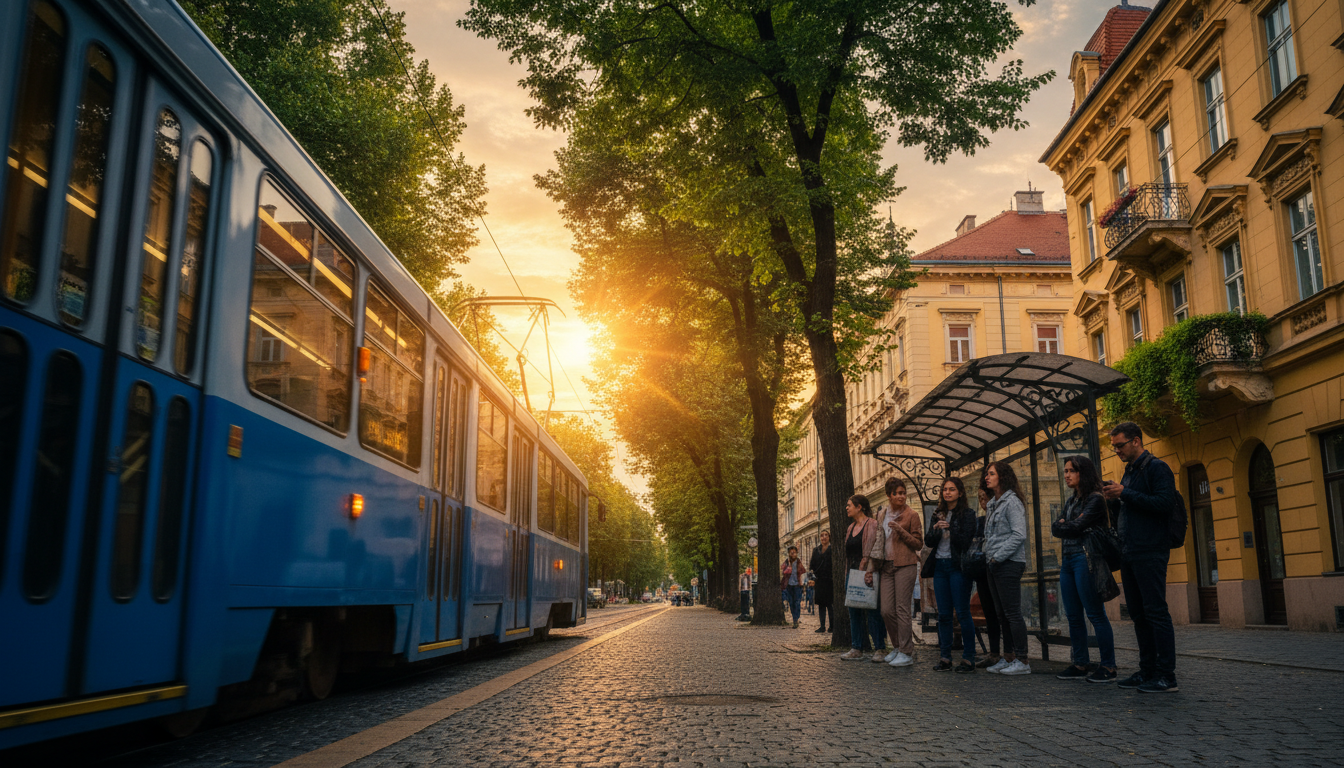 Zagreb tram in motion on a tree-lined street, evening golden hour light, locals waiting at a stop, h
Building Friendships That Last Beyond Your Zagreb Stay
Here's something I didn't expect: the connections I made in Zagreb didn't end when I flew home.
Marta—the neighbor who invited me for štrukli—and I exchange voice messages every few weeks. She visited San Francisco last fall, and I got to return the hospitality. Tomislav from the café sends me articles about Croatian politics with his commentary. The hiking group I joined added me to their WhatsApp, and I still see their weekend adventure photos.
This happens because home exchange travel creates a different dynamic than hotels. You're not a customer. You're a guest in someone's community. The relationships form on more equal footing.
A few things that help friendships stick:
Follow up within 48 hours of meeting. A simple "loved our conversation, here's my Instagram" keeps the door open. I do this religiously.
Share something useful. After my trip, I sent Ana (my host) a detailed review of her apartment with suggestions for future guests. She appreciated it and we've stayed connected.
Be a good guest to the community, not just the apartment. I left a small gift for Marta. I wrote a glowing review of Eli's café online. These gestures ripple outward.
Return the favor. When Marta's niece visited California, I spent a day showing her around. When Tomislav's colleague needed restaurant recommendations in Vancouver (my hometown), I sent a list. Generosity compounds.
My Zagreb Home Exchange Itinerary for Maximum Connection
If I were planning another solo home exchange in Zagreb focused on meeting people, here's roughly how I'd structure a week:
Days 1-2: Settle into the neighborhood. Find your regular café. Walk everywhere. Let yourself get a little lost. Message your host for local recommendations. Attend one organized social event (language exchange, meetup, class).
Days 3-4: Deepen the connections from days 1-2. Return to the same café. Follow up with anyone interesting from your first event. Take a cooking class or guided experience. Say yes to any invitation that comes your way.
Days 5-6: Explore further—day trip to Samobor or Plitvice, wander neighborhoods you haven't seen. But keep your evenings free for social plans that have likely materialized by now.
Day 7: Slow down. Long coffee with someone you've connected with. Exchange contact info properly. Leave a thoughtful note or small gift for your host and any neighbors who welcomed you.
The rhythm matters. You need enough structure to create opportunities, but enough flexibility to follow where connections lead.
What Makes Zagreb Different from Other Solo Home Exchange Destinations
I've done solo exchanges in Lisbon, Tokyo, Buenos Aires, and a dozen other cities. Zagreb stands out for a few reasons.
First, the scale. It's big enough to have variety but small enough that you keep running into the same people. That repetition builds familiarity fast.
Second, the pride. Zagrebians (yes, that's the word) genuinely love their city and want you to love it too. They'll go out of their way to show you why it's special. I've encountered this energy in Osaka and Porto, but rarely this intensely.
Third, the underdog status. Because Zagreb isn't overrun with tourists, locals haven't developed that protective shell you encounter in oversaturated destinations. They're curious about you. They have bandwidth for connection.
And fourth—honestly—the affordability means you can stay longer. A two-week solo home exchange in Zagreb costs what a week in Amsterdam might. That extra time lets relationships develop naturally instead of feeling rushed.
Getting Started with Your Zagreb Home Exchange
If you're convinced (and I hope you are), here's the practical path forward.
List your own home on SwappaHome if you haven't already. Good photos, honest description, clear house rules. The better your listing, the more options you'll have for exchanges.
Start searching Zagreb listings early—at least 2-3 months before your ideal dates. Filter for neighborhoods that match your social style (remember the breakdown above). Read reviews carefully, especially comments about the host's communication and local recommendations.
Message potential hosts with genuine questions. Not just "is this available?" but "I'm a solo traveler hoping to connect with locals—any tips for your neighborhood?" This signals what kind of guest you'll be and often prompts detailed, helpful responses.
Once confirmed, ask your host for introductions. The neighbor, the café owner, the friend who loves showing visitors around. Most hosts are happy to connect you—they want you to have a great experience.
And when you arrive? Show up curious. Say yes to invitations. Return to the same places. Let Zagreb surprise you.
I still think about that dinner at Marta's grandmother's apartment. The way the older women fussed over my clumsy dough-rolling. The stories about Zagreb during the war, told matter-of-factly between bites. The moment when Marta's teenage son, who'd been sulking in the corner, suddenly started translating jokes for me and couldn't stop laughing.
That's not a hotel experience. That's not even a typical travel experience. That's what happens when you stop visiting places and start—briefly, imperfectly—living in them.
Zagreb is waiting. And honestly? I think it's been waiting for travelers like you.
Frequently Asked Questions
Is solo home exchange in Zagreb safe for women travelers?
Zagreb consistently ranks among Europe's safest capitals, with low violent crime rates and well-lit central areas. I walked alone at night without concern during my stay. Standard precautions apply—trust your instincts, stay aware of surroundings—but the city feels genuinely welcoming to solo women travelers. The home exchange community adds another layer of security through verified hosts and detailed reviews.
How much money can I save with home exchange in Zagreb versus hotels?
A mid-range hotel in central Zagreb costs $80-120 USD per night, while home exchange through SwappaHome's credit system costs nothing beyond your membership. For a two-week solo trip, that's $1,120-1,680 in savings. I redirected those funds into cooking classes, day trips, and longer café sessions—experiences that actually led to meeting locals.
What's the best neighborhood in Zagreb for solo travelers wanting to meet people?
Tkalčićeva Street and surrounding areas offer the most natural social opportunities. The dense café culture means you're constantly near other people, and the pedestrian-friendly layout encourages lingering. For a quieter base with easy access to social scenes, consider apartments near Trg bana Jelačića (the main square), which puts you within walking distance of everything.
Do I need to speak Croatian for solo home exchange in Zagreb?
No—English is widely spoken, especially among younger Zagrebians and in central areas. That said, learning a few phrases ("hvala" for thank you, "dobar dan" for good day) earns genuine appreciation and often opens doors to warmer interactions. Language exchange meetups are also excellent for meeting locals who specifically want to practice English with native speakers.
How far in advance should I book a home exchange in Zagreb?
I'd recommend starting your search 2-3 months before your intended travel dates. Zagreb's home exchange inventory is smaller than major tourist cities, so popular neighborhoods and dates get claimed early. Messaging potential hosts with thoughtful questions about their neighborhood helps you stand out and often leads to helpful local recommendations before you even arrive.
40+
Swaps
25
Countries
7
Years
About Maya Chen
Travel Writer & Home Exchange Expert
Maya is a travel writer with over 7 years of experience in the home swapping world. Originally from Vancouver and now based in San Francisco, she has completed more than 40 home exchanges across 25 countries. Her passion for "slow" and authentic travel led her to discover that true luxury lies in living like a local, not a tourist.
Ready to try home swapping?
Join SwappaHome and start traveling by exchanging homes. Get 10 free credits when you sign up!
Related articles
Lyon Home Exchange: Your Complete Guide to France's Hidden Gem for Home Swapping
Discover why Lyon home exchange is booming among savvy travelers. From Croix-Rousse to Presqu'île, find the best neighborhoods and insider tips for your swap.

Zurich Bucket List: 47 Unforgettable Experiences to Enjoy During Your Home Swap
Discover the ultimate Zurich bucket list for home swappers—from secret swimming spots to fondue rituals locals actually do. Save thousands while living like a true Zürcher.
Dublin Home Exchange Utilities Guide: WiFi, Heating & Everything Your Guests Need
Master Dublin home exchange utilities—from dodgy WiFi fixes to heating quirks. Practical tips from 7 years of swapping homes across Ireland.