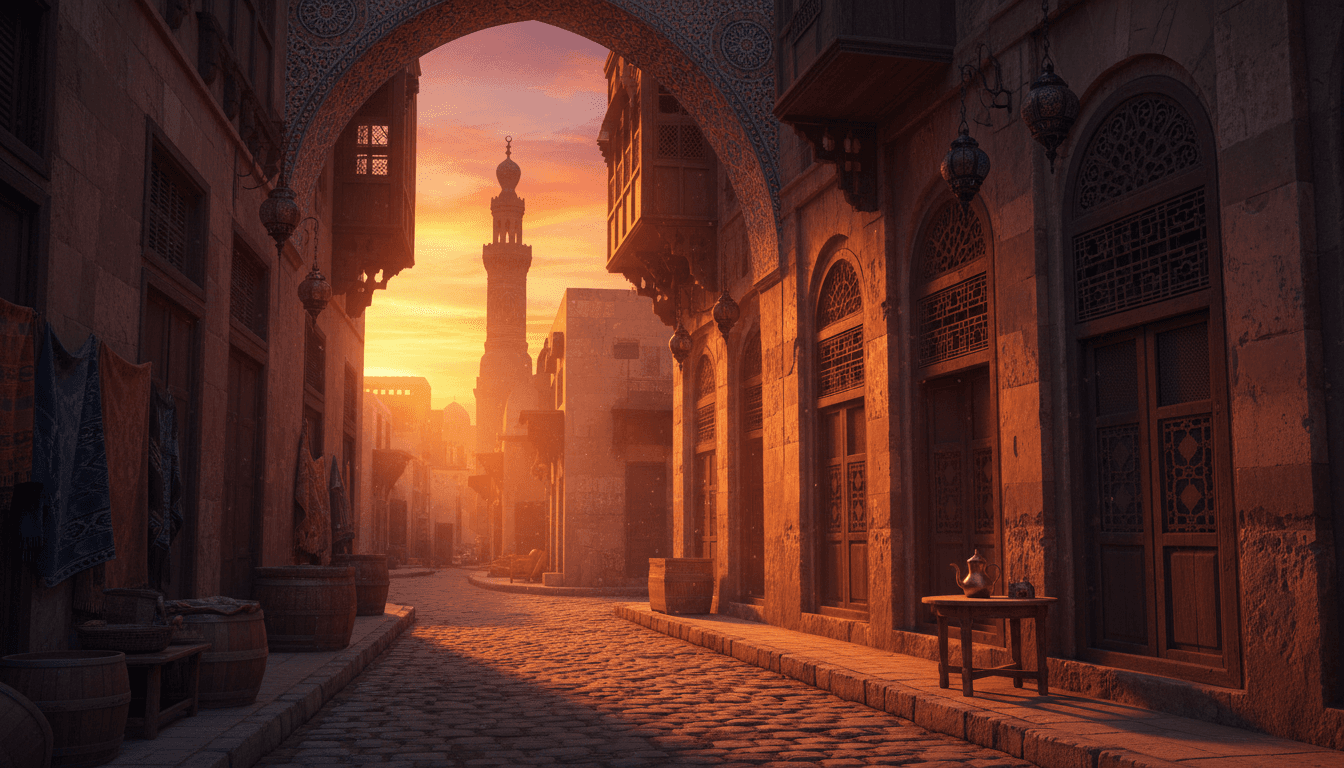
Home Swapping in Cairo as a Solo Traveler: Your Complete Guide to Egypt's Capital

SwappaHome Editorial Team
Home Exchange & Slow Travel Editorial
Discover how solo travelers can experience authentic Cairo through home swapping. Real neighborhoods, safety tips, and insider advice from 7 years of exchanges.
The call to prayer echoed across Zamalek at 4:47 AM, and I lay there in a stranger's bed—except it didn't feel strange at all. The apartment belonged to Amira, a graphic designer who was currently sleeping in my San Francisco studio, and her cat Cleopatra had already decided I was acceptable company. That's the thing about home swapping in Cairo as a solo traveler: you're never really alone, even when you are.
I'd been nervous, honestly. Cairo has a reputation—chaotic traffic, aggressive vendors, the general overwhelm of a city with 22 million people crammed into every available inch of space. But three weeks later, I left with a WhatsApp group of local friends, a newfound addiction to koshari, and the firm belief that solo home swapping in Cairo might be one of the most underrated travel experiences out there.
 Golden morning light streaming through wooden mashrabiya screens into a traditional Cairo apartment,
Why Cairo Works Surprisingly Well for Solo Home Swappers
So here's what nobody tells you: Cairo is actually easier to navigate solo than many European cities I've swapped in. The metro is cheap (5 EGP, about $0.16), runs frequently, and has women-only cars if you want them. Uber and Careem work flawlessly—I'm talking $3-4 rides across the entire city. And Egyptians? They're genuinely, almost aggressively hospitable.
During my swap, Amira's neighbor knocked on my door the second evening with a plate of mahshi (stuffed vegetables) because she'd heard there was "a guest" in the building. Her English was limited, my Arabic non-existent, but we managed an entire conversation through Google Translate and hand gestures. She insisted on giving me her phone number "for emergencies." This happened three more times with different neighbors.
The home swapping community in Cairo is still growing, which actually works in your favor. Egyptian hosts tend to be younger professionals—architects, tech workers, academics—who are genuinely excited about the exchange concept. They're not jaded by hundreds of guests. They want to show you their city.
Best Cairo Neighborhoods for Solo Home Exchanges
Not all Cairo neighborhoods are created equal, especially for solo travelers. After my own swap and extensive conversations with other exchangers, here's where you want to be:
Zamalek: The Obvious Choice (For Good Reason)
This island neighborhood in the middle of the Nile is where most expats and upper-middle-class Egyptians live. Tree-lined streets, art galleries, the Cairo Opera House, and some of the best restaurants in the city. It's walkable, safe at all hours, and has that specific vibe of a neighborhood that's seen some history.
Expect spacious apartments with Nile views, rooftop terraces, buildings from the 1920s-40s with character. Average home swap listings here tend to be 1-2 bedroom apartments, often with a doorman (bawab) who becomes your unofficial security guard and package receiver.
The downside? You're somewhat insulated from "real" Cairo. Some travelers love this; others feel like they're missing the point.
Maadi: Suburban Cairo Done Right
About 20 minutes south of downtown, Maadi feels like a different city entirely. Wide streets, actual sidewalks, parks, and a strong community vibe. It's popular with families and long-term expats, which means the homes available for swap tend to be larger—villas with gardens, apartments with multiple bedrooms.
For solo travelers, Maadi makes sense if you want space to work (excellent cafes with reliable wifi), you're planning day trips and want a quiet base, or you prefer a slower pace. Road 9 is the main strip with restaurants, shops, and the famous Maadi Grand Mall.
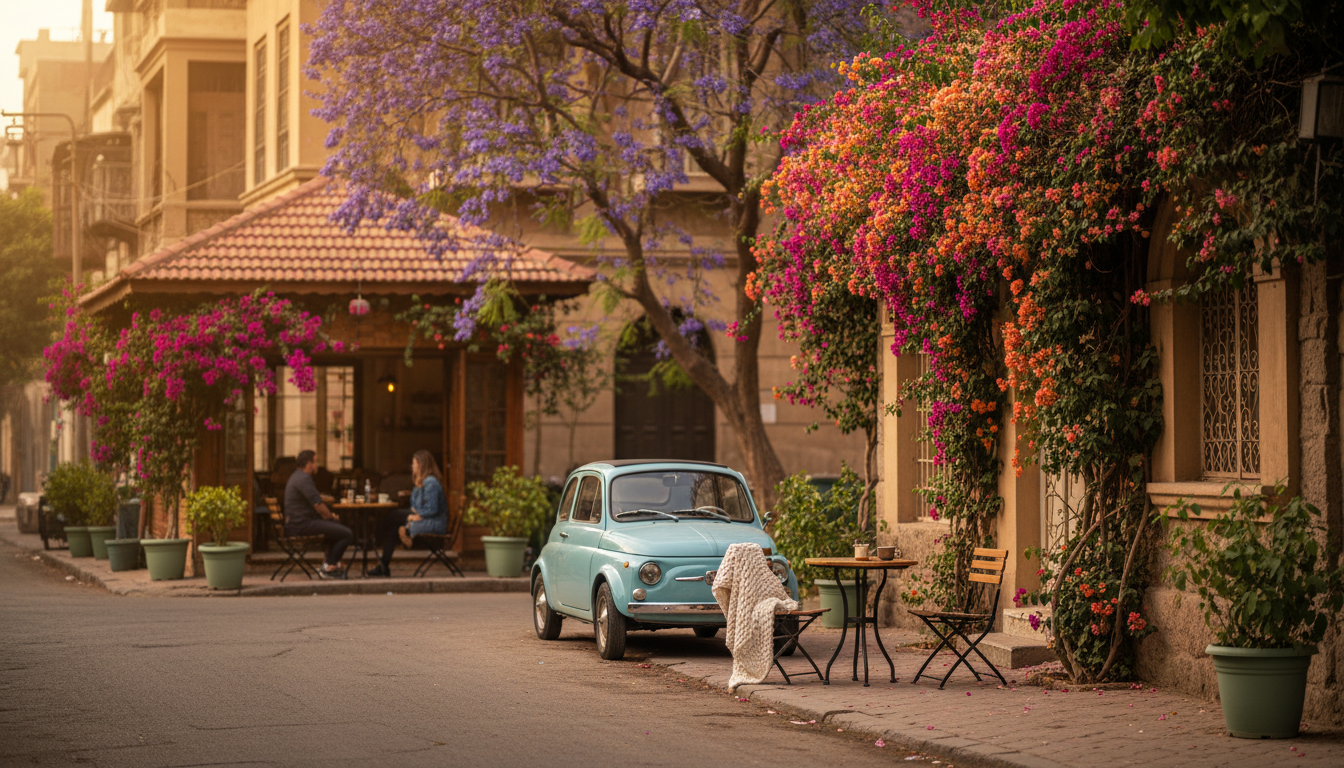 A quiet tree-lined street in Maadi at golden hour, with bougainvillea spilling over garden walls, a
Downtown Cairo: For the Adventurous Solo Swapper
Real talk: Downtown (Wust El-Balad) is chaotic. It's loud, it's crowded, and the buildings are crumbling in that beautiful-sad way of faded grandeur. It's also where Cairo's soul lives.
I spent three days in a Downtown apartment during a separate trip, and it was transformative. The architecture—Belle Époque buildings with wrought-iron balconies and marble staircases—is stunning. You're walking distance from the Egyptian Museum, Tahrir Square, and some of the best street food in the city.
The catch: not all buildings are well-maintained. When looking at home swap listings in Downtown, pay attention to photos of the building entrance and stairwell, whether there's an elevator (and if it works), noise levels (ask directly), and security arrangements.
I'd recommend Downtown for solo travelers who've been to Cairo before, are comfortable with sensory overload, and prioritize location over comfort.
Heliopolis: The Underrated Gem
Northeast of Downtown, Heliopolis (Masr El-Gedida) was built in the early 1900s as a planned community, and it shows. Wide boulevards, the stunning Baron Empain Palace, and a neighborhood that manages to feel both historic and functional.
Fewer tourists come here, which means more authentic interactions. The metro connects you to central Cairo in about 30 minutes. I've heard from multiple swappers that Heliopolis hosts tend to be particularly welcoming because they're excited to share a part of Cairo most visitors miss.
How to Find Home Swap Opportunities in Cairo
Let me be direct: Cairo isn't Barcelona. You won't find hundreds of listings to choose from. But the listings that exist tend to be high-quality, and hosts are often flexible with dates because demand is lower.
On SwappaHome, start your search 3-4 months before your trip. Cairo hosts often list their homes without specific available dates, so message them directly to discuss timing. The credit system works beautifully here—you'll spend 1 credit per night regardless of whether you're in a Zamalek penthouse or a Maadi apartment.
When reaching out to potential hosts, mention that you're a solo traveler (this often makes hosts more comfortable), ask specific questions about the neighborhood, request recommendations for their favorite local spots, and offer to video chat before confirming.
I've found that Egyptian hosts particularly appreciate when you show genuine interest in their culture. Ask about Ramadan traditions, local holidays, or their favorite Um Kulthum songs. These conversations build the trust that makes home swapping work.
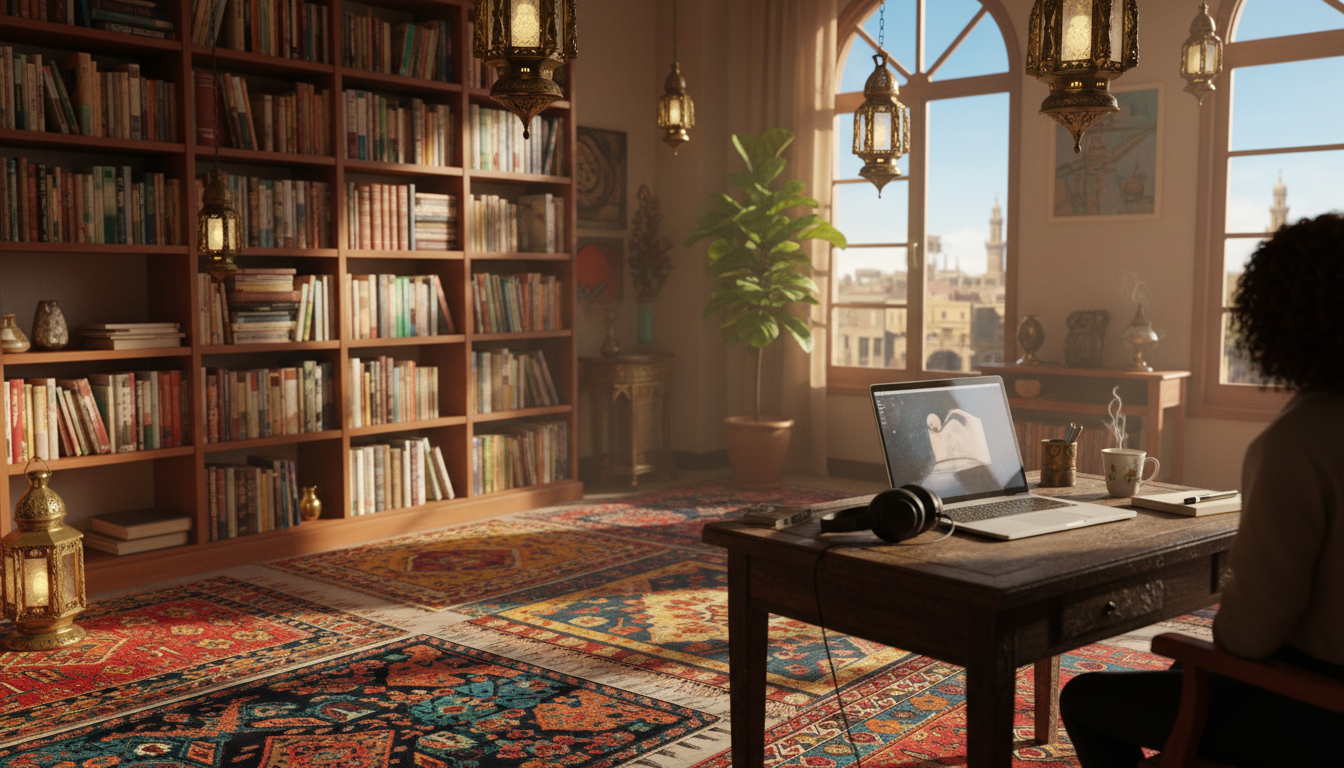 A cozy living room in a Cairo apartment with colorful kilim rugs, a wall of books in Arabic and Engl
Preparing Your Home for Egyptian Guests
The exchange part of home swapping means someone's staying at your place too. Here's what I've learned about hosting Egyptian guests:
They'll likely appreciate clear instructions for appliances (especially heating/cooling systems if you're in a climate different from Cairo's), recommendations for halal restaurants nearby, information about the nearest mosque if they're practicing Muslims, and a heads-up about any cultural differences in your neighborhood.
One thing that surprised me: many Egyptian travelers are visiting family in the US, Canada, or Europe, and using home swaps to extend their trips affordably. They're often experienced travelers who'll treat your home with care.
Safety Considerations for Solo Home Swapping in Cairo
I'm not going to pretend Cairo is Stockholm. It's a massive, developing-world megacity with real challenges. But the risks are manageable, and honestly, I've felt less safe in certain European cities.
For Women Solo Travelers
Street harassment exists. It's usually verbal—comments, staring, the occasional hiss. Physical harassment is rare but not unheard of.
My strategies: dress modestly (loose clothes, covered shoulders, pants or long skirts), wear sunglasses to avoid eye contact, walk with purpose, and use the women's car on the metro during rush hour.
That said, I also experienced extraordinary kindness from Egyptian men—shopkeepers who walked me to my destination, taxi drivers who refused tips, strangers who helped me navigate confusing streets. The harassment is real, but it's not the whole picture.
General Safety Tips
Keep copies of your passport and visa separate from originals. Register with your embassy. Have your host's contact information and a backup local contact. Download offline maps—Google Maps works well in Cairo. Keep some cash in Egyptian pounds (ATMs are everywhere, but just in case).
One crucial note: SwappaHome connects you with hosts, but it doesn't provide insurance or coverage for issues that might arise. I always get my own travel insurance that covers accommodation issues, and I'd recommend the same. It's about $30-50 for a month and gives peace of mind.
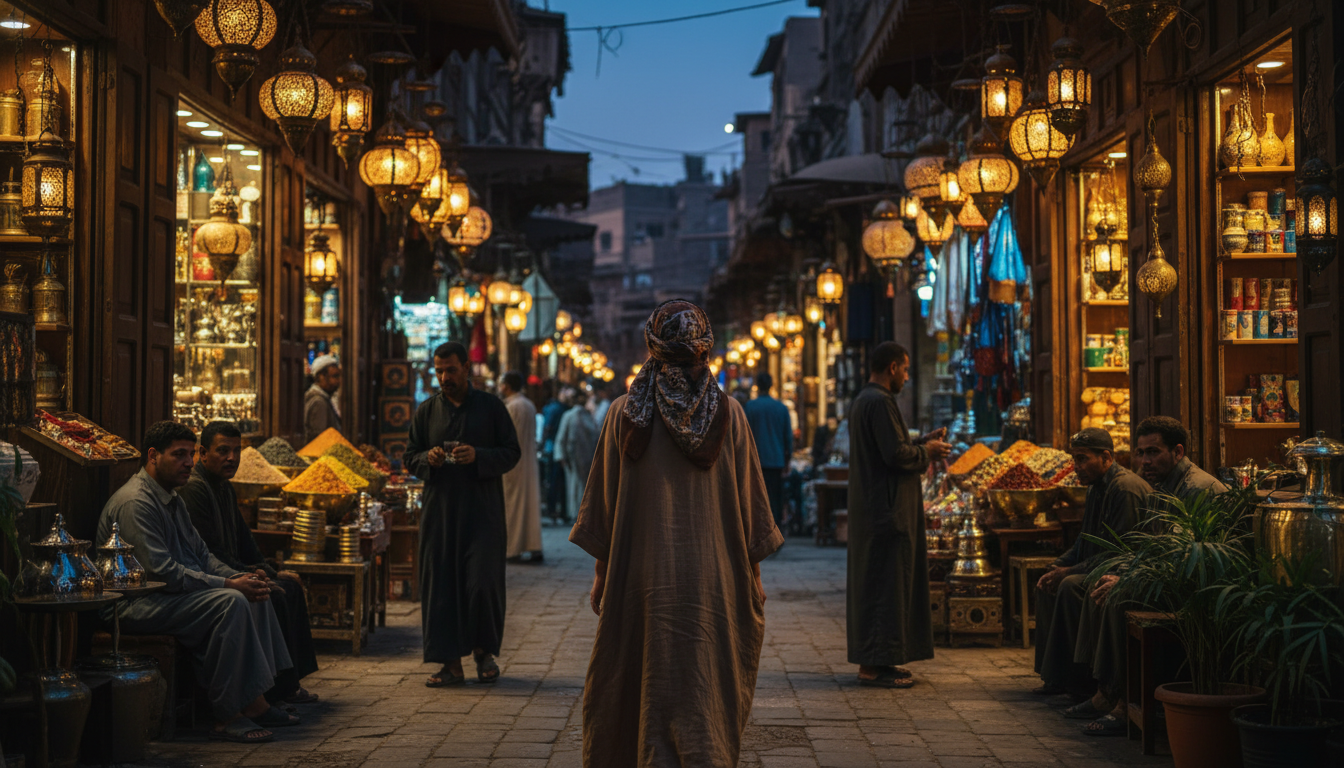 A solo female traveler in modest, stylish clothing walking through Khan el-Khalili bazaar at dusk, w
What to Actually Do During Your Cairo Home Swap
Here's where having a local's apartment changes everything. You're not doing the Pyramids-Museum-Khan el-Khalili tourist sprint. You're living here.
The Obvious Stuff (But Better)
Yes, see the Pyramids—but go at sunrise before the crowds. Hire a guide through your host's recommendation, not a tout at the entrance. Budget about 600 EGP ($20) for entry plus another 500 EGP for a decent guide.
The Egyptian Museum is overwhelming. Don't try to see everything. Focus on the Tutankhamun collection and the Royal Mummy Room (extra 180 EGP, worth it). The new Grand Egyptian Museum near the Pyramids is now open and genuinely spectacular.
The Stuff Tourists Miss
Ask your host about their favorite koshari spot (this humble carb bomb of rice, lentils, pasta, and fried onions costs about 25-40 EGP and is life-changing), where they get their morning foul (fava bean stew) and ta'ameya (Egyptian falafel), the best local ahwa (coffee shop) for shisha and backgammon, and which felucca captain on the Nile isn't a ripoff.
I spent an entire afternoon at Amira's recommended ahwa in Zamalek, drinking Turkish coffee and playing dominoes with a group of retired professors. Cost: about 50 EGP. Value: immeasurable.
Day Trips Worth Taking
Alexandria is 2.5 hours by train (first class tickets around 200 EGP). The Fayoum Oasis is 2 hours by car—arrange through your host or use a service like Swvl. Saqqara and Memphis are often combined with Giza but deserve their own day.
The Practical Stuff: Costs, Timing, and Logistics
When to Go
October through April is ideal—warm but not brutal. Summer (June-August) regularly hits 40°C (104°F), and honestly, it's miserable. Ramadan changes the city's rhythm dramatically; restaurants close during the day, but nights become magical. Check the Islamic calendar and decide if that experience appeals to you.
Real Costs for Solo Travelers
With home swapping, your accommodation is essentially free (just your SwappaHome credits). Here's what else to budget:
Food runs about $15-25/day eating well, mixing street food and restaurants. Transport is $5-10/day with an Uber/metro combination. Attractions cost $30-50/day if you're doing major sites. Miscellaneous expenses—coffee, tips, small purchases—add another $10-15/day.
Total: $60-100/day, which is remarkably affordable for a city this rich in history and culture. Compare that to hotel costs in Cairo—decent hotels run $80-150/night—and the savings from home swapping become obvious.
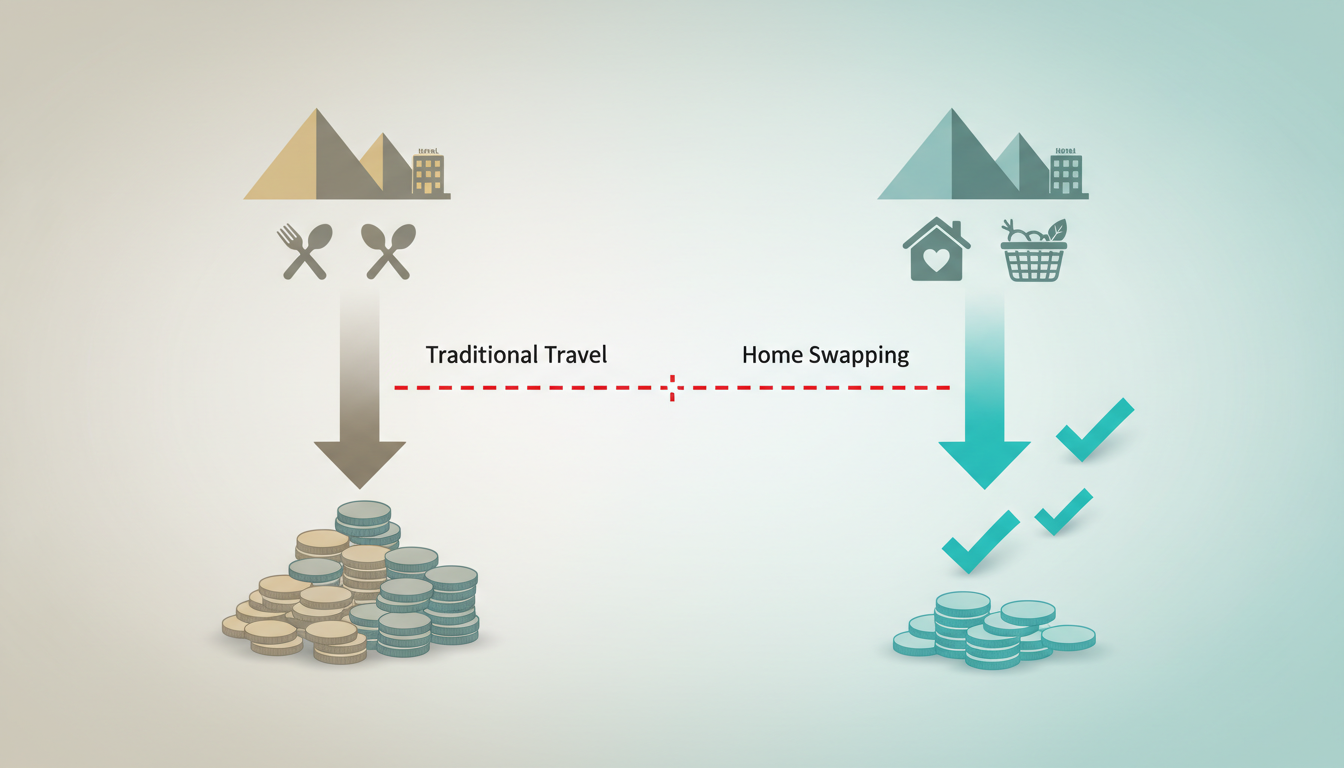 An infographic showing cost comparison between traditional Cairo travel hotels restaurants versus h
Internet and Working Remotely
Cairo's internet has improved dramatically. Most apartments in the neighborhoods I mentioned have decent wifi (20-50 Mbps). For backup, buy a local SIM card at the airport—Vodafone or Orange, about 500 EGP for a month of unlimited data. Cafes in Zamalek and Maadi are remote-work friendly; try Zooba, Kazouza, or any branch of Costa Coffee.
Building Trust Before Your Swap
Since you're staying in someone's home and they're staying in yours, trust matters more than in a hotel transaction. Here's how I approach it:
Before confirming, have at least one video call. See the space, meet the person, get a vibe check. Ask for references from previous swaps if they have them. Share your own SwappaHome profile and reviews.
During the swap, communicate regularly but not obsessively. A quick message when you arrive, maybe a photo of their cat looking happy, a heads-up if anything seems off. Treat their home like you'd want yours treated.
After the swap, leave an honest review. This builds the community that makes future swaps possible for everyone.
What Can Go Wrong (And How to Handle It)
I believe in being honest about challenges. Here's what I've seen or heard about:
The apartment doesn't match the photos. This is why video calls matter. If you arrive and it's genuinely misrepresented, document everything and contact SwappaHome support, though honestly, your best recourse is the review system.
Something breaks. Communicate immediately with your host. Most issues are minor and can be resolved with a quick message. For major problems, you're responsible for your own solutions—this is why I mentioned travel insurance earlier.
You feel unsafe. Trust your instincts. Have a backup plan—know a hotel you could book last-minute, keep enough cash for emergencies. I've never had to use my backup plan in 40+ swaps, but having one reduces anxiety.
The Unexpected Gifts of Solo Home Swapping in Cairo
I want to end with something that's hard to quantify but matters enormously: the way home swapping changes how you experience a place.
When you stay in Amira's apartment, you inherit her neighborhood. The doorman greets you by name after day two. The fruit seller on the corner starts setting aside the good mangoes. You develop a route—the shortcut through the alley, the café where they know your coffee order, the spot on the Corniche where you watch the sunset.
You stop being a tourist. You become, temporarily, a resident. And in a city like Cairo—ancient, chaotic, overwhelming, beautiful—that shift changes everything.
My last morning in Zamalek, I walked to a tiny bakery Amira had recommended, bought fresh aish baladi (Egyptian flatbread) for about 5 EGP, and ate it on her balcony while Cleopatra judged me from her perch on the windowsill. The call to prayer started up again, and this time it felt like a soundtrack rather than an interruption.
That's what home swapping gives you. Not just free accommodation—though that's nice too—but a different way of being somewhere. Cairo, with all its intensity and history and chaos, deserves that kind of attention.
If you're considering it, start browsing listings on SwappaHome. Message a few hosts. See what's possible. The worst that happens is you have an adventure.
Frequently Asked Questions
Is home swapping in Cairo safe for solo female travelers?
Cairo requires awareness but is generally safe for solo women who take reasonable precautions. Choose apartments in neighborhoods like Zamalek or Maadi, dress modestly, use Uber for late-night transport, and connect with your host's local contacts. Street harassment exists but is typically verbal rather than physical. Many solo female travelers have positive experiences home swapping in Cairo.
How much money can I save home swapping in Cairo versus hotels?
Over a two-week stay, home swapping in Cairo saves approximately $1,000-2,000 compared to mid-range hotels ($80-150/night). You'll spend SwappaHome credits instead—1 credit per night regardless of the apartment's location or size. Additional savings come from cooking some meals in your swap kitchen rather than eating every meal out.
What's the best neighborhood in Cairo for first-time home swappers?
Zamalek is ideal for first-time solo home swappers in Cairo. This island neighborhood offers tree-lined streets, excellent restaurants, reliable infrastructure, and a safe atmosphere at all hours. It's walkable, well-connected by metro and Uber, and most apartment buildings have doormen who provide an extra layer of security and assistance.
Do I need to speak Arabic for home swapping in Cairo?
No, Arabic isn't required for home swapping in Cairo. Most hosts in the SwappaHome community are educated professionals who speak English. Google Translate helps with neighborhood interactions. However, learning basic phrases like "shukran" (thank you) and "sabah el kheir" (good morning) dramatically improves your experience and shows respect for local culture.
When is the best time of year to home swap in Cairo?
October through April offers the most comfortable weather for home swapping in Cairo, with temperatures between 15-25°C (59-77°F). Avoid June through August when temperatures exceed 40°C (104°F). Consider whether you want to experience Ramadan—the city transforms with special evening activities, but daytime dining options are limited.

Published by
SwappaHome
SwappaHome Editorial Team
Home Exchange & Slow Travel Editorial
The SwappaHome Editorial Team brings together travel research, home-exchange community insights, and platform data to produce practical guides for first-time and experienced home swappers. Every article cites real platforms, current market rates, and verifiable city-level facts so readers can make informed decisions without guessing.
Ready to try home swapping?
Join SwappaHome and start traveling by exchanging homes. Get 7 free credits when you sign up!
Related articles

Bachelor and Bachelorette Parties in Singapore: The Complete Home Swap Group Guide for 2026
Planning a bachelor or bachelorette party in Singapore? Discover how home swapping lets groups of 6-12 stay together in luxury condos, saving thousands while partying in Marina Bay.

Cycling in Lisbon: 7 Home Swap Bike Tour Itineraries for Every Rider
Discover the best cycling routes in Lisbon with these home swap bike tour itineraries—from waterfront paths to hilltop adventures, all starting from your borrowed home.

Graduation Trip to Barcelona: How Home Swapping Gives New Graduates the Ultimate Celebration
Planning a graduation trip to Barcelona? Discover how home swapping lets new graduates explore Spain's most vibrant city without the hostel crowds or hotel costs.