Solo Travel Home Swap in Seattle: Your Complete Guide to Safe, Affordable Adventures
Maya Chen
Travel Writer & Home Exchange Expert
Discover how solo travelers are using home swaps in Seattle to save money and stay safe. Real tips from 7 years of swapping experience.
The rain was doing that Seattle thing—not quite falling, more like hanging in the air—when I first unlocked the door to a stranger's Capitol Hill apartment. My hands were shaking slightly. Not from cold, but from that particular nervousness that comes with solo travel: the "what am I doing here alone" feeling that hits at 2 AM when you're jet-lagged and questioning every life choice.
That was four years ago. Since then, solo travel home swap in Seattle has become something I recommend to pretty much everyone who asks me about visiting the Pacific Northwest alone. And a lot of people ask.
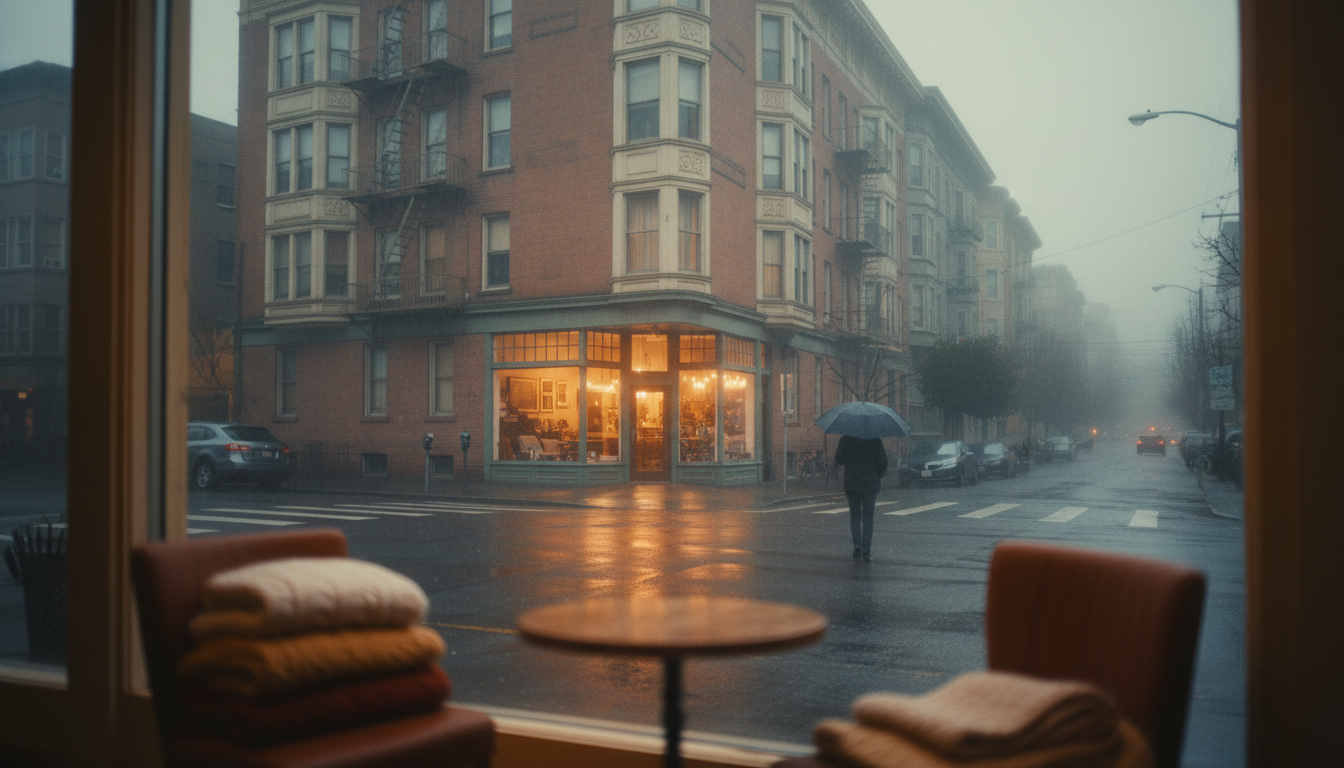 Rainy Seattle street in Capitol Hill with vintage apartment buildings, coffee shop glowing warmly th
Here's what I've learned: Seattle is almost absurdly well-suited for solo home swappers. The city's layout, its neighborhood culture, the fact that people here actually respect personal space while still being genuinely kind—it all adds up to something special. But there's a right way and a wrong way to do this, and I've done both.
Why Solo Travelers Choose Home Swapping in Seattle
Let me give you some numbers that changed how I travel. A decent hotel room in downtown Seattle runs $180-$280 per night. An Airbnb in a safe neighborhood? You're looking at $150-$200 minimum, plus cleaning fees that somehow always surprise me even though I know they're coming.
My last Seattle home swap cost me exactly zero dollars for accommodation. Seven nights in a Fremont craftsman bungalow with a view of the Aurora Bridge. The homeowner was spending those same seven nights in my San Francisco apartment. We both saved roughly $1,400.
But cost isn't even the main reason I keep doing this as a solo traveler.
The safety aspect matters more than I expected it to. When you're staying in someone's actual home, you're automatically in a residential neighborhood where people know each other. My Fremont host's neighbor waved at me on day two and asked if I needed anything. Try getting that at a hotel.
There's also something psychologically different about having a full kitchen, a couch that feels lived-in, and a neighborhood coffee shop where the baristas start recognizing you by day three. Solo travel can get lonely—I'm not going to pretend otherwise. Having a home base that actually feels like a home makes a real difference.
Best Seattle Neighborhoods for Solo Home Swap Safety
Not all Seattle neighborhoods are created equal for solo travelers, and I'm going to be honest about that. Some areas I'd recommend enthusiastically. Others... less so.
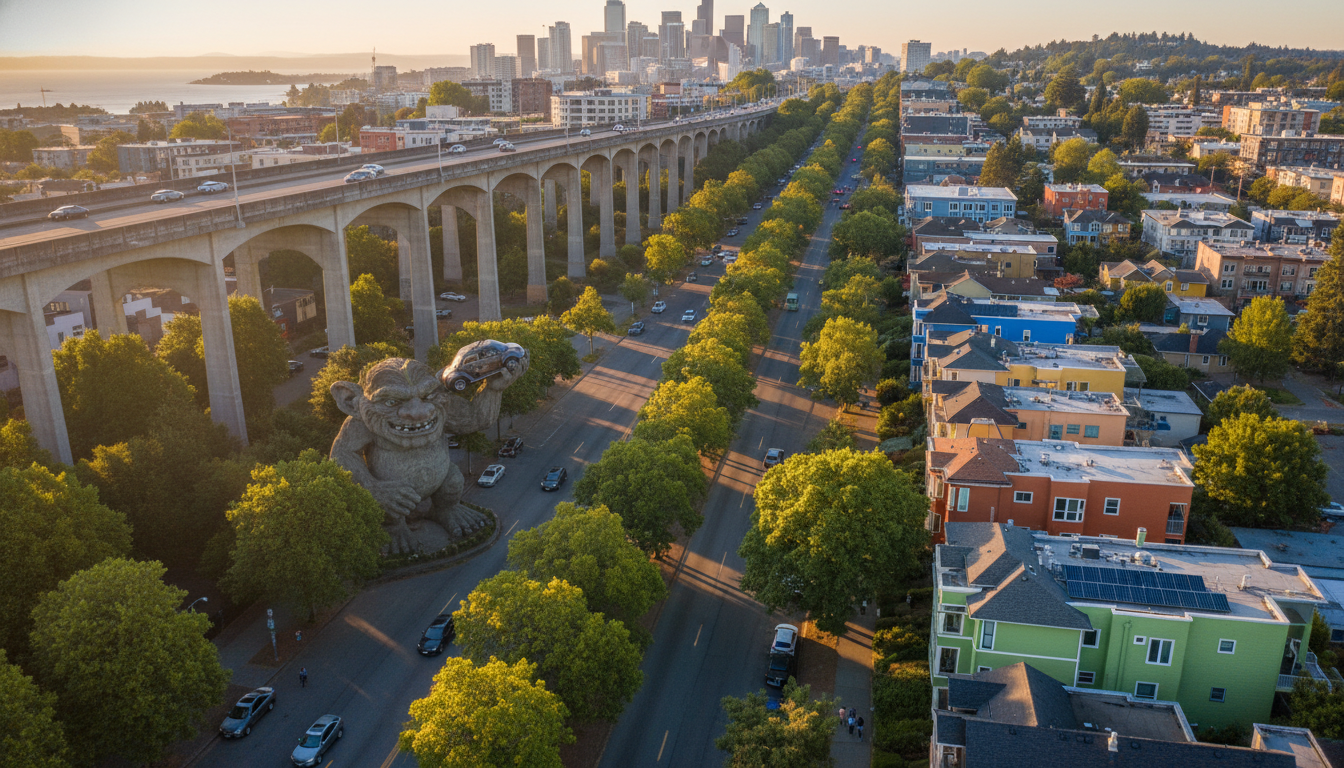 Aerial view of Seattles Fremont neighborhood showing the Troll under the bridge, colorful houses, an
Capitol Hill: The Sweet Spot
Capitol Hill is where I did my first Seattle swap, and there's a reason it remains my top recommendation. The neighborhood is dense enough that you're never walking empty streets at night, but residential enough that you get actual neighbors. Pike/Pine corridor has restaurants and bars open late, so you're not navigating dark blocks alone after dinner.
Walkability score: 97. That matters when you're solo and don't want to deal with rideshares at midnight.
The vibe here skews younger and LGBTQ+-friendly, which in my experience translates to a community that looks out for each other. I've never felt unsafe walking home alone here, even at 11 PM. Typical home swap options include one-bedroom apartments, some converted Victorian units, and the occasional townhouse. Expect character over space.
Fremont: Quirky and Quiet
Fremont calls itself the "Center of the Universe," which tells you everything about the neighborhood's personality. It's artsy, a little weird (there's a giant troll sculpture under a bridge), and genuinely welcoming to solo visitors.
The streets are quieter than Capitol Hill, which could be a pro or con depending on your comfort level. I loved it—felt like staying in a small town that happened to be 15 minutes from downtown Seattle.
One thing to know: the Burke-Gilman Trail runs through here, and while it's great for walking and biking during the day, I'd avoid it alone after dark. Stick to residential streets.
Ballard: Scandinavian Roots, Modern Safety
Ballard has transformed from a sleepy fishing neighborhood to one of Seattle's most desirable areas. The historic downtown strip along Ballard Avenue has excellent restaurants, and the residential areas surrounding it are genuinely safe.
I did a three-night swap here last spring and spent my evenings walking to different breweries (Seattle has approximately 847 breweries, or at least it feels that way). Never once felt uncomfortable. The downside? It's farther from downtown Seattle, so you'll need to factor in transit time or budget for occasional rideshares.
Queen Anne: Two Different Experiences
Lower Queen Anne puts you near Seattle Center and the Space Needle—touristy but convenient. Upper Queen Anne is residential, beautiful, and feels almost suburban in its quietness.
For solo travelers, I'd lean toward Lower Queen Anne. More foot traffic, more eyes on the street, easier access to late-night food options when you inevitably get hungry at 10 PM.
Where I'd Be More Cautious
I'm not going to tell you certain neighborhoods are dangerous—Seattle is generally a safe city. But as a solo traveler, I'd be more thoughtful about swaps in parts of the International District, certain sections of the Central District, and anywhere that requires long walks through industrial areas. This isn't about crime statistics. It's about my personal comfort level walking alone, which matters when you're navigating a new city without a travel partner.
How to Find Safe Home Swap Opportunities in Seattle
Finding the right swap takes more effort when you're traveling solo. You can't just pick the prettiest listing—you need to think about logistics, safety, and whether the setup actually works for one person.
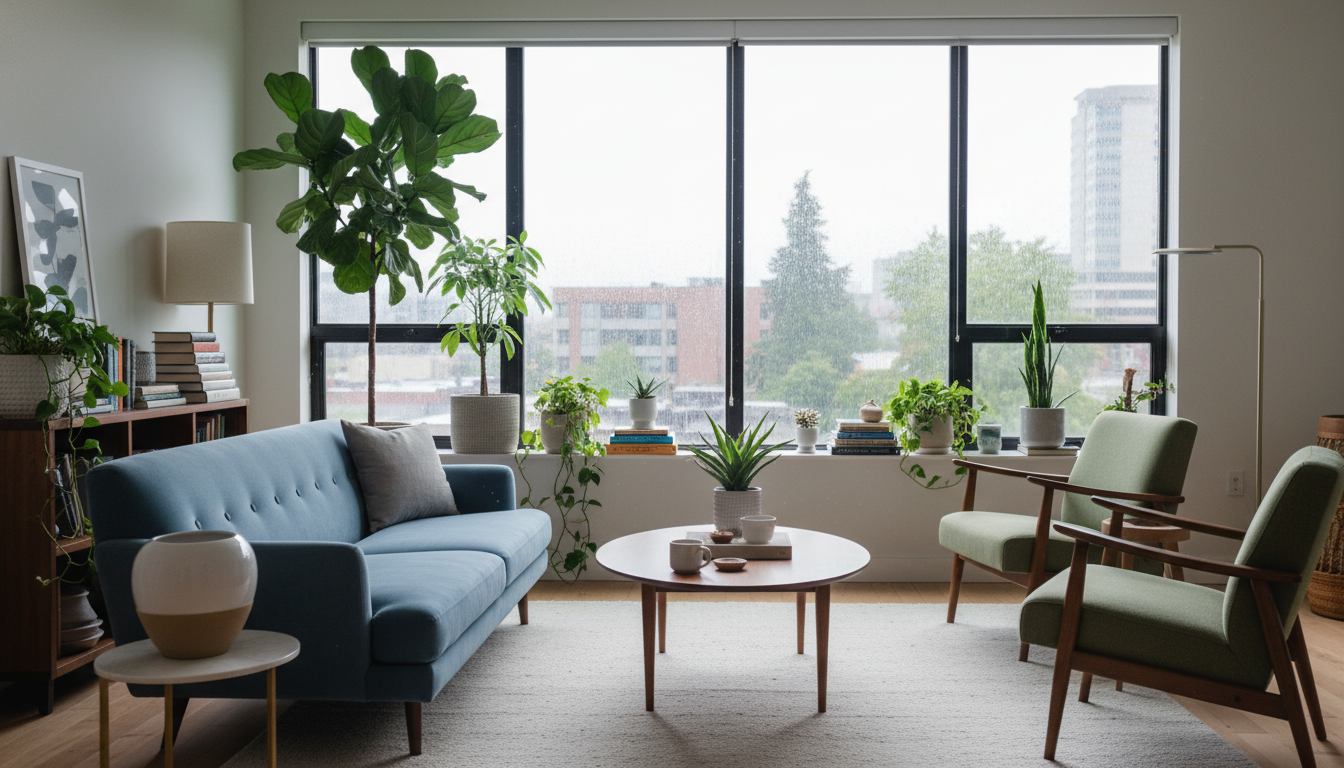 Cozy Seattle living room with mid-century furniture, large windows showing rainy day outside, books
On SwappaHome, I start by filtering for Seattle and then immediately look at three things.
First, location verification. I cross-reference every listing address with Google Street View. What does the immediate area look like? Are there businesses nearby? How's the street lighting? This takes five minutes and has saved me from at least two questionable situations.
Second, review history. I pay attention to whether previous guests mention feeling safe, especially solo travelers. Comments like "perfect for my solo trip" or "felt secure in the neighborhood" are gold.
Third, host communication style. Before committing to any swap, I message the host with specific questions. How responsive they are tells me a lot about how supported I'll feel if something goes wrong during my stay.
The credit system on SwappaHome works in your favor here. Since every night costs one credit regardless of the property, you're not paying premium prices for premium safety. A gorgeous house in safe, leafy Phinney Ridge costs the same credits as a sketchy studio elsewhere. Always choose the safer option.
Solo Home Swap Safety Checklist for Seattle
I've developed a pre-arrival routine over seven years of solo swapping. Some of this might seem paranoid, but I'd rather be over-prepared than under-prepared when I'm alone in an unfamiliar city.
Before You Arrive
Share your complete itinerary with someone you trust. I send my sister the exact address, my host's contact information, and my rough daily plans. We have a check-in system—I text her every evening. If she doesn't hear from me by 10 PM, she knows to call.
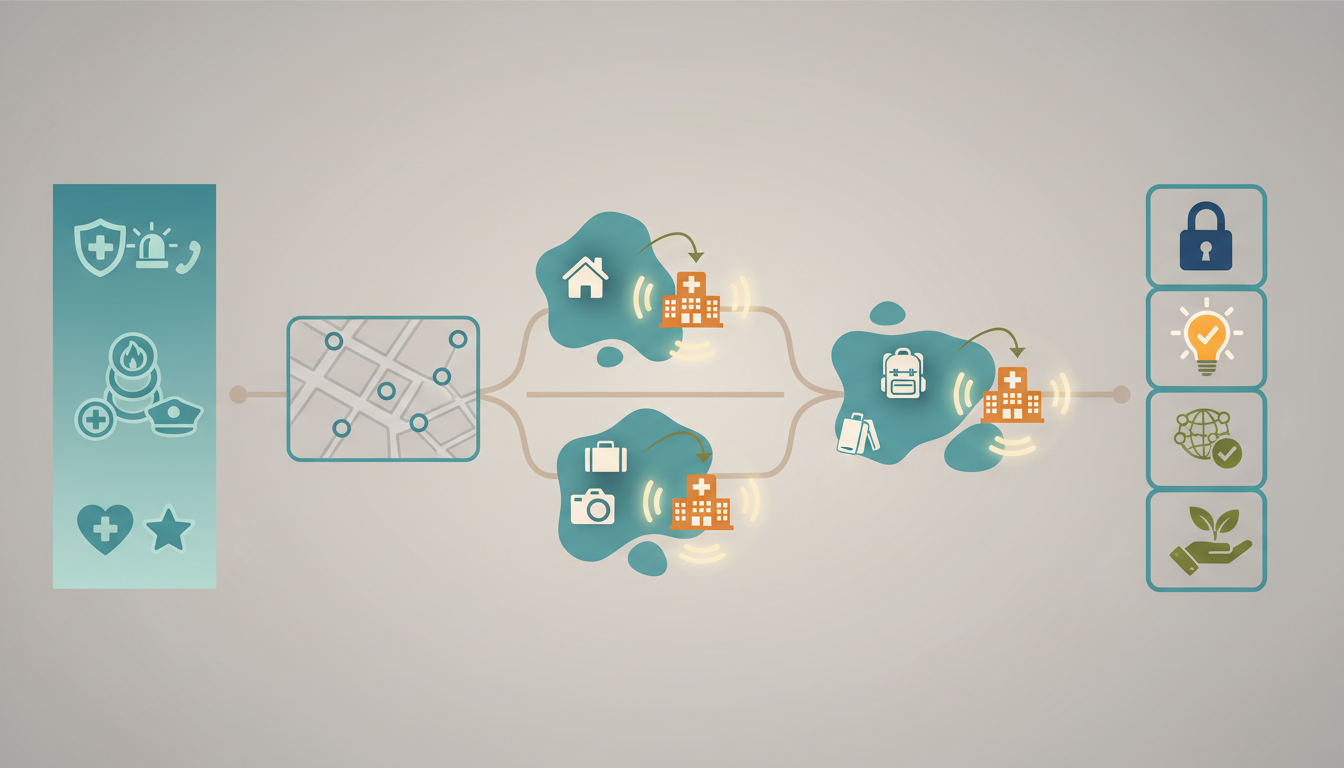
Research the closest hospital, urgent care, and 24-hour pharmacy to your swap location. In Seattle, the major hospitals are Harborview Medical Center downtown, Swedish Medical Center with multiple locations, and UW Medical Center in the University District. Save these addresses in your phone before you land.
Download offline maps of Seattle. Cell service is generally fine, but I've had moments in older buildings where my signal died. Having offline navigation means you're never truly lost.
When You Arrive
Do a full walkthrough of the home before your host leaves (if they're doing an in-person handoff) or immediately upon arrival. Check that all windows and doors lock properly. Test the deadbolt. Make sure you know how to arm any security system.
Locate the fire extinguisher and check that smoke detectors have batteries. I know this sounds excessive, but I once stayed in a swap where the smoke detector had been disconnected. Not okay.
Introduce yourself to at least one neighbor if the opportunity arises naturally. You don't need to become best friends—just a "Hi, I'm Maya, I'm staying at Sarah's place for the week" is enough. Now someone nearby knows you exist.
During Your Stay
Trust your instincts. If something feels off about a situation, leave. I've cut one swap short in my entire swapping career—not in Seattle, but elsewhere—because the neighborhood felt different than advertised. I found a hotel for two nights and didn't regret the cost.
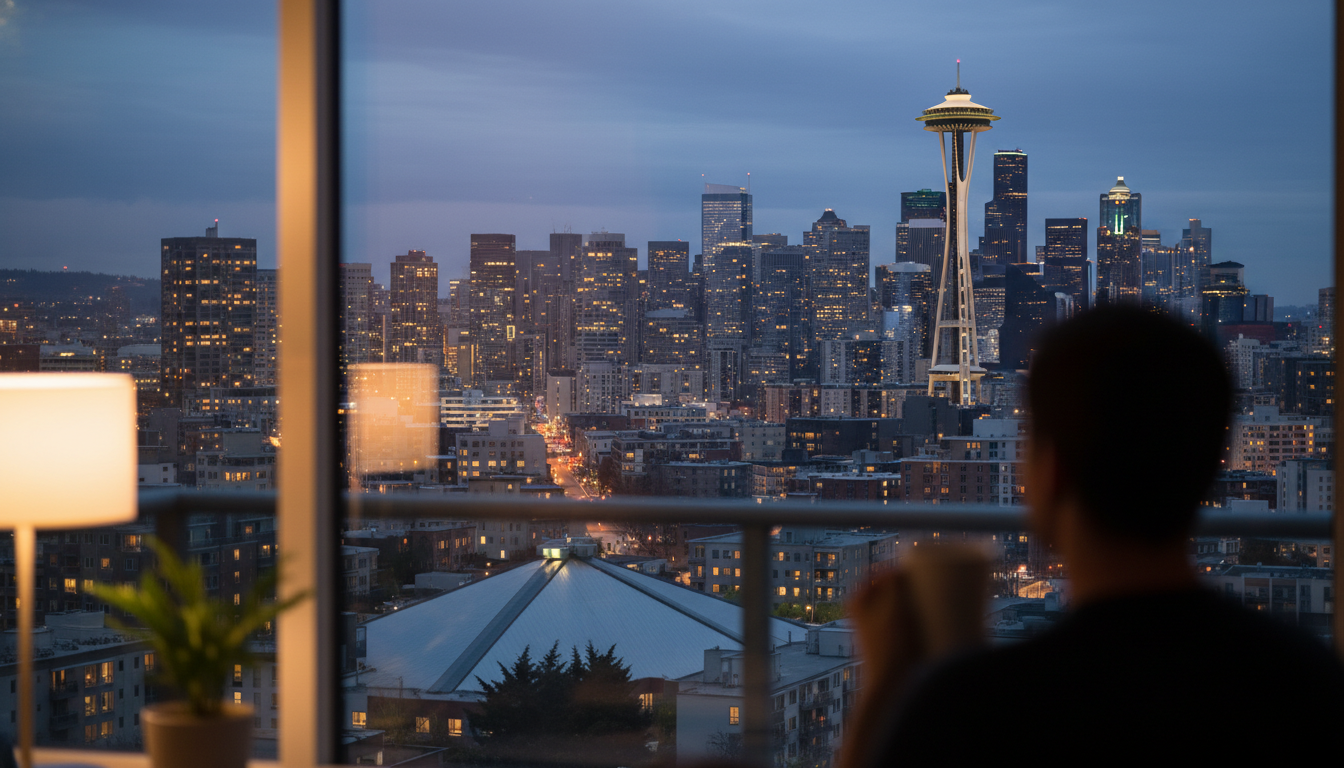
Keep the home looking lived-in even when you're out. I leave a light on a timer, keep curtains partially open, and vary my departure times slightly. This might be overkill, but it makes me feel better.
 Seattle skyline at dusk viewed from a residential window, Space Needle visible, warm interior lighti
Making the Most of Solo Time in Seattle
Safety and affordability are the practical reasons for solo home swapping. But there's another piece that matters: actually enjoying yourself.
Seattle is a remarkably good city for solo travelers. The culture here is what locals call "Seattle nice"—people are friendly but not intrusive. Nobody's going to force conversation on you, but if you want to chat with the person next to you at a coffee shop, they'll probably engage.
Solo-Friendly Activities Near Popular Swap Neighborhoods
From Capitol Hill, you're walking distance to Volunteer Park, which has a gorgeous conservatory and stunning views of the Space Needle. I've spent entire afternoons there with a book, completely content.
The Seattle Central Library downtown is worth a visit even if you never open a book. The architecture alone is mind-bending, and there's something comforting about being surrounded by other people quietly doing their own thing.
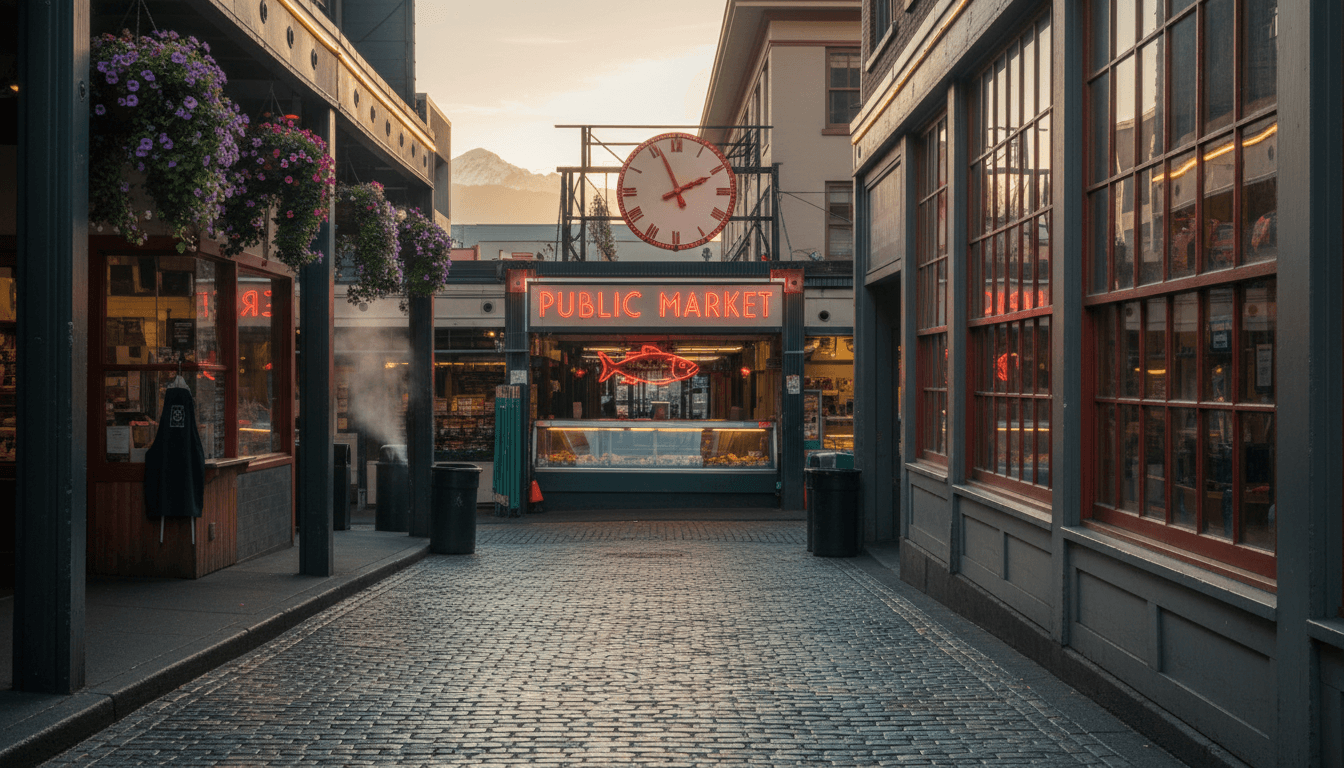
Pike Place Market is touristy, yes, but I still go every single time I'm in Seattle. Early morning—before 9 AM—is the sweet spot. Fewer crowds, better light for photos, and you can actually talk to the vendors.
Eating Alone in Seattle
Seattle has a strong bar-seating culture, which is perfect for solo diners.
Walrus and the Carpenter in Ballard is one of my favorites. Sit at the oyster bar and watch the shuckers work. Excellent for solo dining because you're facing action, not a wall.
Serious Pie has multiple locations with counter seating available, and honestly, pizza is the ideal solo food—you can order exactly what you want without negotiating toppings.
Storyville Coffee at Pike Place offers great people-watching, comfortable solo seating, and genuinely good coffee. I've worked here for hours without feeling rushed.
Budget tip: Your swap home has a kitchen. I eat breakfast and lunch in, then splurge on one nice dinner out. This keeps my food costs around $40-50 a day total, compared to $80+ when eating every meal at restaurants.
What to Do If Something Goes Wrong
I've been lucky—nothing major has gone wrong during my Seattle swaps. But I've heard stories from other solo travelers, and I want you to be prepared.
If You Feel Unsafe in the Home
Leave. Seriously. No swap is worth your safety. Book a hotel room for the night (the Ace Hotel downtown is reasonably priced and solo-traveler friendly), then message your host through SwappaHome to explain the situation. Document everything with photos and timestamps. This matters for your SwappaHome review and for any conversations with the host about why you left early.
If There's a Break-In or Emergency
Call 911 first. Seattle Police non-emergency line is (206) 625-5011 for situations that aren't immediate emergencies but still need police response. Contact your host immediately after you're safe. They'll need to know what happened to their home. If you have travel insurance (and you should—SwappaHome doesn't provide coverage for personal belongings or incidents), file a claim as soon as possible.
If You Have a Medical Emergency
Harborview Medical Center is the region's only Level I trauma center. For less urgent issues, ZoomCare has multiple locations around Seattle with walk-in appointments.
Save the Poison Control number (1-800-222-1222) in your phone. You probably won't need it, but I once called when I accidentally mixed cleaning products in a swap home and wasn't sure if the fumes were dangerous. They weren't, but I felt better knowing.
 Infographic showing Seattle emergency numbers, nearest hospitals to popular swap neighborhoods, and
Real Cost Breakdown: Solo Home Swap vs. Traditional Accommodation
Let me show you what a seven-night solo trip to Seattle actually costs with different accommodation strategies.
With a mid-range hotel, you're looking at around $210 per night for seven nights, which comes to $1,470. Add in food when you're eating every meal out—roughly $75 a day—and you're at about $1,995 total.
An Airbnb in a safe neighborhood runs about $165 per night, so $1,155 for the week, plus a $125 cleaning fee and around $180 in service fees. If you're cooking some meals, figure $50 a day for food. Total: around $1,810.
With a home swap through SwappaHome? Seven credits earned by hosting previously, so zero dollars for accommodation. The membership works out to about $12.50 a month. Food costs drop to around $40 a day when you're mostly cooking. Grand total: $280 to $430.
The savings are almost absurd when you see them laid out. I've used this math to justify extending trips, upgrading my flights, or just... keeping money in my savings account. All valid choices.
Building Your Home Swap Profile for Solo Travel
Here's something I've noticed: solo travelers sometimes struggle to get swap requests accepted because hosts worry about the "one person in my home" dynamic. You can address this proactively.
On SwappaHome, make your profile explicitly solo-travel friendly. I mention in my bio that I travel alone frequently, that I'm respectful of spaces, and that I'm happy to provide references from previous hosts. This transparency helps.
Get verified through SwappaHome's identity verification system. It's an extra step, but it signals to potential hosts that you're serious and trustworthy.
Write detailed reviews after every swap. The more positive reviews you accumulate, the easier it becomes to book desirable properties. I have 40+ reviews now, and I rarely get declined for swap requests.
The Unexpected Benefits of Solo Home Swapping
I want to end with something that surprised me about this whole experience.
Solo travel can be isolating. I've done the hostel thing, the hotel thing, the Airbnb thing. They all work, but there's a loneliness that creeps in when you're surrounded by temporary spaces and transactional interactions.
Home swapping changes that equation. You're staying in someone's actual life—their books on the shelves, their coffee mugs in the cabinet, their neighborhood routines. You meet their neighbors. You figure out which drawer sticks and which burner runs hot.
It's intimate in a way that feels almost old-fashioned. And when you're traveling alone, that intimacy matters.
My Fremont host left me a handwritten note with her favorite breakfast spot (Roxy's Diner, get the biscuits and gravy). Her neighbor brought over extra tomatoes from his garden because "Sarah always takes them." The barista at Milstead & Co. asked if I was the friend staying at Sarah's place.
For one week, I wasn't a tourist. I was someone's trusted houseguest, living a temporary version of a Seattle life.
That's worth more than any hotel concierge service.
If you're considering solo travel home swap in Seattle, I'd say go for it. Do your research, trust your instincts, and don't skip the safety checklist. But also—let yourself enjoy the strange magic of sleeping in a stranger's bed, eating breakfast at their kitchen table, and discovering that their neighborhood might become your new favorite place.
SwappaHome makes the logistics simple. The adventure part? That's on you.
Frequently Asked Questions
Is solo home swapping in Seattle safe for women?
Yes, with proper precautions. Seattle consistently ranks among safer major US cities, and home swapping places you in residential neighborhoods rather than tourist-heavy hotel districts. I recommend sticking to neighborhoods like Capitol Hill, Fremont, Ballard, and Queen Anne, always sharing your itinerary with someone at home, and trusting your instincts about specific listings.
How much can I save with a Seattle home swap versus hotels?
A seven-night solo trip to Seattle costs approximately $1,500-$2,000 in hotel accommodation alone. With SwappaHome's credit system, your accommodation cost is effectively zero once you've earned credits by hosting. Most solo travelers save $1,200-$1,800 per week compared to mid-range hotels, not including additional savings from having a kitchen.
Do I need to swap my home simultaneously to use SwappaHome?
No, SwappaHome uses a credit system rather than requiring direct swaps. You earn one credit per night when you host guests at your home, then spend one credit per night when you stay elsewhere. This flexibility is perfect for solo travelers who might not want strangers in their home while they're away.
What if I feel unsafe during my Seattle home swap?
Leave immediately and book alternative accommodation—your safety comes first. Document any issues with photos, contact your host through SwappaHome's messaging system, and file a detailed review. SwappaHome connects members but doesn't provide emergency support, so consider travel insurance that covers accommodation changes for peace of mind.
Which Seattle neighborhood is best for first-time solo home swappers?
Capitol Hill offers the ideal combination of walkability (97 walk score), nightlife that keeps streets populated after dark, and a community-oriented culture. The neighborhood has excellent public transit connections, abundant restaurants, and a younger demographic that tends to be welcoming to solo travelers. It's where I did my first Seattle swap and still my top recommendation.
40+
Swaps
25
Countries
7
Years
About Maya Chen
Travel Writer & Home Exchange Expert
Maya is a travel writer with over 7 years of experience in the home swapping world. Originally from Vancouver and now based in San Francisco, she has completed more than 40 home exchanges across 25 countries. Her passion for "slow" and authentic travel led her to discover that true luxury lies in living like a local, not a tourist.
Ready to try home swapping?
Join SwappaHome and start traveling by exchanging homes. Get 10 free credits when you sign up!
Related articles
Lyon Home Exchange: Your Complete Guide to France's Hidden Gem for Home Swapping
Discover why Lyon home exchange is booming among savvy travelers. From Croix-Rousse to Presqu'île, find the best neighborhoods and insider tips for your swap.

Zurich Bucket List: 47 Unforgettable Experiences to Enjoy During Your Home Swap
Discover the ultimate Zurich bucket list for home swappers—from secret swimming spots to fondue rituals locals actually do. Save thousands while living like a true Zürcher.
Dublin Home Exchange Utilities Guide: WiFi, Heating & Everything Your Guests Need
Master Dublin home exchange utilities—from dodgy WiFi fixes to heating quirks. Practical tips from 7 years of swapping homes across Ireland.