
Solo Travel Home Swap in Singapore: Your Complete Guide to Safe, Affordable Stays
Maya Chen
Travel Writer & Home Exchange Expert
Discover how solo travel home swap in Singapore can save you $200+/night while staying in real neighborhoods. Safety tips, best areas, and insider secrets.
I still remember standing in the arrivals hall at Changi Airport at 2 AM, slightly delirious from a 16-hour flight, clutching my phone with directions to a stranger's apartment in Tiong Bahru. My first solo travel home swap in Singapore. Was I nervous? Absolutely. Did it turn out to be one of the best travel decisions I've ever made? Without question.
That was four years ago. Since then, I've done three more swaps in Singapore, each in a different neighborhood, each revealing a side of the city I never would have discovered from a hotel room in Marina Bay. And here's what I've learned: Singapore might just be the perfect city for solo home swapping—especially if you're new to the whole concept.
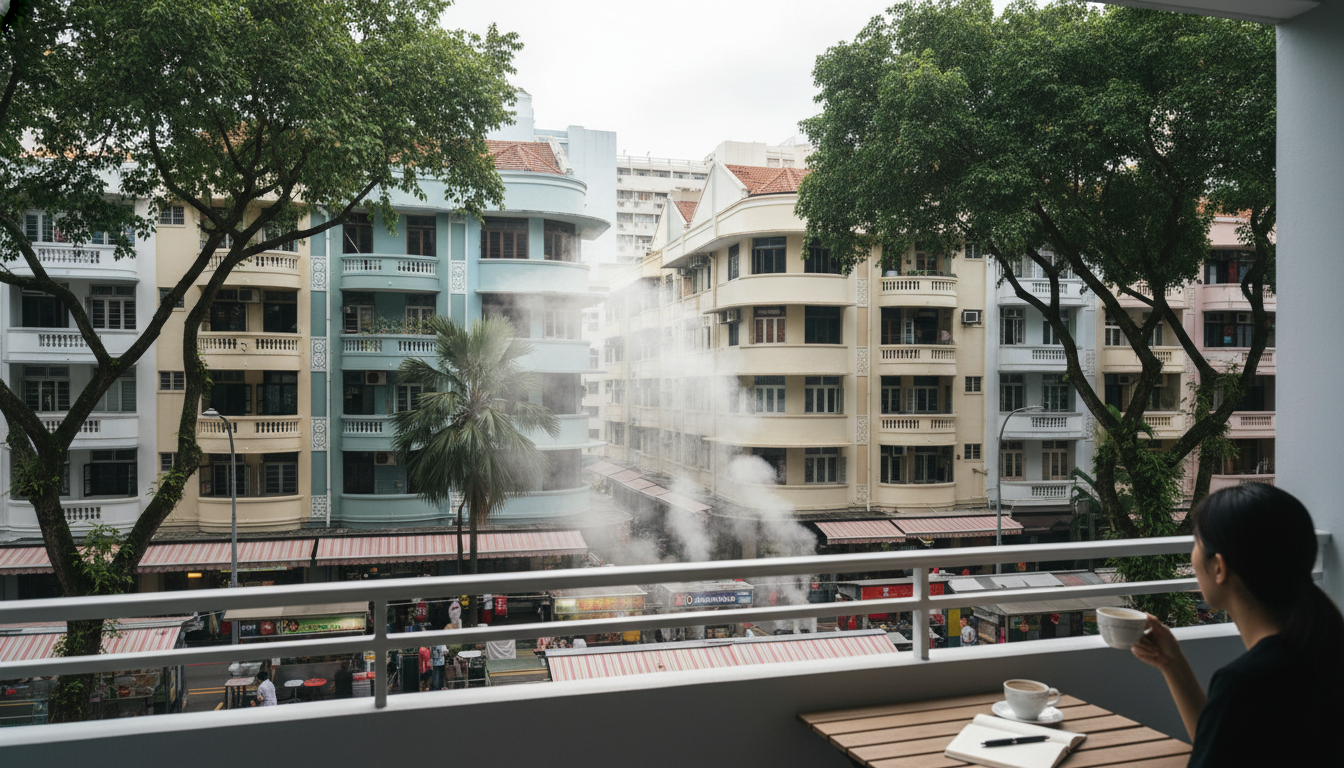 Early morning view from an HDB flat balcony in Tiong Bahru, showing art deco buildings, tropical tre
Why Singapore Is Ideal for Solo Travel Home Swaps
When people ask me which city I'd recommend for a first-time solo home swap, Singapore is always in my top three. It's not just because the city is famously safe—though that certainly helps. It's the combination of factors that makes it work so well.
The practical stuff first. English is widely spoken, so communicating with hosts is straightforward. The public transport system is genuinely world-class—I've never waited more than 6 minutes for an MRT train. And the city is compact enough that you can explore multiple neighborhoods in a single day without exhausting yourself.
But here's what really matters for solo swappers: the apartment culture.
Unlike cities where everyone lives in houses, Singapore is predominantly high-rise living. Most home exchanges happen in condos or HDB flats (public housing that's actually really nice—don't let the term fool you). These buildings typically have security guards, key card access, and often CCTV in common areas. As a solo traveler, especially a woman traveling alone, this gave me genuine peace of mind.
The other thing? Singaporeans take home exchange seriously. In my experience, hosts here tend to be meticulous—detailed house manuals, well-stocked kitchens, clear communication. Maybe it's the cultural emphasis on order and respect, but I've found Singapore hosts to be among the most reliable I've encountered anywhere.
How Much Can You Actually Save with Home Swapping in Singapore?
Let's talk numbers. Singapore has a reputation for being expensive—and honestly, it is. Hotel rooms in decent areas start around $180-250 USD per night. A basic Airbnb in a central location? You're looking at $120-180 USD minimum.
Now compare that to home swapping on SwappaHome. The platform uses a simple credit system: 1 credit = 1 night, regardless of location or property size. New members get 10 free credits to start. So theoretically, your first 10 nights in Singapore could cost you... nothing. Well, nothing except your membership and whatever you spend on food and activities.
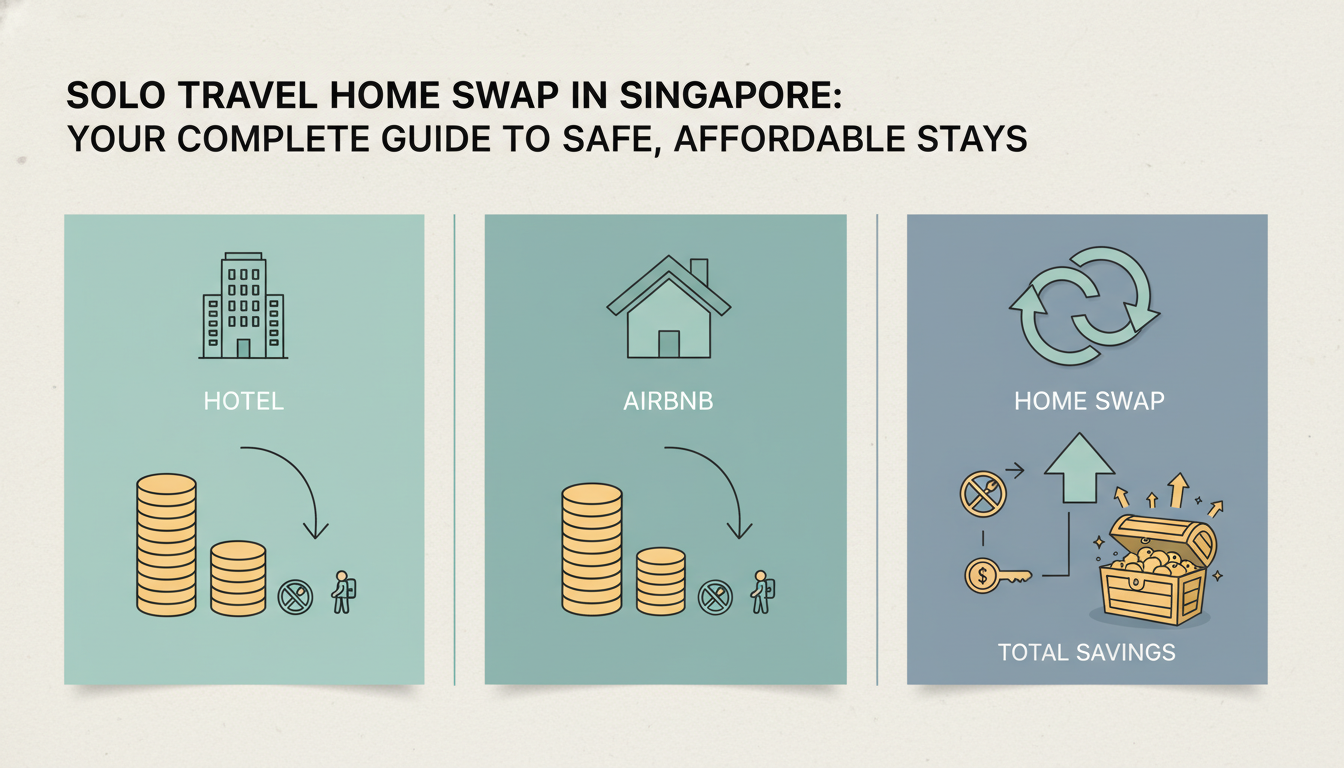 Side-by-side cost comparison infographic showing 2-week Singapore trip costs - hotels 3,500, Airbnb
Here's what I spent on my last 12-night Singapore swap:
My SwappaHome annual membership was already covered. I used 12 credits earned from hosting guests in my SF apartment. Groceries and cooking at home ran about $85 USD, eating out around $180, transport maybe $45, and activities another $120 or so.
Total: roughly $430 USD for 12 nights. A comparable hotel stay would have cost me over $2,400 minimum. The math speaks for itself.
And here's a bonus I didn't expect—having a kitchen changed how I experienced the city. Instead of grabbing overpriced hotel breakfast, I'd walk to the wet market near my Tiong Bahru flat, buy fresh fruit and kaya toast ingredients, and eat on the balcony watching the neighborhood wake up. That's not a hotel experience. That's actually living somewhere.
Best Neighborhoods for Solo Home Swaps in Singapore
Not all Singapore neighborhoods are created equal—especially for solo travelers doing their first home swap. Here's my honest breakdown of where to look, based on safety, convenience, and the kind of experience you want.
Tiong Bahru: Best for First-Time Solo Swappers
This is where I did my first Singapore swap, and I'd recommend it to anyone. Tiong Bahru is Singapore's oldest housing estate, with these gorgeous 1930s art deco walk-up apartments mixed with newer HDB blocks. The vibe is village-y in the best way—independent bookshops, specialty coffee roasters, and one of the best hawker centers in the city. Tiong Bahru Market, where the chwee kueh will change your life.
For solo travelers, it feels intimate without being isolated. The streets are walkable, well-lit at night, and there's always activity without feeling overwhelming. Plus it's just two MRT stops from Chinatown and easy access to everywhere else.
Katong/Joo Chiat: Best for Culture Seekers
If you want to understand Singapore's Peranakan heritage, this is your neighborhood. The colorful shophouses, the old-school bakeries, the best laksa in the country at 328 Katong Laksa—it's all here. It's slightly further east, about 20 minutes from the city center, but that's actually a plus. You'll feel like you're in a real residential area, not a tourist zone.
I did a 10-night swap here in a beautiful shophouse conversion. The host was a retired teacher who left me a handwritten guide to her favorite spots. I still have it.
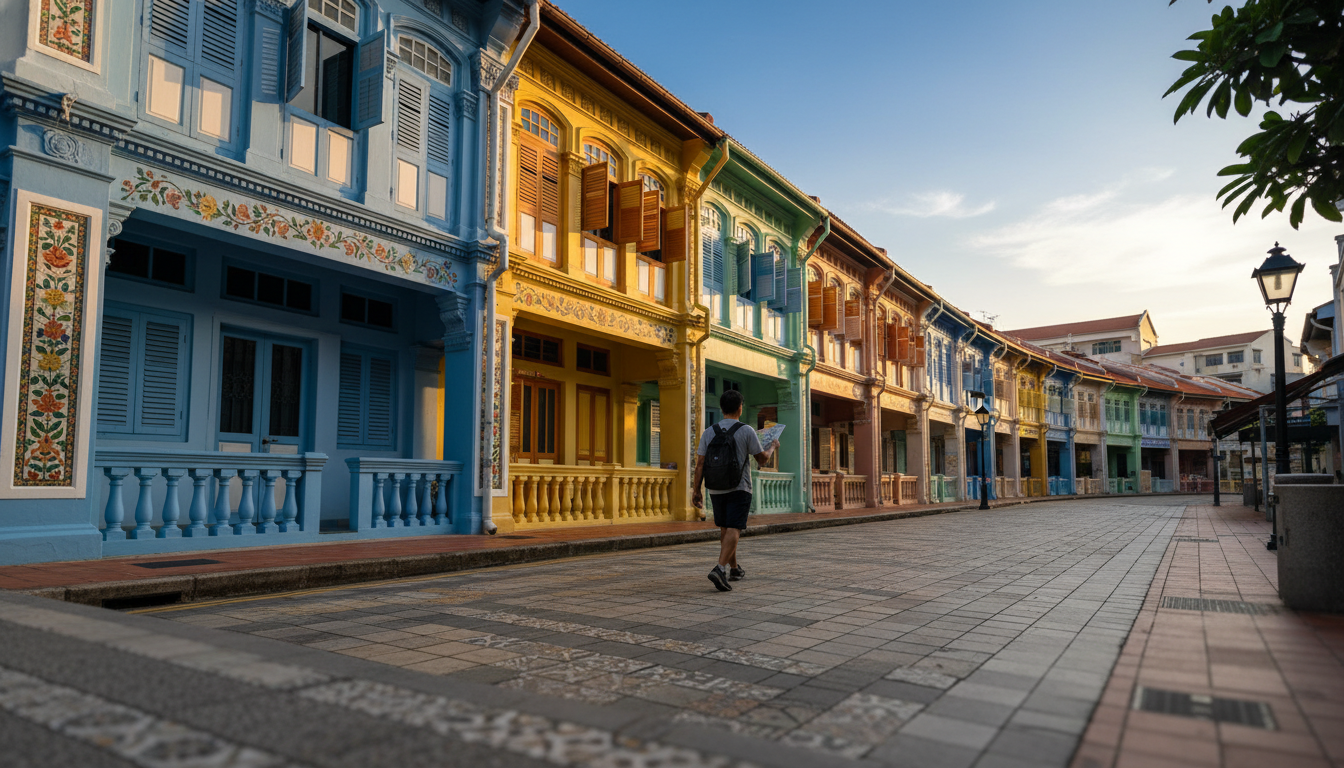 Colorful Peranakan shophouses on Koon Seng Road in Joo Chiat, showing intricate tile work and pastel
Holland Village: Best for Expat-Friendly Vibes
Holland V (as locals call it) has a more international feel. Lots of expats live here, so you'll find Western-style cafes alongside local spots. It's leafy, relaxed, and has excellent connectivity via the Circle Line. If you're nervous about navigating a very local neighborhood on your first swap, this might ease you in.
Tanjong Pagar: Best for Foodies and Nightlife
This area has transformed in recent years into Singapore's trendiest dining district. You'll find everything from Michelin-starred restaurants to hole-in-the-wall noodle joints. It's central, walkable to Marina Bay, and has a good mix of old shophouses and modern condos. The nightlife scene is solid too if you want to meet other travelers.
Areas I'd Skip for First-Time Solo Swaps
I'm not saying these are bad neighborhoods—they're just not ideal for solo travelers new to home swapping. Sentosa is too touristy and isolated from real Singapore life. Far northern areas like Woodlands and Yishun mean long commute times with less to do nearby. And Orchard Road? Overpriced and soulless—you didn't come to Singapore to stay in a mall district.
Safety Tips for Solo Home Swapping in Singapore
Singapore consistently ranks as one of the safest cities in the world. The crime rate is remarkably low, and I've walked home alone at 1 AM without a second thought. But safety in home swapping isn't just about street crime—it's about the exchange itself.
Before You Book
Always check the host's profile thoroughly. On SwappaHome, look at their verification status, read every review, and pay attention to how they communicate. Red flags include vague responses, reluctance to video chat, or pressure to move communication off the platform.
I always do a video call before confirming any swap. It's not paranoid—it's practical. You're staying in someone's home; you should know who they are. Every legitimate host I've encountered has been happy to chat. If someone refuses? Move on.
Arriving Safely
For my first night in a new swap, I always share the address and host details with a friend or family member back home. I try to arrive during daylight hours when possible, keep the host's phone number saved on WhatsApp, and make sure I know the location of the nearest MRT station and 24-hour convenience store.
Singapore makes this easy. There's a 7-Eleven or Cheers on practically every block, and the MRT runs until midnight—later on weekends.
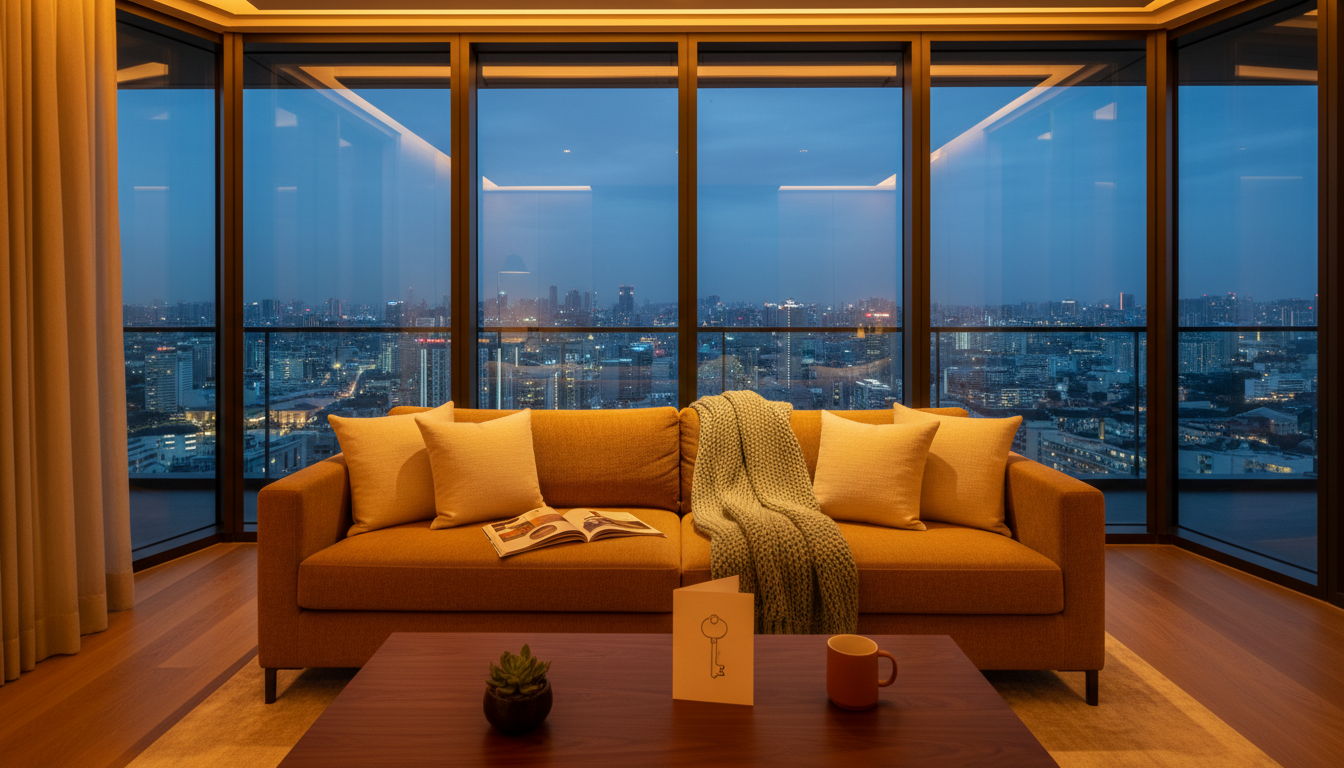 Interior of a modern Singapore condo living room with floor-to-ceiling windows showing city lights a
During Your Stay
Respect the space like it's your own—because someday, someone will be staying in yours. Keep things tidy, follow any house rules, and communicate proactively if anything comes up. I once accidentally broke a wine glass and immediately messaged the host to apologize and offer to replace it. She laughed it off and told me where to find the dustpan. That's the kind of mutual respect that makes home swapping work.
One thing worth knowing: SwappaHome connects you with hosts, but the platform doesn't provide insurance or damage coverage. I always recommend getting your own travel insurance that covers accommodation issues, and some people choose additional home insurance if they're concerned. It's worth the peace of mind, especially when you're traveling solo.
What to Expect from Singapore Home Swap Hosts
Singaporean hosts, in my experience, tend to be incredibly organized. Expect detailed instructions for everything—how to work the air conditioning (crucial in Singapore's humidity), where to find the best nearby food, which apps to download. Grab for transport, Burpple for food recommendations.
Many hosts will leave you a small welcome gift. I've received everything from local snacks to a SIM card to a handwritten neighborhood walking tour. It's not expected, but it's a lovely touch that makes you feel genuinely welcomed.
Communication style tends to be direct but friendly. Don't be surprised if your host sends you detailed messages about trash disposal schedules or building rules—this is normal and actually helpful. Singapore has strict regulations about noise, smoking, and waste management, and your host is doing you a favor by explaining them upfront.
Making the Most of Your Singapore Home Swap
Here's where having a home base transforms your trip. Instead of rushing through tourist attractions, you can slow down and actually experience the city.
Morning Rituals
Start your day like a local. Walk to the nearest hawker center for kopi and kaya toast—it'll cost you about $2-3 USD total. Then hit the neighborhood wet market for fresh fruit—mangosteen and rambutan if you're there in summer. Eat breakfast on your balcony while the city wakes up.
Neighborhood Exploration
Spend at least one full day just exploring your immediate area. Talk to the uncle running the coffee shop. Find the hidden park. Discover which food stall has the longest queue at lunch—that's always where you want to eat. This is the stuff you miss when you're hotel-hopping.
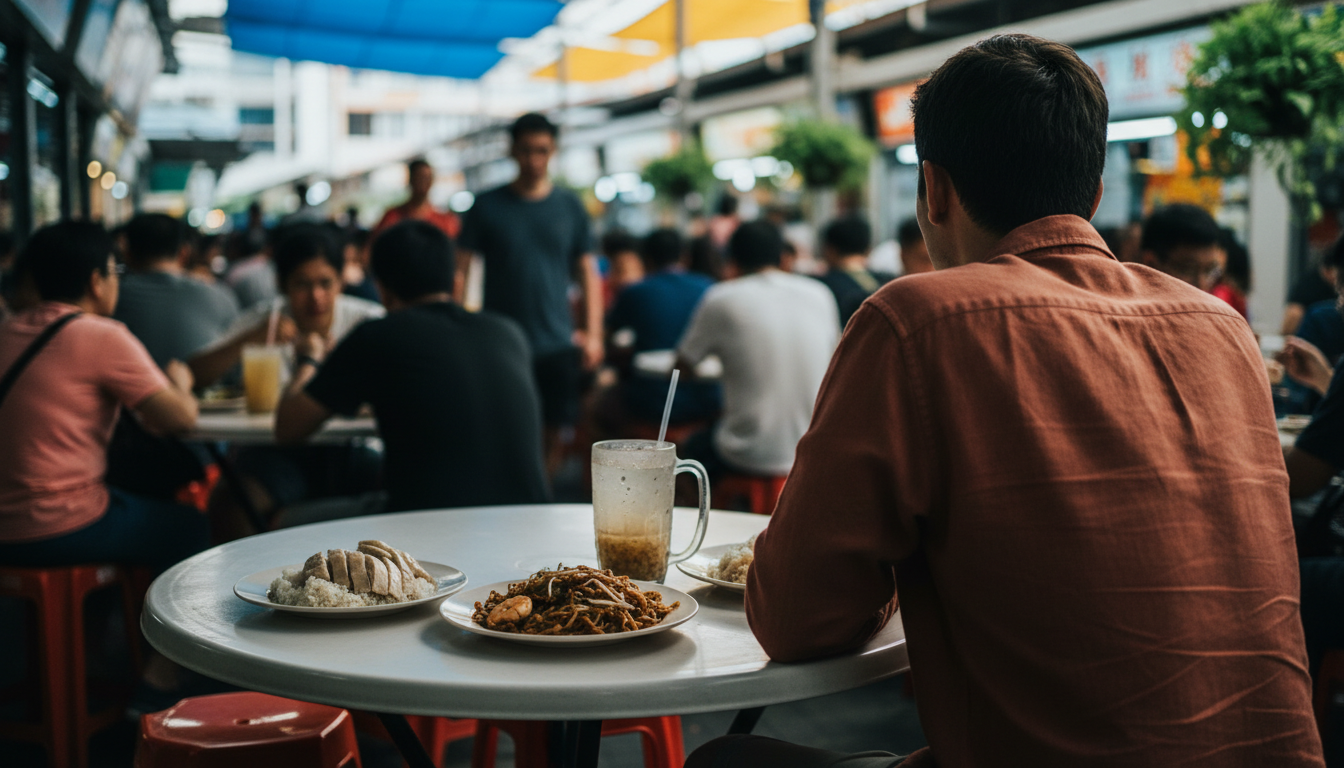 A solo traveler sitting at a plastic table in a bustling hawker center, surrounded by local diners,
Day Trips and Adventures
Singapore is small enough that you can explore the whole island easily. Pulau Ubin is one of my favorites—take a bumboat from Changi Point to this rustic island that feels like 1960s Singapore, rent a bike and explore, all for about $4 USD round trip. The Southern Ridges Walk offers 10km of connected parks and walkways through the jungle canopy, completely free and spectacular. And for something unexpected, try the Kranji Countryside—farms, nurseries, and the best frog leg porridge you'll ever have at Frog Leg BBQ near Kranji MRT.
Evening Wind-Down
One of the best parts of home swapping: coming back to a real home at the end of the day. Take a shower in your own bathroom, make tea in your own kitchen, sit on your own balcony and watch the sunset. It's the opposite of hotel exhaustion.
How to Find Your Perfect Singapore Home Swap
Ready to actually do this? Here's my process.
First, get your own listing in order. On SwappaHome, your profile is your first impression. Use high-quality photos of your space, write an honest description, and complete the verification process. Singapore hosts are selective—they want to know who's staying in their home.
Next, start browsing Singapore listings about 2-3 months before your trip. The best places get booked up, especially during peak seasons. Avoid Chinese New Year unless you specifically want that experience—the city is quieter but many things close.
When you find a place you like, send a thoughtful message. Introduce yourself, explain why you're interested in their specific neighborhood, and mention a bit about your own home. Generic "I'd like to stay at your place" messages get ignored.
The credit system on SwappaHome is straightforward: you earn 1 credit for every night you host someone, and you spend 1 credit for every night you stay somewhere. New members start with 10 free credits—enough for a solid Singapore trip to get started.
Common Mistakes to Avoid
After four Singapore swaps and dozens worldwide, I've learned a few things the hard way.
Don't underestimate the humidity. Singapore is tropical year-round. Make sure your swap has working air conditioning—most do—and ask about laundry facilities. You'll want to wash clothes frequently.
Don't skip the house manual. I know, I know—you want to explore. But spend 20 minutes reading through your host's notes. They'll save you hours of confusion about everything from wifi passwords to where to buy toilet paper.
Don't be shy about asking questions. Good hosts want you to have a great experience. If you're unsure about something—whether it's how to use the washing machine or where to find the nearest clinic—just ask.
And don't forget to leave a review. The home swap community runs on trust and reputation. A detailed, honest review helps future swappers and strengthens the whole system.
Is Solo Home Swapping in Singapore Right for You?
Honestly? It's not for everyone.
If you want room service, daily housekeeping, and zero responsibility, stick with hotels. If you're uncomfortable with the idea of staying in a stranger's space—or having strangers in yours—that's completely valid.
But if you're curious about how locals actually live, if you want to save serious money without sacrificing comfort, if you're the kind of traveler who'd rather know one neighborhood deeply than see five superficially—then solo home swapping in Singapore might be exactly what you're looking for.
My first swap in Tiong Bahru changed how I travel. I went from being a tourist to being a temporary local. I had a favorite coffee shop. I knew which auntie at the market had the best mangoes. I understood, in a small way, what it actually felt like to live in Singapore.
That's worth more than any hotel view.
Frequently Asked Questions
Is solo travel home swap in Singapore safe for women?
Singapore is consistently ranked among the world's safest cities for solo female travelers. Home swapping adds extra security through verified host profiles, review systems, and the fact that most Singapore homes are in secure buildings with guards and key card access. I've done multiple solo swaps here as a woman and always felt completely safe.
How much money can I save with home swapping vs hotels in Singapore?
The savings are substantial. Hotels in central Singapore average $180-250 USD per night, while home swapping costs only credits—no cash exchange. For a two-week trip, you could save $2,500-3,500 USD on accommodation alone. Plus, having a kitchen lets you cook some meals, saving another $30-50 USD daily on food.
Do I need to speak any languages besides English for home swapping in Singapore?
No—English is one of Singapore's four official languages and is widely spoken everywhere. All communication with hosts, signage, menus, and public transport announcements are in English. You won't face any language barriers during your home swap experience.
What's the best time of year for a Singapore home swap?
Singapore has consistent tropical weather year-round—hot and humid—so there's no bad season weather-wise. Avoid Chinese New Year (January/February) if you want the city at full energy, as many businesses close. The Great Singapore Sale from June through August is great for shopping, while September through November offers slightly less humidity.
How far in advance should I arrange a Singapore home swap?
I recommend starting your search 2-3 months before your trip for the best selection. Popular neighborhoods like Tiong Bahru and Katong book up quickly. Last-minute swaps—2-4 weeks out—are sometimes possible if you're flexible on location. Start building your SwappaHome profile early so you're ready when you find the perfect match.
40+
Swaps
25
Countries
7
Years
About Maya Chen
Travel Writer & Home Exchange Expert
Maya is a travel writer with over 7 years of experience in the home swapping world. Originally from Vancouver and now based in San Francisco, she has completed more than 40 home exchanges across 25 countries. Her passion for "slow" and authentic travel led her to discover that true luxury lies in living like a local, not a tourist.
Ready to try home swapping?
Join SwappaHome and start traveling by exchanging homes. Get 10 free credits when you sign up!
Related articles
Lyon Home Exchange: Your Complete Guide to France's Hidden Gem for Home Swapping
Discover why Lyon home exchange is booming among savvy travelers. From Croix-Rousse to Presqu'île, find the best neighborhoods and insider tips for your swap.

Zurich Bucket List: 47 Unforgettable Experiences to Enjoy During Your Home Swap
Discover the ultimate Zurich bucket list for home swappers—from secret swimming spots to fondue rituals locals actually do. Save thousands while living like a true Zürcher.
Dublin Home Exchange Utilities Guide: WiFi, Heating & Everything Your Guests Need
Master Dublin home exchange utilities—from dodgy WiFi fixes to heating quirks. Practical tips from 7 years of swapping homes across Ireland.