Home Exchange in Singapore: The Ultimate Guide to Living Like a Local

SwappaHome Editorial Team
Home Exchange & Slow Travel Editorial
Discover how home exchange in Singapore lets you skip tourist traps, save thousands, and experience the Lion City like a true local—from hawker centers to hidden neighborhoods.
The first time I stepped into a home exchange in Singapore, I made a rookie mistake. I assumed the apartment would have a kettle.
It did not. What it had was a thermal flask the size of my torso, pre-filled with hot water by my host's helper before she left. There was also a handwritten note explaining that the downstairs kopitiam opens at 5:30 AM, that the uncle at stall #3 makes the best kaya toast in Tiong Bahru, and that I should "please enjoy the durian in the freezer but open the windows first."
That note taught me more about Singapore in three sentences than any guidebook ever had.
Home exchange here isn't just about free accommodation—though saving $300-400 per night on hotels is pretty compelling. It's about slipping into a life that already exists. Borrowing someone's favorite mug. Learning which hawker stall has the queue that's actually worth joining. Waking up to the sound of birds in the corridor (Singaporeans love their songbirds) instead of hotel housekeeping knocking.
I've done three home swaps in Singapore over the past four years, each in a different neighborhood. Every single one has fundamentally changed how I understand this tiny, intense, endlessly surprising city-state.
Why Home Exchange Makes More Sense Here Than Anywhere Else
Here's the thing about Singapore: it's expensive. Like, genuinely, eye-wateringly expensive. A mid-range hotel in a decent location runs $250-350 USD per night. A nice Airbnb? $180-280. Even hostels have gotten pricey—expect $40-60 for a dorm bed.
But Singaporean homes? They're incredible.
Over 80% of the population lives in HDB flats (public housing), and before you wrinkle your nose at "public housing," let me tell you—these aren't the projects. Many are spacious, well-maintained apartments with actual views, located near MRT stations, surrounded by hawker centers and wet markets and everything you need to live well.
The math is simple. A two-week Singapore trip in hotels: $4,000-5,000 in accommodation alone. A two-week home exchange: the cost of your SwappaHome membership and maybe some groceries. But honestly? The money isn't even the best part.
How This Transforms Your Travel Experience
Last year, I stayed in a three-room HDB in Toa Payoh, one of Singapore's oldest housing estates. My host, a retired teacher named Mrs. Lim, had left me her EZ-Link card, her library card, and a folder—an actual physical folder—of her favorite places.
The folder included which stall at the Toa Payoh Lorong 8 hawker center has the best char kway teow (stall 01-12, the one with the perpetual queue). The timing for the morning tai chi group at the nearby park—6:15 AM, "just show up, they're friendly." Her hairdresser's number ("tell her Mrs. Lim sent you, she'll give you the local price"). A hand-drawn map to a hidden garden behind Block 177 that isn't on Google Maps.
No hotel concierge gives you this. No travel blog knows about the hidden garden behind Block 177.
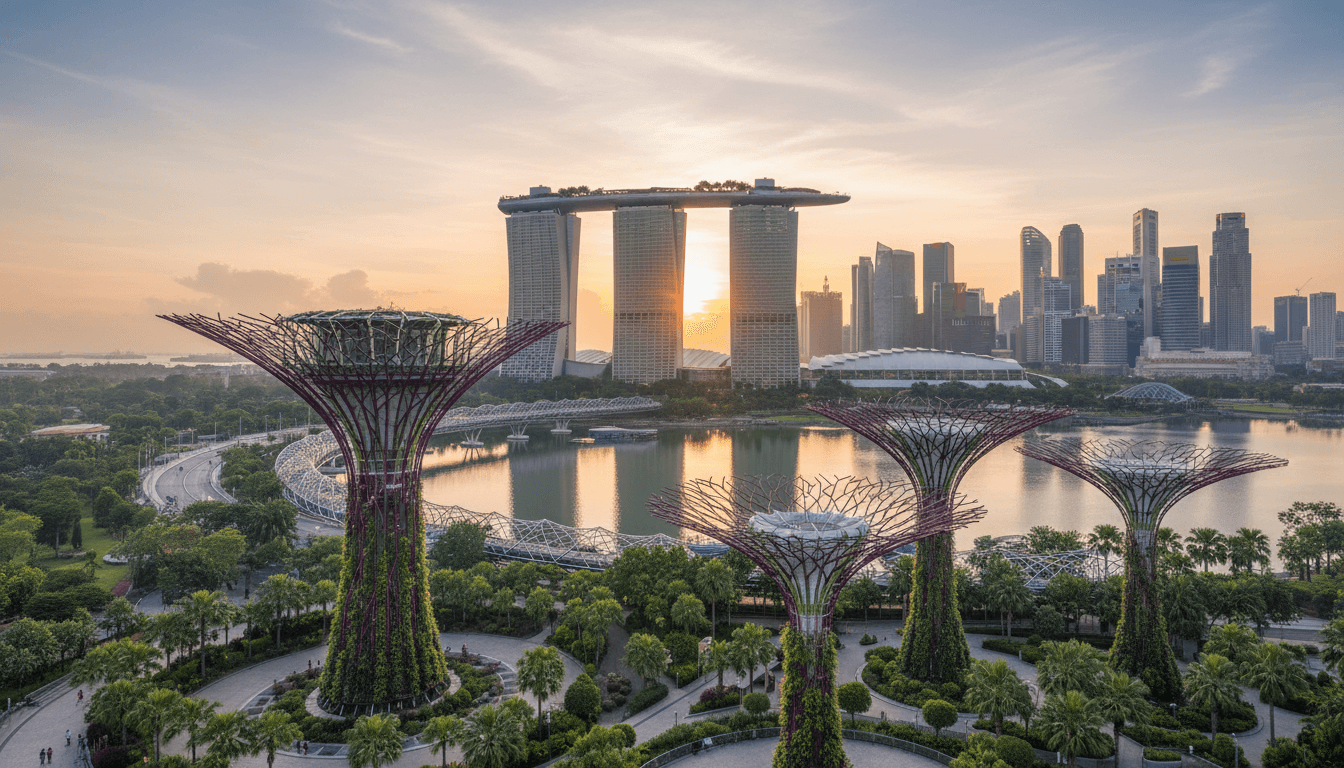
This is the stuff that transforms a trip from "visiting Singapore" to "briefly living in Singapore." And that distinction matters here more than almost anywhere else I've traveled. Singapore is a city of layers. The tourist layer—Marina Bay Sands, Gardens by the Bay, Sentosa—is impressive but sanitized. The real Singapore is in the void decks where old men play chess, the wet markets at 6 AM, the community centers where aunties do line dancing to Cantopop.
Home exchange drops you straight into that real Singapore.
Best Neighborhoods for Home Exchange
Not all Singapore neighborhoods are created equal for home swapping. Here's my honest breakdown after staying in several:
Tiong Bahru: The Darling of Design-Conscious Travelers
This is where I did my first Singapore home exchange, and I get why it's popular. Pre-war art deco architecture, indie bookshops, specialty coffee that rivals Melbourne, and one of the best hawker centers in the city—get the chwee kueh from stall 02-05 at Tiong Bahru Market.
The vibe is young professional meets old-school Singaporean. You'll see hipsters with laptops next to uncles reading Chinese newspapers. Homes here tend to be smaller but character-filled, often with those gorgeous curved balconies from the 1930s.
Best for: First-time Singapore visitors who want walkability and aesthetics Average home size: 2-3 room flats, 600-900 sq ft Nearest MRT: Tiong Bahru (EW17) Daily budget (food/transport): $25-35 USD
Toa Payoh: The Authentic Heartland Experience
If Tiong Bahru is Singapore's Brooklyn, Toa Payoh is its Queens—less polished, more real. This was Singapore's first satellite town, built in the 1960s, and it still has that community feel. The hawker centers here are legendary and significantly cheaper than touristy areas.
My stay here was the most immersive. I learned to navigate the labyrinthine HDB blocks (pro tip: the numbers actually follow a logical system once you crack it). I found a $3 chicken rice that haunts my dreams. I accidentally joined a community gardening group because I was curious about the plots behind Block 231.
Best for: Travelers who want deep local immersion and don't need Instagram aesthetics Average home size: 3-4 room flats, 800-1100 sq ft Nearest MRT: Toa Payoh (NS19) Daily budget (food/transport): $15-25 USD
Katong/Joo Chiat: Peranakan Heritage and East Coast Vibes
This is my personal favorite. The Katong area is the heart of Peranakan culture—think pastel shophouses, intricate tilework, and some of the best laksa you'll ever taste. 328 Katong Laksa. Don't let the tourist crowds deter you.
Homes here are often in converted shophouses or low-rise apartments, which means more character but sometimes less modern amenities. You're also slightly further from central Singapore, though the East Coast Park is a 10-minute walk—perfect for morning runs or evening satay by the beach.
Best for: Culture lovers, food obsessives, and those who want a break from high-rise living Average home size: Varies wildly—shophouse rooms to full apartments Nearest MRT: Paya Lebar (EW8/CC9) or upcoming Marine Parade station Daily budget (food/transport): $20-30 USD
Holland Village: Expat-Friendly With Local Pockets
Holland V (as locals call it) has a reputation as an expat enclave, which isn't entirely unfair—there are more Western restaurants and bars here than in most neighborhoods. But venture beyond the main strip and you'll find proper hawker centers, wet markets, and HDB estates with strong community vibes.
The homes here tend to be larger and more modern, often with actual ovens (rare in Singapore!). If you need Western comforts while still wanting local access, this is your spot.
Best for: Families, longer stays, those who want a mix of familiar and foreign Average home size: 3-5 room flats or condos, 900-1400 sq ft Nearest MRT: Holland Village (CC21) Daily budget (food/transport): $30-45 USD
Finding the Perfect Singapore Home Exchange
Alright, let's get practical. Finding a home exchange here requires slightly different tactics than European cities.
First, understand the housing landscape. About 80% of Singaporeans live in HDB flats, which means most available exchanges will be HDBs. These range from 2-room flexi flats (basically studios) to executive apartments with 3+ bedrooms. The remaining 20% live in condos or landed properties—these are rarer on exchange platforms but do exist.
When searching on SwappaHome, I recommend filtering by neighborhood first. Singapore is small (you can cross the entire island in an hour by MRT), but neighborhoods have distinct personalities. Know what you want before you browse.
Look for hosts with detailed descriptions. The best Singapore hosts I've encountered write extensively about their neighborhood—the nearby hawker centers, the best time to visit the wet market, the quirks of their building. Sparse listings often mean less engaged hosts.
Check the photos for context clues. Is there a shoe rack by the door? (You'll be removing shoes—standard practice.) Can you see the kitchen setup? Many Singapore homes have minimal kitchens because eating out is so cheap and convenient. If cooking matters to you, look for homes that specifically mention a full kitchen.
Message potential hosts with specific questions. Singaporeans appreciate directness. Ask about the nearest hawker center, the walking distance to MRT, whether the building has a pool (many condos do), and—this is important—whether there's air conditioning in the bedrooms. Singapore is hot. Like, equatorial hot. Year-round.
What to Expect From Your Host
Singaporean hosts tend to be incredibly thorough. I've received everything from laminated instruction manuals to WhatsApp voice notes walking me through the garbage disposal schedule (it's serious business here—fines for incorrect disposal are real).
Expect your host to provide detailed instructions for everything—appliances, building access, trash disposal. Recommendations for local food, because Singaporeans are passionate about this. Their contact information and often their helper's number for emergencies. A very clean home, because cleanliness standards here are high.
Don't expect a fully stocked pantry (though some hosts leave basics). Or lots of cooking equipment, since eating out is the norm. Western-style bedding is rare too—many Singaporeans sleep with just a bolster and thin blanket because it's too hot for duvets.
One cultural note: Singaporeans often have household helpers, usually from the Philippines or Indonesia. Your host might mention that their helper will come by during your stay to clean or do laundry. This is normal and not something to feel weird about—just tip appropriately ($10-20 SGD per visit is standard) and be respectful.
Practical Tips for Living in a Singapore Home
After three extended stays, here's what I wish someone had told me:
The Kitchen Situation
Many Singapore kitchens are designed for minimal cooking—maybe a rice cooker, an induction hob, and a microwave. Full ovens are rare outside of condos. Don't panic. This is actually freeing. You're in one of the world's greatest food cities. Embrace the hawker center life.
That said, if you do want to cook, most neighborhoods have a FairPrice or Sheng Siong supermarket within walking distance. Wet markets are even better for fresh produce and meat—Tiong Bahru Market and Tekka Market are my favorites.
Laundry and Drying
Most HDB flats have washing machines but no dryers. Instead, you'll find bamboo poles extending from the windows—this is the standard Singapore drying method. Your host will show you how to use them. It feels precarious at first, but I promise your clothes won't fall 15 stories. The tropical sun dries everything in about two hours anyway.
The Aircon Debate
Singapore is hot and humid year-round—30-33°C with 80%+ humidity. Most homes have air conditioning in bedrooms but not living areas. Running aircon all day is expensive, so Singaporeans typically only use it for sleeping.
My advice: acclimatize. Use the ceiling fans during the day, aircon at night. Your electricity bill (if you're paying it) will thank you, and honestly, you adjust faster than you'd think.
Navigating the Building
HDB blocks can be confusing. They're numbered by block, then unit numbers indicate floor and position—so #12-345 means floor 12, unit 345. Your host should provide clear instructions, but don't be shy about asking neighbors for help. Singaporeans are generally friendly, especially to obviously-lost foreigners.
The Shoe Thing
Remove your shoes before entering. Always. Every Singaporean home has a shoe rack or area outside or just inside the door. This isn't optional—it's deeply ingrained cultural practice. Pack indoor slippers if you don't want to be barefoot.
Making the Most of Your Stay
The real magic of home exchange in Singapore is access. You're not staying in a tourist zone—you're in a neighborhood. Here's how to maximize that:
Adopt the local schedule. Singapore runs early. Hawker centers are bustling by 7 AM, wet markets even earlier. The best food often sells out by noon. Adjust your body clock and you'll eat better than any tourist.
Use the community facilities. Most HDB estates have community centers with gyms, pools, and classes. Some hosts will give you access—ask about it. I once took a $5 yoga class at the Toa Payoh Community Centre surrounded by Singaporean aunties who were significantly more flexible than me.
Shop where locals shop. Skip the tourist-trap malls. NTUC FairPrice for groceries, Daiso for cheap household items, Mustafa Centre in Little India for literally everything at 3 AM. Your host's neighborhood will have its own ecosystem of shops—explore it.
Learn basic food ordering. At hawker centers, you often need to "chope" (reserve) a seat by leaving a packet of tissues on the table before ordering. It's a uniquely Singaporean system. Also learn: "dabao" (takeaway), "less ice" (iced drinks come aggressively iced), and "kosong" (plain/without sugar for coffee).
Respect the rules. Singapore is famous for its rules and fines. No eating or drinking on MRT, no jaywalking, no chewing gum (sort of—you can chew it, just can't buy it locally). These sound draconian but honestly, they're why the city is so clean and functional. Just follow them.
The Cost Breakdown: Home Exchange vs Hotels
Let me give you real numbers from my last two-week Singapore trip:
If I'd stayed in hotels: Mid-range hotel in decent location: $280/night × 14 = $3,920. Eating out in tourist areas: $60/day × 14 = $840. Taxis because hotels are often far from real neighborhoods: $20/day = $280. Total: ~$5,040 USD
What I actually spent (home exchange): SwappaHome membership—already had it, annual cost ~$150. Groceries and hawker food: $25/day × 14 = $350. MRT and buses: $5/day × 14 = $70. One nice restaurant meal: $80. Misc purchases: $100. Total: ~$600 USD
That's not a typo. I saved over $4,400 on a two-week trip. And I ate better, saw more, and had experiences no hotel could provide.
When to Plan Your Trip
Singapore doesn't have seasons in the traditional sense—it's summer year-round. But there are better and worse times.
February through April is slightly less humid, falling between monsoon seasons. July and August bring the Singapore Food Festival and National Day celebrations. November means Deepavali celebrations in Little India and Christmas lights going up on Orchard Road.
Late December and early January can be trickier—many Singaporeans travel for school holidays, so more homes are available, but it's also peak tourist season. Chinese New Year (January/February) means many hosts will be hosting family, not travelers. But if you can find a swap, experiencing CNY in Singapore is incredible. June brings school holidays, families traveling, potentially more availability.
Book your home exchange 2-3 months in advance. Singapore hosts tend to plan ahead, and the best homes get snapped up quickly.
Building Trust With Your Host
Singaporeans value reliability and clear communication. Here's how to be a great guest:
Before arrival, confirm all details in writing. Ask specific questions about house rules. Share your travel itinerary so they know when to expect you. Offer to video call if they'd like to "meet" you first.
During your stay, follow all house rules meticulously—especially regarding shoes, trash, and quiet hours. Keep the home as clean as you found it, or cleaner. Don't rearrange things. Message if anything breaks or malfunctions, because they'll appreciate the honesty.
After your stay, leave a thoughtful review on SwappaHome. Send a thank-you message with a specific detail you appreciated. Consider leaving a small gift—nothing extravagant, maybe something from your home country.
Singapore's home exchange community is relatively small and tight-knit. A good reputation here opens doors for future swaps.
What I Learned From Living Like a Singaporean
My last Singapore home exchange was in a modest 3-room HDB in Ang Mo Kio, a neighborhood most tourists have never heard of. It's not trendy. There are no boutique coffee shops. The architecture is pure 1970s utilitarian.
But here's what I found there: the best fish soup I've ever had (Blk 724 market, stall 01-51). A community of morning joggers who adopted me into their 6 AM loop around the park. An elderly neighbor who taught me to play mahjong over three increasingly competitive evenings. A sense of what it actually means to live in Singapore—not visit it, but live it.
That's what home exchange offers that no hotel, no Airbnb, no amount of money can buy. It's not just accommodation. It's permission to belong, temporarily, to a place.
Singapore is a city that rewards this kind of travel. Its soul isn't in the infinity pool at Marina Bay Sands—it's in the hawker centers at 7 AM, the void decks at dusk, the particular way your neighbor nods at you after a few days because you've become, briefly, part of the block.
If you're considering a home exchange in Singapore, stop considering. Just do it. Start browsing homes on SwappaHome, message a few hosts, and prepare yourself for the best chicken rice of your life.
The uncle at stall #3 is waiting.
Frequently Asked Questions
Is home exchange in Singapore safe for solo travelers?
Yes—Singapore is consistently ranked among the world's safest cities. Home exchange adds another layer of security through SwappaHome's verification system and review-based community trust. Solo travelers often find HDB neighborhoods particularly safe, with strong community awareness and well-lit common areas. I'd recommend getting your own travel insurance for peace of mind, but safety concerns shouldn't hold you back.
How much can I save with home exchange compared to hotels?
On average, home exchange in Singapore saves travelers $250-350 per night compared to mid-range hotels. For a two-week trip, that's $3,500-5,000 in savings on accommodation alone. Add reduced food costs—hawker meals versus hotel restaurants—and you're looking at total savings of $4,000-6,000. The SwappaHome credit system means you're exchanging stays, not paying nightly rates.
What's the best neighborhood for a first-time Singapore home exchange?
Tiong Bahru offers the ideal balance for first-timers—walkable streets, excellent hawker food, trendy cafes, and easy MRT access to major attractions. The pre-war architecture provides character while remaining central. For deeper local immersion, consider Toa Payoh or Katong, though these require more navigation confidence. All three neighborhoods have active home exchange communities.
Can I do a home exchange during Chinese New Year?
It's challenging but possible. Many Singaporean hosts use their homes for family gatherings during CNY, usually January or February. However, some hosts travel during this period and welcome exchanges. Book 3-4 months ahead for CNY dates. If you secure a swap, you'll experience incredible festivities—lion dances, red decorations everywhere, and special holiday foods at hawker centers.
Do Singapore home exchange hosts expect reciprocal stays?
Not necessarily. SwappaHome's credit system means exchanges don't need to be direct swaps. When you host guests at your home, you earn credits—1 credit per night. You then spend those credits to book stays anywhere, including Singapore. Your Singapore host might never visit your city, and that's perfectly fine. New members start with 7 free credits to begin traveling immediately.

Published by
SwappaHome
SwappaHome Editorial Team
Home Exchange & Slow Travel Editorial
The SwappaHome Editorial Team brings together travel research, home-exchange community insights, and platform data to produce practical guides for first-time and experienced home swappers. Every article cites real platforms, current market rates, and verifiable city-level facts so readers can make informed decisions without guessing.
Ready to try home swapping?
Join SwappaHome and start traveling by exchanging homes. Get 7 free credits when you sign up!
Related articles
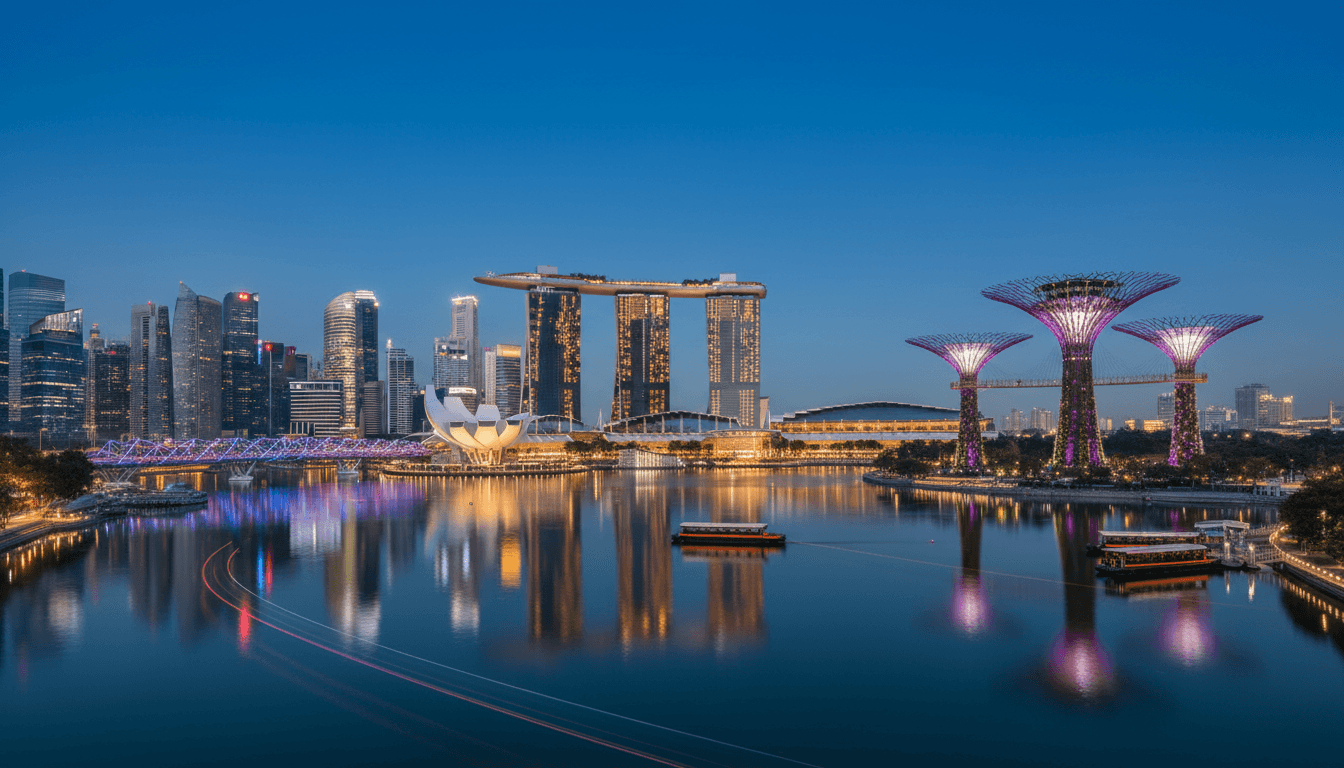
Bachelor and Bachelorette Parties in Singapore: The Complete Home Swap Group Guide for 2026
Planning a bachelor or bachelorette party in Singapore? Discover how home swapping lets groups of 6-12 stay together in luxury condos, saving thousands while partying in Marina Bay.
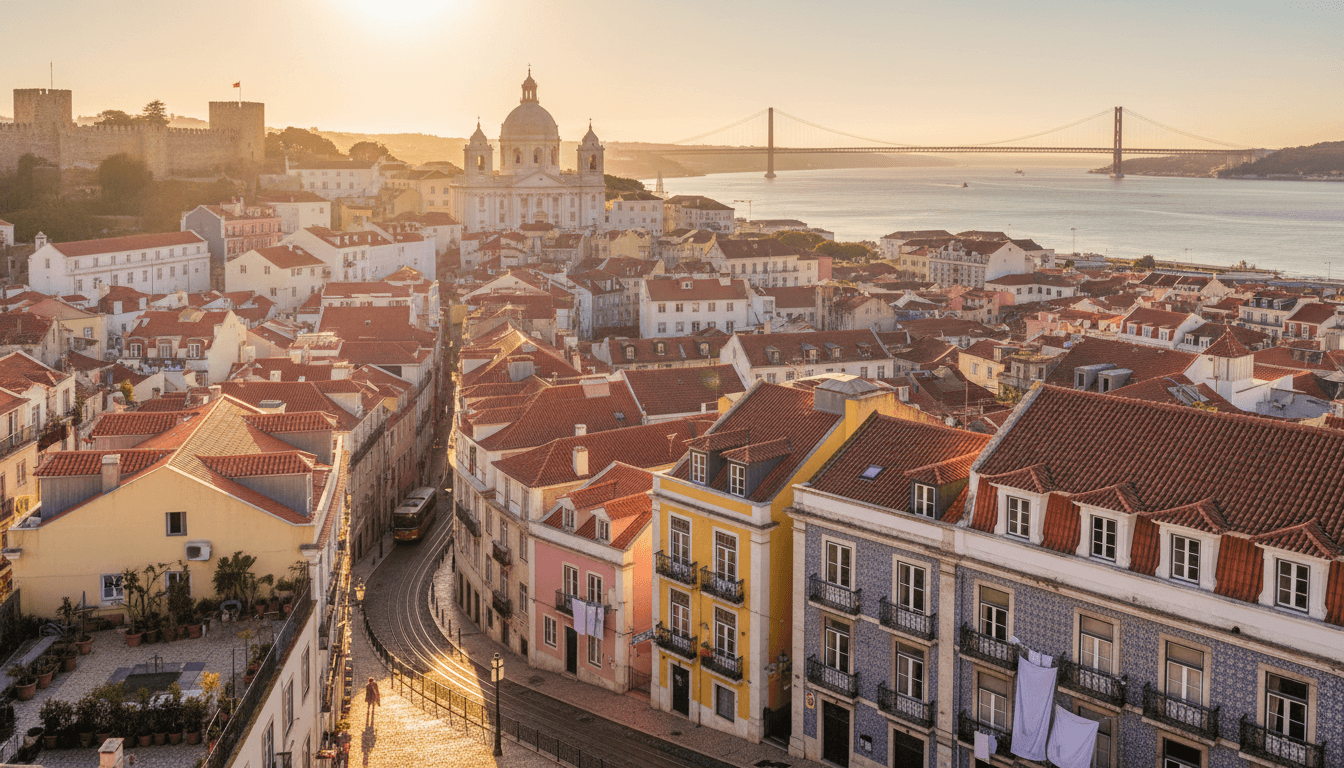
Cycling in Lisbon: 7 Home Swap Bike Tour Itineraries for Every Rider
Discover the best cycling routes in Lisbon with these home swap bike tour itineraries—from waterfront paths to hilltop adventures, all starting from your borrowed home.
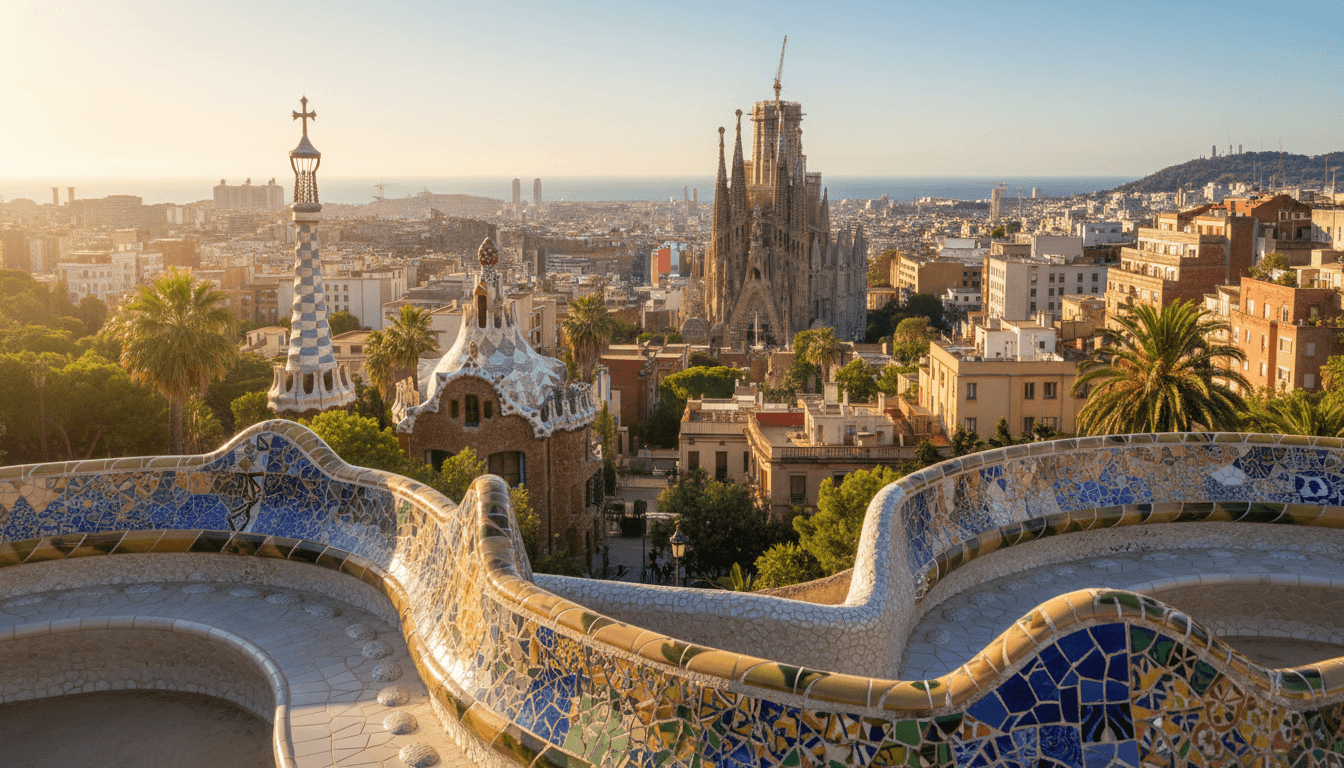
Graduation Trip to Barcelona: How Home Swapping Gives New Graduates the Ultimate Celebration
Planning a graduation trip to Barcelona? Discover how home swapping lets new graduates explore Spain's most vibrant city without the hostel crowds or hotel costs.