
Thailand Visa for Digital Nomads: Your Guide to Remote Work in the Land of Smiles

SwappaHome Editorial Team
Home Exchange & Slow Travel Editorial
Thinking about working from Thailand? It's a pretty sweet deal, honestly. The country has rolled out a special visa for digital nomads, making it easier for…
Thinking about working from Thailand? It's a pretty sweet deal, honestly. The country has rolled out a special visa for digital nomads, making it easier for remote workers to hang out and get stuff done. This guide is all about that thailand visa digital nomad life, covering how to get it, where to stay, and what to expect. We'll break down the visa, suggest some cool cities, and even touch on things like internet and taxes. So, if you're dreaming of working with a view of a tropical beach or a bustling city, read on.
Key Takeaways
- The Thailand digital nomad visa, officially known as the LTR (Long-Term Resident) visa, is designed for remote workers seeking to live and work in Thailand for an extended period.
- Eligibility for the thailand visa digital nomad includes meeting specific income, employment, and education requirements, with different categories catering to various professional backgrounds.
- Applying for the visa involves gathering a set of documents, including proof of income, a work contract, and a clear criminal record, which are submitted through the official online portal.
- Popular cities for digital nomads in Thailand include Bangkok, Chiang Mai, and the islands of Phuket and Koh Samui, each offering a unique lifestyle and amenities.
- Beyond traditional rentals, home swapping presents an interesting alternative for digital nomads in Thailand, potentially reducing accommodation costs significantly while providing a local living experience.
Understanding the Thailand Visa Digital Nomad Policy
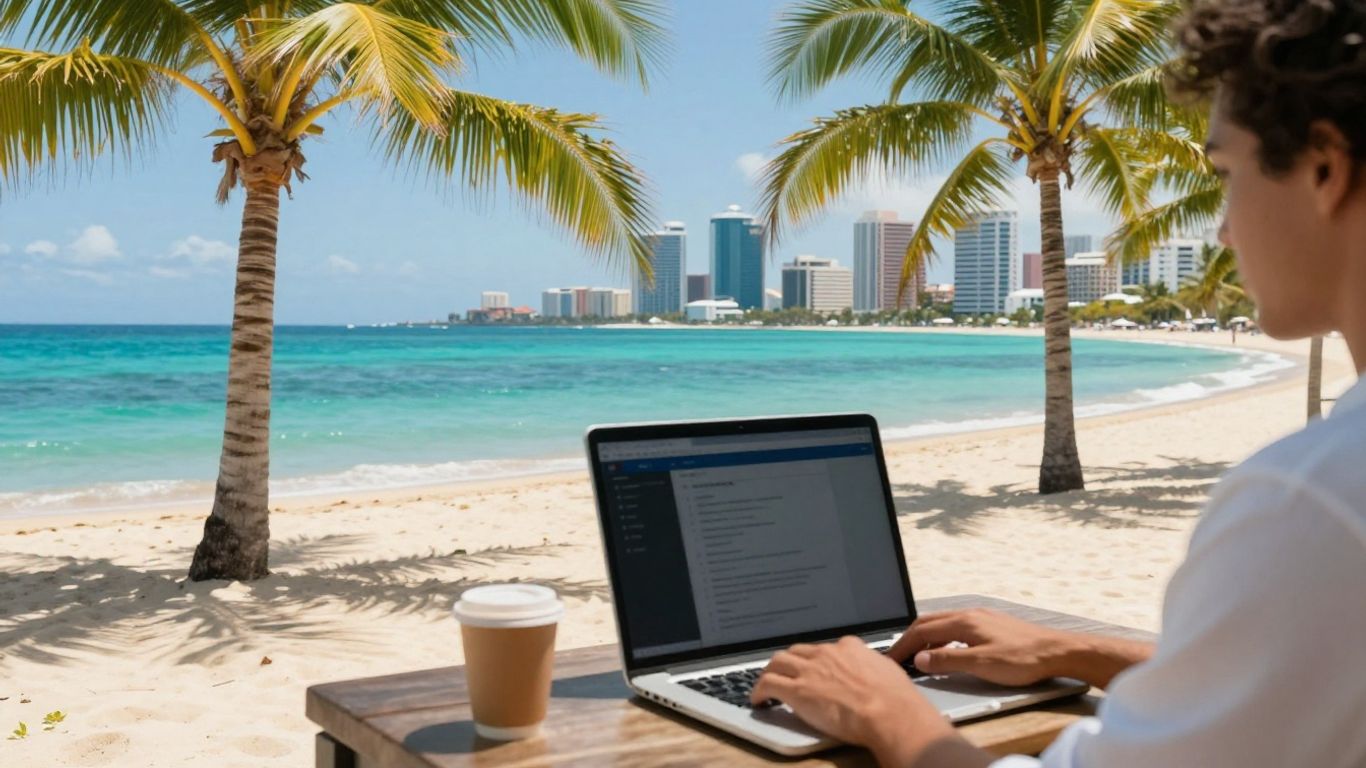 Digital nomad working on a laptop on a Thai beach.
What Is the Digital Nomad Visa for Thailand?
Thailand has introduced a specific visa option aimed at attracting remote workers and digital nomads. This isn't just a tourist visa extension; it's a dedicated pathway designed for individuals who earn their income online while living in the country. The goal is to bring skilled professionals and their spending power into Thailand for longer periods, boosting the economy and local communities. This visa aims to simplify the process for those looking to work remotely from Thailand for an extended duration.
Key Requirements and Eligibility Criteria
To qualify for Thailand's digital nomad visa, you'll need to meet a few important criteria. These are generally designed to ensure you have a stable income and won't be a burden on the local economy. The specifics can vary, so it's always best to check the latest official guidelines, but common requirements include:
- Proof of Income: You'll need to show a consistent income stream. This often means demonstrating a minimum monthly income over a certain period, or a substantial amount in savings. For example, some requirements might ask for proof of an annual income of around $80,000 USD, or a lower income if you're applying with dependents.
- Employment Status: You typically need to be employed by a company outside of Thailand, or be a freelancer with clients abroad, or own your own business registered overseas.
- Health Insurance: Having valid health insurance that covers your stay in Thailand is usually mandatory.
- No Work in Thailand: The visa is for remote work only. You generally cannot work for a Thai company or engage in local employment on this visa.
Recent Changes and Official Updates
Visa policies can change, and Thailand is no exception. The government has been actively refining its approach to digital nomads. Keep an eye out for official announcements regarding any updates to the visa requirements, application procedures, or duration of stay. These changes often aim to make the process smoother or to align with broader economic goals. It's a good idea to consult the official Thai embassy or consulate website in your country for the most current information before you start your application. The Thai government's immigration bureau is the best source for up-to-date details.
It's really important to get the latest info directly from official sources. Visa rules can shift, and what was true a few months ago might not be today. Double-checking before you make plans saves a lot of hassle later on.
How to Apply for the Thailand Visa Digital Nomad
Step-by-Step Application Process
Getting your digital nomad visa for Thailand involves a few key steps. It's not overly complicated, but you do need to be organized. First off, you'll need to figure out which specific visa category fits your situation best, as there are a few options depending on your income and employment status. The most common one for remote workers is often the 'Long-Term Resident (LTR)' visa, but there are others like the 'Thailand Elite Visa' or even specific work permits if your remote work is tied to a Thai company.
Once you've identified the right visa, the application process usually starts online through the official Thai embassy or consulate website in your home country. You'll fill out an application form, upload your documents, and then typically schedule an in-person appointment for an interview and to submit your physical paperwork. It's a good idea to check the specific requirements for the embassy you'll be applying through, as they can sometimes vary slightly.
After submitting your application, there's a waiting period. This can take anywhere from a few weeks to a couple of months, depending on the volume of applications and the specific visa type. If approved, you'll usually get a notification to pick up your passport with the visa stamp, or sometimes it's sent back to you by mail. Remember to double-check all the details on your visa once you receive it to make sure everything is correct before you travel.
Essential Documents You’ll Need
Gathering the right documents is probably the most important part of the application. You don't want to get to the embassy and realize you're missing something vital. Generally, you'll need:
- Passport: A valid passport with at least six months of validity remaining and a few blank pages.
- Visa Application Form: Completed and signed. You can usually download this from the embassy's website.
- Passport-Sized Photos: Recent photos that meet specific requirements (check the embassy's guidelines for size and background color).
- Proof of Financial Stability: This is a big one. You'll need to show you have enough money coming in or saved up. This could be bank statements showing a consistent income of at least THB 80,000 per month, or savings of at least THB 500,000. Proof of savings is often a key requirement.
- Employment Verification: A letter from your employer stating your position, salary, and that you'll be working remotely. If you're self-employed, you'll need proof of your business registration and income.
- Proof of Accommodation: Sometimes you might need to show where you plan to stay, like a hotel booking or a lease agreement.
- Other Supporting Documents: Depending on the visa type, you might need things like a criminal record check, health insurance, or a copy of your degree.
Common Mistakes to Avoid During Application
People often make a few common slip-ups when applying for visas, and it's good to be aware of them. One of the biggest is not having enough funds or not being able to prove them properly. Make sure your bank statements are clear and show the required amounts consistently. Another mistake is submitting incomplete or incorrect information on the application form. Double-check everything, and if you're unsure about a question, it's better to ask for clarification than to guess.
Not reading the specific requirements for the embassy or consulate you're applying through can lead to delays or rejection. Each mission might have slightly different procedures or document needs. Always check their official website first.
Finally, don't wait until the last minute. Visa processing takes time, and unexpected issues can pop up. Start the process well in advance of your planned travel date. This gives you plenty of breathing room to gather documents, attend appointments, and handle any potential problems without stressing yourself out.
Best Cities in Thailand for Digital Nomads
So, you've got the visa sorted and you're ready to soak up some Thai culture while you work. But where should you actually set up your laptop? Thailand has a bunch of amazing spots, each with its own vibe. It really depends on what you're looking for, you know? Some places are buzzing with activity, others are way more chill.
Why Bangkok Remains a Top Choice
Bangkok is kind of a no-brainer for a lot of people. It's huge, it's chaotic, and it's got everything. You can find super cheap street food that's also incredibly delicious, and the public transport system is pretty decent for getting around. Plus, there are tons of co-working spaces popping up everywhere, so you're never too far from a good Wi-Fi connection and a place to focus. The sheer variety of things to do, from temples to rooftop bars, means you'll never be bored.
- Connectivity: Generally excellent, especially in central areas and co-working spaces.
- Cost of Living: Can be very affordable if you avoid tourist traps and eat local.
- Vibe: Fast-paced, energetic, always something happening.
Chiang Mai’s Digital Nomad Community
Chiang Mai is probably the OG digital nomad hub in Thailand, and for good reason. It's way more laid-back than Bangkok, nestled up north with mountains nearby. The community here is massive, so it's super easy to meet other remote workers, share tips, and find people to hang out with. There are loads of cafes that are perfect for working, and the cost of living is generally lower than in the capital. It feels a bit more like a city that's built for digital nomads, if that makes sense.
The sheer number of people working remotely in Chiang Mai means you'll find a ready-made social scene and plenty of resources tailored to your lifestyle. It's a place where it's easy to feel at home quickly.
Island Life in Phuket and Koh Samui
If beaches and sunshine are more your speed, then the islands are calling. Phuket and Koh Samui are the most developed for tourists and expats, meaning they have the infrastructure you'll need. Think reliable internet (though maybe not as fast as in the big cities), plenty of accommodation options, and a good selection of cafes and restaurants. It's a different pace of life here – definitely more relaxed. You can work with the sound of waves in the background, which is pretty sweet. Just be aware that island life can sometimes be a bit more expensive, especially for accommodation, but home exchange can be a great way to save money and live like a local.
- Phuket: Larger, more developed, lots of activities and varied beaches.
- Koh Samui: A bit more laid-back than Phuket, known for its beautiful beaches and wellness retreats.
- Considerations: Internet can be spotty in more remote areas; cost of living can be higher than the mainland.
Living and Working Remotely in Thailand
So, you've got your visa sorted and you're ready to dive into life in Thailand. Awesome! But what's it actually like to set up your remote work routine in the Land of Smiles? It's a mix of incredible experiences and practicalities you'll want to get a handle on.
Cost of Living Breakdown for Nomads
Let's talk money. Thailand is famously affordable, but 'affordable' can mean different things depending on where you are and how you live. You can definitely stretch your budget here, especially compared to Western countries. Think about your daily expenses:
- Food: Eating local street food is super cheap, often just a dollar or two for a delicious meal. Even eating at mid-range restaurants won't break the bank.
- Accommodation: This is usually the biggest chunk. While hotels and serviced apartments can add up, options like long-term rentals or even exploring home exchanges can save a ton. You can find decent places for a few hundred dollars a month if you look.
- Transportation: Local buses and trains are very inexpensive. Ride-sharing apps like Grab are also quite reasonable for getting around cities.
- Activities: From temples to beaches, there's a lot to do that's free or low-cost. Tours and more specialized activities will naturally cost more.
Here’s a rough idea of monthly expenses for a solo nomad, excluding visa costs:
| Category | Estimated Monthly Cost (USD) |
|---|---|
| Accommodation | $300 - $700 |
| Food | $150 - $300 |
| Local Transport | $30 - $60 |
| Internet/Phone | $20 - $40 |
| Entertainment/Misc | $100 - $200 |
| Total | $600 - $1300 |
Remember, this is a ballpark. You could spend less by cooking more and sticking to very local areas, or more if you prefer Western comforts and frequenting tourist spots.
Internet Connectivity and Workspace Options
Reliable internet is a must for digital nomads, and Thailand generally delivers, especially in major cities. You'll find:
- Wi-Fi in Cafes and Co-working Spaces: Most cafes offer free Wi-Fi, though speeds can vary. Co-working spaces are plentiful in places like Bangkok and Chiang Mai, offering stable connections and a professional environment. Some places even offer workspace options through home exchanges, which can be a unique way to find a quiet spot.
- Mobile Data: Getting a local SIM card is easy and affordable. You can get generous data packages for a few dollars, which is great for backup internet or when you're on the go.
- Home Internet: If you're renting an apartment, you'll likely need to set up your own internet. Fiber optic is common in urban areas, offering speeds that are more than adequate for video calls and large file transfers.
While major cities boast excellent connectivity, don't expect lightning-fast speeds in very remote or island locations. Always check the Wi-Fi situation if a strong connection is non-negotiable for your work.
Safety, Healthcare, and Cultural Tips
Thailand is generally a safe country for travelers and remote workers. However, like anywhere, it's wise to be aware.
- Safety: Petty theft can occur, especially in crowded tourist areas. Keep your valuables secure and be mindful of your surroundings. Road safety is also a concern; traffic can be chaotic, so be extra careful if you're renting a scooter.
- Healthcare: Thailand has good quality healthcare, especially in major cities like Bangkok. Many hospitals cater to international patients. Travel insurance is highly recommended to cover any medical emergencies.
- Cultural Etiquette: Thais are known for their politeness and respect. Always show respect for the monarchy and Buddhist religion. It's polite to dress modestly when visiting temples. Learning a few basic Thai phrases like 'Sawasdee' (hello) and 'Khop Khun' (thank you) goes a long way.
Living and working in Thailand offers a fantastic blend of affordability, culture, and convenience. With a little planning, you can make your remote work experience here truly memorable. For a deeper dive into specific city life, check out this guide to remote work in Bangkok.
Alternative Accommodation: Home Swapping for Digital Nomads
So, you're thinking about Thailand for your next digital nomad adventure. Awesome choice! While hotels and Airbnbs are fine, have you considered something a bit different, maybe even free? I'm talking about home swapping. It's a way to live like a local, save a ton of cash, and sometimes, you even get a better workspace than you would in a hotel.
How Home Exchange Works in Thailand
Basically, you let someone stay in your place (whether it's your home country or a place you're currently renting) for a period, and in return, you get to stay in theirs. It's not always a direct swap, though. Many platforms use a credit system. You host someone, earn credits, and then use those credits to stay at someone else's place. This means you don't have to find someone who wants to go exactly where you are, at the exact time you want to go. It opens up a lot more possibilities. The biggest perk is cutting out accommodation costs entirely, which, let's be honest, is usually the biggest chunk of any travel budget.
Here's a quick rundown of how it typically goes:
- Create a Profile: You'll need to list your home or current accommodation, including photos and a description. Being honest and detailed is key here.
- Verify Your Identity: Most platforms require this to build trust within the community. It's like a digital handshake.
- Search for Swaps: Look for homes in Thailand that match your dates and needs. You can filter by location, size, and amenities.
- Connect and Arrange: Message potential hosts, chat about the details, and agree on house rules. Clear communication is super important.
- Swap and Enjoy: Pack your bags and head to your temporary Thai home!
Finding the Perfect Workspace Through Swaps
This is where home swapping really shines for digital nomads. Forget cramped hotel rooms with dodgy Wi-Fi. When you're home swapping, you're often staying in someone's actual home. This means you might find:
- Dedicated home offices or quiet nooks with good desks.
- Reliable, high-speed internet – hosts usually list this as a key feature.
- Comfortable living spaces where you can spread out and work.
Some platforms even have specific filters for workspaces. You can search for homes that explicitly mention good Wi-Fi, ergonomic chairs, or even standing desks. It's about finding a place that supports your work, not just a place to sleep. You can find some great options for digital nomads on platforms dedicated to home exchange for digital nomads.
Tips for Long-Term Home Swaps
If you're planning to stay in Thailand for a few months, home swapping can be a game-changer. It makes longer stays much more affordable and authentic.
- Be Flexible: The more flexible you are with dates and locations, the easier it will be to find a good swap.
- Build Your Profile: A well-filled-out profile with good photos and a clear description of your own home (or the space you're offering) is crucial.
- Start Small: If you're new to this, maybe try a shorter swap first to get a feel for it before committing to a long-term stay.
- Communicate Clearly: Discuss expectations, cleaning routines, and any specific needs well in advance.
Home swapping isn't just about saving money; it's about experiencing a place from the inside. You get to live in a real neighborhood, use local shops, and truly immerse yourself in the culture. For digital nomads, this means a richer, more sustainable way to travel and work remotely.
It takes a little effort to set up, but the rewards – both financial and experiential – can be huge. It's definitely worth looking into if you're planning an extended stay in Thailand.
Legal and Tax Considerations for Digital Nomads in Thailand
 Digital nomad working on a laptop on a Thai beach.
Alright, let's talk about the nitty-gritty stuff – the legal and tax bits that come with working remotely in Thailand. It's not the most exciting topic, I know, but it's super important to get this right so you don't run into any headaches down the road.
Visa Validity and Extension Rules
First off, the visa. The Thailand digital nomad visa, officially known as the Long-Term Resident (LTR) visa, is designed for longer stays. It's valid for a good chunk of time, usually five years, and it's renewable. This is a big deal because it means you're not constantly worrying about visa runs or short-term tourist stamps. You'll need to meet specific income and investment requirements to qualify, so make sure you check the latest criteria on the official Thai government immigration website before you get too far into planning.
- Initial Validity: Typically 5 years.
- Renewal: Possible if you continue to meet the requirements.
- Key Requirements: Often include a minimum income, investment, or specific professional background.
- Dependents: Usually, you can include your spouse and children.
It's always a good idea to keep an eye on official announcements, as immigration policies can change. Sometimes there are special programs or adjustments made, especially for attracting remote workers.
Thai Tax Laws for Remote Workers
Now, taxes. This is where things can get a bit tricky, and honestly, it's best to consult with a local tax professional who understands the specifics for foreigners working remotely. Generally, if you're physically present in Thailand for more than 180 days in a tax year, you're likely considered a tax resident. This means your income earned while you are in Thailand is subject to Thai income tax.
- Tax Residency: Generally triggered by spending over 180 days in Thailand per calendar year.
- Taxable Income: Income earned or derived from sources within Thailand.
- Tax Rates: Progressive rates apply, similar to many countries.
It's important to understand if your income is considered
Building Community as a Digital Nomad in Thailand
So, you've got your visa sorted and you're ready to soak up the Thai vibes while you work. That's awesome! But let's be real, working remotely can sometimes feel a bit isolating, right? Especially when you're in a new country. The good news is, Thailand has a pretty vibrant scene for digital nomads, and building connections here is totally doable. It's not just about finding a good Wi-Fi spot; it's about finding your people.
Co-Working Spaces and Networking Spots
Forget working from your tiny Airbnb every single day. Thailand has a growing number of co-working spaces, especially in the bigger cities. These places aren't just about desks and fast internet; they're hubs for meeting other remote workers, freelancers, and entrepreneurs. You'll find people from all over the world, all doing their own thing but happy to share tips or just chat about life.
- Bangkok: Think sleek, modern spaces in areas like Sukhumvit or Silom. Many offer day passes, so you can try them out. Some even have cafes attached, making it easy to grab a coffee and strike up a conversation.
- Chiang Mai: This city is practically built for digital nomads. You'll find tons of co-working spots, from large, bustling ones to smaller, more chill places. They often have community events, which is a great way to meet folks.
- Phuket & Koh Samui: Even on the islands, co-working spaces are popping up. They tend to have a more relaxed, beachy vibe, but the networking opportunities are still there.
Popular Digital Nomad Events and Meetups
Beyond the co-working spaces, keep an eye out for organized events. These are goldmines for meeting people. You might find workshops, skill-sharing sessions, or just casual get-togethers. It's a fantastic way to connect with the digital nomad community in Thailand and learn from others who are navigating the same path.
- Welcome Drinks/Socials: Many co-working spaces or expat groups host regular social events. These are usually super informal and a great icebreaker.
- Skill-Sharing Workshops: Sometimes you'll find events where nomads share their expertise, whether it's about marketing, coding, or even just how to get the best street food deals.
- Industry-Specific Meetups: Depending on your field, you might find meetups for designers, developers, writers, etc. It’s always good to connect with people in your niche.
Online Communities and Support Resources
Don't underestimate the power of the internet to build real-world connections. There are tons of Facebook groups and online forums dedicated to digital nomads in Thailand. These are super useful for asking questions, getting recommendations, and finding out about local events.
Joining these online groups before you even arrive can give you a head start. You can see what people are talking about, what events are coming up, and even connect with someone who might be in the same city as you.
These platforms are also great for finding out about alternative living arrangements, like home swapping. Imagine trading your place for a local's apartment in Bangkok, complete with a dedicated workspace and reliable internet. It’s a fantastic way to save money and live like a local, offering a unique way to integrate into the community. You can explore home exchange opportunities in Bangkok and other cities to find places that fit your remote work needs.
Remember, building a community takes a little effort, but it makes a huge difference to your experience. Don't be shy – say hello, join in, and you'll find that Thailand is a very welcoming place.
Wrapping It Up
So, there you have it. Thailand is definitely a place where you can make remote work happen, and getting the right visa is the first big step. It might seem like a lot of paperwork at first, but once you've got it sorted, you're pretty much set to enjoy everything this amazing country has to offer. Think about all those beaches, the incredible food, and just the general vibe of living in the Land of Smiles. It’s totally doable, and honestly, totally worth the effort. Just remember to double-check all the requirements before you go, and you'll be sipping on a fresh coconut on a Thai beach before you know it.
Frequently Asked Questions
What exactly is the digital nomad visa for Thailand?
Think of it as a special pass that lets people who work online live and work in Thailand for a longer time. It's for folks who don't need to be in a physical office to do their jobs, like writers, designers, or programmers. This visa makes it official and legal for them to stay and enjoy Thailand while working remotely.
Do I need to own a home to use a home exchange service?
Nope, you don't have to own a home! Many home exchange platforms let you join even if you just have a spare room or are renting a place. You can earn points by letting others stay in your space, and then use those points to stay in someone else's home somewhere else. It's all about sharing and saving money.
What are the main things I need to qualify for the Thailand digital nomad visa?
Generally, you'll need to show proof that you have a stable online job or your own online business that makes a certain amount of money. You'll also need things like a valid passport, maybe some health insurance, and sometimes a police background check. The exact rules can change, so it's always good to check the official Thai immigration website.
How can home swapping help me save money on accommodation?
Instead of paying for hotels or rentals, you trade homes with other people. This means you can stay in a place for free! You offer your home to someone else, and they offer theirs to you. It's a fantastic way to cut down on one of the biggest travel expenses, especially for longer trips.
Is it safe to swap homes with people I don't know?
Most home exchange sites have ways to make it safe. They usually require members to verify their identity, and you can see reviews from people who have swapped before. It's like building a reputation. Always chat with your potential swap partner and agree on the house rules beforehand to make sure everything is clear.
What if my job doesn't fit the 'digital nomad' idea perfectly?
If your work isn't strictly online, but you still want to explore Thailand, there might be other visa options. Thailand has tourist visas, and sometimes you can extend those. For longer stays, you might need to look into other types of visas depending on your situation. It's best to research all the visa types available for foreigners.

Published by
SwappaHome
SwappaHome Editorial Team
Home Exchange & Slow Travel Editorial
The SwappaHome Editorial Team brings together travel research, home-exchange community insights, and platform data to produce practical guides for first-time and experienced home swappers. Every article cites real platforms, current market rates, and verifiable city-level facts so readers can make informed decisions without guessing.
Ready to try home swapping?
Join SwappaHome and start traveling by exchanging homes. Get 7 free credits when you sign up!