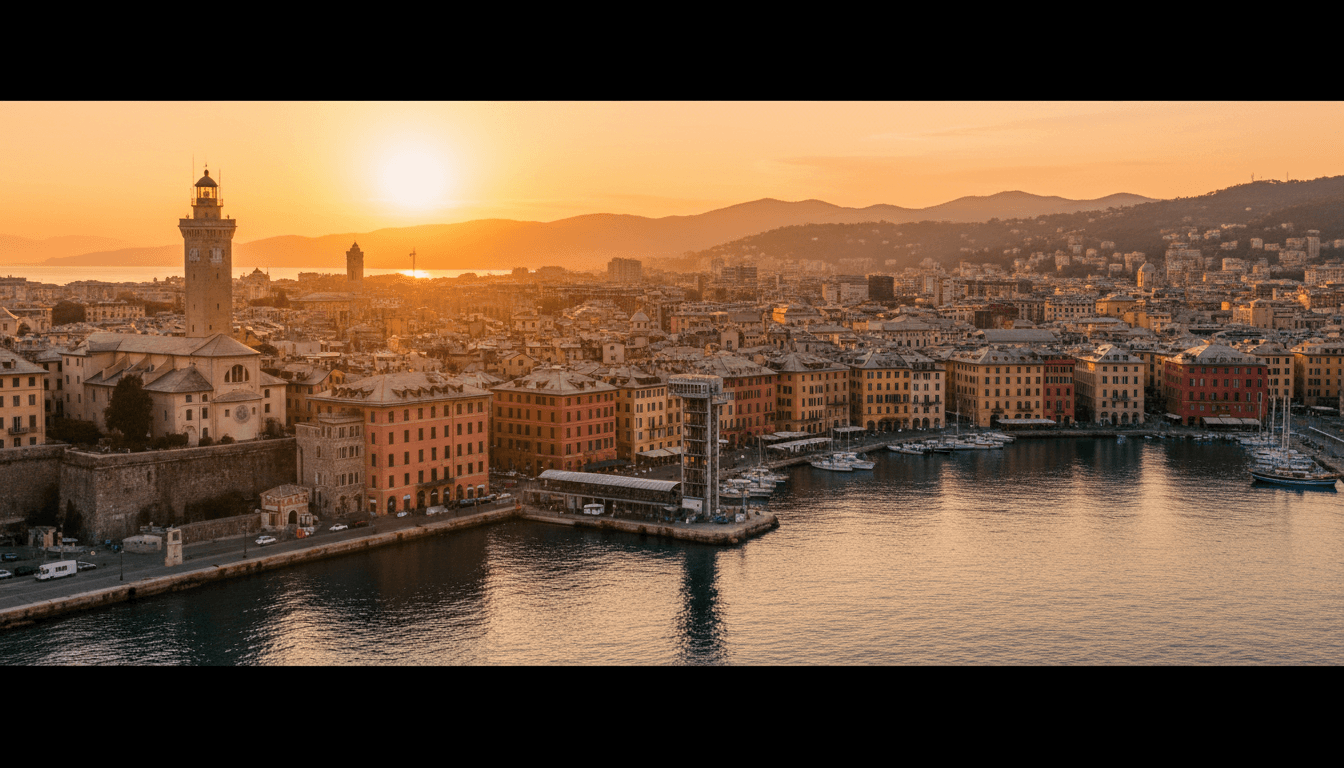
Top 10 Things to Do in Genoa During Your Home Swap: A Local's Guide to Italy's Hidden Gem

SwappaHome Editorial Team
Home Exchange & Slow Travel Editorial
Discover the top things to do in Genoa during your home swap—from secret focaccia spots to medieval alleyways. Your insider guide to Italy's most underrated city.
That first morning in my Genoa home swap apartment, I made a mistake that turned into the best accident of my trip.
I'd meant to find the famous focaccia place my host had circled on a hand-drawn map, but I got hopelessly lost in the caruggi—those impossibly narrow medieval alleyways that twist through the old town like a labyrinth designed by someone who'd had too much Ligurian wine. Twenty minutes later, I stumbled into a tiny piazza where an old man was selling focaccia from a window no bigger than a shoebox. Still warm. Olive oil glistening.
And I realized: getting lost in Genoa isn't a problem. It's the whole point.
If you're planning things to do in Genoa during your home swap, you're already ahead of most travelers who skip this city entirely on their way to Cinque Terre. Their loss, honestly. Genoa is raw, real, and utterly magnificent—a city that doesn't perform for tourists because it doesn't need to. It was once the wealthiest city in Europe, and that history drips from every palazzo, every frescoed ceiling, every crumbling aristocratic facade.
I've done home swaps in 25 countries. My month in Genoa ranks in my top five. Here's everything you need to know to make yours unforgettable.
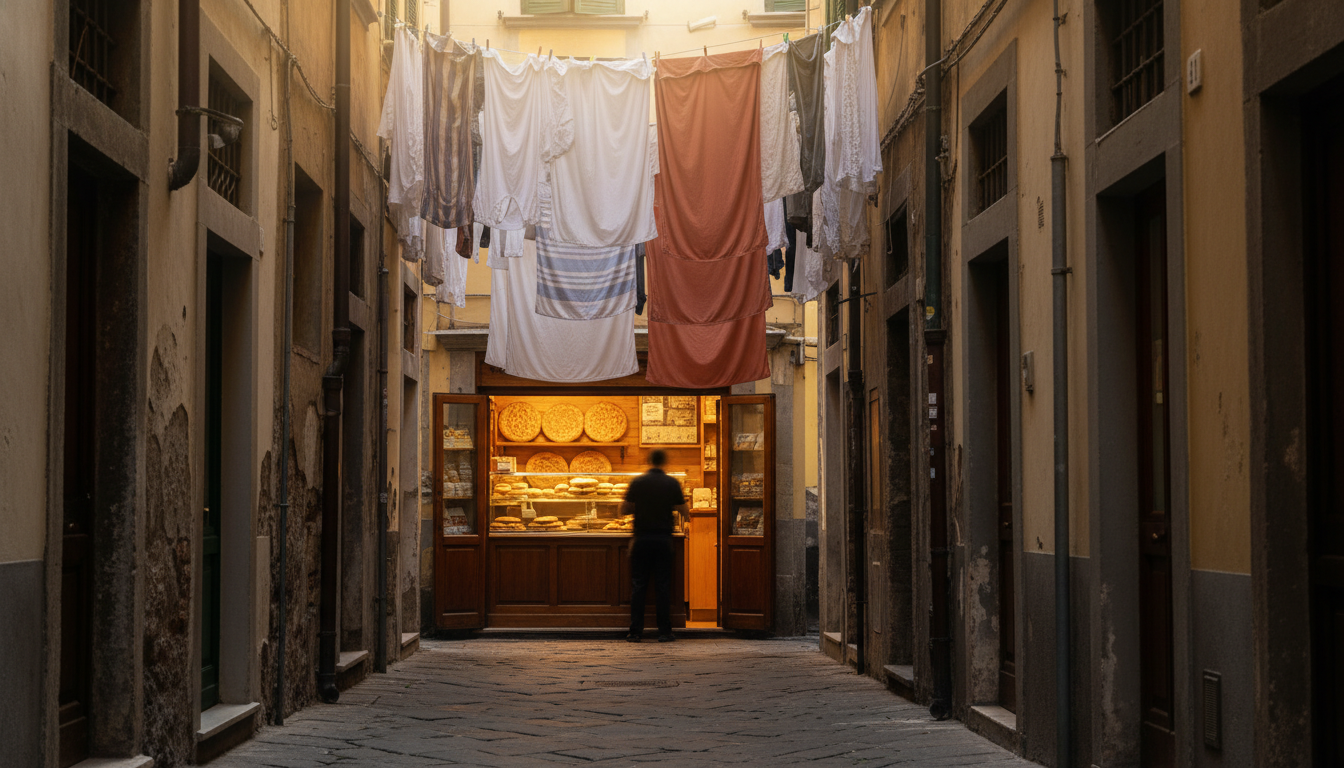 Morning light filtering through the narrow caruggi alleyways of Genoas centro storico, with laundry
Why Genoa is Perfect for a Home Swap Experience
So here's the thing about Genoa and home swapping—they're basically made for each other.
The practical stuff first: Genoa is significantly cheaper than Florence or Rome, but you're still getting world-class Italian everything—food, art, architecture, espresso that makes you wonder what you've been drinking your whole life. A hotel in the centro storico runs €150-200/night ($165-220 USD) for anything decent. With a home swap through SwappaHome? Zero for accommodation, and you're living like an actual Genovese.
But here's what really matters.
Genoa isn't a city you can experience from a hotel. The magic happens in the rhythms of daily life—shopping at the Mercato Orientale at 8 AM, knowing which bar has the best aperitivo, understanding that everything closes from 1-4 PM and that's not a problem, it's a feature. When you're staying in someone's apartment, you inherit their neighborhood. Their coffee spot. Their fruit vendor who starts recognizing you by day three.
My host, a retired architect named Marco, left me a notebook with his personal recommendations. Not the tourist stuff—the real stuff. The wine bar where you can get a glass of Pigato for €3. The pharmacy that's been open since 1648 (yes, really). The best bench for watching the sunset over the old port.
That notebook was worth more than any guidebook I've ever bought.
1. Get Gloriously Lost in the Centro Storico
Genoa's historic center is the largest medieval old town in Europe, and it's not a museum—it's a living, breathing, slightly chaotic neighborhood where people actually live. The caruggi were designed for medieval foot traffic and the occasional donkey, not for GPS navigation. Your phone will give up. Embrace it.
Start at Piazza De Ferrari, the main square, and just... walk. Don't plan a route. Turn left when something catches your eye. Duck into courtyards. Look up—always look up—because the frescoed ceilings of 16th-century palazzos are often visible through open windows.
The centro storico has a reputation for being sketchy, and I'll be honest: some alleys feel a bit rough, especially at night. But during the day? Completely fine. Use normal city awareness. Don't flash expensive jewelry. And remember that the same "gritty" atmosphere is what keeps this neighborhood authentic instead of Disneyfied.
Real talk: the area around Via del Campo (yes, the one from the famous Fabrizio De André song) has transformed in recent years. It's now full of artisan workshops, vintage shops, and genuinely cool bars. Check out La Lepre, a tiny wine bar that feels like drinking in someone's very stylish living room.
2. Eat Your Weight in Focaccia (A Scientific Approach)
I'm not exaggerating when I say Genovese focaccia ruined all other bread for me forever.
It's not like the thick, pillowy focaccia you get elsewhere in Italy. It's thin, crispy on the bottom, impossibly soft on top, and absolutely drenched in olive oil. The dimples hold little pools of salt and oil that you will dream about.
Here's the thing about finding the best things to do in Genoa—eating focaccia isn't just one activity. It's a research project. And I took it seriously.
Panificio Mario (Via San Vincenzo, 61) is my personal winner. The focaccia here has been made the same way for over 50 years. Get there before 10 AM or it's gone. A slab costs around €2.50 ($2.75 USD). Cash only.
Focacceria di Teobaldo (Via di Ravecca, 72) sits in the heart of the centro storico. They do a focaccia with onions that's almost savory-sweet, plus farinata—that chickpea pancake that's basically Ligurian street food perfection.
Antica Friggitoria Carega (Via di Sottoripa, 113) isn't technically focaccia, but you need to try their fried things. The frisceu (vegetable fritters) are legendary. This place has been frying since 1880.
Honestly? Just follow the locals. If you see a line of Italians outside a bakery at 7:30 AM, get in it. They know things.
3. Explore the Palazzi dei Rolli (UNESCO's Best-Kept Secret)
Here's something wild: Genoa has a UNESCO World Heritage Site that most tourists have never heard of.
The Palazzi dei Rolli are a collection of Renaissance and Baroque palaces that were essentially Genoa's version of Airbnb for visiting royalty. When a king or ambassador came to town, the city would literally roll dice (rolli = rolls/lists) to determine which noble family had to host them.
These palaces are insane. We're talking ceiling frescoes by Rubens. Marble staircases that took decades to build. Gardens hidden behind unassuming facades. And unlike the Uffizi or the Vatican, you can often wander through them without fighting crowds.
Start with Palazzo Rosso and Palazzo Bianco on Via Garibaldi (also called Strada Nuova). Combined ticket is €9 ($10 USD), and you get access to both plus Palazzo Tursi. The Flemish paintings in Palazzo Rosso are genuinely world-class—there's a Van Dyck that stopped me in my tracks.
If you're doing a home swap in Genoa during the Rolli Days (usually in May and October), you've hit the jackpot. Private palazzos that are normally closed to the public throw open their doors. I wandered into a 16th-century ballroom that's now someone's actual living room. The owner was just... sitting there, reading the newspaper, surrounded by Baroque frescoes.
Only in Genoa.
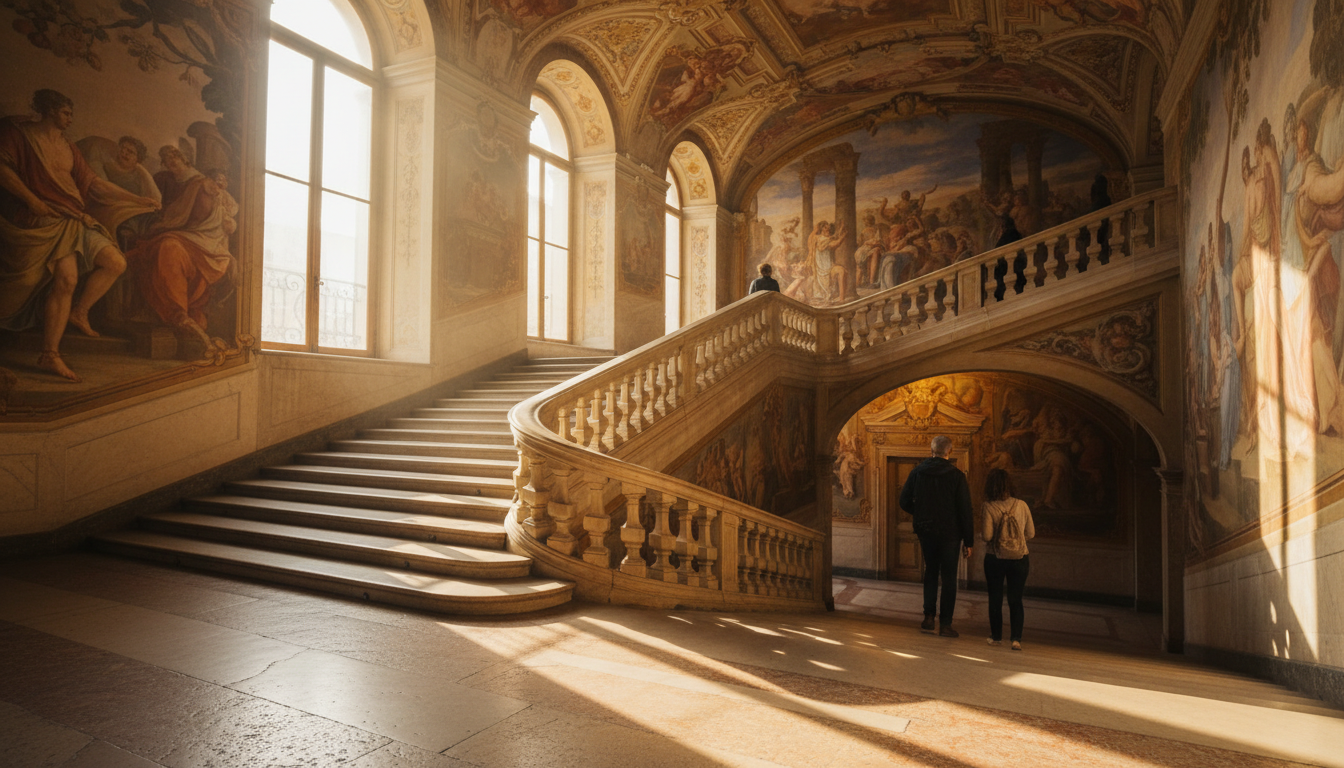 The grand marble staircase of Palazzo Rosso with sunlight streaming through tall windows, illuminati
4. Take the Funiculars to the Hills Above the City
Genoa is built on steep hills, and the Genovese solution to this geographic inconvenience is a network of funiculars and historic lifts that are both practical transportation and genuinely fun experiences. Your regular transit ticket (€1.50/$1.65 USD) works on all of them.
The Funicolare Zecca-Righi takes you from the city center up to Righi, where you get panoramic views of the entire city, the port, and on clear days, the mountains behind. There's a restaurant up there called Ristorante Righi where you can have lunch with a view that would cost you €200 in any other Italian city. Here, a plate of trofie al pesto runs about €12 ($13 USD).
The Ascensore di Castelletto is different—a vertical lift that deposits you on a terrace with arguably the most iconic view of Genoa. Go at sunset. Bring wine. Thank me later.
For a longer adventure, take the narrow-gauge railway to Casella, a village in the Ligurian hills. The train itself is from the 1920s and feels like time travel. The whole journey takes about 45 minutes, and you can hike back down through chestnut forests if you're feeling ambitious.
5. Master the Art of Pesto at Its Birthplace
You cannot leave Genoa without understanding pesto. And I don't mean eating it (though yes, obviously, do that constantly). I mean understanding it.
Genovese pesto is a protected product with specific rules. The basil must be young and small-leafed, grown in the hills above the city. The cheese is a mix of Parmigiano-Reggiano and Pecorino Fiore Sardo. The pine nuts should be Italian (not Chinese, which are cheaper but taste different). And traditionally, it's made in a marble mortar with a wooden pestle—the word "pesto" literally means "pounded."
If you're staying in a home swap apartment with a kitchen (and you should be), take a cooking class. Cucina Tradizionale Genovese offers small-group classes where you make pesto from scratch, then use it to dress trofie (the twisted Ligurian pasta) or spread it on focaccia. Classes run about €75 ($82 USD) and include lunch with wine.
Or do what I did: buy a marble mortar at the Mercato Orientale (around €25/$27 USD for a small one), get the ingredients from the same market, and follow the instructions your home swap host probably left you. My host Marco's recipe was three pages long and included opinions about which basil vendor to trust.
6. Wander the Porto Antico (But Skip the Tourist Traps)
Genoa's old port was transformed in 1992 by architect Renzo Piano (who's Genovese, by the way—the city is proud of him). It's now a waterfront area with the famous Aquarium, the Bigo panoramic lift, and various museums.
My honest take: the Aquarium is fine but overpriced (€27/$30 USD for adults) and crowded with school groups. Unless you're traveling with kids or have a specific interest in marine life, skip it.
What you should do instead—
Visit the Galata Museo del Mare, which tells the story of Genoa's maritime history and includes a fascinating exhibit on Italian emigration to the Americas. It's genuinely moving. You walk through a recreated ship steerage compartment and realize your great-grandparents might have made that journey. Entry is €17 ($19 USD).
Take the Bigo lift for a quick aerial view of the port. It's only €5 ($5.50 USD) and takes about 10 minutes.
Walk along the waterfront to the old lighthouse, the Lanterna. It's a 20-minute stroll and you can climb the tower for €8 ($9 USD). The view is worth it, especially if you time it for sunset.
And for the love of all that is holy, do not eat at the restaurants directly on the Porto Antico waterfront. They're tourist traps with mediocre food at inflated prices. Walk ten minutes into the centro storico and you'll eat twice as well for half the price.
7. Day Trip to the Italian Riviera (Without the Cinque Terre Crowds)
Look, I get it. Cinque Terre is famous for a reason. But if you're doing a home swap in Genoa, you have options that most tourists don't even know about.
Camogli is my favorite. It's a 30-minute train ride (€3.50/$3.85 USD each way) from Genoa Brignole station, and it's everything Cinque Terre promises but actually delivers: colorful houses tumbling down to a pebble beach, fresh seafood, no cruise ship crowds. Have lunch at Revello, a bakery famous for its focaccia col formaggio (focaccia stuffed with stracchino cheese). It's €4 ($4.40 USD) for a portion and it's transcendent.
From Camogli, you can take a ferry to San Fruttuoso, a tiny cove accessible only by boat or a serious hike. There's a medieval abbey, a small beach, and one restaurant. The ferry costs €7 ($7.70 USD) each way and takes 20 minutes.
Portofino is also reachable from Camogli by ferry (€9/$10 USD), and yes, it's touristy and expensive, but it's also genuinely gorgeous. Go, take your photos, have one overpriced Aperol Spritz (€15/$16.50 USD, I know), and then leave.
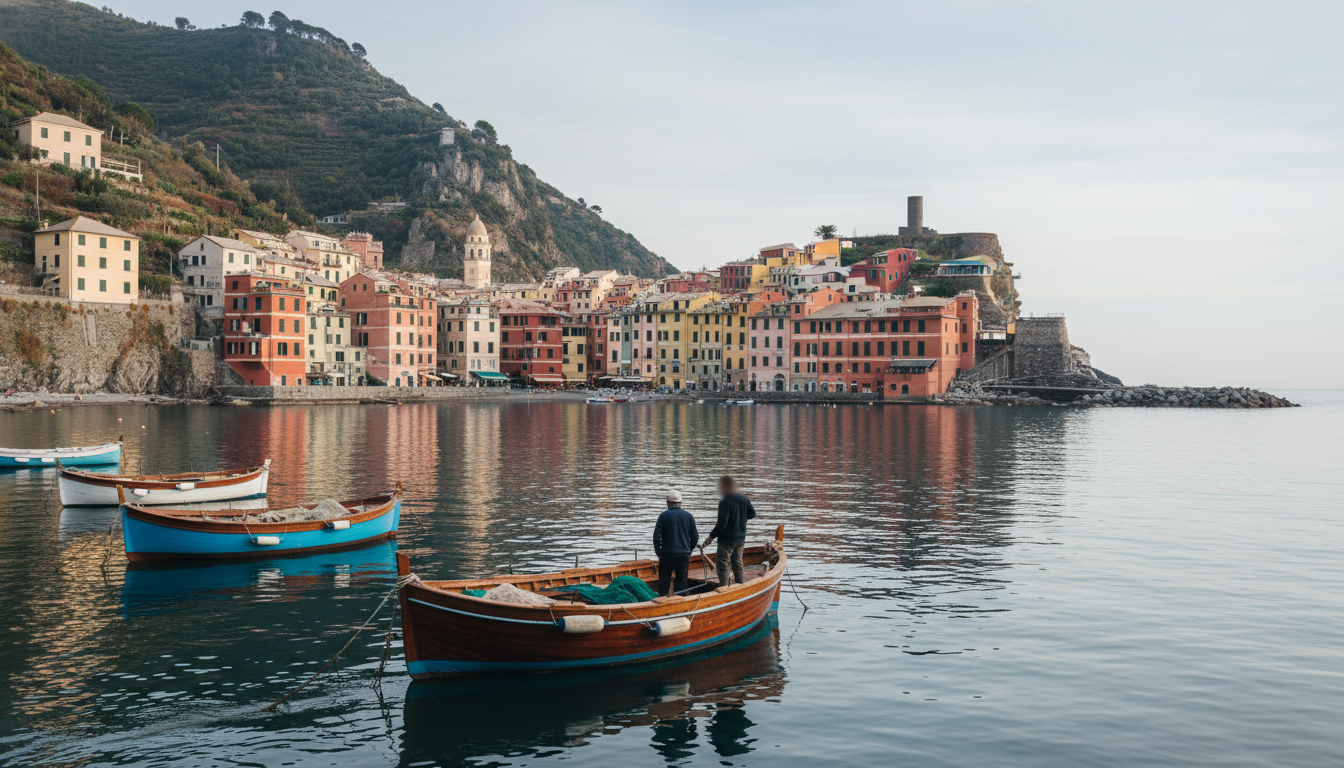 The colorful waterfront of Camogli with its painted houses reflecting in the calm morning sea, fishi
8. Experience Aperitivo Culture Like a Local
Aperitivo in Genoa isn't quite the buffet extravaganza you get in Milan, but it's arguably better because it's more authentic. The tradition here is simple: order a drink, get some snacks, spend two hours talking with friends as the evening unfolds.
The centro storico comes alive around 6 PM.
Mescite (Piazza delle Vigne) is a tiny wine bar in one of the most beautiful piazzas in the city. The owner knows every wine by name and will guide you to something perfect. Glasses start at €4 ($4.40 USD).
Les Rouges (Via Garibaldi, 17r) is slightly fancier, set in a gorgeous historic building. Great cocktails and an upscale crowd. Cocktails run €10-12 ($11-13 USD).
Bar Berto (Via Ravecca, 39r) has dive bar vibes, cheap drinks, locals only. A glass of wine is €2.50 ($2.75 USD) and the owner might challenge you to a card game.
The key is to not rush. Order one drink. Then maybe another. Watch the piazza. Talk to the person next to you. This is what living in Genoa feels like, and it's the whole reason you're doing a home swap instead of rushing through on a tour.
9. Visit the Cimitero Monumentale di Staglieno
Okay, hear me out. A cemetery might not be on your typical vacation list, but Staglieno is genuinely one of the most extraordinary places I've ever visited.
This 19th-century cemetery is essentially an open-air sculpture museum. The Genovese bourgeoisie competed to build the most elaborate tombs, commissioning the best sculptors of the era. The result is hundreds of life-sized marble figures—mourning widows, sleeping children, angels in various states of grief—that are hauntingly beautiful.
Mark Twain visited in 1869 and wrote that it was "a poem in marble." He wasn't wrong.
The cemetery is huge (over 160 acres), so give yourself at least two hours. Entry is free. Take bus 34 from Brignole station—it drops you right at the entrance. Go on a weekday morning when it's nearly empty and the light filters through the cypress trees.
10. Cook in Your Home Swap Kitchen (The Real Genovese Experience)
Here's the thing about home swapping that hotel travelers will never understand: having a kitchen changes everything.
In Genoa, this means shopping at the Mercato Orientale, a covered market that's been operating since 1899. Get there early (before 9 AM) for the best selection. The vendors are characters—there's a cheese guy who will let you taste everything if you show genuine interest, a fish seller who will tell you exactly how to cook whatever's freshest, a produce stand where the tomatoes actually taste like tomatoes.
Buy too much. That's the rule.
Then go back to your apartment and cook a simple Ligurian meal: trofie al pesto, maybe some grilled fish, a salad with the best olive oil you can find. Open a bottle of Vermentino (€8-12/$9-13 USD from any enoteca). Eat on the balcony if you have one, or at the kitchen table your host has probably set with nice dishes.
This is the moment when a trip becomes something else. You're not a tourist anymore. You're just... living here, for a little while.
Making the Most of Your Genoa Home Swap
A few practical notes before you go.
Getting there: Genoa has its own airport (GOA) with connections to major European hubs. But you can also fly into Milan Malpensa and take a train (2 hours, €15-30/$16-33 USD depending on train type).
Getting around: The centro storico is entirely walkable—in fact, cars can't access most of it. For the hills and suburbs, use the excellent bus and metro system. A day pass is €4.50 ($5 USD).
When to go: April-June and September-October are ideal. July-August is hot and many locals leave for vacation (which means some restaurants close, but also fewer crowds). Winter is mild and atmospheric, with Christmas markets and truffle season.
Language: English is less common here than in Florence or Rome. Learn some basic Italian phrases—the locals will appreciate the effort, and it'll unlock better experiences.
About that home swap: when you're browsing listings on SwappaHome, look for apartments in the centro storico or the Castelletto neighborhood (slightly uphill, gorgeous views, quieter). Both put you within walking distance of everything. The credit system means you're earning while you host and spending while you travel—one credit per night, simple as that.
My host Marco and I have stayed in touch. Last month, he messaged me about a new wine bar that opened near his apartment. "For your next visit," he wrote.
That's the thing about Genoa. It gets under your skin. And when you've lived there—even briefly, even through a home swap—it becomes a place you return to.
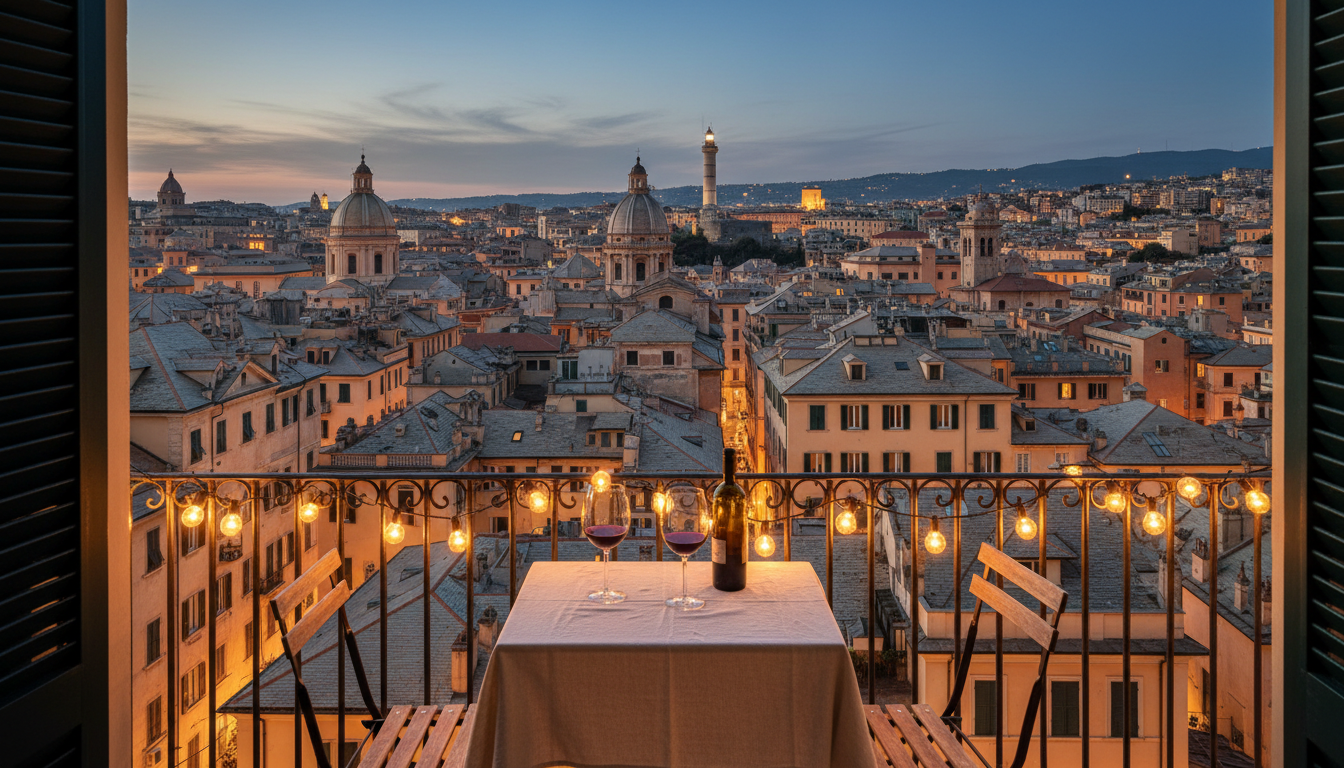 Evening view from a Castelletto apartment terrace overlooking the rooftops of Genoas centro storico,
Genoa isn't trying to impress you. It's too old and too proud for that. But if you show up with curiosity and time—especially the kind of time that a home swap gives you—it will reveal itself slowly, generously, unforgettably.
Start your search for Genoa home swaps on SwappaHome, and let me know if you find Marco's apartment. The view from his terrace is worth the journey alone.
Frequently Asked Questions
What are the best things to do in Genoa for first-time visitors?
For first-time visitors, the essential things to do in Genoa include exploring the medieval centro storico, eating focaccia at a traditional bakery, visiting the Palazzi dei Rolli (UNESCO World Heritage Sites), and taking a funicular to Righi for panoramic city views. Allow at least 3-4 days to experience the city properly.
Is Genoa worth visiting compared to other Italian cities?
Absolutely. Genoa offers authentic Italian experiences without the crowds of Florence or Rome. It's the birthplace of pesto, has Europe's largest medieval old town, world-class Renaissance palaces, and serves as a perfect base for exploring the Italian Riviera. Plus, it's significantly more affordable than other major Italian destinations.
How many days do you need in Genoa?
For a comprehensive Genoa experience, plan 4-5 days minimum. This allows time to explore the centro storico, visit museums, take day trips to Camogli or Portofino, and settle into the local rhythm. With a home swap, a week or more lets you truly live like a Genovese.
Is Genoa safe for tourists?
Genoa is generally safe for tourists. The centro storico has a gritty reputation, but daytime exploration is completely fine with normal city awareness. Avoid displaying expensive jewelry, stay aware in quieter alleys at night, and stick to well-lit areas after dark. The city sees far fewer tourists than other Italian destinations, so you won't be targeted as obviously.
What food is Genoa famous for?
Genoa is famous for pesto alla genovese (the original basil pesto), focaccia genovese (thin, olive oil-drenched flatbread), trofie pasta, farinata (chickpea pancake), and fresh seafood. The city's cuisine reflects its maritime history and Ligurian ingredients—basil, pine nuts, olive oil, and fresh herbs from the hills above the city.

Published by
SwappaHome
SwappaHome Editorial Team
Home Exchange & Slow Travel Editorial
The SwappaHome Editorial Team brings together travel research, home-exchange community insights, and platform data to produce practical guides for first-time and experienced home swappers. Every article cites real platforms, current market rates, and verifiable city-level facts so readers can make informed decisions without guessing.
Ready to try home swapping?
Join SwappaHome and start traveling by exchanging homes. Get 7 free credits when you sign up!
Related articles
Home Swap in Rome: Where to Find the Best Properties for Your Italian Exchange
Discover where to find the best home swap properties in Rome—from Trastevere's cobblestone charm to Testaccio's local authenticity. Real neighborhoods, real advice.

Home Swap in Bangkok: Where to Find the Best Properties for Free Stays
Discover where to find the best home swap properties in Bangkok—from riverside condos in Charoen Krung to family homes in Ari. Real neighborhoods, real savings.
Home Swap for Beach Lovers: 12 Coastal Destinations Ranked for 2026
Discover the best coastal destinations for home swapping in 2026. From Portugal's Algarve to Australia's Gold Coast, find your perfect beach exchange.