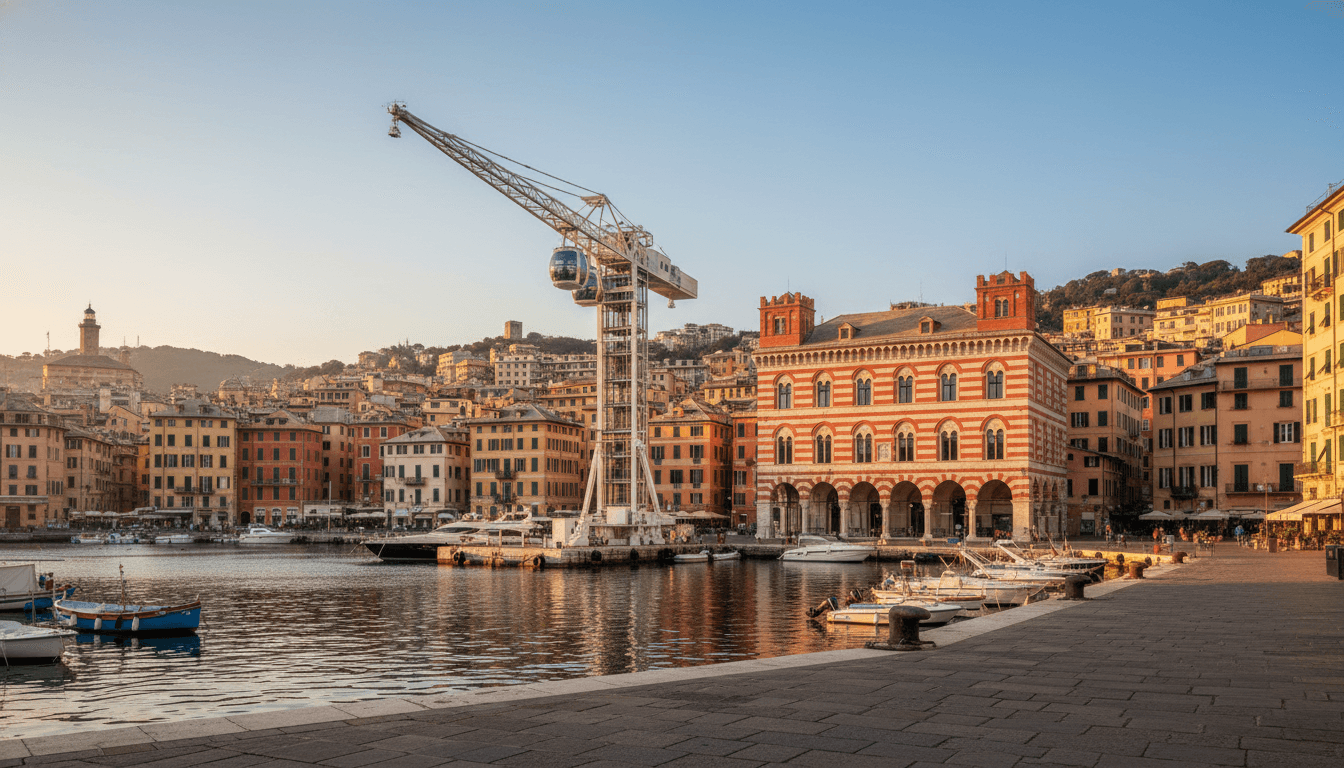
Home Swap in Genoa: Why Italy's Hidden Gem Is the New Favorite for Savvy Travelers

SwappaHome Editorial Team
Home Exchange & Slow Travel Editorial
Discover why home swap in Genoa is trending among travelers seeking authentic Italy without Rome prices. Local tips, best neighborhoods, and insider secrets.
The first time I walked through the caruggi—those impossibly narrow medieval alleyways of Genoa's old town—I got completely, hopelessly lost. My phone had no signal. The sky was just a sliver of blue between buildings that seemed to lean toward each other like old friends sharing secrets. And somewhere in that labyrinth, I stumbled into a tiny focacceria where a woman who must have been 80 handed me a slab of focaccia di Recco so good I nearly cried.
That was three years ago, during my first home swap in Genoa. I've been back twice since.
So here's the thing: Genoa is having a moment, and home exchange travelers are catching on faster than the hotel crowd. The numbers don't lie—I've seen a significant uptick in Genoa listings on SwappaHome over the past year, and the members who've stayed there? They're evangelical about it.
Why Home Swap in Genoa Is Suddenly Everywhere
Real talk: Genoa isn't trying to be the next Florence or Rome. It's not polished. It's not curated for Instagram. And that's precisely why it's becoming a magnet for home swap travelers who've grown tired of the tourist-industrial complex.
The city has this raw, unvarnished authenticity that you just don't find in Italy's more famous destinations anymore. When you do a home swap in Genoa, you're not staying in a "vacation rental" that's been optimized for turnover. You're staying in someone's actual apartment, in a neighborhood where actual Genoese people live, shop, and argue about football.
I stayed in a fourth-floor apartment in the Maddalena district last October. My host, Lucia, had left me a hand-drawn map of her favorite spots—the macelleria where she buys cotechino, the bar where the barista knows to make her caffè lungo, the bench in Piazza delle Erbe where she reads on Sunday mornings. That map was worth more than any guidebook.
And here's what makes Genoa perfect for home exchange: the cost of living is dramatically lower than northern Italy's tourist hotspots. A cappuccino in the centro storico runs about €1.50 (roughly $1.60 USD). A plate of trofie al pesto—and this is the birthplace of pesto, mind you—costs €10-12 ($11-13 USD) at a proper trattoria. Compare that to Venice, where you're paying €18-25 for the same dish while dodging cruise ship crowds.
Best Neighborhoods for Home Exchange in Genoa
Not all Genoa neighborhoods are created equal. Where you swap matters enormously for your experience. After three stays and countless conversations with local hosts, here's my honest breakdown.
Centro Storico: For the Adventurous First-Timer
The historic center of Genoa is one of the largest medieval old towns in Europe. It's a UNESCO World Heritage site, though it doesn't feel precious or museum-like. It feels alive—sometimes chaotically so.
Home swaps here put you in the thick of it. Expect apartments in Renaissance palazzi with soaring ceilings and slightly temperamental plumbing. The buildings are old. The staircases are steep. The charm is undeniable.
I'll be honest: the centro storico isn't for everyone. Some streets feel a bit rough, especially late at night. But the area has been steadily gentrifying, and the vibe is more "edgy-cool" than "sketchy." You'll find artisan workshops, natural wine bars, and some of the best street food in Italy alongside traditional shops that have been family-run for generations.
Castelletto: The Panoramic Choice
Want the Genoa experience with a bit more breathing room? Castelletto is your neighborhood. Perched on the hills above the centro storico, it's connected to the old town by a historic funicular (€1.50 each way, or about $1.60 USD) and offers absolutely ridiculous views of the city, the port, and the Ligurian Sea.
The home swaps here tend to be in elegant 19th-century buildings—think Belle Époque architecture, tree-lined streets, and a village-within-a-city feel. It's where well-to-do Genoese families have lived for generations. The trade-off? You're a funicular ride or a steep walk from the action. But honestly, that funicular ride at sunset is worth the trip alone.
Boccadasse: The Postcard Fishing Village
Technically part of Genoa but feeling like a separate world, Boccadasse is a tiny fishing village that's been absorbed into the city's eastern edge. Pastel houses. Pebbly beach. Gelato shops. Fishing boats pulled up on shore.
Home swaps here are rare and highly coveted. If you see one available on SwappaHome, grab it. The neighborhood is small—you can walk end to end in ten minutes—but it's the kind of place where you'll find yourself lingering for hours, watching the light change over the water.
Nervi: When You Want a Beach Escape
About 20 minutes from the center by train (€1.50, or $1.60 USD), Nervi is Genoa's eastern suburb and feels like the Italian Riviera's quieter, more sophisticated cousin. There's a stunning seaside promenade called the Passeggiata Anita Garibaldi, rose gardens, and a slower pace that makes it ideal for longer stays.
Home exchanges in Nervi often come with the kind of amenities you don't find in the centro storico: outdoor space, parking, maybe even a glimpse of the sea from your window. It's where Genoese families go for summer weekends.
What Makes Genoa Perfect for Home Exchange Travelers
I've done home swaps in over 25 countries, and Genoa hits a sweet spot that's hard to find elsewhere.
The Apartments Are Genuinely Interesting
Genoese residential architecture is unlike anywhere else in Italy. The city's wealth during its maritime republic days (we're talking 16th-17th century) meant that even middle-class families lived in buildings with frescoed ceilings, marble staircases, and ornate details that would be museum-worthy elsewhere.
When you do a home swap in Genoa, you're often staying in spaces with genuine historical character. My last swap was in a building where the entryway had original 17th-century frescoes—slightly faded, slightly crumbling, absolutely magnificent. You don't get that in a hotel.
The Food Scene Rewards the Local Approach
Genoa's food culture is deeply neighborhood-based. The best focaccia? It's at whoever's been making it for 40 years around the corner. The best pesto? The trattoria where the nonna still makes it by hand.
When you stay in someone's home, you inherit their local knowledge. Every host I've had has left recommendations that I never would have found otherwise. One pointed me to a tiny shop in the Mercato Orientale that sells fresh ravioli for €8/kilo ($8.70 USD)—hand-made that morning, filled with borage and ricotta. Another told me about a bar in Sottoripa that serves the best fried seafood cones for €5 ($5.40 USD), eaten standing up while watching the port.
It's a Gateway to the Italian Riviera
Genoa sits at the center of the Ligurian coast, which means you can easily day-trip to both the Cinque Terre (about 90 minutes by train, €10-15 or $11-16 USD round trip) and Portofino (30 minutes, €5 or $5.40 USD round trip). But here's the insider move: instead of fighting the crowds at those famous spots, explore the lesser-known villages.
Camogli is 20 minutes away and has the same pastel-house-on-the-water aesthetic as Portofino without the superyachts. Recco—where that life-changing focaccia di Recco was invented—is just beyond. Santa Margherita Ligure is elegant and walkable. You could spend a week doing day trips and barely scratch the surface.
How to Find the Perfect Genoa Home Swap
Alright, let's get practical.
Timing Your Search
Genoa isn't as seasonal as you might think. Yes, summer (June-August) is peak time, and you'll want to book 2-3 months ahead. But the city is genuinely lovely in shoulder seasons—April-May and September-October have ideal weather and fewer tourists. Even winter has its charms: the Christmas markets are low-key but authentic, and you'll have the museums to yourself.
The Salone Nautico (boat show) in late September brings crowds, so either plan around it or embrace the energy. Same goes for Euroflora, the flower show held every five years in Nervi's parks.
What to Look For in Listings
When browsing Genoa home swaps on SwappaHome, pay attention to floor level—many centro storico buildings don't have elevators, and a fifth-floor walk-up in a 400-year-old palazzo is charming until you're hauling groceries up those marble stairs. If mobility is a concern, filter for ground floor or elevator access.
Check the neighborhood carefully too. The centro storico is large and varied; some streets are lively and well-lit, others quieter after dark. Ask your potential host about the immediate area. And look for outdoor space—a small balcony or terrace is worth its weight in gold in Genoa, especially in summer. Even a tiny juliet balcony where you can have morning coffee changes the experience.
Reaching Out to Hosts
Genoese hosts, in my experience, appreciate directness and genuine interest in their city. When I message potential hosts, I always mention something specific about their listing or neighborhood. "I noticed you're near the Mercato Orientale—that's exactly the kind of area I love" goes further than a generic request.
I also ask about their favorite local spots. Not only does this help build connection, but their answers tell you a lot about whether you'll vibe with their place and their recommendations.
What to Expect From Your Genoese Home Exchange
Every home swap is different, but there are some Genoa-specific things worth knowing.
The Quirks of Old Buildings
Genoese apartments in historic buildings have character, which is a polite way of saying they have quirks. Hot water heaters are often small (Italians take quick showers). Air conditioning is rare in older buildings—look for ceiling fans and shutters, which work surprisingly well. The electrical systems can be... vintage. Your host will usually leave instructions about what not to run simultaneously.
None of this is a problem if you know what to expect. It's part of the experience of staying in a living, breathing historic city.
Communication Styles
Italians in general, and Genoese in particular, tend to be warm but not effusive in written communication. Don't be alarmed if messages are brief—it's a cultural thing, not unfriendliness. Once you meet in person (if you overlap with your host) or start exchanging practical details, you'll likely find them generous with advice and recommendations.
The Neighborhood Integration
One thing I love about home swapping in Genoa: you become, temporarily, part of a neighborhood. The woman at the alimentari will start recognizing you. The barista will remember your order. It happens faster than you'd expect, especially if you make an effort with basic Italian.
Learn "buongiorno" and "grazie mille" at minimum. Attempt to order in Italian even if you switch to English afterward. These small gestures matter enormously.
Beyond the Swap: Making the Most of Genoa
I could write 10,000 words on what to do in Genoa (and maybe I will someday), but here are the experiences I think home swap travelers specifically will appreciate.
The Palazzi dei Rolli
Genoa's system of noble palaces, built to host visiting dignitaries, is a UNESCO World Heritage site and genuinely mind-blowing. Many are now museums or public buildings, and you can wander through rooms with original frescoes, furniture, and art. The Palazzo Rosso, Palazzo Bianco, and Palazzo Doria-Tursi are clustered together on Via Garibaldi and can be visited on a combined ticket (€9, or about $9.80 USD).
The Aquarium and Porto Antico
Yes, it's touristy. Yes, you should go anyway. The Acquario di Genova is one of the largest aquariums in Europe, and the surrounding Porto Antico area—redesigned by Renzo Piano, a Genoa native—is genuinely pleasant for an afternoon stroll. The Bigo panoramic lift offers great views, and the Galata Museo del Mare tells the story of Genoa's maritime history.
The Markets
Mercato Orientale is the main covered market, and it's fantastic for fresh produce, cheese, and people-watching. But don't skip the smaller neighborhood markets—each has its own character. The fish market near the old port is particularly atmospheric if you can handle the 6 AM start time.
Day Trip to the Cinque Terre (But Smarter)
Everyone goes to the Cinque Terre, and for good reason. But here's my home-swapper hack: instead of joining the masses in Monterosso or Vernazza, take the train to Riomaggiore (the southernmost village) and hike north. Or better yet, explore the villages above the coast—Volastra, Groppo, Corniglia's upper town—where tourists rarely venture.
Bring a packed lunch from Genoa's markets. The focaccia travels well.
The Economics of Home Swapping in Genoa
Let's talk numbers, because this is where home exchange really shines.
A decent hotel in Genoa's centro storico runs €120-180 per night ($130-195 USD). An Airbnb in a good location is €80-150 ($87-163 USD) per night, plus cleaning fees and service charges. For a two-week stay, you're looking at €1,700-3,500 ($1,850-3,800 USD) just for accommodation.
With SwappaHome, that same two-week stay costs you 14 credits. If you've hosted guests at your own home, you've already earned those credits—one credit per night, regardless of your home's size or location. New members start with 7 free credits, so you could do a 10-night Genoa stay without hosting anyone first.
The savings compound when you factor in having a kitchen. Eating out for every meal in Italy adds up fast, even in affordable Genoa. With a home base, you can shop at the markets, cook some meals, and save your restaurant budget for the experiences that really matter.
Is Genoa Safe for Home Exchange?
I get this question a lot, so let me address it directly.
Genoa is a real city with real urban dynamics. The centro storico has some areas that feel edgier than others, particularly late at night. Petty theft exists, as it does in any European city. Use common sense: don't flash expensive jewelry, keep your phone secure, be aware of your surroundings.
That said, I've never felt unsafe in Genoa—and I'm a solo female traveler who's wandered the caruggi at all hours. The city has a strong neighborhood culture, which means there are always locals around, always eyes on the street. It's not the sanitized safety of a resort town; it's the lived-in safety of a place where people actually live.
For home exchanges specifically, SwappaHome's verification system and review structure help build trust. I always read previous reviews carefully and communicate thoroughly with hosts before confirming. If you want extra peace of mind, consider getting your own travel insurance that covers accommodation issues—it's a smart move for any extended trip.
Why Now Is the Time for a Genoa Home Swap
Genoa is changing. The city has been investing heavily in infrastructure and tourism development, and it's starting to appear on more travelers' radars. That's mostly good news—more flights, better train connections, more restaurants and cultural offerings. But it also means the window of "hidden gem" status is closing.
Right now, you can still have the experience I had three years ago: getting lost in medieval alleyways, discovering focaccerias that don't have English menus, feeling like you've found something that isn't in the guidebooks yet. The home swap community has been ahead of the curve on this, and the listings are growing.
I'm already planning my fourth Genoa swap for next spring. There's a listing in the Carmine neighborhood I've had my eye on—a top-floor apartment with a terrace and views of the Lanterna, Genoa's iconic lighthouse. The host is a retired architect who apparently leaves guests a bottle of local Pigato wine and a hand-annotated map of his favorite aperitivo spots.
That's the thing about home swapping in a place like Genoa. It's not just about free accommodation—though that's certainly nice. It's about entering into a city through someone else's life, seeing it through their eyes, inheriting their neighborhood and their rhythms. It's the opposite of tourism. It's more like... temporary belonging.
If you're curious about trying it, SwappaHome has a growing community of Genoa hosts and travelers. Browse the listings, reach out to a few hosts, see what resonates. The city is waiting—imperfect, unpolished, and absolutely worth the adventure.
Frequently Asked Questions
Is home swapping in Genoa safe for solo travelers?
Genoa is generally safe for solo travelers, including for home exchange stays. The centro storico has some quieter areas at night, but the strong neighborhood culture means locals are always around. Use standard city precautions, communicate thoroughly with your host about the specific area, and consider getting personal travel insurance for extra peace of mind.
How much can I save with home exchange in Genoa compared to hotels?
A two-week hotel stay in central Genoa costs approximately $1,850-3,800 USD. With SwappaHome, the same stay costs 14 credits (earned by hosting guests at your home). New members receive 7 free credits to start. Factor in kitchen savings on meals, and total trip savings can exceed $3,000 for a two-week stay.
What is the best neighborhood for a first home swap in Genoa?
The centro storico offers the most immersive experience with historic apartments and walkable access to attractions, though buildings are old and often without elevators. Castelletto provides a more residential feel with stunning views and funicular access to the old town. Both are excellent choices depending on your priorities.
When is the best time to do a home swap in Genoa?
April-May and September-October offer ideal weather, fewer tourists, and easier availability for home exchanges. Summer (June-August) is warmest but busiest—book 2-3 months ahead. Winter is quiet but atmospheric, with Christmas markets and museum access without crowds. Avoid late September if you want to skip the Salone Nautico boat show crowds.
Can I use Genoa as a base for visiting Cinque Terre?
Absolutely. Genoa is perfectly positioned for Cinque Terre day trips, with trains taking about 90 minutes and costing €10-15 ($11-16 USD) round trip. You'll benefit from lower accommodation costs, a more authentic Italian experience, and easy access to other Ligurian coast destinations like Portofino (30 minutes) and Camogli (20 minutes).

Published by
SwappaHome
SwappaHome Editorial Team
Home Exchange & Slow Travel Editorial
The SwappaHome Editorial Team brings together travel research, home-exchange community insights, and platform data to produce practical guides for first-time and experienced home swappers. Every article cites real platforms, current market rates, and verifiable city-level facts so readers can make informed decisions without guessing.
Ready to try home swapping?
Join SwappaHome and start traveling by exchanging homes. Get 7 free credits when you sign up!
Related articles
Home Swap in Rome: Where to Find the Best Properties for Your Italian Exchange
Discover where to find the best home swap properties in Rome—from Trastevere's cobblestone charm to Testaccio's local authenticity. Real neighborhoods, real advice.

Home Swap in Bangkok: Where to Find the Best Properties for Free Stays
Discover where to find the best home swap properties in Bangkok—from riverside condos in Charoen Krung to family homes in Ari. Real neighborhoods, real savings.
Home Swap for Beach Lovers: 12 Coastal Destinations Ranked for 2026
Discover the best coastal destinations for home swapping in 2026. From Portugal's Algarve to Australia's Gold Coast, find your perfect beach exchange.