How to Travel for Free with Home Exchange: The Complete 2024 Guide
Maya Chen
Travel Writer & Home Exchange Expert
Learn exactly how to travel for free with home exchange. From your first swap to becoming a seasoned exchanger, this guide covers everything you need to know.
I still remember sitting in my cramped San Francisco studio apartment, scrolling through hotel prices for a two-week trip to Portugal. $3,200 for something decent in Lisbon. My heart sank. That was my entire travel budget—just for a place to sleep.
Then my friend Sarah mentioned something that changed everything: "Why don't you just swap apartments with someone?"
That was seven years ago. Since then, I've stayed in 40+ homes across 25 countries, and I've spent exactly $0 on accommodation. Not a typo. Zero dollars. Learning how to travel for free with home exchange has genuinely transformed how I see the world—and my bank account.
Here's the thing—it's simpler than you'd think, and way more life-changing than I ever expected.
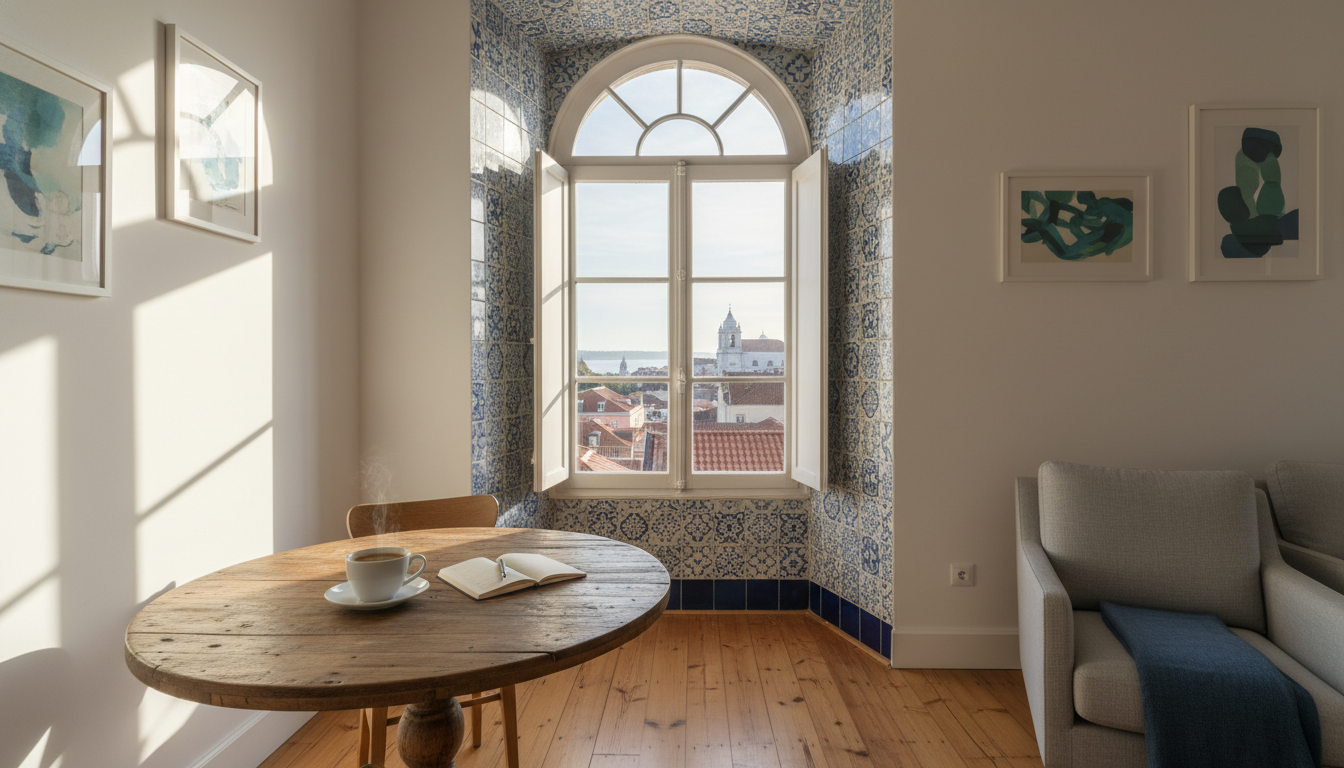 cozy apartment interior in Lisbons Alfama district with morning light streaming through traditional
What Is Home Exchange and How Does It Actually Work?
Home exchange is exactly what it sounds like—you let travelers stay in your home, and in return, you get to stay in theirs. But here's where it gets interesting: you don't necessarily have to swap directly with the same person.
Modern platforms like SwappaHome use a credit system that makes the whole thing incredibly flexible. When someone stays at my place in San Francisco, I earn credits. Then I can use those credits to book a stay anywhere in the world—a farmhouse in Provence, a beach apartment in Barcelona, a cozy flat in Tokyo. The math is beautifully simple: 1 night hosting = 1 credit earned. 1 night staying somewhere = 1 credit spent. Doesn't matter if you're offering a studio in Kansas City or a penthouse in Manhattan—it's always one credit per night.
This levels the playing field in a way that traditional home swapping never could. You're not trying to convince a Parisian apartment owner that your suburban home is an "equal trade." You're just being part of a community where everyone contributes and everyone benefits.
Why Home Exchange Beats Every Other Free Accommodation Option
I've tried the alternatives. Couchsurfed (fun at 25, less appealing at 32). House-sat for strangers' pets (great until you're cleaning up after a cat with digestive issues at 3 AM). Stayed in hostels where "private room" meant a curtain.
Home exchange is different because you're getting a real home. Not a spare couch. Not a room in someone's house while they're there. An actual, empty home with a full kitchen, comfortable bed, and—this is the part I love most—a neighborhood that feels like yours.
During my month in that Lisbon apartment (the trip that started it all), I had a favorite bakery. The owner learned my coffee order. I knew which market stall had the best sardines. That never happens in hotels.
 bustling morning scene at Mercado da Ribeira in Lisbon with vendors arranging fresh produce, locals
The Real Cost Savings (Let's Do the Math)
People ask me all the time: how much do you actually save traveling for free with home exchange? So let me break down a real trip.
Last October, I spent two weeks in Rome. A mid-range hotel in Trastevere would've run me $180 a night—that's $2,520 for 14 nights. An Airbnb in the same area? About $150 per night, so $2,100 plus cleaning fees and service charges. Home exchange cost me 14 credits. Zero dollars.
Over seven years and roughly 400 nights of travel, I've saved somewhere around $60,000 on accommodation. And that's being conservative—I've stayed in places that would easily run $300+ per night.
But honestly? The money is almost secondary. It's the experience that keeps me coming back.
How to Travel for Free: Getting Started with Home Exchange
Alright, let's get practical.
Step 1: Create a Listing That Actually Gets Responses
Your listing is your first impression, and I've seen too many people sabotage themselves with blurry photos and two-sentence descriptions. Take photos during the day with all your lights on and curtains open. Shoot from corners to make rooms look spacious. Include photos of the neighborhood—the coffee shop down the street, the park where you walk your dog, the view from your window.
For your description, think about what makes your place special to live in, not just sleep in. Do you have a balcony perfect for morning coffee? A kitchen stocked with spices? Walking distance to great restaurants? That's what travelers want to know.
I always include a section about the neighborhood. Something like: "You're three blocks from Dolores Park and a 10-minute walk to the best burrito in the city (La Taqueria—get the carnitas, trust me)."
Step 2: Earn Your First Credits
SwappaHome gives new members 10 free credits to start, which is enough for a solid week-long trip. But to keep traveling, you'll need to host.
Here's my advice: be generous with your first few guests. Respond quickly to requests. Be flexible with dates. Leave a bottle of wine and a handwritten note with your favorite local spots. Those first reviews matter. They're what convince future guests—and future hosts—that you're trustworthy.
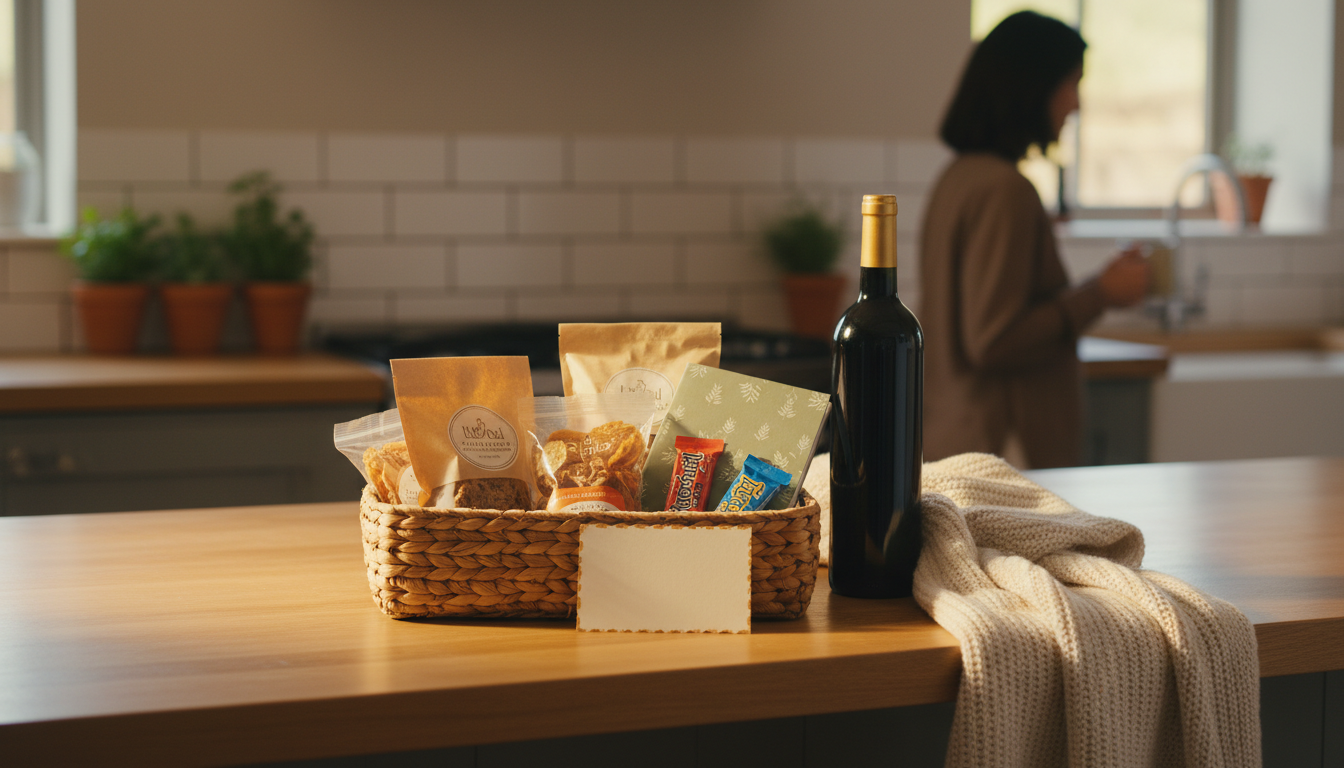 welcoming home exchange welcome basket on a kitchen counter containing local snacks, a bottle of win
Step 3: Book Your First Stay
Once you have credits (either from the sign-up bonus or from hosting), start browsing. I recommend being flexible on your first exchange—maybe choose three or four destinations you'd love and see what's available.
When you find a place that looks promising, read the reviews carefully. Look for mentions of cleanliness, communication, and accuracy of the listing. Then send a personalized message—not a generic "I'd like to stay at your place." Mention something specific about their home. Explain a bit about yourself. Ask a question or two. You're essentially introducing yourself to someone who's going to trust you with their home.
The Psychology of Successful Home Exchange
Here's something nobody talks about: home exchange works because of mutual vulnerability.
Think about it. You're trusting a stranger with your home—your books, your kitchen, your bed. They're trusting you with theirs. That creates a bond that doesn't exist in transactional travel.
In seven years, I've never had a bad experience. Not one. And I think it's because the people who are drawn to home exchange tend to be respectful, curious, and community-minded. They're not looking to trash a place and disappear. They're looking to experience a city like a local. SwappaHome's review system reinforces this—when you know your reputation follows you, you treat every home like you'd want yours treated.
What to Do Before You Leave Your Home
Leaving your home for strangers feels weird the first time. I get it.
First, create a "guest zone" and a "private zone." I have one closet that I lock—it has my important documents, expensive camera gear, and anything sentimental. Everything else? Fair game.
Second, write a house manual. I'm talking detailed. How to work the coffee maker. Which burner runs hot. Where to find extra towels. The WiFi password (obviously). What day the garbage goes out. Emergency contacts.
Third—and this is important—consider getting your own renter's or homeowner's insurance that covers short-term guests. SwappaHome connects you with other members, but it doesn't provide insurance or coverage for damages. Most standard home insurance policies can be extended to cover guests, and it's worth the peace of mind.
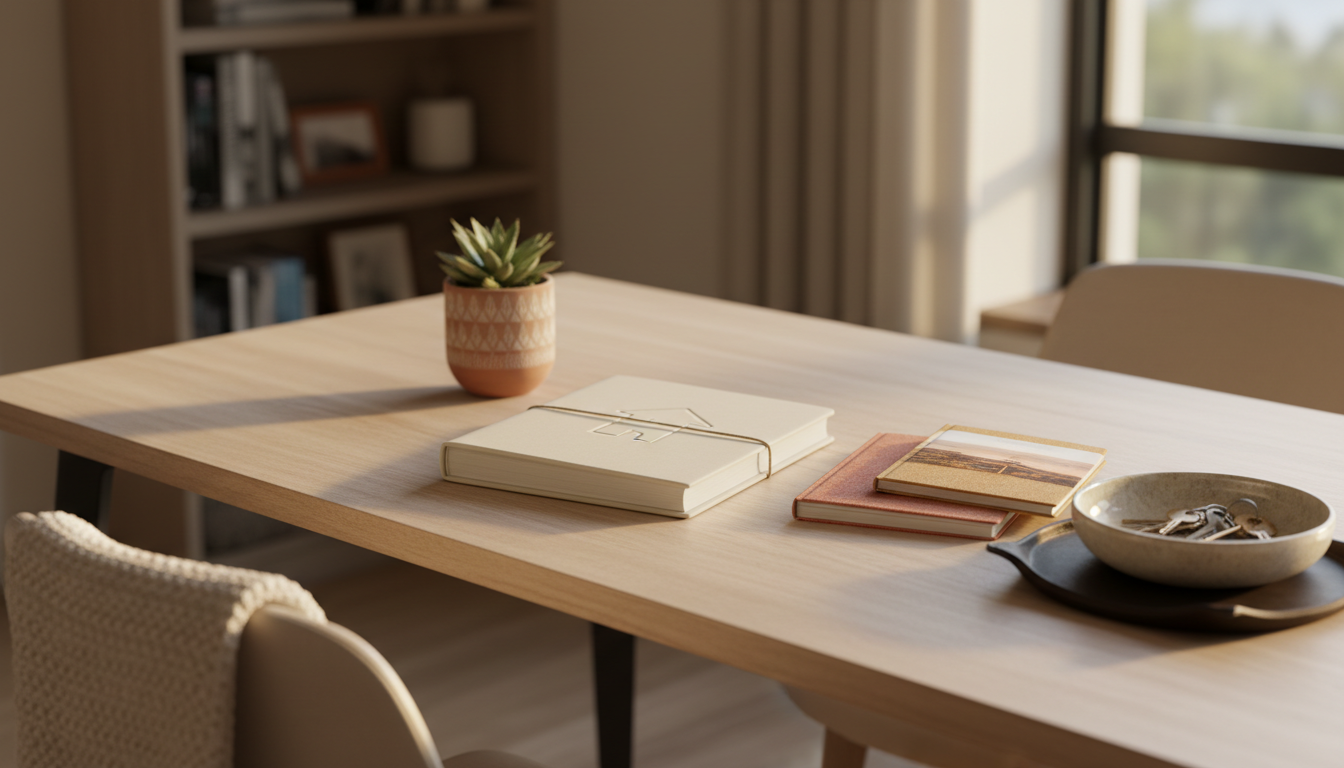 organized home office desk with a neatly printed house manual, local guidebooks, keys in a decorativ
How to Travel for Free in Expensive Cities
Let's talk about the destinations where home exchange really shines: the places where hotels are absurdly expensive.
I've done home exchanges in Paris (average hotel: $250/night)—stayed in a gorgeous apartment in Le Marais with a view of Place des Vosges. Tokyo ($200/night)—a compact but perfect flat in Shimokitazawa, walking distance to vintage shops and jazz bars. London ($280/night)—a Victorian terrace house in Notting Hill with a garden (!). Sydney ($220/night)—a beachside apartment in Bondi where I could hear the waves.
These are places where a two-week trip could easily cost $3,000-4,000 just for accommodation. With home exchange, I spent that money on experiences instead—cooking classes, museum passes, train tickets to nearby towns.
Building Your Home Exchange Strategy
After 40+ exchanges, I've developed a system that works pretty reliably.
Travel During Shoulder Season
The most popular destinations get flooded with requests during peak season. But in April or October? You'll have your pick of apartments in Barcelona, Rome, or Lisbon. Plus, the weather's usually still great and the crowds are manageable.
Host Strategically
I try to host during times when I'd be traveling anyway—or during local events that attract visitors. San Francisco during Dreamforce? Outside Lands weekend? Fleet Week? My apartment gets tons of requests. I stack up credits and use them for longer trips later.
Build Relationships
Some of my best exchanges have been with people I've connected with before. I stayed with a family in Copenhagen, and we've since done three exchanges. They know my place, I know theirs, and there's zero stress.
Be the Guest You'd Want to Host
Leave the place cleaner than you found it. Replace anything you use up. Write a thoughtful review. Send a thank-you message. This isn't just nice—it's strategic. Great reviews lead to more opportunities.
 traveler writing in a journal at a sunlit breakfast table in a European apartment, croissants and co
Common Home Exchange Fears (And Why They're Mostly Unfounded)
I've heard every objection.
"What if they steal my stuff?" In seven years and hundreds of exchanges within the community, I've heard of maybe two or three incidents—and they were minor. The review system creates accountability. People who mistreat homes don't last long in home exchange communities. That said, lock up your valuables and important documents. Just common sense.
"What if they damage something?" This is where your own insurance comes in. SwappaHome is a platform that connects members—it doesn't provide damage coverage or act as an intermediary for disputes. I always recommend having your own home insurance that covers guests, and I mention this to my guests too. In practice, the worst I've experienced is a broken wine glass.
"My place isn't nice enough." I've stayed in tiny studios and sprawling houses. What matters is that it's clean, comfortable, and accurately described. Someone in Paris might love the idea of experiencing a cozy Brooklyn apartment, even if it's small. Location and authenticity matter more than square footage.
"I don't want strangers in my space." This one's real, and I won't pretend it goes away entirely. But it fades. After a few exchanges, you stop thinking of them as strangers and start thinking of them as fellow travelers—people just like you who want to experience somewhere new.
The Unexpected Benefits of Free Travel Through Home Exchange
I started home exchanging to save money. I kept doing it for reasons I never expected.
There's the way you experience a city differently when you're living in a neighborhood instead of a tourist zone. You find the bakery that locals actually go to. You learn which metro exit puts you closest to your street. You start to feel, even briefly, like you belong.
There's the community aspect—the messages from hosts with restaurant recommendations, the notes left behind by previous guests, the sense that you're part of something bigger than a transaction.
And there's the freedom. When accommodation is essentially free, you can travel longer, more often, and more spontaneously. A friend mentions they're going to Portugal next month? You can just... go. Check what's available, use your credits, figure out the flights.
That Lisbon trip that started everything? I went for a month because I could. I couldn't have afforded two weeks in a hotel, but I could afford four weeks in someone's apartment, cooking my own meals, living like a local.
Your First Home Exchange: A Step-by-Step Timeline
Let me map out exactly how your first exchange might go.
8-12 weeks before: Create your SwappaHome profile and listing. Take great photos. Write a compelling description. Get verified.
6-8 weeks before: Start browsing destinations. Make a shortlist of 5-10 homes that interest you. Send personalized messages to hosts.
4-6 weeks before: Confirm your booking. Exchange contact information with your host. Start preparing your home for your incoming guest.
2 weeks before: Finalize your house manual. Do a deep clean. Stock basics like coffee, tea, and toilet paper. Confirm details with both your guest and your host.
Day of departure: Leave your keys as arranged. Send a message to your guest with any last-minute info. Head to the airport.
During your trip: Enjoy your free accommodation! Treat the home with respect. Message your host if you have questions.
After your trip: Leave a thoughtful review. Send a thank-you note. Start planning your next exchange.
Making Home Exchange a Lifestyle
Seven years in, home exchange isn't just something I do—it's how I travel. Period.
I've stayed in a converted barn in Tuscany surrounded by olive groves. I've woken up to the sound of church bells in a tiny Andalusian village. I've had a Tokyo local's collection of jazz records as my evening soundtrack. None of this would have been possible if I'd been paying $200 a night for hotels.
If you're curious about how to travel for free with home exchange, my honest advice is: just try it. List your place on SwappaHome, use those 10 free credits for a short trip somewhere you've always wanted to go, and see how it feels.
You might find, like I did, that it changes everything.
Frequently Asked Questions
Is home exchange really free?
Yes—you pay nothing for accommodation itself. SwappaHome uses a credit system where hosting earns credits and staying uses credits, always at a 1:1 ratio regardless of location or property size. New members get 10 free credits to start. Your only costs are platform membership and your travel expenses like flights and food.
How much money can you save with home exchange?
The average traveler saves $150-250 per night compared to hotels. For a two-week trip, that's $2,100-3,500 in savings. Over a year of regular travel, many home exchangers save $5,000-15,000 on accommodation costs alone, depending on how often and where they travel.
Is home exchange safe for solo travelers?
Absolutely. The review system creates accountability—members with poor reviews don't get bookings. I recommend reading reviews carefully, communicating thoroughly before your stay, and trusting your instincts. In seven years and 40+ exchanges, I've never felt unsafe. The community tends to attract respectful, like-minded travelers.
What if something gets damaged during a home exchange?
SwappaHome connects members but doesn't provide damage coverage or insurance. Most experienced exchangers recommend having your own home insurance that covers short-term guests, and communicating openly with your guests about house rules. In practice, damage is extremely rare because members know their reputation is at stake.
Can I do home exchange if I rent my apartment?
It depends on your lease. Many renters successfully do home exchange with their landlord's permission. Check your rental agreement, have an honest conversation with your landlord, and get written approval. Some landlords appreciate that you'll have a responsible adult in the property while you're away.
40+
Swaps
25
Countries
7
Years
About Maya Chen
Travel Writer & Home Exchange Expert
Maya is a travel writer with over 7 years of experience in the home swapping world. Originally from Vancouver and now based in San Francisco, she has completed more than 40 home exchanges across 25 countries. Her passion for "slow" and authentic travel led her to discover that true luxury lies in living like a local, not a tourist.
Ready to try home swapping?
Join SwappaHome and start traveling by exchanging homes. Get 10 free credits when you sign up!
Related articles
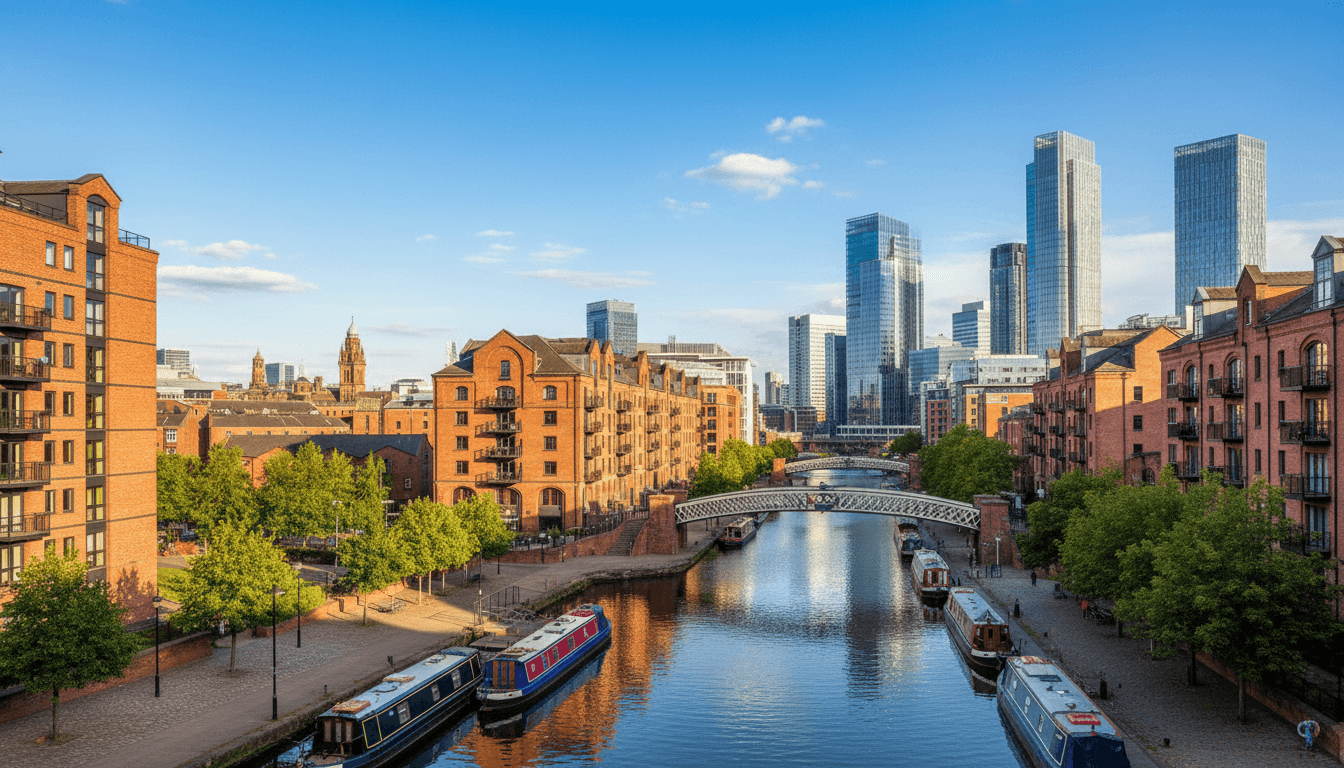
Home Swapping in Manchester: Is It Worth It? A Local's Honest Take
Manchester home swapping offers incredible value with its booming cultural scene and affordable living. Here's what 3 swaps taught me about this underrated city.

Spring Getaway to Prague: Home Swap Travel Tips for an Unforgettable Czech Adventure
Planning a spring getaway to Prague? Discover insider home swap travel tips, the best neighborhoods to stay, and how to experience the Czech capital like a local.

Home Swapping in Charleston: Is This Southern Gem Worth Your Credits?
Discover why Charleston is becoming a home swap hotspot—from historic downtown gems to beach house trades. Real tips from 40+ swaps.