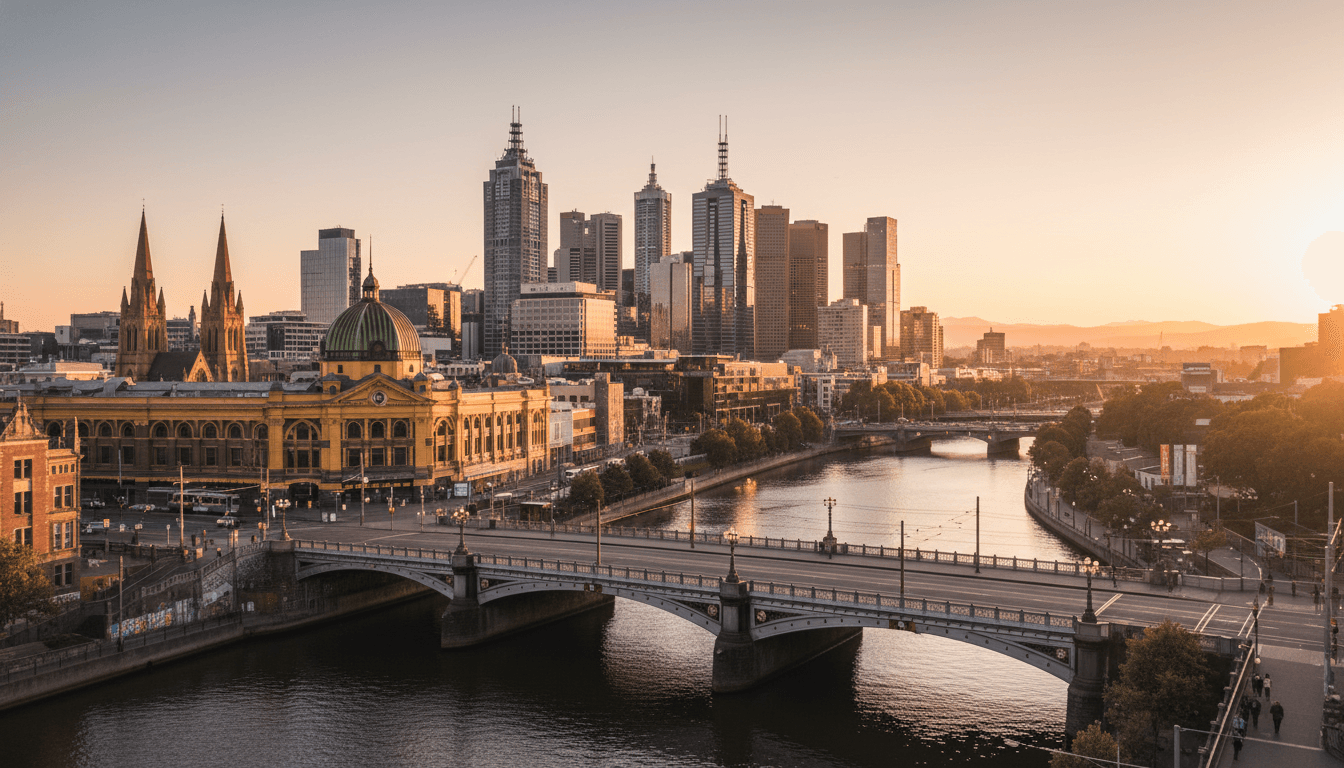
What to Do in Melbourne: The Home Exchange Activity Guide You Actually Need
Maya Chen
Travel Writer & Home Exchange Expert
Discover what to do in Melbourne like a local through home exchange. From hidden laneways to coastal walks, this insider guide covers activities you won't find in typical tourist guides.
I woke up at 5:47 AM on my first morning in Melbourne—jet lag doing its thing—and instead of staring at hotel walls, I padded barefoot into a stranger's kitchen in Fitzroy, made coffee with their fancy Breville machine, and watched the sunrise paint the Victorian rooftops gold. That moment right there? That's why home exchange changed how I travel.
If you're wondering what to do in Melbourne during a home swap, you're asking the right question. This city isn't about ticking off a checklist—it's about falling into its rhythm. Staying in a real Melbourne home, in a real neighborhood, with a local's recommendations scribbled on a notepad by the kettle? That's how you actually experience it.
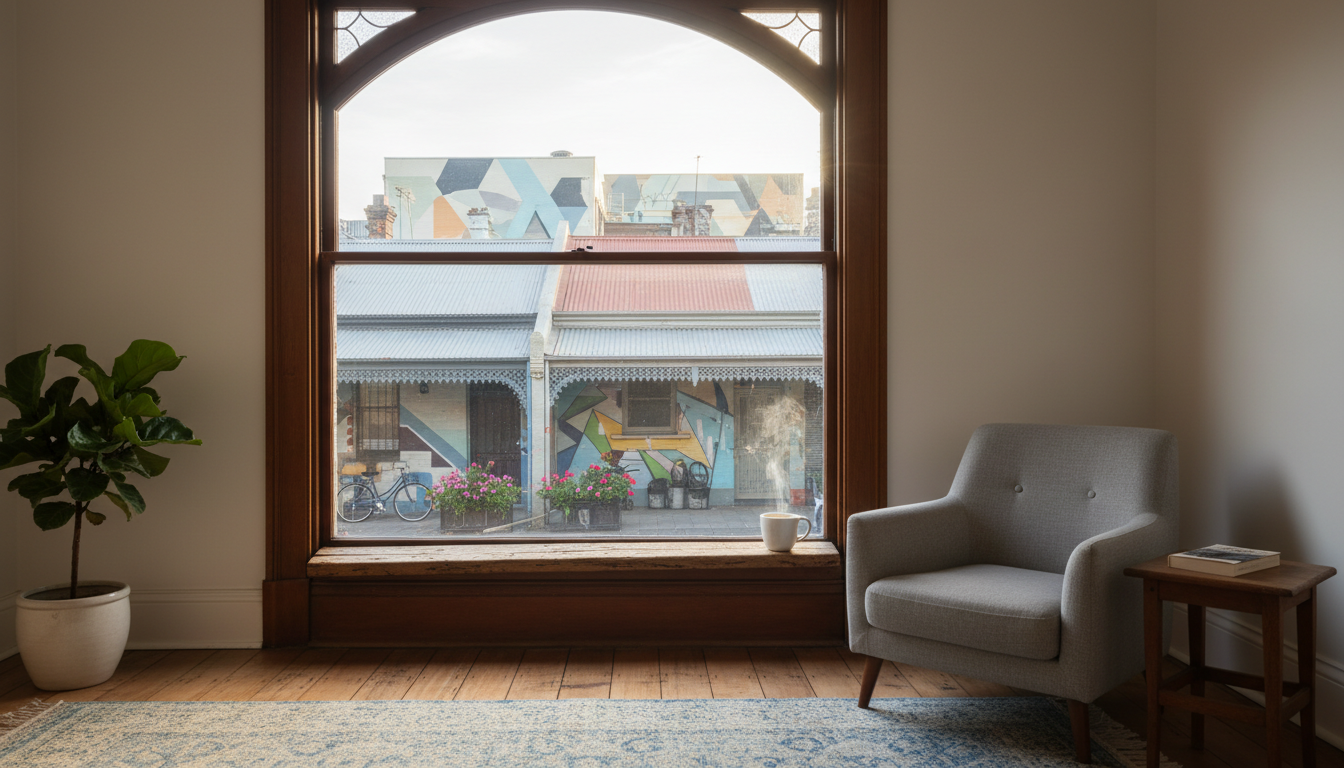 Early morning light filtering through the window of a Victorian-era terrace house in Fitzroy, coffee
I've done three home exchanges in Melbourne over the past four years, staying in suburbs most tourists have never heard of. Honestly, each trip felt like visiting a different city. So let me walk you through what to do in Melbourne when you're not staying in a soulless CBD hotel—when you've got a kitchen, a neighborhood, and time to actually live here.
Why Melbourne Hits Different When You're Home Swapping
Here's what nobody tells you about Melbourne: the best stuff isn't in the center. Sure, Federation Square is fine. The Yarra River is pretty. But the soul of this city lives in its inner suburbs—Fitzroy, Collingwood, Brunswick, St Kilda, Northcote, Footscray. These neighborhoods have their own personalities, their own coffee roasters, their own weekend markets.
When you do a home exchange in Melbourne, you land in one of these pockets. You become a temporary local. The barista starts recognizing you by day three. You discover that the best banh mi in the Southern Hemisphere is a seven-minute walk from your swap house. You figure out which tram to take without checking Google Maps.
I stayed in a two-bedroom apartment in Brunswick once, and my host left me a hand-drawn map of her favorite spots within walking distance. Seventeen places marked. Seventeen! A hotel concierge would've sent me to the same five restaurants every tourist visits.
The other thing about home swapping here? Melbourne is expensive. Like, genuinely shocking if you're coming from anywhere except Sydney or San Francisco. A decent hotel in the CBD runs $200-350 AUD ($130-230 USD) per night. A home exchange costs you one credit per night on SwappaHome—and you earn those credits by hosting travelers in your own place. Do the math on a two-week trip and you're saving $2,000-3,000 USD easily. That money goes a lot further when you're spending it on Melbourne's actual treasures: the food, the coffee, the live music, the day trips.
What to Do in Melbourne's Inner North: Fitzroy, Collingwood & Brunswick
If your home swap lands you in the inner north, congratulations—you've hit the jackpot for Melbourne activities. This is where the city's creative heart beats loudest.
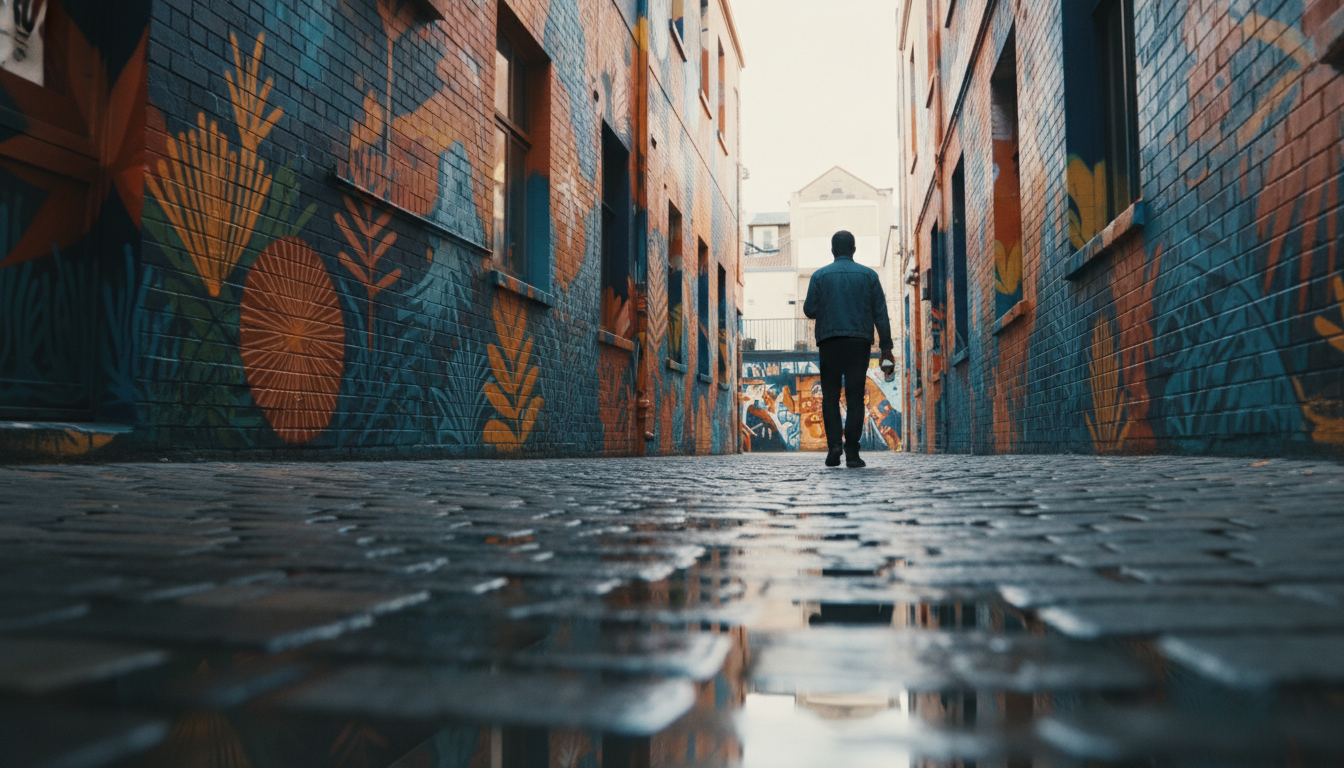 Colorful street art covering an entire building facade on a Fitzroy laneway, with a person walking p
Fitzroy: Where Coffee Culture Gets Serious
Fitzroy is where Melbourne's coffee obsession reaches its peak. I'm not exaggerating when I say you could spend an entire week just café-hopping here and never repeat a spot. Industry Beans on Rose Street does these wild coffee flights where you taste the same bean prepared three different ways. Auction Rooms on Errol Street has been roasting since before "specialty coffee" was a phrase. And if you want to understand why Melburnians are insufferable about their flat whites, order one at Market Lane Coffee and you'll get it.
But Fitzroy isn't just about caffeine.
Smith Street is the main artery—part grungy, part gentrified, entirely walkable. Start at the top near Alexandra Parade and wander south. You'll pass vintage shops selling 1970s leather jackets, Thai restaurants with lines out the door, wine bars that look like someone's living room, and at least three record stores.
The Rose Street Artists' Market runs every weekend (Saturday and Sunday, 11 AM - 5 PM) in a converted warehouse. It's not a tourist market—actual Melbourne artists sell ceramics, prints, jewelry, textiles. I bought a hand-thrown coffee mug there for $45 AUD ($29 USD) that I still use every morning.
Gertrude Street runs parallel to Smith, one block south, and it's quieter, more curated. This is where you find the galleries—Gertrude Contemporary, CAVES, smaller artist-run spaces that rotate shows monthly. Most are free. All are weird in the best way.
Collingwood: Industrial Cool Without the Pretense
Collingwood bleeds into Fitzroy so seamlessly you won't notice when you've crossed the boundary. But the vibe shifts slightly—more warehouses converted into breweries, more street art, more of that post-industrial Melbourne aesthetic.
Moon Dog World is worth an afternoon. It's a brewery, yes, but also a kind of fever dream—think giant inflatable dogs, a ball pit, arcade games, and some genuinely excellent craft beer. They do tours on weekends ($25 AUD / $16 USD including tastings). Even if you're not a beer person, the space itself is an experience.
For food, Easey's is a Melbourne institution—burgers served in a train carriage perched on a rooftop. Sounds gimmicky, but the burgers are actually good, and the view of the city skyline is unbeatable. Budget around $25-35 AUD ($16-23 USD) for a burger, fries, and drink.
Brunswick: The Slightly Scruffier Sibling
Brunswick is where I've done two of my Melbourne home swaps, and I'm biased—I think it's the best neighborhood in the city for actually living. Sydney Road runs through the middle, a chaotic mix of Middle Eastern bakeries, vintage furniture shops, music venues, and fabric stores that have been there since the 1960s.
The A1 Bakery does the best Lebanese bread in Melbourne. This isn't debatable. Get there early (before 10 AM) and grab a spinach fatayer and a za'atar manoushe, still warm. You'll spend maybe $8 AUD ($5 USD) and you'll think about it for years.
Brunswick is also Melbourne's live music heartland. The Retreat Hotel has free shows most nights—everything from indie rock to experimental jazz. The Brunswick Ballroom books bigger acts in a gorgeous art deco space. Check the gig guide at Beat Magazine (it's free, you'll find copies in every café) and plan your nights around what's playing.
What to Do in Melbourne's Bayside: St Kilda, Elwood & Brighton
If your home exchange is near the beach, your Melbourne experience will look completely different—and that's the beauty of this city.
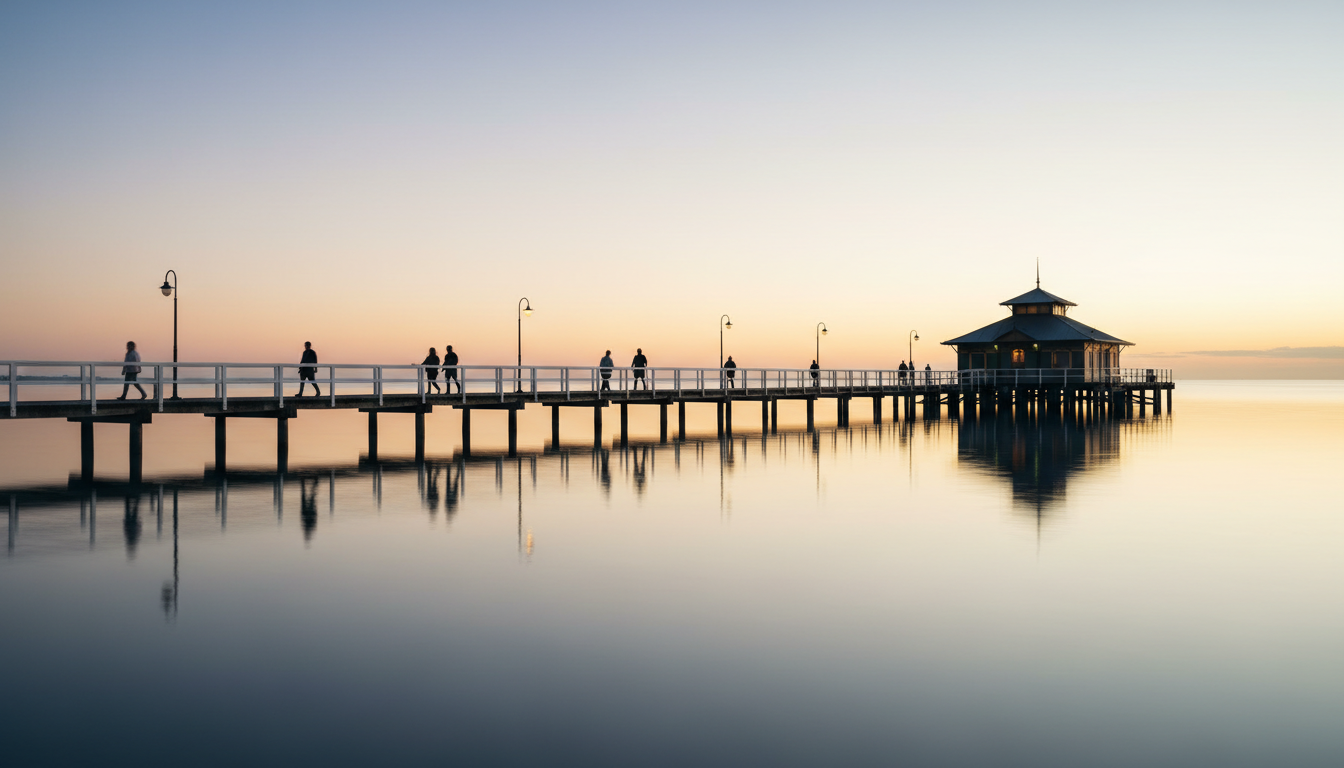 St Kilda pier at golden hour, silhouettes of people walking, the historic pavilion visible at the en
St Kilda: Faded Glamour Meets Beach Culture
St Kilda has this fascinating energy—part backpacker hub, part old-money seaside resort, part alternative arts scene. The foreshore is the obvious draw: a long esplanade perfect for morning runs or evening walks, Luna Park's creepy-smiling entrance, the Sunday market that stretches along the upper esplanade.
But here's what most visitors miss: the penguins.
At dusk, little penguins waddle up onto the St Kilda breakwater to nest. It's free to watch (just stay quiet and keep your distance), and it's genuinely magical. Get there about 30 minutes before sunset, walk to the end of the breakwater, and wait. Bring a jacket—it gets cold once the sun drops.
Acland Street is the main strip, famous for its cake shops. The Eastern European Jewish community that settled here in the mid-20th century left a legacy of bakeries that still operate today. Monarch Cake Shop has been doing the same chocolate kugelhopf since 1934. Get a slice ($7 AUD / $4.50 USD), sit on a bench, watch the trams rattle past.
For a proper meal, Lona Misa does incredible modern Mexican—their fish tacos are $24 AUD ($15 USD) and worth every cent. Or go casual at Galleon Café, a St Kilda institution that's been serving breakfast to hungover locals since 1989.
The Coastal Walk: Elwood to Brighton
One of my favorite Melbourne activities costs nothing: the coastal walking trail from St Kilda to Brighton. It's about 6 kilometers (3.7 miles), entirely flat, with the bay on one side and some of Melbourne's most expensive real estate on the other.
Start at St Kilda Beach, head south through Elwood (stop for a swim if it's warm—Elwood Beach is calmer than St Kilda), continue past Point Ormond (great for a coffee break at one of the cafés along Ormond Esplanade), and finish at Brighton Beach. Brighton is where you'll find the famous bathing boxes—those colorful wooden changing rooms that show up on every Melbourne postcard. They're photogenic, sure, but the real joy is watching the contrast between the carefully maintained boxes and the actual Melburnians using the beach: families with eskies full of beer, dogs chasing seagulls, teenagers pretending they're not freezing in the water.
What to Do in Melbourne's West: Footscray & Yarraville
The western suburbs are where Melbourne gets interesting—and where home exchange really shines, because you'd never think to book a hotel here.
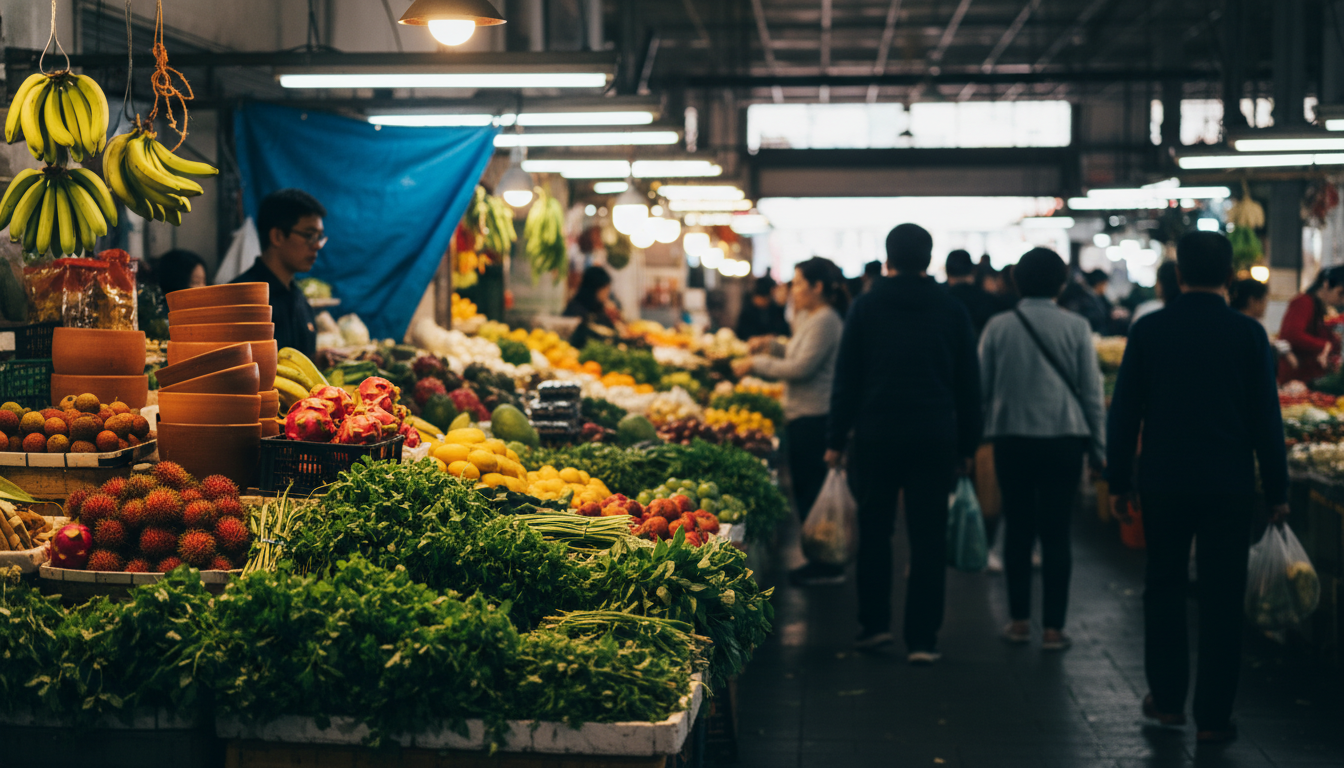 Bustling Footscray Market interior, Vietnamese produce stalls overflowing with fresh herbs and tropi
Footscray: Melbourne's Most Underrated Food Destination
I'll say it plainly: Footscray has better food than the CBD. The Vietnamese community here has been cooking for decades, and the quality is extraordinary.
Footscray Market is where you start. It's not pretty—it's a working market, fluorescent-lit and chaotic—but the produce is fresher and cheaper than anywhere else in Melbourne. The food court upstairs is legendary. Pho Hung Vuong does a beef pho for $14 AUD ($9 USD) that I'd put against any in Vietnam. Nhu Lan Bakery makes banh mi that people drive across the city for ($7 AUD / $4.50 USD).
Beyond the market, Little Saigon Market on Hopkins Street has even more Vietnamese food stalls. And if you want something different, Footscray's African community means you can find incredible Ethiopian, Eritrean, and Sudanese restaurants within walking distance. Aagan Restaurant does a stunning Ethiopian combination plate for $22 AUD ($14 USD).
Yarraville: The Village Within the City
Yarraville feels like a country town that accidentally ended up 7 kilometers from Melbourne's CBD. The main street, Anderson Street, has this perfect small-town vibe: an independent cinema (the Sun Theatre, an art deco gem from 1938), a handful of excellent cafés, a bookshop, a cheese shop.
The Sun Theatre deserves special mention. It's one of the most beautiful cinemas in Australia—all original 1930s details, velvet seats, a proper candy bar. They show mainstream releases and arthouse films. Tickets are $19 AUD ($12 USD), and the experience is worth triple that.
For food, Yarraville has punched above its weight for years. Circus Circus Café does a legendary breakfast (try the corn fritters, $23 AUD / $15 USD). 8bit does gourmet burgers with a retro gaming theme. And if you're there on a Saturday morning, the Yarraville Gardens Farmers Market is small but excellent—local producers, no tourist markup.
Day Trips That Actually Work from a Melbourne Home Base
One of the best things about home swapping in Melbourne is having a base for day trips. You're not checking out of a hotel, dragging luggage around—you leave your stuff, take a day bag, and explore.
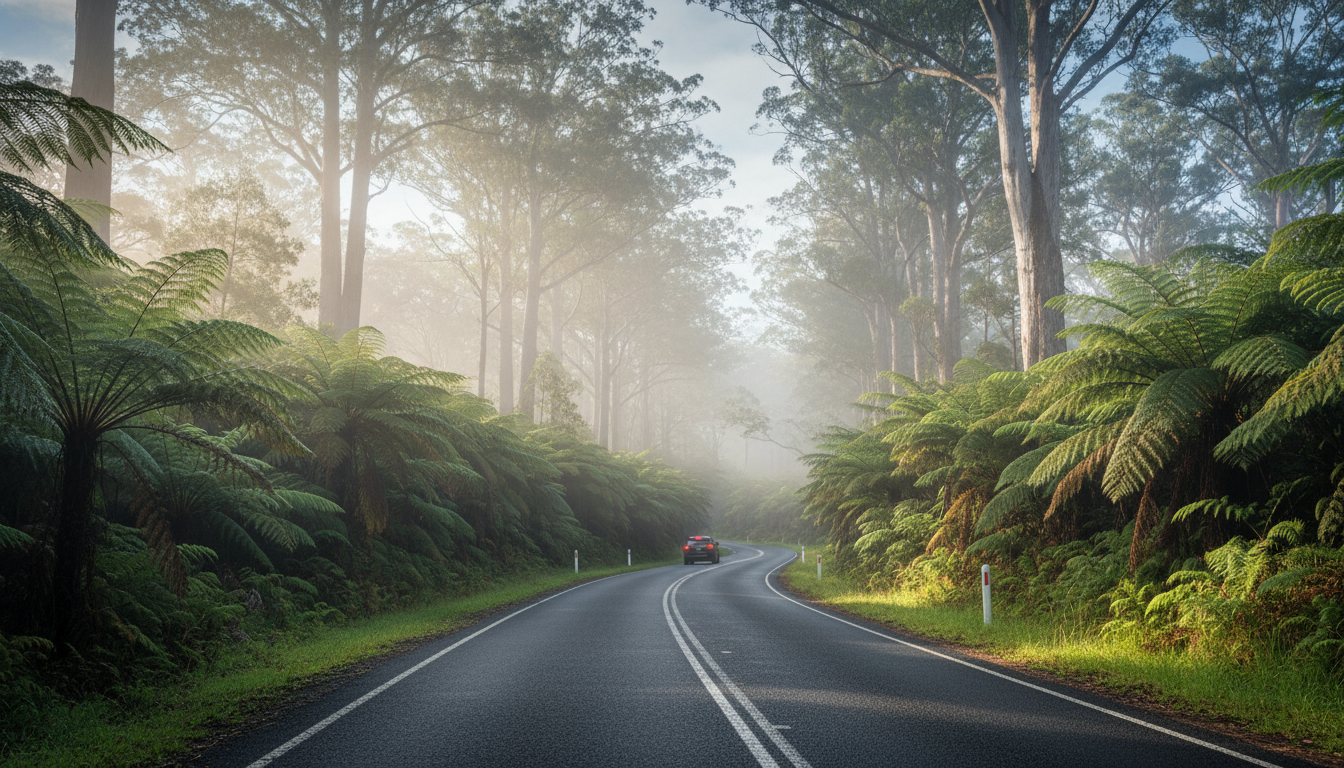 Winding road through lush green fern gullies in the Dandenong Ranges, morning mist visible between t
The Dandenong Ranges: Forest Escape in 45 Minutes
The Dandenongs are Melbourne's backyard mountains—rolling hills covered in temperate rainforest, cute villages with antique shops and tea rooms, walking trails through towering mountain ash trees.
Take the train to Belgrave (about 1 hour from Flinders Street Station, $6.70 AUD / $4.30 USD with a Myki card), then ride Puffing Billy, a heritage steam train that winds through the forest. It's touristy, yes, but genuinely fun—especially if you sit with your legs dangling out the open carriages. A return ticket costs $62 AUD ($40 USD) for adults.
Or skip the train and hike the 1000 Steps in Ferntree Gully—a memorial walk that climbs through the forest. It's challenging (those steps are real), but the fern gullies at the top feel like another world. The walk takes about 45 minutes up, 30 minutes down.
The Great Ocean Road: Yes, It's Worth the Hype
I know, I know—the Great Ocean Road is on every tourist list. But there's a reason. The Twelve Apostles really are that dramatic. The road itself, carved into cliffs above the Southern Ocean, really is that scenic.
The catch: it's a long day if you're driving yourself (about 4-5 hours each way if you want to stop and actually see things). Consider an overnight trip instead—stay in Lorne or Apollo Bay, break up the drive, catch a sunrise at the Apostles when the crowds are thin.
If you only have one day, leave Melbourne by 7 AM. Stop in Torquay for coffee, walk the beach at Bells Beach (even if you don't surf, watching is mesmerizing), have lunch in Lorne (Swing Bridge Café does great fish and chips, $22 AUD / $14 USD), continue to the Apostles, and drive back via the inland route to save time. Petrol for the day runs about $80-100 AUD ($52-65 USD) depending on your car. Or join a small group tour—they start around $150 AUD ($97 USD) per person including lunch.
The Mornington Peninsula: Wine, Beaches, Hot Springs
The Mornington Peninsula is where Melburnians go on weekends—wineries, beaches, and the Peninsula Hot Springs, which are exactly as indulgent as they sound.
The hot springs deserve a half-day minimum. Entry to the bath house starts at $45 AUD ($29 USD) on weekdays, $65 AUD ($42 USD) on weekends, and you can spend hours moving between pools of different temperatures, some with views over the hills. Book in advance—it gets busy.
For wine, the peninsula does excellent pinot noir and chardonnay. Most cellar doors charge $10-15 AUD ($6.50-10 USD) for tastings, usually waived if you buy a bottle. Montalto is beautiful (and has a great restaurant), but I prefer smaller producers like Paringa Estate or Yabby Lake.
Melbourne Activities That Cost Nothing (or Almost Nothing)
Home swapping already saves you a fortune on accommodation. Here's how to stretch that further.
The National Gallery of Victoria (NGV) is free for the permanent collection—and it's world-class. The Australian art collection at NGV Australia (Federation Square) is essential; the international collection at NGV International (St Kilda Road) is equally impressive. Budget a full morning for each.
The Royal Botanic Gardens are free, beautiful, and perfect for a picnic. Enter from the Shrine of Remembrance side, walk through the gardens, exit near the Yarra River, continue along the Birrarung Marr trail back to the city. It's a 5-kilometer loop that shows you Melbourne's green heart.
Laneways are free, obviously, and they're Melbourne's most famous feature. Hosier Lane for street art (yes, it's crowded, but the art changes constantly). Centre Place for coffee. Degraves Street for people-watching. Hardware Lane for outdoor dining. AC/DC Lane for... well, AC/DC fans.
The Queen Victoria Market runs Tuesday through Sunday, and wandering is free. Go on a Saturday morning, get a $5 AUD ($3.25 USD) borek from the deli hall, watch the fruit vendors yell prices, browse the vintage section for treasures.
Live music in Melbourne is often free or cheap. Many pubs have no cover charge for local bands. Check the gig guide, pick a venue in your neighborhood, show up with $20 for a couple of beers, and see what happens. Some of my best Melbourne nights started exactly this way.
Practical Tips for Your Melbourne Home Exchange
After three swaps here, I've learned a few things the hard way.
Get a Myki card immediately. Melbourne's public transport runs on this tap-on-tap-off system. You can buy a card at any 7-Eleven ($6 AUD / $4 USD for the card, then top up as needed). A daily cap means you'll never pay more than $10.60 AUD ($6.85 USD) per day for unlimited travel within the city zones.
Trams in the CBD are free. The entire city center is a "Free Tram Zone." Use it.
Coffee culture is real. Don't order a "regular coffee"—you'll get a long black or a flat white depending on who's serving. Learn the lingo: flat white (espresso with steamed milk, less foam than a latte), long black (espresso with hot water, like an Americano but different), magic (a smaller, stronger flat white). And never, ever ask for Starbucks.
Weather is unpredictable. Melbourne's "four seasons in one day" reputation is earned. Pack layers, always carry a light jacket, and don't trust the morning sun—it might be hailing by lunch.
The CBD isn't the city. I can't stress this enough. If you spend your whole trip in the central business district, you've missed Melbourne. Get on a tram, pick a direction, explore the suburbs. That's where the real city lives.
Leave notes for your next swap. When I stay somewhere, I always add to the host's recommendation list. That café I discovered, that shortcut to the tram stop, that sunset spot nobody knows about. It's how the home exchange community keeps getting better.
Speaking of which—if you're not already on SwappaHome, this is your sign. Melbourne has hundreds of homes listed, from beachside apartments in St Kilda to Victorian terraces in Fitzroy to modern townhouses in the western suburbs. The credit system means you don't need a direct swap; host someone in your place, earn credits, use them to book a Melbourne home.
Melbourne rewards the curious. It rewards people who wander without a plan, who say yes to the weird gallery opening, who follow the sound of live music down a laneway. And it rewards people who stay long enough to feel the rhythm—to know which café does the best eggs, which tram is always late, which park catches the afternoon light just right.
A hotel can't give you that. A home exchange can.
So go. Book the swap. Wake up in someone else's kitchen, make coffee in the early light, and let Melbourne show you what it's really about.
Frequently Asked Questions
What are the best things to do in Melbourne for free?
Melbourne offers excellent free activities including the National Gallery of Victoria's permanent collection, the Royal Botanic Gardens, street art laneways like Hosier Lane, and wandering the Queen Victoria Market. Many pubs also host free live music, and the CBD's Free Tram Zone lets you explore the city center without transport costs.
How much should I budget per day for activities in Melbourne?
For a comfortable Melbourne day including transport, food, and one paid activity, budget $80-120 AUD ($52-78 USD). This covers Myki transport ($10.60 AUD daily cap), café breakfast ($20-25 AUD), lunch ($15-20 AUD), and one attraction like a gallery exhibition or market entry. Home exchange accommodation eliminates the biggest expense.
Is Melbourne worth visiting for a week?
Absolutely—a week is ideal for Melbourne. You'll have time to explore multiple neighborhoods (Fitzroy, St Kilda, Brunswick), take day trips to the Great Ocean Road or Mornington Peninsula, and settle into the city's café culture and live music scene. Staying via home exchange in a local neighborhood maximizes this experience.
What is the best neighborhood to stay in Melbourne?
For first-time visitors, Fitzroy or St Kilda offer the best balance of activities, food, and atmosphere. Fitzroy suits those who love coffee culture, street art, and live music. St Kilda works better for beach lovers and those wanting a more relaxed vibe. Both have excellent public transport connections to the CBD.
When is the best time to visit Melbourne?
March through May (autumn) and September through November (spring) offer the most pleasant weather and fewer crowds. Summer (December-February) brings festivals and beach weather but also heat waves and peak prices. Winter (June-August) is cool and rainy but perfect for cozy café-hopping and cheaper accommodation.
40+
Swaps
25
Countries
7
Years
About Maya Chen
Travel Writer & Home Exchange Expert
Maya is a travel writer with over 7 years of experience in the home swapping world. Originally from Vancouver and now based in San Francisco, she has completed more than 40 home exchanges across 25 countries. Her passion for "slow" and authentic travel led her to discover that true luxury lies in living like a local, not a tourist.
Ready to try home swapping?
Join SwappaHome and start traveling by exchanging homes. Get 10 free credits when you sign up!
Related articles
Lyon Home Exchange: Your Complete Guide to France's Hidden Gem for Home Swapping
Discover why Lyon home exchange is booming among savvy travelers. From Croix-Rousse to Presqu'île, find the best neighborhoods and insider tips for your swap.
Zurich Bucket List: 47 Unforgettable Experiences to Enjoy During Your Home Swap
Discover the ultimate Zurich bucket list for home swappers—from secret swimming spots to fondue rituals locals actually do. Save thousands while living like a true Zürcher.
Dublin Home Exchange Utilities Guide: WiFi, Heating & Everything Your Guests Need
Master Dublin home exchange utilities—from dodgy WiFi fixes to heating quirks. Practical tips from 7 years of swapping homes across Ireland.