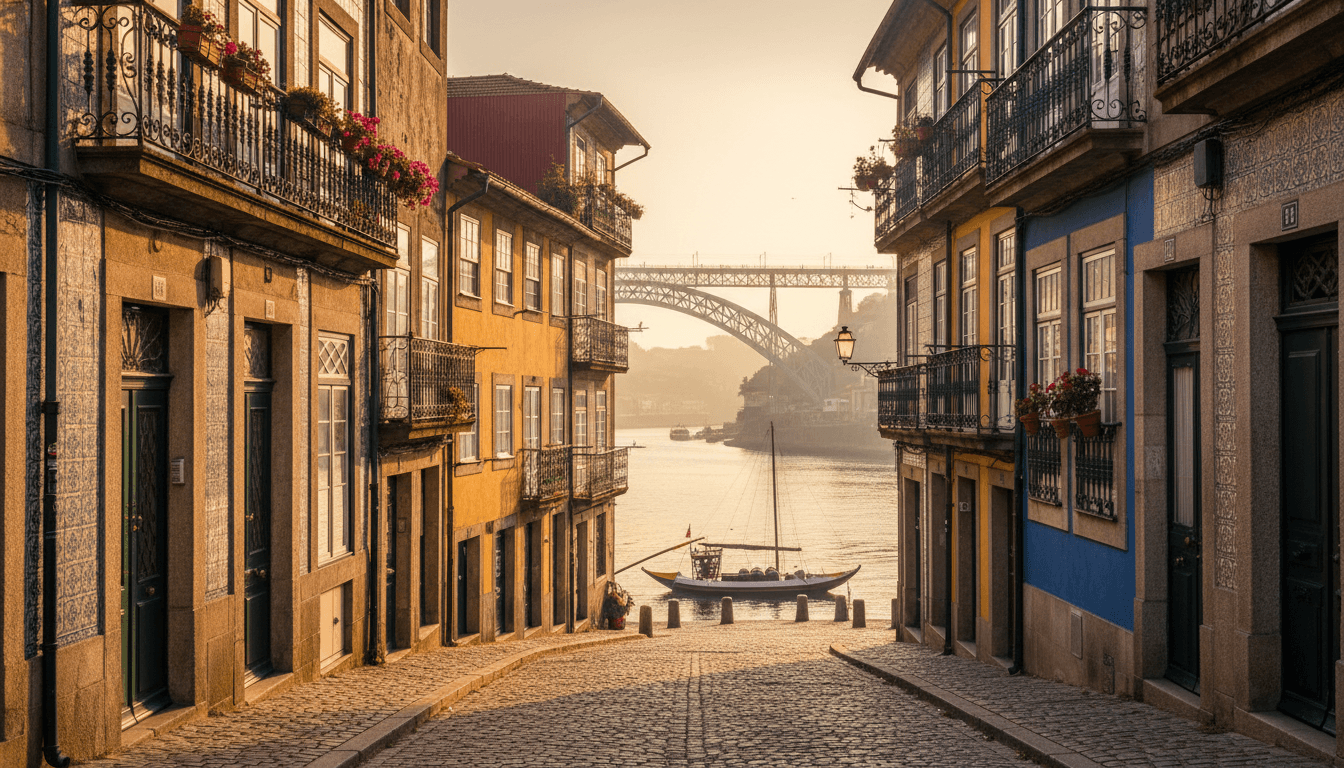
What to Do in Porto: The Ultimate Home Exchange Activity Guide for 2024
Maya Chen
Travel Writer & Home Exchange Expert
Discover what to do in Porto like a local—from secret wine caves to sunrise swims. Your complete home exchange activity guide with insider tips.
The first morning I woke up in my home exchange apartment in Ribeira, I made a rookie mistake. I tried to plan my day like a tourist—museums first, lunch at a recommended spot, maybe a port wine tasting in the afternoon. By 10 AM, I'd abandoned that plan entirely. My host's neighbor, a retired fisherman named António, had invited me for coffee and ended up sketching a hand-drawn map of his Porto on a napkin. That crumpled napkin taught me more about what to do in Porto than any guidebook ever could.
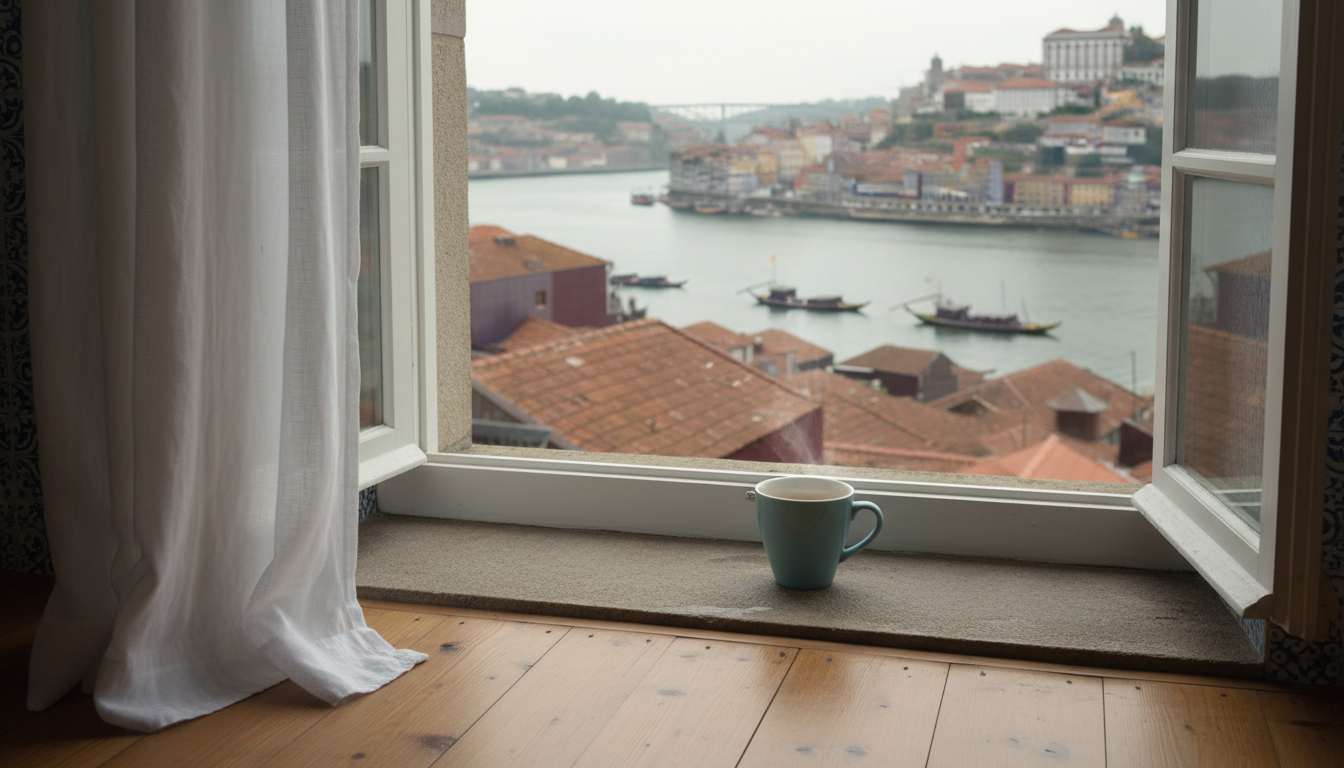 Morning light streaming through blue azulejo-tiled window in a traditional Porto apartment, coffee c
I've done home exchanges in 25 countries over seven years, and Porto holds a special place in my heart. Not because it's the prettiest city I've visited (though those azulejo tiles come close to perfection) or the cheapest (it's getting pricier, honestly). Porto earned its spot because it's a city that rewards you for slowing down, for wandering without a map, for saying yes to that second glass of tawny port even though it's only 2 PM.
This guide is different from the usual lists you'll find online. I'm writing this specifically for home exchange travelers—people staying in real neighborhoods, with access to kitchens and washing machines and that glorious feeling of living somewhere instead of just visiting. When you're not rushing between hotel checkout times, Porto reveals itself differently.
Why Porto Is Perfect for Home Exchange Travel
Here's something I've noticed after 40+ home swaps: some cities are made for hotels, and some cities are made for living in. Porto falls firmly into the second category.
The neighborhoods here aren't just backdrops for tourist attractions—they're the main event. When you're staying in someone's apartment in Foz do Douro, you're not just visiting Porto; you're becoming a temporary local. You learn which bakery opens at 6 AM (Padaria Ribeiro on Rua do Passeio Alegre), where the fishermen sell their morning catch (the small market near Praia do Carneiro), and why everyone seems to disappear between 2 and 4 PM. Lunch is sacred here. So is the post-lunch rest.
The home exchange activity options in Porto also align perfectly with this slower pace. Unlike cities where you feel pressure to "see everything," Porto invites you to pick a neighborhood and really know it. Spend three days in Cedofeita before wandering over to Miragaia. Let the city unfold.
And practically speaking? Porto's compact size means you don't need a car. The metro connects major areas, but honestly, walking is how you'll discover the best stuff. Those calves will be burning after a week of Porto's hills—but that's what all the wine is for.
The Best Porto Neighborhoods for Home Exchange Stays
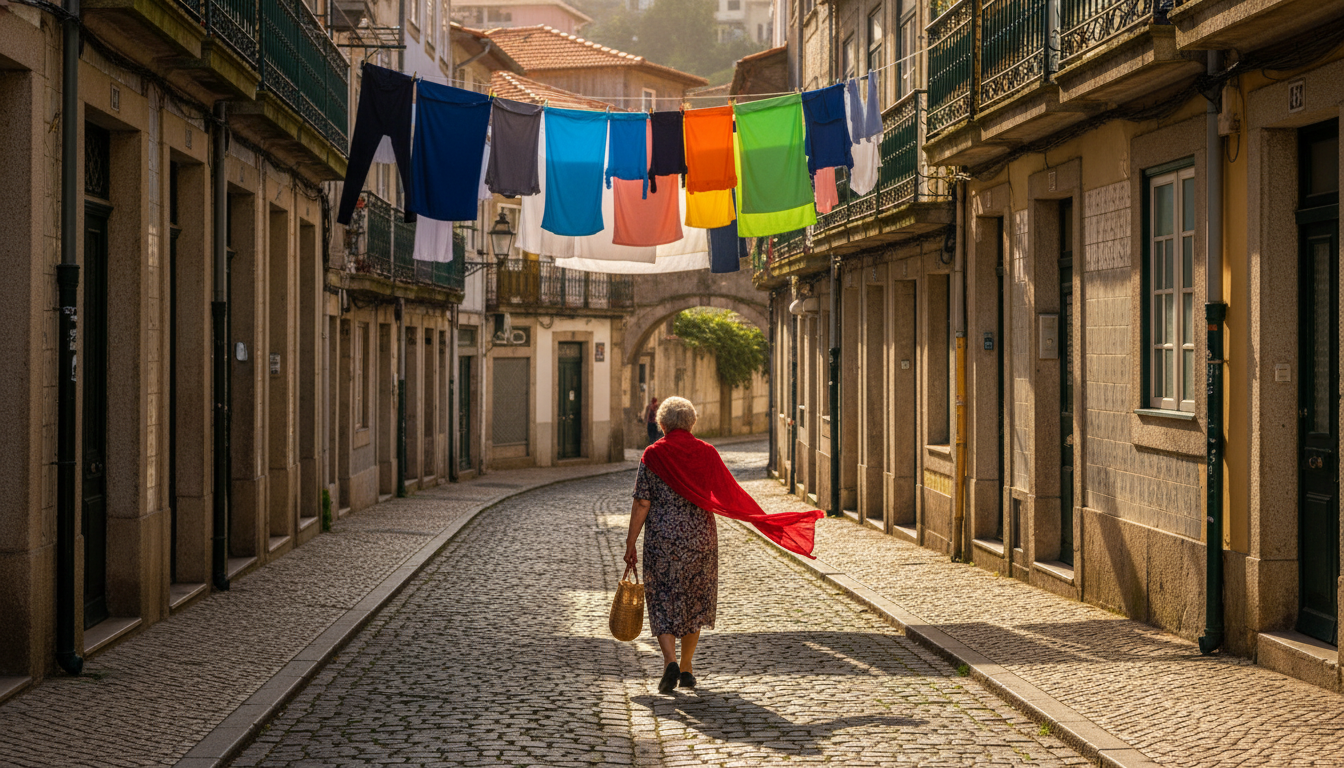 Narrow cobblestone street in Vitria neighborhood with colorful laundry hanging between buildings, el
Ribeira and the Riverside
Yes, Ribeira is touristy. Yes, the restaurants along the waterfront are overpriced (skip Restaurante D. Tonho, seriously). But staying here on a home exchange is completely different from visiting for an afternoon.
I spent two weeks in a third-floor apartment on Rua de São João, and the magic happened in the early mornings and late evenings—when the tour groups disappeared and the neighborhood revealed its actual residents. The grandmother who fed pigeons at 7 AM. The fishermen mending nets by the Ponte Luís I. The sound of fado drifting from someone's window after midnight.
Ribeira works best for first-time Porto visitors who want iconic views and walkability. Expect to pay around €80-120/night equivalent for hotels here, which makes your 1 SwappaHome credit per night feel especially sweet.
Cedofeita and Bomfim
This is where I'd stay on my next Porto home exchange. The area around Rua Miguel Bombarda has transformed into Porto's creative heart without losing its working-class soul. Art galleries sit next to traditional tascas (taverns), and the Saturday morning market at Mercado do Bolhão—finally reopened after renovations!—is genuinely local.
The home exchange listings I've seen in Cedofeita tend to be in those gorgeous 19th-century buildings with high ceilings and original tile floors. They're not always perfectly renovated—sometimes the plumbing is creative, let's say—but they have character that no boutique hotel can replicate.
Cedofeita works best for repeat visitors, art lovers, and anyone who wants to feel like a local immediately. Great coffee shops within walking distance of everything.
Foz do Douro
Foz is where Porto meets the Atlantic, and it's a completely different vibe. Wealthier, quieter, with a beach-town feeling that surprises first-time visitors. The sunset walks along the Passeio Alegre promenade became my evening ritual during one swap—watching the light turn the water gold while locals jogged past and kids played football on the grass.
The trade-off? You're 20-30 minutes from the historic center by tram or bus. But if you're doing a longer home exchange (two weeks or more), Foz offers breathing room that the busier neighborhoods can't match.
Foz works best for families with kids, beach lovers, anyone doing a longer stay who wants a home base rather than a tourist hub.
Morning Rituals: What to Do in Porto Before the Crowds
I'm a morning person, which in Porto means I often had entire neighborhoods to myself before 9 AM. The city wakes up slowly—most shops don't open until 10, and locals seem genuinely confused by anyone rushing before their first coffee.
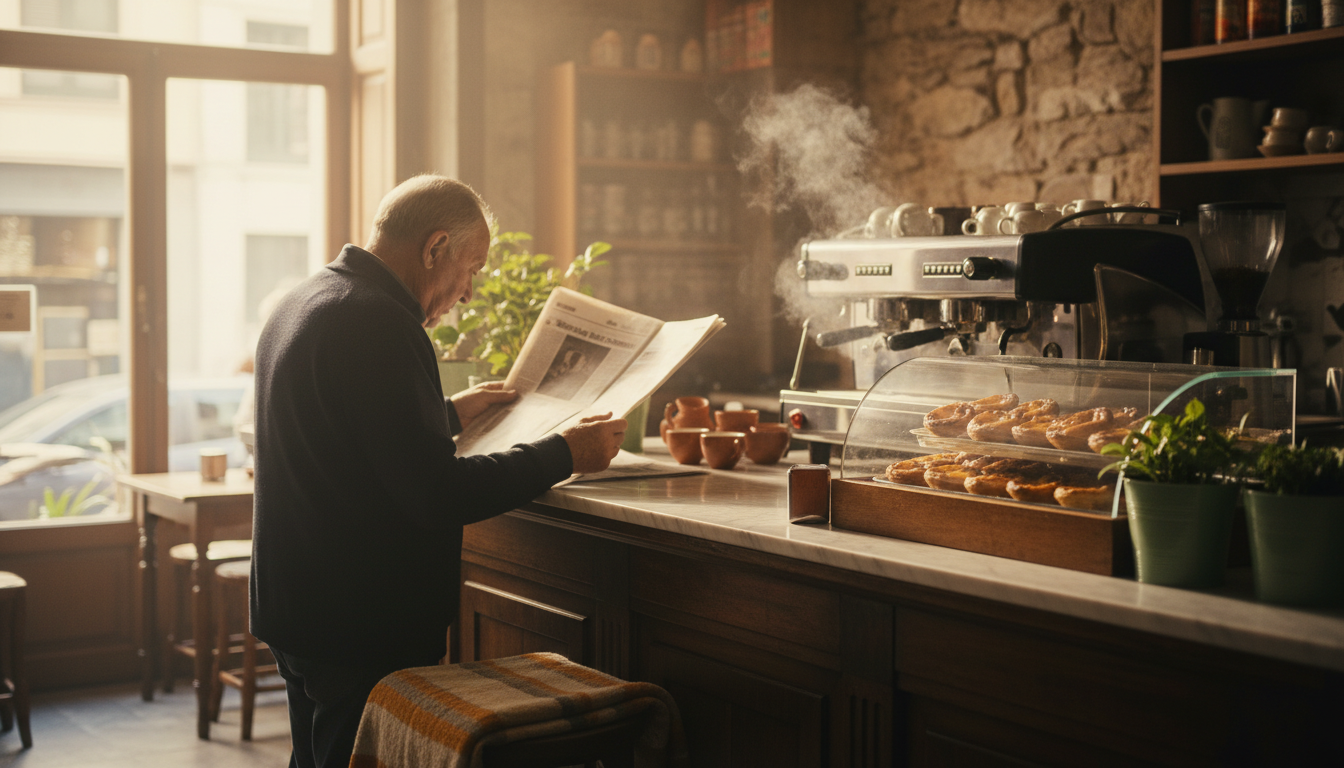 Elderly man reading newspaper at marble counter of traditional Porto caf, espresso machine steaming,
The Coffee and Pastry Circuit
Forget the famous Majestic Café (€7 for a coffee, and you're paying for the Harry Potter connection). Instead, find your neighborhood spot. In Cedofeita, that's Combi Coffee Roasters for specialty stuff or the no-name pastelaria on Rua de Cedofeita for €0.70 espresso and a nata still warm from the oven.
My morning ritual: walk to the nearest traditional café, order a "bica" (Porto's word for espresso) and a pastel de nata, and just... watch. The regulars all know each other. They'll nod at you after a few days. By the end of a two-week home exchange, you might even get a "bom dia" from the grumpy guy who always takes the corner seat.
Sunrise at Jardim do Morro
Take the metro to Jardim do Morro station in Vila Nova de Gaia (just across the river), and you'll arrive at one of the best viewpoints in the city. The gardens are empty at sunrise—maybe a few joggers, some photographers. The light hitting the Ribeira waterfront at 7 AM is genuinely worth setting an alarm for.
Bring coffee from your home exchange kitchen. Sit on the grass. This is what to do in Porto before doing anything else.
Mercado do Bolhão (Reopened and Better Than Ever)
The historic market finally reopened in 2022 after years of renovation, and it's found a nice balance between preserving the old vendors and attracting new ones. Go early—by 8:30 AM—to see the fish sellers in full voice, the flower stalls being arranged, the fruit vendors stacking pyramids of oranges.
Practical tip: the upper floor has more tourist-oriented shops, but the ground floor is where locals actually buy their groceries. Look for Dona Amélia's cheese counter (she's been there 40 years) and the butcher who'll slice presunto so thin you can see through it.
Afternoons in Porto: Wine, Tiles, and Taking It Slow
Porto afternoons have a different rhythm. Lunch stretches long, shops close for a few hours, and the smartest thing you can do is lean into it. This isn't a city that rewards rushing.
The Port Wine Caves (But Not the Tourist Traps)
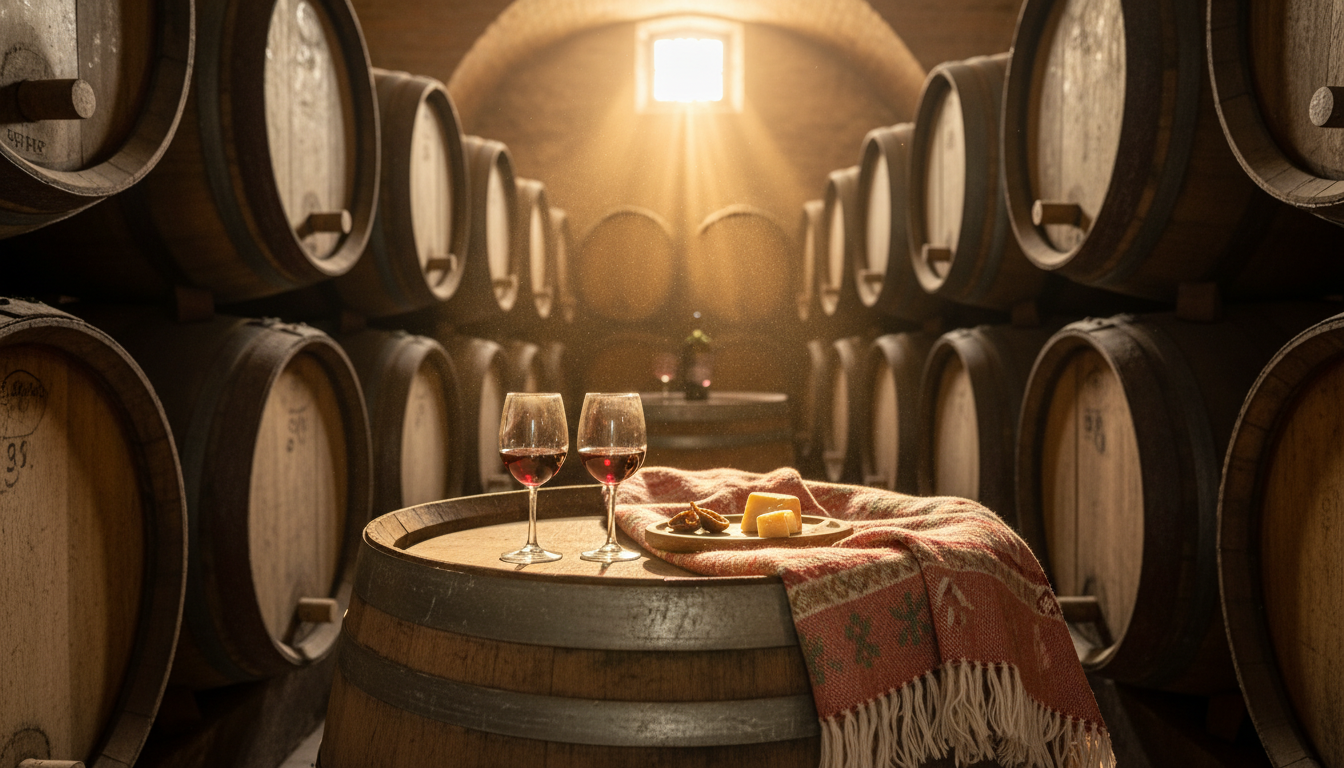
You can't write about what to do in Porto without mentioning port wine. But here's what the guidebooks don't tell you: the big-name caves (Sandeman, Graham's, Taylor's) are fine, but they're also crowded, expensive, and designed to move tourists through efficiently.
Instead, try the smaller producers. Cálem does a fado-and-tasting combination that sounds cheesy but is actually lovely (around €25 per person). Ramos Pinto has a gorgeous Art Nouveau tasting room and fewer crowds. But my favorite discovery was Quinta da Macieirinha—technically a museum, but they do intimate tastings in the old manor house with views over the river.
Real talk: I didn't fully appreciate port wine until I had it the way locals do—as an after-dinner drink, slowly, with conversation. Buy a bottle of 10-year tawny (€12-20 at any supermarket) and drink it on your home exchange terrace. That's the real Porto experience.
 Dimly lit port wine cellar with wooden barrels stacked to ceiling, dust motes in single beam of ligh
Azulejo Hunting
Porto's blue-and-white tiles are everywhere, but some spots are more spectacular than others. Igreja do Carmo has the famous side wall (go in the morning for better photos and fewer people). São Bento train station's interior is genuinely jaw-dropping—even if you're not taking a train, walk in and look up.
But here's my insider tip: wander the residential streets of Vitória and Miragaia. The tiles on private homes, shops, and apartment buildings are often more interesting than the famous examples. Nobody else is photographing them. You'll find patterns and colors that feel like personal discoveries.
Livraria Lello (And Why You Should Skip It)
I'm going to be controversial here: unless you're a die-hard Harry Potter fan, skip Livraria Lello. The €8 entrance fee (redeemable against book purchases) isn't the issue—it's that the bookshop is so crowded you can't actually enjoy it. The famous staircase is roped off for photos. The magic is buried under Instagram poses.
Instead, find Livraria Leitura on Rua das Carmelitas—a real bookshop where you can browse without buying a ticket. Or try the used book stalls near Clérigos Tower, where I found a first edition of a José Saramago novel for €5.
Evening Activities: Fado, Food, and Staying Out Late
Porto comes alive after dark, but not in a party-city way. The evenings here are about long dinners, live music in small venues, and walks along the river when the lights come on.
Where to Eat (Like Your Host's Neighbors Do)
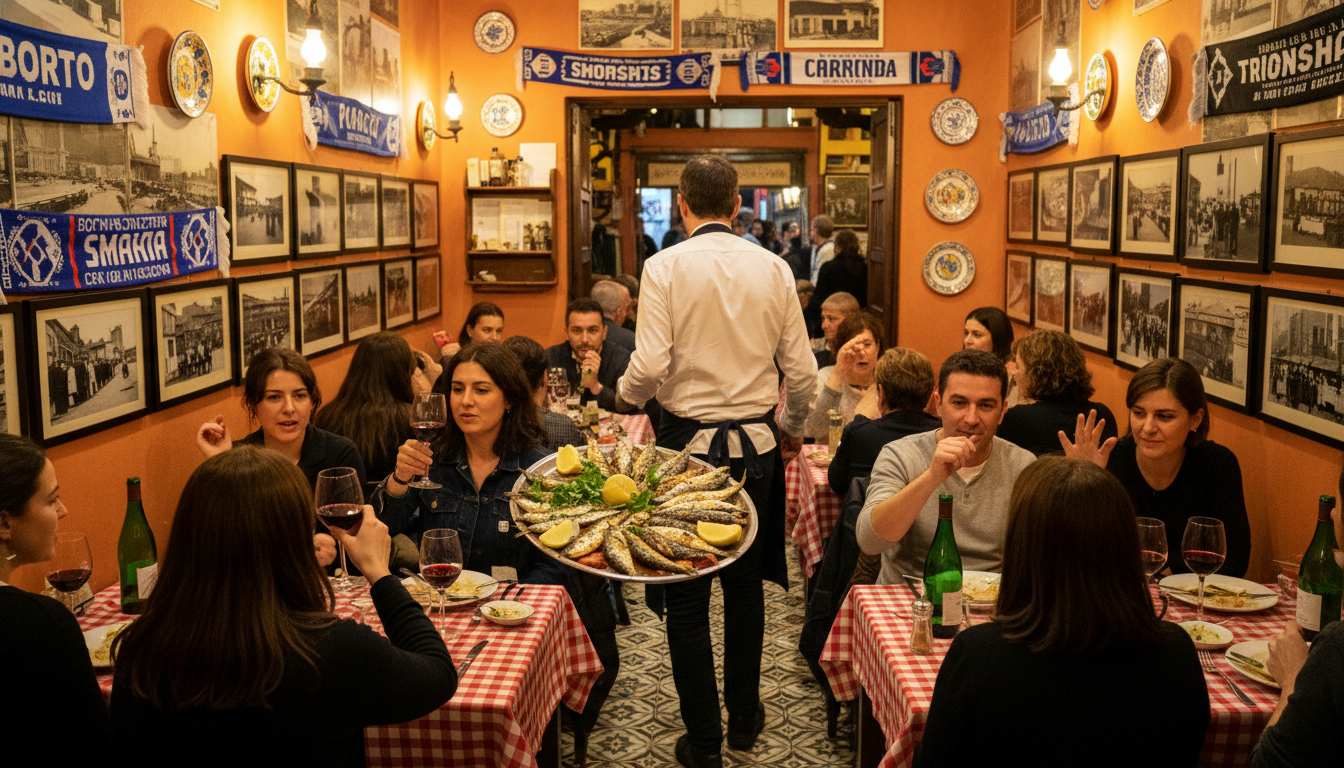
The best meals I've had in Porto weren't at restaurants—they were at tascas, those tiny neighborhood spots with handwritten menus and grandmothers in the kitchen. A few that I'd actually recommend:
Taberna Santo António (Vitória): Maybe eight tables, no reservations, and some of the best petiscos (Portuguese tapas) in the city. The octopus rice is life-changing. Budget around €15-20 per person with wine.
Flor dos Congregados (near Clérigos): A classic that hasn't been ruined by tourism. The francesinha—Porto's famous heart-attack sandwich—is the real deal here. €12-14 for the sandwich plus a beer.
Casa Guedes (Bomfim): Just pork sandwiches. That's all they do. And they do them perfectly. €4.50 for a sandwich that'll ruin all other pork sandwiches for you forever.
 Crowded tasca interior with checkered tablecloths, walls covered in old photos and football scarves,
Fado in Porto (Different from Lisbon)
Porto fado is rougher, more working-class, less polished than what you'll find in Lisbon. Some people prefer it that way. Casa da Mariquinhas in Ribeira does traditional performances in an intimate setting (around €30 including drinks). Or look for spontaneous sessions at Adega Rio Douro—no cover charge, just people singing.
My favorite fado experience wasn't planned at all. I was walking through Miragaia around 11 PM and heard singing from an open window. I stood on the street listening for twenty minutes. A neighbor eventually came out and handed me a glass of port. That's Porto.
The Sunset Ritual at Miradouro da Vitória
Every evening, locals and visitors gather at this viewpoint to watch the sun set over the Douro. Bring wine from the supermarket (nobody cares), find a spot on the steps, and stay until the lights of Gaia start twinkling across the river.
This is free. This is beautiful. This is exactly what to do in Porto when you have nowhere to be.
Day Trips Worth Taking (And One That Isn't)
One advantage of a home exchange stay is having a base for day trips without lugging suitcases around. Porto's position makes it perfect for exploring northern Portugal.
The Douro Valley (Absolutely Worth It)
Rent a car for the day (around €40-50) and drive into the Douro Valley wine region. The road along the river is one of the most scenic drives in Europe—terraced vineyards climbing impossible slopes, quintas (wine estates) perched above the water.
Stop at Pinhão for lunch and a wine tasting. Quinta do Bomfim does excellent tours (€15) with views that justify the trip alone. If you don't want to drive, the train from São Bento to Pinhão follows the river and costs under €15 each way.
Guimarães (Portugal's Birthplace)
An hour north by train (€3.50), Guimarães is where Portugal began—literally, it's where the first king was born. The medieval center is UNESCO-listed and genuinely charming. The castle is worth climbing, the palace is unexpectedly interesting, and the cafés in Largo da Oliveira are perfect for people-watching.
Braga (Skip It Unless You're Religious)
I'll probably get hate mail for this, but Braga disappointed me. Yes, the Bom Jesus sanctuary is impressive—those baroque stairs are wild. But the city itself felt like a less interesting version of Porto. If you only have one day trip, choose Guimarães or the Douro.
Practical Tips for Home Exchange Travelers in Porto
Getting Around
The metro is clean and efficient, but Porto is really a walking city. Those hills are brutal—bring comfortable shoes with good grip (the cobblestones get slippery when wet). The historic tram line 1 runs along the river to Foz and is worth taking at least once, more for the experience than the transportation.
Uber works fine and is cheaper than taxis. A ride from the airport to the center runs about €20-25.
What to Stock in Your Home Exchange Kitchen
Hit Mercado do Bolhão or a local Pingo Doce supermarket and grab presunto (cured ham) and queijo da serra (sheep's cheese), fresh bread from any padaria, local olive oil (Gallo brand is good and cheap), a bottle of vinho verde for €3-5 (perfect for hot afternoons), and pastéis de nata to reheat in the morning.
Weather and Timing
Porto gets more rain than people expect—pack a light jacket even in summer. The best months are May-June and September-October: warm enough for outdoor dining, cool enough for comfortable walking, fewer tourists than July-August.
August is when locals leave for vacation, so some neighborhood spots close. It's also when tourists peak. If you can avoid it, do.
The SwappaHome Advantage
I found my Porto exchanges through SwappaHome, and the credit system made it easy—I'd hosted guests in San Francisco and used those credits for my stays. The platform's verification system gave me confidence in my hosts, and the reviews helped me choose apartments in neighborhoods I actually wanted to explore.
The beauty of home exchange for Porto specifically is access to residential neighborhoods. Hotels cluster in Ribeira and Baixa. But home exchanges? I've seen listings in Foz, Cedofeita, Campanhã, even across the river in Gaia. That's how you find the real city.
What to Do in Porto When It Rains
It will rain. Accept this. But Porto in the rain has its own moody beauty.
Spend a morning at the Serralves Museum—the contemporary art collection is excellent, and the gardens are gorgeous even in drizzle. The World of Wine complex in Gaia has multiple museums (chocolate, cork, port wine) that can fill a rainy afternoon. Or just find a café with a window seat, order a succession of coffees, and watch the city blur behind the glass.
A Final Thought on Slow Travel in Porto
I've been back to Porto three times now, and each visit has been different because I stayed in different neighborhoods, met different people, discovered different corners. That's the gift of home exchange travel—you're not checking boxes, you're building a relationship with a place.
António's napkin map is still tucked into my journal. His Porto included a tiny chapel I never would have found, a restaurant that's not on Google Maps, and a bench overlooking the river where he proposed to his wife fifty years ago. None of that was in any guidebook.
When you're figuring out what to do in Porto, my best advice is this: leave room for the unplanned. Walk without a destination. Say yes to coffee invitations. Let the city surprise you.
And if you need a place to stay? SwappaHome has some lovely listings. I may have already bookmarked a few for my next trip.
Frequently Asked Questions
What is the best time of year to visit Porto?
May through June or September through October. You'll get warm weather perfect for outdoor dining and walking, fewer tourists than peak summer, and lower accommodation demand. July and August bring crowds and heat, while winter months see frequent rain—though the city has a cozy, atmospheric quality when it's gray outside.
How many days do you need in Porto?
Plan for 5-7 days minimum if you want to do it right. This gives you time to explore different neighborhoods, take a day trip to the Douro Valley, and settle into the local rhythm. Weekend trips work but feel rushed—you'll miss the slow-paced magic that makes Porto special.
Is Porto expensive for tourists?
Porto remains more affordable than Lisbon or most Western European cities. Budget €40-60 per day for food and activities, with meals at local tascas costing €15-20 per person. Port wine tastings range from €15-30, and most museums charge €5-10. Home exchange accommodation eliminates lodging costs entirely, making extended stays very budget-friendly.
Is Porto safe for solo travelers?
Exceptionally safe, including for women traveling alone. The historic center is walkable at night, locals are helpful, and violent crime is rare. Standard precautions apply—watch for pickpockets in crowded tourist areas like Ribeira and São Bento station. The home exchange community adds an extra layer of local connection and support.
What is Porto famous for?
Port wine (produced and aged in the caves across the river in Gaia), stunning azulejo tile work covering buildings throughout the city, the historic Ribeira waterfront (a UNESCO World Heritage site), and the iconic Dom Luís I Bridge. The city is also known for its hearty cuisine, including the francesinha sandwich and fresh seafood.
40+
Swaps
25
Countries
7
Years
About Maya Chen
Travel Writer & Home Exchange Expert
Maya is a travel writer with over 7 years of experience in the home swapping world. Originally from Vancouver and now based in San Francisco, she has completed more than 40 home exchanges across 25 countries. Her passion for "slow" and authentic travel led her to discover that true luxury lies in living like a local, not a tourist.
Ready to try home swapping?
Join SwappaHome and start traveling by exchanging homes. Get 10 free credits when you sign up!
Related articles
Lyon Home Exchange: Your Complete Guide to France's Hidden Gem for Home Swapping
Discover why Lyon home exchange is booming among savvy travelers. From Croix-Rousse to Presqu'île, find the best neighborhoods and insider tips for your swap.

Zurich Bucket List: 47 Unforgettable Experiences to Enjoy During Your Home Swap
Discover the ultimate Zurich bucket list for home swappers—from secret swimming spots to fondue rituals locals actually do. Save thousands while living like a true Zürcher.
Dublin Home Exchange Utilities Guide: WiFi, Heating & Everything Your Guests Need
Master Dublin home exchange utilities—from dodgy WiFi fixes to heating quirks. Practical tips from 7 years of swapping homes across Ireland.