
10 best digital nomad locations for remote work and affordable home exchange in 2026

SwappaHome Editorial Team
Home Exchange & Slow Travel Editorial
Key Takeaways The best digital nomad locations balance dependable internet, manageable costs, daily comfort, and a life you actually want to live after closing…
Key Takeaways
The best digital nomad locations balance dependable internet, manageable costs, daily comfort, and a life you actually want to live after closing your laptop.
- Lisbon and Valencia offer sunny European bases with strong infrastructure and easy access to local culture.
- Bangkok and Chiang Mai combine fast connections, flexible living, and excellent value.
- Medellín, Mexico City, and Buenos Aires bring energy, neighborhoods, and substantial urban variety.
- Tbilisi, Ho Chi Minh City, and Turin reward travelers who prefer affordability and a less obvious path.
- Home exchange can reduce accommodation costs while giving remote workers a real home, kitchen, and neighborhood routine.
1. Lisbon, Portugal: A sunny European base with strong remote-work infrastructure
Lisbon remains one of the best digital nomad locations for people who want European city life without giving up sunshine. Its hills, tiled buildings, and waterfront neighborhoods create a setting that feels distinctive rather than manufactured for visitors. Remote workers can settle into a routine of morning coffee, focused work, and long evening walks through residential streets.
The city has a deep supply of cafés, coworking spaces, and apartments suited to longer stays. Public transportation makes it possible to live beyond the busiest central districts, while the same time zone as much of Western Europe is convenient for teams based across the continent. Housing is not as inexpensive as it once was, so location and season matter when building a realistic budget.
Lisbon works particularly well for a first extended stay abroad. You can arrive with a clear plan for internet and workspace, then leave room for spontaneous day trips to the coast or nearby towns. A home exchange is especially appealing here because a kitchen and a quiet desk make a longer visit feel like ordinary life rather than a string of hotel nights.
2. Bangkok, Thailand: Fast internet, flexible living, and excellent value
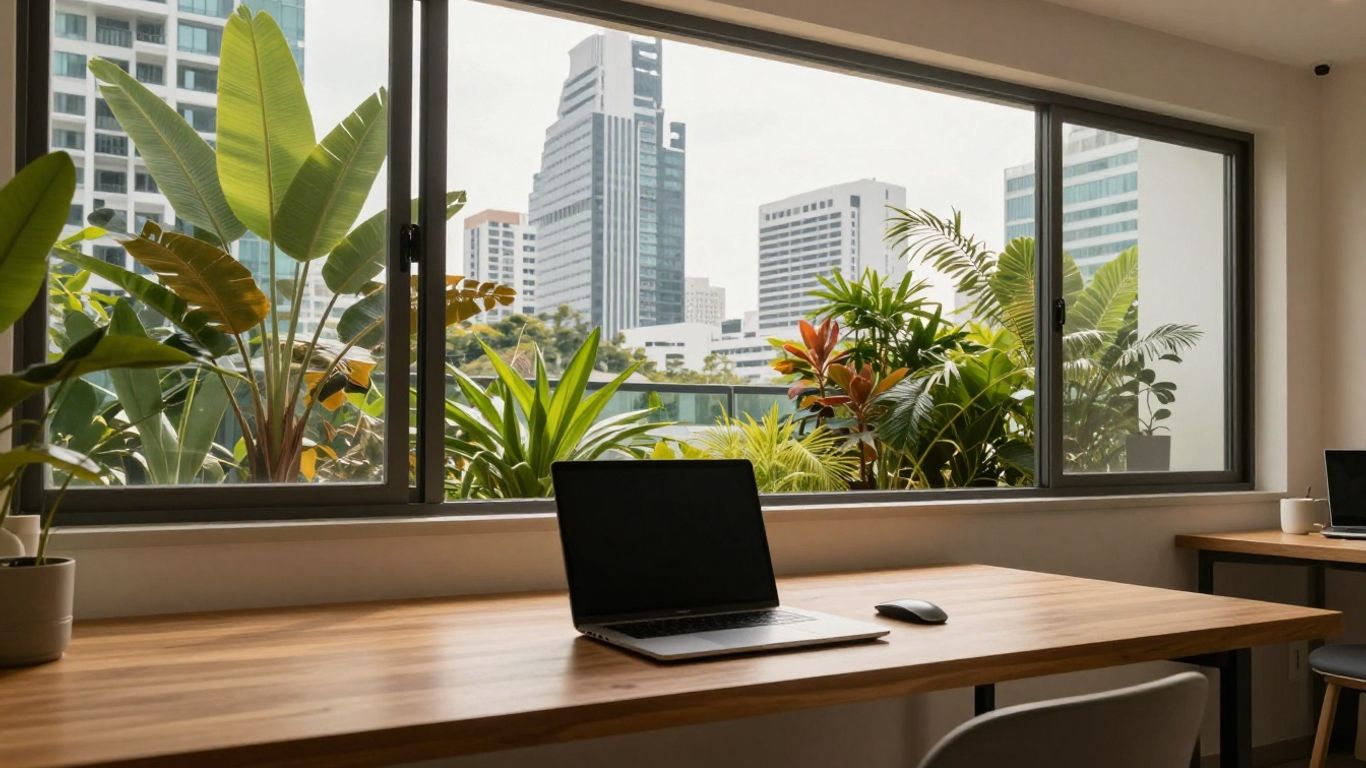
Bangkok is a compelling choice for remote workers who like a city with momentum. Modern transit, dense services, food at nearly every hour, and a broad range of apartments make it easy to shape daily life around work. The contrast between polished malls, old neighborhoods, and lively street markets keeps the city from becoming monotonous.
Internet access is widely available in coworking spaces, cafés, and serviced apartments, though a proper desk and a quiet room are still worth confirming before arrival. Bangkok also offers flexible housing choices, from compact central apartments to larger homes farther from the main business districts. That range lets travelers trade commute time for space, or vice versa, without abandoning convenience.
For people watching their monthly spending, Bangkok can leave more room for meals, transport, and weekend trips than many major cities. SwappaHome describes home exchange opportunities in Thailand with reliable WiFi, workspaces, and walkable neighborhoods, which fits the practical needs of a remote-work stay. The best arrangement is one that protects working hours while leaving enough energy to enjoy the city.
 Bangkok street and laptop workspace
3. Medellín, Colombia: Mild weather, coworking options, and vibrant neighborhoods
Medellín appeals to nomads who prefer a mild climate over tropical heat. Set among green mountains, the city offers a comfortable rhythm of neighborhood cafés, local restaurants, and efficient connections between districts. Areas such as El Poblado are familiar starting points, while Laureles and other neighborhoods can feel more residential and relaxed.
Coworking spaces give newcomers an easy way to find a reliable desk and meet other remote workers. Still, the character of the neighborhood matters as much as the workspace itself: a home near groceries, cafés, and transit can make a month feel far easier than an isolated apartment. It is sensible to research the immediate area and confirm practical details rather than choosing solely from photographs.
Medellín is also a good base for travelers who want nature close at hand. Weekends can mean mountain viewpoints, small towns, or simply a slow lunch under a canopy of trees. As with any large city, visitors should learn local safety habits, keep valuables discreet, and ask hosts for current neighborhood guidance.
4. Valencia, Spain: Beach access, walkability, and a relaxed daily pace
Valencia offers a rare combination: a substantial city, a sandy coastline, and a daily pace that often feels less pressured than Madrid or Barcelona. Its broad avenues and flatter terrain make cycling and walking practical, while neighborhoods retain their own cafés, markets, and routines. Remote workers can finish a morning of meetings and be near the beach without planning an expedition.
The city is well suited to people who want structure without intensity. A workday can happen from a home office or a café, followed by a market visit, a run through the Turia Gardens, or an evening meal outdoors. Spanish and Valencian culture are visible in ordinary details, from neighborhood festivals to the rhythm of late dinners.
Costs vary significantly by neighborhood and season, especially near the water. Travelers looking at home exchange should prioritize a comfortable desk, dependable internet, and a location with easy access to daily errands. That approach preserves Valencia’s main advantage: the feeling that work and leisure can occupy the same unhurried day.
5. Mexico City, Mexico: Culture, connectivity, and diverse neighborhoods
Mexico City suits remote workers who want scale, culture, and constant choice. Roma Norte and Condesa are popular for their cafés, parks, and walkability, while neighborhoods such as Coyoacán and Juárez offer different textures and rhythms. The city rewards staying long enough to develop a favorite bakery, market, and route home.
Connectivity and coworking options are strongest in the neighborhoods most used to international residents, but a good setup still requires basic checking. Ask about the actual internet connection, noise, power backup, and desk before committing to a longer stay. Mexico home exchange options can be useful for travelers comparing city neighborhoods and looking for a more residential way to live while working.
A rough comparison helps clarify what each destination offers. These are broad planning tendencies rather than fixed rankings, since rent, season, and personal habits can change the experience considerably.
| Destination | Daily rhythm | Best fit | Main planning question |
|---|---|---|---|
| Lisbon | Sunny, social, European | First-time long-stay nomads | Can the budget handle housing? |
| Bangkok | Fast, convenient, energetic | Value-focused city lovers | Is the apartment quiet enough? |
| Valencia | Walkable, coastal, relaxed | Balanced work-life routines | How close should you be to the beach? |
| Mexico City | Cultural, dense, varied | Urban explorers | Which neighborhood matches your pace? |
The table points to a useful truth: “affordable” is not one universal experience. A cheaper apartment far from transport may cost more in time and friction, while a slightly pricier home in a walkable area can make the whole month easier.
6. Chiang Mai, Thailand: Low living costs and a well-established nomad community
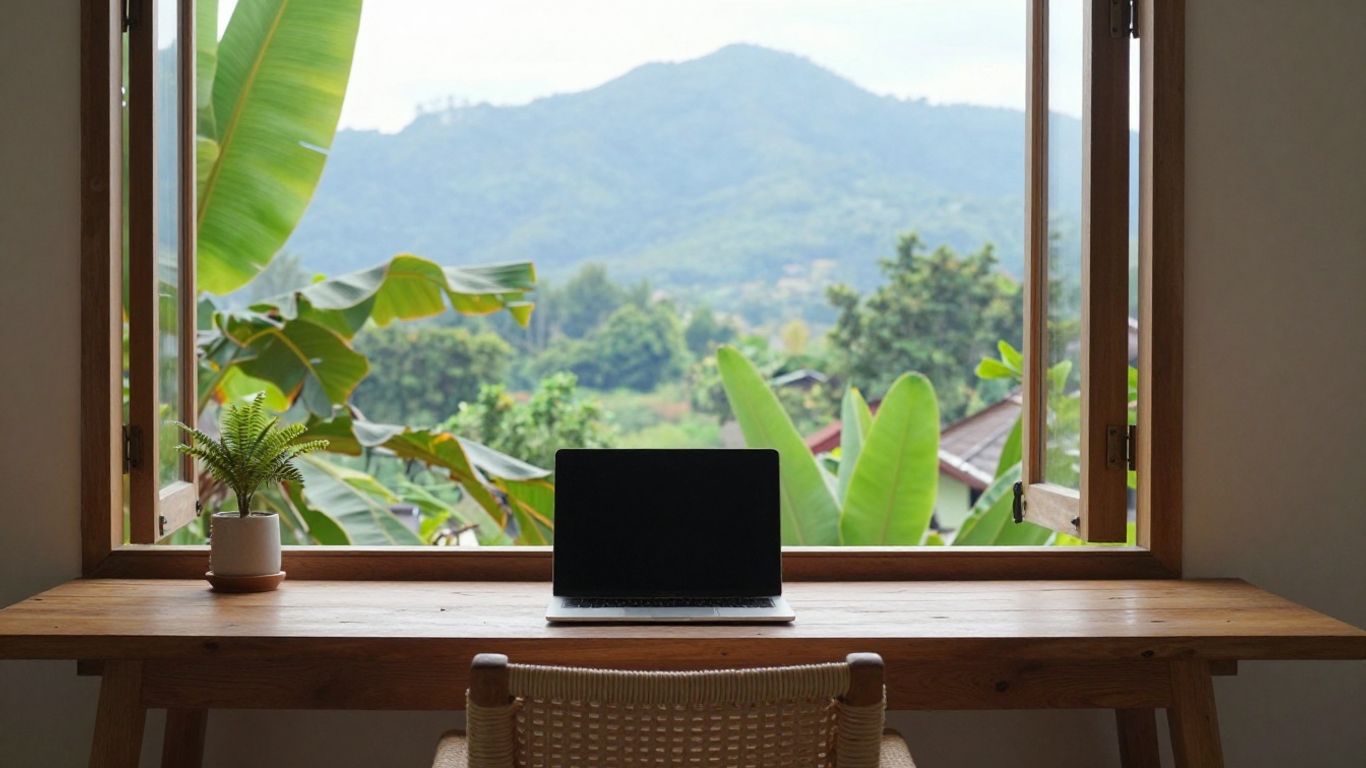
Chiang Mai has been a durable favorite for digital nomads because it makes the basics straightforward. The city offers inexpensive meals, a large café culture, and a slower pace than Bangkok, with mountains and temples close enough to shape the weekend. It is easy to create a modest routine without feeling cut off from other international workers.
The nomad community is established enough that newcomers can find coworking spaces, informal meetups, and advice about neighborhoods. That can shorten the awkward early period of a long stay, when every small decision—from getting a local SIM to finding laundry—takes extra effort. Northern Thailand’s seasonal air quality should also be part of the timing decision.
A home exchange can make Chiang Mai even more comfortable for a month or longer. SwappaHome presents Thailand homes around reliable WiFi, workspaces, and neighborhood living, rather than treating accommodation as just a bed. That distinction matters when the home itself becomes the place where most workdays begin and end.
 Chiang Mai home office near tropical greenery
7. Tbilisi, Georgia: Affordable long stays and a welcoming remote-work scene
Tbilisi is an appealing option for nomads who want affordability, character, and a city that feels slightly outside the standard circuit. Its balconies, courtyards, sulfur baths, and hilltop views give everyday errands a strong sense of place. The city also has a growing collection of cafés and work-friendly spaces where it is possible to spend a few productive hours.
Longer stays are part of Tbilisi’s appeal, but practical details deserve attention. Older buildings can vary widely in heating, insulation, and internet reliability, so a clear conversation with a host is useful. Neighborhood choice also affects the experience: central streets are lively, while areas farther out may offer more space and a quieter night.
The city works best for travelers who enjoy adapting rather than expecting polished uniformity. Georgian food, nearby wine regions, and mountain routes provide plenty to explore between work blocks. A comfortable home, a dependable connection, and a willingness to learn the local rhythm can turn Tbilisi into a surprisingly settled base.
Before booking an extended stay, a short checklist can prevent avoidable friction:
- Confirm the internet speed and whether it is dedicated to the home.
- Ask for a photograph of the desk and chair, not just the living room.
- Check heating, cooling, and noise conditions for the season.
- Map the walk to groceries, transit, and a backup workspace.
These questions are simple, but they protect the working week better than a beautiful view alone. They also make expectations clearer for both traveler and host.
8. Buenos Aires, Argentina: European-style city living at a lower cost
Buenos Aires brings grand avenues, late dinners, leafy plazas, and a strong café tradition to the nomad shortlist. Palermo, Villa Crespo, Recoleta, and San Telmo each offer a different balance of nightlife, architecture, and residential calm. The city is large enough to support several lifestyles, whether you want a social base or a quieter apartment near a park.
The cost picture can be attractive, though exchange rates and inflation mean budgets need regular review. It is wise to price ordinary expenses—groceries, transport, coffee, and coworking—rather than relying on an old monthly estimate. Internet and power arrangements should be checked in advance, especially when work involves frequent video calls.
Buenos Aires rewards a longer stay because its pleasures are cumulative. You learn which blocks feel comfortable at night, where to buy breakfast, and which neighborhood has the right distance from your apartment. For many remote workers, that gradual familiarity is the real luxury: a major cultural capital that can still feel personal after the tourist map is folded away.
9. Ho Chi Minh City, Vietnam: Reliable connectivity, energetic city life, and budget-friendly living
Ho Chi Minh City is built for people who enjoy motion. Motorbikes stream through intersections, cafés stay busy, and a short walk can reveal a noodle shop, a hidden courtyard, or a new place to work. The energy is intense at first, but many remote workers find a comfortable pattern once they choose a neighborhood and learn the local traffic flow.
Vietnam’s affordable food and housing can make a longer stay manageable, while fiber internet and coworking spaces support focused work. District 1 is central and lively; District 2 and other areas can offer a quieter residential feel, depending on the exact location. Noise is the detail most likely to surprise newcomers, so a daytime and evening check of a prospective home is worthwhile.
The city is also a strong example of why home exchange can change the economics of remote travel. Vietnam home exchange opportunities focus on real homes, reliable internet, and workspaces in a country known for vibrant urban life. Staying in a home with a kitchen can make daily routines calmer and reduce the temptation to treat every meal as an outing.
10. Turin, Italy: An underrated European hub with coworking culture and authentic local life
Turin is a thoughtful alternative to Italy’s most visited cities. Its elegant arcades, broad squares, museums, and mountain backdrop create a polished but grounded urban setting. The city feels substantial without the constant pressure of a major tourist center, making it easier to keep a normal workweek.
Coworking spaces and neighborhood cafés provide options when a home office becomes repetitive. Italian urban life also encourages small rituals: espresso at the bar, a market stop, and an evening aperitivo that does not require a special occasion. The city’s rail connections make weekend travel practical, while its local character remains intact between trips.
Turin home swaps are presented as a way to find fast WiFi, coworking culture, and more affordable local living in Italy. For a remote worker, that combination is more useful than a famous address alone. Turin belongs on a 2026 shortlist precisely because it offers room to settle into the country rather than merely pass through it.
Conclusion
The best digital nomad locations are not identical, and that is the point: Lisbon and Valencia favor ease, Bangkok and Chiang Mai favor value, while Medellín, Mexico City, Buenos Aires, Tbilisi, Ho Chi Minh City, and Turin each offer a different version of city life. Compare internet, workspace, visa rules, seasonality, neighborhood feel, and accommodation before choosing. When a home exchange supplies a real kitchen and a work-ready place to sit, the savings can make a longer, more local stay possible.
Frequently Asked Questions
What makes a city good for digital nomads?
A strong destination usually combines reliable internet, suitable workspaces, reasonable everyday costs, personal safety, convenient transport, and enough social or cultural life to make time away from work rewarding.
How much should I budget for a month abroad?
There is no universal figure because rent, exchange rates, lifestyle, and neighborhood vary widely. Build a test budget using accommodation, food, transport, coworking, insurance, and a reserve for unexpected costs.
Should I choose a major city or a smaller base?
Major cities offer more coworking spaces, transport, healthcare, and social opportunities. Smaller bases may provide lower costs and a calmer routine, but they can have fewer backup options when internet or housing arrangements change.
How can I verify that a home is suitable for remote work?
Ask for current internet details, a photo of the desk and chair, information about noise and power reliability, and the location of nearby cafés or coworking spaces. Confirming these points before arrival prevents many common problems.
Is home exchange practical for a digital nomad?
It can be practical when the home has dependable WiFi, a suitable workspace, and clear arrangements with the host. It is especially useful for longer stays, when a kitchen and residential setting can improve both comfort and the overall budget.
What should I consider before choosing a season?
Check weather, air quality, peak-season housing demand, daylight, and local holidays. A city that feels ideal in one month may be crowded, humid, smoky, or much more expensive at another time of year.
How long should I stay in one destination?
A month is often long enough to establish a routine without creating too much commitment, while two or three months allow deeper local familiarity. Your visa conditions, work schedule, and tolerance for moving should guide the final decision.

Published by
SwappaHome
SwappaHome Editorial Team
Home Exchange & Slow Travel Editorial
The SwappaHome Editorial Team brings together travel research, home-exchange community insights, and platform data to produce practical guides for first-time and experienced home swappers. Every article cites real platforms, current market rates, and verifiable city-level facts so readers can make informed decisions without guessing.
Ready to try home swapping?
Join SwappaHome and start traveling by exchanging homes. Get 7 free credits when you sign up!