
10 best places to travel to in the US in 2026

SwappaHome Editorial Team
Home Exchange & Slow Travel Editorial
Key Takeaways The best place to travel to in the us in 2026 depends on the kind of trip you want: city energy, quiet trails, historic streets, or warm water.…
Key Takeaways
The best place to travel to in the us in 2026 depends on the kind of trip you want: city energy, quiet trails, historic streets, or warm water.
- New York City and Washington, DC bring museums, neighborhoods, and cultural depth.
- Yellowstone, the Grand Canyon, and Glacier offer unforgettable national park scenery.
- New Orleans, Charleston, and Asheville reward travelers who enjoy food, music, and local character.
- San Diego and Maui make easy choices for sunshine, beaches, and time outdoors.
- The right season, pace, and transportation plan can make any destination feel better.
1. New York City, New York
New York City remains one of the easiest destinations to revisit because it changes with every neighborhood and season. A first trip might center on Central Park, Broadway, the Metropolitan Museum of Art, and the Brooklyn Bridge, while a return visit can be built around small galleries, independent bookstores, or a long meal in Queens. The city is busy, sometimes messy, and rarely quiet, but that restless energy is part of its appeal.
Give yourself room to wander rather than trying to conquer every famous sight in a weekend. Walk the High Line early, explore Lower Manhattan on foot, and set aside time for neighborhoods such as Harlem, the West Village, or Jackson Heights. Travelers who prefer a more lived-in stay can browse New York home exchange options and think about the trip through the rhythm of a local neighborhood rather than a hotel district.
Food is another reason New York earns a place on this list. You can build a day around a bagel breakfast, a Chinatown lunch, an afternoon slice, and a late-night dessert without repeating the same style of cooking twice. For a slower side trip, Long Island offers beaches, wineries, historic estates, and outdoor activities; this Long Island guide can help shape an itinerary beyond the city limits.
2. Yellowstone National Park, Wyoming, Montana, and Idaho
Yellowstone is the sort of place that makes a road trip feel worthwhile before you even reach the next viewpoint. Geysers, hot springs, broad valleys, waterfalls, and wildlife share an enormous landscape that can look completely different from one bend in the road to the next. Old Faithful is famous for good reason, but the park’s quieter boardwalks and high overlooks often create the strongest memories.
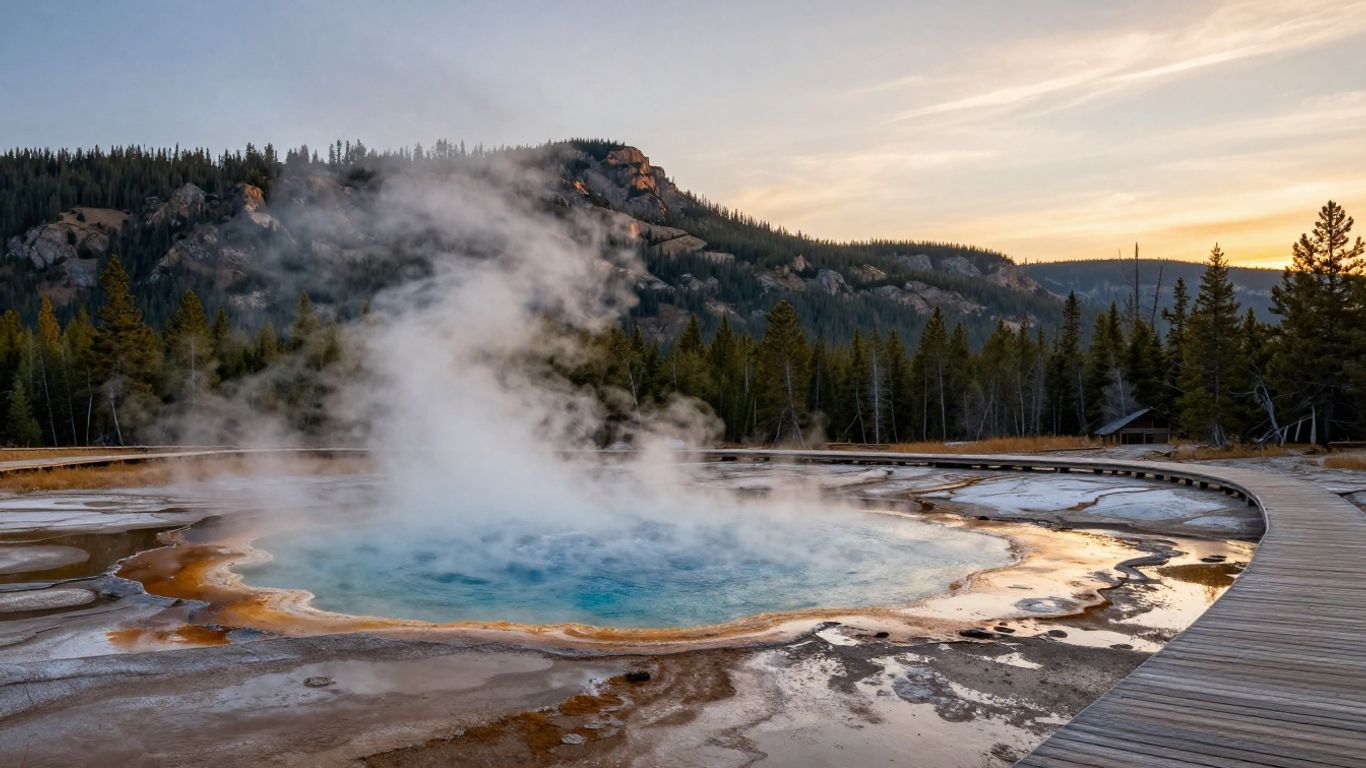 Yellowstone geyser basin at golden sunrise
Plan around distance and daylight. A map may make two attractions appear close together, yet seasonal traffic, wildlife stops, and winding roads can turn a short drive into half a day. A car is especially useful for reaching dispersed viewpoints and wildlife areas, and DiscoverCars Montana offers a practical guide to rental planning around airports such as Kalispell and Bozeman, including considerations for Montana park drives.
Summer brings the broadest access, while the shoulder seasons can feel calmer and more intimate if roads and facilities are open. Keep a respectful distance from animals, stay on designated paths around thermal areas, and carry layers even on warm days. Yellowstone works best when you resist rushing through it; choose a few areas and let the landscape have some time.
3. New Orleans, Louisiana
New Orleans is a destination with a strong sense of place, shaped by music, food, architecture, and traditions that do not fit neatly into a sightseeing checklist. The French Quarter is the obvious starting point, but the city opens up through the Garden District, Tremé, Bywater, and its neighborhood restaurants. Even an ordinary walk can include wrought-iron balconies, brass drifting from a bar, and the scent of something simmering nearby.
Music should be part of the plan, whether that means catching a set on Frenchmen Street, listening to a brass band in a park, or finding a smaller venue away from the busiest corridors. The city’s food deserves the same attention: gumbo, po’boys, beignets, and seafood are only the beginning. A few unstructured hours can be more rewarding than filling every evening with reservations.
For a more residential experience, New Orleans home exchange options offer a way to consider the city beyond traditional lodging. The best visits leave space for slow mornings, neighborhood cafés, and the possibility of following a parade or street performance that was not on the original plan. Visit outside the peak heat when possible, and remember that festival periods can change both prices and the city’s pace.
4. San Diego, California
San Diego makes a strong choice for travelers who want a relaxed coastal trip without giving up museums, gardens, or excellent food. The beaches are varied: La Jolla suits tide pools and coastal walks, Coronado has a broad stretch of sand, and Pacific Beach brings a livelier boardwalk atmosphere. Balboa Park adds shaded paths, gardens, and museums when you need a break from the water.
The city rewards a flexible schedule. Spend one morning kayaking or walking along the coast, then shift inland for tacos, coffee, or an afternoon among the park’s Spanish Colonial Revival buildings. Sunset is a daily event here, but the best place to watch it depends on your mood: a bluff, a beach, a harbor promenade, or a quiet restaurant patio can all work.
San Diego is also a comfortable base for a longer Southern California trip. You can add a day in nearby coastal communities, explore the region’s craft beer culture, or simply stay put and enjoy the mild weather. Pack a light layer for evenings, reserve popular attractions ahead of time in busy months, and leave more time than you think you need for the coast.
5. Grand Canyon National Park, Arizona
The Grand Canyon is often photographed as a single dramatic view, but its scale becomes clearer when you move through different overlooks and watch the light travel across the walls. The South Rim is open year-round and offers the broadest range of facilities, viewpoints, and trails. Sunrise and sunset are popular for a reason, though the canyon can also feel remarkably still during the middle of the day.
A little preparation makes a major difference, especially for anyone planning to hike below the rim. Temperatures can rise sharply as elevation drops, and returning uphill takes longer than many first-time visitors expect. Keep this short list in mind before setting out:
- Carry more water than a casual viewpoint walk requires.
- Start strenuous hikes early and allow generous turnaround time.
- Wear shoes with reliable traction on uneven ground.
- Check weather, trail conditions, and park alerts before leaving.
These simple habits help keep the canyon experience focused on the scenery rather than an avoidable emergency. The North Rim is quieter and more seasonal, while the South Rim suits a first visit or a shorter itinerary. Whichever side you choose, give yourself at least one unhurried stretch of time to watch shadows, colors, and distant ridgelines change.
6. Charleston, South Carolina
Charleston blends historic architecture, coastal landscapes, and a food scene that feels both rooted and inventive. The compact historic district is made for walking, with pastel façades, church steeples, garden gates, and shaded streets leading toward the waterfront. It is a destination where the details matter more than the number of attractions checked off.
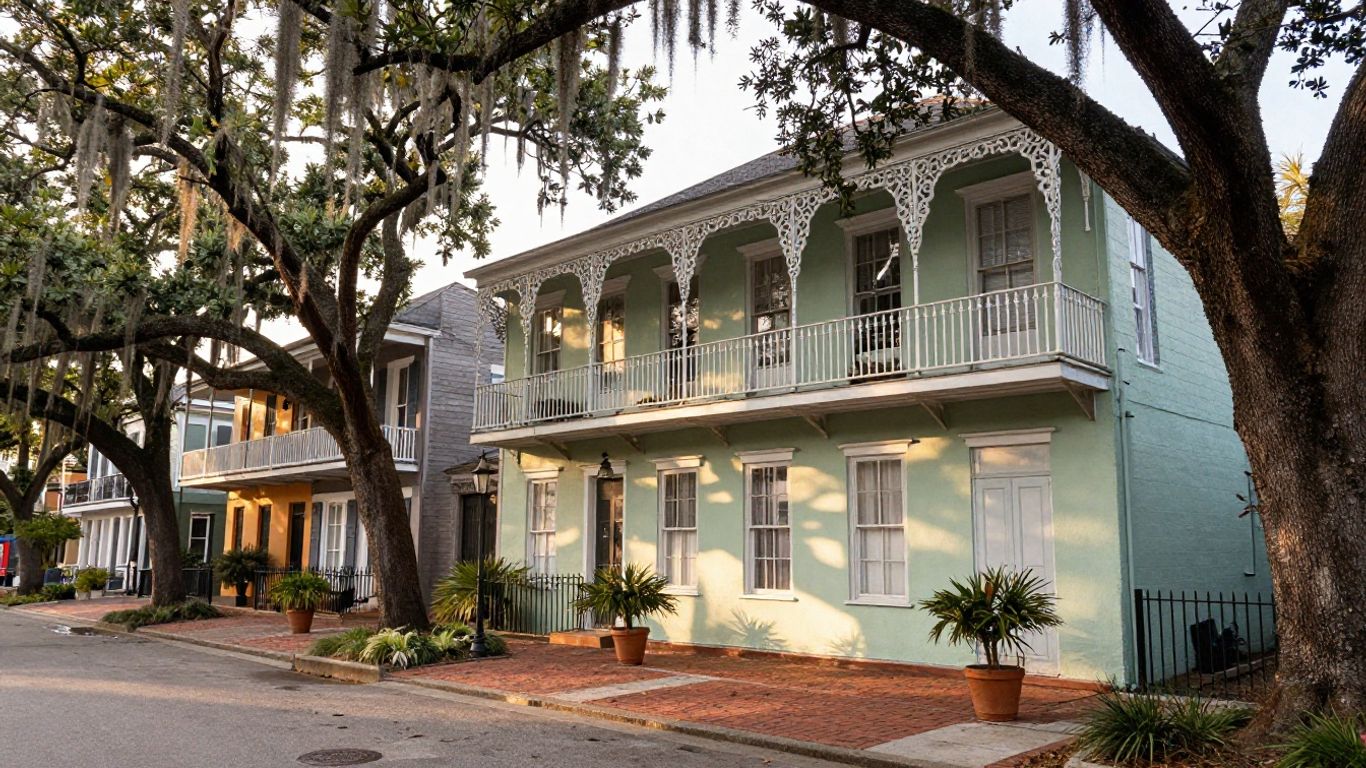 Charleston historic homes beneath live oaks
Spend time around Rainbow Row, the Battery, and the city’s older squares, but also plan beyond the center. Nearby beaches, plantations, and low-country landscapes show a wider version of the region, while the city’s restaurants make a persuasive case for lingering after dark. Charleston’s culinary identity reaches from seafood and rice dishes to bakeries, barbecue, and carefully made cocktails.
Travelers who like the feeling of a neighborhood can explore Charleston home exchange possibilities for a future stay. Spring and fall are usually comfortable for walking, while summer brings heavier heat and humidity. Whatever the season, move at a leisurely pace: Charleston’s appeal is found in porches, gardens, conversation, and meals that are not hurried.
7. Maui, Hawaii
Maui offers a remarkably varied island experience, from broad beaches and volcanic slopes to winding coastal roads and small communities. Many visitors divide their time between the resort areas of West Maui and the road to Hana, but the island is better enjoyed when you avoid treating it like a race. A single scenic drive, beach morning, or mountain overlook can fill a day beautifully.
The Road to Hana is about the journey as much as the destination, with waterfalls, lush vegetation, and frequent pullouts along the coast. Start early, drive patiently, and be considerate at narrow stops and residential areas. For a different perspective, Haleakalā brings high-elevation scenery and cool air; sunrise visits require reservations and an especially early start.
Maui is a place to build in downtime. Swim only where conditions are suitable, follow local guidance around reefs and wildlife, and remember that ocean conditions can change quickly. A trip feels more balanced when it includes a few planned adventures alongside afternoons devoted to shade, fresh fruit, and the sound of the water.
8. Washington, DC
Washington, DC is one of the strongest choices for a trip built around museums, public spaces, and American history. The National Mall connects major landmarks, but the city’s neighborhoods give the visit more texture: Georgetown brings waterfront walks, Capitol Hill has elegant streets and cafés, and Shaw and Adams Morgan offer lively dining and nightlife. Many of the best experiences are free, though timed entry is still common for popular museums and monuments.
The city is particularly good for travelers who like to organize a day around a theme. You might pair the National Museum of African American History and Culture with a meal nearby, spend a morning among the galleries before walking toward the monuments, or visit the Library of Congress and then explore Eastern Market. For a more local stay, Washington, DC home exchange ideas can point you toward neighborhoods beyond the central visitor corridors.
Spring’s cherry blossoms are beautiful but busy, and autumn brings comfortable walking weather with fewer peak-season pressures. The Metro makes many parts of the city accessible, while comfortable shoes remain essential because the Mall is larger than it looks. Leave room for an unplanned museum, a quiet garden, or a neighborhood restaurant discovered between major sights.
9. Asheville, North Carolina
Asheville sits between the Blue Ridge Mountains and a creative downtown, making it a good fit for travelers who want nature without giving up galleries, restaurants, and live music. The city’s historic architecture and independent businesses make wandering easy, while the surrounding roads quickly lead to overlooks, waterfalls, and forest trails. It has a relaxed personality, but there is plenty to do if you stay for several days.
The Blue Ridge Parkway is the obvious scenic route, though conditions can vary by season and sections may close after storms or during maintenance. Check current access before setting out, then plan a route that includes time to stop rather than simply driving from one endpoint to another. The grounds of Biltmore add another layer of history and gardens, while nearby towns offer quieter alternatives for a full mountain weekend.
Asheville’s food and drink culture is broad enough to keep evenings interesting after a day outside. Look for local produce, Appalachian influences, and rooms where musicians are treated as part of the atmosphere rather than background decoration. The city is especially appealing in fall, though spring wildflowers and summer mountain air each offer their own reasons to visit.
10. Glacier National Park, Montana
Glacier National Park feels vast even when you are standing at a popular viewpoint. Sharp peaks, turquoise lakes, cedar forests, and open meadows create a landscape that changes quickly with weather and elevation. Going-to-the-Sun Road is the signature drive, but the park’s trails and lakes deserve equal attention if you can stay more than a day.
Access and conditions should shape your plans. Some roads, trails, and facilities operate seasonally, and popular areas can fill early, so check current park guidance before traveling. A rental car is useful for connecting trailheads and viewpoints; if you are comparing options, the DiscoverCars Montana guide also discusses Glacier access, airport pickup points, and the road’s vehicle-size restrictions.
Choose hikes that match your experience and the day’s conditions, and carry layers because mountain weather can turn quickly. Wildlife belongs in the landscape, so observe from a safe distance and never approach or feed animals. Glacier is best remembered through small moments—a sudden mountain reflection, a quiet trail, or the first glimpse of a lake after a long climb.
Conclusion
These ten destinations show how much variety one country can hold, from dense city neighborhoods and historic streets to desert cliffs, tropical water, and high mountain trails. Choose the place that suits your preferred pace, check seasonal conditions before booking, and leave enough room for the unplanned details that often become the best part of a trip.
Frequently Asked Questions
What is the best place to travel to in the us in 2026?
There is no single answer for every traveler. New York City suits culture and variety, Maui suits a beach escape, and Yellowstone or Glacier fit travelers who want dramatic outdoor scenery.
Which destinations are best for a first US trip?
New York City, Washington, DC, and San Diego are approachable first choices because they offer strong attractions, varied neighborhoods, and relatively easy ways to build a flexible itinerary.
When is the best time to visit Yellowstone?
Summer generally offers the broadest access, while late spring and early fall may feel less crowded. Always check road, trail, weather, and facility conditions before traveling.
How many days should I spend at the Grand Canyon?
Two or three days allows time for several viewpoints, a sunrise or sunset, and a carefully planned hike. A shorter visit can still work if you focus on the South Rim and avoid overpacking the schedule.
Which destination is best for food and music?
New Orleans is a standout for live music and regional cooking, while New York City, Charleston, and Asheville also offer strong food scenes with distinct local character.
Are national parks suitable for travelers who do not hike?
Yes. Scenic drives, overlooks, boardwalks, visitor centers, and short accessible trails provide memorable park experiences without requiring a long or strenuous hike.
How can I make a US trip feel less rushed?
Choose one main region, limit the number of hotel changes, and plan only a few fixed activities each day. Extra time for meals, weather, and spontaneous stops usually improves the trip.

Published by
SwappaHome
SwappaHome Editorial Team
Home Exchange & Slow Travel Editorial
The SwappaHome Editorial Team brings together travel research, home-exchange community insights, and platform data to produce practical guides for first-time and experienced home swappers. Every article cites real platforms, current market rates, and verifiable city-level facts so readers can make informed decisions without guessing.
Ready to try home swapping?
Join SwappaHome and start traveling by exchanging homes. Get 7 free credits when you sign up!