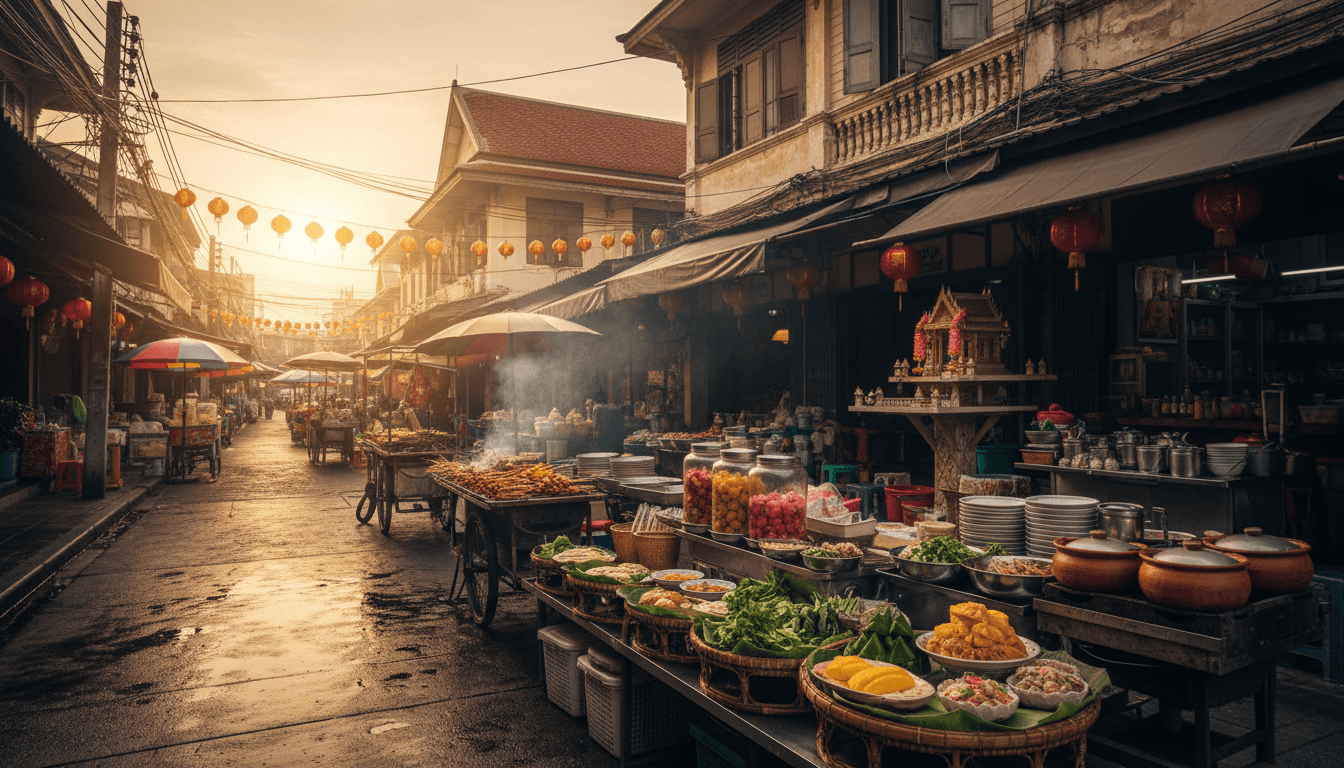
Bangkok Markets and Food Tours: The Ultimate Home Swapper's Guide to Thai Street Food

SwappaHome Editorial Team
Home Exchange & Slow Travel Editorial
Discover Bangkok's best markets and food tours through a home swapper's lens. From Chatuchak to midnight street food, save money while eating like royalty.
The first time I bit into a mango sticky rice from a vendor in Bangkok's Or Tor Kor Market, I actually teared up a little. Not from spice—though that would come later—but from the sheer absurdity that this perfect, $2 dessert existed in a world where I'd been paying $15 for mediocre hotel breakfast buffets for years.
That was my third home swap in Thailand, and I'd finally cracked the code. Bangkok markets and food tours aren't just about eating well—they're about understanding why this city has become the ultimate destination for travelers who want authentic experiences without the tourist markup. And when you're staying in a local's apartment in Ari or a townhouse in Thonglor instead of a Sukhumvit hotel, you're already halfway to eating like a Bangkok resident.
Here's everything I've learned from five swaps, countless market mornings, and one unfortunate incident involving a ghost pepper that I'm still not ready to talk about.
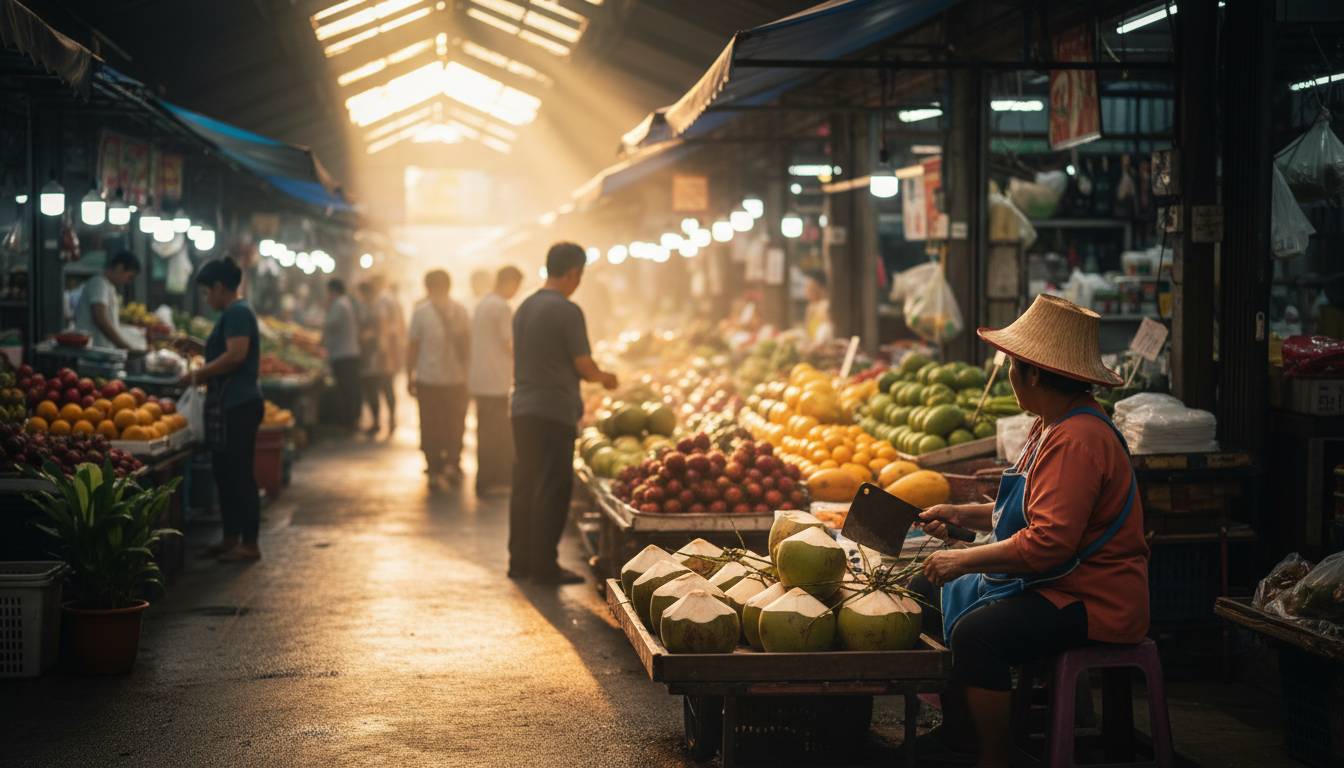 Early morning light streaming through the covered walkways of Or Tor Kor Market, vendors arranging p
Why Bangkok Markets Beat Restaurant Dining Every Time
I need to be honest about something: I used to be a restaurant person. White tablecloths, wine pairings, the whole performance. Then I spent a week in a home swap apartment near Victory Monument, and my Thai neighbor—a retired teacher named Khun Somchai—looked genuinely concerned when I mentioned I'd been eating at "nice restaurants."
"Why you pay so much for less good food?" he asked. Then he spent the next three hours walking me through his morning market routine.
He wasn't wrong.
Bangkok's markets operate on a completely different value equation than restaurants. That pad thai you're paying 180 baht ($5) for in a tourist area? It's 40 baht ($1.15) at Huai Khwang Night Market, made by someone who's been perfecting that single dish for 30 years. The green curry that costs 350 baht ($10) at a Silom restaurant? 60 baht ($1.70) at a market stall—and arguably better because the cook isn't trying to tone down the spice for foreign palates.
But here's what guidebooks don't tell you: the real advantage isn't just price. It's access. Markets are where Bangkok actually happens—where office workers grab breakfast, where grandmothers gossip over coffee, where you'll find dishes that have never appeared on a restaurant menu because they're too regional, too specific, too "not for tourists."
The Essential Bangkok Markets for Food Lovers
Chatuchak Weekend Market: Beyond the Tourist Sections
Everyone knows Chatuchak. It's in every guidebook, every Instagram feed, every "Top 10 Bangkok" list. What most visitors don't realize is that the food sections—specifically sections 2, 3, and 4 on the outer edges—are genuinely excellent, not just tourist-convenient.
I made the mistake on my first visit of eating near the main entrances. Overpriced, underwhelming, clearly calibrated for people who'd never know the difference. On my third swap, my host left me a hand-drawn map with her favorite stalls circled. Game changer.
Her top pick: a tiny stall in section 3 selling khao mun gai (chicken rice) for 50 baht ($1.45). The line is always 15 people deep, which in Bangkok market logic means you've found something special. The chicken is poached so gently it practically dissolves, and the rice—cooked in chicken fat and served with a ginger-chili sauce—haunts my dreams.
Other Chatuchak essentials worth seeking out: the coconut ice cream near section 7 (35 baht/$1, served in a coconut shell), the boat noodles in section 8 (tiny portions meant to be ordered in multiples, 15 baht/$0.45 each), and the fresh sugarcane juice stands scattered throughout (25 baht/$0.70).
Chatuchak is only open Saturday and Sunday, 9 AM to 6 PM. Go early—by 11 AM, the heat becomes genuinely oppressive, and by 2 PM, you'll be too exhausted to appreciate anything.
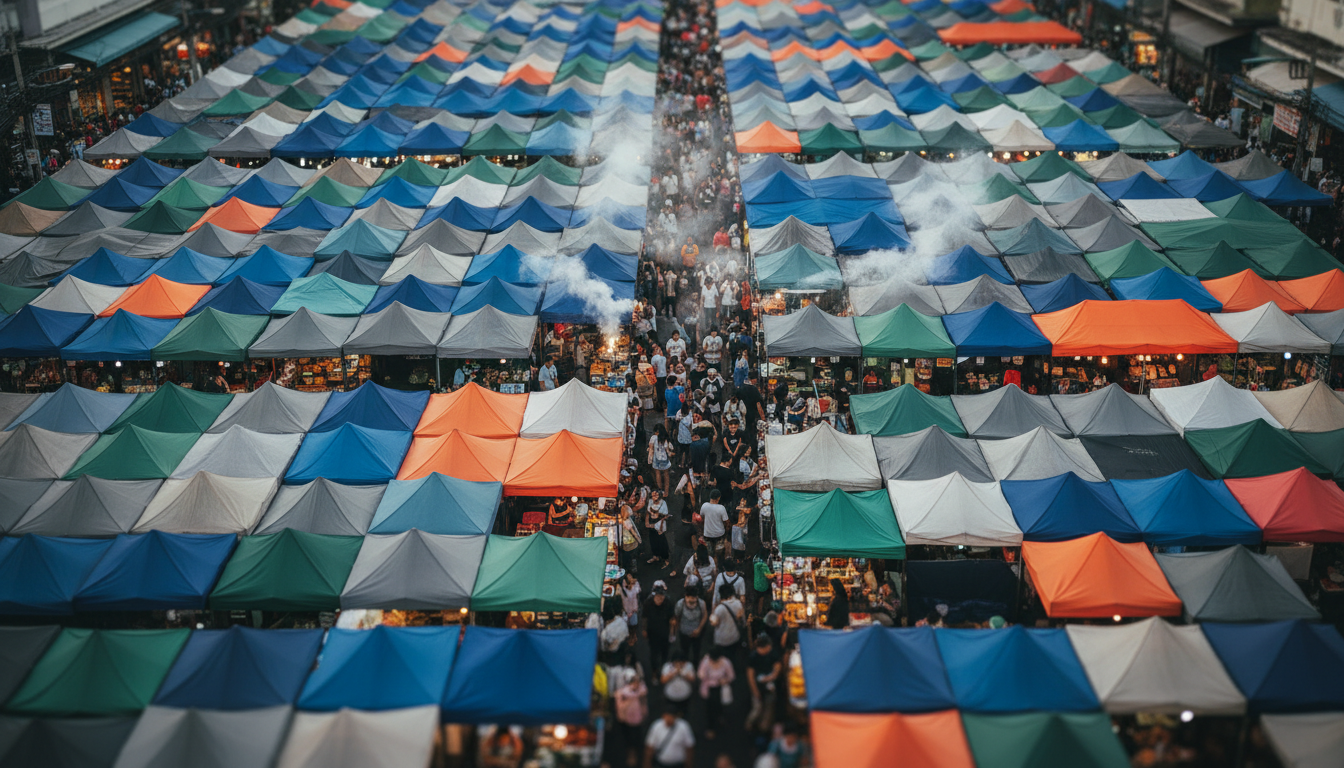 Aerial view of Chatuchaks maze-like corridors packed with shoppers, colorful awnings creating a patc
Or Tor Kor Market: The Gourmet Experience
If Chatuchak is Bangkok's chaotic soul, Or Tor Kor is its refined palate. Located right next to Chatuchak (connected by a walkway from the north end), this market consistently ranks among the world's best fresh markets. And unlike most "best of" lists, this one is actually accurate.
Or Tor Kor is where wealthy Bangkok residents shop. The produce is immaculate—fruits arranged like jewelry displays, vegetables so perfect they look artificial. Prices run higher than street markets (maybe 30-40% more), but still laughably cheap by Western standards. A kilo of mangosteen that would cost $25 in a US specialty store? About 150 baht ($4.30).
The prepared food section in the back is where I spend most of my time. There's a stall selling khao chae—rice soaked in jasmine-scented water, served with intricate side dishes—that's only available during Thai New Year season (April). I've planned two swaps specifically around this dish.
Year-round favorites include the som tam (papaya salad) made to order at stall 12, the moo ping (grilled pork skewers) near the entrance, and the curry stall run by a woman who won some national cooking competition in the 90s and hasn't let anyone forget it. Her massaman is worth the attitude.
Or Tor Kor is open daily, 6 AM to 6 PM. The sweet spot is 8-10 AM on weekdays—fresh stock, manageable crowds, and the air conditioning in the main hall actually works.
Khlong Toei Market: The Real Deal
Okay, real talk: Khlong Toei isn't for everyone.
It's Bangkok's largest wet market, and "wet" is doing a lot of work in that sentence. There's blood. There are smells. There are live animals you'd rather not think about. The floors are slippery with things you don't want to identify.
But if you want to understand how Bangkok actually feeds itself, there's no substitute.
I first visited during a swap in the nearby Sathorn area. My host, a food photographer named Bee, took me at 5 AM—the only appropriate time, she insisted. The market was already in full swing, with restaurant owners loading trucks, home cooks haggling over morning glory bunches, and professional chefs inspecting seafood with the intensity of diamond appraisers.
The food stalls here aren't trying to impress anyone. They're feeding people who've been working since 3 AM and need calories, fast. The kuay jab (rolled noodle soup with pork offal) at 35 baht ($1) is one of the best things I've eaten in any country. The joke (rice porridge) comes with so many toppings—century egg, minced pork, crispy shallots—that you can barely see the rice.
Khlong Toei operates 24 hours, but the food stalls are best from 4-7 AM and again from 5-9 PM. Wear shoes you don't care about. I'm serious.
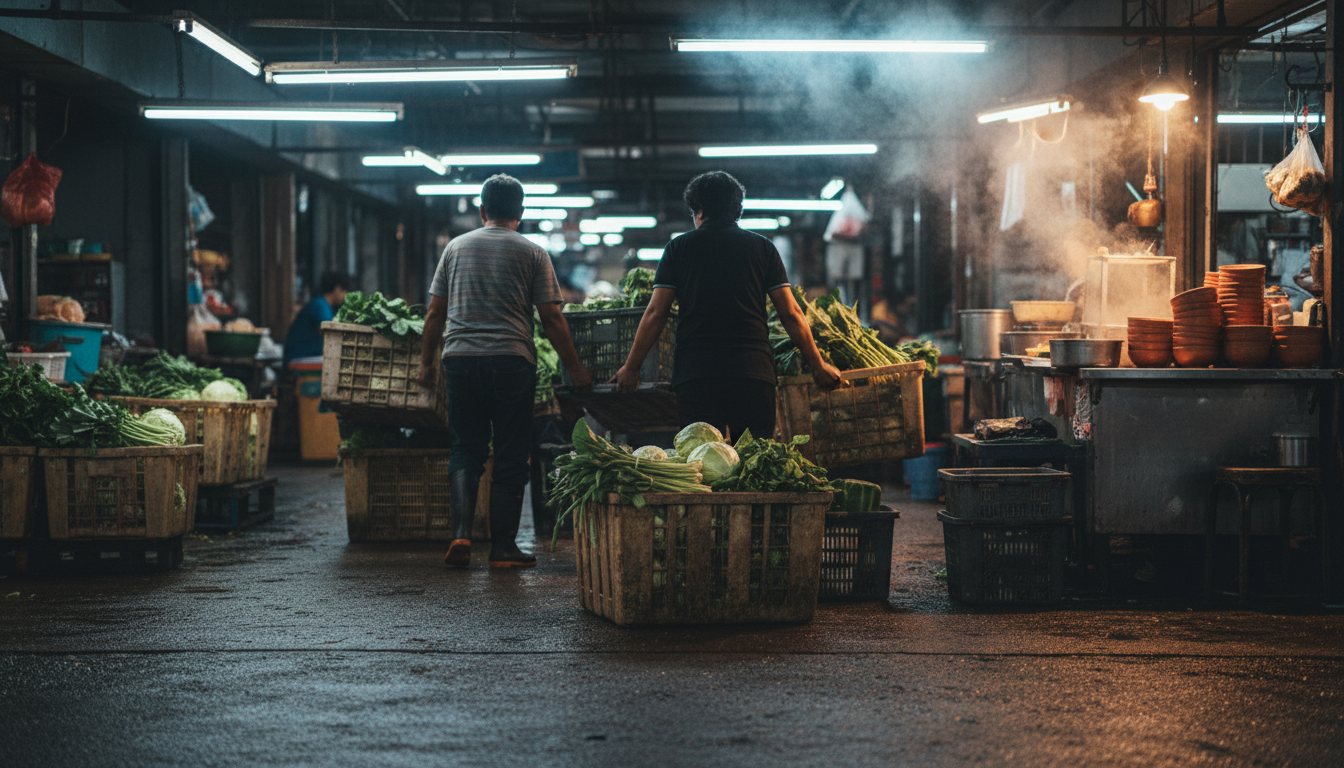 Pre-dawn activity at Khlong Toei Market, workers in rubber boots moving crates of vegetables, fluore
Bangkok Food Tours Worth Your Time (And Money)
I'll be honest—I was skeptical about food tours for years. Why pay someone $50-100 to walk you to places you could find yourself? Then I took a good one, and I understood: you're not paying for directions. You're paying for context, access, and the confidence to try things you'd otherwise walk past.
Chinatown Night Food Tour: The Non-Negotiable
If you only do one organized Bangkok food tour, make it a Chinatown night tour. Yaowarat Road after dark is sensory overload—neon signs in Chinese and Thai, smoke billowing from seafood grills, crowds so dense you move with them rather than through them. Without a guide, you'll eat well. With a guide, you'll eat right.
The tour I recommend (and have done twice) runs about 4 hours and costs around 1,800 baht ($52). You'll hit 8-10 stops, including a 70-year-old shop making fresh rice noodles, a hidden alley stall serving braised goose that's been using the same recipe since the 1940s, and a dessert place doing things with taro that shouldn't be legal.
What the guide provides that Google can't: knowing which stall at the oyster omelet row is actually good (hint: not the one with the longest line—that's for tourists who don't know better), timing the visit so you hit each spot at optimal freshness, and translating the menu items that don't have English descriptions.
Most Chinatown food tours start around 5:30-6 PM and end around 10 PM. Book at least a week ahead for weekend slots.
Old Town Morning Market Walk
The Banglamphu/Old Town area near Khao San Road has a reputation as a backpacker ghetto, and that's not entirely unfair. But venture a few blocks from the banana pancake stands, and you'll find one of Bangkok's most authentic morning market scenes.
Several companies offer walking tours through this area, typically starting at 7 AM and running until 11 AM. Cost is usually 1,200-1,500 baht ($35-43). You'll visit a wet market that supplies the neighborhood's restaurants, a decades-old coffee shop still using charcoal roasting, and several street stalls that don't bother with English because their customers have been coming for 30 years.
The standout dish on every Old Town tour I've done: khanom bueang, a crispy Thai crepe filled with sweet or savory toppings. The version at the Thewet Market stop—filled with shrimp floss and coconut cream—is worth the early wake-up alone.
DIY Alternative: The MRT Food Crawl
Not everyone wants a guided tour, and I get it. Here's my self-guided alternative that I've refined over multiple swaps:
Start at Hua Lamphong station (now called Wat Mangkon), walk through Chinatown to Yaowarat, take the MRT to Sam Yan for the night market there, then end at Huai Khwang for late-night street food. Total cost for food: 300-400 baht ($8.60-11.50). Time: 4-5 hours if you're not rushing.
The key is going on a weeknight. Weekends bring crowds that make navigation frustrating and lines that kill momentum.
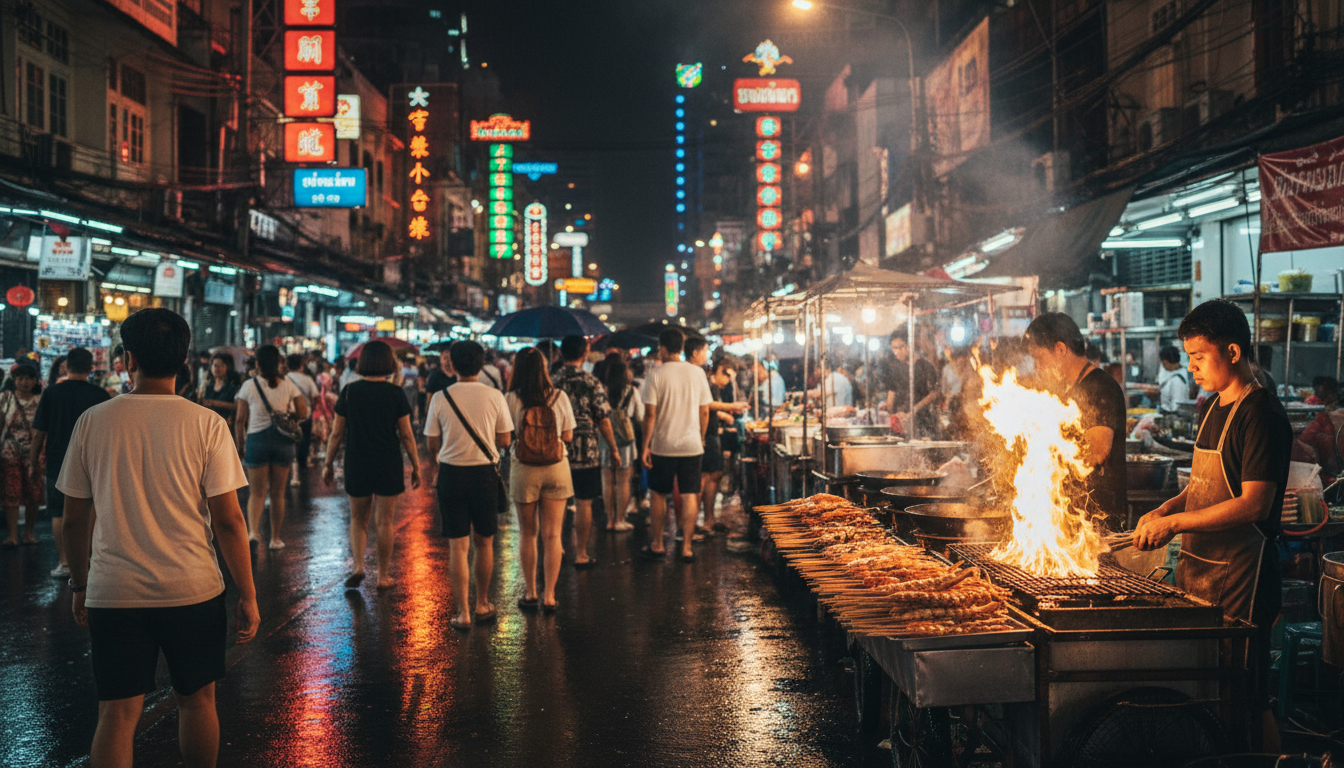 Yaowarat Road at night, neon signs reflecting off wet pavement after rain, street vendors grilling s
Home Swapping in Bangkok: The Food Lover's Advantage
Here's where staying in a local's home transforms your entire food experience. When I swap through SwappaHome in Bangkok, I'm not just getting free accommodation—I'm getting a kitchen, a neighborhood, and usually a host who's left me a list of their favorite spots.
My last swap was in the Ari neighborhood, a residential area that most tourists never see. My host, a graphic designer named Ploy, left me three pages of handwritten recommendations. Not a single one appeared in any guidebook I'd checked. Her morning coffee spot (40 baht for iced Thai coffee, made with condensed milk the way her grandmother taught her), her lunch lady (a woman who sets up a cart at 11 AM sharp and sells out by 12:30), her "hangover noodles" guy (open until 2 AM, no English, just point at what looks good).
This is what you can't buy. No food tour, no guidebook, no Instagram influencer can replicate having a local's actual routine handed to you.
The kitchen access matters too. Bangkok's markets are designed for cooking, not just eating. At Or Tor Kor, I've bought ingredients I'd never find at home—fresh turmeric root, kaffir lime leaves still on the branch, galangal that smells like nothing in any American grocery store. Back at my swap apartment, I've made curries using Ploy's mortar and pestle, following YouTube videos and making a mess that I hopefully cleaned up well enough.
Best Bangkok Neighborhoods for Food-Focused Swaps
If you're specifically planning a food-focused trip, location matters. Here's my ranking based on market access, street food density, and overall eating potential:
Ari/Saphan Khwai is my top pick. Residential enough to feel authentic, but with incredible food infrastructure. The Saphan Khwai area has a night market that rivals anything in the tourist zones, minus the tourist prices. Swap apartments here tend to be modern condos with full kitchens.
Thonglor/Ekkamai runs more upscale, but don't let that fool you—the side streets are packed with old-school Thai restaurants and street vendors who've been there since before the area got trendy. Good for people who want nice accommodation without sacrificing food authenticity.
Silom/Sathorn is business district by day, street food paradise by night. The Silom Soi 20 area has some of the best late-night eating in the city. Swap options tend to be high-rise condos with easy MRT access.
Banglamphu/Old Town is the choice if you want morning market access. Older buildings, more character, and you're walking distance from some of Bangkok's most historic food scenes. Just avoid anything directly on Khao San Road.
Chinatown (Yaowarat) is tricky—I've never found a good swap here since the area is mostly commercial. But if you do, you've hit the jackpot for night food access.
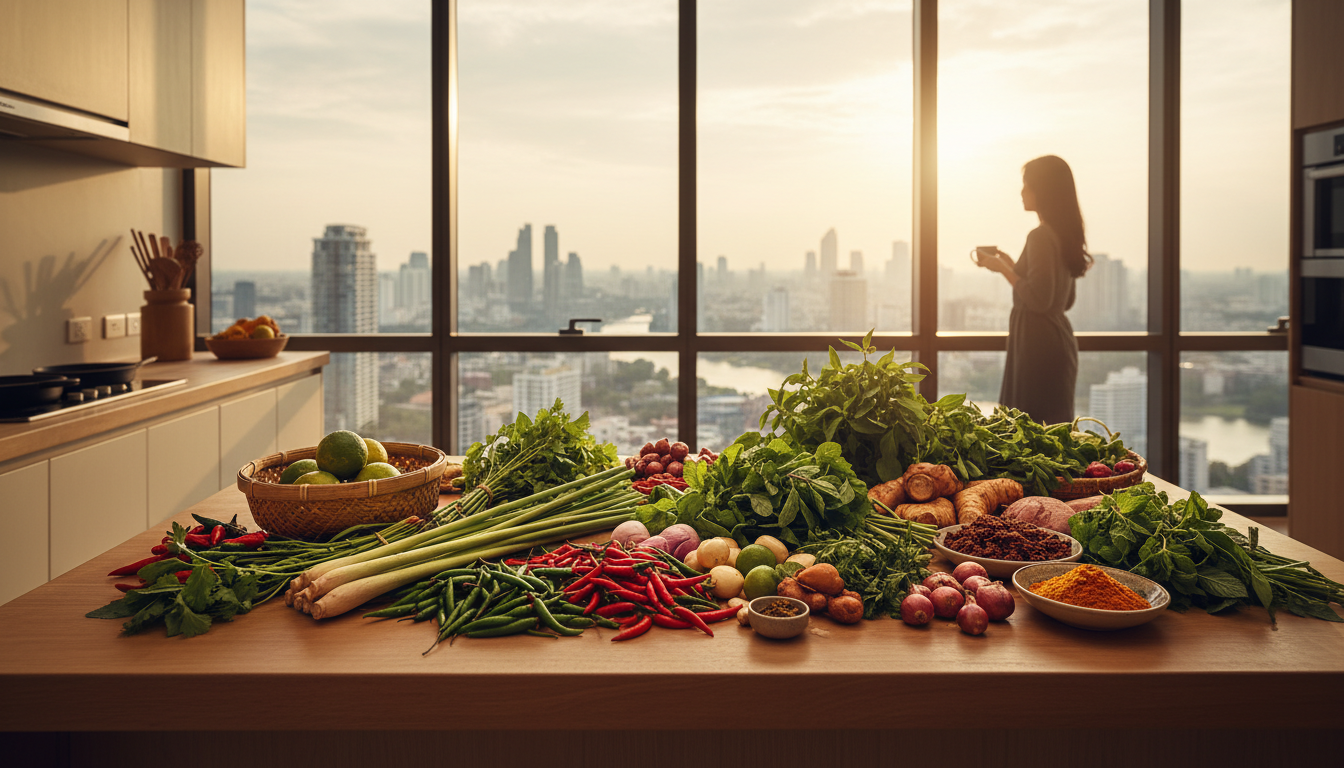 A modern Bangkok condo kitchen with a spread of fresh market ingredientslemongrass, chilies, herbsla
Practical Tips for Bangkok Market and Food Tour Success
Timing Is Everything
Bangkok's food scene operates on a schedule that takes some adjustment. Morning markets peak between 6-9 AM. Lunch street food appears around 10:30 AM and often sells out by 1 PM. The afternoon (2-5 PM) is genuinely dead—most vendors rest, and you should too. Night markets and street food restart around 5 PM and run until midnight or later.
The worst mistake I see visitors make: trying to eat on a Western schedule. If you're hungry at 3 PM, you'll end up at a tourist restaurant or 7-Eleven. Plan your days around Thai meal timing, and you'll eat dramatically better.
The Spice Conversation
Thai food is spicy. Not "oh this has a little kick" spicy—actually, genuinely, sweat-inducing spicy. Most tourist-facing places automatically tone it down, which is why so much tourist Thai food tastes flat.
At markets and local spots, you'll often be asked "pet mai?" (spicy or not?). My strategy: say "pet nit noi" (a little spicy) on your first visit. If you can handle it, upgrade to "pet" (spicy) next time. Only say "pet mak" (very spicy) if you genuinely know what you're doing.
I learned this the hard way at a som tam stall in Khlong Toei. I confidently said "pet mak mak" (very very spicy) because I thought I was tough. I was not tough. I spent the next hour drinking sweet condensed milk straight from the can while the vendor's grandmother laughed at me.
Money and Payment
Most market vendors are cash-only, and they don't love breaking large bills. Before any market visit, get change. ATMs dispense 1,000 baht notes ($29), which are basically useless at a stall selling 40 baht noodles. Hit a 7-Eleven first, buy a water, break the big bill.
Some newer markets (especially the trendier night markets) accept PromptPay QR codes, but don't count on it. Cash is king.
Budget reality check: you can eat extremely well in Bangkok markets for 300-500 baht ($8.60-14.30) per day. That's three full meals plus snacks and drinks. Food tours will run 1,200-2,500 baht ($35-72) depending on length and inclusions.
Staying Safe (Stomach-Wise)
I've eaten at Bangkok street stalls probably 200+ times across my swaps. I've gotten sick exactly twice, both times from places that looked questionable and I ignored my instincts.
The rules that have served me well: eat where there's high turnover (food isn't sitting), watch for vendors who handle money and food with the same hands (red flag), and trust your nose. If something smells off, it probably is.
Also—and I know this sounds paranoid—ice can be an issue at very low-end places. Cylindrical ice with a hole in the middle is commercially made and safe. Irregularly shaped ice chunks might be made from tap water. When in doubt, order drinks without ice or stick to bottled options.
The Markets You Haven't Heard Of
Every Bangkok guide covers Chatuchak, Chinatown, and the floating markets (which, honestly, are mostly tourist traps at this point). Here are the markets I've discovered through home swaps that rarely make the lists:
Wang Lang Market (near Siriraj Hospital) requires taking the ferry across the Chao Phraya River. Students from the nearby university keep prices low, and the khanom (Thai sweets) selection is the best I've found anywhere. Try the khanom krok—coconut rice pancakes cooked in a special dimpled pan.
Rot Fai Market Ratchada shows up on some lists, but most guides undersell it. The vintage section is whatever, but the food zone—specifically the seafood area in the back—is exceptional. Giant river prawns grilled over charcoal, 350 baht ($10) for a portion that would cost $40+ in a restaurant.
Bang Kapi Market sits way off the tourist track, in a residential area east of central Bangkok. This is where I go when I want to see zero other foreigners. The morning market has a pork leg rice stall that I'd put against any in the city. Getting there requires the BTS to Ekkamai, then a taxi or Grab—worth it if you're serious about food.
Saphan Lek (under the expressway) is a tiny, chaotic market that sets up under a highway overpass near Hua Lamphong. It's technically a general market, but the food stalls on the edges are incredible. Cash only, no English, absolutely no tourists. My kind of place.
Making the Most of Your Bangkok Food Trip
After five swaps and more market meals than I can count, here's what I wish someone had told me on day one:
Don't try to do everything. Bangkok has literally thousands of food stalls, hundreds of markets, and decades worth of eating to explore. Pick one or two markets per day, go deep rather than wide, and leave room for the unexpected discovery.
Talk to your swap host. Seriously. Even if they just leave you a note with three recommendations, those three spots will probably be better than anything you'd find on your own. SwappaHome's messaging system makes it easy to ask hosts about their food favorites before you even arrive.
Bring antacids. Not because the food is bad—because you'll overeat. Every single time. It's too good and too cheap to show restraint.
And finally: the best meal of your trip will probably be something you didn't plan. A random stall you passed while lost, a dish you pointed at because you couldn't read the menu, a recommendation from a stranger who saw you looking confused. That's the magic of Bangkok's food scene—it rewards curiosity over planning.
I'm already planning my next swap. There's a neighborhood in the north of the city I've never explored, and my last host mentioned a noodle shop there that's only open on Wednesdays. That's the kind of detail that keeps me coming back—the sense that no matter how many times I visit, Bangkok's food scene still has secrets to share.
If you're considering a home swap in Bangkok, do it. The money you save on accommodation means more budget for food tours, more market meals, more chances to discover your own version of that perfect mango sticky rice moment.
Your taste buds will thank you. Your wallet definitely will.
Frequently Asked Questions
What are the best Bangkok markets for food?
The top Bangkok markets for food are Or Tor Kor Market for premium ingredients and prepared dishes, Chatuchak Weekend Market sections 2-4 for diverse street food, and Khlong Toei Market for authentic local experiences. Chinatown's Yaowarat Road offers the best night food scene, while Wang Lang Market near Siriraj Hospital is perfect for traditional Thai sweets.
How much do Bangkok food tours cost?
Bangkok food tours typically cost 1,200-2,500 baht ($35-72 USD) depending on duration and inclusions. Chinatown night tours average 1,800 baht ($52) for 4 hours with 8-10 food stops. Budget travelers can create DIY food crawls for 300-400 baht ($8.60-11.50) in food costs by following MRT lines through market areas.
Is Bangkok street food safe to eat?
Bangkok street food is generally safe when you follow basic precautions. Choose stalls with high customer turnover, watch that vendors use separate hands for money and food, and trust your instincts about cleanliness. Commercially-made cylindrical ice is safe; avoid irregular ice chunks. Most travelers eat street food without issues.
What time do Bangkok markets open?
Bangkok market timing varies by type. Morning markets like Or Tor Kor open at 6 AM and peak by 9 AM. Chatuchak Weekend Market runs Saturday-Sunday, 9 AM-6 PM. Night markets and Chinatown food stalls start around 5 PM and continue until midnight. The afternoon (2-5 PM) is typically dead for street food.
How do I find authentic food in Bangkok without a guide?
To find authentic Bangkok food without a guide, stay in local neighborhoods through home swapping and ask hosts for recommendations. Look for stalls with Thai-only menus and local customers. Visit markets early morning or after 6 PM when residents eat. The Ari, Saphan Khwai, and Thonglor areas offer excellent food scenes away from tourist zones.

Published by
SwappaHome
SwappaHome Editorial Team
Home Exchange & Slow Travel Editorial
The SwappaHome Editorial Team brings together travel research, home-exchange community insights, and platform data to produce practical guides for first-time and experienced home swappers. Every article cites real platforms, current market rates, and verifiable city-level facts so readers can make informed decisions without guessing.
Ready to try home swapping?
Join SwappaHome and start traveling by exchanging homes. Get 7 free credits when you sign up!
Related articles
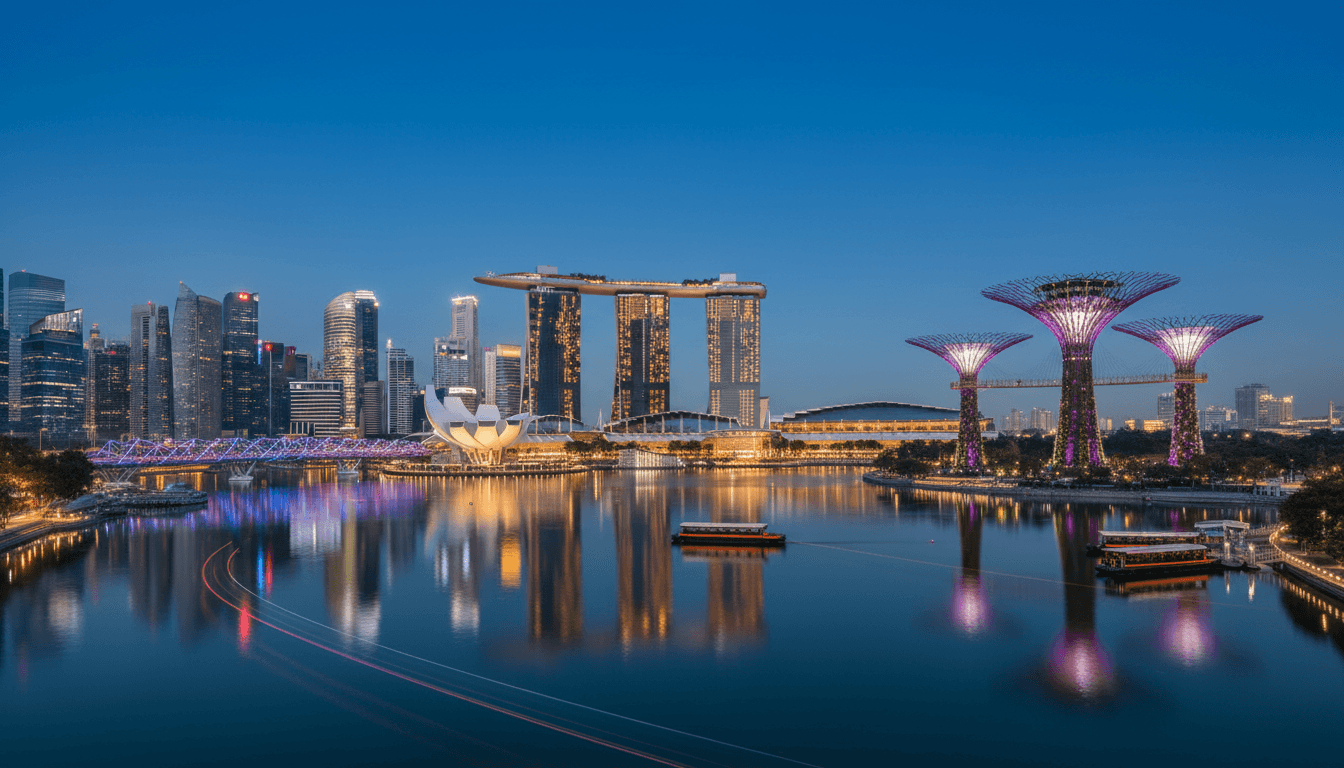
Bachelor and Bachelorette Parties in Singapore: The Complete Home Swap Group Guide for 2026
Planning a bachelor or bachelorette party in Singapore? Discover how home swapping lets groups of 6-12 stay together in luxury condos, saving thousands while partying in Marina Bay.
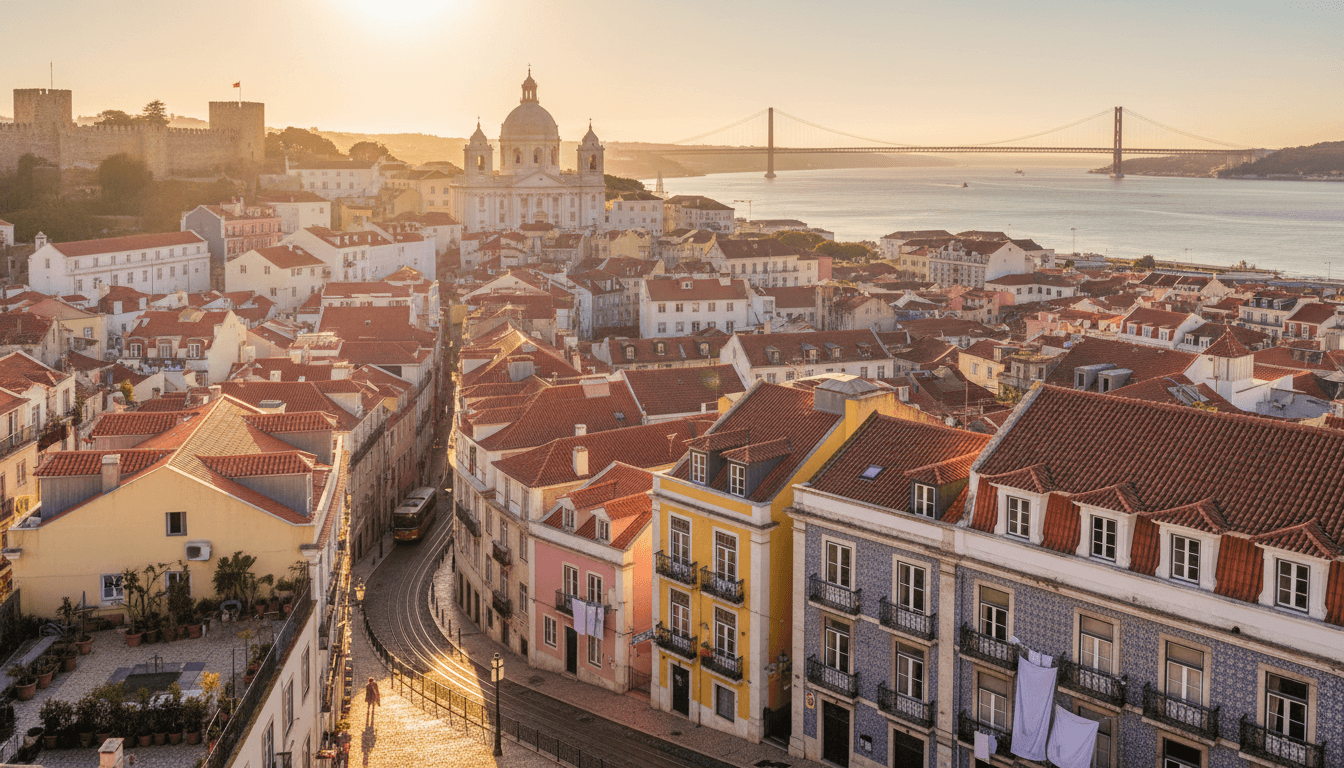
Cycling in Lisbon: 7 Home Swap Bike Tour Itineraries for Every Rider
Discover the best cycling routes in Lisbon with these home swap bike tour itineraries—from waterfront paths to hilltop adventures, all starting from your borrowed home.
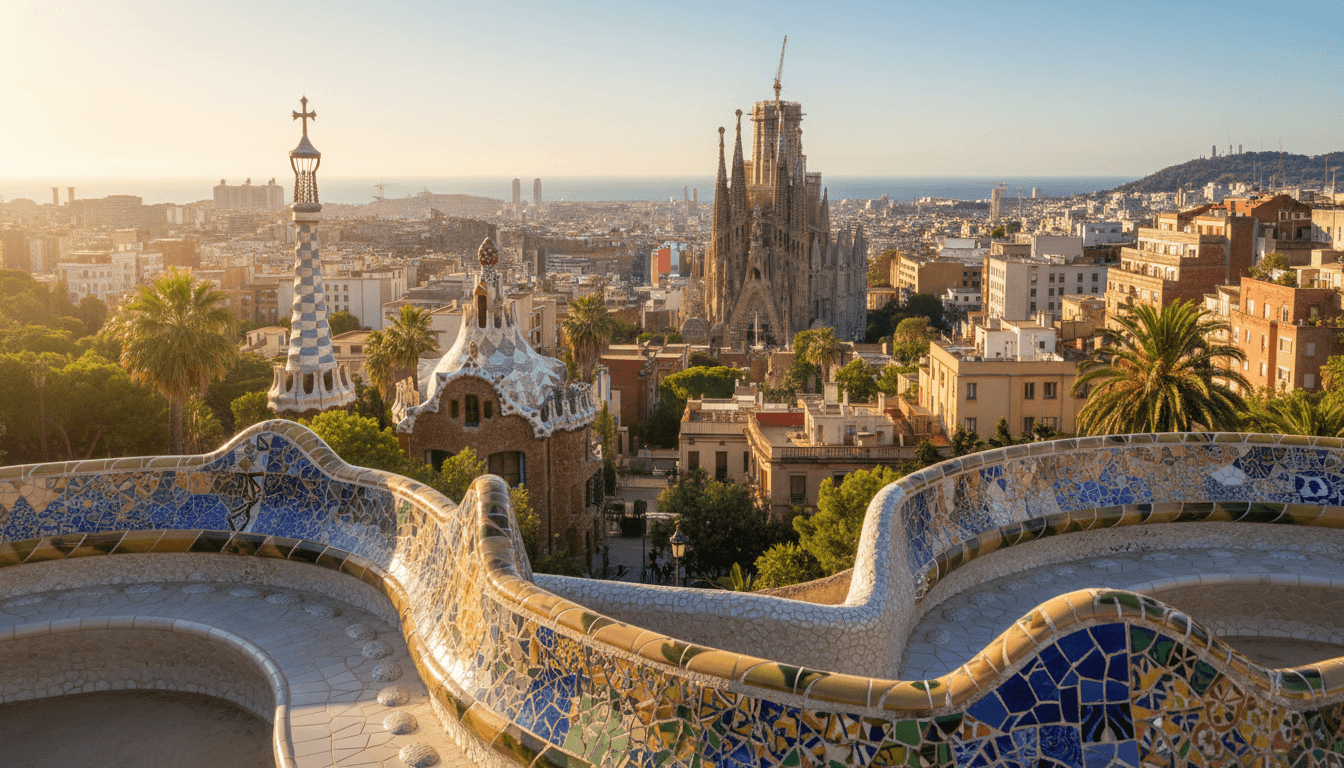
Graduation Trip to Barcelona: How Home Swapping Gives New Graduates the Ultimate Celebration
Planning a graduation trip to Barcelona? Discover how home swapping lets new graduates explore Spain's most vibrant city without the hostel crowds or hotel costs.