10 Most Beautiful Home Exchange Destinations for Your Next Trip

SwappaHome Editorial Team
Home Exchange & Slow Travel Editorial
Discover the 10 most stunning home exchange destinations worldwide—from Lisbon's tiled streets to Kyoto's bamboo groves. Real tips, real savings, real beauty.
The View That Changes Everything
You're standing on a private terrace in Santorini, watching the sun melt into the Aegean Sea. The whitewashed walls behind you still hold the day's warmth. There's a glass of local Assyrtiko in your hand, and you're staying in someone's actual home—not a hotel room that looks like every other hotel room you've ever seen.
This is what makes home exchange destinations so fundamentally different from traditional travel. You're not just visiting a place; you're briefly living someone's life in it.
The most compelling home exchange destinations aren't necessarily the ones with the most famous landmarks. They're the places where staying in a real home transforms the entire experience—where waking up in a local neighborhood, shopping at the corner market, and having a kitchen to cook in makes you see the destination through completely different eyes.
After analyzing thousands of exchanges across the SwappaHome community and cross-referencing with member feedback, we've identified ten destinations where home swapping doesn't just save money—it fundamentally elevates the experience. These aren't generic "top destinations" lists. These are places where the home-exchange model specifically unlocks something special.
 Aerial view of Santorinis Oia village at golden hour, white cubic houses cascading down volcanic cli
1. Lisbon, Portugal: Where Every Neighborhood Tells a Different Story
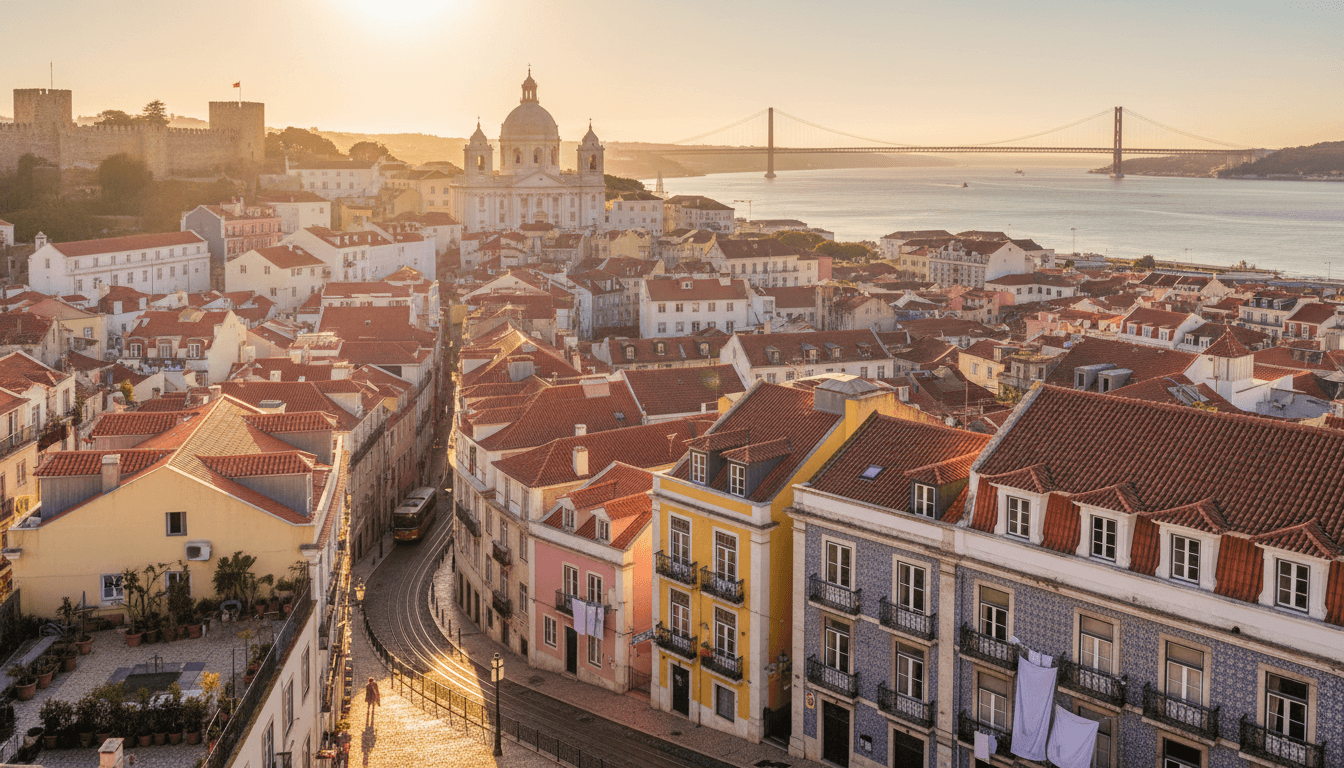
Lisbon consistently ranks among the most requested home exchange destinations in Europe, and the reasons go far beyond its famous pastel de nata. The city's neighborhood diversity makes it ideal for home swapping—staying in Alfama feels completely different from staying in Príncipe Real, which feels nothing like Belém.
The tiled facades of Alfama's medieval streets create a sensory experience that no hotel lobby can replicate. Members frequently describe waking up to the sound of fado drifting from a neighbor's window, or the smell of grilled sardines from the restaurant below their exchange apartment.
Why home exchange works here: Lisbon's best experiences happen at the neighborhood level. The elderly woman who sells you oranges at the Feira da Ladra flea market. The unmarked wine bar that locals actually use. The miradouro viewpoint that doesn't appear in guidebooks. Staying in a home—especially one where the owner has left recommendations—opens doors that hotels simply can't.
Practical details: Typical hotel rates in central Lisbon run €120–200 per night in peak season. Home exchange eliminates accommodation costs entirely. The city has strong SwappaHome representation, with members across Alfama, Graça, Mouraria, Príncipe Real, and the emerging Marvila arts district.
Best neighborhoods for exchanges:
- Alfama for historic atmosphere and fado culture
- Príncipe Real for upscale dining and LGBTQ+ friendly nightlife
- Graça for panoramic views and authentic local life
- LX Factory area for creative types and design lovers
2. Kyoto, Japan: Traditional Living in a Modern World
Kyoto presents a fascinating case study in why home exchange destinations matter. Hotels here—even expensive ones—tend toward the generic international style. But staying in a machiya (traditional wooden townhouse) transforms the entire Kyoto experience.
These narrow, deep houses with their interior gardens and sliding paper screens represent a way of living that's increasingly rare even in Japan. Several SwappaHome members own restored machiya in neighborhoods like Nishijin and Higashiyama, offering exchanges that would be impossible to book commercially.
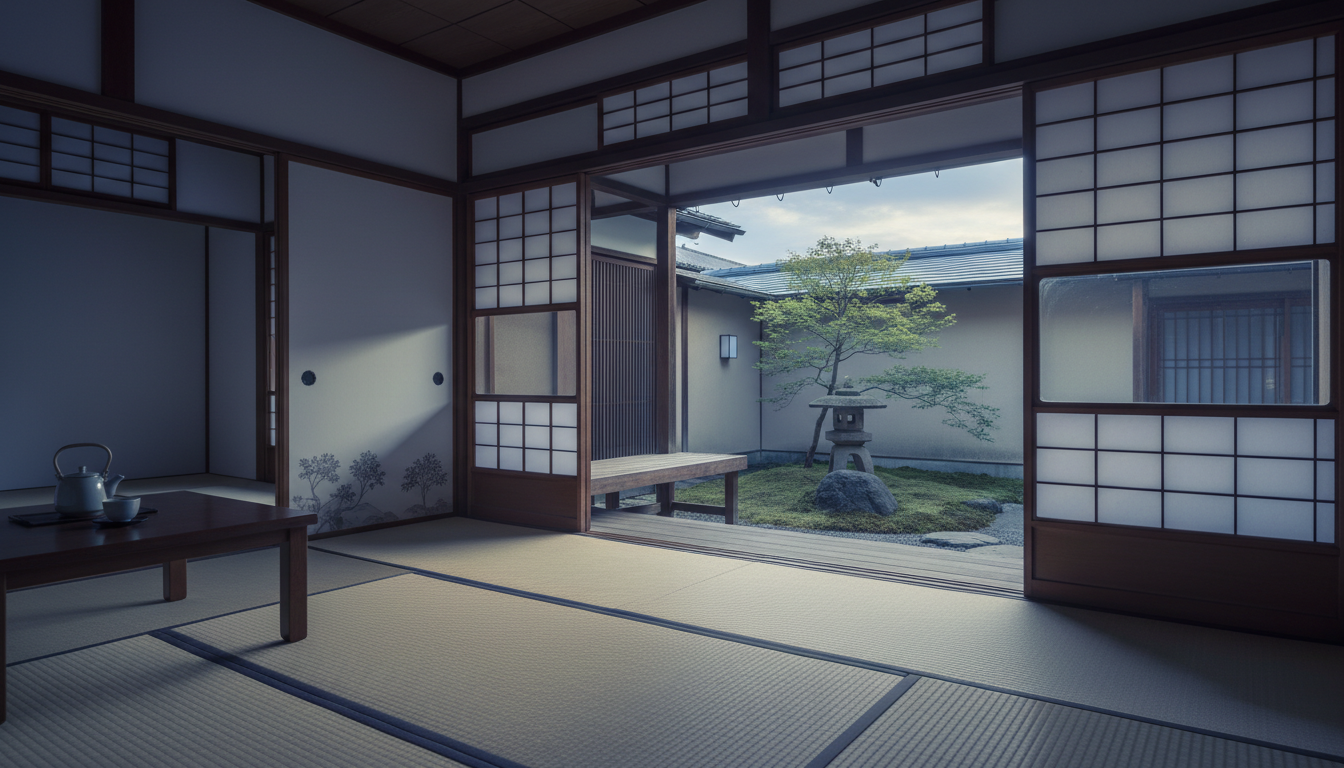 Interior of a traditional Kyoto machiya at dawn, tatami floors, shoji screens filtering soft morning
Why home exchange works here: Japanese domestic spaces operate differently than Western ones. The ritual of removing shoes, the futon sleeping arrangements, the compact but precisely organized kitchens—experiencing these firsthand creates understanding that reading about them never could. Plus, machiya stays that do exist commercially often cost $300–500 per night.
Practical details: Kyoto accommodation prices spike dramatically during cherry blossom season (late March–early April) and autumn foliage (mid-November), with hotels regularly exceeding $400 per night. Home exchanges during these periods represent extraordinary value. The city's public transit is excellent, so location flexibility works in your favor.
Cultural consideration: Japanese homes often come with detailed instructions about garbage sorting, bathroom etiquette, and neighborhood protocols. Following these carefully isn't just polite—it's how you ensure future travelers get the same opportunity.
3. Barcelona, Spain: Mediterranean Living at Its Finest
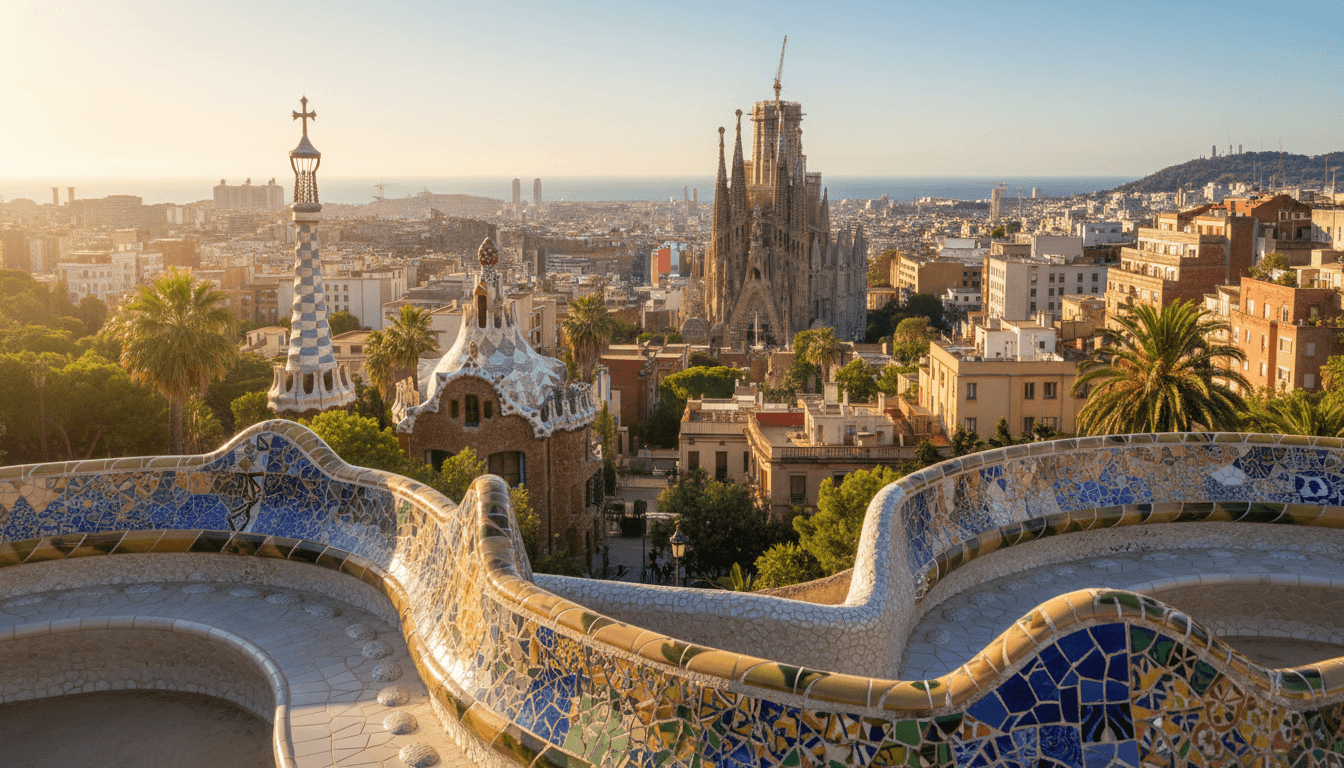
Barcelona's home exchange scene thrives because the city's best feature isn't any single attraction—it's the lifestyle. The long lunches, the late dinners, the afternoon vermut ritual, the beach at sunset. These rhythms make sense when you have a home base, not when you're operating from a hotel.
The SwappaHome community here skews toward the Gràcia and Poble Sec neighborhoods—areas where actual Barcelona residents live, away from the cruise-ship crowds of the Gothic Quarter. These neighborhoods have their own distinct personalities: Gràcia feels almost like a village within the city, with its plaças and independent shops, while Poble Sec offers a grittier, more artistic vibe with some of the city's best tapas bars.
Why home exchange works here: Barcelona's apartment culture means most locals live in flats with terraces, rooftop access, or interior courtyards—spaces that hotels can't replicate. Cooking dinner with ingredients from the Boqueria market, then eating on a terrace as the city lights come on? That's Barcelona at its most authentic.
Practical details: Central Barcelona hotels average €150–250 per night, with Airbnb prices not far behind (and increasingly restricted by local regulations). Home exchanges sidestep these costs entirely while often providing better locations than either option.
Neighborhood insights:
- Gràcia: Best for families, market lovers, and those wanting local immersion
- Poble Sec: Best for foodies and nightlife seekers
- Barceloneta: Best for beach access, though touristy
- Sant Antoni: Best for design lovers and the Sunday book market
4. Cape Town, South Africa: Where Nature Meets Urban Sophistication
Cape Town offers something rare among home exchange destinations: dramatic natural scenery combined with world-class urban amenities. Table Mountain looms over neighborhoods where Victorian architecture meets contemporary African design, and the exchange opportunities reflect this diversity.
 View from a Cape Town home terrace at sunset, Table Mountain silhouette against orange sky, city lig
Cape Town exchanges often include properties that would be prohibitively expensive to rent—homes in Camps Bay with ocean views, Victorian houses in Observatory with mountain backdrops, wine estates in nearby Stellenbosch. The favorable exchange rate means South African members are often eager to swap for European or North American destinations.
Why home exchange works here: Cape Town's geography spreads attractions across distinct areas. Having a car (often included with home exchanges) and a home base makes exploring the Cape Peninsula, the Winelands, and the city itself far more practical than hotel-hopping. South African hospitality culture also means hosts often go above and beyond with local recommendations.
Practical details: Luxury accommodations in Cape Town can run $200–400 per night, but the real value of home exchange here is access—to neighborhoods, to vehicles, to the kind of local knowledge that transforms a trip.
Safety note: Like any major city, Cape Town has areas that require awareness. Home exchange hosts provide invaluable guidance about neighborhood-specific considerations that generic travel advice misses.
5. Amalfi Coast, Italy: The Home Exchange Advantage
The Amalfi Coast might be the single destination where home exchange provides the most dramatic upgrade over traditional accommodation. Here's the reality: hotels in Positano, Ravello, and Amalfi itself are either eye-wateringly expensive ($500–1,000+ per night for anything with a view) or disappointingly basic.
But the coast is dotted with private homes—many owned by Italian families who use them seasonally and are happy to exchange. These properties often feature the terraces, lemon groves, and sea views that define the Amalfi aesthetic, at a fraction of hotel costs (which is to say, no cost beyond your SwappaHome membership).
Why home exchange works here: The Amalfi Coast is fundamentally a residential place that happens to be stunning, not a purpose-built tourist destination. Staying in a home—with a kitchen to avoid €25 hotel breakfasts, a terrace to enjoy the view without restaurant pressure, and local tips from owners—aligns with how the coast is meant to be experienced.
Practical details: The coast's winding roads and limited parking make having a home base essential. Many exchange properties include parking—a genuine luxury here. The shoulder seasons (May and October) offer the best combination of weather, availability, and reduced crowds.
Worth noting: Ravello sits above the coastal chaos and offers more peaceful exchanges, while still providing easy access to Amalfi and Positano below.
6. Melbourne, Australia: Coffee Culture and Neighborhood Character
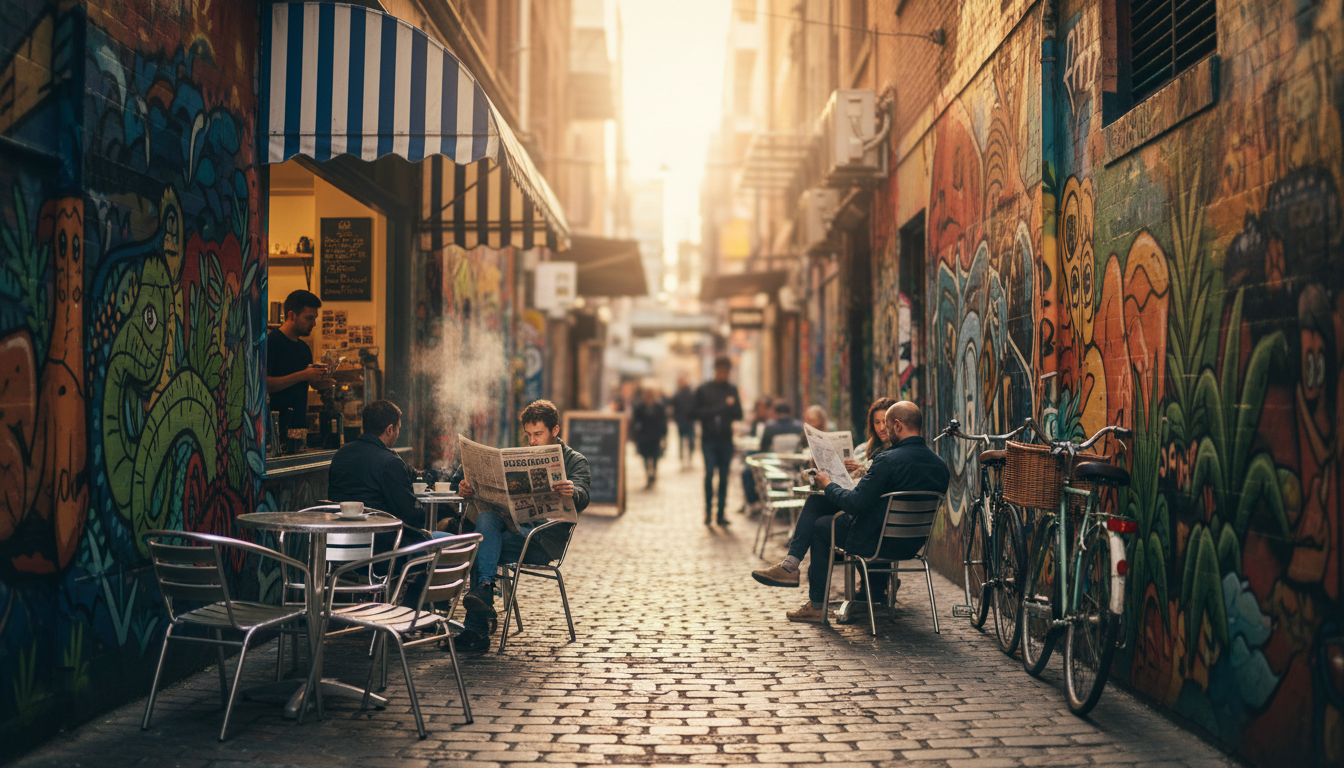 Melbourne laneway at morning, street art covering walls, small specialty coffee shop with outdoor se
Melbourne's appeal for home exchange lies in its fierce neighborhood identities. Fitzroy's vintage shops and rooftop bars feel nothing like St Kilda's beachside bohemia, which feels nothing like Carlton's Italian heritage or Brunswick's Middle Eastern influences. Staying in one neighborhood for a week reveals layers that hotel-based tourism misses entirely.
The city's coffee culture—widely considered the world's best—exists at the neighborhood level. The café that locals actually line up for isn't in the CBD; it's on a residential street in Collingwood or a laneway in Footscray. Home exchange hosts know these spots.
Why home exchange works here: Melbourne rewards slow exploration. The best experiences—discovering a hidden bar, finding the perfect flat white, stumbling into a gallery opening—happen when you're walking through residential neighborhoods, not tourist precincts. Having a home base encourages this wandering.
Practical details: Melbourne hotels cluster in the CBD, but the city's soul lives in the inner suburbs. Home exchanges in Fitzroy, Collingwood, Northcote, or Prahran put you where the action actually is. The tram network makes car-free living easy.
Timing insight: Melbourne's unpredictable weather means the "four seasons in one day" cliché is genuinely true. Having a home to return to—with a kitchen for rainy-day cooking—makes weather variability a non-issue.
7. Dubrovnik, Croatia: Beyond the City Walls
Dubrovnik's Old Town is legitimately stunning—and legitimately overrun with cruise ship passengers between 10am and 4pm. The home exchange advantage here is profound: staying in the residential neighborhoods outside the walls (Lapad, Gruž, or the hills above the old town) provides the best of both worlds.
Why home exchange works here: Dubrovnik's tourism infrastructure pushes visitors toward the Old Town, where hotels are expensive, rooms are small, and the crowds are relentless. But the real Dubrovnik—the one where people actually live—exists in the surrounding neighborhoods, with their local konobas, morning markets, and swimming spots that don't require fighting for space.
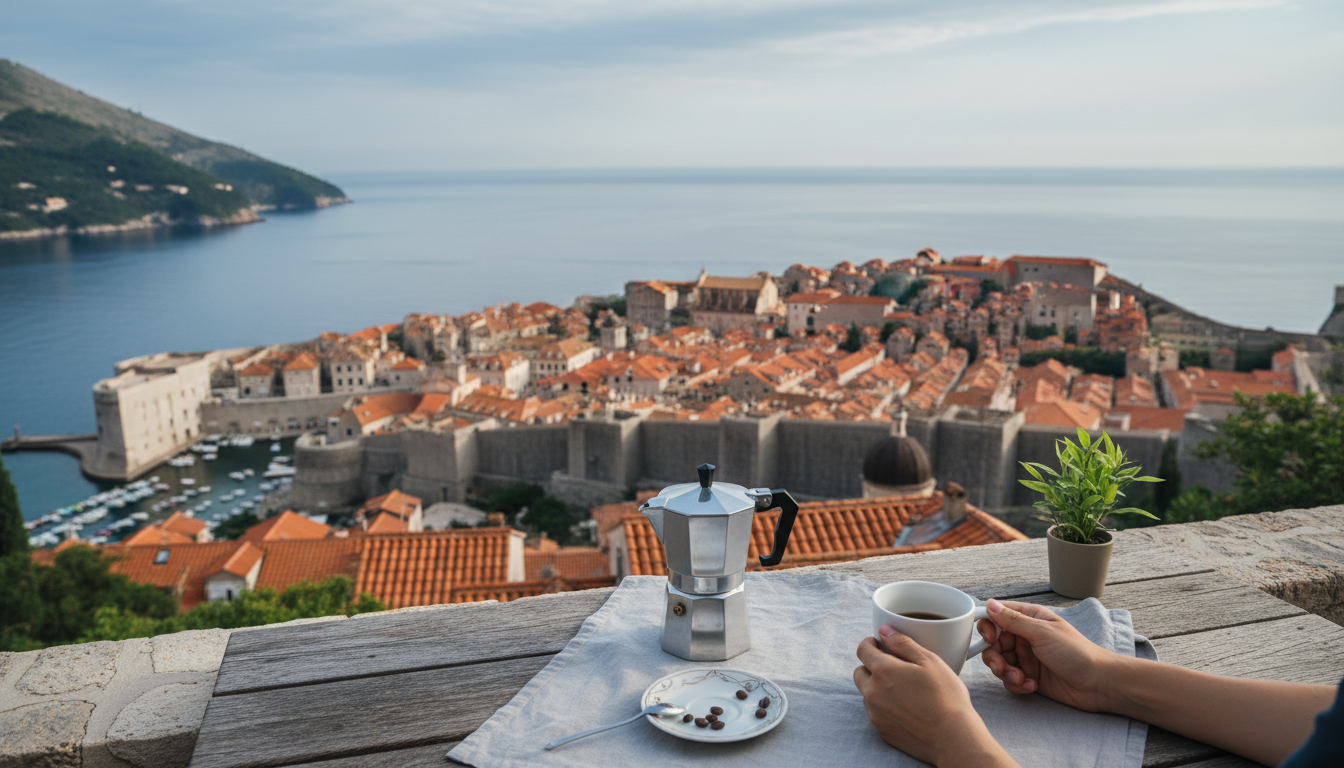 View of Dubrovnik Old Town from a hillside terrace above, terracotta roofs and city walls visible be
Practical details: Old Town hotels run €200–400 per night in summer, with limited amenities and no parking. Home exchanges in surrounding neighborhoods often include terraces with Old Town views, parking, and kitchens—plus the ability to visit the walls at 8am before the crowds arrive.
The smart move: Treat Dubrovnik's Old Town as a day-trip destination from your home base. Walk the walls at opening time, escape to your neighborhood for lunch and a swim, return for sunset drinks.
8. Marrakech, Morocco: Riad Living
Marrakech represents perhaps the most dramatic example of how home exchange transforms a destination. The traditional riad—a house built around an interior courtyard—offers an experience fundamentally different from hotels, even hotels that call themselves riads.
Staying in a family's actual riad, with their furnishings, their rooftop terrace setup, their kitchen equipped for Moroccan cooking, provides immersion that commercial accommodation can't match. The medina's maze-like streets make sense differently when you're navigating to "your" door each evening.
Why home exchange works here: Moroccan hospitality culture means exchange hosts often provide introductions—to their housekeeper who can cook traditional meals, to the hammam they actually use, to the spice merchant who won't overcharge. These connections transform the Marrakech experience from tourist to temporary local.
Practical details: Riad hotels in the medina range from €80 for basic to €300+ for luxury. Home exchanges eliminate costs while often providing more authentic spaces. The Gueliz neighborhood offers a more modern alternative to medina living.
Cultural note: Marrakech exchanges work best when travelers embrace the slower pace of riad living—morning coffee in the courtyard, afternoon rest during the heat, evening exploration when the medina comes alive.
9. Vancouver, Canada: Mountains Meet Ocean
Vancouver's natural setting—mountains rising directly behind a modern city on the Pacific—makes it one of North America's most striking home exchange destinations. But the city's neighborhood diversity is what makes home swapping particularly rewarding here.
Kitsilano's beach culture feels like a different city from Gastown's historic brick and craft cocktails, which feels nothing like Commercial Drive's multicultural bustle or Granville Island's market atmosphere. Staying in one neighborhood for a week reveals Vancouver's layered personality.
Why home exchange works here: Vancouver's outdoor lifestyle—hiking, skiing, kayaking—is best accessed from a home base with gear storage and a kitchen for early-morning fuel-ups. Many exchange properties include bicycles, kayaks, or ski equipment that would be expensive to rent.
Practical details: Vancouver hotels average CAD $200–350 per night, with downtown locations limiting access to the city's best neighborhoods. Home exchanges in Kitsilano, Mount Pleasant, or East Vancouver put you in walkable areas with distinct character.
Seasonal consideration: Vancouver's mild winters make it a year-round destination, but summer (June–September) offers the best weather for outdoor activities. Ski season exchanges provide access to Whistler, just 90 minutes north.
10. Buenos Aires, Argentina: European Elegance Meets Latin Passion
Buenos Aires closes our list because it exemplifies what makes home exchange destinations special: a city where staying in neighborhoods transforms understanding. The grand Haussmann-style apartments of Recoleta, the cobblestoned artist studios of San Telmo, the converted warehouses of Puerto Madero, the tree-lined streets of Palermo—each neighborhood offers a different Buenos Aires.
The city's apartment culture (most porteños live in flats) means home exchange opportunities abound, often in buildings with architecture that hotels can't match. The favorable exchange rate means Argentine members actively seek swaps with North American and European destinations.
Why home exchange works here: Buenos Aires operates on a rhythm that hotels disrupt. Late dinners (10pm is early), afternoon siestas, weekend asados that last all day—these patterns make sense when you have a home, not when you're working around hotel schedules and restaurant reservations.
Practical details: Palermo and Recoleta offer the highest concentration of exchange opportunities, with San Telmo providing a more bohemian alternative. The city's excellent public transit makes any central neighborhood practical.
Cultural immersion: Many Buenos Aires exchanges include introductions to the owner's social circle—invitations to asados, recommendations for milongas (tango halls), connections to the city's vibrant cultural scene.
What Makes These Destinations Different
Looking across these ten home exchange destinations, patterns emerge. The places where home swapping provides the most value share certain characteristics:
Strong neighborhood identity: Cities where different areas have distinct personalities reward the home-exchange approach. You're not just "in Barcelona"—you're in Gràcia, with its specific markets, bars, and rhythms.
Residential culture: Destinations where locals live in apartments or houses (rather than purpose-built tourist zones) offer more authentic exchange opportunities.
High hotel costs: The financial case for home exchange strengthens in expensive destinations. Saving $300 per night in Positano or $250 in Vancouver adds up quickly.
Local knowledge matters: Places where insider tips dramatically improve the experience—where to eat, when to visit, what to avoid—benefit from the host recommendations that come with home exchange.
Lifestyle over sightseeing: Destinations where the appeal is "living like a local" rather than checking off attractions align perfectly with the home-exchange model.
Making Your First Exchange Happen
The SwappaHome community has developed collective wisdom about approaching exchanges in these destinations. Here's what works:
Start with your own listing: The best exchanges happen when both parties feel they're getting value. Invest time in photographing your home well, writing honest descriptions, and highlighting what makes your neighborhood special.
Be flexible on timing: The most sought-after home exchange destinations are often the most requested. Flexibility on dates—especially shoulder seasons—dramatically increases your options.
Communicate thoroughly: Successful exchanges in unfamiliar destinations depend on good communication. Ask about neighborhood safety, transportation, local customs, and the host's personal recommendations.
Think beyond the obvious: The ten destinations above are consistently popular, but the home-exchange model works anywhere people live in interesting places. Some of the most memorable exchanges happen in unexpected locations.
The Real Value Proposition
Here's the honest calculation: SwappaHome membership costs a fraction of a single night in most of these destinations. The credit system—earn one credit per night hosting, spend one credit per night staying—means a week hosting in your city funds a week in Lisbon, Kyoto, or any of these places.
But the value isn't purely financial. Staying in someone's home in Barcelona or Buenos Aires or Kyoto creates a different relationship with the place. You're not a tourist passing through; you're briefly living someone's life. You water their plants, use their coffee maker, sleep in their bed. This intimacy with place changes how you experience it.
The most compelling home exchange destinations aren't compelling because of postcard views (though many have those). They're compelling because staying in a home there reveals something that hotels hide—the texture of daily life in remarkable places.
Frequently Asked Questions
What are the most popular home exchange destinations worldwide?
The most popular home exchange destinations consistently include European cities like Lisbon, Barcelona, and Paris, along with coastal areas like the Amalfi Coast and destinations with strong neighborhood cultures like Melbourne and Buenos Aires. Popularity varies seasonally—beach destinations peak in summer while cities like Kyoto see highest demand during cherry blossom and autumn foliage seasons.
How much money can I save with home exchange vs hotels?
Savings vary dramatically by destination. In expensive locations like the Amalfi Coast, Santorini, or Vancouver, home exchange can save $200–400 per night compared to comparable hotel accommodation. Over a two-week trip, this translates to $3,000–5,000 in savings. Even in more affordable destinations, eliminating accommodation costs typically saves $100–150 nightly.
Is home exchange safe in foreign countries?
Home exchange has an excellent safety record, with the vast majority of exchanges completing without issues. The SwappaHome verification system, member reviews, and secure messaging help establish trust. Thorough communication before exchanges, following host guidance about local safety considerations, and treating exchange homes with care all contribute to successful stays.
How far in advance should I plan a home exchange trip?
For popular destinations during peak seasons, planning 3–6 months ahead significantly improves options. Shoulder season exchanges (spring and fall in most destinations) offer more flexibility with 1–2 months notice. Last-minute exchanges are possible but limit choices, particularly in high-demand locations like Kyoto during cherry blossom season or the Amalfi Coast in summer.
Can I do home exchange if I live in a small apartment?
Absolutely. The SwappaHome credit system means any home earns the same credits regardless of size or location. A studio apartment in a major city often attracts significant interest from members seeking urban experiences. Many successful exchangers live in modest spaces but travel to larger properties—the system balances based on demand, not square footage.

Published by
SwappaHome
SwappaHome Editorial Team
Home Exchange & Slow Travel Editorial
The SwappaHome Editorial Team brings together travel research, home-exchange community insights, and platform data to produce practical guides for first-time and experienced home swappers. Every article cites real platforms, current market rates, and verifiable city-level facts so readers can make informed decisions without guessing.
Ready to try home swapping?
Join SwappaHome and start traveling by exchanging homes. Get 7 free credits when you sign up!
Related articles
Bachelor and Bachelorette Parties in Singapore: The Complete Home Swap Group Guide for 2026
Planning a bachelor or bachelorette party in Singapore? Discover how home swapping lets groups of 6-12 stay together in luxury condos, saving thousands while partying in Marina Bay.
Cycling in Lisbon: 7 Home Swap Bike Tour Itineraries for Every Rider
Discover the best cycling routes in Lisbon with these home swap bike tour itineraries—from waterfront paths to hilltop adventures, all starting from your borrowed home.
Graduation Trip to Barcelona: How Home Swapping Gives New Graduates the Ultimate Celebration
Planning a graduation trip to Barcelona? Discover how home swapping lets new graduates explore Spain's most vibrant city without the hostel crowds or hotel costs.