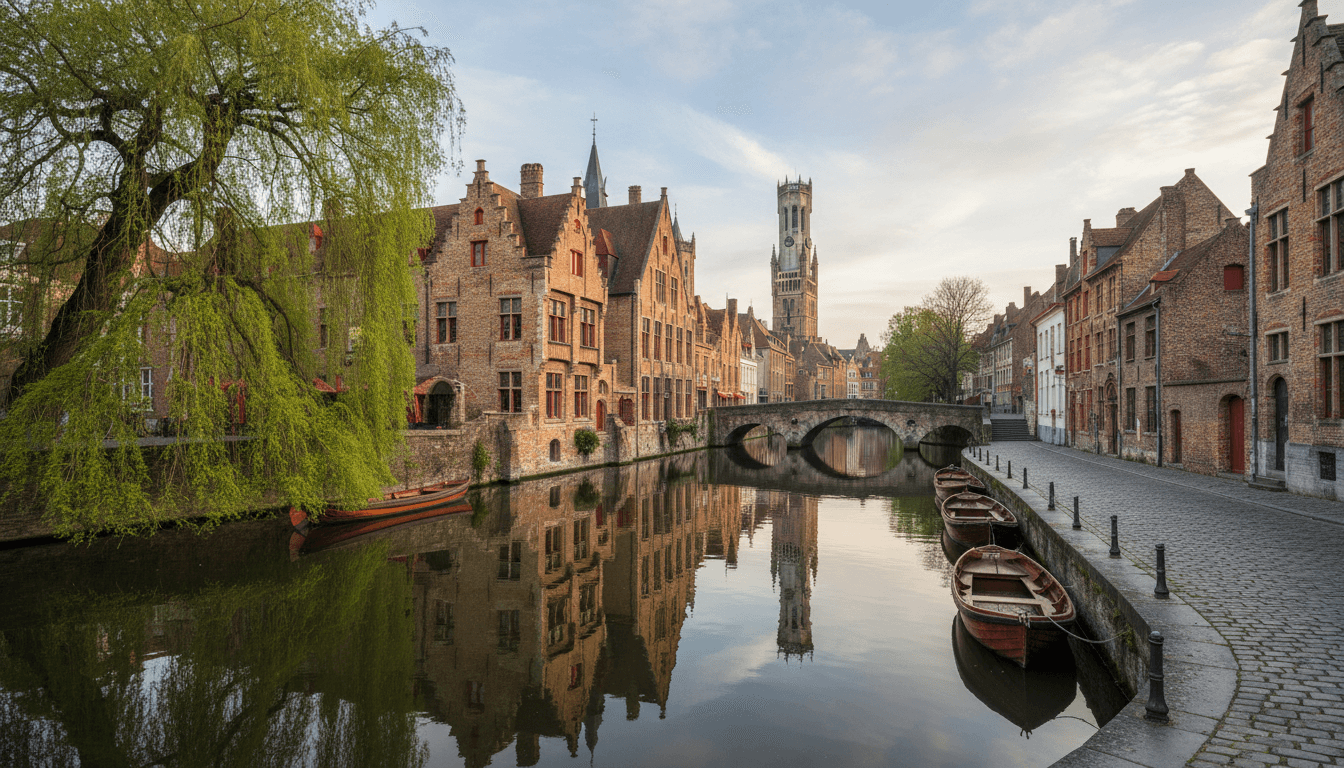
Bruges for Retirees: Your Complete Guide to Relaxed Home Exchange Experiences

SwappaHome Editorial Team
Home Exchange & Slow Travel Editorial
Discover why Bruges is perfect for retired travelers seeking slow-paced home exchanges. Cobblestone charm, accessible canals, and welcoming locals await.
I'll never forget the morning I woke up in a 17th-century townhouse just off Bruges' Markt square, the bells of the Belfry chiming eight o'clock. My host—a retired professor named Willem—had left me a note about where to find the best speculoos cookies and which canal-side bench caught the afternoon sun perfectly. That's when it clicked for me: Bruges and retirees doing home exchanges? It's kind of a perfect match.
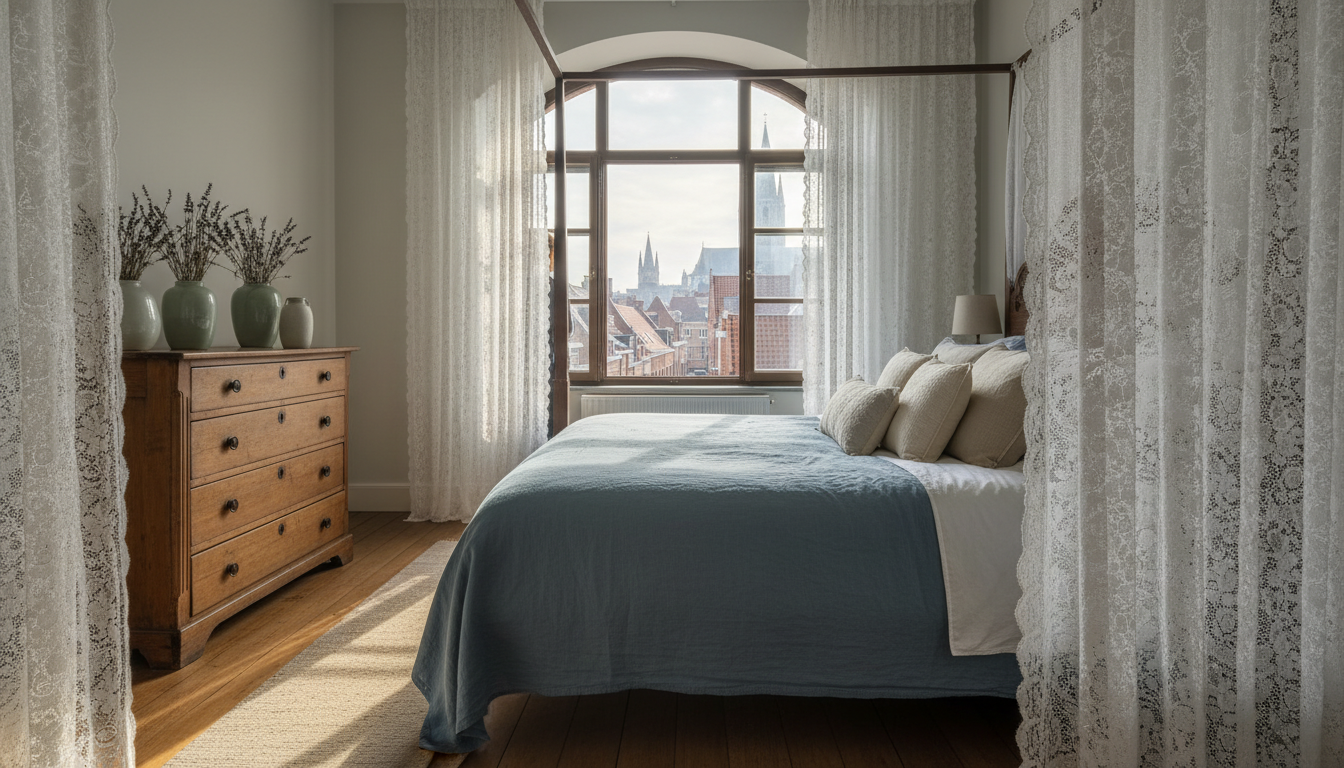 Morning light streaming through lace curtains in a traditional Bruges townhouse bedroom, antique woo
I was 28 at the time, rushing through Belgium on a tight schedule. But watching the retired couples strolling along the Dijver canal, stopping for coffee whenever they pleased, cycling slowly past the Begijnhof—I made a mental note. This city was built for people who've earned the right to take their time.
Why Bruges Is Ideal for Retired Home Exchange Travelers
Here's something most travel guides won't tell you: Bruges is one of the most accessible medieval cities in Europe. I know, that sounds contradictory—cobblestones and accessibility don't usually go together. But the Belgians have figured it out.
The historic center is compact, roughly one square mile. You can walk from the train station to the Markt in about 15 minutes at a leisurely pace. More importantly, Bruges has invested heavily in smooth pathways alongside the original cobblestones, and the canal boat tours mean you can see the city's highlights while seated comfortably. For retirees considering a home exchange here, this matters. You're not going to exhaust yourself just getting around.
The pace is genuinely different from other European tourist destinations. Unlike Amsterdam (chaotic) or Paris (overwhelming), Bruges moves slowly by design. Shops close for lunch. Restaurants don't rush you. The locals actually expect you to sit with your coffee for an hour.
My friend Margaret, who's 67 and has been home swapping since she retired from teaching, did a three-week exchange in Bruges last autumn. "It's the first trip where I didn't feel like I was missing something by not rushing," she told me. "The whole city operates at retiree speed."
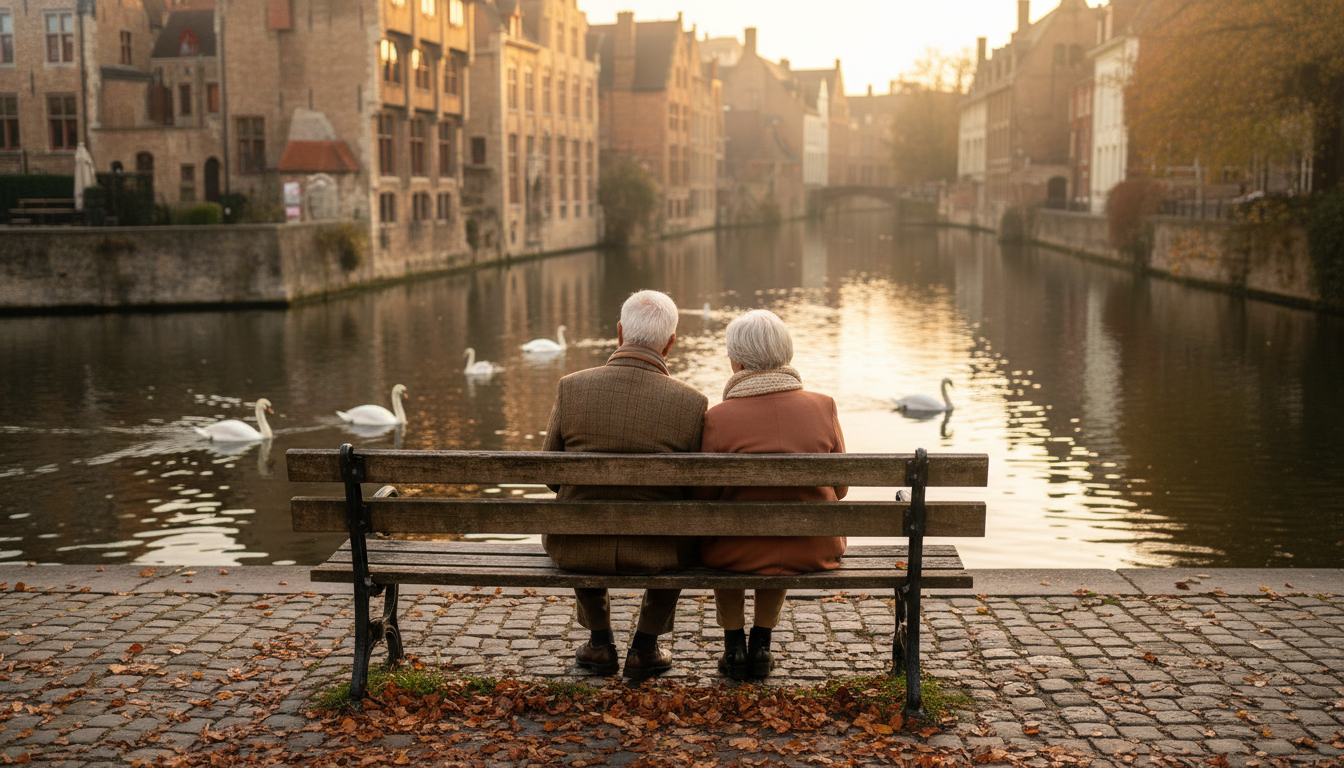 Elderly couple sitting on a wooden bench along the Dijver canal in Bruges, swans gliding past, Gothi
Best Bruges Neighborhoods for Retiree Home Exchanges
Not all areas of Bruges are created equal when you're looking for a relaxed home exchange experience. After seven years of swapping and countless conversations with retired members on SwappaHome, I've learned which neighborhoods actually work.
Sint-Anna Quarter: The Local's Secret
This is my top recommendation. Sint-Anna sits just east of the historic center—close enough to walk to everything, far enough to escape the day-tripper crowds.
The neighborhood has actual residents, not just hotels and chocolate shops. You'll find a butcher, a bakery, a small supermarket. The houses here tend to be traditional brick rowhouses with small gardens—exactly the kind of authentic Bruges home that makes for a memorable exchange. Rent averages €800-1,200/month ($870-1,300 USD), which means the homeowners are often long-term residents, not investors. They take pride in their homes.
The Jeruzalemkerk (Jerusalem Church) is here, one of the city's most fascinating and least crowded attractions. There's also the Kantcentrum (Lace Centre), where you can watch demonstrations of traditional Bruges lacemaking—the kind of slow, meditative activity that pairs perfectly with a relaxed visit.
Around the Begijnhof: Tranquility Central
The Begijnhof is that iconic white-walled courtyard you've seen in every Bruges photograph. What you might not know is that the surrounding streets—Wijngaardstraat, Katelijnestraat, and the area near Minnewater (the "Lake of Love")—offer some of the most peaceful home exchange options in the city.
Homes here are pricier, and the area attracts more tourists during the day. But mornings and evenings? Pure serenity. I once stayed in an apartment on Wijngaardstraat where I could see the Begijnhof entrance from my kitchen window. Watching the morning mist rise over Minnewater while making tea—that's the kind of moment you can't buy at a hotel.
The downside: fewer shops and restaurants within immediate walking distance. You'll need to head toward the Markt for groceries. But if tranquility is your priority, this area delivers.
West of the Markt: Convenience Meets Character
The streets between the Markt and 't Zand square offer a nice middle ground. You're steps from the main attractions, but the residential streets (like Garenmarkt and Hauwerstraat) feel distinctly un-touristy.
This works well for retirees who want central convenience but still want to feel like they're living in Bruges, not just visiting. The Saturday market at 't Zand is one of the city's best—fresh produce, flowers, cheese, and the kind of people-watching that could occupy an entire morning.
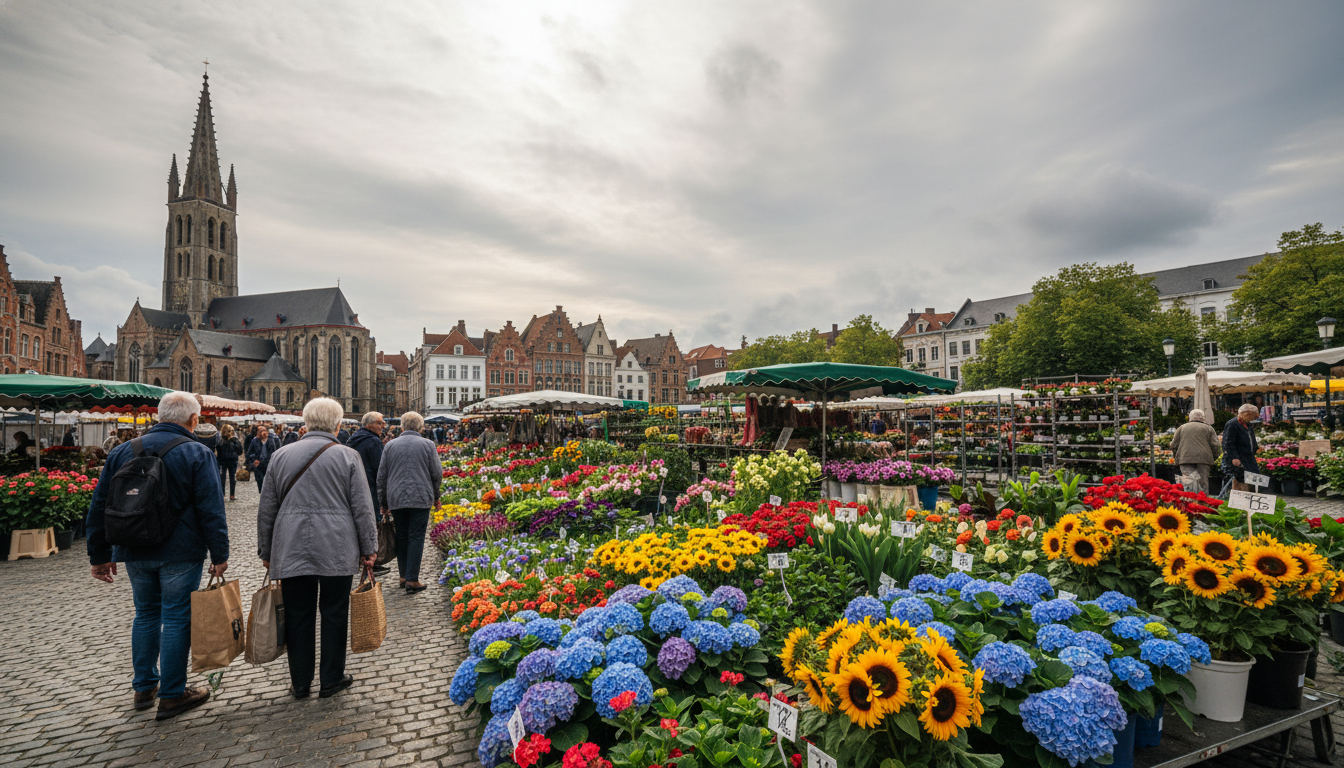 Saturday morning market at t Zand square in Bruges, colorful flower stalls, elderly locals with shop
How to Find the Perfect Bruges Home Exchange as a Retiree
Let me be practical here, because I know the home exchange process can feel daunting if you're new to it.
On SwappaHome, you'll find Bruges listings ranging from compact studio apartments to spacious family homes. For retirees, I'd suggest filtering for a few specific things. Ground-floor or elevator access—many Bruges townhouses have steep, narrow staircases that are charming but challenging if mobility is a concern. Be upfront about this in your messages; most hosts are happy to clarify. Washing machine access is essential for stays longer than a week (laundromats exist in Bruges, but they're not abundant). And proximity to public transport matters—the bus system is excellent and connects the center to the train station, which expands your day-trip options significantly.
When you message potential hosts, mention that you're retired and looking for a relaxed pace. In my experience, this resonates with Bruges homeowners—many of them are retirees themselves, or they have parents who travel. They get it.
I'd also recommend being flexible with your dates. Bruges gets genuinely crowded from mid-June through August and during Christmas markets (late November through December). Spring (April-May) and early autumn (September-October) offer the best weather-to-crowds ratio.
What to Expect from Your Bruges Home Exchange Host
Belgians, particularly Flemish Belgians, have a reputation for being reserved. This is... partially true. They're not going to overwhelm you with warmth on first meeting. But once you're in their home, exchanging spaces, something shifts.
I've found Bruges hosts to be extraordinarily thoughtful. Willem, my first Bruges host, left me a hand-drawn map marking his favorite spots—not the tourist attractions, but the bench with the best view, the café where the owner speaks English, the bakery that makes the crispiest frites. (Yes, bakeries sell fries in Belgium. Yes, it's as good as it sounds.)
Expect detailed house manuals. Belgians are precise people. You'll know exactly how the heating works, where the fuse box is, which day the garbage goes out. This level of detail might feel excessive, but honestly? It's reassuring.
Most Bruges homes will have a coffee machine—often a fancy one. Belgians take their coffee seriously. You'll also likely find a well-stocked spice cabinet and quality cookware. These are people who cook at home and expect you to do the same.
One cultural note: Belgians are private about their homes. They might not give you a full tour or chat extensively before the exchange. This isn't rudeness—it's respect for your space and theirs. Don't take it personally.
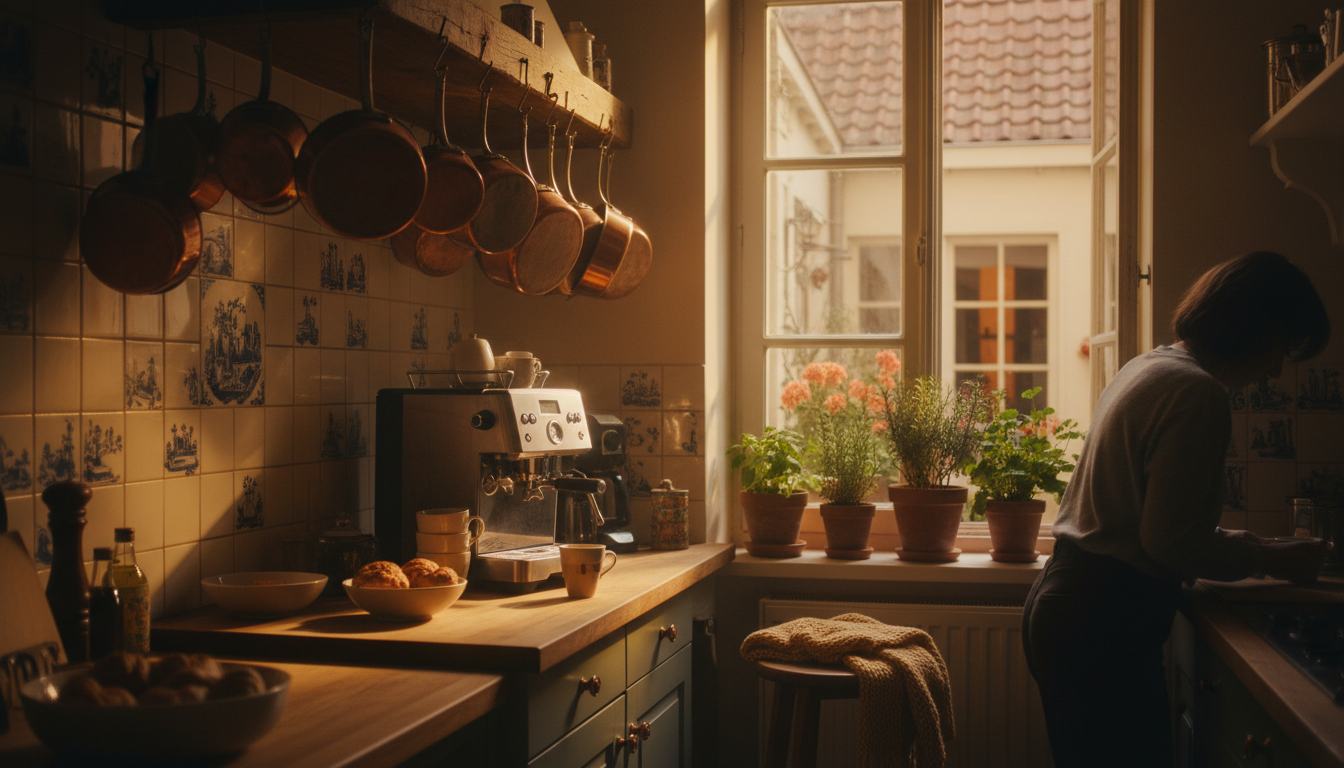 Cozy Bruges kitchen with copper pots hanging, traditional blue-and-white tiles, espresso machine on
Daily Life During a Bruges Home Exchange: A Retiree's Rhythm
Let me paint a picture of what a typical day might look like.
Morning starts slowly. You make coffee in your borrowed kitchen, maybe with some of that dense Belgian bread and the local cheese your host recommended. The church bells mark the hour—you'll get used to this, even grow to love it.
By 9:30 or 10, you might head out for a walk. The tourist crowds don't really materialize until 11 am, so early mornings belong to residents. This is when you'll see locals walking dogs, shopkeepers sweeping stoops, delivery bikes navigating the narrow streets.
A mid-morning café stop is practically mandatory. Belgians don't do quick coffee. Find a spot along the Groenerei canal—Café Vlissinghe is the oldest pub in Bruges (since 1515) and has a peaceful garden. Order a koffie verkeerd (similar to a latte) and watch the canal boats glide past.
Lunch might be simple: a bowl of soup at a local eatery, or supplies from the Delhaize supermarket eaten on a bench in the Koningin Astridpark. Bruges isn't a city that demands constant restaurant spending.
Afternoons are for slow exploration. The Groeningemuseum has one of the world's finest collections of Flemish Primitive paintings—small enough to absorb in an hour without fatigue. The Choco-Story museum is surprisingly good and includes tastings. Or simply wander—every street in the center reveals something worth noticing.
By late afternoon, the day-trippers head back to Brussels, and Bruges transforms. The light turns golden, the crowds thin, and suddenly you understand why artists have been painting this city for 600 years.
Dinner at home, perhaps, with ingredients from the market. Or a quiet restaurant meal—Bruges has excellent, unpretentious bistros where €25-30 ($27-33 USD) gets you a proper three-course dinner with wine.
This rhythm—slow, intentional, unhurried—is what makes Bruges perfect for retirees on home exchange. You're not checking boxes. You're living.
Practical Tips for Retirees Planning a Bruges Home Exchange
After facilitating dozens of conversations between retired travelers and Bruges hosts, here's what I wish everyone knew.
Healthcare access: Belgium has excellent healthcare, and EU citizens can use their EHIC cards. Non-EU visitors should absolutely have travel insurance—SwappaHome doesn't provide any coverage, so this is on you to arrange. AZ Sint-Jan hospital is the main facility in Bruges, about 10 minutes by taxi from the center.
Getting there: Brussels Airport is the main hub, with trains to Bruges taking about 90 minutes (€15-20/$16-22 one way). Alternatively, Brussels South Charleroi Airport has budget carriers, but it's farther and less convenient. If you're coming from the UK, the Eurostar to Brussels plus the connection to Bruges is remarkably civilized.
Money matters: Belgium uses the euro. Credit cards are widely accepted, but some smaller shops and market vendors prefer cash. ATMs are throughout the center.
Language: Dutch (Flemish) is the official language, but English is spoken almost universally in tourist areas. Learning a few Dutch phrases ("dank u wel" for thank you, "alstublieft" for please) goes a long way.
Weather reality check: Bruges is not a sunny destination. Even in summer, expect overcast days and occasional rain showers. Pack layers and a good waterproof jacket. The upside? This weather keeps the crowds manageable and gives you permission to spend afternoons in cozy cafés.
Best months for retired travelers: Late April through early June, and September through mid-October. You'll get mild temperatures (15-20°C/59-68°F), manageable crowds, and that gorgeous soft light.
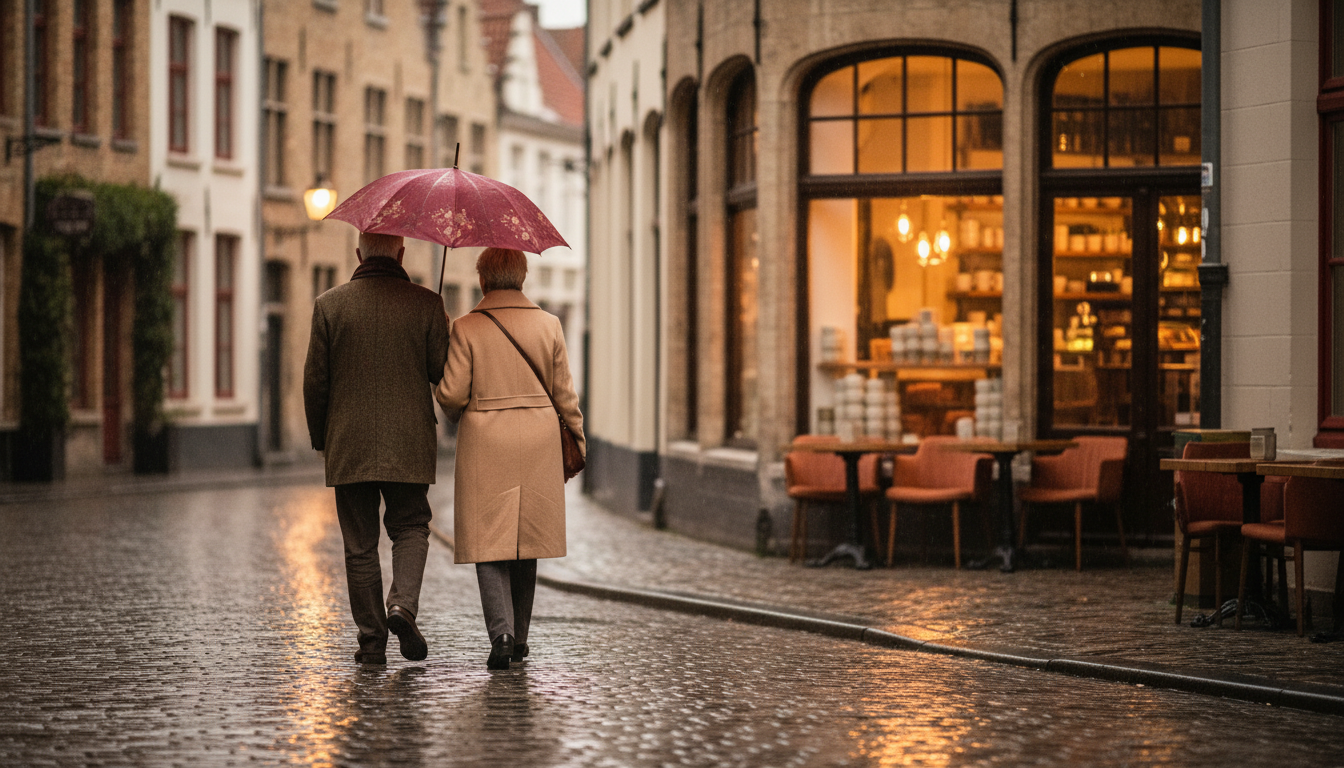 Rainy afternoon in Bruges with cobblestone street glistening, elderly couple sharing an umbrella, wa
Day Trips from Bruges: Expanding Your Home Exchange Experience
One of the joys of a Bruges home exchange is using the city as a base for exploring Flanders. The train connections are excellent, and day trips are easy even if you're not renting a car.
Ghent (25 minutes by train, €7/$7.60 each way): Larger than Bruges, with a grittier, more lived-in feel. The Gravensteen castle is spectacular, and the café culture along the Graslei waterfront rivals anything in Belgium. Honestly, I'd argue Ghent has better food than Bruges—try the stoofvlees (beef stew) at any traditional eatery.
Damme (7km from Bruges, reachable by bike or bus): A tiny, perfectly preserved medieval town. The bike path along the canal from Bruges is flat and scenic—many retired travelers manage it comfortably. Rent bikes from Fietsen Popelier near the station (about €12/$13 per day).
Ypres/Ieper (1 hour by train with connection): For those interested in WWI history, the Menin Gate ceremony at 8 pm is profoundly moving. The In Flanders Fields Museum is one of the best war museums in Europe.
The Belgian Coast (15-20 minutes to Ostend or Blankenberge): Not glamorous, but the wide sandy beaches and seafood restaurants make for a pleasant day out. Ostend has the better food scene; Blankenberge is more traditional seaside resort.
The Financial Reality: What a Bruges Home Exchange Saves You
Let's talk numbers, because this is where home exchange really shines for retirees.
A decent hotel in central Bruges runs €120-180 ($130-195 USD) per night. A two-week stay? That's €1,680-2,520 ($1,820-2,730). And you're getting a hotel room—nice, but limited.
With SwappaHome's credit system, you're spending 1 credit per night regardless of the property. New members start with 7 free credits, and you earn credits by hosting guests at your own home. The actual cost? Your annual membership, which works out to pennies per night on a longer stay.
But the savings go beyond accommodation. Having a kitchen means you're not eating every meal out. In Bruges, a simple restaurant lunch runs €15-20 ($16-22). Making lunch at home? Maybe €5-7 ($5.40-7.60). Over two weeks, that adds up to hundreds in savings. You also have laundry facilities, so you can pack lighter—no checked bag fees. You have space to spread out, to read, to nap without feeling like you're wasting expensive hotel time.
For retirees on fixed incomes, this math matters. Home exchange doesn't just make travel possible—it makes extended, leisurely travel possible.
Building Connections: The Social Side of Bruges Home Exchange
I want to address something that comes up often with retired travelers: the fear of loneliness.
Traveling solo or as a couple in retirement can feel isolating, especially in a foreign country. Hotels don't help—you're anonymous, just another guest.
Home exchange is different. You're staying in someone's actual life. Their books are on the shelves, their photos on the walls. You're walking their neighborhood, shopping at their grocery store, maybe chatting with their neighbors who've been told to expect you.
Several retired SwappaHome members have told me about lasting friendships that started with exchanges. You meet your host before or after the swap, share a meal, exchange recommendations. Sometimes you visit each other's cities in future years.
In Bruges specifically, the expat community is welcoming. There are English-language book clubs, walking groups, and regular meetups. Your host might connect you with their network, or you might find events through local Facebook groups.
This isn't guaranteed, of course. Some exchanges are purely transactional, and that's fine too. But the potential for connection exists in a way it simply doesn't with hotels.
Preparing Your Own Home for Exchange
If you're new to home exchange, you might be wondering about the other side of the equation: hosting guests in your home while you're away.
For retirees, this often feels like the bigger hurdle. Your home is your sanctuary. The idea of strangers in it can be uncomfortable.
Here's what I've learned: the SwappaHome community is built on mutual respect. Members review each other, building accountability over time. You can read reviews of potential guests before accepting any booking. You set your own house rules.
Practical preparation helps too. Create a "guest zone" where you store personal items you'd rather keep private. Leave clear instructions for anything finicky (that one burner that takes forever to light, the trick to the front door lock). Stock basic supplies—toilet paper, coffee, a few pantry staples.
Most importantly: trust the process. In seven years of swapping, I've had exactly one negative experience, and it was minor (a broken wine glass, replaced with apologies). The vast majority of guests treat your home better than they'd treat a hotel, because they know you'll be reviewing them.
Making the Most of a Longer Stay
Here's my honest advice: don't do Bruges in a weekend. The city reveals itself slowly, and the best experiences come after the initial tourist checklist is complete.
Two weeks is my minimum recommendation. Three weeks is better. A month? Ideal.
With that kind of time, you can develop routines. The café where the barista knows your order. The bench where you read in the afternoon. The bakery run on Saturday morning. You can also handle the practicalities without stress. Grocery shopping becomes normal, not an adventure. You figure out which streets are quietest, which times to avoid the Markt, where to find the public bathrooms (there's a good one near the Burg, €0.50).
Longer stays also mean you can embrace bad weather days. In a short trip, rain feels like a disaster. In a month-long stay, it's just Tuesday—a good day to stay in, make soup, read that novel you've been meaning to finish.
This is the retiree advantage. You have time. Use it.
A Final Thought on Bruges and the Art of Slow Travel
I've been to Bruges maybe a dozen times now, in various seasons, at various life stages. And I keep coming back to something Willem told me on that first visit, when I was young and rushing.
"Bruges was built by people who understood that beauty takes time," he said. "The lace, the paintings, the buildings—none of it was made quickly. You can't appreciate it quickly either."
He was right. And I think that's why Bruges and retired travelers make such a perfect match. You've spent decades building careers, raising families, meeting obligations. Now you have the gift of time.
Bruges asks nothing of you except to slow down and pay attention. To notice the light on the canal at 4 pm. To taste the difference between good chocolate and great chocolate. To sit in a 500-year-old church and feel the weight of all that accumulated human experience.
A home exchange makes this possible in a way hotels simply can't. You're not a tourist passing through. You're a temporary resident, living a small slice of Belgian life.
If that sounds appealing, browse the Bruges listings on SwappaHome. Message a few hosts. Ask about their neighborhoods, their favorite spots, whether the stairs are manageable. Start the conversation.
The bells of the Belfry will be waiting.
Frequently Asked Questions
Is Bruges safe for elderly travelers?
Bruges is exceptionally safe. Violent crime is rare, and the compact historic center means you're never far from help. The main concerns are uneven cobblestones (wear sturdy shoes) and cyclists who share pedestrian paths. Most locals are helpful if you need directions or assistance.
How much money can retirees save with home exchange in Bruges?
A two-week home exchange can save you $1,500-2,500 compared to hotel stays. Hotels in central Bruges average $130-195 per night, while SwappaHome costs just 1 credit per night. Additional savings come from cooking meals at home rather than dining out for every meal.
What is the best time of year for retirees to visit Bruges?
Late April through early June and September through mid-October are your sweet spots. Mild temperatures (59-68°F), fewer crowds than summer, and beautiful light. Avoid mid-June through August and Christmas market season (late November-December) when the city is most crowded.
Are Bruges homes accessible for seniors with mobility issues?
Many traditional Bruges townhouses have steep, narrow staircases that may be challenging. However, ground-floor apartments and homes with elevators are available. When arranging a home exchange, be specific about your mobility needs—most hosts will honestly describe their home's accessibility.
Do I need a car for a home exchange in Bruges?
No, and honestly a car is often more trouble than it's worth here. The historic center is largely pedestrianized, parking is expensive and limited, and the train station connects you to all major Belgian cities. Buses serve the center well, and the flat terrain makes cycling accessible for many retirees.

Published by
SwappaHome
SwappaHome Editorial Team
Home Exchange & Slow Travel Editorial
The SwappaHome Editorial Team brings together travel research, home-exchange community insights, and platform data to produce practical guides for first-time and experienced home swappers. Every article cites real platforms, current market rates, and verifiable city-level facts so readers can make informed decisions without guessing.
Ready to try home swapping?
Join SwappaHome and start traveling by exchanging homes. Get 7 free credits when you sign up!
Related articles

Bachelor and Bachelorette Parties in Singapore: The Complete Home Swap Group Guide for 2026
Planning a bachelor or bachelorette party in Singapore? Discover how home swapping lets groups of 6-12 stay together in luxury condos, saving thousands while partying in Marina Bay.
Cycling in Lisbon: 7 Home Swap Bike Tour Itineraries for Every Rider
Discover the best cycling routes in Lisbon with these home swap bike tour itineraries—from waterfront paths to hilltop adventures, all starting from your borrowed home.

Graduation Trip to Barcelona: How Home Swapping Gives New Graduates the Ultimate Celebration
Planning a graduation trip to Barcelona? Discover how home swapping lets new graduates explore Spain's most vibrant city without the hostel crowds or hotel costs.