City Apartment Swaps: The Complete Guide to Urban Adventures on a Budget

SwappaHome Editorial Team
Home Exchange & Slow Travel Editorial
Discover how city apartment swaps let you live like a local in the world's greatest cities—without the hotel price tag. Real tips from 40+ exchanges.
The elevator in that Brooklyn brownstone was broken. Four flights up, dragging my suitcase, cursing under my breath—and then I opened the door to a sun-flooded apartment with exposed brick, a record player, and a handwritten note pointing me to the best Dominican coffee shop three blocks away. That moment? That's when city apartment swaps stopped being a budget hack and became my entire travel philosophy.
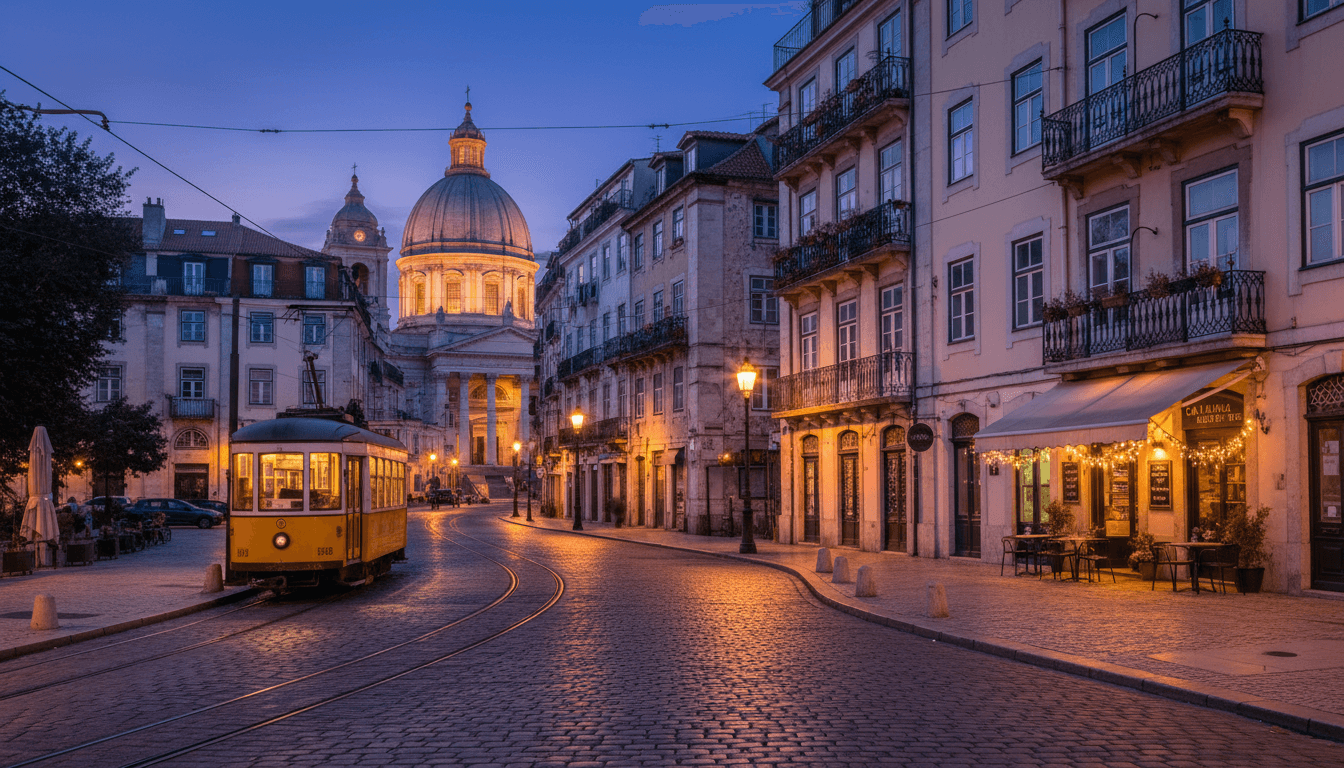
I've been doing this for seven years now. Twenty-five countries, more urban neighborhoods than I can count. From a converted loft in Berlin's Kreuzberg to a tiny-but-perfect studio overlooking Lisbon's Alfama district, these exchanges have given me something hotels never could: actual city life. Not the sanitized, room-service version. The real thing—morning routines, neighborhood rhythms, that café where the barista starts making your order when you walk in.
But here's what nobody tells you when you're starting out: city apartment swaps require a different approach than swapping a beach house or countryside cottage. Urban exchanges come with unique challenges—and unique rewards. So let me share everything I've learned about making them work.
Why City Apartment Swaps Beat Hotels Every Time
Let me throw some numbers at you first, because I know that's what convinced me initially.
 split-screen comparison showing a sterile hotel room on one side and a lived-in apartment with perso
A mid-range hotel in Manhattan runs $250-400 per night. London? You're looking at £180-300. Paris will set you back €200-350 for anything decent near the center. For a two-week trip, you're easily dropping $3,500-5,600 just on accommodation.
With apartment swaps through platforms like SwappaHome, you're spending exactly $0 on accommodation. The credit system is dead simple: host someone for a night, earn a credit, use that credit to stay somewhere else. One credit equals one night, regardless of whether you're staying in a modest studio or a penthouse. I've hosted guests from Tokyo, Stockholm, and São Paulo in my San Francisco apartment, then used those credits to stay in their cities months later.
But honestly? The money isn't even the best part.
You Actually Live in the City
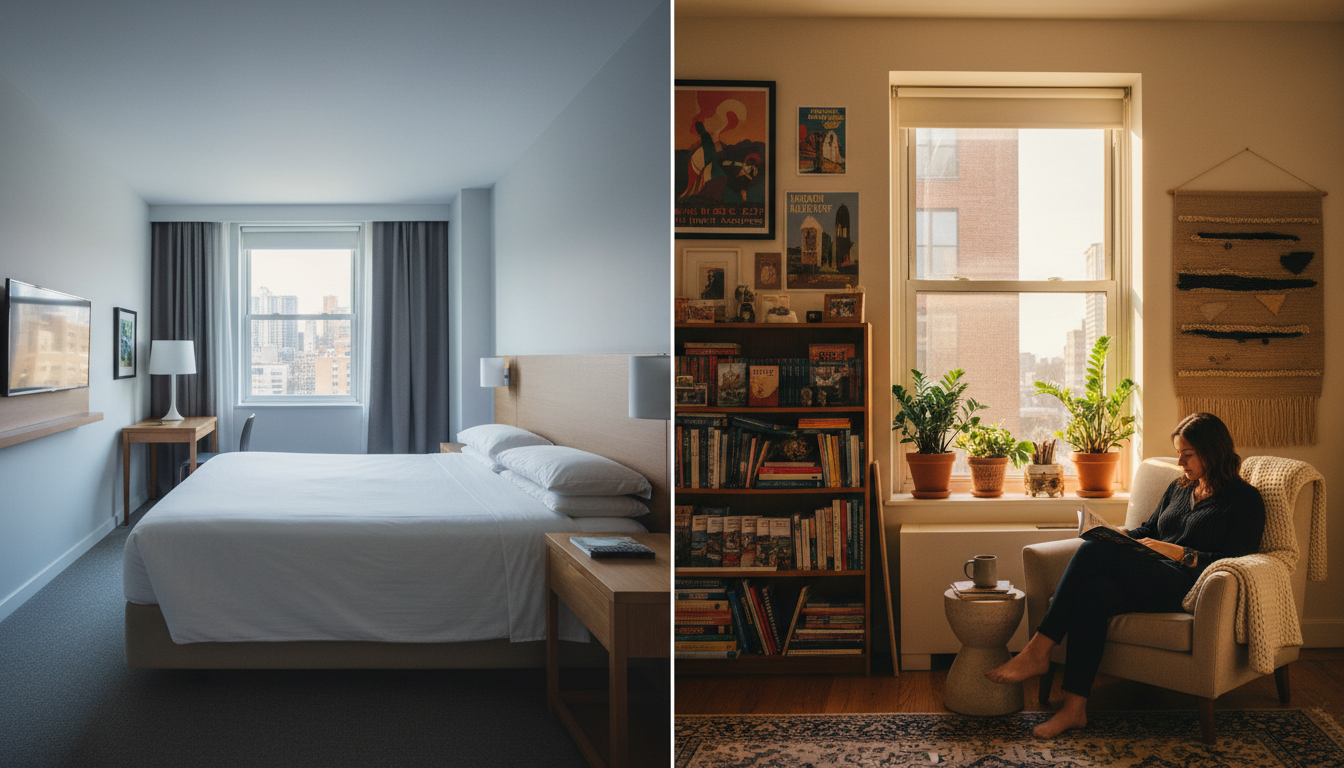
Hotels cluster in tourist zones. They're designed to be interchangeable—the same white sheets, the same minibar, the same generic art whether you're in Prague or Portland. City apartment swaps drop you into real neighborhoods where real people live.
My swap in Mexico City's Roma Norte neighborhood put me on a tree-lined street with a taco stand that only operated from 8-11pm, a mezcalería where the owner remembered my name by night three, and a morning yoga class in a nearby park that I stumbled into because I saw people gathering with mats. None of this would've happened from a Zona Rosa hotel. Not a chance.
The Kitchen Changes Everything
I cannot overstate this. Having a kitchen transforms urban travel from exhausting to sustainable.
When you're in a hotel, every single meal is a production. You're either paying restaurant prices, eating sad sandwiches, or hunting for affordable options while hangry. In an apartment, you can wander through local markets, grab ingredients you've never seen before, and actually cook. My mornings in Barcelona's Gràcia neighborhood started with café con leche made in my host's Moka pot and pan con tomate using tomatoes from Mercat de l'Abaceria. Total cost: maybe €2. Equivalent hotel breakfast? €15-25.
 morning light streaming through apartment windows onto a small kitchen table with fresh market produ
Space to Actually Relax
City travel is intense. You're walking 15,000-20,000 steps daily, navigating unfamiliar transit, processing new languages and customs. Hotel rooms—especially in expensive cities where you're squeezed into 200 square feet—offer nowhere to decompress.
Apartments give you a living room to collapse into. A balcony for evening wine. Sometimes a bathtub. That converted barn in Tuscany I mentioned? It had a reading nook that I still think about. Urban apartments have their own versions: a bay window in San Francisco, a rooftop terrace in Seville, a courtyard in Marrakech.
How to Find the Perfect City Apartment Swap
Not all city apartment swaps are created equal. I've had transcendent experiences and a few that were... educational. Here's how to maximize your chances of the former.
Location Within the City Matters More Than You Think
In a beach town, being 20 minutes from the water is fine. In cities, neighborhood choice can make or break your trip.
My rules? Walk score over everything. I want to be able to step outside and immediately access cafés, groceries, transit, and interesting streets. A "great apartment" in a residential suburb means you're Ubering everywhere, which defeats the purpose.
Proximity to one transit hub matters too. You don't need to be central-central, but being within 10 minutes of a metro station or major bus line opens up the entire city. My Kreuzberg apartment in Berlin was technically "outer ring," but the U-Bahn got me to Museum Island in 20 minutes.
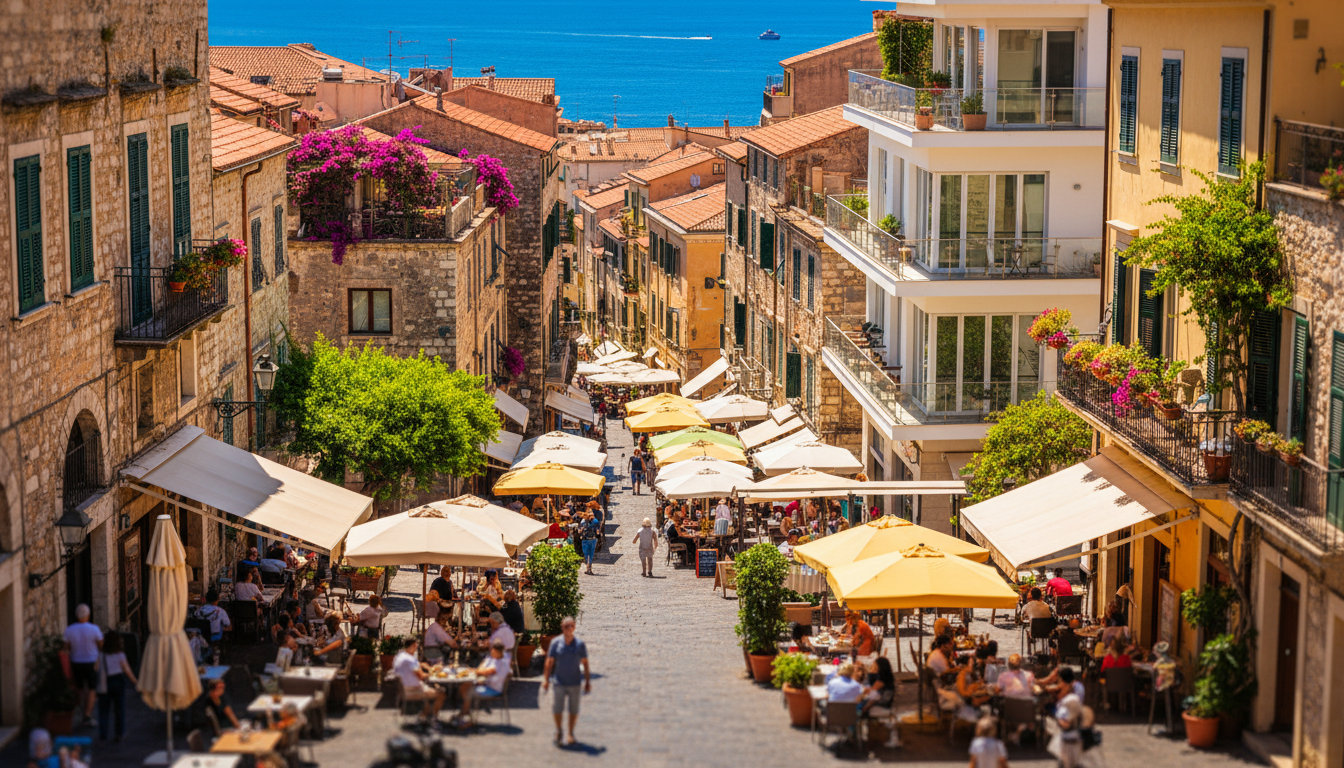
And please—research the neighborhood vibe before you commit. Montmartre sounds romantic until you realize it's overrun with tour groups. Trastevere in Rome is charming but can be loud at night. Shibuya in Tokyo is electric but exhausting. Know what you're signing up for.
 aerial view of a vibrant city neighborhood with narrow streets, outdoor cafs, and a mix of historic
Scrutinize the Listing Photos
I've learned to read apartment listings like a detective novel.
Natural light is huge. If every photo is taken with flash or lamps on, the apartment might be dark. City apartments, especially in older European buildings, can be cave-like. Look for windows in multiple rooms.
Storage space matters more than you'd think for a week-plus stay. Where will you put your stuff? Living out of a suitcase gets old fast.
Check out the bathroom situation carefully. Some older city apartments have... creative plumbing. I once stayed in a Paris apartment where the shower was literally in the kitchen. A curtain separated it, but still. Make sure you know what you're getting.
And if you're doing any remote work, look for a desk or table with a chair. Trying to answer emails from a bed or couch for two weeks will destroy your back.
Communication Before Booking
On SwappaHome, you can message potential hosts before committing. Use this. Every time.
I always ask about noise levels at night (especially in party neighborhoods), WiFi reliability and typical speeds, any quirks I should know about—tricky locks, temperamental hot water, that kind of thing. I also ask what their favorite thing about the neighborhood is, and whether there are any local spots tourists usually miss.
Those last two questions serve double duty: they get you insider tips AND reveal how engaged your host is. Enthusiastic, detailed responses usually predict a great swap.
Best Cities for Apartment Swaps (And Where to Stay)
After 40+ exchanges, I have opinions. Strong ones.
Lisbon, Portugal
This is where I caught the home swap bug, and it remains my top recommendation for first-timers. Lisbon has an incredible density of interesting neighborhoods, each with distinct character, and the apartment stock is perfect for swapping—lots of renovated historic buildings with real personality.
For neighborhoods, Alfama is the oldest district with labyrinthine streets and fado music drifting from bars. Expect stairs though. Lots of stairs. Príncipe Real is upscale but not stuffy, great for foodies, with a beautiful garden nearby. Mouraria feels more local, less polished, with an incredible multicultural food scene.
I'd avoid Baixa for swaps—too touristy, no neighborhood feel—and anything requiring the 28 tram to reach, unless you want to fight crowds daily.
 view from an apartment balcony in Lisbon showing terracotta rooftops cascading down toward the Tagus
Tokyo, Japan
Intimidating at first, but Tokyo apartment swaps are incredible once you understand the system. Japanese homes tend to be compact but meticulously organized, and hosts often leave detailed guides that read like love letters to their neighborhoods.
Shimokitazawa has this bohemian vibe with vintage shops, live music venues, and a village-within-a-city feel. Yanaka offers old Tokyo atmosphere—temples, a traditional shopping street, refreshingly calm energy. Nakameguro gives you canal-side walks, independent boutiques, and an excellent coffee scene.
One thing to know: Japanese apartments often have specific garbage sorting rules and designated pickup days. Your host will explain, but pay attention—neighbors notice.
Mexico City, Mexico
Absurd value, incredible food, and a creative energy that rivals any city I've visited. The apartment scene here is booming, with lots of beautifully designed spaces available for swap.
Roma Norte is the sweet spot—walkable, safe, gorgeous architecture, endless restaurants. Condesa has a similar vibe but slightly more residential, with beautiful parks. Coyoacán is farther out but worth it for the colonial charm and slower pace.
For context: even if you weren't swapping, Mexico City apartments rent for $50-100/night. By swapping, you're saving that AND getting local recommendations that would take weeks to discover otherwise.
Berlin, Germany
My favorite city for extended stays. Berlin's apartment culture is strong—people actually live in their apartments here, decorating them with intention, building real homes. Swaps reflect that.
Kreuzberg is gritty-cool with the best food diversity in the city and canal-side hangs. Neukölln is up-and-coming with a younger crowd and incredible bar scene. Prenzlauer Berg feels more polished and family-friendly, with beautiful streets.
One thing: Berlin apartments often have Hinterhof (courtyard) access. Ask your host about this—some courtyards are magical hidden gardens.
New York City, USA
The ultimate test of city apartment swapping. Space is at a premium, but that makes the good swaps even more valuable. I've stayed in a West Village walk-up, a Williamsburg loft, and a Harlem brownstone floor-through—each completely different, each unforgettable.
West Village and Greenwich Village are classic NYC but competitive, so list early. Williamsburg and Greenpoint are Brooklyn's most swap-friendly areas with good transit. The Upper West Side is underrated—actual neighborhood feel with Central Park access.
Real talk though: NYC apartments are small. A "spacious" one-bedroom here might be 600 square feet. Adjust expectations accordingly.
Preparing Your City Apartment for Guests
City apartment swaps are a two-way street. To get great swaps, you need to offer a great swap. Here's what I've learned about hosting.
The Welcome Guide Is Everything
I spend more time on my welcome guide than any other hosting task. It's a Google Doc that I update constantly.
It covers getting from the airport with exact transit directions, typical Uber costs, and which apps work best. There's a section on the apartment itself—WiFi password, how to work the shower (mine has a trick), where extra linens are. The neighborhood section includes my actual favorites, not tourist traps: the taqueria on 24th, the bakery that does $3 croissants, the park where dogs gather at 5pm. I include city-wide recommendations too—day trip ideas, museum picks, neighborhoods to explore. And there's an emergencies section with the nearest hospital, pharmacy, and my phone number.
Guests consistently tell me this guide made their trip. One couple from Amsterdam said they didn't open a single guidebook because my doc was so thorough.
 cozy apartment entryway with a small table holding a welcome basket, handwritten note, local snacks,
Clear Out Space
City apartments are already tight. Your guests need room for their stuff.
I empty one closet completely, clear two bathroom shelves, and make sure the kitchen has accessible space for groceries. It takes me maybe 30 minutes before each guest arrives, and the reviews always mention how "livable" the space felt.
Stock the Basics
You don't need to provide a full pantry, but a few essentials make the first day so much easier: coffee and tea, salt, pepper, olive oil, a few snacks for arrival, toilet paper for at least a few days, basic cleaning supplies.
I also leave a bottle of local wine or a six-pack of good beer. It costs me $15-20 and creates immediate goodwill.
Be Responsive
City trips often involve tight logistics—theater tickets, restaurant reservations, meeting up with friends. When your guests message with questions, respond quickly. I keep notifications on for SwappaHome messages during active swaps.
Common City Apartment Swap Concerns (And How to Handle Them)
I hear the same worries from swap-curious friends. Let me address them directly.
"What About My Stuff?"
Valid concern. Here's my approach.
I have a locked closet where I keep valuables, important documents, and anything I'd be devastated to lose. Everything else stays accessible. In seven years and 40+ swaps, I've never had anything stolen or damaged beyond normal wear.
The SwappaHome community operates on mutual trust and accountability. The review system means bad actors get flagged quickly. People who swap tend to be respectful of others' spaces because they want the same respect for theirs.
That said, I recommend getting your own renter's or homeowner's insurance that covers short-term guests if you want extra peace of mind. SwappaHome connects members but doesn't provide coverage—that's on you to arrange if you want it.
"What If Something Goes Wrong?"
Things occasionally go wrong. The hot water heater in my Barcelona swap died on day two. A pipe burst in a London flat I was staying in. These things happen in any accommodation.
The difference with swaps? You have a direct line to someone who knows the apartment intimately. My Barcelona host walked me through resetting the heater via WhatsApp video call. The London host had a plumber there within hours and apologized profusely with a bottle of wine.
Contrast that with calling a hotel front desk and waiting for "maintenance" to maybe show up.
"My Apartment Isn't Nice Enough"
I thought this too, initially. My San Francisco apartment is fine—not Instagram-worthy, not a dump. Just... normal.
Turns out, "normal" is exactly what most swappers want. They're not looking for a luxury hotel experience; they're looking for an authentic home base. My apartment's best features aren't the finishes—they're the location (walkable to everything), the natural light, and the neighborhood knowledge I provide.
List honestly, photograph accurately, and let your welcome guide do the heavy lifting.
Making the Most of Your City Apartment Swap
You've found a great swap, you've arrived, you've got the keys. Now what?
Embrace the Neighborhood First
Resist the urge to immediately hit major attractions. Spend your first morning exploring a three-block radius. Find the closest good coffee. Identify the grocery store. Locate the best-looking restaurant for later.
This grounds you. You're not a tourist passing through—you're a temporary resident. That mindset shift changes everything about how you experience a city.
Use the Kitchen Strategically
I don't cook every meal—that would be insane in cities with incredible food scenes. But I use the kitchen for breakfasts (always), lunches when I need a midday break, and one or two "market dinners" where I buy ingredients I can't get at home and experiment.
This saves money and energy for the meals that matter: the hole-in-the-wall ramen spot, the fancy tasting menu, the street food crawl.
Build Routines
The magic of city apartment swaps is that you can develop routines impossible in hotels.
In my two weeks in Buenos Aires, I had a morning café where I'd write for two hours before sightseeing. The owner started saving "my" table. In Copenhagen, I jogged the same waterfront path every morning and nodded at the same regulars. In Kyoto, I found a neighborhood sento (public bath) and went every evening.
These small rituals make you feel less like a visitor and more like someone who briefly lived there. That's the whole point.
Leave It Better
This is my personal rule: leave the apartment slightly better than I found it.
I do a thorough clean before departure, take out all trash, strip the beds, and leave a small thank-you gift—usually something from my home city. A bag of local coffee, a book I think they'd like, a nice candle. It costs almost nothing and often sparks ongoing friendships with hosts.
Getting Started with City Apartment Swaps
If you've read this far, you're probably ready to try this yourself.
Start with your own listing. Before you start browsing destinations, create a compelling profile of your own place on SwappaHome. Upload honest photos, write a detailed description, and craft that welcome guide. New members get 7 free credits to start, which is enough for a solid week-plus trip.
Choose a forgiving first destination. I'd recommend Lisbon, Barcelona, or Mexico City—cities with strong swap communities, reasonable expectations, and enough going on that even a less-than-perfect apartment won't ruin your trip.
Communicate thoroughly. Message potential hosts with questions. Share your travel style and what you're hoping to experience. The best swaps come from genuine connection, not just transactional booking.
Have a backup plan. For your first swap, I'd quietly identify a hostel or budget hotel nearby, just in case. I've never needed mine, but the peace of mind helps.
And trust the process. It feels weird at first, staying in a stranger's home, having strangers in yours. But the SwappaHome community is built on mutual respect and shared values. People who do this tend to be curious, open-minded, and respectful. You'll fit right in.
That broken elevator in Brooklyn? By the end of my two-week stay, I'd stopped noticing the climb. The apartment had become home—the record player spinning every evening, the Dominican coffee shop knowing my order, the neighbor's dog greeting me in the hallway.
I saved roughly $4,000 on that trip compared to a hotel. But what I gained was worth more: the feeling of actually living in New York, not just visiting it.
City apartment swaps aren't for everyone. They require flexibility, trust, and a willingness to embrace imperfection. But if you're the kind of traveler who wants to go deeper—who'd rather know one neighborhood intimately than check attractions off a list—this might be the best travel hack you'll ever discover.
I'll see you out there. Maybe in my apartment, maybe in yours.
Frequently Asked Questions
Are city apartment swaps safe for solo travelers?
City apartment swaps can be excellent for solo travelers when you take basic precautions. Use platforms like SwappaHome with verified members and review systems. Read previous guest reviews carefully, communicate thoroughly with hosts beforehand, and trust your instincts. Many solo travelers—myself included—find swaps feel safer than anonymous hotels because you're connected to a real person who has a reputation to maintain.
How much money can I save with apartment swaps vs hotels?
Savings vary dramatically by city, but expect to save $150-400 per night in major urban destinations. For a two-week trip to cities like New York, London, or Tokyo, that translates to $2,000-5,600 in accommodation savings. Plus, having a kitchen typically saves another $30-50 daily on food costs. Over a year of travel, dedicated swappers can save $10,000 or more.
What if the apartment doesn't match the listing photos?
This is rare in established swap communities because the review system creates accountability. If you arrive and find significant discrepancies, document everything with photos, contact your host immediately, and message SwappaHome support. Most issues stem from miscommunication rather than deception—clarify details like apartment size, amenities, and neighborhood before booking to avoid surprises.
Do I need to swap my apartment simultaneously with my host?
No—this is a common misconception. SwappaHome uses a credit system, so you don't need to arrange simultaneous exchanges. Host a guest from Paris in March, earn credits, then use those credits to stay in Tokyo in October with a completely different member. This flexibility makes city apartment swaps far more practical than traditional direct swaps.
How do I protect my valuables during a home swap?
Most experienced swappers keep a locked closet or cabinet for valuables, important documents, and irreplaceable items. Remove or secure anything you'd be devastated to lose. Consider getting renter's or homeowner's insurance that covers short-term guests for additional peace of mind. In my experience across 40+ swaps, the community's mutual accountability makes theft extremely rare.

Published by
SwappaHome
SwappaHome Editorial Team
Home Exchange & Slow Travel Editorial
The SwappaHome Editorial Team brings together travel research, home-exchange community insights, and platform data to produce practical guides for first-time and experienced home swappers. Every article cites real platforms, current market rates, and verifiable city-level facts so readers can make informed decisions without guessing.
Ready to try home swapping?
Join SwappaHome and start traveling by exchanging homes. Get 7 free credits when you sign up!
Related articles

Bachelor and Bachelorette Parties in Singapore: The Complete Home Swap Group Guide for 2026
Planning a bachelor or bachelorette party in Singapore? Discover how home swapping lets groups of 6-12 stay together in luxury condos, saving thousands while partying in Marina Bay.

Cycling in Lisbon: 7 Home Swap Bike Tour Itineraries for Every Rider
Discover the best cycling routes in Lisbon with these home swap bike tour itineraries—from waterfront paths to hilltop adventures, all starting from your borrowed home.

Graduation Trip to Barcelona: How Home Swapping Gives New Graduates the Ultimate Celebration
Planning a graduation trip to Barcelona? Discover how home swapping lets new graduates explore Spain's most vibrant city without the hostel crowds or hotel costs.