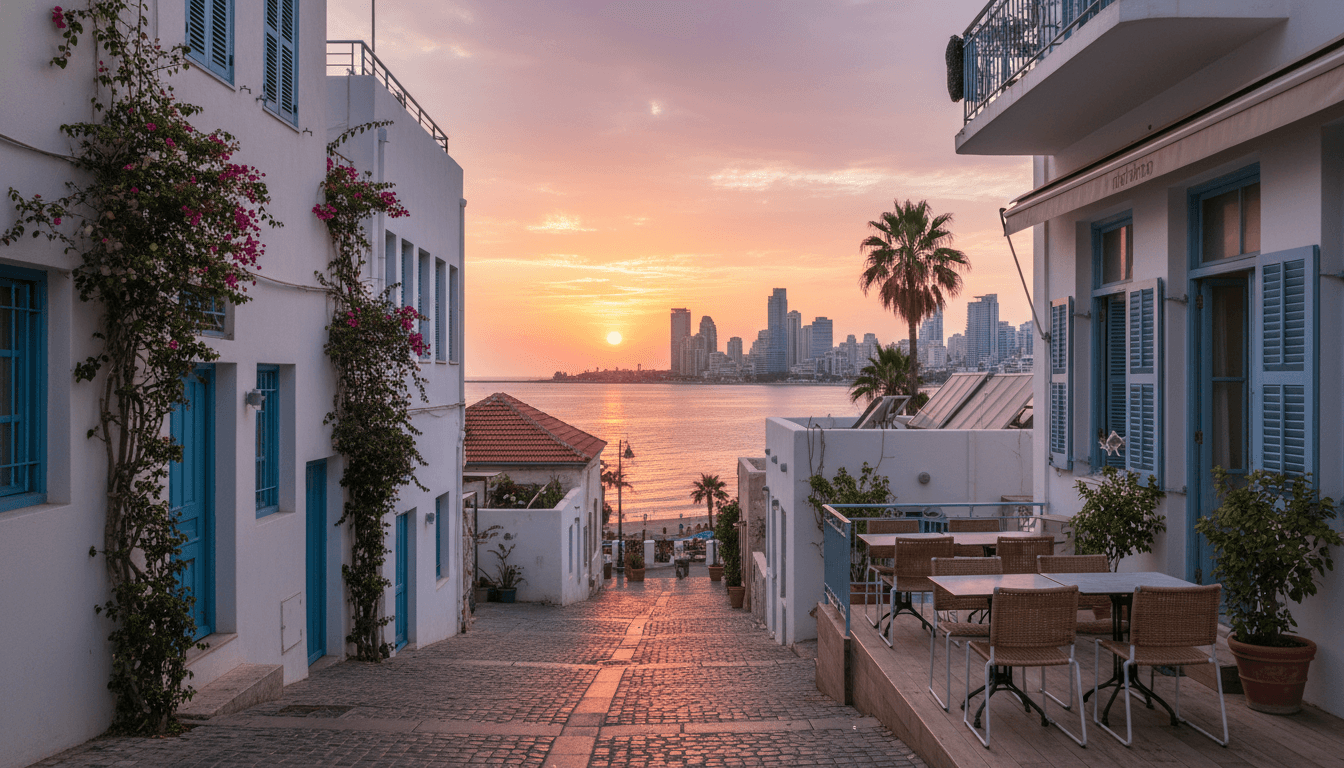
Fall in Tel Aviv: Your Complete Autumn Home Exchange Guide for 2024

SwappaHome Editorial Team
Home Exchange & Slow Travel Editorial
Discover why fall in Tel Aviv is the perfect time for a home exchange—mild weather, fewer crowds, and authentic local living in Israel's vibrant coastal city.
The first time I stepped onto Rothschild Boulevard in mid-October, I understood why Israelis call autumn "the real summer." The brutal humidity had lifted, the beach wasn't sardine-packed, and I could actually sit at a café without melting into my chair. That trip—a three-week fall home exchange in Tel Aviv—completely rewired how I think about Mediterranean travel.
Here's what nobody tells you: while everyone's fighting for August availability in Europe, Tel Aviv in autumn is this gorgeous, uncrowded secret. The locals are back from their summer escapes, the cultural calendar explodes with festivals, and the Mediterranean stays warm enough for swimming well into November. And when you're staying in someone's actual apartment in Florentin or Neve Tzedek instead of a sterile hotel room? You're not visiting Tel Aviv. You're living it.
Why Fall is the Best Season for a Tel Aviv Home Exchange
I've done Tel Aviv in July. Once. Never again.
The summer heat here is aggressive—we're talking 90°F with humidity that makes your clothes stick to you by 9 AM. Autumn? September through November delivers what I'd call Tel Aviv's sweet spot: temperatures hovering between 70-82°F (21-28°C), low humidity, and that perfect golden light that makes every iPhone photo look professionally edited.
But here's the real reason a fall home exchange makes sense: the city transforms. Summer is for tourists and beach zombies. Autumn is when Tel Aviv becomes Tel Aviv again. The tech workers are back at their standing desks in Sarona, the artists return to their Florentin studios, and the restaurant scene kicks into high gear with new openings and seasonal menus.
From a practical standpoint, you're also looking at significantly better availability. I checked SwappaHome listings last September and found three times more options than July. More locals are willing to travel in autumn (Jewish holidays mean extended vacation time), which means more homes available for exchange. Supply and demand, working in your favor for once.
Best Tel Aviv Neighborhoods for Autumn Home Swapping
Not all Tel Aviv neighborhoods are created equal, especially for home exchange. After four separate stays across different areas, I have opinions.
Neve Tzedek: The Romantic Choice
This is where I stayed during that first October trip, and honestly, it ruined me for other neighborhoods. Neve Tzedek is Tel Aviv's oldest neighborhood—all narrow streets and restored Ottoman-era buildings painted in sherbet colors. In autumn, the bougainvillea is still blooming, the tourists have thinned out, and you can actually get a table at Dallal (try the shakshuka, around $18) without a 45-minute wait.
Home exchange properties here tend to be smaller—we're talking charming one-bedrooms in historic buildings—but the location is unbeatable. You're walking distance to the beach, Carmel Market, and some of the city's best restaurants. Expect properties with character: original tile floors, high ceilings, maybe a tiny balcony overlooking a courtyard.
Florentin: For the Creatively Inclined
If Neve Tzedek is Tel Aviv's elegant grandmother, Florentin is its tattooed younger sibling who DJs on weekends. This is the street art capital of Israel—every wall is a canvas, and the vibe is distinctly Brooklyn-meets-Middle-East.
I did a two-week home exchange here last November and loved waking up to the smell of fresh bread from the Yemenite bakeries. Get the malawach, a flaky flatbread, for about $3. The apartments tend to be more modern, often in converted industrial buildings, with rooftop access and that loft-style aesthetic. Great for solo travelers or couples who want to feel the city's creative pulse.
Fair warning: Florentin gets loud on Thursday and Friday nights. If you're a light sleeper, ask your host about street noise before confirming.
Old North (Tzafon Yashan): Family-Friendly Luxury
This is where Tel Aviv's established families live, and it shows. Tree-lined streets, excellent schools (not that you need them), and apartments that actually have more than one bathroom. If you're traveling with kids or just want more space, Old North delivers.
The beach here—specifically the stretch near Hilton Beach—is calmer and more family-oriented than the party scene down south. Autumn means you can build sandcastles without fighting for territory. Home exchange properties in this area tend to be larger: three-bedroom apartments with proper kitchens, sometimes with parking (a luxury in Tel Aviv).
Jaffa: Ancient Meets Contemporary
Technically its own city, Jaffa has been absorbed into greater Tel Aviv but maintains a completely different personality. This is where you come for the famous flea market, Arab-Israeli cuisine, and that sense of deep history—we're talking 4,000 years of continuous habitation.
Autumn in Jaffa means fewer cruise ship day-trippers clogging the old port. You can wander the ancient alleyways, pop into galleries in the artists' quarter, and eat the best hummus of your life at Abu Hassan (cash only, about $8 for a full meal) without the summer chaos.
Home exchanges here range from renovated Ottoman houses to modern apartments with sea views. The catch? Jaffa is slightly removed from central Tel Aviv, so factor in the 15-minute bike ride or bus trip if you want to be in the thick of things.
How the SwappaHome Credit System Works in Tel Aviv
Let me break this down because I get asked about it constantly.
SwappaHome operates on a simple credit system: you earn 1 credit for every night you host someone at your place, and you spend 1 credit for every night you stay somewhere else. That's it. No complicated pricing tiers, no "luxury surcharges," no seasonal rate changes. A studio in Florentin costs the same credits as a penthouse in Old North—1 credit per night.
New members start with 7 free credits, which means you could theoretically do a 10-night Tel Aviv home exchange before you've hosted anyone. I'd recommend hosting first to build up your profile reviews, but the flexibility is there.
What I love about this for Tel Aviv specifically: hotels here aren't cheap. A decent mid-range hotel in autumn runs $150-200/night. Even budget options hover around $80-100. Over a two-week stay, you're looking at $1,400-2,800 in accommodation costs alone. With home exchange? You're spending credits you earned by hosting travelers at your own place. The math is beautiful.
What to Expect from Tel Aviv Apartments
Israeli homes have quirks. Embrace them.
The kitchens: most Tel Aviv apartments have gas stoves, and the ovens tend to be smaller than American standards. You'll also notice a distinct lack of dishwashers in older buildings—hand washing is the norm. On the plus side, almost every kitchen has a proper espresso setup because Israelis take their coffee seriously.
Air conditioning is universal (thank god), but it's usually wall-mounted units rather than central air. In autumn, you might not need it during the day, but evenings can still be warm enough to want that cool breeze while sleeping.
Balconies are common and cherished. Even tiny apartments often have a mirpeset (balcony) where you can drink your morning coffee and watch the neighborhood wake up. In autumn, this becomes your favorite room—the weather is perfect for outdoor living.
One thing that surprised me: Israeli homes often have a safe room (mamad) built in, a reinforced concrete space required in buildings since 1992. Your host might use it as a closet or office. It's just part of life here, and not something to be alarmed about.
Autumn Events and Festivals Worth Planning Around
Timing your fall home exchange around the cultural calendar can transform a good trip into an unforgettable one.
The Jewish High Holidays (September-October)
Rosh Hashanah (Jewish New Year) and Yom Kippur fall in September or early October, depending on the lunar calendar. Here's the insider tip: Yom Kippur in Tel Aviv is surreal. The entire city shuts down—no cars, no buses, nothing. Locals bike and rollerblade down the empty highways. Kids play in the middle of major intersections. It's like a citywide street party, just a very quiet, reflective one.
The catch? Many restaurants and businesses close, and your host might have specific requests about their home during these holidays. Communicate clearly beforehand.
Sukkot (Late September-October)
The week-long harvest festival brings sukkahs (temporary outdoor structures) to balconies and courtyards across the city. Some hosts might have one set up—eating a meal inside is a genuine cultural experience. The holiday also means more Israelis traveling, which increases home exchange availability.
Tel Aviv Design Week (Usually October)
If you're into design, architecture, or just appreciate beautiful things, try to overlap with this event. Studios open their doors, installations pop up across the city, and the Bauhaus buildings get special attention. Last year I stumbled into a pop-up exhibition in an abandoned building in Florentin that completely changed how I think about urban space.
DocAviv (November)
Israel's premier documentary film festival happens in late November. Even if you're not a film buff, it's a window into Israeli society and global issues you won't get elsewhere. Screenings happen at the Tel Aviv Cinematheque in Jaffa—gorgeous venue, excellent popcorn.
Practical Tips for Your Autumn Home Exchange
Getting Around
Tel Aviv is incredibly walkable, especially in autumn when the weather cooperates. For longer distances, grab a Tel-O-Fun bike (the city's bike-share program, about $5/day) or use the Rav-Kav card for buses and the new light rail. Taxis exist but are expensive—Gett (Israel's Uber equivalent) is more reliable for pricing.
From Ben Gurion Airport, the train to Tel Aviv takes 15 minutes and costs around $4. A taxi runs $35-50 depending on your neighborhood. Pro tip: the train doesn't run from Friday afternoon to Saturday night (Shabbat), so plan accordingly.
Money Matters
The currency is the Israeli New Shekel (ILS). As of late 2024, $1 USD ≈ 3.7 ILS. Credit cards are accepted almost everywhere, but some smaller spots (especially in Jaffa and Carmel Market) are cash-only. ATMs are plentiful; just watch for foreign transaction fees from your bank.
Budget expectations for autumn: coffee and pastry will run you 25-40 ILS ($7-11), a casual lunch 50-80 ILS ($14-22), and a nice dinner with wine 200-350 ILS ($55-95). Carmel Market groceries for a week? About 300-400 ILS ($80-110).
Language
Hebrew is the primary language, but English is widely spoken, especially in central Tel Aviv. Younger Israelis are almost universally fluent. Learn a few phrases—"toda" (thank you) and "bevakasha" (please/you're welcome) go a long way. Your home exchange host will likely communicate in English without issue.
Shabbat Considerations
From Friday sunset to Saturday sunset, observant Jews rest, and Tel Aviv partially follows suit. Public transportation stops, many restaurants close (though plenty stay open in secular areas), and the city takes on a quieter vibe. It's actually lovely—Saturday morning beach walks are peaceful, and brunch spots that stay open are less crowded.
Plan your grocery shopping for Thursday or Friday morning. Carmel Market is chaos on Friday afternoons as everyone stocks up, but it's also kind of magical.
Setting Up Your Tel Aviv Home Exchange Profile
I've reviewed hundreds of home exchange profiles, and the ones that get the most requests share certain qualities.
Be specific about your space. "Nice apartment in Tel Aviv" tells me nothing. "Sunny 2BR in Florentin with balcony, 5-min walk to Levinsky Market, washer/dryer, AC in both bedrooms" tells me everything. Include details about the neighborhood—what's walkable, where to get the best coffee, which bus stops are nearby.
Photos matter enormously. Natural light, tidy spaces, and shots that show the actual rooms (not just artistic angles). Include a photo of the view from the balcony, even if it's just a courtyard. People want to imagine themselves there.
On SwappaHome, your reviews build trust. If you're new, consider hosting a few guests before requesting your Tel Aviv exchange. A profile with three positive reviews gets significantly more responses than one with zero.
My Honest Take on Autumn Home Exchange Challenges
I'd be doing you a disservice if I only painted the rosy picture.
The Jewish holidays can complicate things. If you're trying to exchange during Rosh Hashanah week, availability drops because Israeli families are hosting relatives, not strangers. Yom Kippur means a day where you genuinely can't do much outside your apartment. Plan around these if you want maximum flexibility.
Tel Aviv apartments can be noisy. The city doesn't really sleep, especially on weekends. If you're sensitive to sound, ask specifically about street noise and neighboring bars/clubs. I once stayed in what looked like a quiet Neve Tzedek apartment, only to discover the building shared a wall with a popular bar. Earplugs became essential.
The home exchange model requires flexibility. You might not get your first-choice neighborhood or exact dates. I've learned to approach it with a "preferred, not required" mindset. My best Tel Aviv experiences came from apartments I wouldn't have initially chosen.
Making the Most of Your Autumn Stay
Here's what I wish someone had told me before my first fall home exchange:
Swim in the Mediterranean. The water stays warm (around 75°F/24°C) through October and even into November. Mornings are best—the sea is calm, the beaches are empty, and you'll share the water with local swimmers doing their daily laps.
Explore beyond the obvious. Yes, do Carmel Market and the Jaffa flea market. But also wander through Sarona (a restored Templar colony turned food market), check out the Levinsky spice market in Florentin, and spend an afternoon at the Tel Aviv Museum of Art. The building itself is worth the visit.
Eat like a local. Breakfast here is a serious meal—think chopped salads, eggs, fresh bread, and multiple small plates. Many home exchange hosts will point you to their favorite neighborhood spots. Trust their recommendations over TripAdvisor.
Take a day trip. Autumn is perfect for visiting Jerusalem (45 minutes by train), the Dead Sea (90 minutes by car), or the wine country around Zichron Ya'akov. Your host might even have tips on car rentals or group tours.
Why Home Exchange Beats Hotels in Tel Aviv
I've done Tel Aviv both ways, and there's no comparison.
Hotels here cluster along the beachfront or in business districts. They're fine—clean, air-conditioned, anonymous. But you're paying premium prices ($150-300/night in autumn) to exist in a bubble. Room service and minibars don't teach you anything about Israeli life.
A home exchange drops you into the fabric of the city. You shop where locals shop, figure out the recycling system (it's complicated), maybe chat with the neighbor who waters your host's plants. Last October, my Florentin host left me a hand-drawn map of her favorite spots—a tiny hummus place, a vintage shop, the best sunset-watching rooftop. None of it was in any guidebook.
The financial math is obvious: two weeks in a hotel costs $2,100-4,200. Two weeks in a home exchange costs credits you earned by hosting. But the experiential difference is what keeps me coming back to this model.
Getting Started with Your Fall Tel Aviv Home Exchange
If you're convinced (and I hope you are), here's the practical path forward.
Create your SwappaHome profile with detailed photos and descriptions of your home. Start hosting guests to build reviews—even one or two positive reviews significantly increase your chances of landing a great Tel Aviv exchange.
Browse Tel Aviv listings to get a sense of what's available. Autumn inventory typically increases in August as locals plan their own travels. Send personalized messages to hosts whose homes interest you—mention specific details from their listing, explain why you're visiting, and be flexible on dates if possible.
Book early for Jewish holiday periods if you want to experience them, or specifically avoid those weeks if you prefer maximum restaurant/activity availability. October and November tend to have the most flexibility.
And honestly? Just go. Tel Aviv in autumn is one of those places that rewards the curious traveler. The city is alive, the weather is perfect, and when you're waking up in a real apartment in a real neighborhood, you're not just visiting. You're belonging, even if just for a few weeks.
I'm already planning my next autumn return. Maybe I'll see you at Abu Hassan, arguing about whether the hummus or the msabaha is better. (It's the msabaha. Don't @ me.)
Frequently Asked Questions
Is a home exchange in Tel Aviv safe?
Tel Aviv is generally very safe for tourists, with low crime rates in residential neighborhoods. Home exchanges add an extra layer of security through SwappaHome's review system—you're staying in verified members' homes with established reputations. Standard precautions apply: lock doors, secure valuables, and communicate clearly with your host about any concerns.
How much can I save with a Tel Aviv home exchange versus hotels?
A two-week autumn stay in Tel Aviv hotels typically costs $2,100-4,200 for mid-range options. With home exchange, you spend credits earned by hosting at your own home—no cash outlay for accommodation. Factor in kitchen access (saving $30-50/day on meals), and total savings can reach $3,000-5,000 for a two-week trip.
What's the best month for a fall Tel Aviv home exchange?
October offers the ideal balance: summer crowds have dispersed, temperatures average 75-82°F (24-28°C), the sea is still swimmable, and the Jewish holidays have mostly concluded. November is slightly cooler and quieter, perfect for those who prefer fewer tourists and don't mind occasional light rain.
Do I need to speak Hebrew for a home exchange in Tel Aviv?
No—English is widely spoken throughout Tel Aviv, especially in central neighborhoods and among younger residents. Your home exchange host will communicate in English, and restaurants, shops, and transportation services typically have English-speaking staff. Learning basic Hebrew phrases like "toda" (thank you) is appreciated but not essential.
Can I do a home exchange in Tel Aviv during Jewish holidays?
Yes, but plan carefully. Availability may be lower during Rosh Hashanah and Sukkot as families host relatives. Yom Kippur means a full day of closures—no transportation, limited dining options. However, experiencing these holidays offers unique cultural immersion. Communicate with your host about any special considerations for their home during religious observances.

Published by
SwappaHome
SwappaHome Editorial Team
Home Exchange & Slow Travel Editorial
The SwappaHome Editorial Team brings together travel research, home-exchange community insights, and platform data to produce practical guides for first-time and experienced home swappers. Every article cites real platforms, current market rates, and verifiable city-level facts so readers can make informed decisions without guessing.
Ready to try home swapping?
Join SwappaHome and start traveling by exchanging homes. Get 7 free credits when you sign up!
Related articles

Bachelor and Bachelorette Parties in Singapore: The Complete Home Swap Group Guide for 2026
Planning a bachelor or bachelorette party in Singapore? Discover how home swapping lets groups of 6-12 stay together in luxury condos, saving thousands while partying in Marina Bay.

Cycling in Lisbon: 7 Home Swap Bike Tour Itineraries for Every Rider
Discover the best cycling routes in Lisbon with these home swap bike tour itineraries—from waterfront paths to hilltop adventures, all starting from your borrowed home.

Graduation Trip to Barcelona: How Home Swapping Gives New Graduates the Ultimate Celebration
Planning a graduation trip to Barcelona? Discover how home swapping lets new graduates explore Spain's most vibrant city without the hostel crowds or hotel costs.