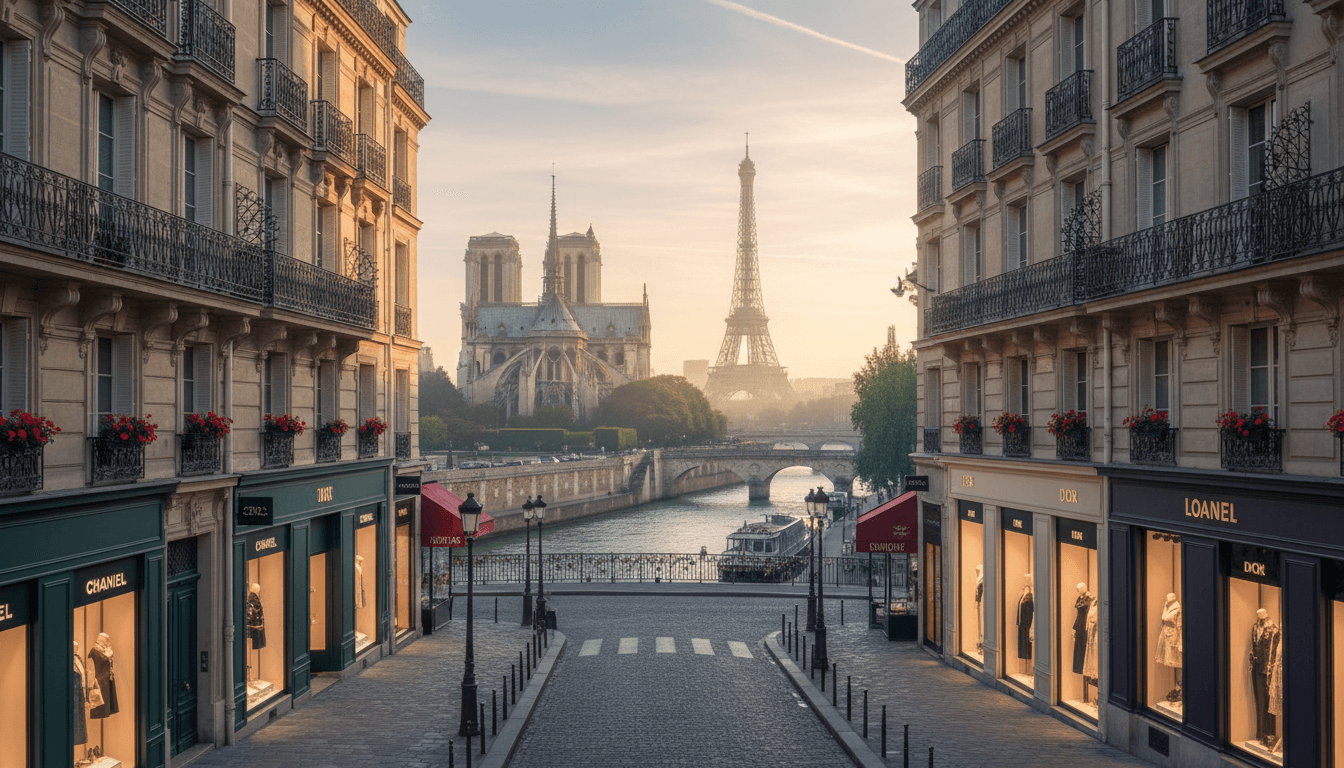
Fashion Capitals for Home Exchange: 7 Best Cities for Shopping Lovers

SwappaHome Editorial Team
Home Exchange & Slow Travel Editorial
Discover the best fashion capitals for home exchange travel. Save thousands on accommodation while shopping Milan, Paris, Tokyo, and more style destinations.
Fashion Capitals for Home Exchange: Why Style-Obsessed Travelers Are Swapping Homes
You step off the metro at Harajuku station, shopping bags from yesterday's Shibuya adventure still lined up in your borrowed Tokyo apartment. The morning light catches the vintage Comme des Garçons piece hanging in your temporary closet—a find from a Shimokitazawa thrift shop that cost less than your airport coffee back home. This is what fashion travel through home exchange actually looks like: waking up in a local's space, surrounded by your growing collection of unique pieces, with zero hotel bills eating into your shopping budget.
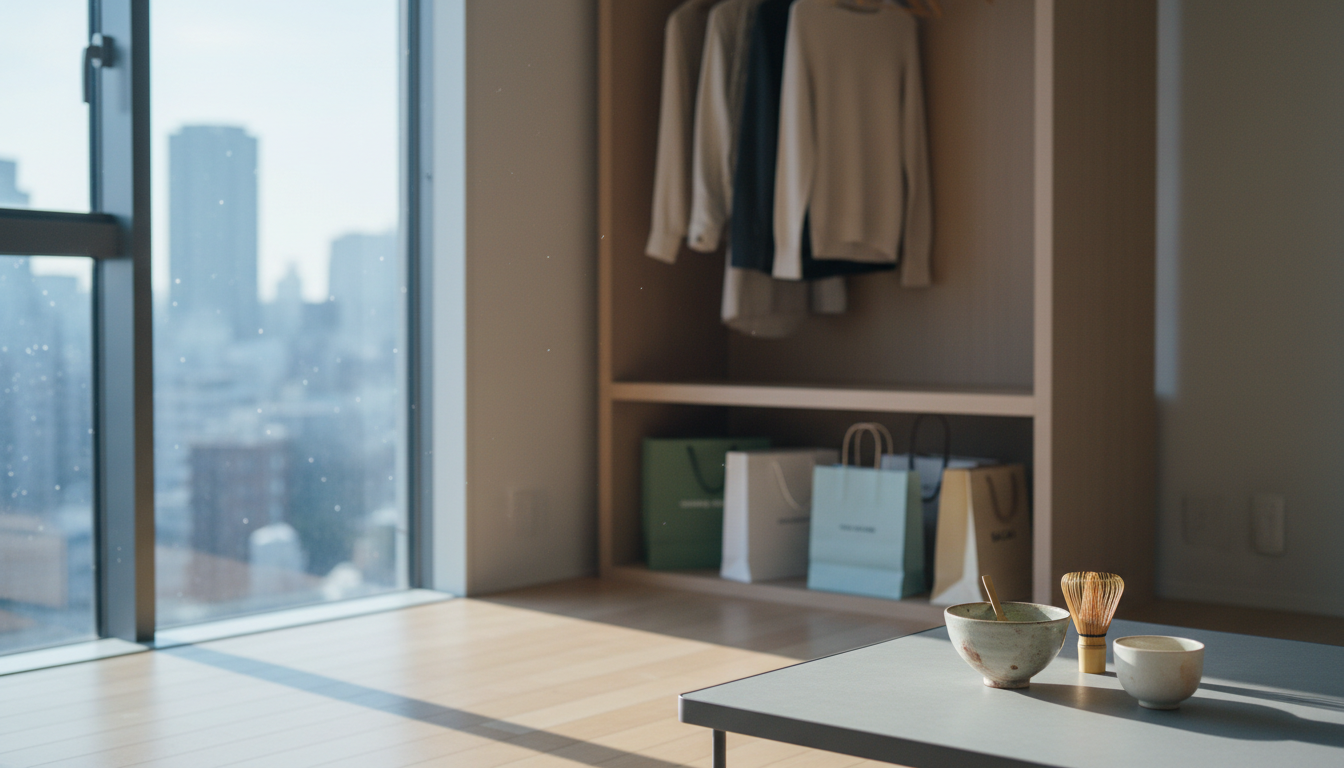 Morning light streaming through a Tokyo apartment window, shopping bags from Japanese brands arrange
Here's the thing most fashion travelers get wrong: they blow their entire budget on boutique hotels near the shopping districts, then have nothing left for the actual clothes. A week at a decent hotel near Milan's Quadrilatero della Moda runs €1,400–2,100. That's a Marni bag. That's three vintage Versace pieces from the Navigli flea markets. That's an entire curated wardrobe from Seoul's Dongdaemun.
Fashion-focused travelers in the SwappaHome community figured this out years ago. When accommodation costs nothing but credits you've already earned by hosting, suddenly a two-week Paris fashion immersion becomes financially possible—not some distant dream you keep pushing to "next year."
What follows breaks down the seven best fashion capitals where home swapping makes the most sense, and where your saved accommodation budget will stretch furthest.
Milan: The Home Exchange Gateway to Italian Fashion
Milan doesn't do subtle. The city invented luxury fashion tourism, and it shows in every €400-per-night hotel room within walking distance of Via Montenapoleone. But here's what the fashion magazines won't tell you: the best shopping in Milan happens in neighborhoods where tourists rarely venture—and where SwappaHome listings are plentiful.
The Quadrilatero della Moda (the "Golden Rectangle" bounded by Via Montenapoleone, Via della Spiga, Via Manzoni, and Corso Venezia) is where you'll find Prada's flagship, Armani's headquarters, and prices that assume you arrived by private jet. Worth visiting, absolutely. Worth staying next to? Not when you could swap into an apartment in Isola or Porta Venezia and redirect €1,500+ toward actual purchases.
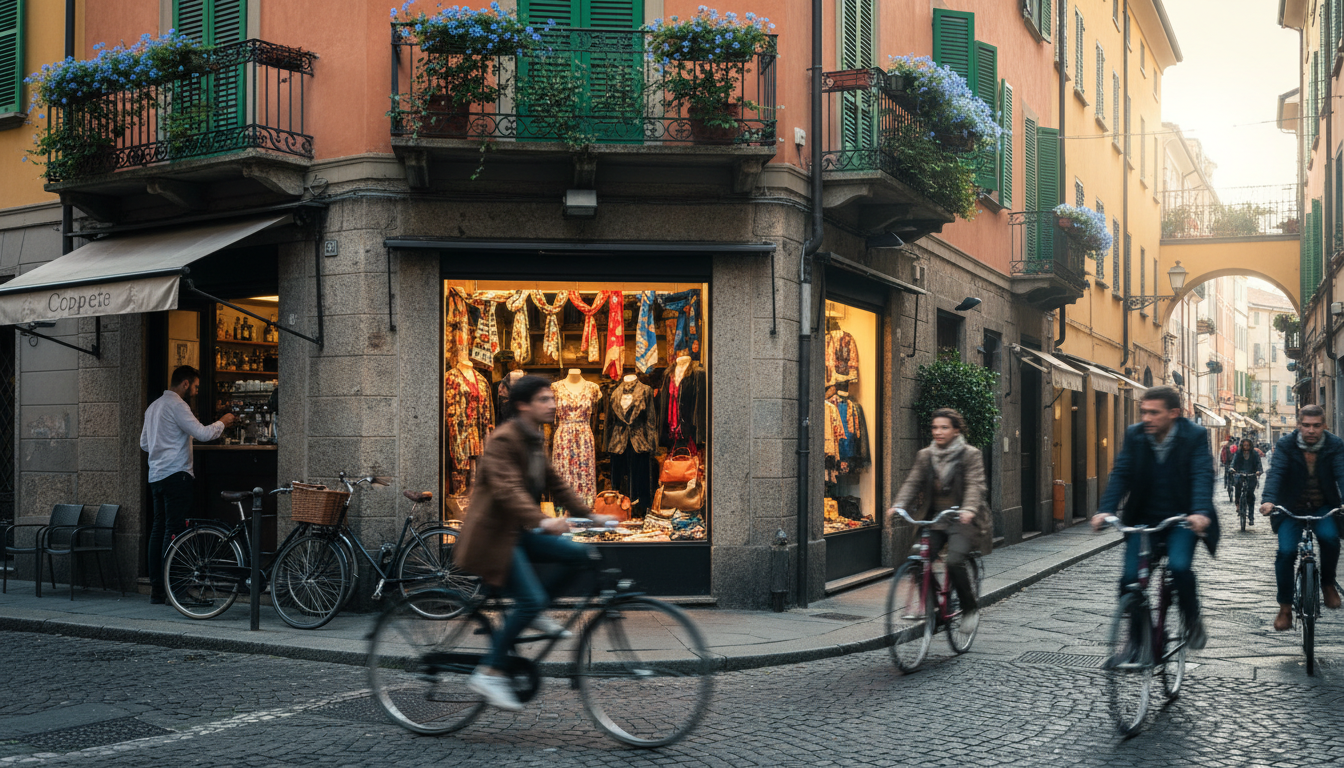 Cobblestone street in Milans Isola neighborhood, vintage clothing shop window display, morning espre
Where to Stay (and Shop) Like a Milanese Local
Isola has transformed from working-class neighborhood to creative hub over the past decade. The vintage scene here rivals anything in Brooklyn or Shoreditch, but prices remain Italian—meaning reasonable. Cavalli e Nastri on Via Brera stocks museum-quality vintage Italian fashion at prices that would make Manhattan consignment shops weep. Expect €80–300 for pieces that would fetch triple in New York.
Navigli, the canal district, hosts a monthly antique market every last Sunday where vintage fashion dealers set up alongside furniture sellers. Arrive at 7 AM if you want first pick of the 1970s Pucci scarves and deadstock Italian leather goods. Home swaps in Navigli put you walking distance from this monthly treasure hunt.
Porta Venezia offers the best balance: close enough to the Golden Rectangle for day trips, residential enough for genuine neighborhood pricing on everything from morning cornetti to vintage Missoni. The LGBTQ+ community has shaped this area's creative energy, and the fashion reflects it—more experimental, less logo-obsessed.
Typical Milan home swap stays range from compact city-center apartments (35–50 square meters) to larger family homes in outer neighborhoods. The credit system means a luxury apartment in Brera costs the same as a modest flat in Bovisa: one credit per night.
Paris: Home Exchange in the World's Most Expensive Fashion City
Paris presents a mathematical problem for fashion travelers. The city contains more fashion history per square kilometer than anywhere on earth—Chanel's original atelier, the Palais Galliera fashion museum, Saint Laurent's former studio, vintage shops selling actual pieces from Dior's New Look era. It also contains hotel prices that make London look affordable.
A week in a decent hotel near Le Marais (the neighborhood where fashion people actually shop) runs €1,200–1,800. A month—which is really what you need to properly explore Parisian fashion—would cost €5,000+ in hotel fees alone. This is why Paris consistently ranks among the most popular destinations for fashion travelers using home exchange.
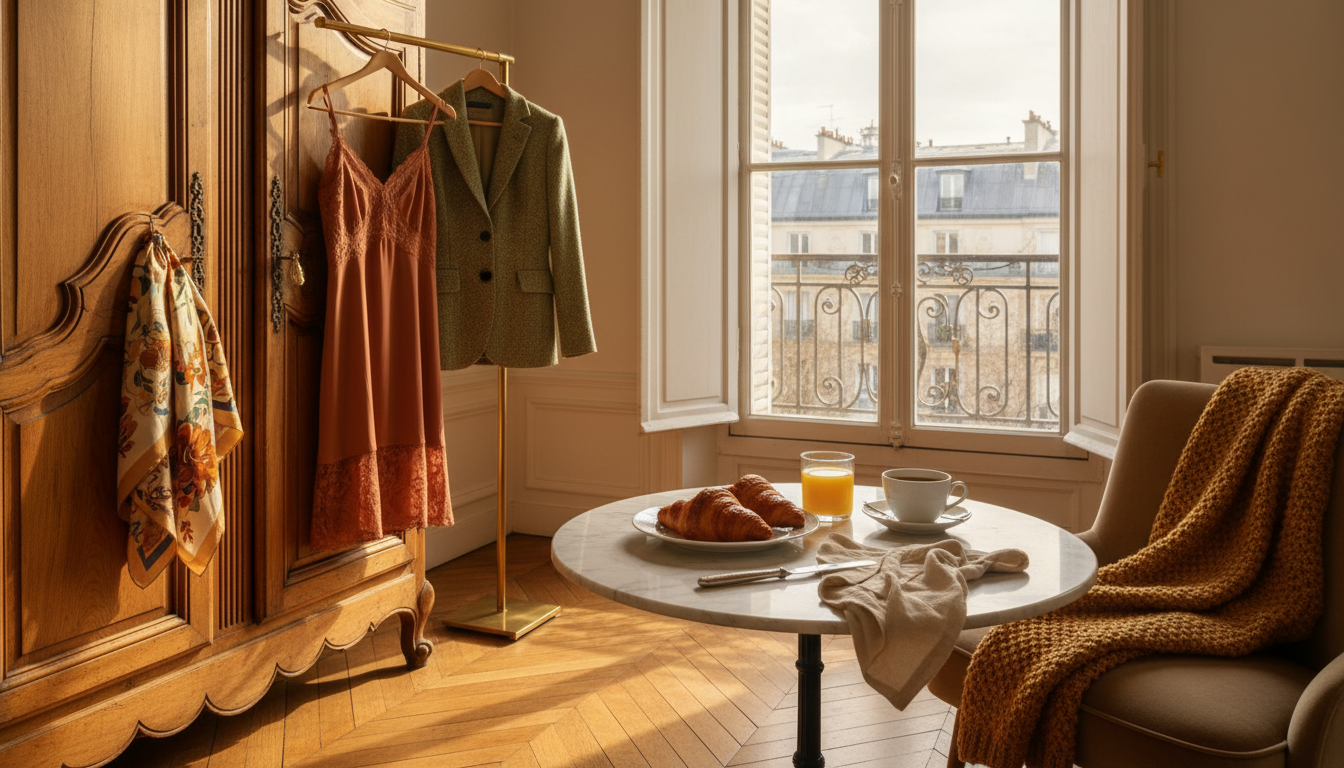 Parisian apartment interior with tall windows, herringbone floors, vintage fashion pieces hanging on
The Neighborhoods Fashion Insiders Actually Shop
Le Marais remains the epicenter, but it's evolved. The northern section (Haut Marais, around Rue de Bretagne) now hosts the more interesting concept stores and vintage dealers, while the southern part has become increasingly touristy. Look for home swaps in the 3rd arrondissement specifically—you'll be steps from Merci (the concept store that pioneered the whole genre), The Broken Arm, and a concentration of vintage shops along Rue de Saintonge.
The 10th and 11th arrondissements offer what fashion editors call "the real Paris shopping experience." Canal Saint-Martin's banks are lined with independent designers. Oberkampf has vintage shops where dealers actually know the provenance of their pieces. Hotel prices here run 30–40% lower than central locations, but home swaps eliminate the calculation entirely.
Saint-Germain-des-Prés (6th arrondissement) is where you'll find the historic fashion houses—Hermès on Rue de Sèvres, Le Bon Marché (the world's first department store), and dozens of upscale vintage dealers. Staying here via hotels costs €250–400/night for anything decent, but SwappaHome members list apartments throughout the area.
Worth noting: Paris apartment swaps often include access to a cave (cellar storage). Fashion travelers use these to store purchases safely while continuing to explore—no need to ship items home mid-trip.
Tokyo: Where Home Exchange Unlocks Fashion's Most Exciting City
Tokyo's fashion scene operates on different rules than its European counterparts. There's no single "fashion district"—instead, the city fragments into dozens of specialized neighborhoods, each with its own aesthetic tribe. Harajuku for street style and avant-garde. Ginza for luxury flagships. Shimokitazawa for vintage. Nakameguro for minimalist Japanese designers. Daikanyama for curated concept stores.
This geographic spread is exactly why home exchange transforms Tokyo fashion trips. Hotels cluster in business districts (Shinjuku, Shibuya station area) or tourist zones (Asakusa), neither of which is ideal for fashion exploration. But SwappaHome members list apartments across every Tokyo neighborhood, letting you position yourself wherever your style interests lie.
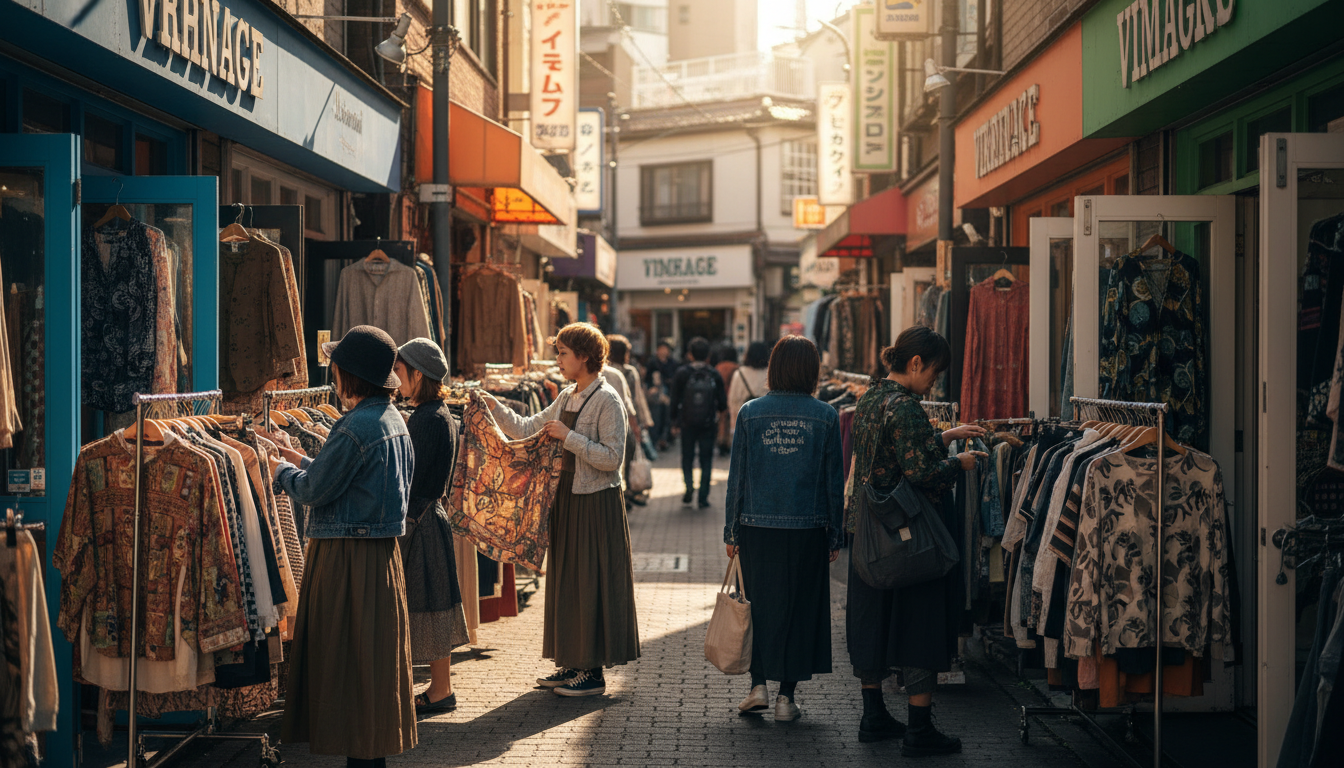 Narrow Shimokitazawa street lined with vintage shops, colorful signage, young Japanese fashionistas
Tokyo's Fashion Neighborhoods Decoded
Harajuku/Omotesando spans the full fashion spectrum. Omotesando's tree-lined avenue hosts architectural flagship stores (Prada's Herzog & de Meuron building, Dior's SANAA-designed boutique), while the back streets of Harajuku shelter independent designers and vintage dealers. A home swap in nearby Jingumae puts you walking distance from both extremes.
Shimokitazawa is Tokyo's vintage heartland—over 100 secondhand shops packed into a few square kilometers. Prices here undercut Harajuku vintage by 30–50%, and the selection skews toward Japanese brands and genuine vintage Americana. The neighborhood's bohemian vibe makes it one of Tokyo's most pleasant residential areas for home swapping.
Nakameguro along the Meguro River has become the address for Japanese fashion's quieter side: brands like Auralee, Comoli, and Yaeca that focus on fabric quality over logos. Home swaps here tend toward the aesthetic Japanese apartments that Instagram dreams are made of—concrete, wood, minimal furniture, perfect light.
Ginza is where you'll find the department stores (Mitsukoshi, Matsuya) and luxury flagships, but it's primarily a daytime destination. Few SwappaHome members live here—it's too commercial for residential comfort. Better to swap into a nearby neighborhood and metro in.
Tokyo hotel prices have climbed sharply since 2023, with decent options near fashion areas now running ¥20,000–35,000 per night ($130–230). A two-week fashion exploration via hotels would cost $1,800–3,200 in accommodation alone. Through home exchange, that entire budget redirects to purchases.
London: Home Swap Access to Fashion's Most Democratic City
London's fashion identity has always been about mixing—high with low, vintage with avant-garde, Savile Row tailoring with Brick Lane street style. This democratic approach extends to shopping: you can find extraordinary pieces at every price point, from £5 charity shop scores to £5,000 bespoke commissions.
The challenge is that London's hotel prices don't share this democratic spirit. A week near any serious shopping area runs £1,000–1,800, and that's before you've bought a single thing. Home exchange changes the equation entirely, particularly because London's residential neighborhoods often contain the best shopping.
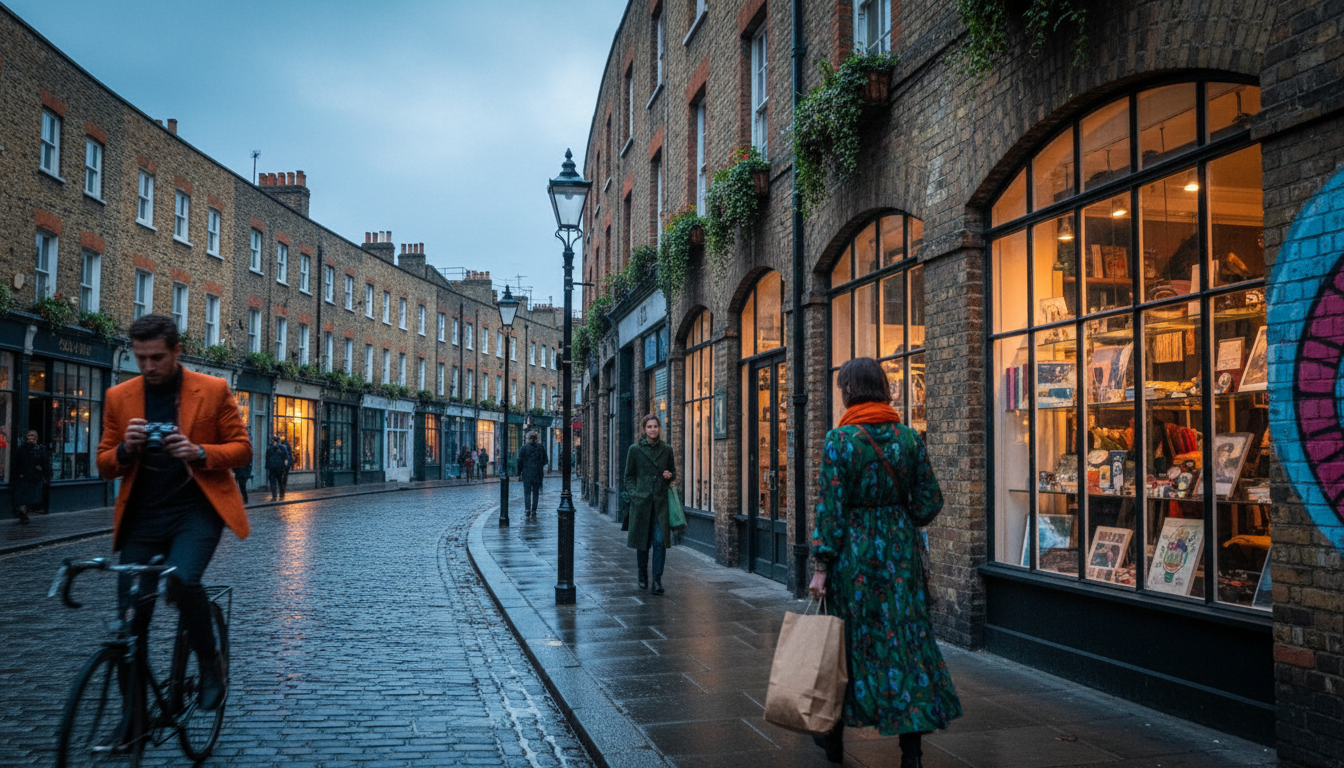 East London street scene with vintage shop fronts, fashion-forward locals, exposed brick buildings,
London's Fashion Geography
East London (Shoreditch, Bethnal Green, Hackney) is where London fashion actually happens now. Brick Lane's vintage market operates every Sunday, but the permanent shops along the street offer better curation. Labour and Wait stocks heritage British brands. Goodhood pioneered the streetwear-meets-design concept store. Home swaps in this area put you in converted warehouses and Victorian terraces—the aesthetic that London fashion people actually live in.
Notting Hill/Portobello remains essential for vintage fashion, particularly the Friday and Saturday markets. The permanent arcades (specifically the ones at the Notting Hill end of Portobello Road) stock serious vintage dealers with museum-quality pieces. Home swaps in W10 and W11 postcodes position you for early-morning market access.
Marylebone has quietly become London's most interesting neighborhood for contemporary fashion. Dover Street Market's London outpost anchors the area, surrounded by independent boutiques and the sort of carefully edited shops that fashion editors actually frequent. Less chaotic than Soho, more interesting than Mayfair.
South London (Peckham, Deptford) is where the next generation of London fashion is emerging. Charity shops here haven't been picked over by professional vintage dealers. Young designers operate studios with irregular retail hours. It's scrappier than East London was a decade ago—which is exactly the point.
Seoul: The Emerging Home Exchange Fashion Capital
Seoul's fashion scene has exploded over the past five years, driven by K-pop's global influence, a generation of Korean designers gaining international recognition, and a shopping infrastructure that makes fashion accessible at every budget level. The city now rivals Tokyo for street style innovation while offering significantly lower prices.
Hotel costs in Seoul run lower than other fashion capitals (₩150,000–250,000 per night, roughly $110–185 for good locations), but home exchange still makes sense for the extended stays that Seoul fashion exploration requires. The city's sprawl means you need time—a weekend barely scratches the surface.
Seoul's Fashion Districts
Gangnam (specifically Garosu-gil and Cheongdam-dong) is Seoul's luxury axis. Garosu-gil's tree-lined street hosts Korean designer boutiques and concept stores, while Cheongdam-dong contains the flagship stores for both international luxury and high-end Korean brands like Gentle Monster and Ader Error. Home swaps south of the Han River put you in the heart of this scene.
Hongdae caters to younger, streetwear-focused shoppers. The area around Hongik University is dense with independent Korean fashion labels, vintage shops, and the kind of experimental retail that Seoul does better than anywhere. Prices here are genuinely accessible—complete outfits for under $100 are normal.
Dongdaemun operates on a different model entirely: a wholesale fashion district with buildings containing thousands of small vendors, open until 5 AM, selling everything from fabric to finished garments at near-wholesale prices. Serious fashion travelers spend entire nights here. Having an apartment nearby (rather than a hotel in tourist-friendly Myeongdong) makes these late-night shopping sessions practical.
Itaewon/Hannam-dong has evolved into Seoul's most cosmopolitan fashion neighborhood, with vintage shops, international designer boutiques, and the kind of curated concept stores that wouldn't look out of place in Tokyo or Copenhagen. The area also has Seoul's best concentration of home swap listings from internationally-minded Korean hosts.
Copenhagen: Scandinavian Fashion Through Home Exchange
Copenhagen has leveraged its fashion week into genuine global influence, with Danish brands like Ganni, Stine Goya, and Cecilie Bahnsen now stocked worldwide. The city's fashion identity emphasizes what Danes call "hygge dressing"—comfortable, considered, quality-over-quantity pieces that justify higher price points through longevity.
This philosophy aligns perfectly with home exchange travel. Copenhagen rewards slow exploration: the best vintage shops require multiple visits, the designer sample sales happen irregularly, and the city's fashion rhythm moves with the seasons rather than tourist schedules.
Copenhagen's Fashion Neighborhoods
Nørrebro is where Copenhagen's fashion creatives actually live and shop. The neighborhood's main street, Jægersborggade, hosts independent designers, vintage shops, and the kind of ceramic studios where Danish fashion people source their home goods. Home swaps here put you in the converted industrial spaces and classic Copenhagen apartments that define Scandinavian design.
Vesterbro has gentrified from red-light district to design district over two decades. Istedgade and its side streets now host vintage shops, Danish designer outlets, and concept stores. The neighborhood's slightly gritty energy keeps it interesting—it hasn't been polished into blandness.
The Latin Quarter and Strøget area contain the flagship stores and department stores (Illum, Magasin du Nord), plus the concentration of Danish design shops that tourists expect. Worth visiting, but the residential neighborhoods offer better shopping value and more authentic Copenhagen fashion experiences.
Copenhagen hotels are expensive by any standard (DKK 1,500–2,500 per night, roughly $215–360), making home exchange particularly valuable here. The city's compact size means any residential neighborhood puts you within cycling distance of every fashion destination.
New York: Home Exchange in Fashion's Commercial Capital
New York requires a different approach than the European or Asian fashion capitals. The city's fashion identity is fundamentally commercial—this is where trends get monetized, where designers build businesses, where the industry's machinery operates. Shopping here means navigating between creative neighborhoods and commercial districts, between emerging designers and established brands.
Hotel prices in Manhattan's fashion-adjacent neighborhoods (SoHo, Lower East Side, West Village, Chelsea) run $250–450 per night for anything acceptable. A two-week fashion trip via hotels would cost $3,500–6,300 before you've bought a single piece. Home exchange transforms this math entirely.
New York's Fashion Geography
The Lower East Side has become New York's most interesting fashion neighborhood, with vintage shops, emerging designer boutiques, and concept stores clustered along Orchard and Ludlow Streets. Prices here remain accessible—serious vintage finds for $50–200, emerging designer pieces for $150–400. Home swaps in this area put you in the converted tenement apartments that define downtown New York living.
SoHo contains the flagship stores and the tourists who visit them. Worth a visit for the architecture and the occasional sample sale, but the neighborhood's fashion soul has largely migrated elsewhere. Home swaps here are valuable for location rather than neighborhood character.
Brooklyn (Williamsburg, Greenpoint, Cobble Hill) is where New York's fashion creatives have relocated as Manhattan prices pushed them out. The vintage scene here rivals the Lower East Side, and the emerging designer studios offer pieces you won't find anywhere else. Home swaps in North Brooklyn tend toward the loft apartments and brownstone conversions that make the borough's aesthetic so distinctive.
The Garment District and Chelsea serve different fashion purposes: the former for fabric shopping and wholesale accessories, the latter for gallery-adjacent concept stores and the High Line's design-focused retail. Neither is ideal for home swapping (too commercial), but they're essential day-trip destinations.
How to Find Fashion-Friendly Home Swaps
The SwappaHome community includes plenty of fashion-focused members, but finding them requires some strategy.
Search and Filter Strategies
Start by searching the specific neighborhoods mentioned above rather than just the city name. "Isola, Milan" will yield different results than "Milan"—and likely better ones for fashion purposes. Look for listings that mention proximity to specific shopping areas, vintage markets, or design districts.
Read listing descriptions carefully for lifestyle signals. Members who mention "vintage furniture," "design books," or "local boutiques" often share fashion sensibilities. Their neighborhoods tend to be the ones where interesting shopping happens.
The review system helps here too. Fashion-focused travelers often mention shopping in their reviews, noting which neighborhoods offered the best vintage finds or which hosts provided useful local recommendations.
Timing Your Fashion Trip
Fashion cities operate on seasonal rhythms that affect both shopping and home swap availability:
Milan's fashion weeks (February and September) make home swaps harder to find but offer sample sale opportunities. The August holiday period empties the city of locals—and fills SwappaHome with available listings from vacationing Milanese.
Paris sees similar patterns around fashion week, plus the January and July sales periods (soldes) when French law permits discounting. These sale periods are prime time for fashion shopping but competitive for home swaps.
Tokyo's fashion calendar is less concentrated, but Golden Week (late April/early May) and Obon (mid-August) see Japanese families traveling domestically—meaning more home swap availability in Tokyo.
Seoul's fashion weeks have grown in prominence, but the city's shopping infrastructure operates year-round. The November/December period offers both good weather and pre-holiday sales.
Making the Most of Fashion Home Swaps
Communicate your interests when requesting swaps. Hosts who know you're interested in fashion often provide recommendations—the vintage shop they frequent, the sample sale happening during your stay, the neighborhood café where designers hang out. This local insight is one of home exchange's biggest advantages over hotels.
Ask about storage space. Fashion trips generate purchases, and knowing you have room to store them (rather than living around shopping bags) makes extended stays more comfortable.
Consider the apartment's aesthetic as part of the experience. Staying in a beautifully designed space—whether that's a minimalist Tokyo apartment or a vintage-filled Paris flat—enhances the fashion travel experience in ways hotels rarely match.
The Financial Reality of Fashion Home Exchange Travel
So how does this actually work out? Consider a hypothetical two-week fashion trip to Milan:
Traditional hotel approach:
- Hotel near fashion district: €180/night × 14 nights = €2,520
- Total accommodation cost: €2,520 ($2,750 USD)
Home exchange approach:
- SwappaHome credits: 14 credits (earned by hosting previously)
- Total accommodation cost: €0
That €2,520 saved redirects entirely to shopping. In Milan's vintage markets, that's 8–15 significant pieces. In the outlet malls outside the city, that's 3–5 current-season designer items. In the neighborhood shops of Isola, that's an entire wardrobe refresh.
Multiply this across a year of fashion travel—two weeks each in Milan, Paris, and Tokyo—and the savings approach $8,000–10,000. That's not a vacation budget; that's a serious fashion investment redirected from hotels to actual clothes.
Frequently Asked Questions
Is home exchange safe for fashion travelers carrying expensive purchases?
Home exchange offers security advantages over hotels for fashion travelers. You're staying in a real home with proper locks, often in residential buildings with doormen or secure entry systems. Many SwappaHome members report feeling safer leaving purchases in a home swap apartment than in a hotel room. The verification system and community reviews add accountability—you're staying in someone's actual home, not an anonymous rental.
How far in advance should I book a home swap in fashion capitals?
For major fashion capitals like Paris and Milan, booking 2–3 months ahead ensures the best selection, especially for desirable neighborhoods. During fashion weeks or major sale periods, 3–4 months is safer. Tokyo and Seoul offer more flexibility, with good options often available 4–6 weeks out. The SwappaHome credit system means you're not paying more for last-minute bookings—it's purely about availability.
Can I find home swaps near luxury shopping districts?
Yes, though the listings differ from tourist-area hotels. In Milan, SwappaHome members list apartments throughout the Quadrilatero della Moda adjacent neighborhoods. Paris has strong coverage in Le Marais and Saint-Germain. The key is searching by specific neighborhood rather than just city name. Luxury districts tend to have fewer listings (they're commercial areas), but the surrounding residential streets often have excellent options.
What should I tell my home exchange host about my fashion shopping plans?
Being upfront about your fashion focus often yields valuable local knowledge. Mention that you're interested in vintage shopping, designer boutiques, or specific fashion neighborhoods. Many hosts provide personalized recommendations—the sample sale happening during your stay, the vintage dealer who just got new inventory, the neighborhood café where fashion people gather. This local insight is one of home exchange's biggest advantages over hotels.
How do I handle shipping purchases home during a home exchange stay?
Most fashion capitals have straightforward international shipping options. In Milan and Paris, the post office handles packages reliably. Tokyo's convenience stores (konbini) offer shipping services. Many SwappaHome members allow guests to receive packages at the swap address—just confirm this before booking. For valuable items, consider carrying them home personally or using insured shipping services. Having a home base rather than hotel hopping makes accumulating and organizing purchases much more practical.

Published by
SwappaHome
SwappaHome Editorial Team
Home Exchange & Slow Travel Editorial
The SwappaHome Editorial Team brings together travel research, home-exchange community insights, and platform data to produce practical guides for first-time and experienced home swappers. Every article cites real platforms, current market rates, and verifiable city-level facts so readers can make informed decisions without guessing.
Ready to try home swapping?
Join SwappaHome and start traveling by exchanging homes. Get 7 free credits when you sign up!
Related articles
Home Swap in Rome: Where to Find the Best Properties for Your Italian Exchange
Discover where to find the best home swap properties in Rome—from Trastevere's cobblestone charm to Testaccio's local authenticity. Real neighborhoods, real advice.

Home Swap in Bangkok: Where to Find the Best Properties for Free Stays
Discover where to find the best home swap properties in Bangkok—from riverside condos in Charoen Krung to family homes in Ari. Real neighborhoods, real savings.
Home Swap for Beach Lovers: 12 Coastal Destinations Ranked for 2026
Discover the best coastal destinations for home swapping in 2026. From Portugal's Algarve to Australia's Gold Coast, find your perfect beach exchange.