Gold Coast with Kids: Why Home Swap Makes Family Travel Actually Enjoyable

SwappaHome Editorial Team
Home Exchange & Slow Travel Editorial
Discover why home swapping on the Gold Coast transforms family holidays from stressful hotel stays into authentic adventures your kids will actually remember.
My five-year-old nephew once asked me why hotel rooms "smell like cleaning" and honestly, I've never been able to stay in one since without thinking about it. He had a point. There's something fundamentally weird about cramming a family into a sanitized box with two double beds, a mini-fridge you're afraid to open, and that perpetual hum of industrial air conditioning.
That's exactly why traveling to the Gold Coast with children through a home swap changed everything for my sister's family last winter—and why I'm convinced it's the smartest way to do family travel in Queensland.
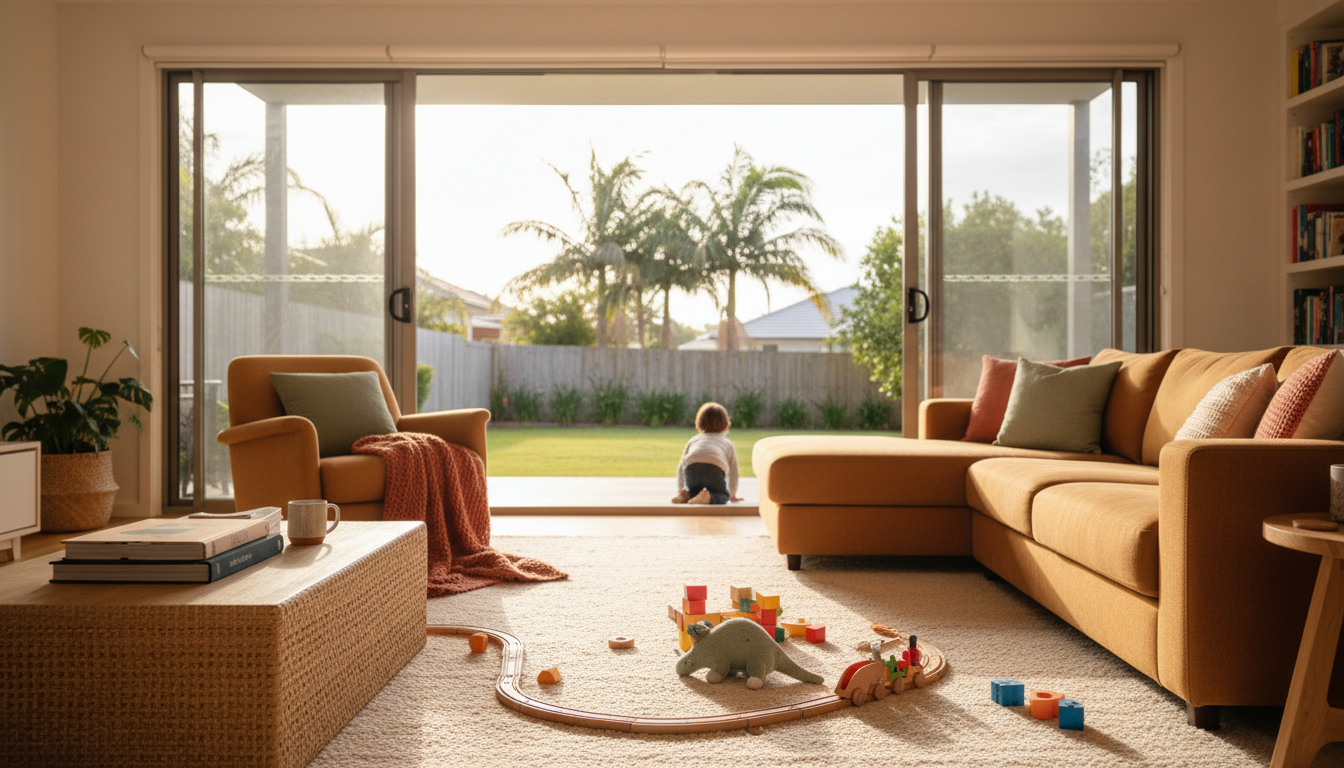 A spacious family living room in a Gold Coast home with toys scattered naturally, sliding doors open
Why the Gold Coast Is Perfect for a Family Home Swap
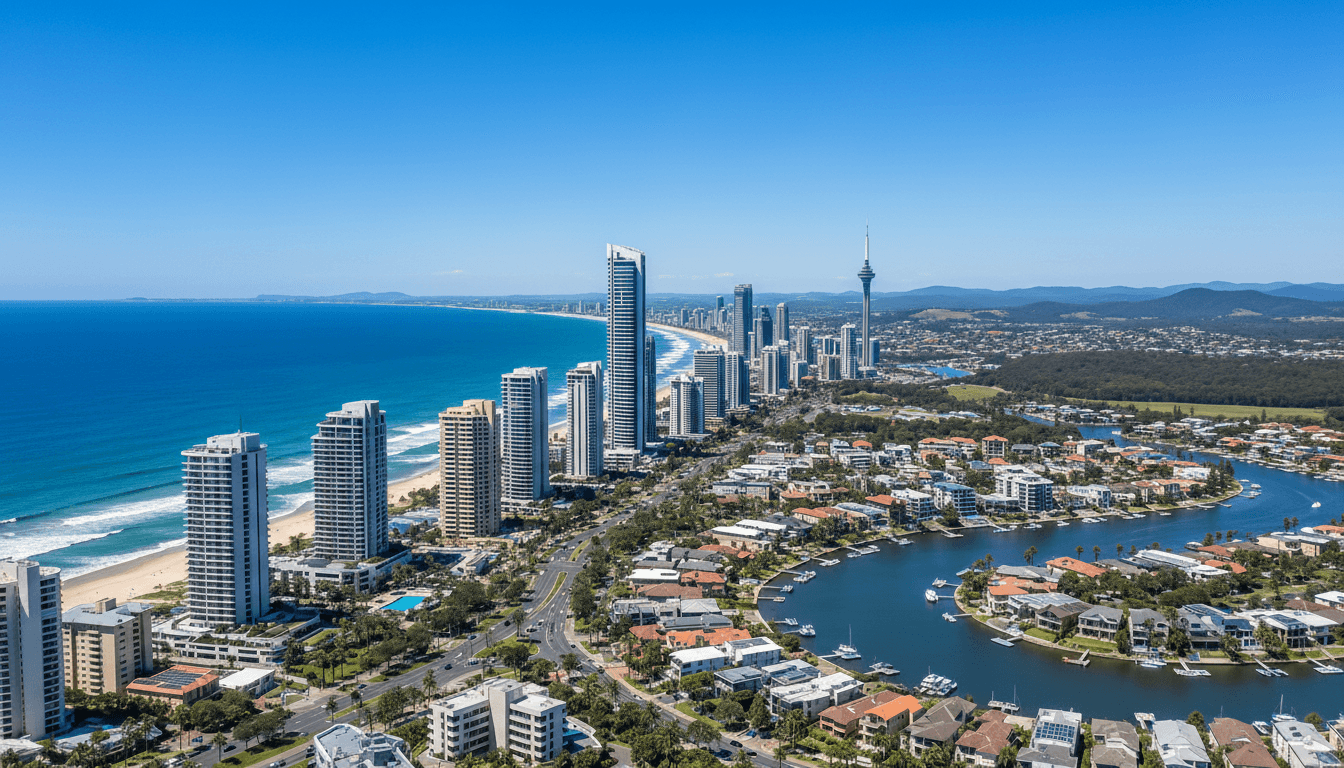
Let me paint you a picture. The Gold Coast stretches about 57 kilometers along Australia's eastern coastline, and while most people think "theme parks and surf," there's this whole other layer that families miss when they're stuck in hotel-land.
Here's the thing—Gold Coast locals live incredibly well. We're talking homes with actual backyards where kids can run around at 7 AM without you worrying about noise complaints. Kitchens where you can make pancakes shaped like kangaroos (or whatever your kids are into). Neighborhoods where the corner bakery knows your coffee order by day three.
When you do a home swap on the Gold Coast with kids, you're not just getting accommodation—you're getting a lifestyle. And that lifestyle includes things hotels literally cannot offer: a washing machine that doesn't require $4 in coins, a garage full of beach toys, maybe even a trampoline.
My sister's family swapped their Portland apartment for a three-bedroom house in Burleigh Heads. The owners had two kids roughly the same ages, which meant the house came stocked with boogie boards, sand toys, a Nintendo Switch, and—this is the part that made my sister cry actual tears of joy—a fully fenced backyard with a swing set.
Try getting that at the Marriott for $450 a night.
The Real Cost Breakdown: Gold Coast Hotels vs. Home Exchange
I'm going to get specific here because vague "you'll save money!" advice helps no one.
A decent family-friendly hotel on the Gold Coast during Australian school holidays (December-January, April, July, September-October) runs about $280-450 AUD per night ($180-290 USD). That's for a room. One room. With maybe a kitchenette if you're lucky.
Now add meals. A family of four eating out three times a day on the Gold Coast? You're looking at roughly $150-200 AUD daily ($95-130 USD). Breakfast at a café is $15-20 per person. Lunch near the beach, another $15-20. Dinner at somewhere half-decent, $25-40 each. Kids' meals help, but not as much as you'd hope.
So for a two-week Gold Coast family holiday in a hotel:
- Accommodation: $3,920-6,300 AUD ($2,520-4,060 USD)
- Food (eating out): $2,100-2,800 AUD ($1,350-1,800 USD)
- Total: roughly $6,000-9,100 AUD ($3,870-5,860 USD)
With a home swap, your accommodation cost is zero. You use SwappaHome credits—one credit per night, no matter how fancy the house. New members start with 7 free credits, so a two-week stay costs 14 credits total. If you've hosted guests before, you've already earned those credits by letting travelers stay in your place.
For food, you're cooking most meals in a real kitchen. Grocery shopping at Woolworths or Coles for a family of four runs about $200-300 AUD per week ($130-195 USD). You'll still eat out sometimes—maybe fish and chips on the beach, a nice dinner or two—so let's say $400 AUD ($260 USD) total for dining out over two weeks.
Home swap two-week total: roughly $800-1,000 AUD ($515-645 USD)
That's a savings of $5,200-8,100 AUD ($3,350-5,215 USD). Enough for flights. Enough for theme park tickets. Enough to actually do things instead of just existing in an expensive room.
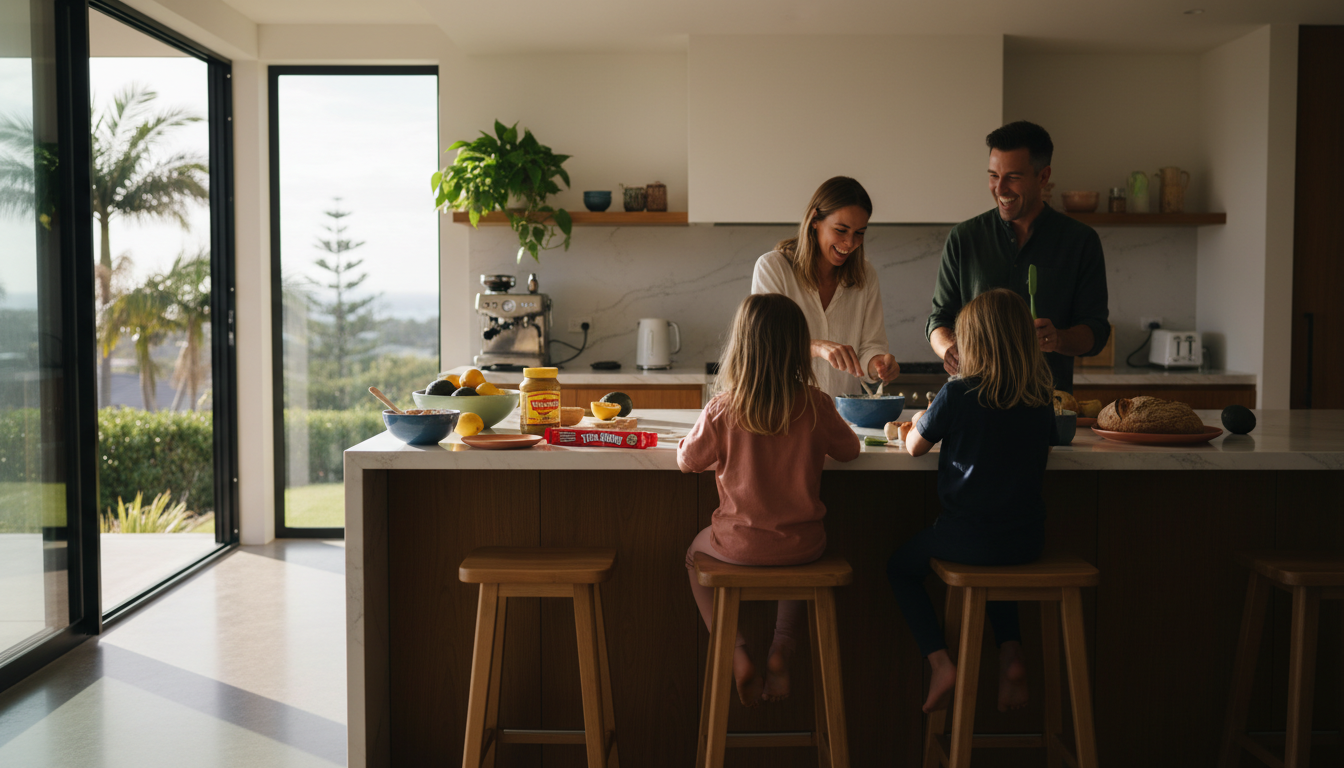 A bright Australian kitchen with a family making breakfast together, kids on stools helping, groceri
Best Gold Coast Neighborhoods for Home Swapping with Kids
Not all Gold Coast suburbs are created equal when you're traveling with little ones. Here's where I'd actually recommend looking:
Burleigh Heads: The Sweet Spot
Burleigh is where I'd send any family doing their first Gold Coast home swap with children. It's got this perfect village-y feel—cafés, boutiques, the famous Burleigh headland walk—but it's also genuinely family-oriented. The beach here has a protected swimming area, and the grassy parkland behind it is basically a giant outdoor living room where kids can run while parents actually relax.
Justins Park has shaded playgrounds, barbecue facilities, and enough space for impromptu soccer games. The Burleigh Farmers Market on Saturday mornings? It's the kind of place where your kids will try dragonfruit for the first time and probably love it.
Homes here tend to be a mix of older beach houses and newer builds. Look for properties in the streets behind the headland—you'll be walking distance to everything but away from the tourist noise.
Currumbin: Wildlife and Waves
If your kids are animal-obsessed, Currumbin is your spot. The Currumbin Wildlife Sanctuary is right there, and unlike a lot of tourist attractions, it's actually good. Your kids can feed rainbow lorikeets, see koalas up close, and watch the free-flight bird show without feeling like you've been herded through a gift shop.
Currumbin Creek is perfect for younger kids—calm water, easy paddling, and you can rent kayaks or stand-up paddleboards. The beach itself is patrolled and generally less crowded than Surfers Paradise.
Home swaps here often include properties with creek access or larger yards. It's slightly more residential, which means quieter nights and neighbors who might actually wave hello.
Palm Beach: Underrated Family Gold
Palm Beach flies under the radar, and that's exactly why families should consider it. The beach is long, the surf is manageable for kids learning to bodyboard, and there's a genuine community feel. Tallebudgera Creek is nearby—one of the safest swimming spots on the entire Gold Coast, with water so clear you can see fish around your ankles.
The dining scene has exploded here in recent years. Balboa Italian, The Collective, Piccolo Espresso—these are places where you can actually bring kids without feeling judged, and the food is legitimately excellent.
Properties in Palm Beach tend to be newer townhouses or renovated beach cottages. Many have pools, which—let me tell you—changes the game when you're traveling with kids. That 4 PM meltdown? Solved by pool time.
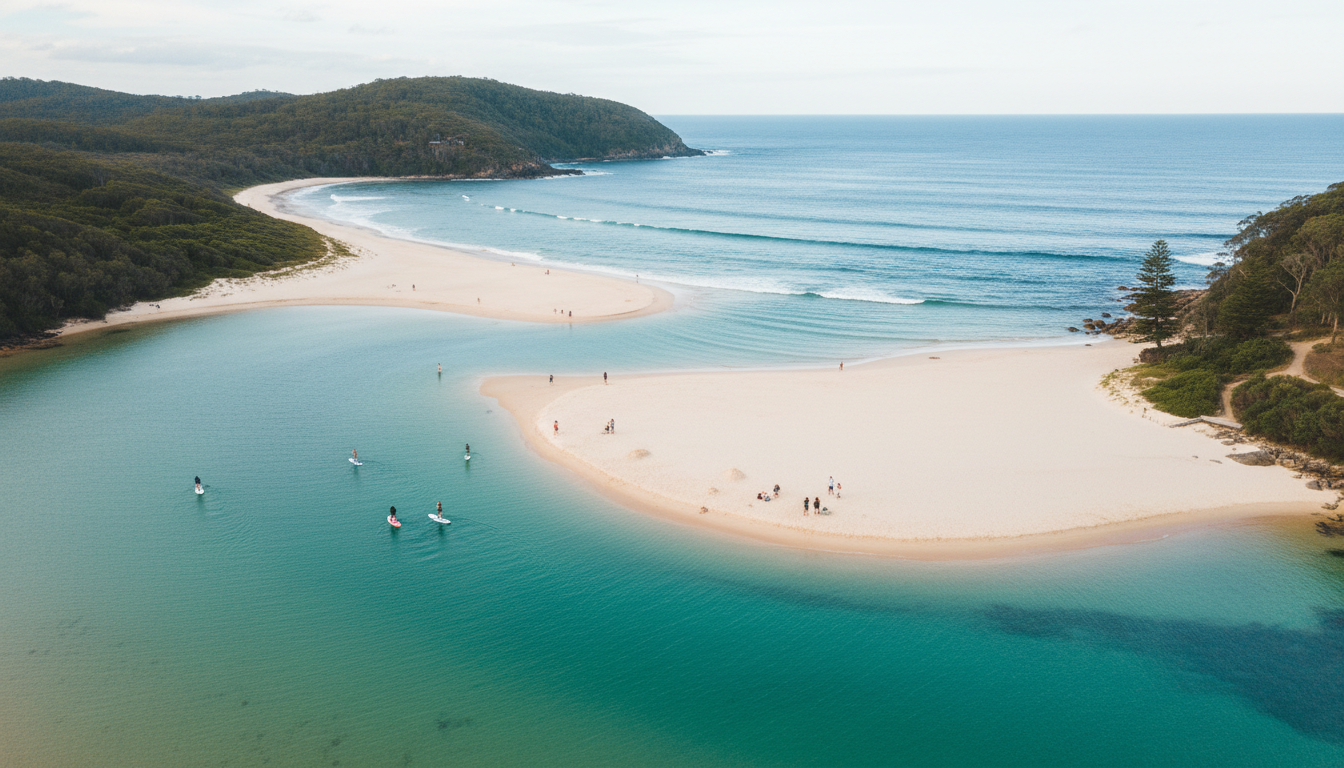 Aerial view of Tallebudgera Creek meeting the ocean, turquoise water, families on the sand, paddlebo
What to Look for in a Gold Coast Family Home Swap
Here's where I get practical. When you're browsing SwappaHome listings for Gold Coast properties, these are the things that actually matter when you've got kids:
Outdoor space matters more than square footage. A smaller house with a fenced yard beats a huge apartment every time. Kids need to burn energy, and Australian mornings are made for outdoor play. Look for mentions of "fully fenced" in listings—it's code for "you can drink your coffee in peace."
Check the beach proximity—but not too close. Being a 2-minute walk from the sand sounds dreamy until you realize that means sand in everything, all the time. A 5-10 minute walk is actually ideal. Close enough for morning beach runs, far enough that you're not vacuuming hourly.
Ask about kid stuff. Seriously, just ask. Most families doing home exchanges are happy to share what they have. Highchairs, strollers, beach tents, pool toys—these things are heavy and annoying to travel with. A quick message through SwappaHome's system can save you luggage fees and hassle.
Look for air conditioning. Queensland gets hot. Like, properly hot. December through February, you'll want AC in at least the bedrooms. Don't assume it's included—Australian homes vary wildly on this.
Pool fencing is non-negotiable. If the property has a pool, Australian law requires proper fencing with a self-closing gate. But double-check in photos and ask specifically. You want gates that your toddler genuinely cannot open.
Making the Home Swap Work: Gold Coast Specific Tips
I've learned a few things from watching families navigate Australian home exchanges. Some of this is Gold Coast specific, some is just good family swap practice.
Timing Your Swap
Australian seasons are flipped from the Northern Hemisphere, which actually works in your favor if you're from the US, Canada, or Europe. When it's winter at home, it's summer on the Gold Coast. January is peak season (school holidays, hot weather, crowded beaches), but late November or early March gives you warm weather with fewer crowds and more home swap availability.
The shoulder seasons—April/May and September/October—are genuinely lovely. Water's still warm enough to swim, weather's mild, and local families are back in school routines, meaning their homes are available for swapping.
The Jet Lag Factor
Here's something nobody tells you: jet-lagged kids on the Gold Coast actually have an advantage. They'll wake up at 5 AM, which means you'll catch sunrise on the beach with almost no one around. The light is incredible, the sand is cool, and by 7 AM you've already had a full beach session before the crowds arrive.
Lean into it. Don't fight the early wake-ups for the first few days. Hit the beach at dawn, come home for breakfast and a nap (for everyone), then do afternoon activities when everyone's adjusted.
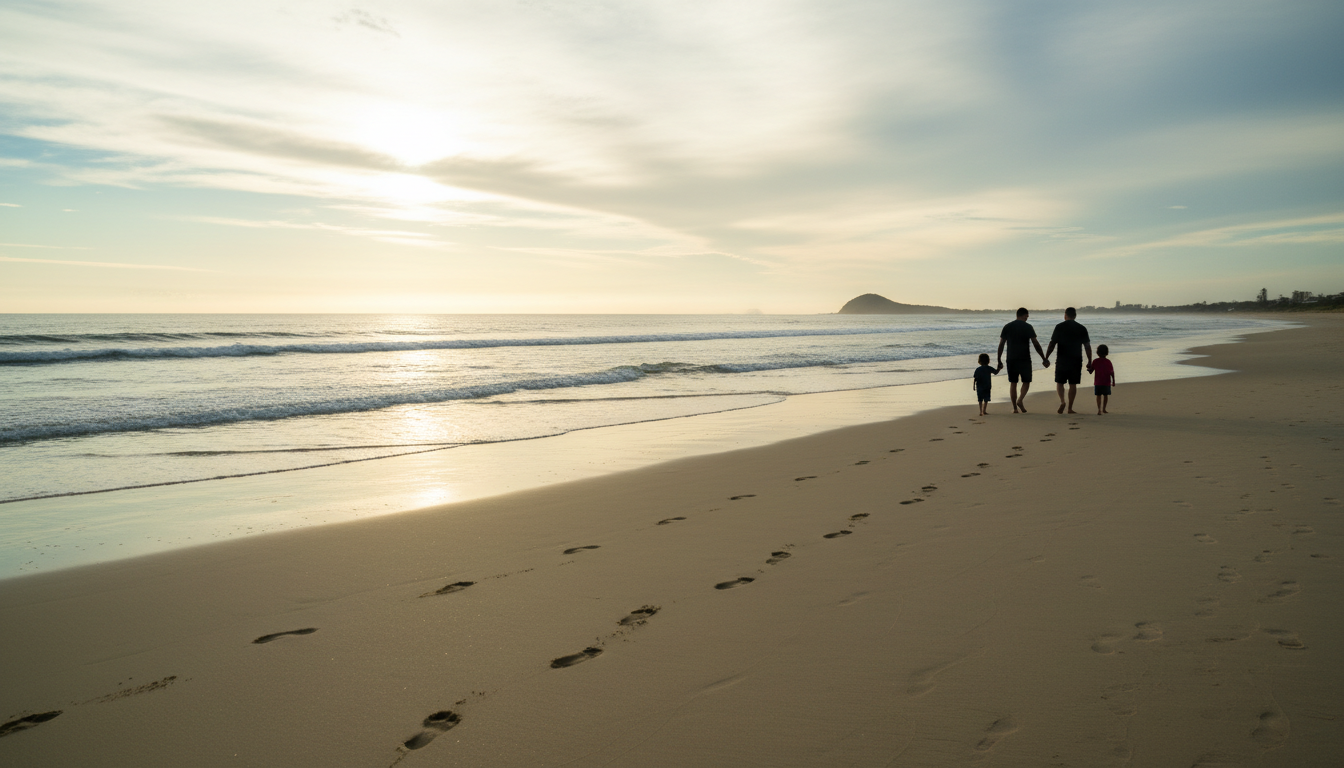 Empty Gold Coast beach at sunrise, golden light on the water, a single family in silhouette walking
Stocking Up on Arrival
Your first stop should be a supermarket, not the beach. I know, I know—you've just flown 15+ hours and the ocean is right there. But trust me: getting groceries sorted immediately means you can actually relax for the rest of the trip.
Coles and Woolworths are the main chains. Both have good selections of kid-friendly foods, and prices are reasonable. Pro tip: Australian milk comes in different colors than you might expect—blue cap is full cream, light blue is reduced fat, green is skim. Vegemite is an acquired taste, but most kids either love it or dramatically hate it. Worth trying.
Aldi is cheaper but less predictable in stock. IGA is pricier but often closer in beach suburbs.
Beach Safety Is Non-Negotiable
Australian beaches are stunning and also genuinely dangerous if you don't know what you're doing. Always—always—swim between the red and yellow flags. This isn't a suggestion; it's where lifeguards are actively watching.
Rips are real. If you don't know how to spot a rip current, look it up before you go. The water that looks calmer and darker? That's often a rip. Teach your kids that if they get caught, swim parallel to the beach, not against the current.
Stingers (jellyfish) are mostly a concern in summer months. Bluebottles wash up on beaches sometimes—they look like blue plastic bags and they sting like hell. Teach kids not to touch anything blue on the sand.
Sun protection is serious business. Australian sun is intense. SPF 50+, reapply every two hours, and rashies (rash guards) for extended water time. Sunburn happens faster than you'd believe.
Theme Parks and Beyond: Using Your Savings
So you've saved thousands on accommodation. Now what?
The Gold Coast theme parks are the obvious draw. Dreamworld, Movie World, Sea World, Wet'n'Wild—they're all within 20-30 minutes of most Gold Coast suburbs. A single-day adult ticket runs about $99-139 AUD ($65-90 USD), kids slightly less. Multi-park passes offer better value if you're doing more than one.
But here's my honest take: you don't need to do all of them. Pick one or two based on your kids' ages and interests. Movie World is great for superhero-obsessed kids and has gentler rides for little ones. Wet'n'Wild is perfect for hot days and works for a wide age range. Dreamworld has the most variety but can feel overwhelming.
The money you saved on accommodation means you can actually afford these experiences without wincing at every price tag. That's the real magic of home swapping with kids—you're not constantly doing mental math about whether something is "worth it."
Free and Cheap Gold Coast Experiences
Beyond the paid attractions, the Gold Coast has genuinely excellent free stuff:
The Spit is a long stretch of beach and parkland perfect for cycling, walking, or just letting kids run. Rent bikes and ride the whole length—it's flat and safe.
Burleigh Head National Park has walking trails that even young kids can manage. The rainforest section feels like another world, and you might spot wallabies in the early morning.
Currumbin Rock Pools are inland swimming holes that locals love. Natural pools, rope swings (for older kids), and a completely different vibe from the beach.
The Hinterland is just 30-40 minutes from the coast and feels like a different country. Tamborine Mountain has glow worm caves, rainforest walks, and the kind of misty mountain scenery that makes kids feel like they're in a fantasy movie.
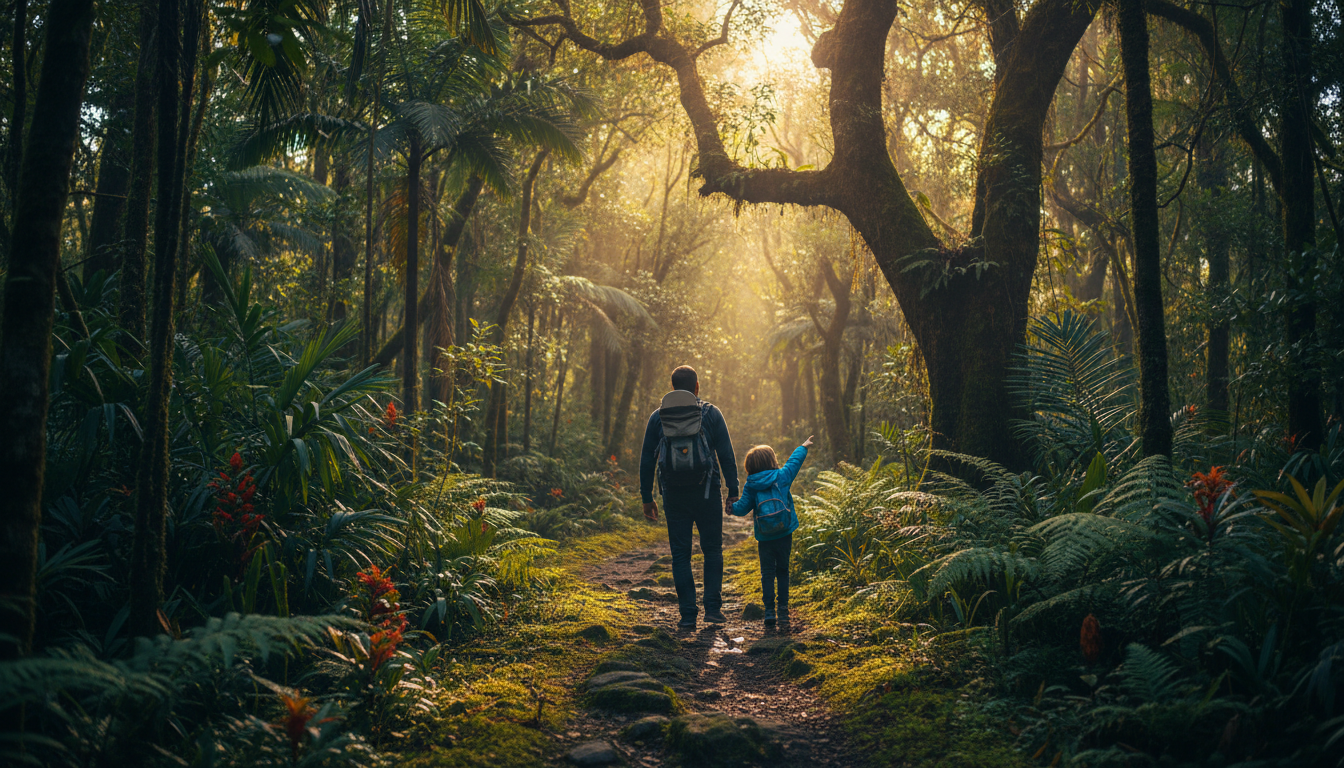 Family walking through lush green rainforest in the Gold Coast hinterland, dappled sunlight through
The Social Side: Connecting with Your Swap Family
One of the unexpected bonuses of home swapping on the Gold Coast with kids is the connection with your host family. You're staying in their space, using their stuff, sleeping in their beds. It creates this weird intimacy that hotels never offer.
Most families leave welcome notes with local recommendations. Pay attention to these—they're gold. The café they mention is probably legitimately good. The beach access point they describe is probably the one locals use to avoid tourists.
Some families go further. My sister's swap hosts left a detailed "kids' guide" with their children's favorite playgrounds, the ice cream shop that does the best soft serve, and which library branch has the best kids' section (Burleigh, apparently).
You can reciprocate by leaving a similar guide for them about your hometown. It's a nice touch, and it builds the kind of community that makes SwappaHome work.
Reviews Matter Both Ways
After your stay, leave a detailed, honest review. Mention what worked for your family—the backyard, the beach proximity, the well-stocked kitchen. Future families will thank you.
And if something wasn't great? Mention it kindly but clearly. "The house was lovely but the street noise might be challenging for light sleepers" helps everyone make better decisions.
The review system is how trust gets built in home exchange communities. Take it seriously.
Practical Stuff Nobody Tells You
Power outlets are different. Australia uses Type I plugs—three angled pins. Bring adapters or buy them at the airport (they're cheaper at Officeworks or Kmart once you're there).
Driving is on the left. If you're renting a car, this takes adjustment. The Gold Coast has decent public transport (trams, buses), but a car makes family life significantly easier, especially for theme park trips and hinterland adventures.
Tap water is safe and good. No need to buy bottled water. Bring reusable bottles and fill them up.
Tipping isn't expected. Australians are paid decent wages, so tipping culture doesn't really exist. Round up if you want, but no one will look at you funny if you don't.
Healthcare is expensive for visitors. Travel insurance is essential. A simple doctor's visit can cost $80-150 AUD without coverage. Make sure your policy covers the whole family.
When Home Swapping Might Not Work
I'm a huge advocate for home exchange, but I'll be honest about when it might not be the right choice.
If your kids are at the "destroy everything they touch" phase (you know the one), you might feel stressed about being in someone else's space. That's valid. Some families wait until kids are 4-5+ before attempting swaps.
If you need daily housekeeping or room service, a swap won't deliver that. You're responsible for keeping the place reasonable—not hotel-clean, but respectful.
If your travel dates are completely inflexible, finding a matching swap can be challenging. The credit system on SwappaHome helps (you're not dependent on finding someone who wants your exact dates), but peak season availability can still be competitive.
And if you're uncomfortable with the idea of strangers in your home while you're away, that's a legitimate feeling. Home swapping requires a certain level of trust and letting go. Not everyone's wired for it.
The Bigger Picture: Why This Matters
There's something that happens when you travel with kids as a family in a home rather than tourists in a hotel. You slow down. You cook breakfast together. You have space to breathe when someone needs quiet time.
My nephew—the one who noticed the cleaning smell—still talks about "the Australia house" two years later. Not the theme parks (though he loved those). The house. The backyard where he learned to kick a rugby ball. The bedroom with the glow-in-the-dark stars on the ceiling. The neighbor's cat that visited every morning.
That's what home swapping on the Gold Coast with kids actually gives you. Not just savings—though those are real and significant. It gives you the chance to live somewhere, even briefly. To belong to a neighborhood. To have your kids experience what daily life looks like on the other side of the world.
And honestly? That's worth more than any hotel minibar.
If you're considering a Gold Coast home swap for your next family adventure, SwappaHome is where I'd start looking. The platform makes it easy to search by location, filter for family-friendly features, and connect with hosts who get what traveling with kids actually requires. Those 7 free credits for new members? That's a full week of accommodation sorted before you've spent a dollar.
The Gold Coast is waiting. And somewhere in Burleigh or Palm Beach or Currumbin, there's a family home with a backyard, a kitchen full of possibilities, and maybe even a swing set with your kids' names on it.
Frequently Asked Questions
Is home swapping on the Gold Coast safe for families with children?
Home swapping on the Gold Coast is generally very safe for families. SwappaHome's verification system and review ratings help you choose trustworthy hosts. You'll be staying in residential neighborhoods where local families live, which often feels safer than tourist-heavy hotel zones. Always read reviews carefully, communicate clearly with hosts about your family's needs, and consider getting your own travel insurance for extra peace of mind.
How much can families save with a Gold Coast home swap versus hotels?
Families typically save $5,000-8,000 AUD ($3,200-5,200 USD) on a two-week Gold Coast trip by home swapping instead of staying in hotels. This includes accommodation savings plus reduced food costs from cooking in a full kitchen. A family-friendly hotel runs $280-450 AUD nightly, while home swaps cost one SwappaHome credit per night regardless of property size or location.
What's the best time of year for a Gold Coast family home swap?
The best times for a Gold Coast home swap with kids are late November, early March, or the September-October shoulder season. You'll get warm swimming weather, fewer crowds than peak summer, and better home swap availability since local families aren't on school holidays. December-January is hottest but most competitive for bookings.
Are Gold Coast home swap properties child-proofed?
Most family homes on SwappaHome aren't fully child-proofed, but many families with children leave kid-friendly setups including highchairs, strollers, and pool fencing (legally required in Australia). Always message hosts through SwappaHome to ask specifically about safety features, available kids' equipment, and any hazards. Bring essential child-proofing items like outlet covers if needed.
Can I find Gold Coast home swaps with pools and backyards?
Yes, many Gold Coast home swap listings include pools and fenced backyards—features that are common in Australian suburban homes but rare in hotels. Search SwappaHome listings and filter for outdoor amenities. Properties in Burleigh Heads, Palm Beach, and Currumbin frequently offer these family-friendly features. Always verify pool fencing compliance in photos before booking.

Published by
SwappaHome
SwappaHome Editorial Team
Home Exchange & Slow Travel Editorial
The SwappaHome Editorial Team brings together travel research, home-exchange community insights, and platform data to produce practical guides for first-time and experienced home swappers. Every article cites real platforms, current market rates, and verifiable city-level facts so readers can make informed decisions without guessing.
Ready to try home swapping?
Join SwappaHome and start traveling by exchanging homes. Get 7 free credits when you sign up!
Related articles

Bachelor and Bachelorette Parties in Singapore: The Complete Home Swap Group Guide for 2026
Planning a bachelor or bachelorette party in Singapore? Discover how home swapping lets groups of 6-12 stay together in luxury condos, saving thousands while partying in Marina Bay.

Cycling in Lisbon: 7 Home Swap Bike Tour Itineraries for Every Rider
Discover the best cycling routes in Lisbon with these home swap bike tour itineraries—from waterfront paths to hilltop adventures, all starting from your borrowed home.

Graduation Trip to Barcelona: How Home Swapping Gives New Graduates the Ultimate Celebration
Planning a graduation trip to Barcelona? Discover how home swapping lets new graduates explore Spain's most vibrant city without the hostel crowds or hotel costs.