Home Exchange in Tallinn: 5 Perfect Neighborhoods for Families and Couples

SwappaHome Editorial Team
Home Exchange & Slow Travel Editorial
Discover the best Tallinn neighborhoods for home exchange—from medieval Old Town charm to family-friendly Kalamaja. Real tips from 7 years of swapping.
I wasn't supposed to fall for Tallinn. It was a stopover, a quick three nights between Helsinki and Riga during what my husband and I called our "Baltic experiment" last September. But here's what happened: I woke up on day two in a converted warehouse apartment in Kalamaja, walked to a café that served cardamom buns the size of my face, and watched the morning light hit those pastel wooden houses like something out of a Wes Anderson fever dream.
We stayed eleven days. Changed all our plans. And I've been quietly obsessed with home exchange in Tallinn ever since.
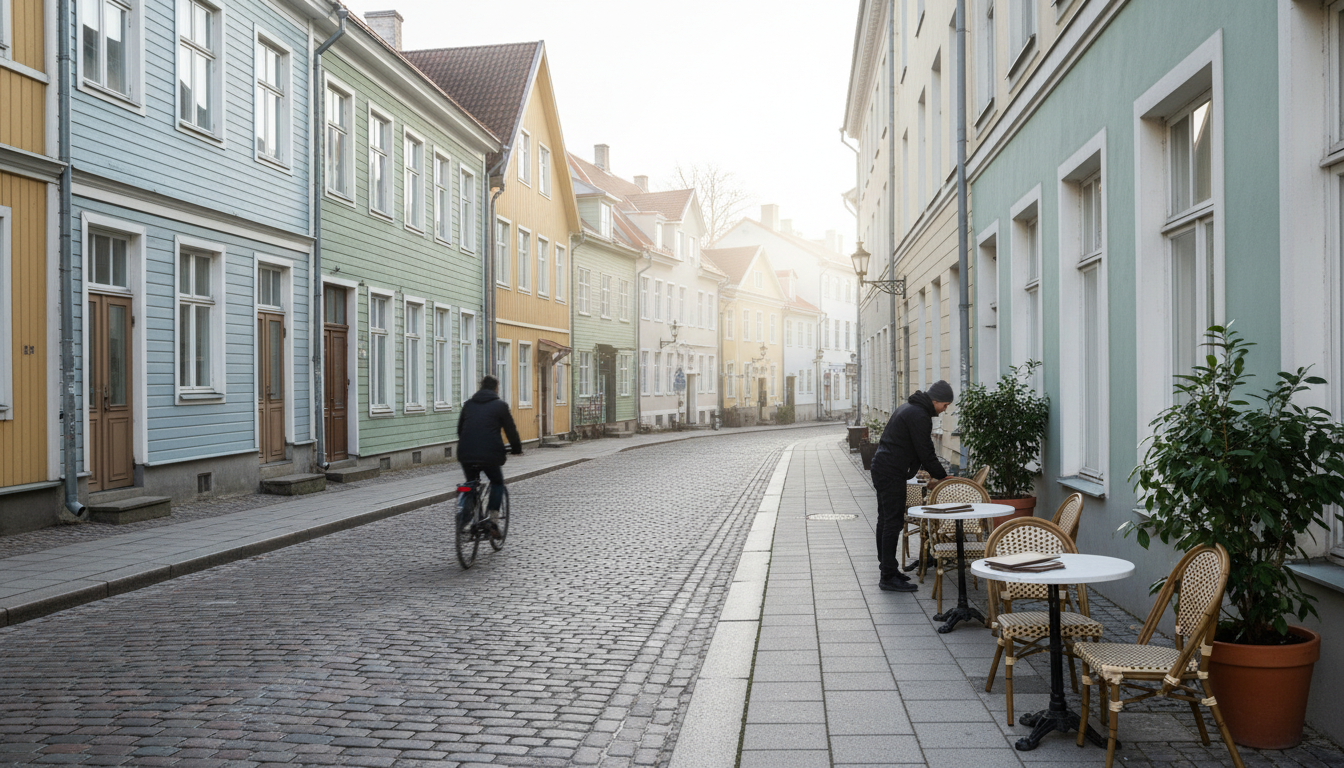 Early morning light on colorful wooden houses in Kalamaja, Tallinn, with a cyclist passing by and ca
Here's the thing about Estonia's capital that most travel guides get wrong: they treat it like a day trip from Helsinki or a quick Old Town photo op. But Tallinn is a city that rewards staying put. It rewards having a kitchen where you can cook that incredible Estonian rye bread into morning toast. It rewards knowing which courtyard café the locals actually use, which playground has the good swings, which corner shop sells Kalev chocolate at half the tourist price.
That's exactly why home exchange in Tallinn makes so much sense—whether you're a couple chasing that romantic medieval escape or a family who needs space, a washing machine, and neighbors who'll wave at your kids.
I've spent months researching, revisiting, and talking to SwappaHome members who've done Tallinn swaps. What follows is everything I wish I'd known before that first accidental love affair with this city.
Why Home Exchange in Tallinn Works Better Than Hotels
Let me give you some real numbers, because I think they matter.
A decent hotel in Tallinn's Old Town runs €120-180 per night in summer. A family-sized apartment through vacation rentals? You're looking at €150-250. For a two-week trip with kids, that's somewhere between €2,100 and €3,500 just for accommodation.
With home exchange? You're spending credits—1 credit per night on SwappaHome, regardless of whether you're staying in a studio or a four-bedroom house. If you've hosted guests at your own place, you've already earned those credits. Your accommodation cost for two weeks in Tallinn: effectively zero.
But honestly, the money isn't even the best part.
The best part is staying in someone's actual home. You inherit their neighborhood. Their coffee maker that makes perfect espresso. Their kid's bedroom with the glow-in-the-dark stars on the ceiling. Their notes about which bakery opens earliest and where to find parking on market day.
One SwappaHome member told me about staying in a Tallinn apartment where the host had left a hand-drawn map of the neighborhood with annotations like "best ice cream in Estonia, trust me" and "this playground looks sketchy but it's amazing." That's not something you get from a hotel concierge.
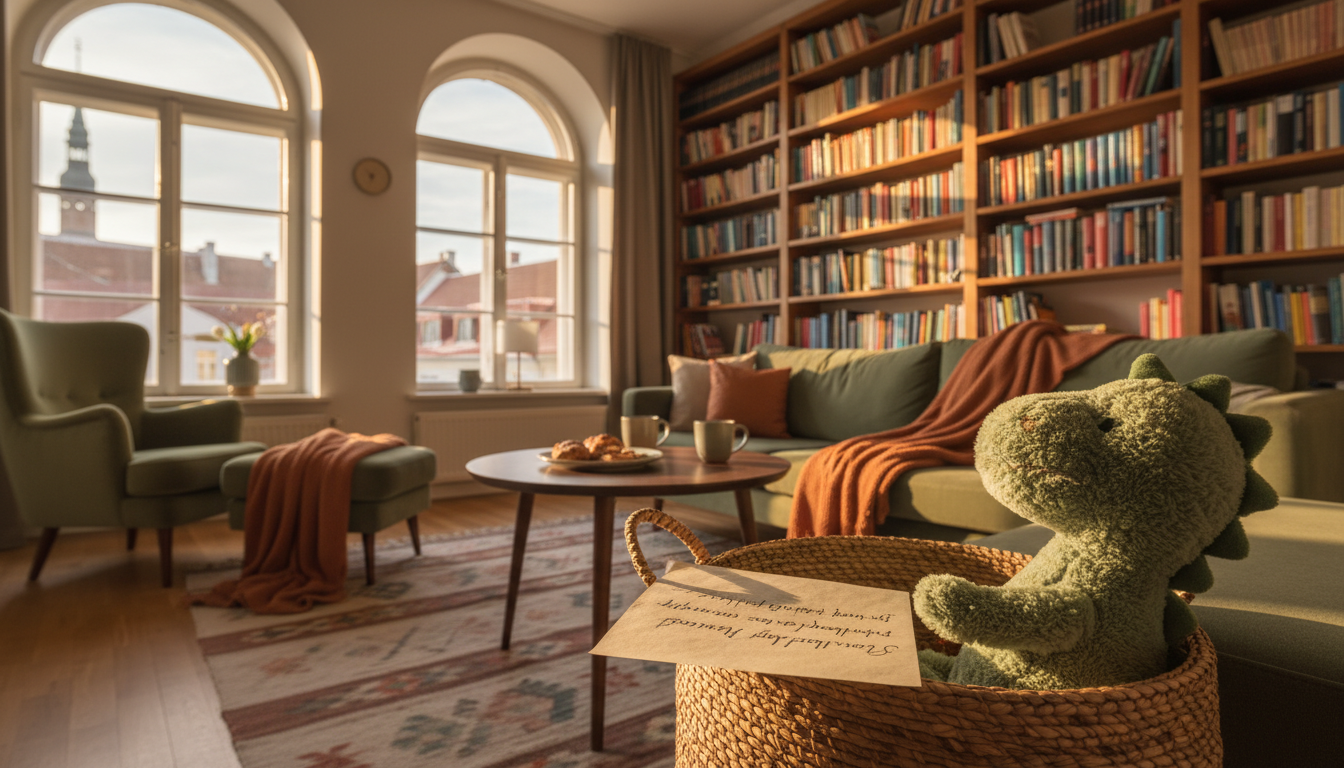 A cozy living room in a Tallinn apartment with large windows, books in Estonian and English on shelv
Tallinn Old Town: Medieval Romance for Couples Without Kids
Let's get into the neighborhoods. I'm starting with Old Town because—look, I have to be honest—it's not where I'd recommend for families. But for couples? It might be perfect.
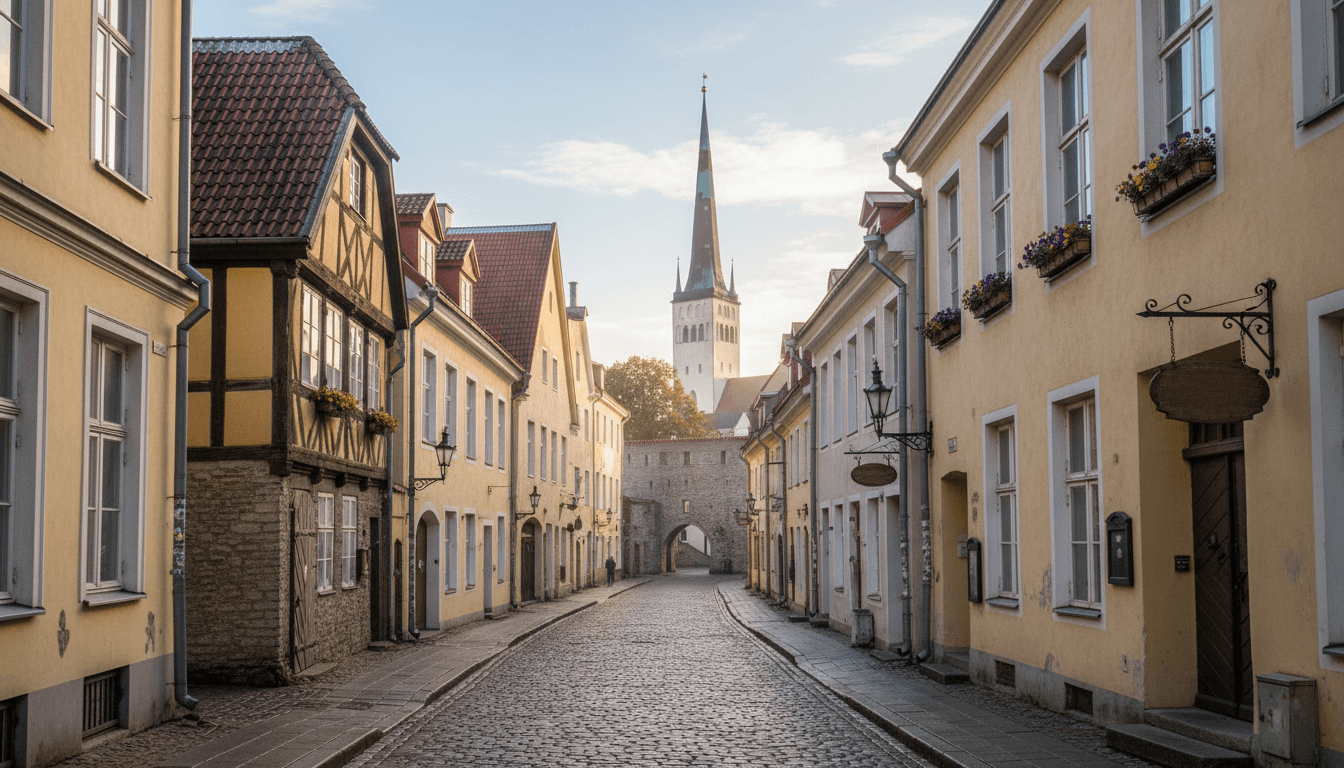
Tallinn's Old Town is a UNESCO World Heritage site, and it earns that status. Cobblestone streets walked since the 13th century. Gothic spires. Merchant houses with those distinctive stepped gables. Hidden courtyards that open into candlelit restaurants.
The home exchange options here tend to be smaller apartments—think one-bedrooms tucked into medieval buildings with thick stone walls and slightly uneven floors. The kind of places where you hear church bells from your bedroom and walk to dinner at Rataskaevu 16 (make reservations, seriously) in under five minutes.
What Makes Old Town Work for Couples
The density of restaurants, wine bars, and cafés within walking distance is unmatched. You can stumble out of your apartment at 10 PM, slightly wine-drunk, and find a place serving Estonian craft cocktails with foraged ingredients. Põhjala Tap Room is a fifteen-minute walk. The photography opportunities are endless—every alley looks like it belongs in a fairy tale.
Winter is particularly magical here. The Christmas market in Town Hall Square is one of Europe's oldest, and having an apartment nearby means you can pop down for mulled wine (glögi), warm up at home, then go back for more.
Why Families Should Think Twice
Those charming cobblestones? Murder on strollers. The narrow stairs in medieval buildings? Not great with toddlers. The lack of green space? Kids need room to run, and Old Town doesn't really have it. Many Old Town apartments are on upper floors without elevators—hauling groceries and a tired four-year-old up four flights gets old fast.
If you're a family who absolutely wants Old Town, look for ground-floor apartments or places near the edges where you can access Toompark quickly. But honestly? Keep reading.
Average home sizes for exchange: Studios to 2-bedrooms | Best for: Couples, solo travelers, short romantic getaways | Walk score: Extremely high—you won't need transportation | Grocery situation: Small shops within Old Town, larger supermarkets 10-15 minute walk
Kalamaja: The Creative Quarter That Families Actually Love
This is where I stayed during that accidental eleven-day extension, and it's where I'd tell any family with kids to start their search.
Kalamaja sits just north of Old Town—a ten-minute walk to the medieval walls, but a completely different vibe. This was a working-class neighborhood of wooden houses built for factory workers in the late 19th and early 20th centuries. Then the creatives moved in. Then the young families. Now it's this perfect mix of hipster coffee shops, playgrounds, and grandmothers who've lived here for sixty years.
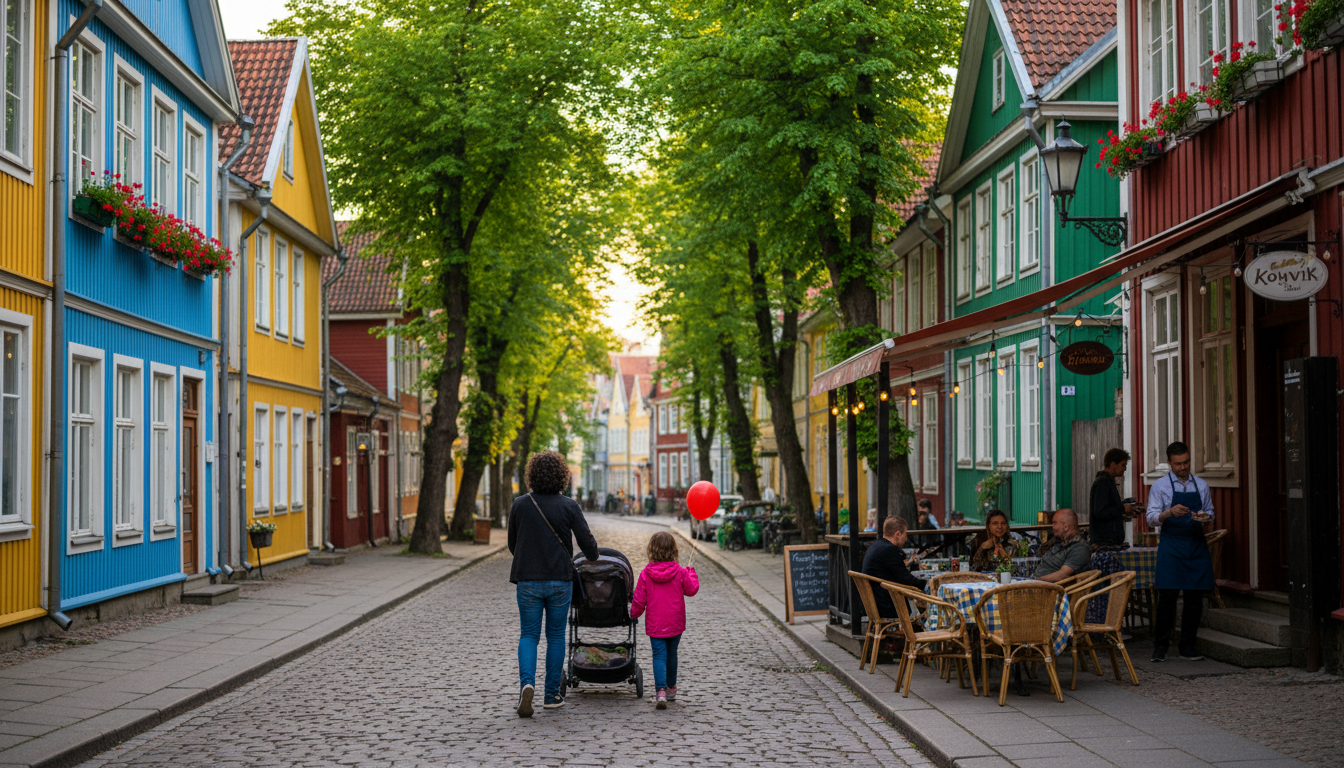 A tree-lined street in Kalamaja with colorful wooden houses, a family walking with a stroller, and a
The Family-Friendly Details That Matter
Kalamaja has actual sidewalks. Wide ones. The streets are flat and stroller-friendly. There are multiple playgrounds—the one at Kalamaja Park is excellent, with equipment for different age groups and usually other kids around for yours to befriend.
Telliskivi Creative City is here, which sounds pretentious but is actually just a converted factory complex with cafés, shops, a weekend flea market, and a lot of space for kids to wander safely while you drink coffee. My husband and I spent an entire afternoon there while our friends' kids played in the central courtyard.
Grocery shopping is easy—there's a Rimi supermarket on the edge of the neighborhood, plus smaller shops scattered throughout. The Balti Jaama Turg market is a five-minute walk, where you can buy fresh produce, Estonian cheese, and those rye bread loaves that will ruin all other bread for you forever.
For Couples Who Want Character Without Crowds
Kalamaja works for couples too, especially if you want neighborhood café life rather than the tourist restaurant scene. F-Hoone serves excellent brunch. Boheem has the best coffee I found in Tallinn. The bars are low-key and interesting—not the stag-party vibe you might encounter in Old Town on weekends.
The home exchange options here tend to be larger than Old Town—two and three-bedroom apartments in those wooden houses, sometimes with small gardens. Some have been beautifully renovated; others have that slightly worn charm I personally love.
Average home sizes for exchange: 2-4 bedrooms, often with outdoor space | Best for: Families with kids of any age, couples who want neighborhood life | Walk to Old Town: 10-15 minutes | Grocery situation: Excellent—multiple options within walking distance
Kadriorg: Parks, Museums, and the Fanciest Playground You've Ever Seen
If Kalamaja is the creative quarter, Kadriorg is the elegant one. This neighborhood grew up around Kadriorg Palace, built by Peter the Great in the early 1700s for his wife Catherine. The palace is now an art museum, surrounded by one of the most beautiful parks in the Baltics.
I'm going to be direct: if you have kids under 10, Kadriorg should be on your shortlist. Here's why.
The Kadriorg Park Situation
This park is enormous. Formal gardens, wild sections, ponds with ducks, paths that wind through old-growth trees. Kids can run. Like, really run. There's a designated children's playground that's genuinely impressive—modern equipment, safe surfaces, usually well-maintained.
The real gem is the Japanese Garden section, peaceful enough for adults to enjoy while kids explore. We spent a morning there with coffee from a nearby kiosk, just... existing. No agenda. No rushing to the next sight.
The Kumu Art Museum is also in Kadriorg—Estonia's largest art museum, with a dedicated children's section and regular family programs. Even if your kids aren't "museum kids," the building itself is architecturally interesting enough to keep them engaged.
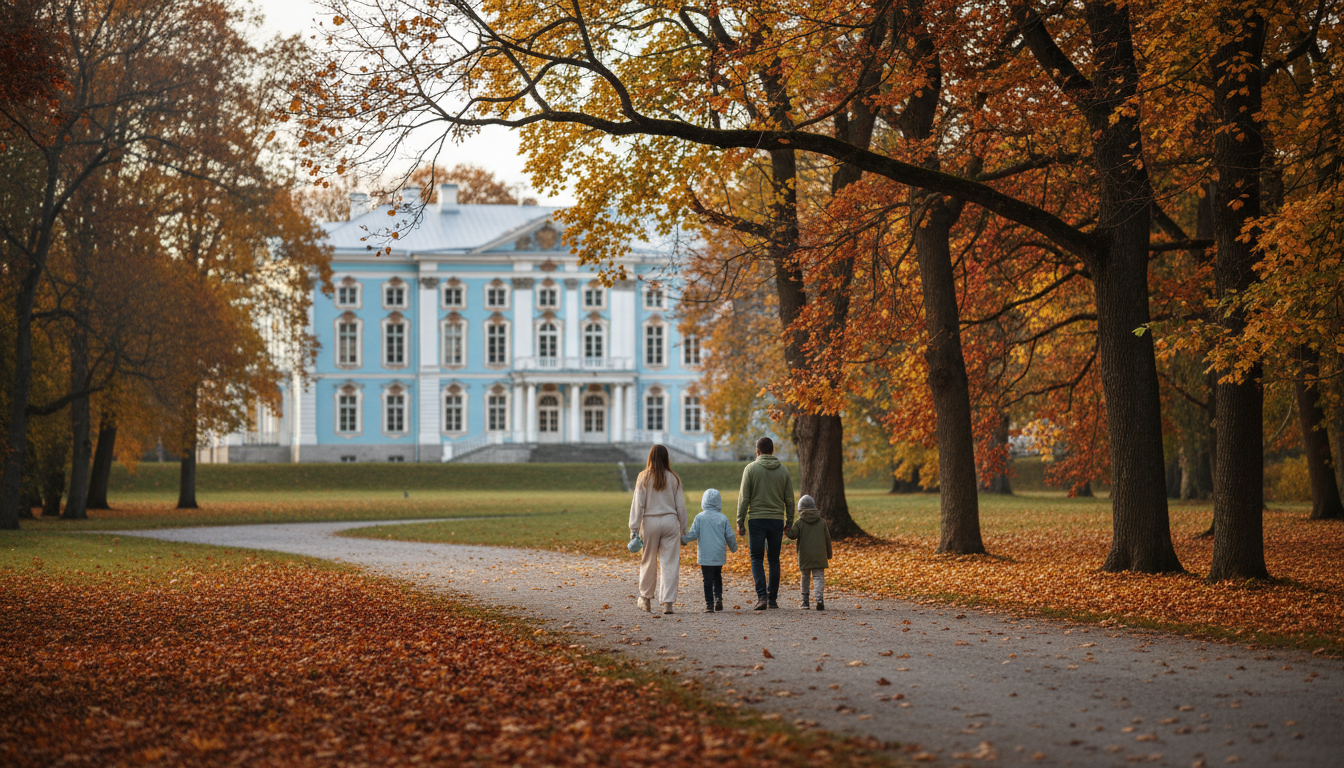 Kadriorg Palace viewed through autumn trees, with a family walking on a gravel path in the foregroun
What Kadriorg Offers Couples
The romance here is different from Old Town—less medieval drama, more refined elegance. Morning walks through the park. Afternoon tea at the palace café. The neighborhood has some excellent restaurants (Moon is worth the splurge) and a quieter, more residential feel.
Home exchange properties in Kadriorg tend to be in apartment buildings from various eras—some Soviet-era blocks renovated into surprisingly nice spaces, some newer constructions, some older villas converted into apartments. The variety is good.
Average home sizes for exchange: 2-3 bedrooms | Best for: Families with young children, couples who prioritize green space | Walk to Old Town: 25-30 minutes, or quick tram ride | Grocery situation: Good—Selver supermarket nearby, smaller shops in the neighborhood
Pirita: Beach Life and Space to Breathe
Pirita is where Tallinn goes to the beach. It's about 6 kilometers northeast of the city center, which might sound far, but the bus connection is easy and the payoff is significant: actual sand, actual sea, and significantly more space than anywhere else on this list.
Why Families Choose Pirita
The beach is the obvious draw. Pirita Beach is long, sandy, and has that shallow-water situation that makes parents of small children breathe easier. In summer, the water warms up enough for swimming (we're not talking Mediterranean temperatures, but it's swimmable). Beach cafés, ice cream stands, and enough room that you're not packed in with other families.
Beyond the beach, Pirita has the Tallinn Botanic Garden—100 hectares of plants, greenhouses, and paths. There's the Pirita Convent ruins, genuinely atmospheric and interesting for older kids. The TV Tower offers views across the city and the bay.
Home exchange options here tend to be houses rather than apartments. Actual houses with yards. For families who need space—maybe you're traveling with multiple kids, or you've got grandparents along—Pirita delivers what central Tallinn can't.
The Couple Consideration
I'll be honest: Pirita is less romantic than other neighborhoods. It's more suburban, more spread out. The restaurant scene is thinner. If you're a couple without kids, I'd probably steer you toward Kalamaja or Old Town unless you're specifically seeking beach access and don't mind being further from the action.
That said, I know couples who've done home exchanges in Pirita specifically for the quiet. They rented bikes, rode into the city when they wanted culture, and spent their evenings watching the sunset over the Baltic. It's a different kind of trip.
Average home sizes for exchange: 3-5 bedrooms, often houses with gardens | Best for: Families who prioritize outdoor space and beach access | Getting to Old Town: 20-25 minutes by bus | Grocery situation: Car helpful for big shops, but basics available locally
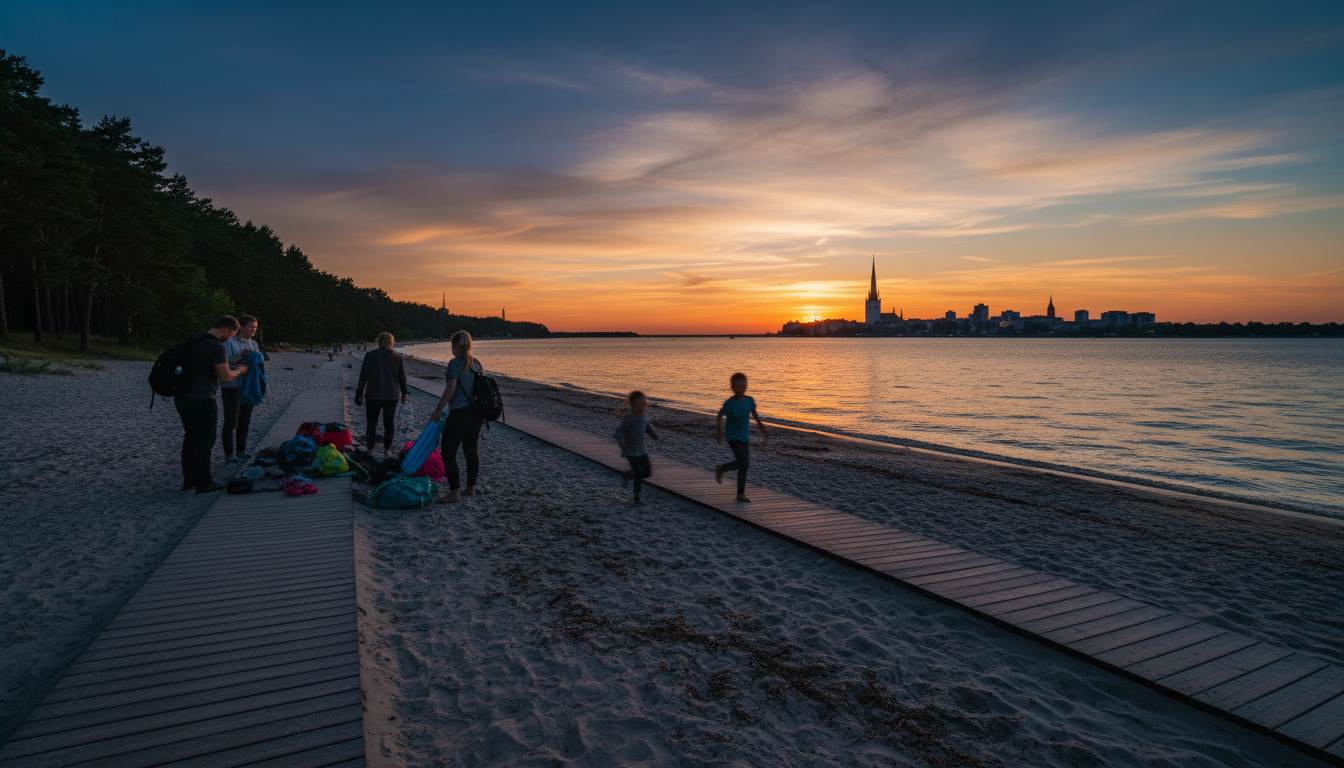 Pirita Beach at golden hour with families packing up for the day, the Tallinn skyline visible in the
Nõmme: The Suburban Secret for Longer Family Stays
Nõmme is the neighborhood Tallinn locals mention when you say you're traveling with kids for more than a week. It's a former independent town that got absorbed into Tallinn, and it still has that small-town feel—tree-lined streets, wooden houses, a little downtown area with shops and cafés.
This is not where you stay for a long weekend. But for families doing an extended home exchange—two weeks, a month, maybe a slow travel summer—Nõmme offers something the other neighborhoods don't: normalcy.
The Long-Stay Family Perspective
Nõmme has good schools (relevant if you're doing an extended stay and want your kids in local programs). It has the kind of neighborhood infrastructure that makes daily life easy—a real grocery store, a pharmacy, a library, playgrounds that aren't tourist-adjacent.
The forest is right there. Nõmme-Mustamäe Nature Reserve is basically in the neighborhood, with trails for walking, running, or letting kids collect pinecones. In winter, there's cross-country skiing. The air feels different here—cleaner, quieter.
Home exchange properties in Nõmme are often full houses. Gardens with swing sets. Garages. The kind of space that lets a family actually live rather than just visit.
Getting Around from Nõmme
The train to central Tallinn takes about 15 minutes, and it runs frequently. You're not isolated—you're just residential. Day trips to Old Town are easy. But you come home to a neighborhood where you can grill in the backyard and kids can play in the street.
Average home sizes for exchange: 3-5 bedrooms, mostly houses | Best for: Families on extended stays, anyone who wants suburban quiet | Getting to Old Town: 15 minutes by train | Grocery situation: Excellent—full-service supermarkets, local shops
Practical Tips for Home Exchange in Tallinn
Some specific advice that applies regardless of which neighborhood you choose.
Timing Your Exchange
Tallinn's high season is June through August—long days, warm weather, outdoor cafés everywhere. This is also when home exchange demand peaks, so start your search early (3-4 months ahead) if you're targeting summer.
Shoulder seasons (May and September) are underrated. The weather is still decent, the crowds thin out dramatically, and you'll have more home exchange options. I've heard from members who specifically target late May for the white nights—those endless twilight evenings when the sun barely sets.
Winter is magical but cold. Like, properly cold. If you're doing a winter home exchange, make sure the apartment has good heating and ask your host about their winter gear situation. Some hosts leave boots and jackets for guests to borrow.
The Language Situation
Estonians speak excellent English, especially in Tallinn. You won't have communication problems. That said, learning a few Estonian phrases goes a long way—"aitäh" (thank you) and "tere" (hello) will earn you smiles.
Getting Around
Tallinn has excellent public transportation—buses, trams, trolleybuses. If you're staying in the central neighborhoods, you won't need a car. For Pirita or Nõmme, a car makes life easier but isn't essential.
The city is also very walkable and increasingly bike-friendly. Some home exchange hosts include bikes with their listing—worth asking about.
What to Ask Your Home Exchange Host
Beyond the usual questions about wifi passwords and check-in procedures, here's what I'd specifically ask Tallinn hosts: Which playground do you recommend for [age of kids]? What's your favorite neighborhood café? Is there a sauna in the building? (Many Estonian apartment buildings have shared saunas—ask about etiquette and booking.) Any tips for the Christmas market / Midsummer / whatever seasonal event you're targeting? Where do you buy groceries, and what's worth getting at the market versus the supermarket?
Money and Costs
Estonia uses the Euro. Tallinn is cheaper than Western European capitals but not as cheap as it was a decade ago. Budget roughly: coffee €3-4, lunch at a casual restaurant €10-15, nice dinner for two with wine €60-80, groceries for a week (family of four) €100-150, public transport day pass €4.50.
Credit cards work everywhere. I barely used cash during my stays.
Making Your Tallinn Home Exchange Happen
If you've made it this far, you're probably seriously considering a home exchange in Tallinn. Good. You should.
The process on SwappaHome is straightforward: list your own home, browse Tallinn listings, send requests to hosts whose places match what you need. Be specific in your messages about what you're looking for—families with kids often connect well with other families who understand the space requirements and the need for a high chair.
You're joining a community of people who've chosen this way of traveling because they believe in mutual trust and hospitality. The reviews matter. Your communication matters. The way you treat someone's home matters.
I've done home exchanges in a lot of cities, and Tallinn stands out for how genuine the hosts tend to be. Maybe it's the Estonian culture—reserved at first, but warm once you're in. Maybe it's that the home exchange community there is still small enough to feel personal.
Either way, I think you'll find what I found during those unexpected eleven days: a city that rewards you for staying, for slowing down, for making yourself at home.
Frequently Asked Questions
Is home exchange in Tallinn safe for families?
Tallinn is one of Europe's safest capitals, with very low crime rates. The home exchange community adds another layer of security through verified profiles and member reviews. Families regularly do successful swaps here—just communicate clearly with your host about your needs and expectations, and consider your own travel insurance for extra peace of mind.
How much can I save with home exchange in Tallinn versus hotels?
A family of four staying two weeks in a Tallinn hotel would spend €2,100-3,500 on accommodation alone. With home exchange through SwappaHome, you use credits earned from hosting guests at your own home—1 credit per night regardless of property size. New members start with 7 free credits, making your Tallinn accommodation essentially free.
What's the best neighborhood in Tallinn for home exchange with kids?
Kalamaja and Kadriorg are the top choices for families. Kalamaja offers flat, stroller-friendly streets, excellent playgrounds, and creative cafés within walking distance of Old Town. Kadriorg provides access to the massive Kadriorg Park, the Kumu Art Museum's children's programs, and a more elegant, green atmosphere.
When is the best time to do a home exchange in Tallinn?
June through August offers the best weather and longest days, but book 3-4 months ahead as demand peaks. May and September provide fewer crowds, good weather, and more home exchange availability. Winter (December-February) is magical for Christmas markets but requires proper cold-weather preparation—average temperatures hover around -5°C (23°F).
Do I need a car for home exchange in Tallinn?
For central neighborhoods like Old Town, Kalamaja, and Kadriorg, public transportation and walking are sufficient. Pirita and Nõmme are more suburban—a car makes daily life easier but isn't essential since bus and train connections are reliable. Many home exchange hosts include bikes with their listings, which is worth asking about.

Published by
SwappaHome
SwappaHome Editorial Team
Home Exchange & Slow Travel Editorial
The SwappaHome Editorial Team brings together travel research, home-exchange community insights, and platform data to produce practical guides for first-time and experienced home swappers. Every article cites real platforms, current market rates, and verifiable city-level facts so readers can make informed decisions without guessing.
Ready to try home swapping?
Join SwappaHome and start traveling by exchanging homes. Get 7 free credits when you sign up!
Related articles

Home Swap in Rome: Where to Find the Best Properties for Your Italian Exchange
Discover where to find the best home swap properties in Rome—from Trastevere's cobblestone charm to Testaccio's local authenticity. Real neighborhoods, real advice.

Home Swap in Bangkok: Where to Find the Best Properties for Free Stays
Discover where to find the best home swap properties in Bangkok—from riverside condos in Charoen Krung to family homes in Ari. Real neighborhoods, real savings.

Home Swap for Beach Lovers: 12 Coastal Destinations Ranked for 2026
Discover the best coastal destinations for home swapping in 2026. From Portugal's Algarve to Australia's Gold Coast, find your perfect beach exchange.