
Home Swap in Berlin: The Complete Neighborhood Guide and Local Secrets for 2024

SwappaHome Editorial Team
Home Exchange & Slow Travel Editorial
Discover how to home swap in Berlin like a local. From Kreuzberg's street art to Prenzlauer Berg's cafés, get insider tips on neighborhoods, costs, and secrets.
That first morning in Berlin, I found a handwritten note on the kitchen counter: "The bakery downstairs sells out of Franzbrötchen by 9 AM. Set an alarm. Trust me."
I set the alarm. And honestly? That note changed everything about how I travel.
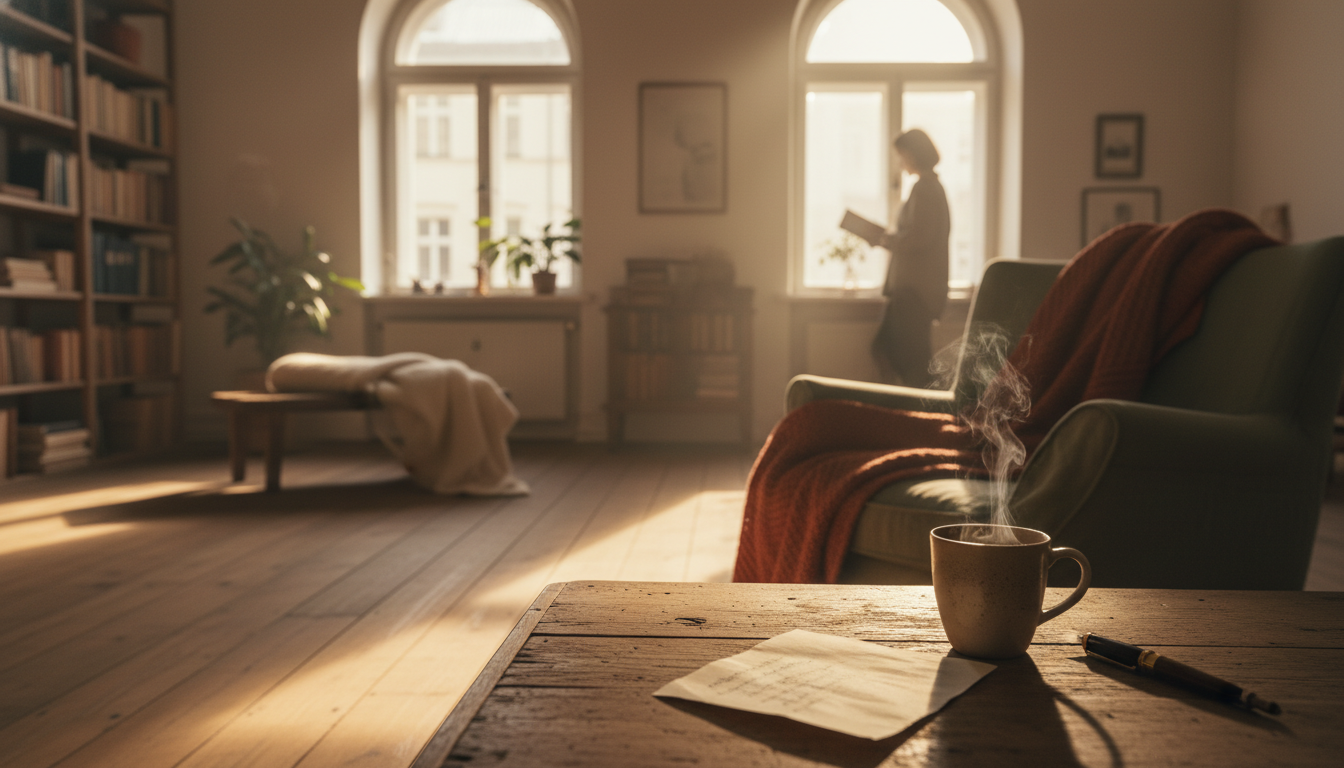 Morning light streaming through tall windows of a classic Berlin Altbau apartment, wooden floors, a
I've done home swaps in over 25 countries now, but Berlin keeps pulling me back. Not because it's pretty—it's really not trying to be. But this city rewards you for going deeper. And nothing gets you deeper than waking up in a real Berlin apartment, buying bread from your temporary neighbor's favorite bakery, and blowing your hotel savings on a 3 AM döner in Kreuzberg.
So here's everything I've learned about doing a home swap in Berlin. The neighborhoods worth fighting for. The local secrets that'll make you feel like a Berliner. And the practical stuff nobody mentions until it's too late.
Why Home Swap in Berlin Instead of Hotels?
Let me hit you with some numbers first.
A decent hotel in central Berlin runs €150-200 a night. A trendy Airbnb in Kreuzberg? €120-180. Over two weeks, you're looking at $2,300-3,000 just for somewhere to sleep.
With a home swap through SwappaHome, you spend exactly zero on accommodation. You earn credits hosting travelers at your place, then use those credits to stay in Berlin apartments—one credit per night, whether it's a tiny studio in Wedding or a sprawling loft in Mitte.
But honestly? The money isn't even the best part.
The best part is staying in a real home. You've got a kitchen where you can make breakfast with groceries from the Turkish market. A balcony for drinking wine while the sun sets behind the Fernsehturm. A neighbor who nods at you in the hallway because they assume you belong there.
Last October, I swapped into a place in Prenzlauer Berg. The owner, Katja, left me her bike (a rusty thing she called "Helmut"), her favorite café recommendations, and her Netflix login. By day three, the barista at the corner café knew my order.
You don't get that from a hotel.
Best Berlin Neighborhoods for Home Exchange
Berlin sprawls in a way that surprises first-timers. Each neighborhood—each Kiez—has its own personality, and picking the right one can make or break your trip.
Kreuzberg: For Night Owls and Culture Seekers
Kreuzberg is Berlin's beating heart. Gritty. Creative. Unapologetically itself. If you want to understand what makes Berlin Berlin, start here.
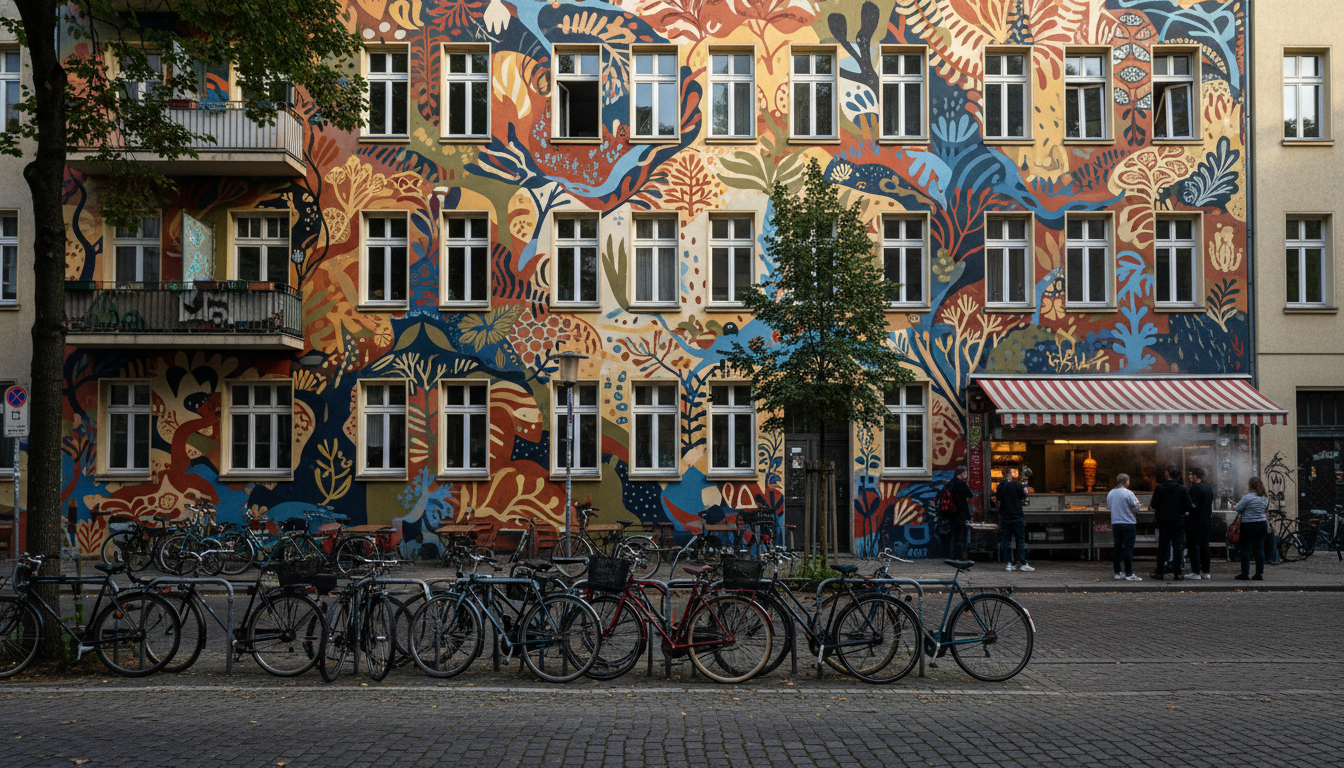 Colorful street art covering an entire building facade in Kreuzberg, bicycles parked along the cobbl
The area around Görlitzer Park has the best home swap apartments—high ceilings, original wooden floors, the kind of eclectic decor that tells you the owner has lived. You'll hear music drifting up from street-level bars until 2 AM. If that sounds like a problem, Kreuzberg might not be your neighborhood.
My favorite spots: Markthalle Neun on Thursdays for Street Food Thursday (go hungry, bring cash). Ora for coffee that'll ruin you for all other coffee. And Mustafa's Gemüse Kebap at 1 AM—the line is worth it, I promise.
Prenzlauer Berg: For Families and Café Lovers
This is where young families and creative professionals have landed. Tree-lined streets, beautiful playgrounds, more specialty coffee shops than you can visit in a month.
Home swaps here tend to be in gorgeous Altbau buildings—those classic pre-war apartments with 12-foot ceilings and ornate moldings. I've stayed in three different apartments in Prenzlauer Berg, and each one had at least one piece of furniture I wanted to steal.
The vibe runs calmer than Kreuzberg, more polished than Neukölln. Parents pushing strollers. Freelancers working from café corners. Older residents who've been here since before the Wall came down.
Don't miss Kollwitzplatz Market on Saturdays for organic everything and excellent people-watching. Konnopke's Imbiss for currywurst under the U-Bahn tracks. And Mauerpark on Sundays for the flea market and karaoke.
Neukölln: For the Adventurous and Budget-Conscious
Neukölln is having a moment—has been for about a decade, actually. It's where the artists and students moved when Kreuzberg got too expensive, and it's developed its own character.
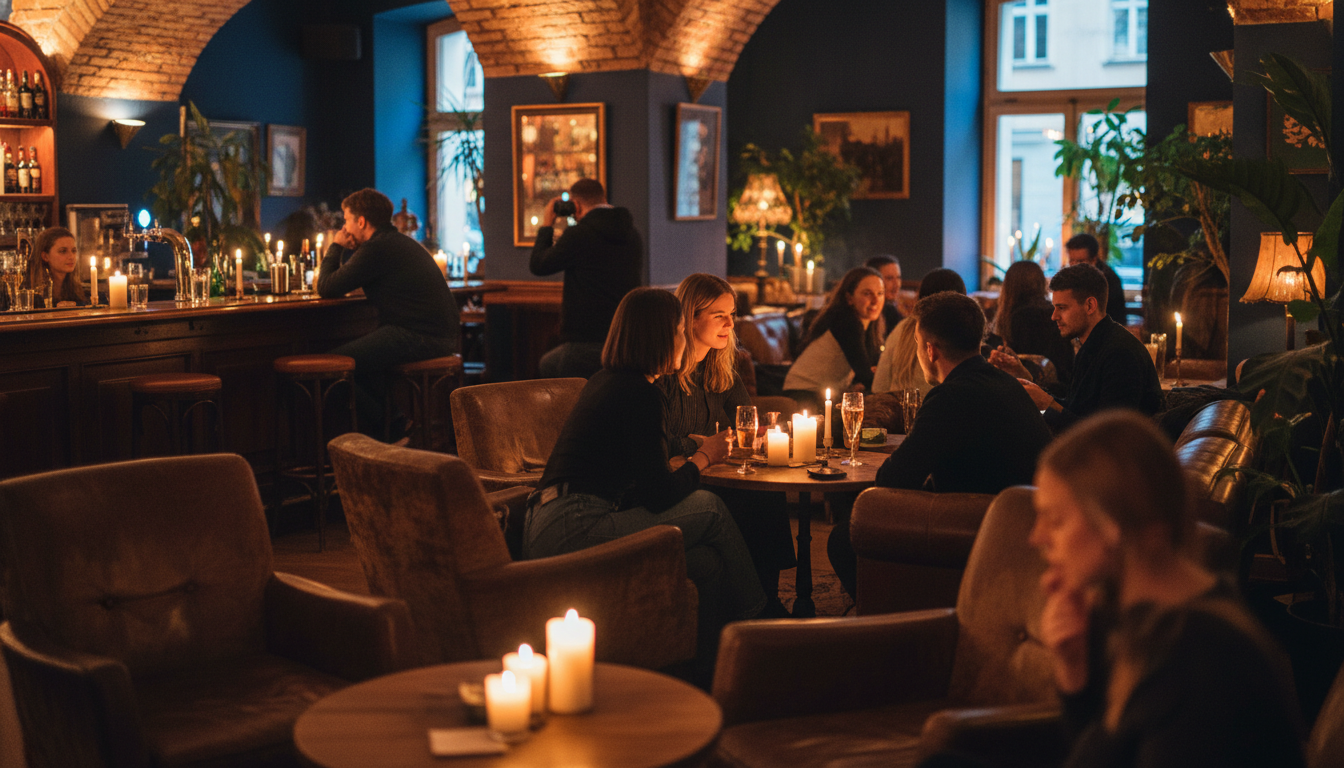 A cozy bar interior in Neuklln with mismatched furniture, candles on tables, and a diverse crowd of
The northern part around Weserstraße is the most gentrified, with excellent bars and restaurants. Head south toward Hermannstraße for a more working-class, multicultural vibe—incredible Middle Eastern food, bustling markets, and apartments that are slightly larger for the same credit cost.
Home swaps here often come with rooftop access or small balconies. Owners tend to be younger, more responsive, full of hyperlocal recommendations.
Mitte: For First-Timers and History Buffs
Mitte is central Berlin. Museum Island, Brandenburg Gate, Checkpoint Charlie. It's where most tourists stay, and for good reason—you can walk to almost every major sight.
That said, Mitte home swaps can feel a bit... polished. More modern apartments than character-filled Altbaus, and the neighborhood empties out after business hours. Convenient, yes. But not where Berliners actually hang out.
If you've only got 4-5 days and want to maximize sightseeing, Mitte makes sense. A week or more? I'd push you toward Kreuzberg or Prenzlauer Berg.
Friedrichshain: For Music Lovers and Club Kids
Friedrichshain is where you go if nightlife matters. Berghain is here (good luck getting in), along with dozens of other clubs, live music venues, and late-night spots.
The RAW-Gelände area—an old train repair yard turned cultural complex—has street art, skate parks, clubs, and flea markets all crammed into one graffiti-covered space. Chaotic and perfect.
Home swaps in Friedrichshain are often in former East German buildings. Smaller rooms, lower ceilings, but usually renovated with a modern edge. The neighborhood feels younger and scrappier than Prenzlauer Berg.
How to Find the Perfect Berlin Home Swap
Here's where I get practical.
On SwappaHome, Berlin is one of Europe's most popular destinations. Lots of options, but also lots of competition. Here's how I approach it:
Start early. Three to four months before your trip. The best apartments get snapped up, especially for summer and major events like Berlin Festival Week or Christmas markets.
Be flexible on neighborhood. If your dream Kreuzberg apartment isn't available, Neukölln might have something even better. Use the map view to explore areas you hadn't considered.
Read reviews obsessively. Not just star ratings—the actual text. Look for mentions of cleanliness, communication, whether the photos match reality. A host with 15 reviews averaging 4.8 stars is more reliable than one with 2 perfect reviews.
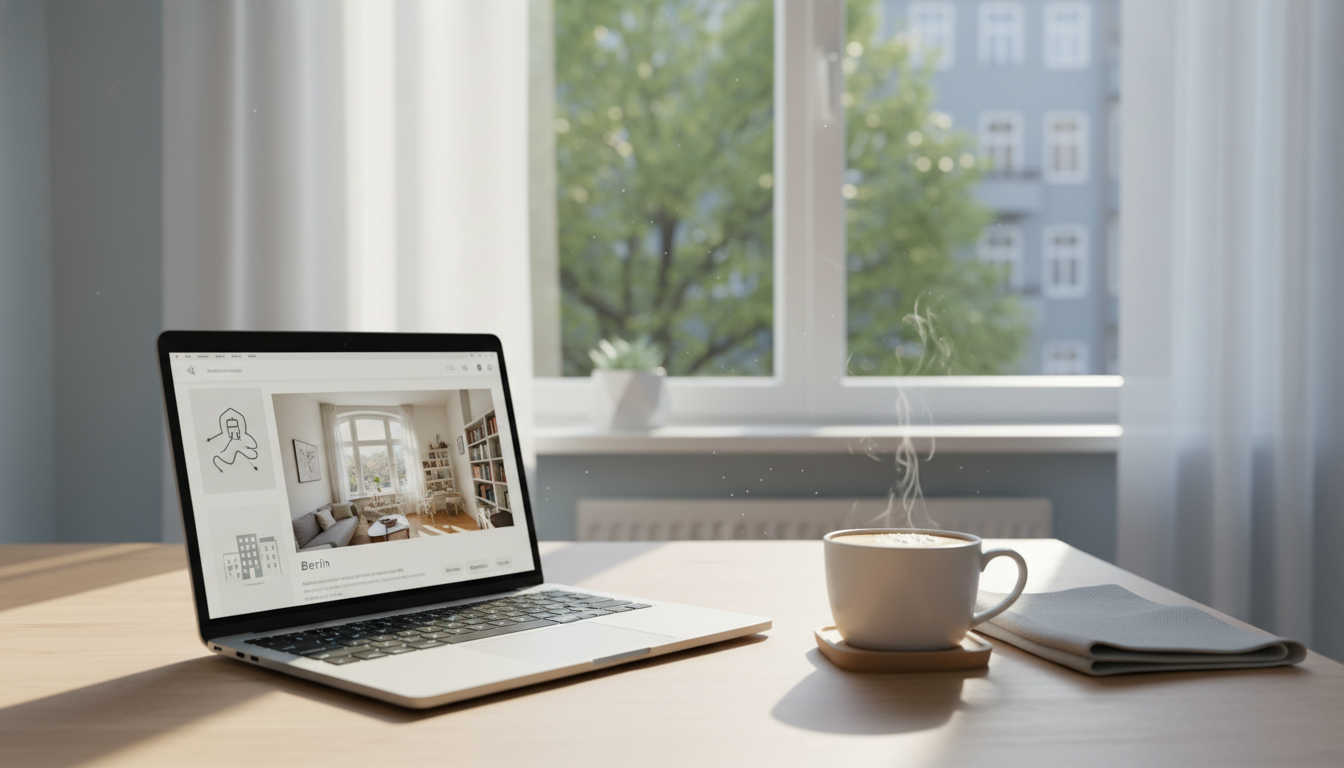 A laptop open on a kitchen table showing a home swap listing, a cup of coffee beside it, morning lig
Write a real message. When you send a booking request, don't just say "I'd like to stay at your place." Tell them about yourself. Mention something specific from their listing. Explain why you're visiting Berlin. Hosts are trusting you with their home—give them a reason to say yes.
Check the transport links. Berlin's public transit is excellent, but some areas connect better than others. Look for apartments near U-Bahn or S-Bahn stations. The Ringbahn—the circular S-Bahn line—is your friend. Anything near it means easy access to the whole city.
What to Expect from Your Berlin Host
Berlin hosts tend to be... direct. This isn't a city of excessive politeness or small talk. Your host might send a detailed Google Doc with every recommendation you could need. Or they might send a two-line message with the door code and a "have fun."
Both are fine. Both are very Berlin.
Most hosts offer a set of keys (or a door code—keyless entry is common), basic kitchen supplies like coffee and oil, towels and linens, WiFi password, and some local recommendations.
Some go above and beyond. Katja left me a hand-drawn map of her favorite spots. Another host in Kreuzberg had a whole welcome folder with transit tips, emergency numbers, and a list of "things tourists do that annoy Berliners." Invaluable, honestly.
Berlin Home Swap Tips Nobody Tells You
Here's the stuff I wish someone had mentioned before my first Berlin swap.
The Cash Thing Is Real
Berlin is weirdly cash-dependent for a major European city. Many restaurants, bars, and smaller shops don't take cards. Keep €50-100 on you. ATMs are everywhere, but some charge fees—stick to ones at actual banks rather than standalone machines.
Sundays Are Dead
Almost everything closes on Sundays. Grocery stores, most shops, even some restaurants. Plan ahead. Stock up on Saturday. The only things reliably open are cafés, some restaurants, and späti—corner shops selling beer, snacks, and basic necessities.
The Quiet Hours Are Sacred
Germans take Ruhezeit seriously. No loud noise between 10 PM and 7 AM, and often between 1-3 PM too. No vacuuming, no loud music, no drilling. It can feel restrictive if you're not used to it—but it also means you'll sleep well.
Bring Slippers
Seriously. Germans wear house shoes indoors, and many hosts expect you to remove your shoes at the door. Some provide guest slippers, but bringing your own is safer.
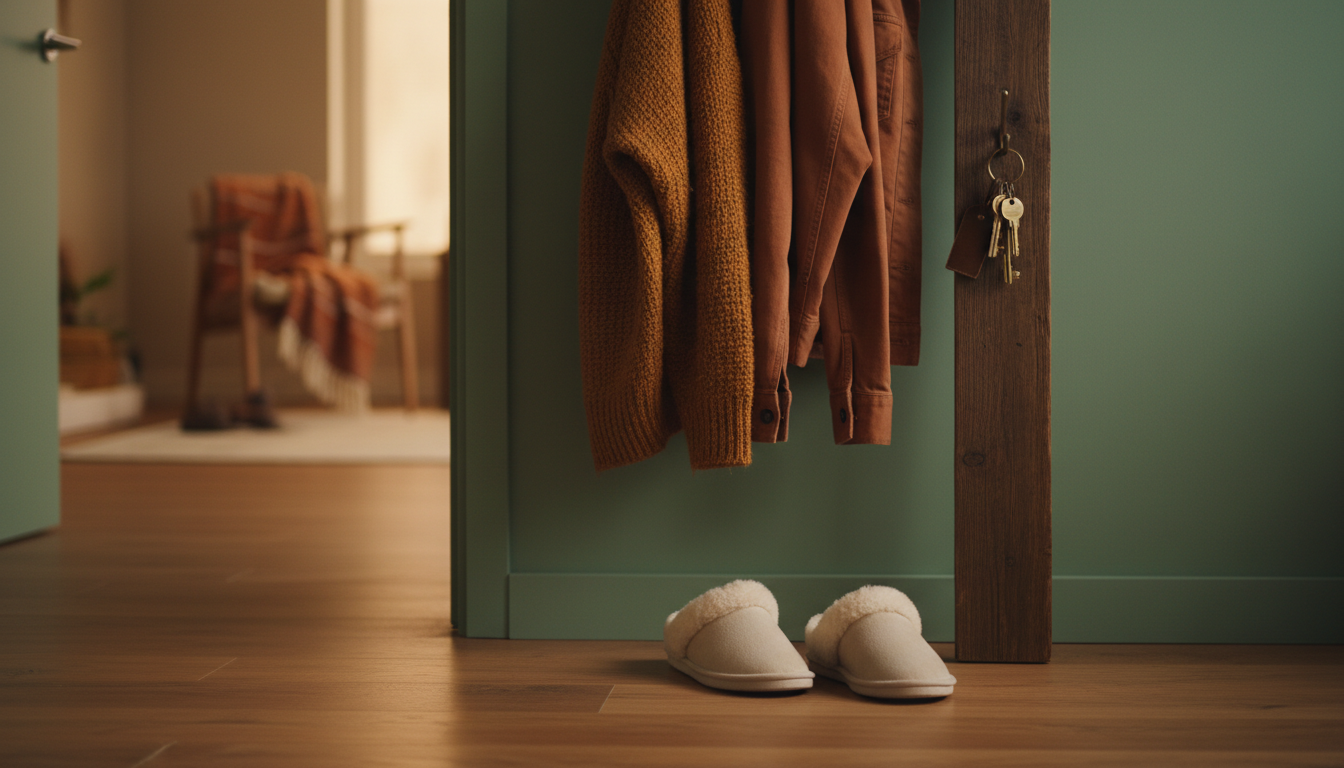 A pair of cozy slippers by an apartment door, a coat rack with jackets, keys hanging on a hook
The Recycling System Is Intense
Your host's apartment will have multiple bins—paper, packaging (Gelber Sack), glass, bio waste, and Restmüll for everything else. Take a minute to understand the system. It matters here.
Pfand Will Change Your Life
Most bottles and cans have a deposit. Save them and return them to any supermarket for €0.08-0.25 each. It adds up fast, and it's weirdly satisfying.
Seasonal Secrets for Berlin Home Swaps
Berlin transforms dramatically by season.
Spring (April-May): The city wakes up. Parks fill with picnickers, outdoor cafés open their terraces, everyone seems lighter. This is my favorite time—warm enough to enjoy being outside, not yet crowded with summer tourists.
Summer (June-August): Long days with sunset at 9:30 PM, outdoor cinemas, lake swimming at Wannsee or Müggelsee. But also peak tourist season, higher demand for home swaps, and occasional brutal heat waves. Book early.
Fall (September-October): Underrated. Crowds thin, leaves turn, and the cultural calendar explodes with festivals and exhibitions. Berlin Art Week in September is worth planning around.
Winter (November-February): Cold and dark, but magical in its own way. Christmas markets run late November through December. January and February are quiet—great for last-minute home swaps and experiencing Berlin like a local, meaning lots of time in cozy cafés and bars.
Getting Around During Your Berlin Home Swap
Berlin's public transit system is one of Europe's best.
The BVG app is your friend. Buy tickets directly on your phone. A single trip costs €3.50, but if you're staying more than a few days, get a weekly pass for €39. It pays for itself fast.
The system runs on the honor code—no turnstiles, no barriers. But don't skip buying a ticket. Plain-clothes inspectors check regularly, and the fine is €60.
Biking is huge here. Many home swap hosts offer bikes, or you can use Nextbike or Lime. Berlin is flat with excellent bike infrastructure. Just watch out for tram tracks—they will eat your wheel if you're not careful.
Safety and Trust in Berlin Home Swaps
I get asked about safety constantly.
Berlin is one of the safest major cities I've traveled to. Violent crime is rare, especially in neighborhoods where home swaps are common. The bigger concerns are petty theft—watch your bag on the U-Bahn—and bike theft. Always lock up properly.
As for trusting your host, SwappaHome's review system matters here. Every host and guest reviews each other after a stay. Someone with a history of good reviews has a reputation to protect. The community aspect creates accountability you don't get with anonymous hotel stays.
That said, I always recommend getting your own travel insurance. SwappaHome connects you with hosts, but it's not an insurance company. If you want coverage for belongings or liability protection, that's on you. I use World Nomads, but there are plenty of options.
Making the Most of Your Berlin Home Swap
Here's my final piece of advice, and it's the most important one.
Don't try to see everything.
Berlin is huge. More museums than you can visit in a month, more neighborhoods than you can explore in a year. The temptation is to cram in every sight, every experience, every recommendation.
Resist it.
Pick a neighborhood—maybe the one where your home swap is—and really get to know it. Find your café. Find your bar. Find your corner späti where the owner starts to recognize you. Walk the same streets at different times of day. Notice how the light changes, how the crowds shift, how the neighborhood breathes.
That's what home swapping is for. Not just free accommodation, but a different way of experiencing a place. You're not visiting Berlin—you're living in it, even if just for a week.
And when you leave, you'll have something better than photos of tourist attractions. You'll have the memory of that perfect Franzbrötchen from the bakery downstairs, eaten warm while standing on your temporary balcony, watching Berlin wake up.
If you're ready to try it, SwappaHome is where I'd start. List your place, earn some credits, and start browsing Berlin apartments. The 7 free credits you get when you sign up are enough for a full week—plenty of time to fall in love with this weird, wonderful city.
See you in Berlin. Maybe I'll wave at you from across a crowded café in Kreuzberg.
Frequently Asked Questions
Is home swapping in Berlin safe for first-timers?
Yes. Berlin is one of Europe's safest cities, and SwappaHome's review system lets you check a host's reputation before booking. I've done multiple Berlin home swaps as a solo female traveler without any issues. Read reviews carefully, communicate clearly with your host, and consider getting travel insurance for peace of mind.
How much can I save with a Berlin home swap compared to hotels?
A central Berlin hotel averages €150-200 a night, while mid-range Airbnbs run €120-180. Over two weeks, that's $2,300-3,000. With home swapping, accommodation costs nothing—you use credits earned by hosting. Most travelers save $2,000+ on a two-week Berlin trip.
What's the best neighborhood for a Berlin home swap?
Depends on what you want. Kreuzberg for nightlife and culture. Prenzlauer Berg for families and café culture. Neukölln for an edgier, more affordable vibe. Mitte for first-timers focused on sightseeing. I personally recommend Kreuzberg or Prenzlauer Berg for the most authentic experience.
When should I book my Berlin home swap?
Start looking 3-4 months ahead, especially for summer or Christmas market season. Popular apartments in desirable neighborhoods go fast. For off-season travel in January through March, you can often find great options with just a few weeks' notice.
Do I need to speak German for a Berlin home swap?
Not at all. Most Berlin hosts speak excellent English, and the city is very international. Learning a few basics—"Danke," "Bitte," "Entschuldigung"—goes a long way with locals, but menus and transit systems are generally available in English.

Published by
SwappaHome
SwappaHome Editorial Team
Home Exchange & Slow Travel Editorial
The SwappaHome Editorial Team brings together travel research, home-exchange community insights, and platform data to produce practical guides for first-time and experienced home swappers. Every article cites real platforms, current market rates, and verifiable city-level facts so readers can make informed decisions without guessing.
Ready to try home swapping?
Join SwappaHome and start traveling by exchanging homes. Get 7 free credits when you sign up!
Related articles
How to Extend or Modify a Home Swap Mid-Stay: The Complete Flexibility Guide
Need to extend your home swap or change dates mid-trip? Here's exactly how to negotiate changes, handle credits, and keep both parties happy.

How to Visit Bali for Free with Home Exchange: The Complete 2026 Guide
Skip the $150/night villas. Home exchange in Bali lets you stay in Ubud rice field houses and Seminyak beach pads for zero accommodation cost. Here's exactly how.
How to Vet Home Swap Guests: 12 Red Flags Every Host Should Know
Learn how to vet home swap guests before handing over your keys. Spot the 12 red flags experienced hosts watch for—and protect your home with confidence.