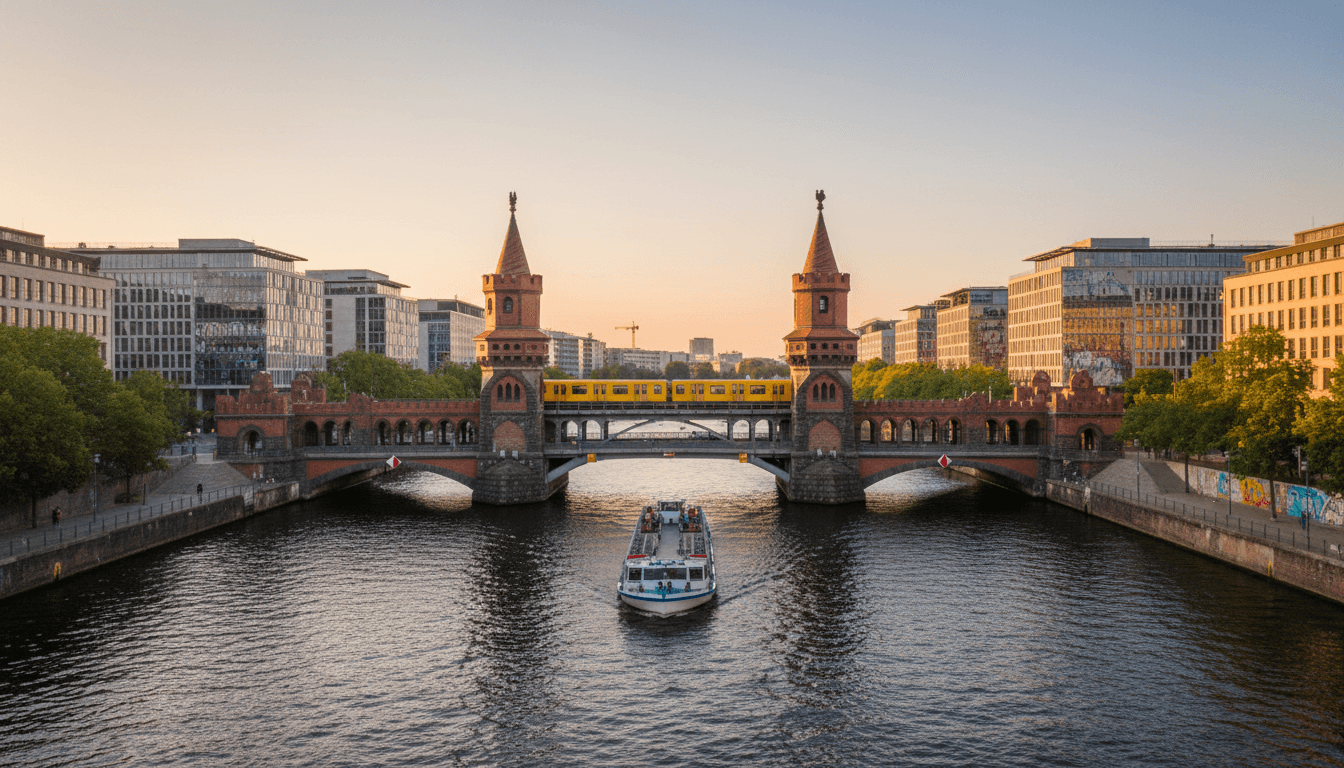
Home Exchange in Berlin: The Complete First-Timer's Guide to Free Stays in Germany's Capital

SwappaHome Editorial Team
Home Exchange & Slow Travel Editorial
Everything you need to know about home exchange in Berlin—from the best neighborhoods to swap in, to navigating German hosting culture, plus insider tips from 7 years of home swapping.
The first time I stepped into a stranger's apartment in Prenzlauer Berg, I found a handwritten note on the kitchen counter: "The bakery downstairs opens at 6am. Get the Mohnbrötchen before they sell out. You'll thank me later."
That was three years ago. I did thank her—profusely—and that poppy seed roll became my daily ritual for two weeks. This is what home exchange in Berlin gives you that no hotel ever could: someone's actual life, handed to you on a silver platter.
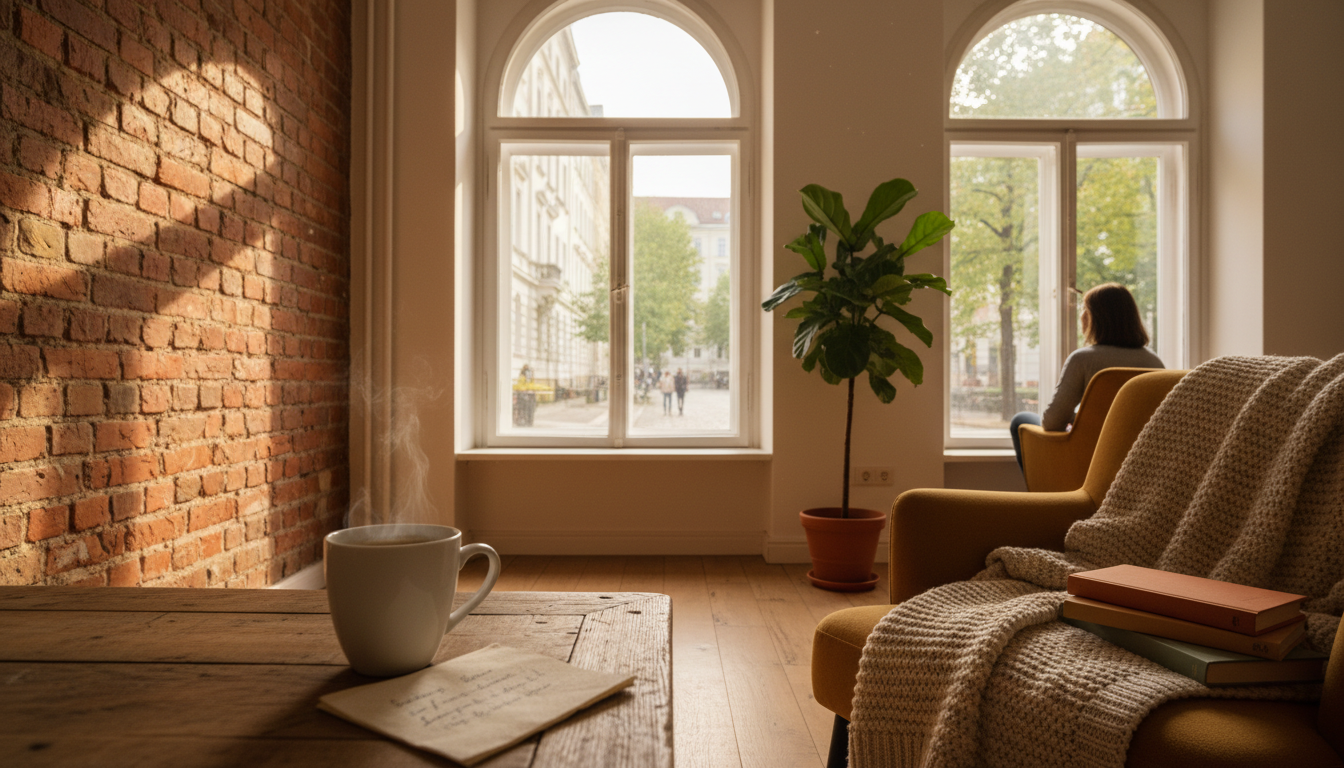 Morning light streaming through tall windows of a classic Berlin Altbau apartment, exposed brick wal
If you're considering your first home exchange in Berlin, you're about to discover why this city is one of the best places in Europe to swap homes. Those ceilings! The wildly different neighborhoods! A culture that genuinely values hospitality! It's a home swapper's paradise. But there are things you need to know first—German-specific quirks, neighborhood personalities, and unwritten rules that can make or break your experience.
I've done four home exchanges in Berlin over the years, in four completely different neighborhoods. Let me walk you through everything.
Why Berlin is Perfect for Home Exchange
Here's what makes Berlin different from other European capitals: Berliners actually live in their neighborhoods. Unlike Paris, where tourists cluster in the same five arrondissements, or London, where the center has become a ghost town of investment properties, Berlin's residential areas are thriving, lived-in, and spread across the entire city.
This matters for home exchange because you're not just getting a bed—you're getting access to a real neighborhood. The corner Späti where everyone knows each other. The Turkish market your host has been going to for fifteen years. The exact bench in the park where the afternoon sun hits just right.
The economics make sense too. Hotel prices in Berlin have skyrocketed—what used to be Europe's budget-friendly capital now averages €150-180 per night for a decent hotel in a central location. A two-week trip? You're looking at €2,100-2,520 just for accommodation. With home exchange through a platform like SwappaHome, you're spending zero on accommodation and getting twice the space.
But honestly? The money isn't even the main thing. It's waking up in an apartment with a record collection, a kitchen stocked with someone's favorite coffee, and a list of recommendations that no guidebook would ever include.
Best Neighborhoods for Home Exchange in Berlin
Berlin's neighborhoods are like different cities. I'm not exaggerating—Kreuzberg and Charlottenburg might as well be on different continents. Choosing where to stay matters more here than almost anywhere else I've swapped.
Prenzlauer Berg: Best for Families and First-Timers
This is where I did my first Berlin home exchange, and I recommend it to everyone doing their first swap in the city. Prenzlauer Berg is beautiful, safe, walkable, and has that perfect balance of local life and visitor-friendly amenities.
The architecture alone is worth it. Most buildings here survived WWII bombing, so you get those classic Altbau apartments with 3.5-meter ceilings, ornate moldings, and creaky wooden floors that somehow feel like home immediately. Many home exchange listings in this area feature these stunning pre-war apartments.
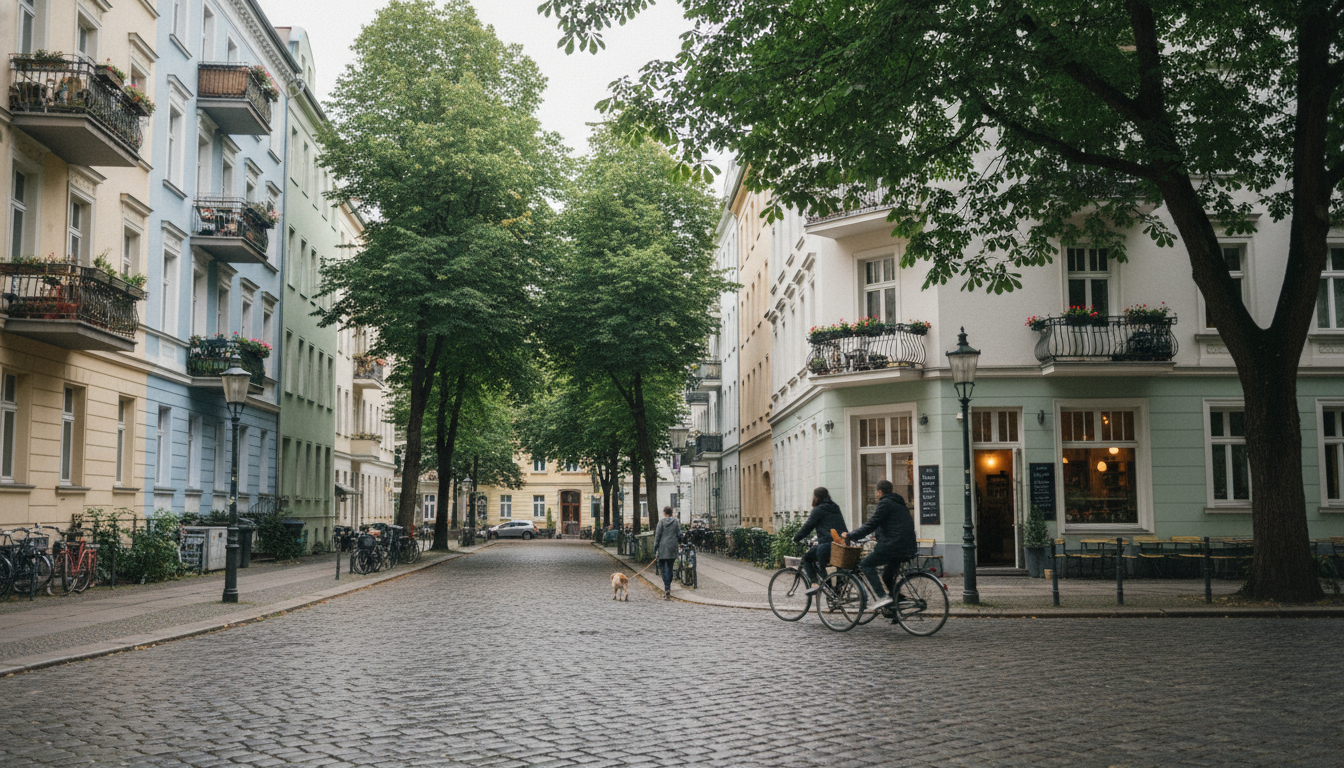 Classic Prenzlauer Berg street with cobblestones, chestnut trees, pastel-colored Altbau buildings wi
The neighborhood centers around Kollwitzplatz and Helmholtzplatz—two squares with farmers markets, playgrounds, and cafés where you'll see the same faces every day. It's gentrified, yes (locals joke it's "Latte Macchiato Moms" territory), but that gentrification means excellent infrastructure for visitors: great public transport, English widely spoken, and every service you might need.
For home exchange specifically, Prenzlauer Berg has a high concentration of family apartments—three bedrooms, proper kitchens, washing machines, sometimes even small gardens or balconies. Traveling with kids? This is your spot.
Kreuzberg: Best for Culture and Nightlife
Kreuzberg is Berlin's soul—or at least, the soul that most people imagine when they think of the city. This is where the Wall once stood, where Turkish immigrants built a vibrant community, where punk clubs and art galleries coexist with döner shops and organic bakeries.
I stayed in a home exchange apartment on Oranienstraße for ten days, and I barely scratched the surface. The neighborhood is dense with things to do, see, eat. It's also loud, chaotic, and not for everyone.
Home exchange in Kreuzberg tends toward smaller apartments—Berlin's famous WG culture means many listings are compact but characterful. You might get a one-bedroom in a courtyard building, or a studio with a tiny balcony overlooking the canal. What you lose in space, you gain in location.
The Turkish Market along the Landwehr Canal (Tuesdays and Fridays) is something I plan trips around. Vegetables for nothing, fresh bread, spices, fabrics—it's sensory overload in the best way. Your host will probably have a favorite stall. Ask them.
Kreuzberg is divided into two parts: SO36 (grittier, more alternative, younger) and SW61 (slightly calmer, more residential, still cool). For a first home exchange in Berlin, I'd lean toward SW61—you get the Kreuzberg experience without the 4am noise.
Charlottenburg: Best for Elegance and Museums
This is old West Berlin—grand, bourgeois, and often overlooked by visitors chasing the "edgy" East. That's a mistake.
Charlottenburg has some of the most beautiful residential streets in the city. Wide boulevards, ornate facades, mature trees. The apartments here tend to be larger and more traditionally furnished than their eastern counterparts. If you want a home exchange that feels like staying in a European movie, this is it.
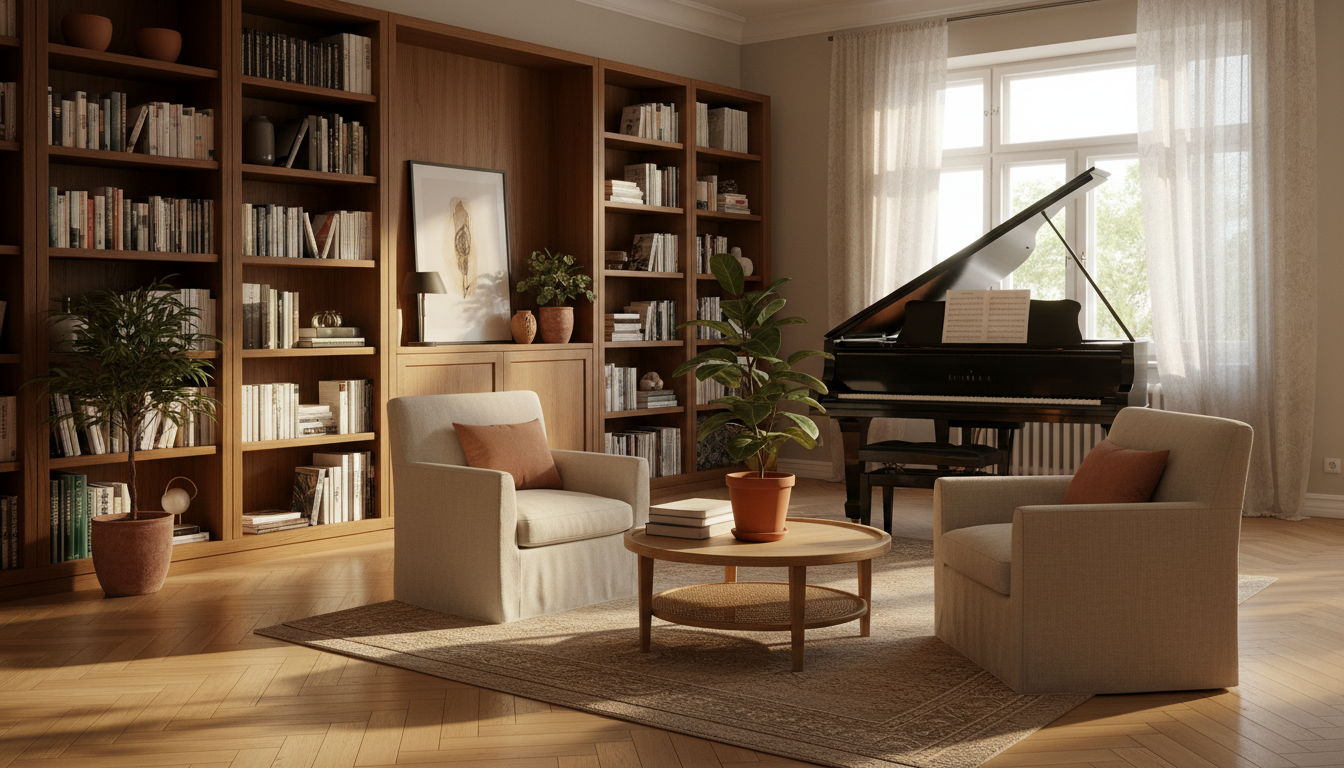 Elegant Charlottenburg apartment interior with parquet floors, a grand piano in the corner, floor-to
The neighborhood is also incredibly practical. You're walking distance from the Charlottenburg Palace, the excellent museums around Schloss Charlottenburg, and the high-end shopping of Kurfürstendamm. The U-Bahn and S-Bahn connections are excellent.
I'll be honest: Charlottenburg isn't "cool" in the Instagram sense. But the home exchange listings here often include amenities that are rare elsewhere—dishwashers, bathtubs (Berlin apartments famously only have showers), sometimes even parking. If comfort matters to you, don't sleep on the West.
Neukölln: Best for Budget-Conscious and Adventurous Travelers
Neukölln is Kreuzberg's younger, scrappier sibling. It's where artists who got priced out of Kreuzberg moved, where the döner is cheaper, where you're more likely to hear German, Turkish, and Arabic than English.
For home exchange in Berlin, Neukölln offers some of the best value. Apartments are often larger for the same "cost" in credits, and you're getting a genuinely local experience. The downside: it's farther from the central tourist sights, and some streets feel rougher than others.
I'd specifically recommend the area around Weserstraße and Reuterkiez—still gritty, but with enough cafés, bars, and restaurants that you won't feel isolated. The Schillerkiez near Tempelhof (the former airport turned massive public park) is another sweet spot.
A word of caution: Neukölln varies block by block. When browsing home exchange listings, look carefully at the exact location and read host descriptions thoroughly. A great apartment on one street might be three blocks from a much less pleasant area.
Friedrichshain: Best for Young Travelers and Music Lovers
This is clubbing central—the area around Warschauer Straße and the RAW-Gelände is where Berlin's legendary nightlife lives. It's also where a lot of young Berliners live, which means the home exchange options tend toward smaller apartments and shared spaces.
Coming to Berlin for the music and nightlife? Friedrichshain makes logistical sense. You can walk home at 6am. But be aware: this neighborhood is loud. Really loud. If your home exchange apartment faces a main street, bring earplugs.
The area around Boxhagener Platz is the residential heart—a bit calmer, with a great Saturday market and plenty of cafés. Simon-Dach-Straße is the main bar strip (avoid if you want quiet, seek out if you want action).
How to Find the Perfect Berlin Home Exchange
Now for the practical stuff. Finding a home exchange in Berlin isn't hard—it's one of the most popular cities on platforms like SwappaHome—but finding the right one takes some strategy.
Timing Your Search
Berlin has distinct seasons that affect home exchange availability:
High demand (book 2-3 months ahead): May through September when everyone wants to be here, Christmas markets season from late November through December, and major events like Berlinale in February, Berlin Marathon in September, and IFA tech fair in September.
Easier to find (1 month ahead often works): January through March (cold, gray, but the city is yours) and October through November (beautiful autumn, before the Christmas rush).
I've had the best luck booking Berlin home exchanges in October. The weather is crisp, the tourists have thinned, and hosts are often eager to travel themselves before winter sets in.
What to Look for in Berlin Listings
German apartments have quirks. Here's what to check:
Heating situation: Many Berlin apartments have old-style radiators that take time to warm up. Some have coal or wood stoves (romantic but high-maintenance). Ask your host how heating works—German winters are no joke.
Kitchen equipment: German kitchens are often unfurnished (yes, really—people take their kitchens when they move). Home exchange apartments obviously have kitchens, but check photos for what's actually there. Some are fully stocked; others are minimalist.
Elevator (Aufzug): Those beautiful Altbau buildings rarely have elevators. If you're on the 4th floor (which is actually the 5th floor—Germans count from 0), that's a lot of stairs. Fine for most people, but worth knowing.
Courtyard vs. street-facing: Berlin apartments often face inner courtyards (Hinterhof), which are quieter but darker. Street-facing (Vorderhaus) gets more light but more noise. Neither is better—just different.
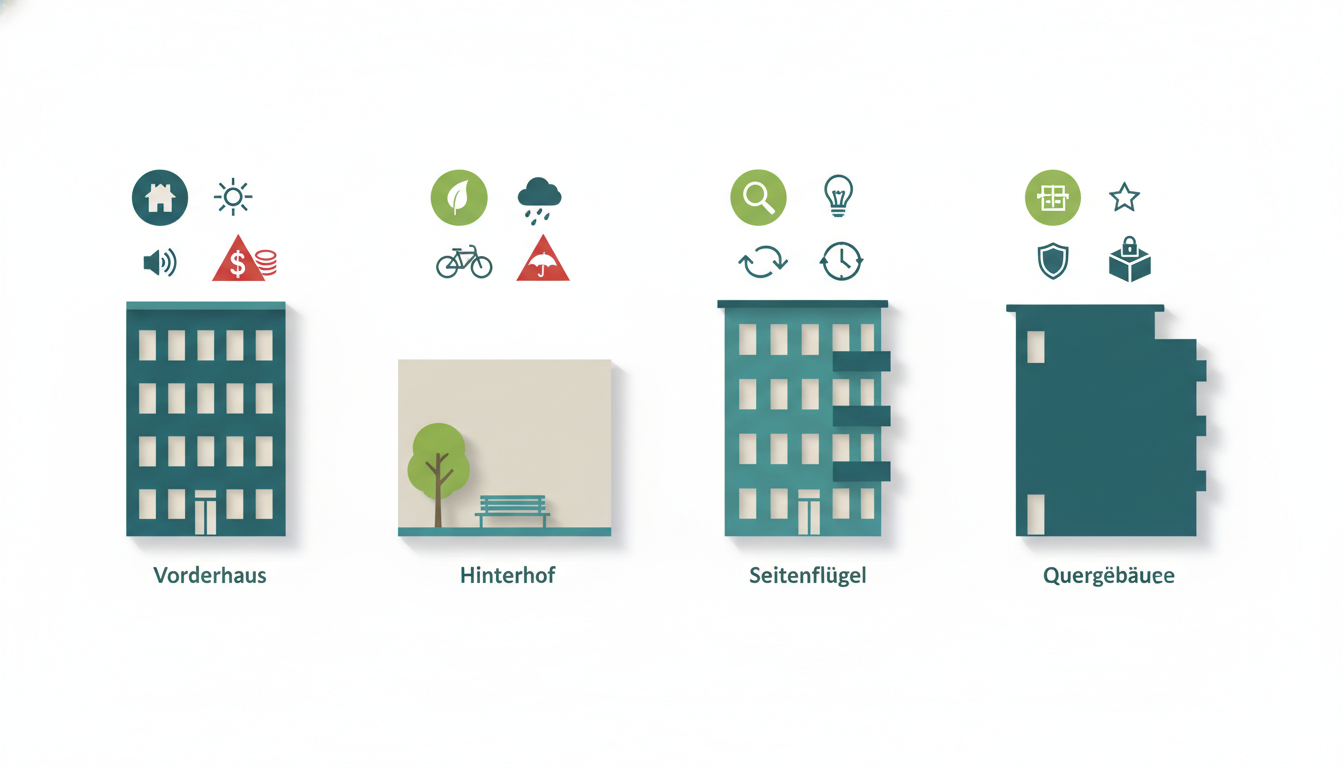 Infographic showing cross-section of typical Berlin apartment building with labels Vorderhaus front
Communicating with Berlin Hosts
Germans have a reputation for being direct, and it's... accurate. Your host's messages might feel curt compared to, say, an Italian host who writes you three paragraphs about their grandmother's recipes. Don't read coldness into it—it's just efficiency.
That said, Germans are incredibly thorough. Expect detailed instructions about everything: recycling (Germany takes this seriously), quiet hours (more on this below), and building rules. Read it all. Follow it all.
One thing I've noticed: German hosts often leave incredibly comprehensive welcome guides. Like, 20-page documents with restaurant recommendations, emergency numbers, and instructions for every appliance. It's wonderful. Don't skim it.
Understanding German Hosting Culture
This is where home exchange in Berlin differs from other cities. German culture has specific norms that will affect your stay.
The Sacred Quiet Hours (Ruhezeiten)
I cannot stress this enough: Germans take quiet hours seriously. Like, legally seriously.
The standard quiet hours are 10pm to 6am for nighttime, 1pm to 3pm for midday rest (yes, really), and all day Sunday and public holidays.
During these times, you shouldn't run washing machines, vacuum, play loud music, have noisy gatherings, or do anything that creates significant noise. Your host's neighbors will absolutely complain if you violate this. I've heard stories of police being called over Sunday vacuuming.
This isn't about being uptight—it's about respecting shared living spaces. Once you adjust, it's actually nice. Sundays in Berlin are genuinely peaceful.
Recycling and Waste
Your host will have multiple bins, and you need to use them correctly. Restmüll (gray) is for regular trash. Biomüll (brown) is for food scraps and organic waste. Papier (blue) is for paper and cardboard. Gelber Sack or Wertstoffe (yellow) is for packaging, plastics, and metals. Glass goes in public containers, sorted by color.
This seems like a lot, but it becomes automatic quickly. Your host will explain their specific setup.
The Pfand System
Most bottles and cans have a deposit (Pfand) that you get back when you return them to any supermarket. Don't throw them away! Either return them yourself (machines in every supermarket) or leave them for your host. Many people leave Pfand bottles on top of public trash bins for collectors—this is normal and even considerate.
Practical Tips for Your Berlin Home Exchange
Getting Around
Berlin's public transport is excellent and will be your primary way of getting around. The system includes U-Bahn, S-Bahn, trams, and buses—all on the same ticket.
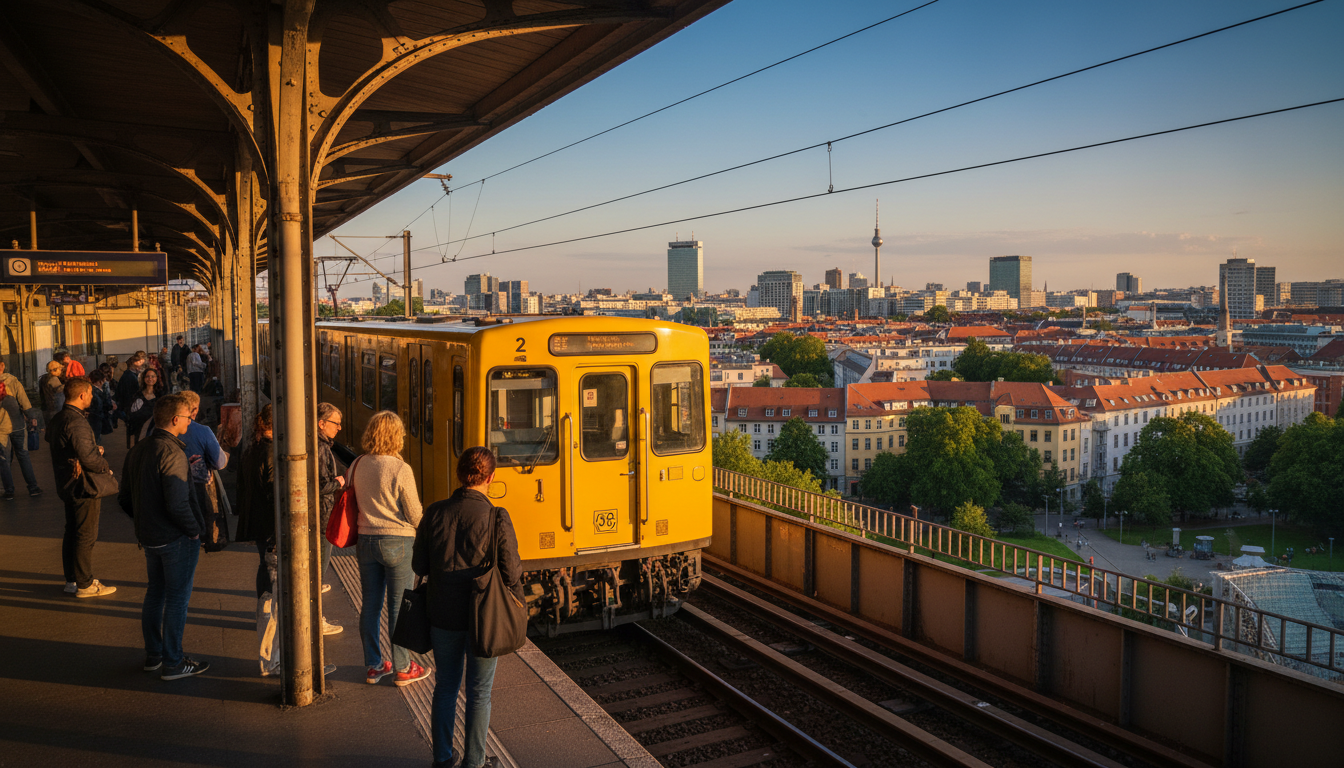 Yellow Berlin U-Bahn train arriving at an elevated station at golden hour, passengers waiting on pla
A 7-day AB ticket (covers most of Berlin) costs €39. If you're staying longer, the monthly ticket is €86. Your host might have a spare bike—Berlin is extremely bike-friendly, and cycling is often faster than public transport for short distances.
One quirk: Berlin operates on an honor system. There are no turnstiles—you just walk on. But ticket inspectors do random checks, and the fine for riding without a valid ticket is €60. Always validate your ticket.
Money and Payments
Germany is famously cash-dependent. While this is changing (slowly), many restaurants, cafés, and small shops still don't accept cards. Always carry cash. ATMs are everywhere.
For tipping, round up or add 5-10% at restaurants. You tell the server the total you want to pay when they bring the bill ("Stimmt so" means keep the change, or say the amount you want to pay).
Food and Shopping
Supermarkets close early (usually 8pm, sometimes 10pm) and are completely closed on Sundays. Stock up on Saturday. The main chains are Aldi and Lidl for budget options, REWE and Edeka for mid-range with better selection, and Bio Company and Alnatura for organic.
For Sunday emergencies, train station shops (Hauptbahnhof has a large mall) and some Spätis are open.
What to Do If Something Goes Wrong
Home exchanges generally go smoothly, but issues happen. Here's my approach:
Small problems like appliance confusion or not finding something—message your host. Germans are responsive and helpful. Time difference might delay responses, so be patient.
Medium problems like heating not working or plumbing issues—your host should have left emergency contacts, whether that's the building manager, landlord, or a friend who can help. Don't try to fix things yourself unless it's simple.
Serious problems involving safety concerns or major damage—document everything with photos. Contact your host immediately. If you have travel insurance (which I always recommend arranging before any trip), contact them too.
Remember: home exchange is built on trust and mutual respect. Treat your host's home like you'd want yours treated. Most problems can be solved with clear communication.
Making the Most of Your Berlin Home Exchange
Here's what I wish someone had told me before my first Berlin home exchange: the best experiences come from living like a local, not just staying like one.
Use your host's recommendations. Go to their bakery. Try their coffee shop. Walk the route they walk to the U-Bahn. These small things add up to something that feels less like tourism and more like... life.
Talk to the neighbors if you see them in the stairwell. A simple "Guten Tag" goes a long way. Germans warm up once you make the first move.
Cook in the kitchen. German supermarkets have incredible bread, cheese, and produce. Make breakfast. Have people over for dinner (respecting quiet hours, of course). The kitchen is often the heart of a home exchange experience.
And leave something behind for your host—a small gift, a thank-you note, a recommendation for something you discovered in their neighborhood. Home exchange works because people invest in the relationship. Be one of those people.
Getting Started with Home Exchange in Berlin
If you're ready to try home exchange in Berlin, here's my suggested approach:
First, list your own home. You need credits to book stays, and the best way to earn them is by hosting. On SwappaHome, you earn 1 credit per night hosted, and you start with 7 free credits to get going.
Then browse Berlin listings to understand the market. See what's available in different neighborhoods. Save a few favorites.
Start your search 2-3 months before your trip. Send personalized messages to hosts—mention why you're interested in their specific home and neighborhood.
Be flexible on dates if possible. Hosts are more likely to accept requests that align with their own travel plans.
Read reviews carefully. The SwappaHome community is built on trust, and reviews tell you a lot about both the home and the host.
Berlin rewards the curious traveler. It's not a city that gives up its secrets easily—you have to live here, even briefly, to understand what makes it special. A hotel in Mitte won't show you that. But two weeks in someone's Prenzlauer Berg apartment, with their books on the shelf and their favorite café around the corner? That's Berlin.
I'm already planning my next Berlin home exchange—this time I'm thinking Schöneberg, a neighborhood I haven't properly explored yet. That's the thing about this city: you never run out of neighborhoods to discover, lives to briefly inhabit, Mohnbrötchen to eat before they sell out.
See you in Berlin.
Frequently Asked Questions
Is home exchange in Berlin safe for first-time swappers?
Yes, Berlin is one of the safest cities in Europe for home exchange. The city has low crime rates, excellent public services, and a strong home swapping community. Using a platform like SwappaHome adds accountability through member reviews and verification. I'd recommend reading host reviews carefully and communicating thoroughly before your stay.
How much can I save with home exchange in Berlin compared to hotels?
A two-week Berlin hotel stay averages €2,100-2,520 for a decent central location. With home exchange, your accommodation cost is zero—you're only spending credits earned by hosting others. Plus, you get a full kitchen, saving another €30-50 daily on meals. Total savings can exceed €3,000 for a two-week trip.
What's the best neighborhood for a first home exchange in Berlin?
Prenzlauer Berg is ideal for first-time home exchange visitors to Berlin. It offers beautiful Altbau apartments with high ceilings, a safe and walkable environment, excellent public transport, and a good balance of local life and visitor amenities. Families particularly appreciate the spacious apartments and family-friendly atmosphere.
Do I need to speak German for home exchange in Berlin?
No, English is widely spoken in Berlin, especially in central neighborhoods and among home exchange hosts. That said, learning basic German phrases (Guten Tag, Danke, Bitte) is appreciated. Your host will likely leave instructions in English, and most restaurants and shops can accommodate English speakers.
When is the best time to do a home exchange in Berlin?
October and early November offer the best combination of pleasant weather, fewer tourists, and good home exchange availability. Summer (May-September) is beautiful but high-demand—book 2-3 months ahead. Winter is cold but atmospheric, especially during Christmas market season. Avoid booking during major events like Berlinale (February) unless you plan far in advance.

Published by
SwappaHome
SwappaHome Editorial Team
Home Exchange & Slow Travel Editorial
The SwappaHome Editorial Team brings together travel research, home-exchange community insights, and platform data to produce practical guides for first-time and experienced home swappers. Every article cites real platforms, current market rates, and verifiable city-level facts so readers can make informed decisions without guessing.
Ready to try home swapping?
Join SwappaHome and start traveling by exchanging homes. Get 7 free credits when you sign up!
Related articles

Bachelor and Bachelorette Parties in Singapore: The Complete Home Swap Group Guide for 2026
Planning a bachelor or bachelorette party in Singapore? Discover how home swapping lets groups of 6-12 stay together in luxury condos, saving thousands while partying in Marina Bay.
Cycling in Lisbon: 7 Home Swap Bike Tour Itineraries for Every Rider
Discover the best cycling routes in Lisbon with these home swap bike tour itineraries—from waterfront paths to hilltop adventures, all starting from your borrowed home.

Graduation Trip to Barcelona: How Home Swapping Gives New Graduates the Ultimate Celebration
Planning a graduation trip to Barcelona? Discover how home swapping lets new graduates explore Spain's most vibrant city without the hostel crowds or hotel costs.