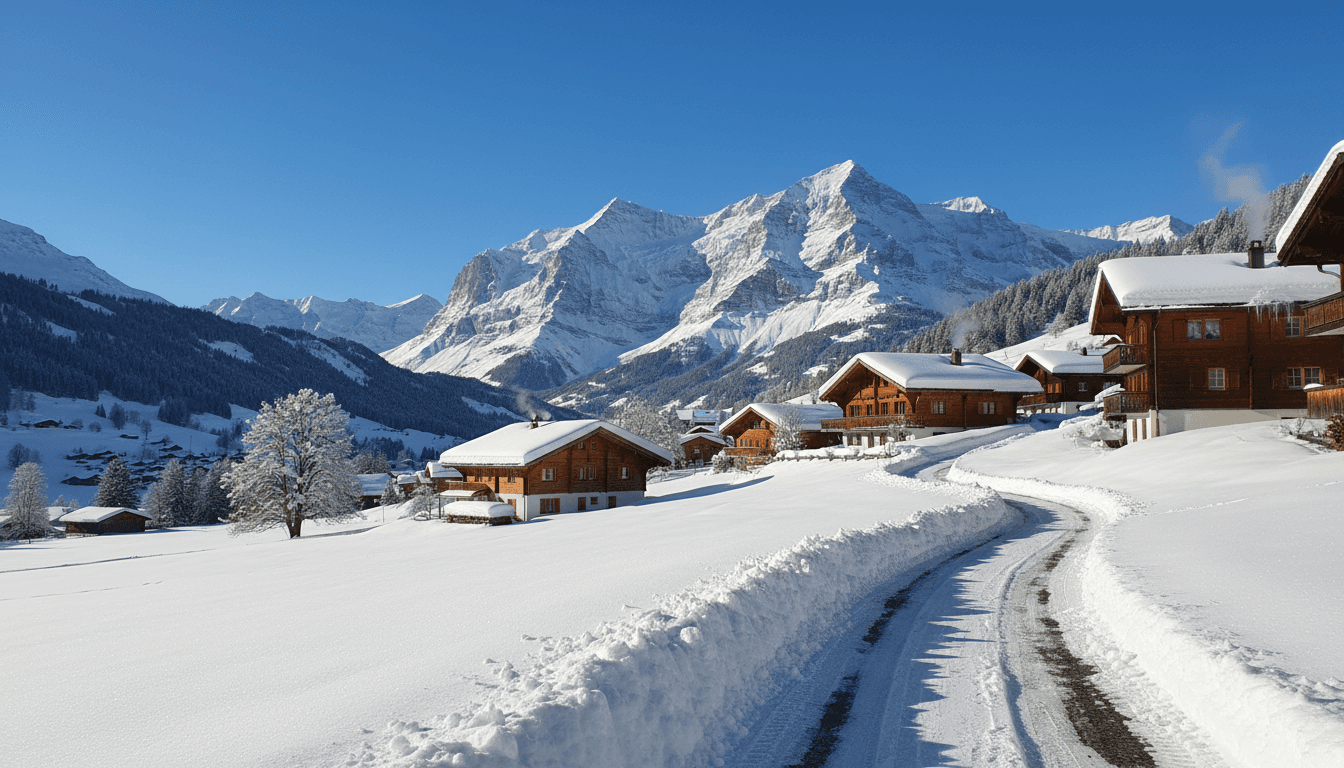
January Home Swap: The Best Way to Beat Post-Holiday Blues Abroad

SwappaHome Editorial Team
Home Exchange & Slow Travel Editorial
Escape the January slump with a home swap abroad. Discover why swapping homes in January offers the best deals, emptiest beaches, and a genuine reset.
The Christmas lights come down. The tree gets hauled to the curb. And suddenly you're staring at a cold, gray Tuesday in early January with nothing but credit card statements and leftover Quality Street to keep you company.
There's a reason psychologists have studied post-holiday depression—that peculiar emptiness that settles in when the festivities end and ordinary life resumes. But here's what most people miss: January is secretly one of the best months to travel, and a January home swap might be the smartest antidote to those post-holiday blues you'll ever find.
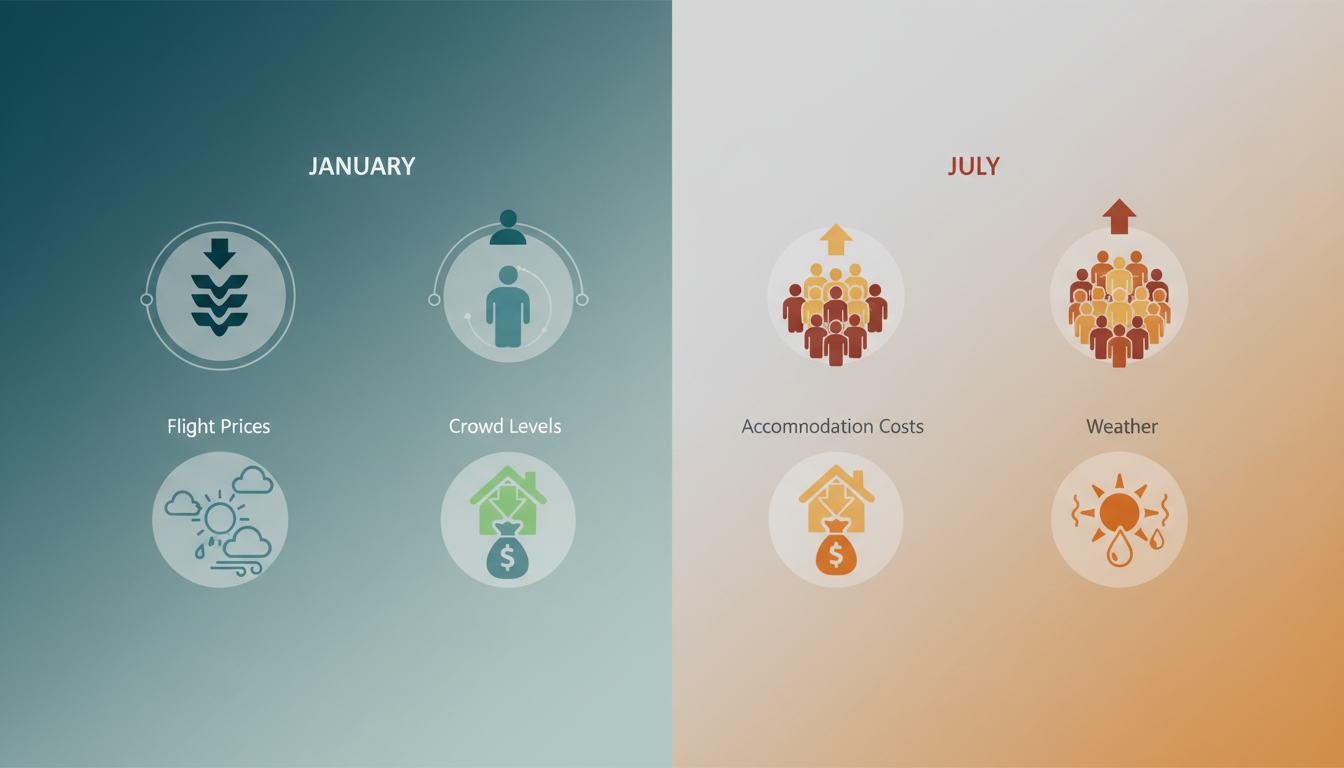
Not convinced? Consider this: flight prices drop by an average of 30-40% in the first two weeks of January compared to the holiday peak. Tourist crowds thin to a trickle. And home-swap hosts who were unavailable during the holidays suddenly have open calendars and genuine enthusiasm for hosting. The SwappaHome community sees a significant uptick in successful exchanges during this window—travelers who've figured out that escaping January doesn't require a lottery win.
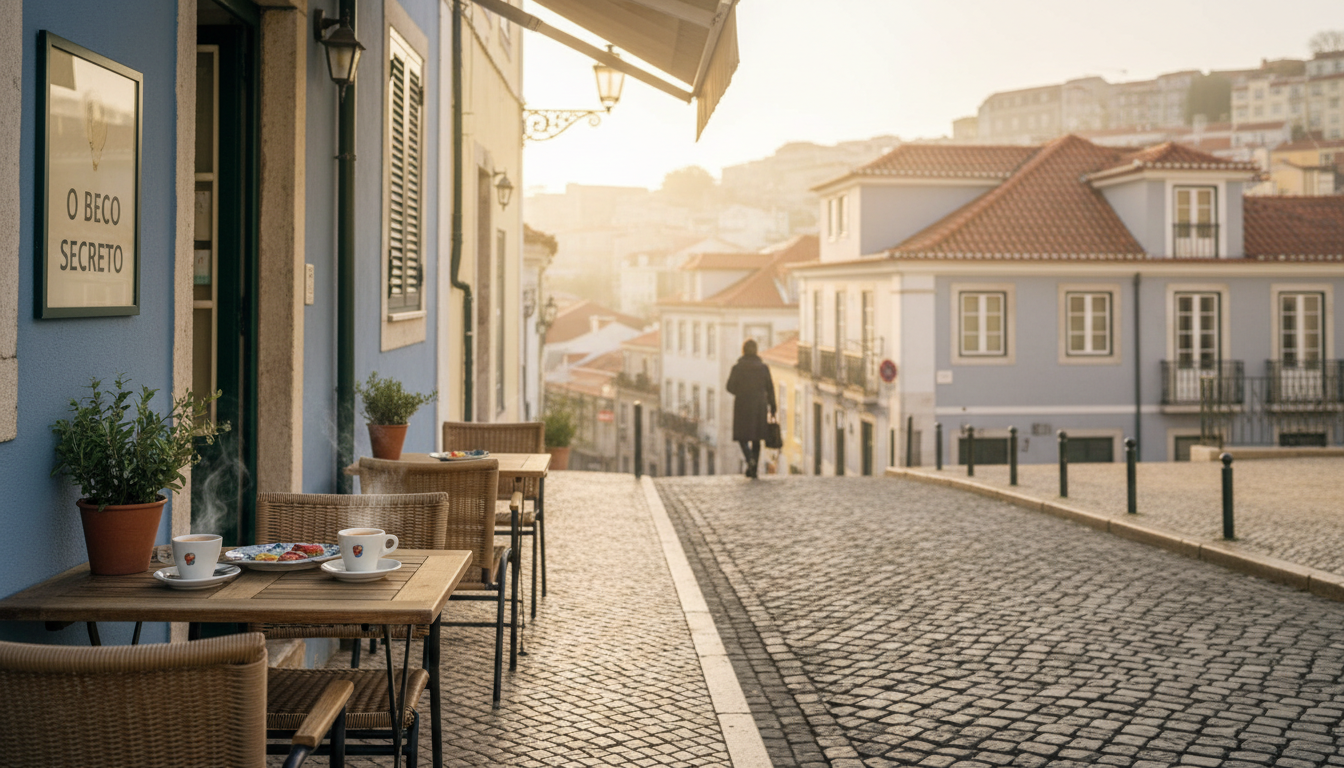 Empty cobblestone street in Lisbons Alfama district on a crisp January morning, soft golden light, a
Why January Is the Hidden Season for Home Swapping
The travel industry has a dirty secret: they've trained us to vacation when it's most expensive and least enjoyable. Peak summer. Christmas week. Spring break. These windows command premium prices precisely because everyone books them—creating crowded attractions, stressed-out locals, and that nagging feeling that you're just another tourist in an endless queue.
January flips the script entirely.
After the holiday hosting marathon, many homeowners are genuinely excited to welcome guests. They've had family staying for weeks, they're ready for a change of energy, and they're often planning their own escapes. This creates a perfect storm of availability on home-swap platforms. Properties that were blocked out from mid-December through New Year's suddenly show green availability dots stretching across the entire month.
The economics work in your favor too. While hotels slash rates to fill empty rooms (and still charge $150+ per night in most European capitals), a January home swap costs you nothing beyond your membership fee. You're exchanging—your home for theirs, your neighborhood for a new adventure, your January gray for someone else's January gray that somehow feels exotic because it's different.
The Psychology of the January Reset
There's something almost medicinal about disrupting your environment in early January. The post-holiday blues hit hardest when you're surrounded by the same walls, the same routines, the same view from your kitchen window. Your brain craves novelty—it's wired that way—but novelty feels impossible when you're back at work and the next vacation seems months away.
A home swap short-circuits this pattern. Even a long weekend in a different city rewires your perspective. You wake up in an unfamiliar bed, figure out someone else's coffee machine, discover a neighborhood bakery you'll remember for years. The mundane becomes interesting again because everything is new.
Travelers in the SwappaHome community frequently report that January swaps feel more restorative than longer summer holidays. Part of it is the contrast—escaping the bleakest month makes the destination shine brighter. Part of it is the pace—without peak-season crowds, you actually relax instead of rushing between attractions.
 Cozy living room in a Copenhagen apartment, hygge aesthetic with candles, wool throws, a book open o
Best Destinations for a January Home Swap
Not all January escapes are created equal. Some destinations genuinely shine in winter; others require more strategic planning. Here's where seasoned home-swappers tend to focus their January searches—and why.
Southern Europe: Mild Weather, Empty Streets
Lisbon in January averages 15°C (59°F) during the day—sweater weather, not shorts weather, but perfect for walking. The city's famous hills feel manageable without summer heat, and you'll find the miradouros (viewpoints) blissfully uncrowded. Typical Airbnb rates in Alfama or Bairro Alto run €80-120 per night in January; a home swap eliminates that cost entirely.
The Algarve coast, about three hours south, offers even milder conditions. Lagos—a town that swells with tourists from June through August—becomes almost meditative in January. You can walk Praia da Marinha without another soul in sight. Home-swap listings in the Algarve typically number 50+ on major platforms, with availability spiking after New Year's.
Seville and Málaga in southern Spain follow similar patterns. January temperatures hover around 16-17°C (low 60s°F), and you'll pay roughly 40% less for flights than you would in April or October. The tapas bars are still lively—locals don't hibernate—but you won't wait 45 minutes for a table at the popular spots.
Canary Islands: Europe's Winter Sun Guarantee
If you need actual warmth—not just "mild"—the Canary Islands deliver January temperatures of 20-24°C (68-75°F). Tenerife and Gran Canaria have the most home-swap inventory, with active listings typically exceeding 100 properties. Lanzarote and Fuerteventura skew more resort-heavy but still offer exchange options, particularly in smaller towns like Yaiza or Corralejo.
The flight math works especially well from Northern Europe. London to Tenerife runs 4.5 hours; January fares often dip below £60 round-trip if you book early. You're trading British drizzle for volcanic beaches and banana plantations—a psychological upgrade that's hard to overstate.
Southeast Asia: Monsoon Gaps and Cultural Immersion
January falls in the dry season for much of Southeast Asia, making it ideal for home swaps in Thailand, Vietnam, and Cambodia. Bangkok listings on SwappaHome typically range from 30-50 active properties, concentrated in neighborhoods like Thonglor, Ari, and Sathorn—areas where expatriates and frequent travelers maintain homes specifically for exchange.
The cultural calendar adds extra appeal. Vietnamese Tết (Lunar New Year) falls in late January or early February, meaning a late-January swap lets you experience pre-festival energy without the actual holiday closures. Chiang Mai's flower festival typically runs in early February, but January offers perfect weather (25-30°C) and none of the festival crowds.
Budget context: mid-range hotels in Bangkok's desirable neighborhoods run $60-100 per night. A two-week home swap saves $840-1,400 on accommodation alone—enough to cover flights from most European or North American departure points.
 Terrace breakfast setup overlooking Chiang Mais old city, tropical fruits and Thai iced coffee, temp
Latin America: Summer in the Southern Hemisphere
January means summer south of the equator—a fact that seems obvious but gets overlooked by Northern Hemisphere travelers locked into winter mindsets. Buenos Aires in January averages 30°C (86°F), with long evenings perfect for sidewalk cafés and late dinners.
The home-swap dynamic in Argentina and Chile particularly favors January travelers. Local families often head to beach towns (Mar del Plata, Viña del Mar) for summer holidays, leaving urban apartments available for exchange. Buenos Aires neighborhoods like Palermo and Recoleta see strong swap activity during this window.
Mexico City offers a different appeal—January temperatures around 22°C (72°F), minimal rain, and the post-holiday return of normal life. The city's home-swap community has grown substantially, with listings concentrated in Roma Norte, Condesa, and Coyoacán. A January week in CDMX costs roughly $700-1,200 in hotel stays; a home swap redirects that budget toward mezcal tastings and Frida Kahlo museum tickets.
How to Plan Your January Home Swap (Step by Step)
The January travel window is narrower than you might think. Most people return to work between January 2nd and 6th, which means your ideal swap window falls roughly January 10th through January 31st. Here's how to maximize your chances of landing a great exchange.
Start Your Search in Early December
The best January listings get snapped up by planners who move quickly. By December 10th, you should have:
- Updated your own listing with fresh photos and accurate availability
- Identified 10-15 potential destinations based on your interests and budget
- Sent initial inquiry messages to hosts whose homes appeal to you
The SwappaHome credit system means you're not dependent on finding a simultaneous swap—you can host someone from Berlin in February and use those credits for your January escape to Lisbon. This flexibility dramatically expands your options.
Craft Messages That Get Responses
January hosts receive fewer inquiries than peak-season hosts, but they're often more selective. They've just survived the holiday gauntlet and want guests who'll treat their home respectfully. Your initial message should include:
- Specific dates you're considering (not "sometime in January")
- Why their home appeals to you (mention something specific from their listing)
- A brief description of your travel style (quiet couple? family with kids? solo worker?)
- Your own listing link so they can evaluate the exchange
Generic copy-paste messages are easy to spot, and they signal low effort—which translates to concerns about how you'll treat someone's space.
 Split-screen infographic showing January vs July comparison flight prices, crowd levels, accommodati
Consider the Logistics of Winter Travel
January travel has quirks that summer trips don't. Shorter daylight hours mean less time for outdoor activities—plan accordingly. Some attractions operate on reduced winter schedules; check opening hours before building your itinerary. Weather can be unpredictable even in "mild" destinations; pack layers rather than counting on sunshine.
For home swaps specifically, winter brings practical considerations:
- Heating systems: Understand how they work before arrival. Ask your host for instructions.
- Shorter days: Request recommendations for evening activities and indoor attractions.
- Local holidays: Some countries have additional January holidays (Three Kings Day in Spain, for example) that affect shop hours and restaurant availability.
Build in Flexibility
The most successful January swappers treat their dates as somewhat flexible. If your dream Lisbon apartment is available January 14-21 but you were hoping for January 7-14, consider adjusting. The difference between a good swap and a great one often comes down to willingness to shift by a few days.
This flexibility also helps with flight prices. January airfares fluctuate significantly based on specific dates—flying out on a Tuesday versus a Friday can save $100 or more. Use flexible date searches on flight comparison sites to identify the cheapest combinations.
Making the Most of Your January Escape
You've booked the swap. Flights are confirmed. Now how do you ensure this trip actually defeats those post-holiday blues rather than just postponing them?
Embrace the Slow Travel Mindset
January isn't the month for cramming 12 cities into 14 days. The whole point is decompression—letting the holiday stress drain away while you settle into a different rhythm. Choose one destination, maybe two if they're close. Spend enough time to discover a favorite café, to recognize the neighborhood dog-walkers, to feel briefly like a local rather than a tourist.
Home swapping naturally encourages this approach. You're staying in a real home, in a real neighborhood, with a real kitchen. Use it. Buy groceries at the local market. Cook breakfast while listening to foreign radio stations. Read books in the afternoon because there's no hotel checkout pressure.
Connect with Your Host's Recommendations
One of home swapping's underrated benefits is access to local knowledge. Your host has lived in this neighborhood—they know which bakery opens early, which park is best for morning walks, which restaurant the tourists haven't discovered yet.
Ask specific questions before arrival:
- "Where do you go for coffee on weekend mornings?"
- "Is there a neighborhood restaurant you'd recommend for a quiet dinner?"
- "Any local events happening during our stay?"
These questions signal genuine interest and often unlock recommendations that transform a good trip into a memorable one.
 Handwritten note on a kitchen counter with local recommendations, a hand-drawn map, and a small welc
Don't Over-Schedule
The post-holiday blues partly stem from exhaustion—you've just survived weeks of social obligations, shopping stress, and disrupted routines. Your January escape should restore energy, not deplete it further.
Build empty space into your days. Leave afternoons unplanned. Allow for spontaneous discoveries. If you wake up and don't feel like visiting that museum, don't visit it. The freedom to follow your mood—rather than a packed itinerary—is what makes January travel genuinely restorative.
Document Differently
Social media has trained us to document travel for external validation—the perfect Instagram shot, the envy-inducing story. January travel offers a chance to break that pattern. Consider:
- Keeping a written journal instead of posting constantly
- Taking photos for yourself, not for an audience
- Putting your phone away during meals and walks
- Being present in moments rather than capturing them
Here's the thing: trips documented this way often become more memorable. You're actually experiencing them rather than performing them.
The Financial Case for January Home Swapping
Let's talk numbers, because the savings are genuinely substantial.
A typical two-week January trip to Lisbon, comparing hotel stays to home swapping:
Hotel scenario:
- Mid-range hotel in central Lisbon: $120/night × 14 nights = $1,680
- Restaurant meals (no kitchen): $60/day × 14 days = $840
- January flights from NYC: ~$500 round-trip
- Total: approximately $3,020
Home swap scenario:
- Accommodation: $0 (using SwappaHome credits)
- Mix of home-cooked and restaurant meals: $35/day × 14 days = $490
- January flights from NYC: ~$500 round-trip
- SwappaHome annual membership: ~$150 (prorated across multiple trips)
- Total: approximately $1,040
That's nearly $2,000 in savings on a single trip. Apply this math to annual travel and the numbers become transformative. Many SwappaHome members report that home swapping has doubled or tripled their travel frequency without increasing their budgets.
The January timing amplifies these savings. Hotels discount January rates, but they're still charging something. Flights drop significantly. And home-swap availability peaks precisely when you want to travel. It's a rare alignment of factors that makes January the budget-conscious traveler's secret weapon.
Working Remotely During Your January Swap
The rise of remote work has transformed January home swapping from a vacation strategy into a lifestyle option. If your job allows location flexibility, a January swap becomes a working escape—same deadlines, different scenery.
Key considerations for remote-work swaps:
Internet reliability: Ask hosts specifically about their connection speed and reliability. Most European urban homes have fiber connections exceeding 100 Mbps; rural properties vary more widely. Request a speed test screenshot if connectivity is crucial for your work.
Workspace setup: Look for listings that mention dedicated desks or home offices. A beautiful apartment with no proper work surface becomes frustrating quickly. Some hosts specifically cater to remote workers and highlight ergonomic setups in their descriptions.
Time zone management: A swap to Western Europe from North America means your workday shifts later—potentially freeing mornings for exploration while you work European afternoons and evenings. Southeast Asia swaps create the opposite pattern. Choose based on your meeting schedule and personal preferences.
Longer stays: Remote work makes extended swaps practical. Instead of a one-week escape, consider two or three weeks. The longer you stay, the more you settle in, and the greater the psychological benefit. Many hosts prefer longer bookings anyway—less turnover, more stability.
What If You're Hosting in January?
The swap equation has two sides. While you're escaping to warmer climates, someone else might want to escape to your city. January hosting offers its own rewards.
Your Home Has Appeal You Might Not See
Travelers from Australia and New Zealand often seek Northern Hemisphere winter experiences—they want to see snow, experience cozy cafés, visit Christmas markets that extend into early January. Your "boring" Midwest city might be exactly what a Melbourne family craves.
Similarly, travelers from warm climates sometimes romanticize winter in ways that locals find baffling. A Stockholm apartment in January, with its hygge vibes and snowy streets, appeals to visitors from Singapore or São Paulo who've never experienced a real winter.
Hosting Builds Your Credit Balance
Every night you host earns credits for future travel. A January hosting stint—say, welcoming guests for two weeks while you visit family or stay with friends—banks credits for your own summer adventures. The system rewards generosity with flexibility.
Your Home Benefits from Occupancy
Empty homes in winter can develop problems—frozen pipes, unnoticed leaks, stale air. Having guests provides passive monitoring and keeps systems running. Many homeowners find that their properties stay healthier with regular occupancy, even (especially) during the coldest months.
Common Concerns About January Home Swapping
A few questions come up repeatedly from first-time January swappers. Here are the honest answers.
"What if the weather is terrible?"
It might be. January weather is variable almost everywhere. But here's the reframe: you're escaping your own terrible weather for someone else's terrible weather, which feels different. A rainy day in Lisbon beats a rainy day at home because you're exploring a new neighborhood, trying a new restaurant, reading in a different café.
Plan indoor activities as backups. Museums, cooking classes, wine tastings, spa days—these become highlights rather than consolation prizes when you embrace January's unpredictability.
"Won't everything be closed?"
Very few places shut down entirely in January. Some beach towns scale back services, and certain attractions reduce hours, but cities remain fully operational. January often brings cultural events specifically designed to combat seasonal doldrums—film festivals, restaurant weeks, gallery openings.
Research your specific destination. Avoid tiny resort towns that genuinely hibernate (some Greek islands, for example) in favor of year-round cities with permanent populations.
"Is it safe to leave my home in winter?"
Winter home-leaving requires more preparation than summer departures. Set your thermostat to prevent freezing (55°F/13°C minimum). Ask a neighbor to check periodically. Ensure your guests know how to operate heating systems and what to do if something goes wrong.
Many swappers find that having guests actually reduces winter risks—someone's there to notice problems and respond quickly. A burst pipe in an empty house causes far more damage than one in an occupied home.
Your January Escape Starts Now
The post-holiday blues are real, but they're not inevitable. Somewhere out there, a home awaits you—an apartment in Seville with a terrace that catches afternoon sun, a cottage in the Cotswolds with a wood-burning stove, a condo in Chiang Mai with a rooftop pool and temple views.
January travel isn't about escaping your life. It's about returning to your life with fresh eyes, renewed energy, and the quiet satisfaction of having done something unexpected when everyone else was just enduring the month.
The SwappaHome community is already planning January escapes. Listings are live. Calendars are opening up. The only question is whether you'll join them—or spend another January watching the rain streak down the same window you've been staring through for years.
Your home has value to someone else. Their home could transform your January. The exchange is waiting.
Frequently Asked Questions
Is January a good time for home swapping?
January is actually one of the best months for home swapping. After holiday hosting, many homeowners have open calendars and genuine enthusiasm for guests. Flight prices drop 30-40% compared to peak periods, tourist crowds thin significantly, and you'll find more availability on home-swap platforms than during popular travel months. The combination of lower costs, better availability, and uncrowded destinations makes January ideal for budget-conscious travelers seeking authentic experiences.
How much can I save with a January home swap compared to hotels?
A two-week January home swap can save $1,500-2,500 compared to hotel stays, depending on your destination. In cities like Lisbon or Barcelona, mid-range hotels run $100-150 per night even in low season, totaling $1,400-2,100 for two weeks. Home swapping eliminates this cost entirely. Additional savings come from having a kitchen—cooking some meals typically reduces food expenses by 30-40% compared to eating out for every meal.
What are the best destinations for a January home swap?
Southern Europe (Lisbon, Seville, the Algarve) offers mild temperatures around 15-17°C and minimal crowds. The Canary Islands provide genuine warmth at 20-24°C. Southeast Asia—particularly Thailand, Vietnam, and Cambodia—falls in dry season with temperatures of 25-30°C. For those seeking summer weather, Southern Hemisphere destinations like Buenos Aires and Cape Town offer January temperatures around 30°C.
How far in advance should I plan a January home swap?
Start searching and sending inquiries by early December for the best selection. The ideal January travel window (roughly January 10-31) gets booked by planners who move early. Update your own listing with current photos and availability, identify 10-15 potential destinations, and send personalized inquiry messages to hosts by December 10th to maximize your options.
Can I work remotely during a January home swap?
Yes, many SwappaHome members combine remote work with January travel. Ask hosts specifically about internet speed and reliability—most European urban homes have fiber connections exceeding 100 Mbps. Look for listings mentioning dedicated desks or home offices. Consider time zone implications: Western Europe shifts your workday later (freeing mornings for exploration), while Southeast Asia creates early-morning work hours. Longer stays of two to three weeks work particularly well for remote workers seeking a change of scenery without vacation time constraints.

Published by
SwappaHome
SwappaHome Editorial Team
Home Exchange & Slow Travel Editorial
The SwappaHome Editorial Team brings together travel research, home-exchange community insights, and platform data to produce practical guides for first-time and experienced home swappers. Every article cites real platforms, current market rates, and verifiable city-level facts so readers can make informed decisions without guessing.
Ready to try home swapping?
Join SwappaHome and start traveling by exchanging homes. Get 7 free credits when you sign up!
Related articles

Bachelor and Bachelorette Parties in Singapore: The Complete Home Swap Group Guide for 2026
Planning a bachelor or bachelorette party in Singapore? Discover how home swapping lets groups of 6-12 stay together in luxury condos, saving thousands while partying in Marina Bay.

Cycling in Lisbon: 7 Home Swap Bike Tour Itineraries for Every Rider
Discover the best cycling routes in Lisbon with these home swap bike tour itineraries—from waterfront paths to hilltop adventures, all starting from your borrowed home.

Graduation Trip to Barcelona: How Home Swapping Gives New Graduates the Ultimate Celebration
Planning a graduation trip to Barcelona? Discover how home swapping lets new graduates explore Spain's most vibrant city without the hostel crowds or hotel costs.