Pet-Friendly Home Swap: A Complete Guide for Traveling with Pets

SwappaHome Editorial Team
Home Exchange & Slow Travel Editorial
Traveling with your dog or cat used to mean one of two grim choices: cram into a sterile hotel room that charges you extra for the privilege, or leave your animal behind with a sitter and feel guilty...
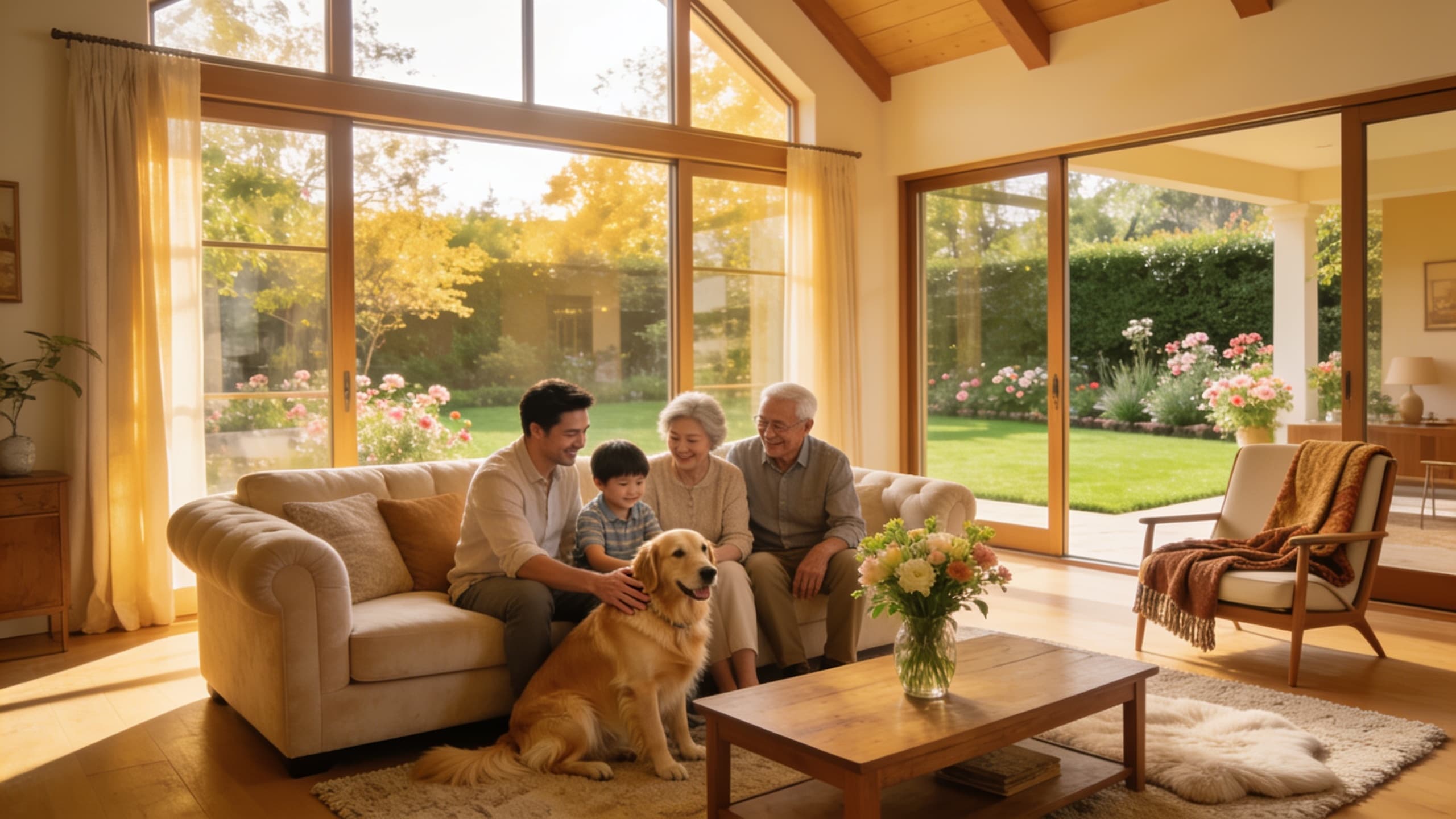
Traveling with your dog or cat used to mean one of two grim choices: cram into a sterile hotel room that charges you extra for the privilege, or leave your animal behind with a sitter and feel guilty the whole trip. There's a third way, though. A pet-friendly home swap is basically a home exchange where two households trade stays in each other's places and both agree, upfront, to welcome each other's pets. What you get out of it is a real home base. A yard, maybe. Familiar routines. And often a host who'll actually tell you where the good vet is, which park the local dogs love, and where to grab a bag of your pet's usual food.
But because a home swap runs entirely on trust between two households, tossing pets into the mix adds a layer of planning you'd never bother with at a Marriott. So this guide covers the whole thing: how to actually find these exchanges, how to talk to hosts without either of you feeling weird, how to get your own place ready, and how to keep both the animals and the property safe from the moment you arrive to the moment you lock up and leave.
Table of Contents
- What Is a Pet-Friendly Home Swap?
- Why Bother With This Instead of a Hotel or Airbnb?
- How Do You Actually Find One?
- How to Talk to Hosts About Bringing Your Pet
- Pet-Proofing Your Own Place Before You Swap
- Getting Your Pet Ready for the Trip
- During the Stay: How Not to Be That Guest
- Home Swap vs. the Other Options
- Frequently Asked Questions
What Is a Pet-Friendly Home Swap?
A pet-friendly home swap is a reciprocal home exchange where both sides agree ahead of time that pets are welcome to stay during the trade. The key difference from a regular vacation rental is that nobody's dictating the rules from a corporate handbook. It's a peer-to-peer thing, so the pet terms get worked out directly between the two households, human to human.
Here's roughly how the mechanics go. One household lists their home on a swap platform, sets their available dates, and either trades a stay directly with someone else (a straight swap) or uses a credit system to book stays at other members' places. Once pets enter the picture, though, a bunch of details need to be spelled out. Is there a fenced yard? Will the host's own animals be around? What's the deal with furniture, litter boxes, letting the dog out back? Traveling with pets through an exchange only goes smoothly when both sides are honest about all this stuff before anyone starts packing. And I mean genuinely honest, not the polite version where you gloss over the fact your dog howls when left alone.
Why Bother With This Instead of a Hotel or Airbnb?
A pet-friendly home exchange usually gives you more space, a lower cost per night, and a far more natural environment for your animal than a hotel room ever could. Pet-friendly hotels love to nickel-and-dime you. Extra fee per stay, extra fee per night, animals only allowed on certain floors or in certain room types, and forget about any outdoor space. Vacation rentals often pile on a cleaning surcharge just because you're bringing a pet along.
Home swapping skips most of that friction, and the reason is simple: the place was somebody's actual home, not a unit built to churn through guests every three days. So you get a real kitchen for prepping your pet's food, a living room floor your dog can sprawl out on, and pretty often a garden or a balcony instead of a sad strip of hotel carpet by the door. On SwappaHome, for instance, members list homes across more than a dozen countries and trade stays using a credit system where one credit equals one night. No cash changes hands between members at all. New members also get seven free credits when they sign up, which is plenty for a first short trip while you figure out how the whole exchange thing works.
The catch? A swap leans on a real relationship with another household rather than an anonymous transaction, which is exactly why being clear about pets matters so much more here. If you're still weighing everything, it's worth poking around general rental and property resources like Viviendalista too, just to get a feel for the broader landscape before you decide whether a swap, a long-term rental, or a plain old hotel makes the most sense for a trip with your animal in tow.
How Do You Actually Find One?
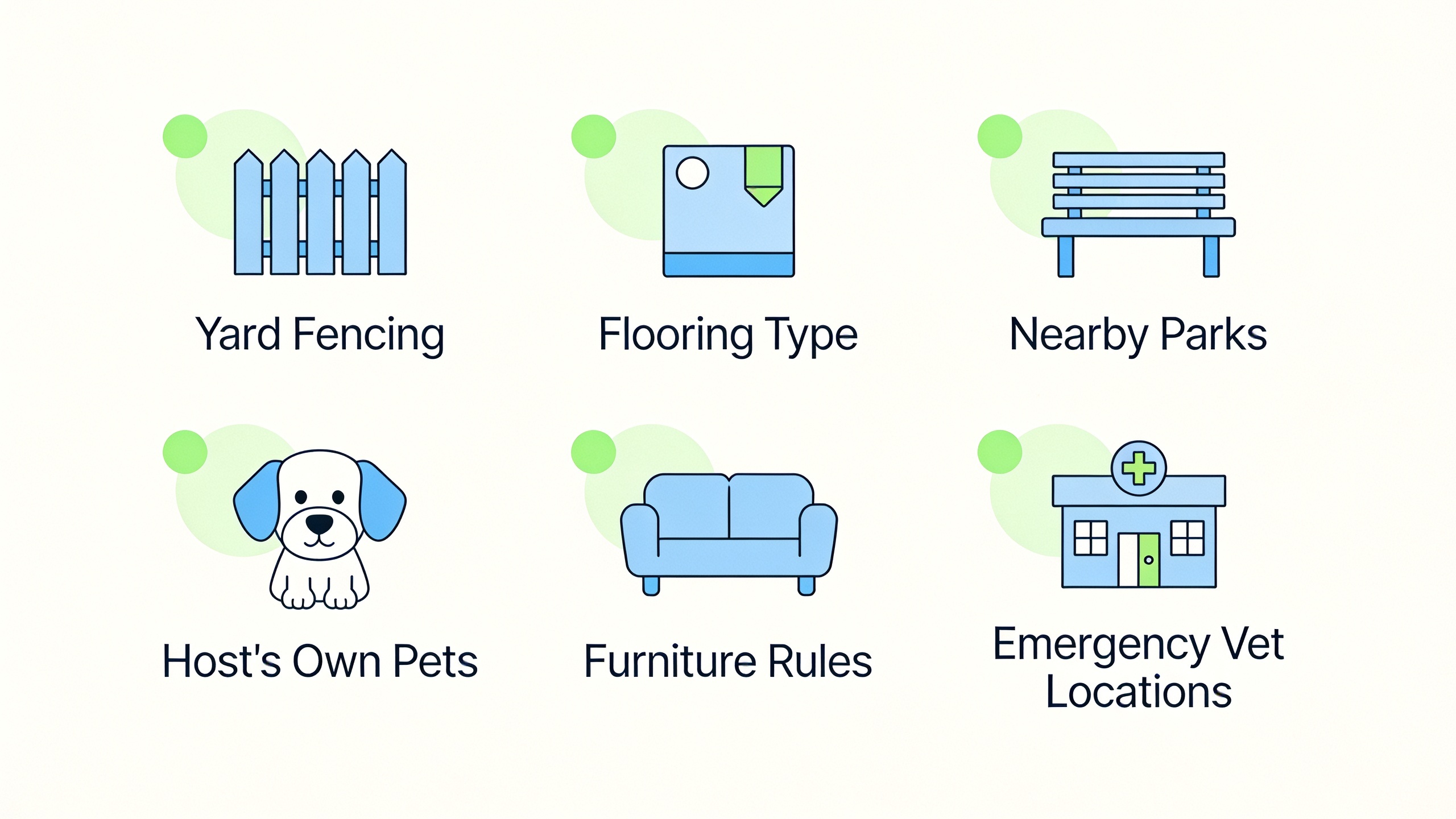
Your best bet is to search a home exchange platform by destination, then read the individual listings and host profiles closely, because pet policies almost always live in the property description rather than in some tidy filter. Keep an eye out for mentions of fenced outdoor space, hard flooring versus carpet, nearby parks, and whether the host has pets of their own who'll be sticking around during your stay.
Read the Listings Like You Mean It
Most listings describe the layout, how many guests they sleep, and any little notes the host wants to add. A place that mentions a private terrace, a garden, or ground-floor access is often a green flag for pet owners, even when the words "pet-friendly" never actually appear. Say a host offers a two-story home with a private rooftop terrace and mentions a quiet lower-floor tenant who's usually away. That's gold if you're traveling with a dog who needs room to move and a low-noise setup. But you'd only catch a detail like that by reading the full listing instead of just swiping through the photos and calling it a day.
Message the Host Directly
Once you've got a shortlist, message the host and ask real questions instead of a lazy "are pets okay?" Ask about the flooring. Ask whether there's a yard or green space nearby. Ask if they have allergies, or pets of their own, or house rules about furniture or crates. This step really matters, because a home swap is a two-way agreement and a host letting your pet into their home is trusting you with something a lot more personal than a hotel key. Before you lock anything in, it's honestly worth reading up on 7 home swap mistakes to avoid for a smooth, stress-free exchange, because a bunch of the most common blunders come down to unclear or incomplete communication before arrival. Which, surprise, is the exact thing that trips up pet swaps most often.
 Infographic checklist of important questions to ask home swap hosts about pet accommodations and house rules
How to Talk to Hosts About Bringing Your Pet
Being upfront and specific about your pet's needs before you book is the single best thing you can do to avoid a mismatched, awkward swap. Vague reassurances like "oh, my dog's really well-behaved" tell the host absolutely nothing useful. Every dog owner thinks their dog is well-behaved. It's meaningless.
Give them real facts instead. Species, breed, age, weight, temperament, house-training status, and any quirks they should brace for, like barking at the doorbell or getting weird around other animals. If your pet's never been left alone in a strange place, say so, because some hosts genuinely want to know whether the animal will be crated or roaming free while you're off exploring.
And it cuts both ways. Ask the host the same level of detail about their home and their own pets, if they have any. A host's dog who isn't used to visitors, or a cat with an outdoor-access habit through a pet door, can cause real friction with a visiting animal who's never seen that setup. This kind of two-way honesty is really just an extension of basic good manners in the swap world, and the same ideas in this home swap etiquette guidance on being a great guest and host apply directly to the pet conversation. Set expectations before arrival and you head off almost every awkward moment that could otherwise blow up mid-stay.
The Questions Worth Asking Before You Confirm
Before you confirm anything, get clear answers on a few practical things: is the yard, if there is one, fully fenced? Are there carpets or rugs that shedding or an accident could wreck? Is there a vet or emergency animal clinic nearby? And does the host expect a deposit or some kind of agreement covering pet damage? None of that is confrontational, by the way. It's the exact same due-diligence a responsible host will probably want answered about your pet in return.
Pet-Proofing Your Own Place Before You Swap
Pet-proofing before a swap means locking down anything that could be a hazard, a temptation, or a source of damage for a visiting family's pet, since your home's going to be occupied by guests you might never have met face to face. This holds even if the incoming guests aren't bringing an animal, because your whole job as host is to make the space safe and welcoming under whatever terms you agreed to.
If you do know the guests are traveling with a pet, walk through your home the way a nosy, curious animal would. Get the household chemicals, medications, and swallowable small objects out of reach. Make sure the trash cans have lids that actually stay shut. Move any toxic houseplants, lilies are brutal for cats, and certain succulents are no joke either, somewhere a pet can't get to them. If you're on an upper floor, check that the window screens are intact. Got a yard? Walk the fence line looking for gaps and make sure the gate latches work.
Don't forget your own animals if you've got any staying home or going to a sitter during the swap. Write down feeding schedules, medication needs, and your local vet's contact info for whoever's caring for them. And keep that info completely separate from the house notes you leave for your incoming guests, because mixing the two up gets confusing fast.
A Pet-Proofing Checklist by Room
| Area | What to Check | Why It Matters |
|---|---|---|
| Kitchen | Trash can lids, accessible food, cleaning supplies under sink | Pets can ingest toxic substances or choking hazards |
| Living room | Loose cables, small decor items, breakable objects at floor level | Prevents chewing hazards and accidental damage |
| Bedrooms | Closed closets, medications on nightstands, shoes | Reduces risk of ingestion and lost/damaged items |
| Bathroom | Toilet lid, medications, cleaning products | Common source of accidental poisoning |
| Yard/Balcony | Fence gaps, gate latches, toxic plants, pool covers | Prevents escapes and outdoor hazards |
| General | Window screens, door self-closers, litter box or crate space | Keeps pets contained and comfortable |
Getting Your Pet Ready for the Trip
Prepping your pet for a swap starts well before you leave, and it comes down to a few practical things: a vet check, updated ID, and packing familiar stuff that makes a strange house feel a little less strange. A pet who's never traveled far from home might need a gradual introduction to car rides, carriers, or just longer stretches in unfamiliar places before you spring the real trip on them.
Book a vet visit a few weeks out to confirm vaccinations are current, especially if you're crossing state or international lines, since the requirements swing wildly depending on where you're headed and how you're getting there. Update the microchip registration and the ID tag with a number that'll actually reach you on the trip. Not your home landline that'll ring into an empty house.
Pack the things that smell like home. Their regular bedding, a favorite toy, and enough of their usual food to get through the whole stay without a sudden diet switch, which is a fast track to an upset stomach in an already unfamiliar place. If your host has agreed to let your pet use part of the yard or a specific room, bring a portable crate or a gate so you can carve out a controlled little space during those first day or two while your pet gets its bearings.
What to Actually Pack
- Food and treats for the full stay, plus a few extra days as a buffer
- Medications, with a written schedule in case someone else has to step in
- Leash, harness, and a spare leash in case one snaps or wanders off
- Bedding or a blanket that smells like home
- Waste bags, litter, or a portable litter box depending on the animal
- Copies of vaccination records, especially for international travel or if the host asks
- A recent photo of your pet, which you'll be grateful for if they ever slip out in a place they don't know
During the Stay: How Not to Be That Guest
The core rule for a smooth pet-friendly stay is dead simple: leave the home the same as you found it, or better, and speak up the second anything goes wrong. You're in someone's actual home, not a rental that's built to absorb constant wear and tear, so a scratched door frame or a stained rug or a snapped planter carries a lot more weight than it would in some anonymous commercial property.
Keep your pet off the furniture unless the host has flat-out said it's fine, and ask about the house rules for counters, beds, and any rooms that are off-limits. If your pet has an accident, clean it up right away with the right products instead of leaving it for the host to stumble on later. And tell them. Don't cross your fingers and hope nobody notices. Honestly, most hosts will respect the honesty way more than they'll be bothered by the accident itself.
Respect the neighborhood, too. A lot of swap spots sit in quiet residential areas, and a barking dog or an unfamiliar animal draws attention from neighbors who have no idea you're just a guest. Keep the walks on-leash unless you've confirmed there's an off-leash spot nearby, and try to keep the noise down, especially early morning and late evening when the host's neighbors are used to a peaceful street.
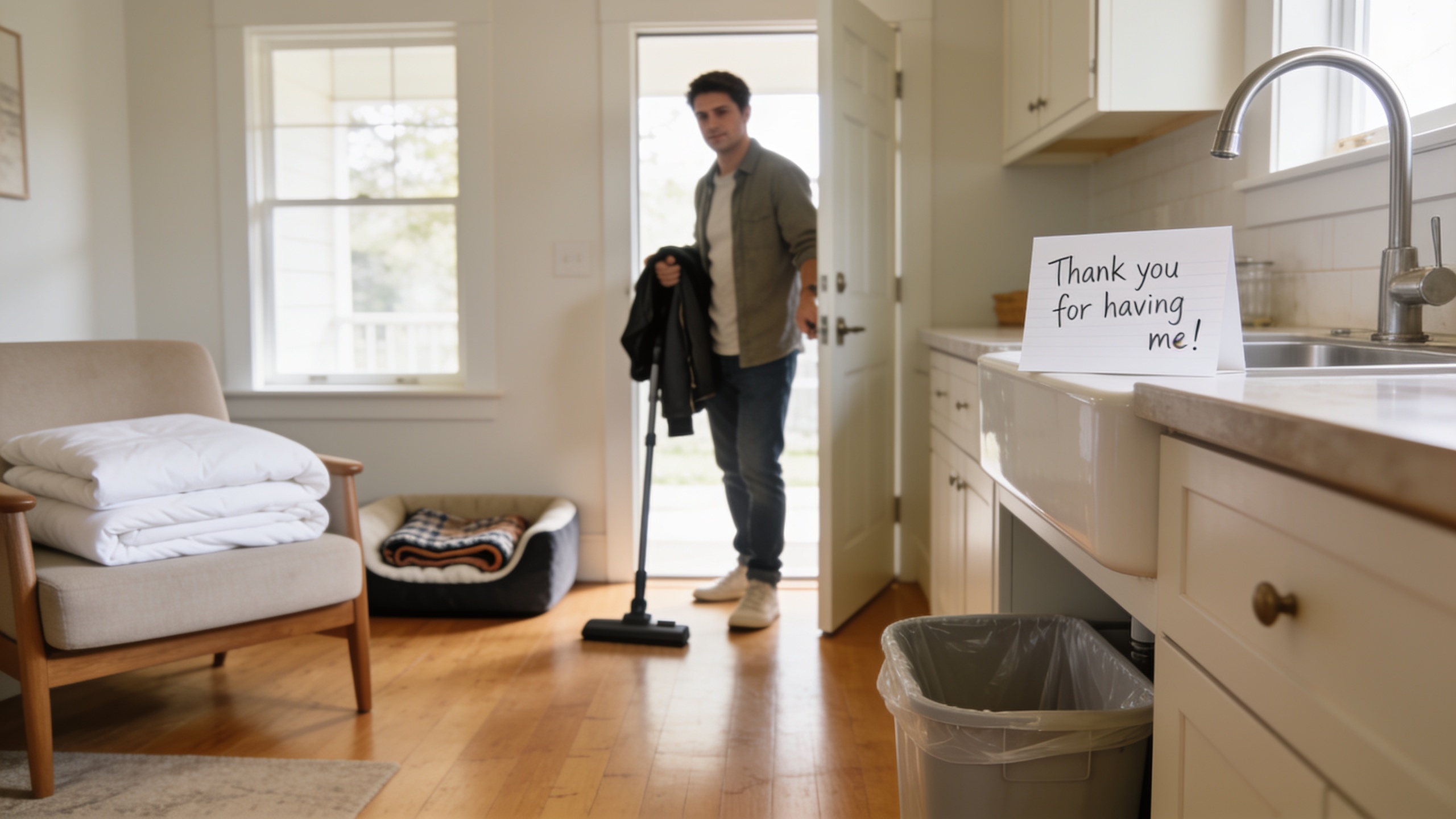
Before you head out, do a proper final walkthrough, the same one you'd want your swap partner doing before they leave your place. Vacuum up the pet hair. Wash any bedding your pet used. Take out the trash. Leave a short thank-you note and flag anything worth mentioning, like a squeaky gate latch you noticed or a park your dog absolutely lost his mind over in a good way. This kind of attentiveness is genuinely what separates a five-star exchange from the kind that leaves a host quietly reluctant to ever welcome pets again. It's the same standard baked into most home swap etiquette, pets or no pets.
 Clean home interior showing proper end-of-stay preparation and courtesy for a pet-friendly home swap
Home Swap vs. the Other Options
A pet-friendly home swap usually gives you more space and a lower cost per night than a hotel, but it asks for more upfront communication and trust than just clicking "book." Seeing how it stacks up against the other options makes it easier to figure out what fits a given trip.
| Option | Typical Cost | Space for Pets | Communication Needed | Best For |
|---|---|---|---|---|
| Pet-friendly home swap | Credit-based, no cash between members on platforms like SwappaHome | Full home, often with yard/garden | High — requires detailed pre-trip messaging with host | Longer stays, families, budget-conscious travelers |
| Pet-friendly hotel | $150–$400+ per night, often with added pet fees | Single room, no outdoor access | Low — policies set by hotel chain | Short stays, business travel |
| Traditional vacation rental | Varies widely, often with pet cleaning surcharge | Full home, varies by listing | Moderate — property manager sets rules | Trips without an existing swap community |
| Pet boarding + separate travel | Daily boarding fee, plus your own lodging | Not applicable — pet stays behind | Low, but requires trusted boarding facility | Trips where pets can't travel at all |
I'm not trying to crown one winner here. A boarding facility might genuinely be the smart move for a work trip where the dog just can't tag along, and a hotel makes total sense for a one-night stopover. But for anyone who wants their pet along for a full vacation without eating a per-night surcharge over and over, a pet-friendly exchange tends to hit the most livable middle ground between cost and comfort. That's just been my experience, anyway.
Frequently Asked Questions
Do all home swap platforms allow pets?
Nope, not automatically. Pet policies are set by each individual host, not by some blanket platform rule, so you've got to check each listing's description and confirm directly with the host before you assume pets are welcome. Even on platforms with a big, verified community, individual hosts might have allergies, resident pets of their own, or house rules that make their particular home a bad match for a visiting animal.
How do I tell if a host is genuinely fine with pets, not just putting up with them?
Look for hosts whose listings mention outdoor space, ground-floor access, or their own history with pets, and just ask them straight up instead of guessing. A host who fires back specific, thoughtful questions about your pet's size, temperament, and routine is usually showing you real comfort. A vague or hesitant reply is worth taking seriously before you commit.
What happens if my pet damages something during a swap?
Sort this out and agree on it before the swap starts, because exchanges are peer-to-peer and don't come with a built-in damage deposit the way some vacation rentals do. Plenty of swap households handle it with mutual trust and a clear conversation about expectations, but bring it up directly with your host beforehand so both of you know how an accident, unlikely as it is, would get handled.
Is it actually cheaper to travel with pets through a swap than a hotel?
Generally, yeah. A lot of pet-friendly hotels tack on per-night or per-stay pet fees right on top of the room rate, while a credit-based exchange like SwappaHome involves no money changing hands between members for the stay itself. How much you save depends on your destination and whatever hotel rates you'd be comparing against, but dodging those recurring pet surcharges is one of the more reliable perks of swapping.
Should I bring my pet's crate even if the home has a yard?
Yeah, I'd bring it. A crate or portable gate gives your pet a familiar, contained little spot to decompress during those first couple days in a strange home, even if they'll eventually have the run of the yard or the whole house. It also gives you a clean way to keep your pet away from a host's belongings or resident animals while everyone's still adjusting.
Traveling with pets through a home exchange takes more planning than booking a hotel room, no question. But the payoff is a trip where your pet gets real room to relax and you get a home base that feels less like a layover and more like a second home. Communicate clearly before the swap, pet-proof thoughtfully on both ends, and extend the same courtesy you'd want shown to your own place, and a pet-friendly home swap can turn what's usually a stressful travel-logistics headache into one of the best parts of the whole trip.

Published by
SwappaHome
SwappaHome Editorial Team
Home Exchange & Slow Travel Editorial
The SwappaHome Editorial Team brings together travel research, home-exchange community insights, and platform data to produce practical guides for first-time and experienced home swappers. Every article cites real platforms, current market rates, and verifiable city-level facts so readers can make informed decisions without guessing.
Ready to try home swapping?
Join SwappaHome and start traveling by exchanging homes. Get 7 free credits when you sign up!