Salzburg Neighborhoods for Home Swappers: From Mozart's Haunts to Hidden Local Gems

SwappaHome Editorial Team
Home Exchange & Slow Travel Editorial
Discover Salzburg's best neighborhoods for home exchange—from the baroque Altstadt to trendy Lehen. Local tips, prices, and where to find your perfect swap.
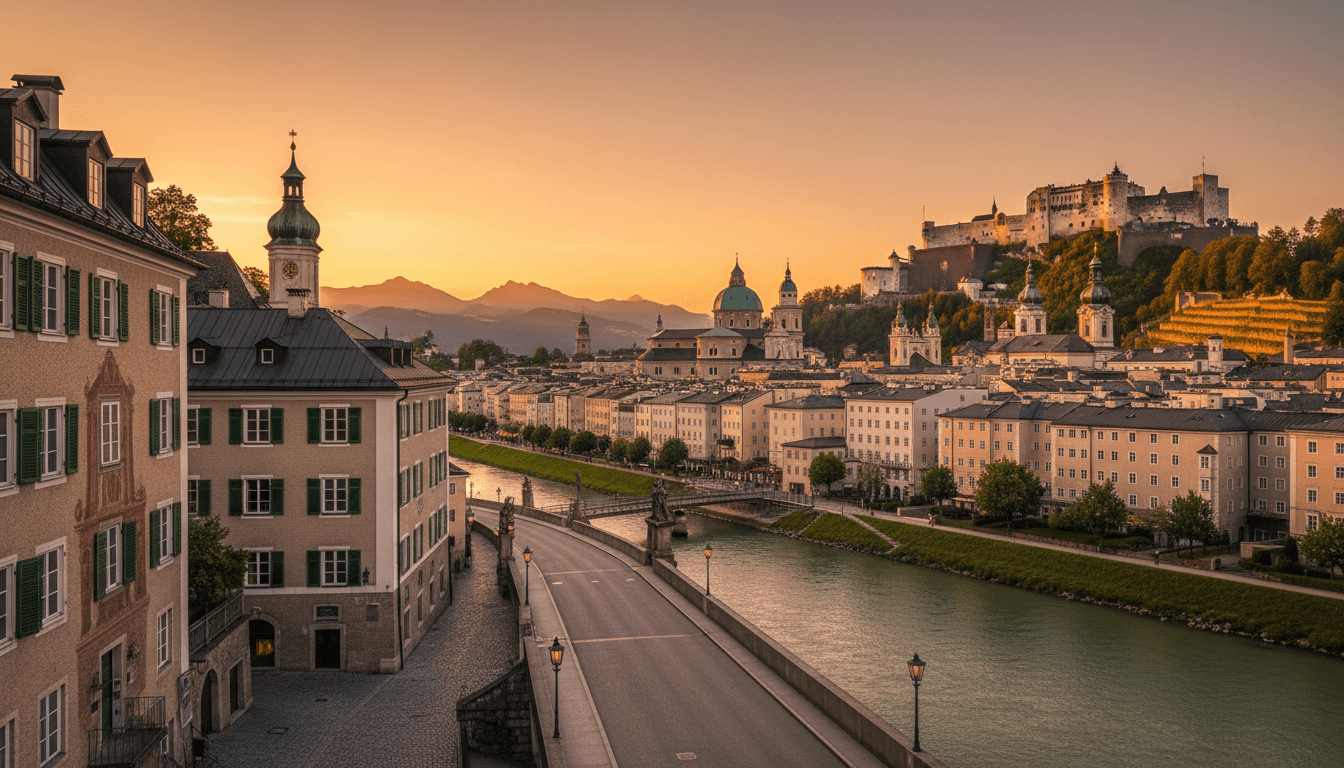
The church bells had just struck seven when I stepped onto my borrowed balcony in Salzburg's Nonntal neighborhood, coffee in hand, watching the fortress turn gold in the morning light. My host had left me a handwritten note: "The best Semmel rolls are at the bakery on Nonntaler Hauptstraße—tell them Greta sent you." That single tip led to the best breakfast of my entire Austrian trip, eaten on a park bench while locals walked their dogs past centuries-old churches.
That's the thing about Salzburg neighborhoods for home swappers—you don't just get a place to sleep. You get Greta's bakery. You get the shortcut through the cemetery that saves ten minutes walking to the old town. You get the corner Beisl where nobody speaks English and the Wiener Schnitzel costs €9.50 ($10.30) instead of €22 ($24) in the tourist traps. Finding the right neighborhood for your home exchange in Salzburg can transform a pretty vacation into something that actually feels like living here.
I've spent a cumulative six weeks in Salzburg over three different home swaps, and I've learned that this compact city of 155,000 people packs an absurd amount of personality into its distinct neighborhoods. The baroque fantasy of the Altstadt. The residential calm of Aigen. The increasingly hip energy of Lehen. Each one offers a completely different Salzburg experience—and depending on what you're after, the "wrong" neighborhood can leave you feeling like you missed the point entirely.
So let me walk you through the Salzburg I've come to know, neighborhood by neighborhood, with all the practical details you'll need to find your perfect home swap.
 Early morning view of Hohensalzburg Fortress from a residential balcony in Nonntal, with terracotta
Altstadt (Old Town): The Postcard-Perfect Salzburg Home Exchange
Let's start with the obvious one. Salzburg's Altstadt—the UNESCO-listed historic center squeezed between the Salzach River and the Mönchsberg cliff—is what most people picture when they think of this city. Getreidegasse with its wrought-iron guild signs. Mozart's bright yellow birthplace. The Residenz fountain where Julie Andrews sang in The Sound of Music. It's spectacular, it's romantic, and yes, you can absolutely find home swaps here.
But here's my honest take: staying in the Altstadt is a bit like living inside a snow globe. Gorgeous, but slightly unreal.
I did my first Salzburg swap in a third-floor apartment on Judengasse, about a two-minute walk from Mozart's birthplace. The building dated from the 1400s. The ceilings had exposed beams. The windows looked out onto a courtyard where someone practiced violin every evening around six. Magical, right?
It was—until I tried to find a grocery store.
The Altstadt has almost no residents' services. The nearest supermarket was a 15-minute walk across the river. Every restaurant within five minutes was priced for tourists (€18-25 for basic pasta, or $20-27). And the crowds on Getreidegasse during peak hours made me want to hide in my apartment.
That said, if you're visiting Salzburg for a short trip during the off-season—say, November or early March—an Altstadt home swap can be genuinely special. You'll have the cobblestone streets almost to yourself. You can walk to the Salzburg Festival theaters, the DomQuartier museums, and the Christmas markets (if you're there in December) without ever needing transport. And there's something undeniably romantic about living in a building older than most countries.
Practical details for Altstadt home swaps:
- Expect smaller apartments—Salzburg's historic center has strict building codes
- Parking is essentially impossible; don't even think about a car
- Nearest supermarket: Spar on Griesgasse (just across the river, about 10 minutes)
- Average restaurant meal: €15-28 ($16-30) in the tourist zone
- Best coffee: Café Tomaselli (touristy but genuinely good, since 1705) or Kaffee Alchemie on Rudolfskai for specialty coffee
- Walk to train station: 20 minutes
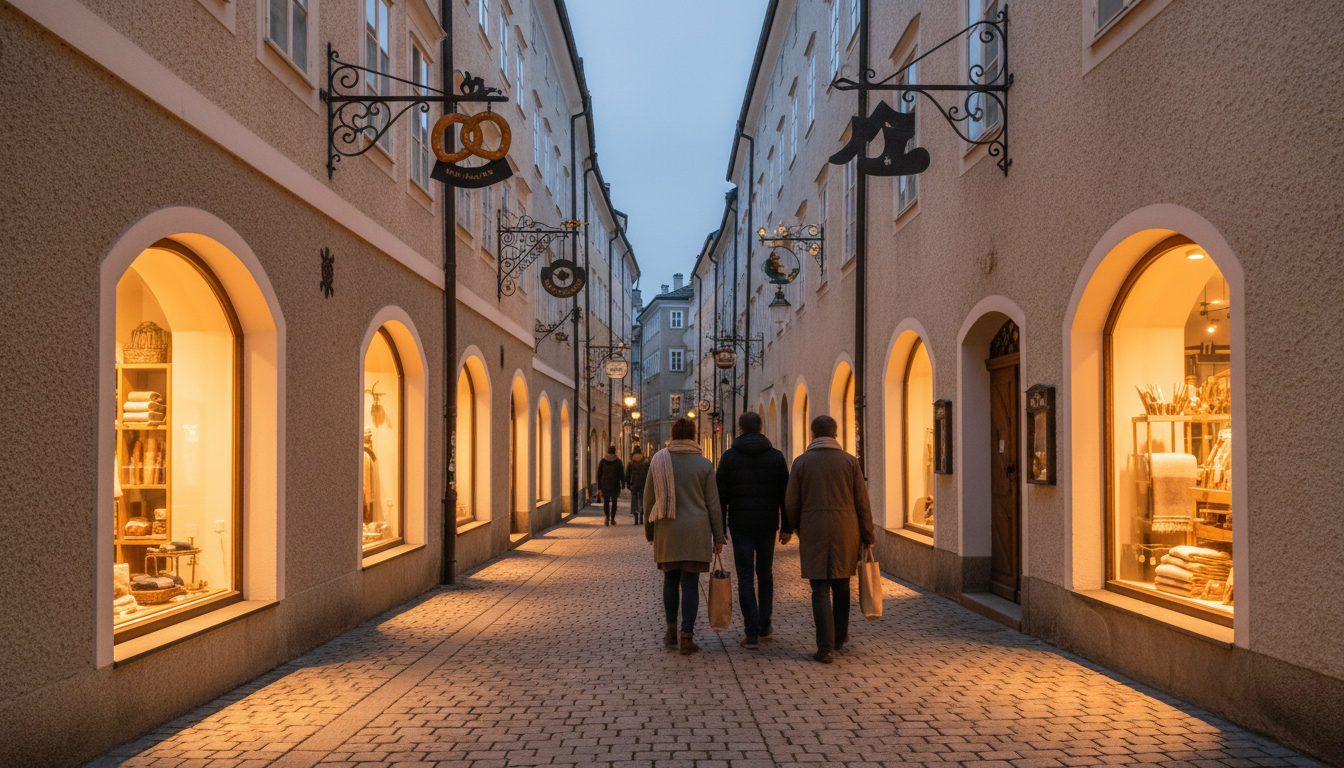 Narrow cobblestone street in Salzburgs Altstadt at dusk, wrought-iron signs hanging from baroque bui
Nonntal: My Personal Favorite Salzburg Neighborhood for Home Exchange
If the Altstadt is Salzburg's public face, Nonntal is where the city exhales and puts its feet up. This residential neighborhood sits just south of the old town, tucked against the base of the Festungsberg (the hill with the fortress). It's where I've done two of my three Salzburg swaps, and honestly? I'd go back tomorrow.
Nonntal gives you the best of both worlds for a Salzburg home swap. You're a 10-minute walk from the Altstadt's museums and churches, but you're also surrounded by actual Salzburgers living actual lives. There's a fantastic Saturday farmers market at the Kajetanerplatz. The Stiftsbäckerei St. Peter—the oldest bakery in Austria, operating since 1160—is technically in your neighborhood. And the walking paths up to the fortress start right here, meaning you can hike up for sunset views while tourists wait in line for the funicular.
The architecture in Nonntal is a mix of 17th-century townhouses and well-maintained apartment buildings from the early 1900s. Most home swaps here offer more space than Altstadt options, often with small balconies or access to shared gardens. My last swap was a two-bedroom apartment with a south-facing terrace where I ate breakfast every morning, watching the fortress above me turn from grey to gold as the sun rose.
The neighborhood's secret weapon? The Nonnberger Stiftskulinarium—a tiny restaurant attached to the Nonnberg Abbey where nuns have lived since 714 AD. The food is simple: soups, strudels, local cheese. But eating in a 1,300-year-old building for €8 ($8.70) still feels like getting away with something.
Practical details for Nonntal home swaps:
- Walk to Altstadt: 8-12 minutes depending on exact location
- Grocery options: Billa on Nonntaler Hauptstraße, small specialty shops throughout
- Vibe: Quiet, residential, lots of families and older residents
- Average apartment size: Larger than Altstadt, often 60-90 square meters
- Local dining: Stiftskeller St. Peter (splurge, €25-40/$27-43 for mains) or Triangel (casual, €12-18/$13-20)
- Parking: Street parking available but limited; some buildings have garages
- Hidden gem: The path through the Nonnberg cemetery has the best free view of the city
Mülln: Where Salzburg's Beer Culture Lives
Cross the Salzach River to the west bank and you'll find Mülln, a neighborhood that feels like it belongs to a smaller, sleepier Austrian town. This is old Salzburg—not the aristocratic baroque kind, but the working-class, beer-brewing, church-on-Sunday kind.
The anchor of Mülln is the Augustiner Bräustübl, and I cannot overstate how much this place will shape your experience if you stay here. This monastery brewery has been making beer since 1621, and the beer hall—which seats 1,400 people inside and another 1,400 in the garden—is where Salzburgers of all ages come to drink Märzen from ceramic mugs, eat sausages from market stalls, and argue about football. A half-liter costs €4.20 ($4.60). You bring your own food or buy from the vendors inside. It's chaotic and wonderful and absolutely nothing like the polished tourist experience across the river.
Beyond the brewery, Mülln offers genuine residential charm for home swappers looking for a Salzburg neighborhood with character. The Müllner Kirche (church) dates from the 1400s. The streets are quieter than the east bank. And you're within walking distance of the Mönchsberg, the long cliff that runs parallel to the old town—the elevator up costs €4.60 ($5) round trip, and the views from the Museum der Moderne terrace are worth every cent.
Practical details for Mülln home swaps:
- Walk to Altstadt: 12-15 minutes via the Müllner Steg footbridge
- Grocery: Hofer (Austrian Aldi) on Müllner Hauptstraße—best budget option in central Salzburg
- Vibe: Local, unpretentious, slightly older demographic
- Must-do: Augustiner Bräustübl, obviously (open Monday-Friday 3-11pm, Saturday-Sunday 2:30-11pm)
- Parking: Easier than the east bank, street parking usually available
- Architecture: Mix of traditional townhouses and 1950s-60s apartment buildings
- Quiet factor: Very—this is where you come to sleep well
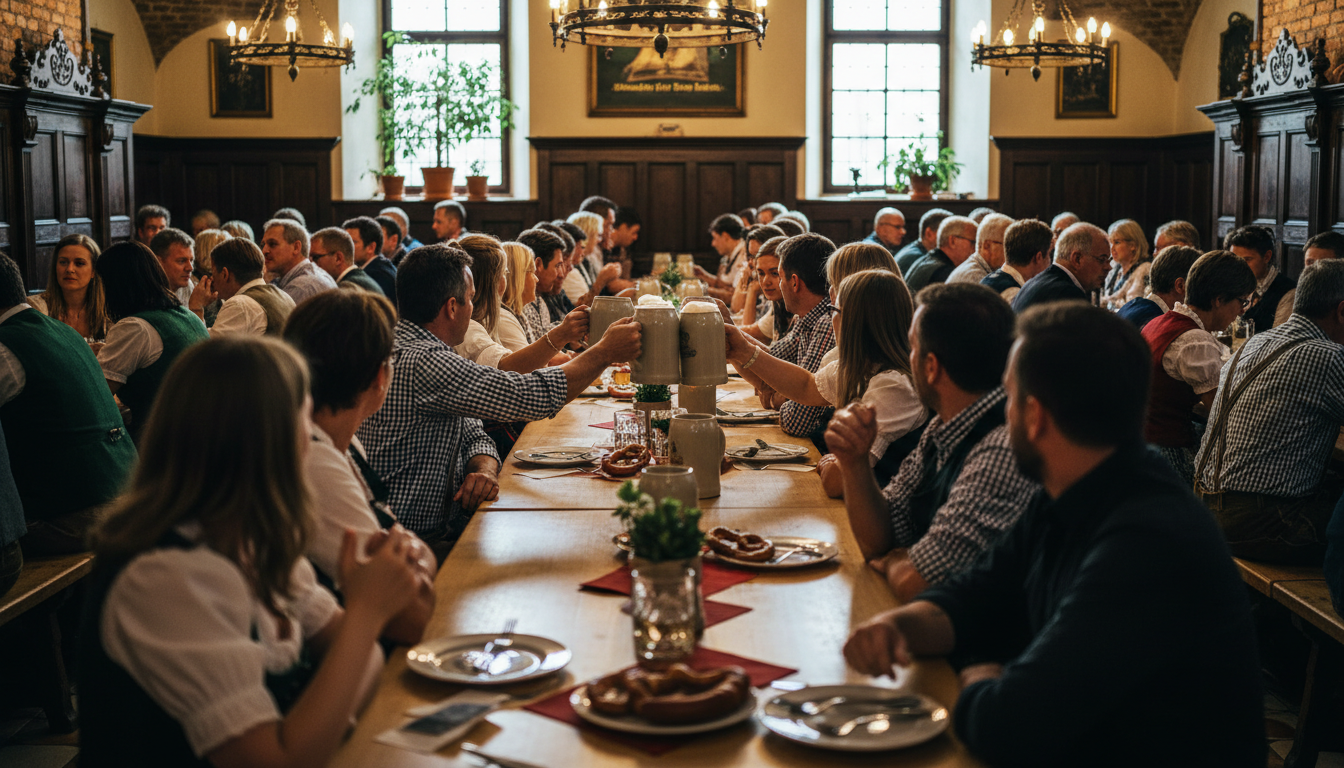 Interior of Augustiner Brustbl beer hall in Mlln, long wooden tables filled with locals of all ages,
Lehen: Salzburg's Quietly Trendy Home Swap Neighborhood
I'll admit it—I was skeptical about Lehen. This neighborhood northwest of the train station doesn't appear in any guidebook I've ever read. It's not pretty in the conventional Salzburg sense. The architecture is mostly post-war apartment blocks. The streets are wide and functional rather than charming.
But a friend who'd lived in Salzburg for three years insisted I check it out, and now I get it.
Lehen is where young Salzburgers actually live—because they can afford to. It's where the interesting cafés are opening. It's where you'll find the city's best Asian groceries, its most diverse restaurant scene, and a growing creative community that's quietly making this neighborhood Salzburg's answer to Berlin's Neukölln (but, you know, with mountains).
The transformation centers on the Europark shopping center and the new Stadtwerk Lehen development, but the interesting stuff is happening in the streets around Ignaz-Harrer-Straße. Café Cult does excellent specialty coffee and attracts a laptop crowd. The Lehen market on Saturday mornings has better prices than the tourist-oriented markets in the center. And the Salzach River path runs right through, connecting you to the old town via a flat, scenic 20-minute bike ride.
For home swappers, Lehen offers something increasingly rare in European cities: space. Apartments here are larger. Many have balconies or terraces. Some even have parking included—a genuine luxury in Salzburg. You'll trade postcard views for practicality, but if you're staying more than a few days, that trade-off might be worth it.
Practical details for Lehen home swaps:
- Walk to Altstadt: 25-30 minutes, or 10 minutes by bike
- Public transport: Bus lines 1 and 2 run frequently to the center (single ticket €2.20/$2.40)
- Grocery: Multiple options including Billa, Hofer, and excellent Asian markets on Ignaz-Harrer-Straße
- Vibe: Young, diverse, increasingly hip but not self-conscious about it
- Average apartment size: Larger than central neighborhoods, often 70-100+ square meters
- Dining: Mix of traditional Gasthäuser and newer international options (Vietnamese, Turkish, Thai)
- Best for: Longer stays, families needing space, budget-conscious travelers
Aigen: Salzburg's Elegant Residential Secret
If Lehen is where young Salzburgers live, Aigen is where they dream of living once they've made it. This leafy neighborhood at the southeastern edge of the city, pressed against the base of the Gaisberg mountain, is Salzburg's version of a garden suburb—all villas with manicured hedges, quiet streets lined with chestnut trees, and an almost aggressive sense of tranquility.
I've never done a home swap in Aigen, but I've visited friends who live there, and I understand the appeal. The neighborhood is genuinely beautiful in a way that feels earned rather than preserved for tourists. The Aigner Park offers shaded walking paths. The Schloss Aigen (a small baroque palace) hosts concerts in summer. And the Gaisberg cable car, which takes you 1,287 meters up for panoramic Alpine views, is a 10-minute walk from the neighborhood center.
The catch? Aigen is far from everything. You're looking at a 35-40 minute walk to the Altstadt, or a 15-minute bus ride. There's essentially no nightlife. The restaurant options are limited to a few traditional Gasthäuser. If you want to feel like you're in Salzburg's tourist heart, this isn't your neighborhood.
But for a certain type of traveler—families with kids, anyone seeking genuine peace, people who want to wake up and hike before breakfast—Aigen might be perfect. Home swaps here tend to be houses rather than apartments, often with gardens. You'll have space to spread out. And you'll experience a side of Salzburg that most visitors never see.
Practical details for Aigen home swaps:
- Walk to Altstadt: 35-40 minutes (but scenic along the river)
- Public transport: Bus 7 to center, runs every 10-15 minutes
- Grocery: Small Spar in the neighborhood; better options require a trip to Lehen or center
- Vibe: Wealthy, quiet, family-oriented, very Austrian
- Property types: More houses available than apartments; expect gardens
- Best for: Families, nature lovers, anyone wanting a peaceful retreat
- Don't miss: Gaisberg for hiking/views; Schloss Hellbrunn is a 15-minute walk
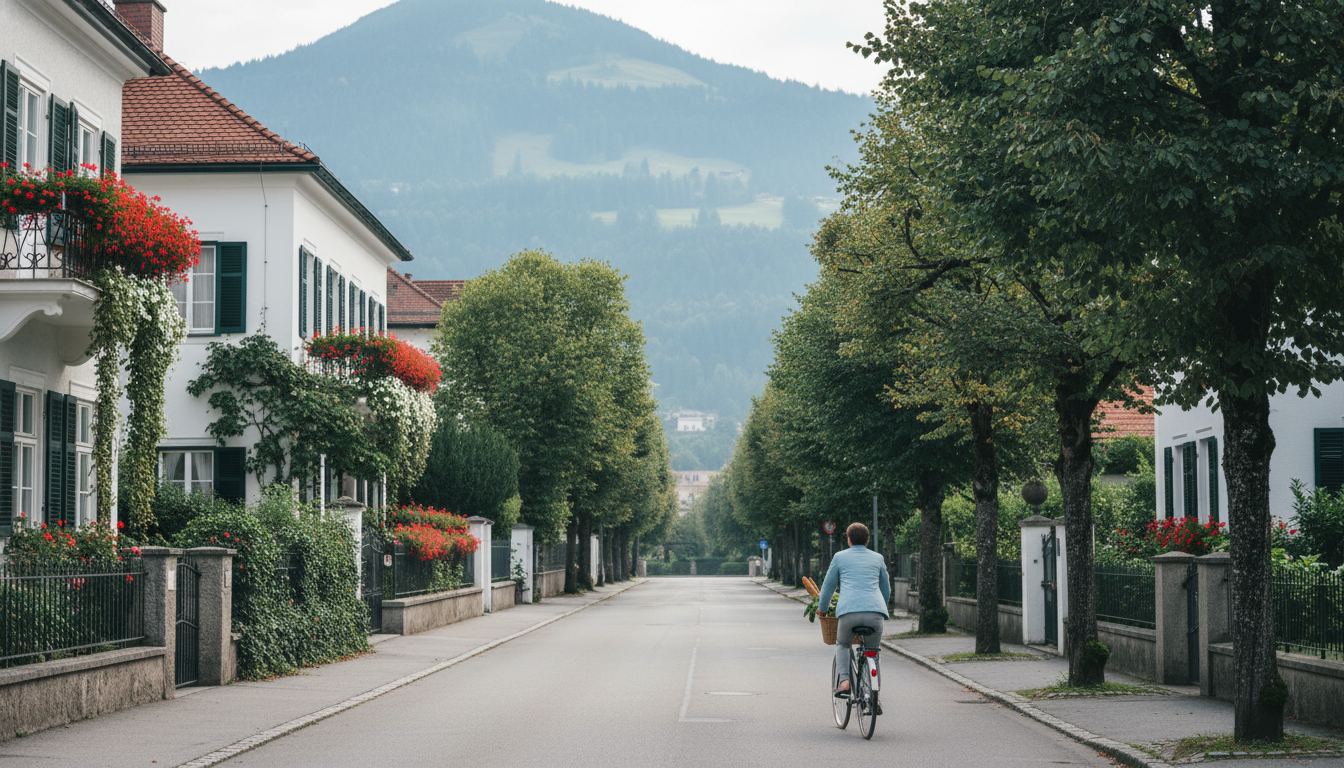 Tree-lined residential street in Aigen neighborhood, elegant villas with flower boxes, the Gaisberg
Maxglan: The Practical Choice Near the Airport
I'll be honest—Maxglan isn't the neighborhood I'd choose for a romantic Salzburg getaway. But if you're arriving late, leaving early, or traveling with family and need the convenience of being near the airport without staying in an airport hotel, it's worth knowing about.
Maxglan sits west of the center, between the train station and the Salzburg Airport (which is tiny and manageable, by the way—not like arriving at Frankfurt). The neighborhood is solidly middle-class residential, with a mix of older houses and newer apartment developments. The Europark shopping center, Austria's largest, is here—which sounds soulless but is genuinely useful if you need to stock up on anything from hiking gear to Austrian chocolate.
The neighborhood's saving grace is the Salzach River path, which runs along its eastern edge and connects you to the center via a pleasant 25-minute bike ride. There's also a decent farmers market on Thursday mornings and a few surprisingly good restaurants that cater to locals rather than tourists.
Practical details for Maxglan home swaps:
- Distance to airport: 5-10 minutes by car, 15 minutes by bus
- Walk to Altstadt: 30-35 minutes, or 12-15 minutes by bike
- Grocery: Europark has everything; smaller shops throughout neighborhood
- Vibe: Practical, residential, not particularly charming but comfortable
- Best for: Families needing space, anyone with early flights, budget-conscious travelers
- Skip if: You want atmosphere or walkable access to sights
Choosing Your Salzburg Neighborhood: A Quick Comparison
After all these details, let me give you the simplified version based on what you're actually looking for:
For first-time visitors wanting the classic experience: Nonntal gives you proximity to the old town without the tourist-trap prices and crowds. You'll feel like you're staying in the "real" Salzburg while still being steps from Mozart's birthplace.
For budget-conscious travelers: Lehen offers the best value—larger apartments, lower prices, and a genuinely interesting neighborhood that's evolving rapidly. The 20-minute bike ride to center is pleasant, not a burden.
For families with kids: Aigen's space, gardens, and proximity to nature make it ideal. Kids can run around without you worrying about cobblestones and tourist crowds.
For foodies and beer lovers: Mülln puts you next to the Augustiner Bräustübl and within easy reach of both the old town restaurants and the more interesting local spots on the west bank.
For short romantic getaways in off-season: The Altstadt, despite its limitations, is genuinely magical when the crowds thin out. Just accept that you'll pay more for everything.
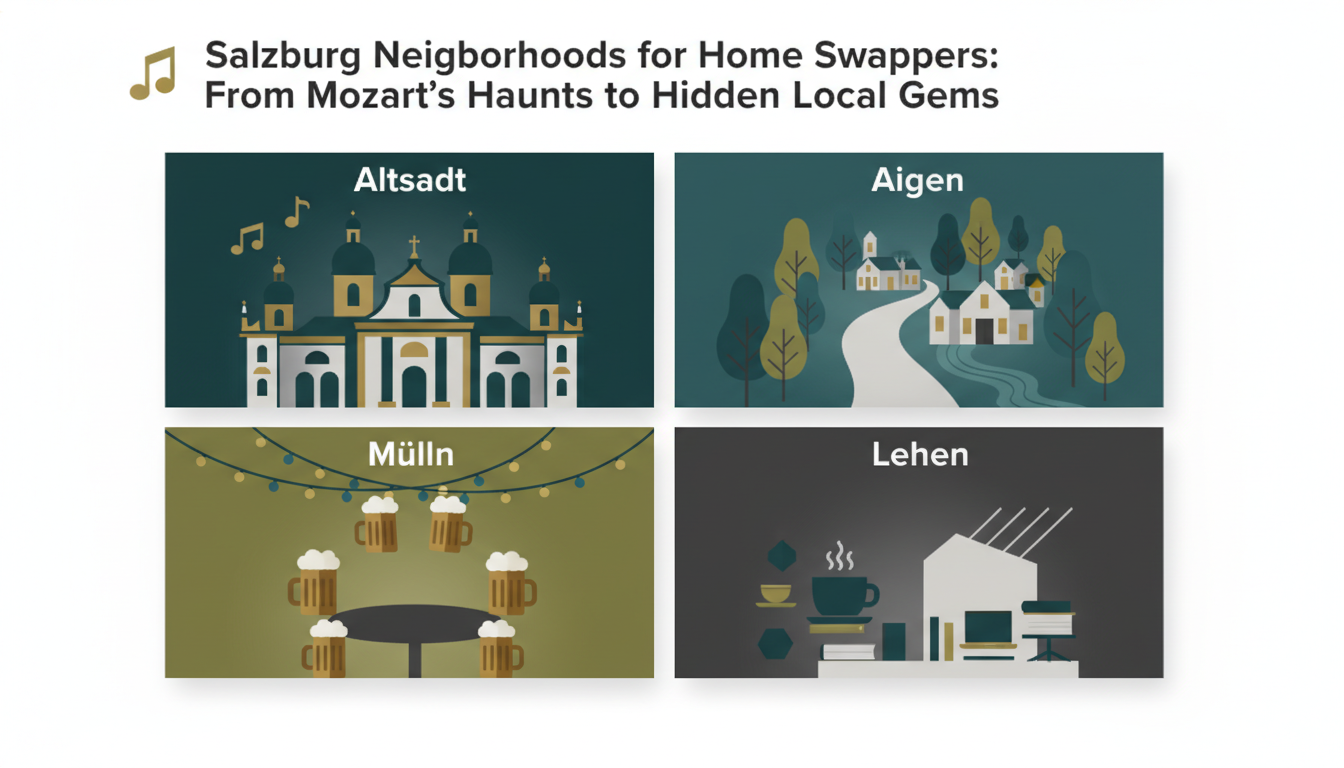 Split comparison showing four Salzburg neighborhoods - baroque Altstadt architecture, leafy Aigen vi
Making Your Salzburg Home Swap Work
A few final thoughts from someone who's learned these lessons the hard way.
Timing matters enormously. Salzburg during the summer festival (late July through August) is a completely different city than Salzburg in October. Prices spike, crowds intensify, and even residential neighborhoods feel the pressure. If you have flexibility, aim for May-June or September-October—the weather is still good, but the intensity drops significantly.
The train station location is underrated. Salzburg Hauptbahnhof sits between the Altstadt and Lehen, and staying within walking distance makes day trips incredibly easy. Hallstatt is 90 minutes by train. Munich is under two hours. The Bavarian Alps are right there. A home swap near the station opens up half of Central Europe.
Learn the bus system. Salzburg's buses are clean, punctual, and cheap (€2.20/$2.40 single, €6.10/$6.60 day pass). Even if you're in a central neighborhood, knowing the routes expands what you can do. The 25 bus to Untersberg, for example, takes you to one of the best hiking areas near the city.
Stock up at the right places. The Grünmarkt (green market) at Universitätsplatz runs Monday through Saturday and has the best produce in the city. For everyday groceries, Hofer (in Mülln or Lehen) beats the Billa and Spar prices by 20-30%. And the Stiftsbäckerei bread is worth the slight premium.
On SwappaHome, I've noticed Salzburg listings tend to skew toward apartments in Nonntal and Mülln—probably because these neighborhoods have the right mix of residential density and traveler appeal. When you're browsing, pay attention to the photos of the view from windows and balconies. In Salzburg, what you see from your morning coffee spot might matter more than the apartment itself.
The Neighborhood That Surprised Me Most
I want to end with a small confession. Before my most recent Salzburg trip, I was convinced I'd always stay in Nonntal. It's beautiful, it's convenient, it's everything I thought I wanted from a Salzburg home swap.
But I ended up in Lehen, almost by accident—the apartment I'd originally booked fell through, and a last-minute listing in Lehen was my only option. I was disappointed. I'd be "far" from everything. I'd miss the fortress views.
Instead, I discovered a neighborhood that felt genuinely alive in a way the tourist areas don't.
I found a Vietnamese restaurant that became my go-to lunch spot. I watched the sunset from the Salzach River path with locals walking their dogs. I spent an afternoon at Café Cult, working on my laptop while students studied for exams at the next table. It felt less like visiting Salzburg and more like borrowing someone's life there.
That's what the right neighborhood can do. It's not just about proximity to sights or the prettiness of the streets. It's about finding a place where you can slip into a rhythm, where the coffee shop owner starts recognizing you, where you stop consulting Google Maps and start just... knowing where things are.
Salzburg is small enough that you can experience most of it from any neighborhood. But the neighborhood you choose will shape what that experience feels like. Choose the one that matches not just where you want to go, but who you want to be while you're there.
Frequently Asked Questions
What is the best neighborhood in Salzburg for a home swap?
For most home swappers, Nonntal offers the ideal balance—you're 10 minutes from the Altstadt's attractions but surrounded by local bakeries, quiet streets, and authentic Austrian residential life. It's particularly good for first-time visitors who want convenience without tourist-trap prices. Families might prefer Aigen for its space and gardens, while budget travelers should consider Lehen's larger, more affordable apartments.
How far in advance should I book a Salzburg home exchange?
For summer visits (June-August) and the Christmas market season (late November-December), start looking 4-6 months ahead—Salzburg is popular and good listings get claimed quickly. For shoulder seasons like May or October, 2-3 months is usually sufficient. Last-minute swaps are possible but limit your neighborhood choices significantly.
Is Salzburg walkable from all neighborhoods?
Salzburg's compact size means even "far" neighborhoods are accessible. From Nonntal or Mülln, you're 10-15 minutes on foot to the Altstadt. From Lehen, it's 25-30 minutes walking or 10 minutes by bike. Only Aigen (35-40 minutes) really requires public transport for daily sightseeing. The bus system is excellent and a day pass costs just €6.10 ($6.60).
Can I find home swaps in Salzburg with parking?
Yes, but location matters. Altstadt has virtually no parking options. Nonntal and Mülln have limited street parking. Your best chances are in Lehen, Maxglan, or Aigen, where many apartments and houses include dedicated parking. If you're renting a car for day trips, prioritize these neighborhoods—parking in central Salzburg costs €15-25 ($16-27) per day in garages.
What's the cheapest neighborhood for eating out in Salzburg?
Mülln and Lehen offer the best dining value. In Mülln, the Augustiner Bräustübl serves beer from €4.20 ($4.60) and you can buy food from market stalls inside. Lehen has diverse, affordable international restaurants—expect €10-15 ($11-16) for a full meal. The Altstadt is most expensive, with tourist-oriented restaurants charging €18-28 ($20-30) for basic dishes.

Published by
SwappaHome
SwappaHome Editorial Team
Home Exchange & Slow Travel Editorial
The SwappaHome Editorial Team brings together travel research, home-exchange community insights, and platform data to produce practical guides for first-time and experienced home swappers. Every article cites real platforms, current market rates, and verifiable city-level facts so readers can make informed decisions without guessing.
Ready to try home swapping?
Join SwappaHome and start traveling by exchanging homes. Get 7 free credits when you sign up!
Related articles

Bachelor and Bachelorette Parties in Singapore: The Complete Home Swap Group Guide for 2026
Planning a bachelor or bachelorette party in Singapore? Discover how home swapping lets groups of 6-12 stay together in luxury condos, saving thousands while partying in Marina Bay.

Cycling in Lisbon: 7 Home Swap Bike Tour Itineraries for Every Rider
Discover the best cycling routes in Lisbon with these home swap bike tour itineraries—from waterfront paths to hilltop adventures, all starting from your borrowed home.
Graduation Trip to Barcelona: How Home Swapping Gives New Graduates the Ultimate Celebration
Planning a graduation trip to Barcelona? Discover how home swapping lets new graduates explore Spain's most vibrant city without the hostel crowds or hotel costs.